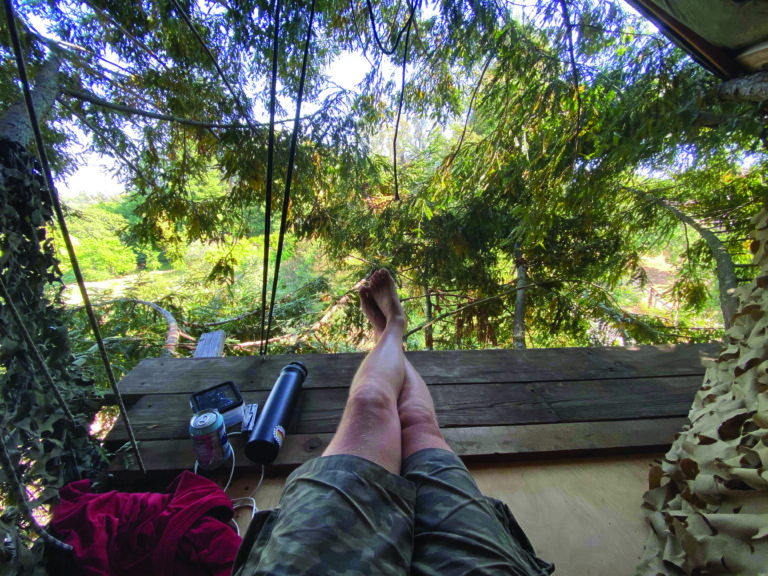
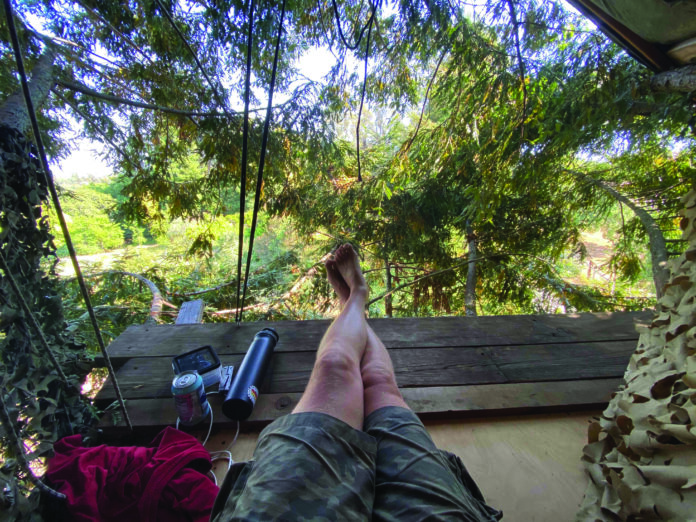
I was up on the platform in the old redwood tree the other afternoon, drinking a pickle-juice beer from Texas and grooving to the rhythm and sway of wood in the wind, and I had a thought: I could live this way.
I mean, like, forever.
I’ve fancied living in a tree ever since I stayed the night in my hippie aunt and uncle’s treehouse in the Santa Cruz mountains in the mid-1970s. It was two stories tall and had a little deck off the loft, accessible through two tiny cabinet doors. I had so much fun there that the memory pains my heart. Time has moved on—that treehouse is now decades gone. But a memory like that will stay with me forever, or at least until my brain turns to Swiss cheese.
I built the platform up in the old redwood tree about a year ago—a couple of weeks after I moved out to Apple Dog Farm in West County. My landlords jumped ship for the summer and I took to exploring the little redwood grove next to the driveway, and one day I looked straight up the trunk of one of the redwoods, and the next thing I knew I’d scaled its branches and arrived at the top. It was quiet and sun-speckled up there. Not only that, I was so lost in the foliage that no one could see me.
I’m no fool. I knew just what to do. I found two sturdy branches that were level, and for the next two weeks I craftily climbed the 30 feet up and down that tree, hauling one board at a time and laying each one out on those branches until I had a platform. Then I added some screws and a roof made of corrugated plastic and a stretched-out army poncho.
Nowadays I climb up there once or twice a week for an hour or two. It’s nice to feel the cool breeze on my bare skin. Sometimes I read or drink a pickle-juice beer, and one time I talked to a barn owl perched on a branch 10 feet away. But mostly I revel in the exquisite peace and beauty of my airborne hideout. If I could, I’d stay up there and never come down, pulling food and water up by rope.
I hope that wooden tree platform lasts a good, long time. I hope it outlasts me.
The 9/22 Open Mic—“Isolation and Connection,” by Michael Johnson—not only expressed exactly what I have been feeling about the pandemic and our mental and emotional health, but it was very well written. Also, I thank the Bohemian for providing a forum airing the various opinions of the public, including articles and letters of mine you have graciously published, such as the recent one criticizing your cigarette ads, which were promptly withdrawn.
Barry Barnett
Santa Rosa
Climate Concerns
We should be doing everything we can to stop climate change. And while Congressperson Mike Thompson talks a good game, what is he actually doing about it? It’s true that he co-sponsored the Green New Deal, but that’s the extent of it. He continues to endorse deforestation in the Napa Valley with his silence. The struggle to protect the watershed in Napa County is well known, and yet he hasn’t weighed in on it, even though Mike is himself a constituent here. He could have quite an impact, but he chooses not to. Why not? It is not forbidden for a member of Congress to take positions on local issues. How will it affect you when sea level rises? Supporting social issues is not enough if we’re not going to actually fix the problems.
Jason Kishineff
American Canyon EDITOR’S NOTE: A news article last week, (“Pot Shops,” Sept. 22) failed to mention that people18 and older can purchase cannabis from dispensaries if they have a valid medical marijuana ID card. The article also did not state that, although the Emerald Cup moved its main event to Los Angeles, it will still host a separate event, the Emerald Cup Harvest Ball, in Santa Rosa. The article has been updated online.
The Met Opera comes to Larkspur, Gayle Skidmore debuts her album recorded in the Netherlands, 6th Street does a vaudeville-esque murder mystery and Tuareg rock meets Lebanese sound experiments.
The Lark Theater
Larkspur
The Lark Theater offers opera fans a sneak peak of the grand reopening during the Met Opera live broadcasting. Saturday, Oct. 9 kicks off the “Live from the Met” series with Modest Mussorgsky’s Boris Godunov, a pillar of Russian opera following the story of a tortured tsar plagued by dreams of success and paranoia, conducted by Sebastian Weigle. Oct. 23 features the second opera from Grammy Award–winning jazz musician and composer Terence Blanchard, Fire Shut Up in My Bones. This profound adaptation of Charles M. Blow’s moving memoir is the first opera by a Black composer to be presented on the Met stage. Recorded broadcasts of both operas will also be shown on two Wednesdays, Oct.13 and 27. Live broadcasts begin at 10:55am and encores (recorded broadcasts) at 6:30pm. The Lark Theater, 549 Magnolia Ave., Larkspur. Shows on Oct. 9, 13, 23 and 27. Tickets are $30 on Saturdays and $24 on Wednesdays, available for purchase at Larktheater.net or by calling the Box Office at 415.924.5111.
Toad in the Hole
Santa Rosa
Gayle Skidmore, ethereal singer-songwriter who splits her time between San Diego and the Netherlands and is known in Germany as Die Schutzpatronin der Gartenzwerge—the Patron Saint of Garden Gnomes—is coming to Santa Rosa’s own Toad in the Hole for a performance of her latest album, Hiraethean Echoes, recorded at the legendary Wisseloord Studios in the Netherlands. Having written over 2,500 songs since she began songwriting at the age of eight, classically trained pianist Gayle Skidmore has had the chance to play over 20 other instruments on her many independent albums. Nominated for seven San Diego Music Awards, Skidmore’s natural ability and innate passion for music made her music career inevitable, and her tumultuous life has given her plenty of inspiration for her enchanting indie-folk pop style. Her full-length albums come with self-illustrated coloring books which highlight her thoughtful lyrics. Don’t miss this show! Toad in the Hole, 116 5th St., Santa Rosa. Oct. 2 at 4:20pm. 707.544.8623. This event is open to the public.
6th Street Playhouse
Santa Rosa
This Friday, Oct. 1 get ready for the most fun you’ve ever had at the scene of a crime. Starring Ginger Beavers and Trevor Dorner and directed by Laura Downing-Lee, Murder for Two features a small-town policeman with detective dreams and a crime novelist killed at a surprise party. With the nearest detective hours away, our officer jumps in to solve the crime. But whodunnit? Did the novelist’s scene-stealing wife give him a big finish? Is his secret lover, the prima ballerina, the prime suspect? Or did the overly friendly town psychiatrist make a fatal frenemy? Suspects spill out of the woodwork, and laughs are guaranteed. This is the ideal blend of Agatha Christie-like intrigue, vaudeville, slapstick, great acting and a piano. Two actors. One piano. Thirteen suspects. The perfect blend of music, mayhem and murder. 6th Street Playhouse, 52 W. 6th St., Santa Rosa. Shows through Oct. 10 in the GK Hardt Theatre. Tickets $22–38. 707.523.4185. 6thstreetplayhouse.com
Lagunitas Brewery
Petaluma
This Monday, Oct. 4 Lagunitas Brewery in Petaluma brings a killer show along with their usual killer beer selection. Bring your friends, furry or otherwise—and that applies to people and creatures—and vibe to Mdou Moctar with TALsounds. This is a new sound you don’t want to miss—Mdou, a prodigious Tuareg guitarist reforging Saharan music with contemporary rock using field recording, poetry and blasting noise, created his sounds on a guitar that he built and taught himself to play. TALsounds is the moniker of Natalie Chami, a Canadian-born Lebanese American who creates ambient sound experiments through her masterful synth work, operatic vocals and nuanced sculpting of mood and atmosphere. Chami’s music strikes a balance between the extremely personal and the selflessly transportive. She will tour with Mdou Moctar through 2021. Grab a beer and enjoy the show! Lagunitas Brewing Company, 1280 N. McDowell Blvd., Petaluma. Tickets are $10, start time is 4:20pm. Show is 21+. 707.778.8776. www.lagunitas.com
Why is a town with an art center better than a town without one? That’s the question the new leadership at the Petaluma Arts Center wants us to ask ourselves.
If there is one common thread that crosses ideological, cultural and political lines in this time of Covid, it’s that art heals. Streaming services subscriptions surged as the pandemic took hold last year. Fans of theater and live music tentatively reserved tickets for shows and crossed their fingers that the events would actually happen. Social media is awash with people creating and sharing for the first time.
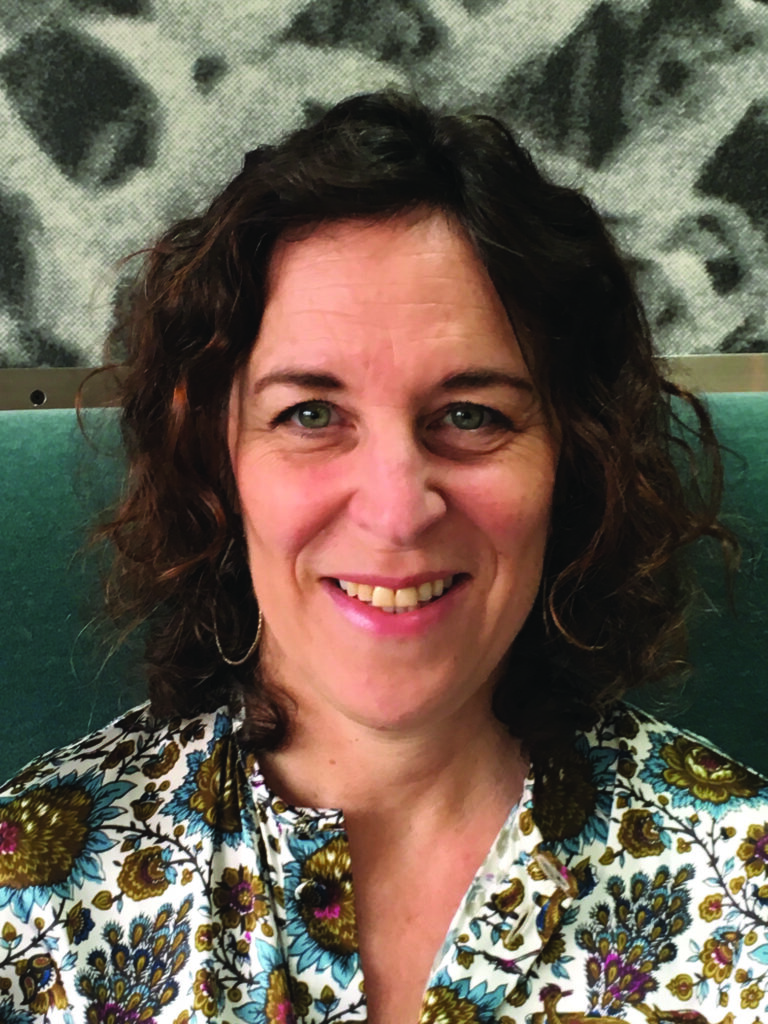
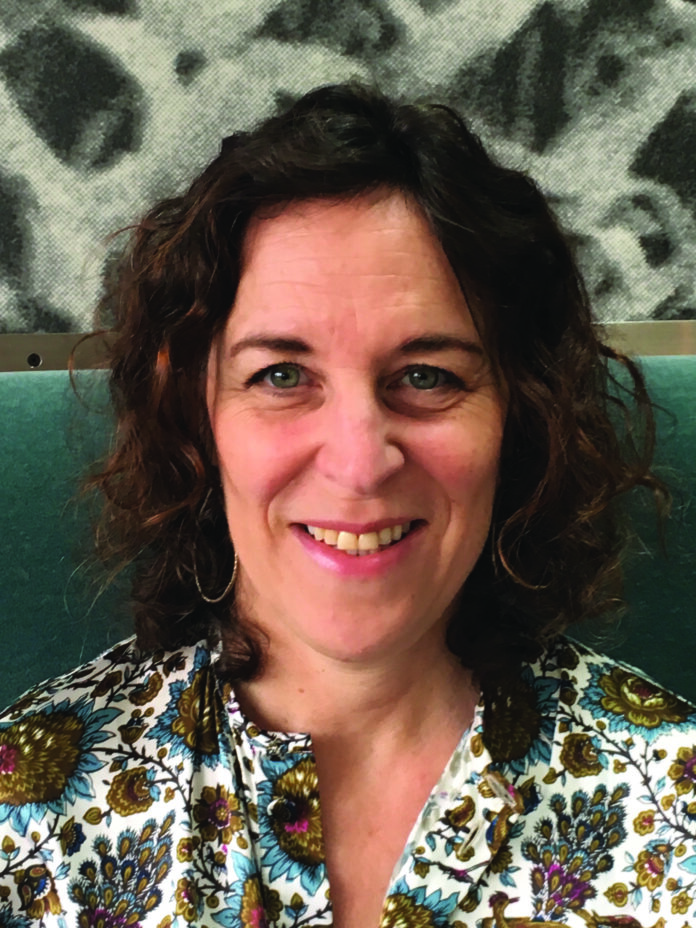
Carin Jacobs, the new executive director at the Petaluma Arts Center, is willing to bet that the healing really starts locally. “I moved to Petaluma about eight years ago and this is now my forever home,” she said, laughing, as she showed me around the current exhibit showcasing local handicrafts from wool sweaters to guitars.
The show, “By Hand, Makers Among Us,” focuses not just on the works created by talented community members, it also highlights the process of creation. Finished works like an impeccable sweater are displayed along with a loom and the same raw wool that was used to make the art object. Fine bowls are displayed with lumps of clay. Jacobs points out that showing the process is important because it “pulls back the curtain on art and humanizes it” and also reflects how the “frame” of a gallery changes how you see objects that have an everyday form and function in the world.
Jacobs first moved to town during a seven-year hiatus from her career in the art world, so she volunteered at the PAC to feed her passion for art. “The community that I found here has become a surrogate family to me, truly,” she said.
That is how she sees her work; as “expanding the family of the Art Center.” She wants to capture the vital energy of the town, appealing to both the new urban transfers and those who have lived in Petaluma for multiple generations.
Connecting diverse communities to the PAC so that community members see themselves in the art, is her strategy for building membership. “You blend that and create a place where people not only say ‘I’ve been there’ but they say ‘I go there,’” Jacobs says.
By expanding the Board of Directors from 6 to 9 members, Jacobs plans to bring diversity into leadership, as well. In part, this means younger representation. “Age diversity is important, because if you don’t want only retired people over 65 coming through the door, you need to have younger people see themselves here,” she says.
She adds, “It’s organic in terms of those people telling their circles and their friends and their communities, and that’s how you grow.”
PAC’s remaining 2021 exhibitions serve that purpose well. Next up is the city’s popular Día de los Muertos observation, featuring an altar installed at PAC and a joyous procession through city streets that lands revelers at the Center’s ample outdoor space to dance to live music. The series of events highlights the benefits of acting as a nexus for a community looking for meaningful ways to come together.
The last show of the year is the annual Members Exhibition, created for members to really connect in just the ways Jacobs believes are so important. Work displayed is selected from submissions of member’s own work.
“I think we would all agree that a town with an art center is better than one without one, but I think we need to get better at explaining why,” Jacobs says. “The more people that can answer that question, the more people are going to organically become ambassadors of the message and the mission and the work that we’re doing.”
Note to readers: This story contains descriptions of sexual harassment, assault, disparaging language and intimidating behavior.
“If the owner walks in and everybody, front and back of house, is tensed-up walking on eggshells, uncomfortable, afraid he will talk to them, not sure what kind of a mood he’s in—it’s a terrible environment to work in,” says Leah Engel about her former boss Lowell Sheldon, a renowned Sebastopol restaurateur.
Sheldon opened Lowell’s, a high-end farm-to-table restaurant, in 2007. He went on to co-found three more acclaimed Sebastopol restaurants: Handline with his then-romantic partner Natalie Goble in 2016, Fern Bar in 2018 and Khom Loi in 2021. Currently, Sheldon is planning to reopen the Freestone Hotel, a historic landmark in West Sonoma County, as an elegant bed and breakfast with an attached wine tavern.
Engel’s description of working for Sheldon sharply contradicts the picture painted in the employee handbook for Lowell’s, which outlined the “core emotional skills” staff were expected to possess, including “optimistic warmth” and “empathy.”
“While we have high standards for proficency [sic] and work ethic, we have even higher standards for emotional intelligence: an innate care for hospitality, a capacity for working well with others, and a genuine willingness to learn and grow,” the handbook states in part.
Since April 2021, the Bohemian has interviewed 12 individuals—eight on record—with firsthand experience of Sheldon’s behavior between 2007 and 2021 in and outside of his restaurants. Eight former employees and business associates—six on record—experienced or witnessed Sheldon committing sexual harassment and regularly engaging in unprofessional behavior with people who worked for him at Fern Bar, Handline and the now-closed Lowell’s. Two other individuals—one on record—experienced harassment or troubling behavior in their places of work in Sebastopol. Two more individuals knew Sheldon from dating apps.
In August, the Bohemian began speaking to a woman who met Sheldon on a dating app. She says that Sheldon sexually assaulted her in 2019. On Monday, Sept. 27, she said she filed a police report about the incident. She asked to remain anonymous and will be referred to by the Bohemian as Jane Doe. The Bohemian also spoke to Heather Wise, a local attorney, who witnessed Doe file the report. A detailed account of Doe’s story appears here.
Three additional former employees of Sheldon’s restaurants spoke on the record to the San Francisco Chronicle, which published its own investigative article about the allegations against Sheldon on Saturday, Sept. 25.
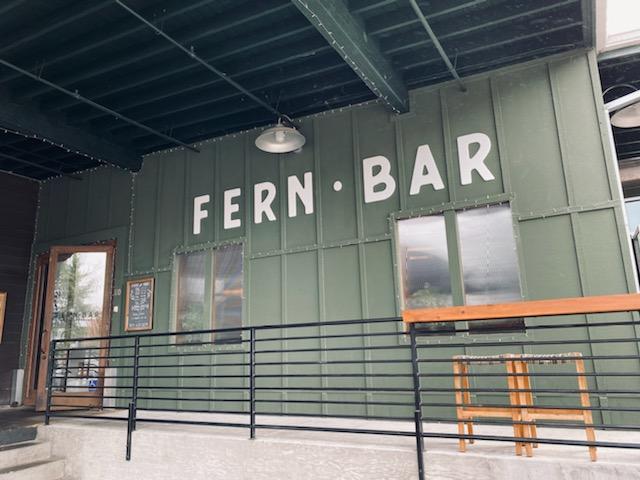
A signature cocktail at Fern Bar.
As reflected in the Lowell’s employee handbook, Sheldon’s restaurants appeared on the surface to be appealing places to work. They grew their own local organic ingredients and espoused their belief in personal and emotional growth, too. But Engel and others who worked for Sheldon say that the latter was all talk; while many cherished working among colleagues who were inspired by the businesses’ ethos, Sheldon’s restaurants had a rotten core.
Despite a 2019 HR investigation at Fern Bar prompted by employees’ concerns—none of Sheldon’s business partners spoke about Sheldon’s behavior publicly, instead opting to quietly remove him from Fern Bar and Khom Loi earlier this year, after Engel and another former employee of Sheldon posted on Instagram about their experiences working for him.
At Handline, Sheldon remains a partner, though owner Natalie Goble told the Bohemian that Sheldon has not managed daily operations since 2017 and that he has not performed any function relating to business operations since the spring.
His accusers say that without the restaurants’ public acknowledgement of Sheldon’s wrongdoing, there has been nothing to stop Sheldon from continuing to forge new partnerships where they fear he will continue to cause harm. Multiple sources expressed specific concern that Sheldon’s forthcoming hotel venture could be a dangerous place for women.
In a statement to the Bohemian in response to a lengthy list of questions about the allegations described in this article, Sheldon wrote, “Every allegation you list or question you asked, beyond the comment I made [that sparked the HR investigation], is either taken out of context, grossly misleading or completely false.”
What employees say Lowell’s was like
Most of the employees the Bohemian spoke to worked for Sheldon within the past six years. However, one source who contacted us shed light on what Sheldon was like when his first restaurant opened 14 years ago. She asked to be identified only by her first name, Lee.
Lee met Sheldon at a party in 2007. She was 23 when she interviewed to work at his restaurant, which was still under construction. Lee says, “The initial way I felt about him was admiration. He was only a couple years older than me and [was] doing this project that stood for something really cool.”
Lee says that she was a hard worker and began the job with excitement. But her eagerness quickly turned to discomfort and she quit within two months because of comments Sheldon made about her appearance.
“They weren’t necessarily flattering comments; they were kind of derogatory like, ‘you should do something more with your hair—make it look prettier,’ or ‘you should wear makeup,’” Lee says.
The clincher was when Sheldon told her to wear a belt to show off her waistline more. “It was a very confusing comment, because he had just given me this t-shirt which was the uniform of his business. And he wasn’t happy that it wasn’t fitting me tightly enough,” Lee says.
Maddy Miller worked at Lowell’s from July 2016 until February 2018. She was 23 when she started. Miller says staff would often stay at the restaurant after hours drinking wine with Sheldon. It was also common for them to go to local bars after their shift.
One night, while Miller and a group of her coworkers were drinking with Sheldon, she remembers that Sheldon asked the group how they washed their genitals and if they used soap or not. “I think he enjoyed being provocative and making people a little bit uncomfortable,” she says.
Miller says, “I definitely remember feeling really uncomfortable in the situation. Not answering his question, and feeling like it was really crossing boundaries.”
When she reflects on that time now, Miller says, “He was our boss and our access to our living wage. I think it was really inappropriate for him to cultivate intimate relationships when that power dynamic was there.”
In 2017, the musician SZA performed a concert in San Francisco. Sheldon bought four tickets and invited a friend and two young women staffers to meet him there. When his friend couldn’t make it, Miller was given the fourth ticket. By then, she says, Miller already felt some distaste for Sheldon, but her friends were enjoying his company more.
Miller says that Sheldon bought them all drinks, including one woman who was under 21 at the time. After the concert, one of the women suggested going to a nearby strip club. Sheldon paid everyone’s cover and gave them money for tipping.
“I remember feeling really grossed out, feeling like it was really inappropriate. I didn’t want to be there with my boss having that experience,” Miller says. “But I think there was another part of me that … was putting pressure on myself to have a good time or play it cool or something.”
The next day at work, Miller told Engel and an older coworker, Joni Davis, about the experience. That same day, Miller says, “I got a message from one of the girls I’d been with and she was texting saying that Lowell had asked her not to tell anyone what had happened the night before and that he was asking all of us to not share.”
For Davis, a pastry chef who worked at Lowell’s from July 2015 until December 2017, Miller’s story about Sheldon was a tipping point that got her looking for other work. Because Davis worked early in the mornings, she didn’t have to interact with Sheldon much. As others have described, Davis loved working with seasonal, fresh produce and took pride in her job. But she felt hypervigilant when Sheldon did come into the kitchen, especially because he would lean his body against the side of her body when there was no reason to.
Davis says it was an expectation of the job that staff at Lowell’s would volunteer on the restaurant’s farm. She says that Sheldon would sometimes single a person out who hadn’t been on the farm in a while. In this manner, at the end of one shift, Sheldon told her to come pick satsuma plums with him. She says that she clarified that she would stay clocked in, but that Sheldon told her no, they were just hanging out. Because he was her boss, Davis felt she had to go.
That night Davis learned Sheldon had taken photos of her at the farm without her consent. He texted them to her with a note that he “couldn’t help himself.”
Joni Davis quit her job as a pastry chef at Lowell’s because of Sheldon, who once sent her photos he took of her without her consent.
“It immediately freaked me out. It made me feel super violated, but I just deleted them because I wanted that job.” Davis only told her sister about the incident at the time. The Bohemian spoke with Davis’ sister, who confirmed her recollection of Davis’ experience.
One day at work, Davis observed Sheldon berate a coworker who had called him in because they couldn’t figure out why the deli case wasn’t turning on. Davis says that Sheldon turned it on with ease, then called the coworker a “fucking retard.”
Davis says, “She was really upset and felt terrible, wished she had never called him to get help.”
It was a blog post called “What inappropriate touching actually feels like,” by Pastry Chef Dana Cree in December 2017 that helped Davis grapple with the feelings she had been avoiding about Sheldon.
“It was empowering to hear [Cree] say, ‘You’re not just “too sensitive”—something’s going on, and it’s not right,’” Davis said.
It troubled Davis to remember her own experiences and to recall Miller processing with her about the visit to the strip club. “I could see that it upset her, but I could also see her trying to make sense of it.”
After that, Davis says, “I felt like Lowell is a predator and nothing seemed as important to me as getting out—the experience, my resume looking good, none of it mattered anymore.”
Every former employee that the Bohemian spoke to said Sheldon was known to use cocaine regularly, sometimes with his staff. Two former Lowell’s employees told the Bohemian that Sheldon used cocaine with them. Because of the criminalized nature of the substance, these employees requested their names not be used.
One woman says, “There were times at the bar when Lowell would give me and other friends I was working with cocaine, and we would do that with him.” She recalls one night, after a Valentine’s dinner service, when Lowell used cocaine with her and another coworker at the restaurant once it had closed.
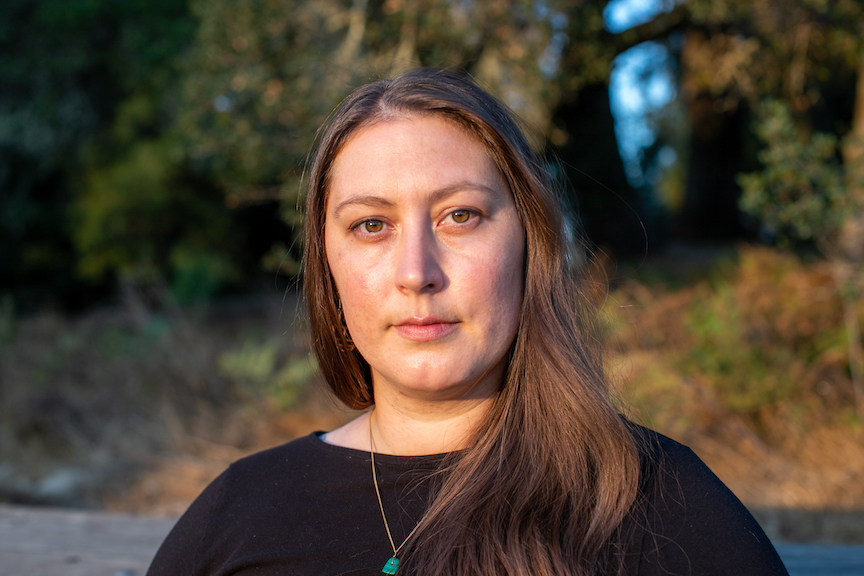
Leah Engel
Leah Engel worked for Sheldon’s businesses from early 2015 until April 2021. She was on the management team at Lowell’s and, later, Handline. In 2016, she started to manage social media for Lowell’s and, as they opened, for Handline and Fern Bar.
“When I started at Lowell’s, I remember feeling like, ‘This restaurant is so cool,’” she says. “They’re working with local farmers, they’re so beloved by the community, they’re really doing farm-to-table in a way that feels authentic.”
Engel says that all of Sheldon’s restaurants gave the impression that there was a feeling of community between staff and ownership. The Lowell’s Handbook states, “The only way we can put ourselves in a position to make the Lowell’s experience a positive one for our customers is if we create a positive environment for ourselves first. This means treating your coworkers like teammates, and with time, like family.”
But despite the restaurants’ supposed emphasis on positivity and warmth, Engel says that she experienced and witnessed a litany of troubling incidents involving Sheldon.
At one point, Engel was taken aback to learn that someone under 21 was given an alcoholic drink at the end of her shift at Lowell’s. A complimentary drink at the end of one’s shift was customary for staff of legal drinking age. Engel, who worked during the day, says that when she brought her concern to Sheldon and fellow managers, she was made to feel like a square. “I was saying, ‘This is a big deal, this is illegal!’ and I was shrugged off. The manager—in Lowell’s presence—told me this was the culture and I just didn’t get it,” she says.
In 2018, when news broke that the founder of Four Barrel Coffee was accused of sexual assault by at least 10 employees, Engel told Sheldon she did not feel comfortable with Lowell’s serving their coffee. Engel says that Sheldon earnestly listened to her perspective at multiple manager meetings, including an offsite one-on-one meeting they had at Ragle Ranch Park, yet Sheldon continuously resisted her desire for them to work with a different coffee brand, citing that he really wanted to give them a chance to do better.
“There are so many lovely coffee purveyors… . It just really sticks out in my mind, seeing him fight so much for something that should have just been like, ‘Okay, my employees are uncomfortable. We’ll get a new coffee purveyor,’” Engel says.
Engel says that Sheldon’s attitude toward his employees was erratic; some days he would be bubbly and shower her with positive attention, other days he would not make eye contact and wouldn’t acknowledge her existence. “That’s a really insecure place to be with your boss,” she says.
Sheldon had an affair with one of his Lowell’s employees for two years. During this time, the woman was promoted to the management team. At the time, Engel and her colleagues did not know the woman was having an affair with Sheldon.
“This person was absolutely talented enough and deserving of that promotion, but in my mind, you can’t disconnect the fact that there was an abuse of power by Lowell connected to it,” Engel says.
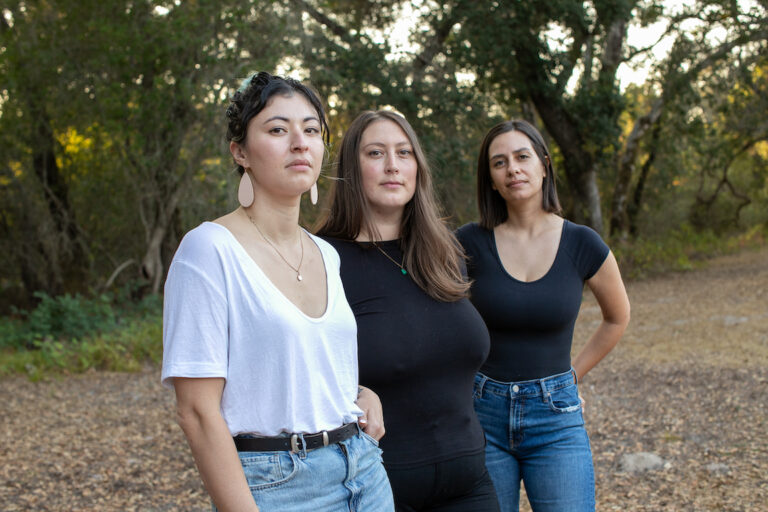
Not long after Goble—who was then Sheldon’s business partner and significant other—found out about the affair, the woman left her position at the restaurant. Her replacement on the management team at Lowell’s was Alexandra Lopez, who was hired in late 2018.
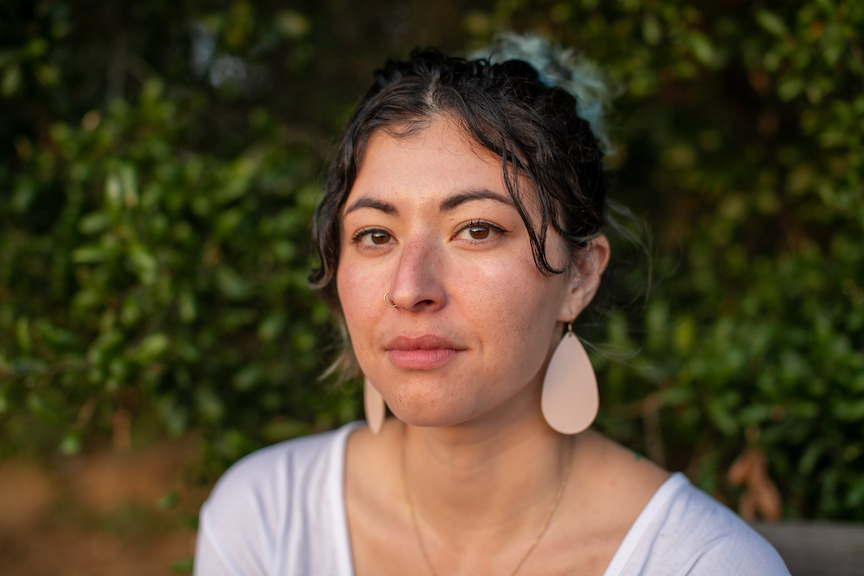
Alexandra Lopez
Lopez says that she was still finding her footing at Lowell’s when Sheldon invited her to lunch at Handline to talk to her about the affair. “I thought it was super weird that this was being shared privately with me over lunch … but [Sheldon] was making it feel super normal, so I just went with it.”
Goble confirmed in a statement to the Bohemian that she knows of two romantic or sexual relationships Sheldon had with employees.
In mid-2019, Lowell’s was scaling down its staff and Lopez was invited to move to Fern Bar as assistant manager to Sam Levy, general manager and partner at the restaurant. Lopez says that by then her relationship with Sheldon had deteriorated.
Similarly, Engel had moved to Handline in 2018 specifically because she felt like she couldn’t work with Sheldon anymore. She says that Goble offered that at Handline, Engel would have less contact with Sheldon. “It was a known thing that I was feeling done because of him,” Engel says.
While the Lowell’s Handbook advised, “At our best, we should not let a guest leave without feeling as though they’ve been satisfyingly hugged,” at his restaurant, Sheldon was giving Lopez and other staffers hugs and backrubs that they didn’t want from him.
Alternately, Lopez says that Sheldon was particularly cruel to a young server she hired, berating her on the floor with all the servers present. “He was trying to train her on the espresso machine, but he was really talking down to her to the point that she was almost in tears. She was so uncomfortable that she walked over to me for protection,” Lopez says.
A few weeks later, Lopez learned from the same server that Sheldon came onto her at a Fern Bar staff party. The Bohemian was unable to reach the server in this story for comment.
Metastatic Growth – beyond Lowell’s
Accounts of Sheldon’s harassment and boundary-crossing begin at Lowell’s, but extend to his other businesses and beyond.
Rebekah Carniglia, who uses they/them pronouns, worked as a kitchen manager at The Nectary for a year, beginning in 2018. Carniglia says that The Nectary—whose owner Gia Baiocchi is a partner at Fern Bar—has a prep kitchen that is attached to Fern Bar’s kitchen.
After the 2019 flooding of The Barlow, where both restaurants are located, Carniglia says they were putting in long hours, sometimes working alone in the kitchen. One evening, Carniglia says, they were baking a cake to fill a special order. Sheldon, they say, came into the kitchen and said “Are you making a cake for Daddy?”
“I just looked at him and told him to get the fuck out of my kitchen. He gave me an ugly smirk and walked out,” Carniglia says.
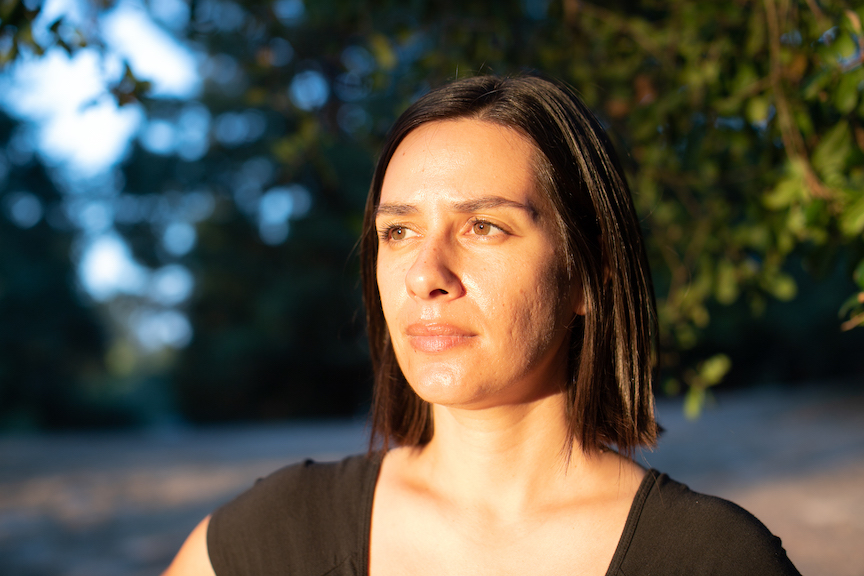
Jesse Hom-Dawson worked as the marketing communications director for Lowell’s, Handline and Fern Bar from late 2018 until the Covid-19 pandemic took hold in March 2020.
Jesse Hom-Dawson
In 2019, Handline was a food vendor at Huichica Music Festival, an annual micro-festival at Sonoma’s Gundlach-Bundschu Winery. Engel and Hom-Dawson were both working.
“[Sheldon] was on mushrooms, and then he tried to shove mushrooms in Natalie’s mouth while she was working, and she was like, ‘Hey, I’m cooking, I have to drive home,’” Hom-Dawson says. “So then Lowell was just tripping balls while we were all trying to work and he was supposed to be working as well.”
Engel witnessed Sheldon on mushrooms and recalls Hom-Dawson telling her that day that Sheldon tried to shove a mushroom cap in Goble’s mouth. Goble told the Bohemian that she recalls Sheldon using mushrooms that day but does not recall him trying to put a cap in her mouth.
One night in 2019, after a shift, Hom-Dawson was drinking at a bar with coworkers. When she got up, Sheldon took her seat. When she returned and told him to get up, he said, “Come sit on Daddy’s lap.”
The comment disgusted Hom-Dawson and her coworkers, including Lopez, who wrote a letter to Sheldon and cc’d his partners at Fern Bar.
In the letter, Lopez said to Sheldon, “…why I have cut you out and has everything to do with the fact that you have repeatedly abused your status and power as a business owner and ‘pillar’ of the community to sexually harass the women who work under you—myself included—and mistreat the men who work for you.”
This led to the partners hiring an agency to conduct an independent HR investigation into Sheldon in late 2019. Engel, Lopez and Hom-Dawson all spoke to the investigator. They knew they weren’t the only people with concerns about Sheldon, but they aren’t sure how many others participated in the investigation. Lopez says that the server Sheldon belittled and then subsequently hit on was a participant.
On a call with the Bohemian, Fern Bar’s Sam Levy said that there were “more than four” participants in the investigation. Levy said that while the allegations that came out during the investigation required remedial measures the restaurant took, they were not criminal and did not afford Fern Bar the right to remove Sheldon then.
Lowell’s had just closed in October 2019 and Fern Bar had hired the investigator, so its focus was specifically about people working for Sheldon at Fern Bar. Former employees who spoke with the Bohemian say that much of Sheldon’s troubling behavior took place at Lowell’s, however a few employees who began working for him there also worked at Handline and Fern Bar, where his involvement continued to trouble them.
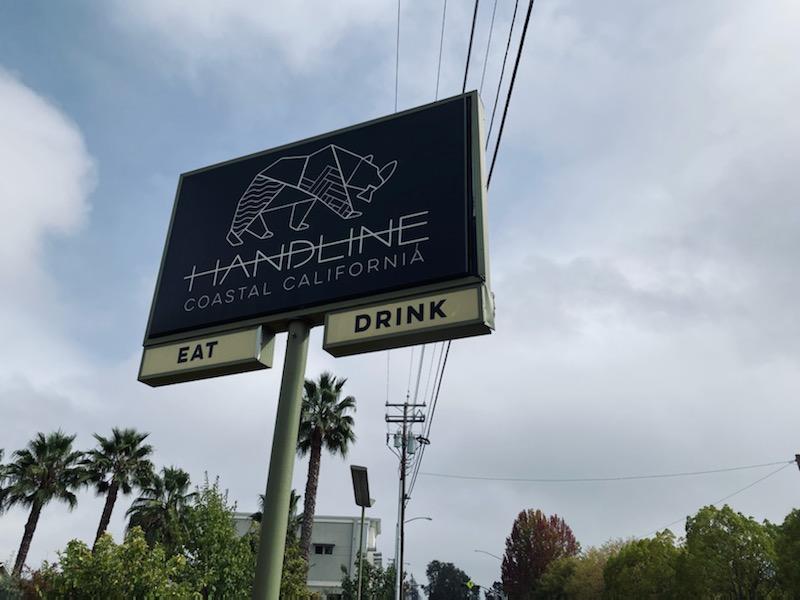
Sheldon and his ex Natalie Goble co-own Handline. Photo by Daedalus Howell
Levy told the Bohemian, “After the investigation was completed, we drafted a good behavior clause, required in-depth harassment training, Lowell was immediately restricted from operational oversight as well as the management of our employees. We extended the existing restrictions on his ability to visit Fern Bar for a total of one year.”
Lopez recalls a 2020 phone call with Levy in which he said that the partners were going to meet about whether Sheldon could return to the restaurant. She says that Levy told her he would let her know what they determined, but then she didn’t hear about it again.
In June 2020—well under a year after the HR investigation—Sheldon dined as a guest during her shift. It was without warning and caused her to have a panic attack. She recalls that Fern Bar Partner and Chef Joe Zobel apologized and said that he thought she knew that Sheldon was allowed back. Levy then apologized and said that he thought he had told her.
Levy told the Bohemian that he does not specifically recall Lopez’s account of these events, but says that he “trusts and believes her.” He clarified that Sheldon’s restrictions from interacting with staff and visiting the restaurant began before the HR investigation concluded.
The end of the line
Both Engel and Lopez describe how, over time, they each established with the partners at Fern Bar and Handline that they did not want to have direct contact with Sheldon.
When she moved to Handline in 2018, Engel says, “I remember having a conversation with Lowell where I essentially said to him, ‘I no longer think of you as my boss; Natalie is my boss, I respond to Natalie.’”
But this wasn’t the last time Sheldon contacted her.
Engel shared a text message exchange from June 2020 in which Sheldon asked if she was open to working with him on a marketing project. She responded, “The honest answer is that I can’t see a scenario where I would be comfortable working together again. While I have good memories from the years that we worked together, overall it was dramatic and volatile and ended very unhappily. I’m not interested in opening that relationship up again.”
Then, this past February, Sheldon emailed asking Engel—who was now under contract managing social media and marketing at Fern Bar—to design postcards for Handline and Fern Bar that he wanted to display with cards for Khom Loi, Ramen Gaijin and a possible future business. Engel forwarded the message to Levy with the note, “This was really jarring and upsetting to receive yesterday. Did you ever talk with lowell [sic] about him not contacting me directly, like we discussed?”
Engel says that Levy said that he did speak with Sheldon, but that she believes he “kept it kind of vague. My impression was that Sam didn’t want to rock the boat with Lowell.”
On a phone call, Levy told the Bohemian that at the time Sheldon contacted Engel there was a firm agreement in writing restricting him from contacting employees.
Engel describes how she had compartmentalized her job and no longer felt like she worked for Sheldon. When he contacted her earlier this year, it caused her to confront the fact that technically, she still did work for him.
“When I realized what was happening to my body when I got a message from this person, I just said, ‘Fuck, that’s the answer. In the simplest terms, I obviously cannot be connected with this person.’”
She was open with Goble and Levy about her intention to make a public statement about her decision not to work for Sheldon. Engel says that her contract was up at the end of April and that she and Levy discussed that she planned to make a personal statement on Instagram.
Leah Engel made this statement on her Instagram in April 2021. She worked for Sheldon’s restaurants for six years.
For a while after the HR investigation, Engel says that there was talk of Fern Bar possibly making their own statement about Sheldon. She and Levy discussed that if there was a statement, she would not be expected to manage the public response to a post, so Levy would take over the account. Engel made the personal post she described in mid-April, which she and Levy say happened a couple weeks before Levy was expecting her to do it. Engel says that an emotional conversation with Levy afterwards was painful for her.
Despite Levy’s past acknowledgement that she went through something terrible, Engel says that she feels like he was mad at her for saying something out loud at the wrong time, which has caused her to reflect on whether the support was ever sincere.
“I was given so much acknowledgement by Sam about how hard he understood this was for me. I explained to him that I gave him more than a month of notice about the statement I planned to make and it was a year and a half after the [HR] investigation, so for him to be upset that I did it two weeks before he thought I was going to do it just makes his acknowledgement feel fake,” Engel says.
Engel, Lopez and Hom-Dawson say that they went public with their stories because they believe Sheldon deserves accountability for his actions. When she first spoke to the Bohemian in April, Hom-Dawson said, “If I thought that [Sheldon] did the investigation and he took classes or whatever and he learned, I would let it go, but I don’t think he learned and he’s just going to keep doing this to women, until somebody stops him.”
In a statement to the Bohemian, Sheldon said, “I deeply regret making [the Daddy’s lap comment I made to Hom-Dawson] and am sorry for the pain that it has caused.”
Regarding the decision to remove Lowell as a partner at Fern Bar, Levy told the Bohemian, “Our partners decided unanimously that there was not a path forward with Lowell as a member in April.”
Matthew Williams, one of the owners of Khom Loi, told the Bohemian, “Lowell was involved as an investor in the business and helped do the general contracting work. After a social media post was made that we found out about, we had a conversation with the person who made it to hear their story. Then we asked Lowell’s side of it and we asked him to step away from the business under a clause and all of our partnership agreement that was basically a good behavior clause.”
Levy told the Bohemian that Fern Bar did not need to utilize their good behavior clause and instead purchased Sheldon’s shares of the restaurant with Sheldon’s cooperation.
Engel says that in ending their partnerships with Sheldon, “[Fern Bar and Khom Loi] have removed such a person of power in the community. There’s an obvious reason why they did that, but having no plan to speak to it [before we told our stories publicly] just allows him to go and open up another business and do this again.”
She continues, “[Hom-Dawson, Lopez and I] all knew in our hearts from what we experienced and what we witnessed that Lowell was capable of worse.”
Engel says that, since she made her Instagram post in April, other women have reached out and shared their stories, including Jane Doe. “It’s being proven to us that what we were afraid of is true.”
Click here to read the Bohemian’s story about a woman who says Lowell Sheldon assaulted her on a date in 2019.
On Friday, Oct. 1, Handline announced on social media that Sheldon will no longer be a partner in the restaurant. Read our coverage of the announcement here.
Note to readers: This story contains graphic description of a sexual assault.
Between original reporting by the Bohemian published today and Saturday’s San Francisco Chronicle article, more than a dozen people have alleged that acclaimed Sebastopol restaurateur Lowell Sheldon created a toxic work environment and sexually harassed people on the job and outside of work.
The Bohemian beganinterviewing women about their experiences with Sheldon in April of this year, just after Leah Engel shared on social media that her experiences with Sheldon were why she was leaving her job with Handline and Fern Bar.
In total, we spoke with 12 individuals about their personal experiences with Sheldon, plus several individuals who corroborated their stories. In August, the Bohemian connected with a woman who met Sheldon on the dating app Tinder in 2019.
In November 2019, she had dinner with Sheldon at his house. As they dined, he allegedly told her there was a sexual harassment investigation about him happening at Fern Bar and said he was doing a lot of personal work to understand consent. Later that night, she says he sexually assaulted her.
The woman says that she filed a police report on Monday, Sept. 27, with the Sonoma County Sheriff’s Office. The Bohemian will refer to her as Jane Doe to honor her request for anonymity out of concern for her community relations. We spoke to Doe and Heather Wise, a local attorney who accompanied her to file the report on Monday.
Doe says she met Sheldon on Tinder when she and her then-husband opened their relationship, reaching an agreement that they could date other people. She says she bonded with Sheldon, who said he was also in an open relationship at the time.
Sheldon brought Doe to his Sebastopol restaurants for dates. She recalls that he could be charming but could also be harsh to his employees. Doe says on one early date at Fern Bar, Sheldon scolded an older bartender for describing a wine as sweet, questioning whether the man had tasted the wine.
“The man looked petrified. Seeing one of his employees get that look of terror on his face kind of freaked me out,” Doe says.
Sheldon co-founded Fern Bar in 2018. It was his third Sebastopol restaurant. Photo by Daedalus Howell
After a few dates, they had one consensual sexual encounter. Before the encounter, Doe was very clear about the specific sexual acts she was interested in having with him and which she was not. Doe says that Sheldon commented that he had never had a conversation like that before.
The two had a sexual encounter that night. Doe told the Bohemian, “Despite the fact that it was completely consensual and we had talked much more than maybe is common, I left with this feeling of, ‘That was gross, I don’t want to do that again.’”
She and Sheldon didn’t go on another date for a few months after that. Then, in November 2019, they reconnected, and Sheldon invited her to dinner. Doe says she expected that they would go out to a restaurant as they always had, but that as they firmed up the details, Sheldon invited her to dinner at his home.
Sheldon talked about the recent closure of Lowell’s, one of his Sebastopol restaurants. Doe says, “I asked him what he thought people would say working for him was like. He paused, then said that he thought that people would say that it was one of the more rewarding restaurant jobs that they had had because of [the way Lowell’s participated in] the farm-to-table movement.”
Sheldon and his ex Natalie Goble co-own Handline, a restaurant that celebrates California food. Photo by Daedalus Howell
She continues, “He paused again, and then he shared that there had been a sexual harassment claim made against him by one of the managers at Fern Bar, and that there was an outside firm that had been hired to look into that. He said he was being asked to take a step back while that happens and that it was causing him to really reflect on his behavior at work and his understanding of consent in general.”
Doe says he seemed very self-reflective and remorseful, remarking that Sheldon shared that he “maybe had not fully understood the concept of consent before.”
Sheldon’s self-awareness and vulnerability early in the evening is what makes his actions later that night so shocking to Doe. She says that over dinner, Sheldon opened “multiple bottles of wine” for the two of them and filled her glass throughout the evening.
“I was aware that I had had more than the right amount of wine for me to have, and I didn’t really know how to navigate the rest of the evening in his house with him because I knew that I did not want to hook up with him. But I also don’t think that I felt clear enough to just say, like, ‘Hey, like I’m drunk and I need to take a cab home,’” Doe says.
Then, Doe remembered that a mutual friend was DJing at a local bar. She suggested they go, feeling glad that it was something that would get them out of the house together.
“I wasn’t feeling at that point like, ‘I’m afraid of this person,’ but I was feeling that I didn’t want to hang out alone with him,” she says.
At the bar, Sheldon offered her cocaine, suggesting that it might sober her up. They both did it together. At one point, a friend at the bar invited them over to their house. Doe and Sheldon decided they would go. She says he took her hand and led her to his car. In the car, she realized that they weren’t driving in the direction of the friend’s home.
“I asked him where we were going and he said, ‘We’re not going to any parties—we’re going to my house,’” Doe says. “I remember thinking, ‘That’s weird.’”
Back at the house, Doe says she sat on the couch and Sheldon brought her a glass of water. “And then he was next to me, and then he was kissing me. It was happening pretty fast. There isn’t a point where I said, ‘No, what are you doing?’ I was more just confused and moving my body away, still feeling quite drunk,” she says.
Doe then remembers that Sheldon got on top of her and put his hands in her pants. “I remember thinking, ‘I’m definitely not having sex with him.’” Doe says she sat up.
“When I sat up, he quickly was standing in front of me and his pants were unbuttoned. He put his penis in my mouth—like all the way down my throat—and almost immediately ejaculated,” Doe says.
Doe was surprised and confused, and remembers thinking, “Holy shit, he should not have done that and I don’t even know what to say about it right now.”
Doe says that Sheldon nonchalantly said he was going to watch a show and asked if she wanted to watch. She laid down and fell asleep for a while. When he went to bed, he asked if she wanted to come. Doe said she would feel better driving home, and did.
Doe lived with her then-husband at the time and told him what had happened with Sheldon that night. The Bohemian interviewed him to confirm what Doe shared with him. She said that, at the time, she felt disgusted and violated and thought Sheldon’s actions might be criminal.
Doe says that her then-husband told her, “It sounds like he raped you,” but she responded, “Well, I’m not gonna let him have that power over me, so I’m not going to think about it like that.”
On a phone call, Doe’s ex-husband separately described this conversation to The Bohemian.
In early 2020, Doe says she also disclosed to a more recent significant other that she once had a violating experience with Sheldon. This man also confirmed to the Bohemian that this conversation took place.
After the incident, Doe continued to share an overlapping social circle with Sheldon.
In April, when news broke of many women alleging that then-Windsor Mayor Dominic Foppoli sexually assaulted them, Doe says, “that was really triggering for me because there was a lot of stuff that was in that piece that I think I recognized in my experience with Lowell.”
On Monday, Sept. 27, Doe filed a police report about her experience with Sheldon. In California, the statute of limitation for forced oral copulation is 10 years if the survivor is over 18.
The Bohemian asked Sheldon, “Have you ever engaged sexually with anyone who did not consent to the activity? Have you ever engaged sexually with anyone who was seriously intoxicated?”
Sheldon told the Bohemian, “Every allegation you list or question you asked, beyond the comment I made to Jesse [Hom-Dawson], is either taken out of context, grossly misleading or completely false.”
Read about the way Sheldon created a toxic work environment here.
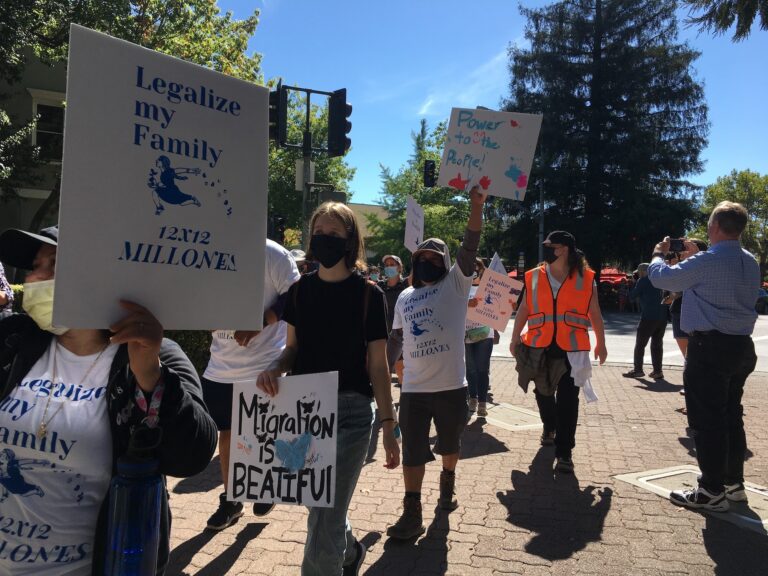
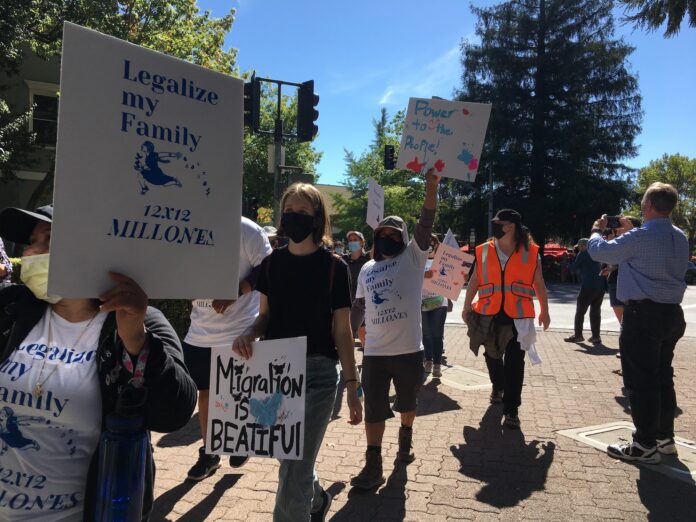
They filed into the Healdsburg Plaza to the blare of a highly amplified brass band called Santo Domingo and the cheers of a crowd that had begun drifting in some two hours earlier.
Several dozen immigrant rights activists had walked 12 miles, starting at Tom Shopflin Fields at 9 am, Sunday, and arrived in Healdsburg at 2:30 pm. But despite their arduous journey, they looked energized and ready to celebrate.
Their caminata, or walk, was meant to capture the attention of the Sonoma County Board of Supervisors, which is expected to consider an immigrant and worker’s rights resolution in the near future.
“I personally hope our Congressional representatives, and our local supervisors, are shitting in their pants when they realize the power we have,” said Renee Saucedo, director of the Centro Laboral de Graton (Graton Day Labor Center) when the band stopped playing and she addressed the crowd of some 200 people, first in Spanish and then in English.
Saucedo is also the main organizer for ALMAS, Alianza de Mujeres Activas y Solidarias (Women’s Action and Solidarity Alliance). A program of the labor center, it assists immigrant and indigenous women in securing “dignified jobs,” learning their rights and developing leadership skills.
The Sonoma County caminata was one of a series of similar 12-mile walks taking place in several locations around the country. Each of the miles represents one million of the estimated 12 million undocumented immigrants in the United States.
“The caminata is the next step in our local campaign to push for just immigration reform,” Saucedo said in a telephone interview earlier in the week.
Fifth District Supervisor Lynda Hopkins has agreed to introduce the resolution, which was crafted by 15 community organizations.
Its provisions include a commitment to advocate for federal immigration reform, primarily a path to citizenship for undocumented immigrants. Saucedo said this would provide a “reasonable way” to apply for residency, and then citizenship.”
It also requires supervisors to support two separate state bills — the VISION Act (AB937), which would prohibit transfers from California jails and prisons to federal immigration enforcement, and The California Health and Safety for All Workers Act (SB321), which would provide safety measures for domestic workers and day laborers.
“We are focusing on SB321 because it has passed the legislature and is sitting on the governor’s desk waiting to be signed,” Saucedo said. “The other bill (AB937) has already died for this session.”
Locally the resolution would commit the county to support five provisions for farm workers — fresh drinking water and clean bathrooms, hazard pay during wildfires and other disasters, disaster insurance, information in both Spanish and English, and community safety observers.
It also requests that supervisors advocate for “more culturally competent disaster responses for immigrants and the indigenous community.” During the previous three wildfires, alerts and informational updates were only available in English. Also, primarily Spanish speakers, especially undocumented immigrants, were often treated poorly at the local shelters and had a difficult time accessing disaster relief after the fires were over.
According to Linda Evans of the North Bay Organizing Project, one of the groups sponsoring the resolution, there was a Zoom town hall meeting earlier this summer, concerning the resolution. She said all of the four supervisors who attended agreed to support it. The only supervisor who did not participate in the meeting was James Gore from the Fourth District.
If the supervisors were to pass the resolution it would not be enforceable, “but it would carry a lot of political weight,” according to Saucedo.
“It would send a clear message to the wineries and the other agricultural businesses,” she said.
You may have noticed that craft beer has taken the supermarket cold box aisle by storm. Along with the revolution in unique brews has come a new spin on the look of beer cans and bottles.
Sparked by Petaluma’s Lagunitas Brewing Co.’s legendary Lagunitas IPA label, the North Bay—perhaps more than anywhere else in the country—marries the art of beer with the art of, well, art.
“We put a lot of work and care into our brewing process and ingredients,” says Paul Hawley, co-founder of Fogbelt Brewing Co. out of Santa Rosa. “I try to approach our labels with a respect for everything that went into the liquid inside.”
“Our brand is about bold simplicity,” says Bryan Rengal, co-founder and Head of Sales at Old Caz, named for West County’s Old Cazadero Road. “Each can stands out on a shelf but doesn’t distract from the taste of what’s inside.”
“We think of our beers as elegant and balanced,” says Erin Latham-Ponneck, chaos management specialist and adult in charge—a.k.a. general manager—at Santa Rosa’s Moonlight Brewing Company. Moonlight’s bold, simple designs make a marked distinction from many busier labels commonly found on other craft beers. “On a packed beer shelf our elegant and balanced labels stand out in a sea of loud, busy cans.”
As suits the counterculture ethos of craft beer, label styles often go against trend. “Our labels are edgy because they are not edgy; we don’t follow the status quo or trends, we don’t go in for hype,” Latham-Ponneck says. Brian Hunt, founder and heart and soul of Moonlight adds, “One problem with ‘edgy’ is that when one goes too far, one falls off into the abyss of BS.”
But Is It Art?
Perhaps the most famous example of this balance between bold and buyable is the Chupa Chups lollipop wrapper designed in 1969 by the surrealist painter Salvador Dali. Still in use today, the label had an of-the-moment artistic appeal that catapulted the Spanish candy brand into global recognition and brought in billions of dollars in revenue. Art leading commerce.
Josh Staples, of the HenHouse Brewing Art Department, says, “Making the art on our cans an additional level of entertainment for our customers is very important to everyone at HHB, for sure.” HenHouse’s signature “Hen” character, which Staples invented and drew, is often depicted costumed in humorous scenarios. Let’s cut to the chase: “Beer drinkers are going to be spending some time with these cans in front of them and in their hands.”
This conceptual approach to marketing has its roots in great design.
Hawley has “been drawn to the graphic style of block and screen printing. The exaggerated contrast and colors, use of negative space, and limited palate can create powerful imagery that is anything but subtle.” The classic design approach conveys a real sense of place. “Most [Fogbelt] beers are named after giant coast redwood trees found in the fog belt of Northern California, so many of our labels reflect this connection to the outdoors.”
Rengal is “a fan of Buckminster Fuller’s ‘Do More With Less’ ideas and the concept of design through engineering. Practical and aesthetically pleasing can happen at once.”
“I’m a huge fan of Chris Ware and his Acme Novelty Library,” Staples says. “Basically, cartoons for grown-ups from the ’70s and ’80s.” Ware’s is a graphic design-leaning art “influenced and inspired by hand-illustration, typography and printing.”
Yet, this is art that sells. “[Our cans are] recognizable from 20 yards and the more beers on someone’s shelf, the more expressive the brand becomes as the Old Caz rainbow [of monochrome cans] shows itself,” Rengal says, explaining the practical advantage of a unique-looking label.
Staples has “hand-drawn and specially created [a number of fonts and typefaces] for the company,” carrying forward the DIY origins of craft beer into its branding.
Outsider Art
The last great major-brand beer labeling coup may have been the Coors mountain logo that turns blue when cold, saving potential drinkers the trouble of using their sense of touch to determine drinkability.
Craft beer companies rarely have the resources for such vital innovations.
“When the lockdowns came in 2020, we lost 100% of our business income,” says Rengal of Old Caz. “Kegs were no longer going to restaurants and our taproom was shut down, so we immediately pivoted to cans. We reached out to a couple designers, but couldn’t afford it so decided to step out of our comfort zone and figure it out.
“I used a borrowed account for Adobe Illustrator and spent a weekend watching YouTube videos and tutorials and playing around with the program … within a week I had our first can, Free Craigs Tropical Hazy IPA, ready for the printers.”
Rengal and his team are used to doing things themselves. The brewery was built “with very little money using broken down equipment and salvaged parts.”
Fogbelt Brewing makes it a point of pride to support the talent in the art community. “The art for our labels comes from a variety of artists,” Hawley says. “We often collaborate with local painters, graphic artists and photographers. I do a lot of the graphic design in-house, but prefer to work with people who are much more talented.”
Staples invented the image of the hen that spawned HenHouse-the-brand. “The constant, stoic hen keeps it all consistent,” he says. “These days, we also have an awesome in-house marketing team keeping track of the beer family tree, and how the story and labels all fit together with the beer roster.”
It’s in the Name
Great art needs a great title. Names like Little Sumpin’ Sumpin’, Hop Stoopid and Phase Shift—from Lagunitas—set the tone as the modern craft beer industry took off.
Latham-Ponneck takes the fun seriously. “We believe you should always have a sense of humor, hence our fun beer names,” he says. “We design as a team, always seeking input from all of our employees. It’s a collaborative process.” Creating together is a part of their company DNA.
Rengal agrees that “craft beer is meant to be fun! Beer names can be inside jokes, social commentary or just a silly reference, and a good ‘sticky’ name can lend itself to loads of creative expression. There’s LOTS of room for creative types to thrive in the beer industry, because at the end of the day we’re not putting rockets into space, we’re not doing open heart surgery, we’re making beer.”
“I’ll just draw a couple silly 3D holes with silver cans that look like Einstein and Schrödinger popping out of them,” Staples says, about the winning strategy of whimsy. “Then, with a handful of ideas in place, I can just draw pictures and listen to records all day.” Perhaps he works with a HenHouse Oyster Stout at hand. This writer did.
Hollywood comes to West County, J.Lately brings his signature beats to Hopmonk, heavy metal at the Phoenix and run for your life—oops, your beer—at the Barlow.
Rialto Cinemas
Sebastopol
It’s time to get your lights, camera and action on for some hyper-local cinema! This Thursday, Sept. 23, celebrate West County at a one-day-only fundraiser screening of the award-winning film Lost in the Middle, a feature comedy developed and shot in Sebastopol, Occidental and Forestville by Sonoma County local Angie Powers. Lost in the Middle won Best Feature in the Broad Humor Film Festival in Los Angeles 2019 and was named a Festival Favorite by Palm Springs’ Cinema Diverse. The star, Guinevere Turner—known for films like American Psycho (for which she wrote the screenplay) , The Notorious Bettie Page and the original television show The L Word, will be available for a Q & A after the show, along with other members of the cast and crew. Come see your home geography on the big screen, and support West County creativity! Proceeds go to the Occidental Arts & Ecology Center—where some of Lost in the Middle was filmed.
The screening commences at 7pm, Sept. 23 at Rialto Cinemas, 6868 McKinley St., Sebastopol. 707.525.4840. Tickets at rialtocinemas.com. Please note: The Rialto requires proof of vaccination to attend.
Hopmonk Tavern
Sebastopol
Come out to your favorite Sebastopol tavern and music venue this Saturday, Sept. 25, for a stellar set from Sebastopol-grown, Oakland- and L.A.-shaped artist J.Lately. The local phenom distinguishes himself as an emcee with a soulful style and laid-back flow. A true appreciation for music, along with the unique ability to put everyday life into a relatable perspective, has allowed him to flourish in the Bay Area scene and beyond. A relentless drive keeps Lately on tour across the country with artists such as Zion I, Andre Nickatina, Locksmith and A-Plus of the Hieroglyphics, and now he’s back in the area! What does this portend for the next chapter of his auspicious music career? Come grab a beer and vibe out to the scintillating next chapter. You will happily say “I knew him when…” Don’t miss your opportunity to say you saw J. Lately before he was cool. Just kidding—he’s already cool.
HopMonk Sebastopol, 230 Petaluma Ave., Sebastopol. 707.829.7300. Doors open at 9pm. Ages: 21+, tickets $15 advance and $18 at the door. www.hopmonk.com/sebastopol
Phoenix Theater
Petaluma
The Phoenix has some sweet shows lined up for late September and early October. Let your hair down and get ready to headbang Wayne’s World–style Sept. 24 with Unleash The Archers. UTA embraces a commercial appeal that attracts music lovers of all types while staying true to their death metal roots. Their Abyss album won the 2021 JUNO Award for “Metal/Hard Music Album Of The Year.” This is your show if you need a hardcore release and a night of solid moshing. Municipal Waste, one of the bigger names in crossover thrash, plays locally Sept. 24 and Oct. 5. Born in the sewers of Richmond, Va. in 2000 with the aim of spreading the shred, Municipal Waste played their first gig at a Richmond New Year’s Eve keg party in 2000/2001. Their fast, raw thrash drew from the tradition of DRI and Suicidal Tendencies. Catch them in Petaluma and try not to start a riot.
Shows are Sept. 24 and Oct. 5 at the Phoenix Theater, 201 Washington St., Petaluma. 707.762.3566. Buy tickets and view more events at thephoenixtheater.com. Please note: The Phoenix Theater requires proof of vaccination to attend.
Farmers Market
Novato
The Downtown Novato Community Farmers Market continues to offer online ordering with curbside pickup. Orders can be placed by 5pm the day before the market and pick up instructions will be provided. More information about this service is available at ilovefarmersmarkets.org. Additionally, COVID-19 guidelines will be in place in compliance with local and state guidance to protect the health and safety of all in attendance. They ask that you please comply with the following guidelines to keep our market safe and open: Stay home if you are sick. Wear your face covering at all times. Wash your hands before entering the market. There will be handwashing stations provided, as well as hand sanitizer. Customers may choose their own produce, at the vendor’s discretion, and food sampling is not allowed. Practice social distancing by always maintaining a 6-foot distance from others. Make a shopping list to help make your visit to the market as short as possible, and limit interactions with others. Be prepared with small bills to offer exact change to vendors when possible. CalFresh is also accepted at the market.
4pm, Tuesday, Sept. 28 at 7th Street and Grant Avenue, Novato. For questions, email in**@*****************ts.org or call (415) 999-5635.
Peace Wall Pt. Reyes protest and an appreciation for good journalism
ALT FACTS
Peter Byrne, in his opinion piece about the Peace Wall event and the Pt. Reyes protest, is right on many counts. Yes, those of us at the Sebastopol gathering were a bunch of alte cockers. That’s Yiddish for old folks, although a more direct translation would be considered scatological. But, ya know, Peter, in many Native traditions elders are considered role models and wise people because of our many years of experience in the world. I suspect you are in that category, but we have never met, so I don’t know for sure. And, another thing, you are certainly entitled to your opinions, but I think being afraid to criticize someone because they are a member of a racial minority, is racist. I hold everyone to the same standard of decency. Of course it was political suicide in the old days to stand up for Palestine. But the world has moved forward and some members of Congress, many of them people of color, are taking that risk and not losing their jobs. That’s all we are asking of Barbara Lee, who was willing to take a risk 20 years ago, and could hopefully work up the courage to take another risk today.
Lois Pearlman
Guerneville
PRAISE FOR DAYS
Am floored by your superb reporting. Pt. Reyes NPS debacle (Cows vs. Elk), an issue near and dear to my heart as a 3rd generation lover of Marin’s natural beauty and hater of all things political, led me to your exceptional articles on this issue. As I see the breadth of your coverage on this site I am further amazed. You deserve a Pulitzer on this one and others. You write the journalism I miss. If there ever was a time it was needed it is now!
Paula McNamee
EDITOR’S NOTE: Peter Byrne’s article, “Come Together,” Sept. 15, stated that protesters chanted at a Sept. 11 event in Sebastopol. The protesters did not chant, but did wave signs. The article has been updated online.
Out on a limb in Outer Sebtown
I was up on the platform in the old redwood tree the other afternoon, drinking a pickle-juice beer from Texas and grooving to the rhythm and sway of wood in the wind, and I had a thought: I could live this way.
I mean, like, forever.
I’ve fancied living in a tree ever since I...
Pandemic perspectives and climate concerns
Forum Fondness
The 9/22 Open Mic—“Isolation and Connection,” by Michael Johnson—not only expressed exactly what I have been feeling about the pandemic and our mental and emotional health, but it was very well written. Also, I thank the Bohemian for providing a forum airing the various opinions of the public, including articles and letters of mine...
The Met Opera comes to Larkspur, Gayle Skidmore debuts her album recorded in the Netherlands, 6th Street does a vaudeville-esque murder mystery and Tuareg rock meets Lebanese sound experiments.
The Lark Theater
Larkspur
The Lark Theater offers opera fans a sneak peak of the grand reopening during the Met Opera live broadcasting. Saturday, Oct. 9 kicks off the “Live from the Met”...
New executive director at art center
Why is a town with an art center better than a town without one? That’s the question the new leadership at the Petaluma Arts Center wants us to ask ourselves.
If there is one common thread that crosses ideological, cultural and political lines in this time of Covid, it’s that art heals. Streaming services subscriptions...
Note to readers: This story contains descriptions of sexual harassment, assault, disparaging language and intimidating behavior.
“If the owner walks in and everybody, front and back of house, is tensed-up walking on eggshells, uncomfortable, afraid he will talk to them, not sure what kind of a mood he’s in—it’s a terrible environment to work in,” says Leah Engel about her...
Note to readers: This story contains graphic description of a sexual assault.
Between original reporting by the Bohemian published today and Saturday’s San Francisco Chronicle article, more than a dozen people have alleged that acclaimed Sebastopol restaurateur Lowell Sheldon created a toxic work environment and sexually harassed people on the job and outside of work.
The Bohemian began interviewing women about...
They filed into the Healdsburg Plaza to the blare of a highly amplified brass band called Santo Domingo and the cheers of a crowd that had begun drifting in some two hours earlier.
Several dozen immigrant rights activists had walked 12 miles, starting at Tom Shopflin Fields at 9 am, Sunday, and arrived in Healdsburg at 2:30 pm. But despite...
Craft beer label art explodes
You may have noticed that craft beer has taken the supermarket cold box aisle by storm. Along with the revolution in unique brews has come a new spin on the look of beer cans and bottles.
Sparked by Petaluma’s Lagunitas Brewing Co.’s legendary Lagunitas IPA label, the North Bay—perhaps more than anywhere else in the country—marries...
Hollywood comes to West County, J.Lately brings his signature beats to Hopmonk, heavy metal at the Phoenix and run for your life—oops, your beer—at the Barlow.
Rialto Cinemas
Sebastopol
It’s time to get your lights, camera and action on for some hyper-local cinema! This Thursday, Sept. 23, celebrate West County at a one-day-only fundraiser screening of the award-winning film Lost in the...
Peace Wall Pt. Reyes protest and an appreciation for good journalism
ALT FACTS
Peter Byrne, in his opinion piece about the Peace Wall event and the Pt. Reyes protest, is right on many counts. Yes, those of us at the Sebastopol gathering were a bunch of alte cockers. That’s Yiddish for old folks, although a more direct translation would be...