Dirty Art

0

In Defense of Nasty Art

Pitched Trent: Time Warner execs squeamishly declined to read Nine Inch Nails’ lyrics penned by the volatile Trent Reznor.

Forget the efforts by the Congress to ban the NEA–how the heck do the rest of us deal with the issue of critiquing nasty art?

By Ann Powers

Everybody has limits, but it’s not often that you really get to test one. I stumbled into such a chance late one night sitting at home, reading a comic book. It was the first issue of Grit Bath, a Fantagraphics title for “mature readers,” featuring the fractured fairy tales of Renee French. Her stories view transgression through a child’s eye: animal dismemberment, booger-eating, masturbation, dead pets, skin-picking, weird sexual encounters in the neighbor’s attic.

I was getting a little queasy from all the ripped flesh when I turned the page to find “Fistophobia.”

“That one’s true,” French would tell me later; but authenticity wasn’t the point. The point was the strange seductiveness of French’s images, chronicling the afternoon a group of kids watch one girl, maybe 11, command another half her age to stick her little fist up the older girl’s vagina, as a kind of show. French renders the scene in detail–the incredulousness of the spectators, the beads of sweat on the little girl’s brow. And the older girl’s genitals, like a cartoon mouth, wrapped around that little one’s fist right up to the ruffle of her sleeve.

“Fistophobia” grossed me out, drew me in, made me think.

I had to admit my own attraction to these images, the way the girls stared straight out of the page as if to say: Deal with it. And as I stared at the scene French had so meticulously rendered, I felt myself drawn into emotional territory I hadn’t realized was there. I’m not talking about recovered memory, hippie liberation, or good old catharsis. Just the compelling realization that, past the edge of whatever I don’t want to think about, there’s more.

I’d like to say I wrestled with some demons after my encounter with Grit Bath, but in fact I filed it away in my mind, somewhere between Bataille’s Story of the Eye and Dr. Dre’s The Chronic. Hey, I’m a macha culture consumer–I’ve seen Salo, read every Kathy Acker novel, rented every film by David Cronenberg. I’ve counted the bodies in Menace II Society and fallen asleep to the Wu-Tang Clan. I’m used to being shaken up by art, and I welcome the experience as part of a tradition, one that’s perpetually in combat with moralists of both the left and right.

I’ve always been prepared to stand up for nasty art, whether it’s in the gallery or the dancehall. At the same time, I’ve been searching for a way to critique it–to make distinctions between what’s truly transgressive and what’s merely gross. Lately, though, the right has been trying to take that critique away from all of us by aggressively attacking anything that threatens to uproot the manicured lawn and dirty the Christianized soul. But authoritarians have always been the enemy of “degenerate” art. What’s far more distressing is the unwillingness of progressives to defend it.

The reason for this hesitation is clear: We don’t know if we believe in this stuff, and even if we do, we don’t know how to deal with it.

Let’s remember what the right thinks we’re up to. “We are all aware of the Left’s cultural agenda,” wrote social conservative Samuel Lipman in a 1991 essay for the National Review. “The Left wishes to use culture to remold man and society on radical lines, with destruction of individual autonomy and reason followed by the destruction of every traditional social habit and institution, including churches and ending with the family.”

Well, okay. Aside from the bit about the destruction of autonomy (that seems more like a Christian ideal to me), I’m down with it.

For Lipman, every short-haired woman and long-haired man is part of the same conspiracy. But we know there are many lefts, all of which (especially since the ’60s) have called themselves new. The movement Lipman demonized is the one I identify with: the transgressive left that means to dismantle those strangling institutions of flag, faith, and family. But there’s also a constructive left that shops at Putamayo, drinks herbal tea, listens to Des’ree, and struggles for a better world.

People can pass from one left to the other–I like Des’ree fine. The problem is, values once considered radical have infused mainstream style, while the very people who put those values on the map have reverted to a more moderate agenda. As they’ve slipped into the same lives their parents had, only with healthier diets, they now feel nearly as threatened by nasty culture as the right does (though for different reasons).

And their apprehension makes the fight to preserve freedom of expression seem hollow.

“The concerns of the left are very traditional,” says Ira Silverberg, publisher and editor in chief of High Risk Books and agent for that old troublemaker William S. Burroughs. “They’ve chosen to fight certain battles, and to avoid others, because they’re too dangerous.”

Andrea Juno, whose RE/Search Publications have featured many transgressive artists and thinkers, puts it slightly differently: “There’s no critique about what’s going on. At this moment, the culture’s on absolute emergency alert, and people are so deadened.”

It’s getting harder and harder to find vocal advocates of so-called dangerous art. I think of myriad essays by women music critics examining the clash between their feminist ideals and their love for various forms of hardcore music; Terry Zwigoff’s marvelous documentary Crumb, which offered a compassionate analysis of the great comix artist’s woman problem; and Greg Burk’s recent L.A. Weekly essay on violence in the movies, a pugnacious ode to boiling blood.

But little of this radical spirit has bubbled up to the mainstream. The recent attacks on Time Warner stimulated little more than mutterings about free speech. A few black critics stood up for Death Row Records, an Interscope subsidiary that’s home to Dr. Dre, Snoop Doggy Dogg, and other notorious rappers.

Industrial music maestro Trent Reznor of Nine Inch Nails has received even less support. When William Bennett and his unlikely ally, C. DeLores Tucker, dared Time Warner execs to read some of Reznor’s lyrics aloud at a meeting, they squeamishly declined. Since then, the few execs who stood up for this music have been negotiating their departures, and Time Warner is looking to sell its interest in Interscope.

Worst of all, the corporation’s chairman has backed the very kind of ratings system that progressives within the music business have long opposed. Such dismal events occur, in part, because the people who actually produce and consume the material in question rarely get to present their views in the mass media–kids, especially, are left out of the debate.

“At a certain level, kids become a concept,” says Silverberg. “They’re not real human people, they’re an idea we’re protecting.”

Kids can’t even get in to see Kids, the Larry Clark film that’s supposed to speak to the reality of their own lives. Even those arrested-development types who’ve made a career out of rock and roll or movies (as opposed to cinema) rarely make it onto op-ed pages or chat shows. But if they–if we–did sit face-to-face with Charley Rose, I’m afraid we’d give a tired line.

“Instead of defending the content of their work, they simply deny its impact,” right-wing movie monitor Michael Medved has said of the liberal Hollywood establishment.

He’s right. All that most defenders of the nasty can muster, especially lately, is an invocation of free speech. Occasionally someone will laud an artwork for its realistic qualities–the “life’s disgusting, art must be, too” argument.

This line creates a distance from disturbing art, branding it as a necessary evil that wouldn’t exist in a perfect world. Then there’s the Barbra Streisand defense: Why don’t those bullies on the right pay attention to health care or gun control? Something that matters. Apparently even those who’ve centered their lives and livelihoods around art don’t think it does.

Americans have been encouraged to use art, whether high or low, as a way of getting bad feelings out of our collective system. Hollywood’s Depression-era diversions became the psychic peace treaties of the postwar years; we healed our racial divisions through soul music and soothed our conscience about the Holocaust by watching Schindler’s List. Songs of protest and social-realist novels and muckraking films offered catharsis, if not a happy ending; we were supposed to walk away with the weight of our disordered thoughts lifted.

Art has worked to help people understand their circumstances and empathize with others. But there’s always been that other strain in American art, both high and low, that seeks to undermine the leveling optimism so often used as a whitewash to cover the cracks in the Tom Sawyer fence of our history. Sometimes these expressions have been masterpieces; more often, they’re much-loved schlock–Dean R. Koontz novels and death metal. But whether they run deep or just touch the nervy surface, these works share a defiant stance: They say better’s not the only –not even the best–way to feel.

Sometimes transgressive art can be constructive. The queercore band Tribe 8 battles sexism by turning revenge fantasies into splatterpunk with songs about castrating “frat pigs.” Elsewhere, as in Ron Athey’s or Karen Finley’s performances, extremism serves an ultimately healing purpose. Athey has made himself into a tattooed-and-pierced, blood-letting freak as a defiant act in the face of a society that would prefer to use his queer, HIV-positive “freakishness” to make him invisible; shoving his unsettling self in our faces, Athey demands acknowledgment and finds peace.

Harder to accept are those artists, many of whom work in the commerce-driven world of popular culture, who don’t play by clear political rules. A filmmaker like Gregg Araki, whose queercentric movies celebrate the trashy history of the drive-in and the squishy realities of the body, gets flak from everybody for his gleefully violent and kinky subversions of sexual politics.

And Trent Reznor, who’s now cultivating a whole set of Nine Inch Nails proteges on his own label, Nothing, just seems like a cartoon to most people over 25, even though his music is a primary voice of resistance for his fans. (Bill Bennett’s favorite NIN song, “Big Man With a Gun,” for example, is an anti-authoritarian, anti-cop rant in the tradition of Abbie Hoffman).

The noise he makes, a complicated mix of lush melody and all-out ear abuse, gives shape to the rageful confusion that otherwise just sits in the stomachs of kids with no clear future and no reason to believe. Gangsta rap taps a similar anger–amplified by racism’s impact–and even its infuriating misogyny can be a means to comprehend the way oppression turns personal.

Baby Busted: Shock-rocker Marilyn Manson doesn’t want to appeal to Baby Boomer fantasies of peace-loving rock ‘n roll.


What all these artists share is a link to the Romantic-surrealist-dada-punk tradition of art as a bullet in the head of convention, one that, instead of killing, inflicts permanent brain damage. More than so-called victim art or whatever multiculti extravaganzas get booked into BAM or Lincoln Center this year, this is the stuff that forms the aesthetic most threatening to conservatives–and it’s what many Americans, especially the young, find most powerful.

What makes it suspect isn’t just its sexually explicit, often violent subject matter, but the way it stimulates feelings that frighten and thoughts that don’t fit the status quo. This isn’t victim art; it’s violator art. It intends to mess with you. And it’s time to decide what it means to submit.

Art’s ability to be vicious goes back farther than even the Sex Pistols. A quick tour of its messy path would include Nietzschean anti-Romantic Dionysian ecstasy; Andre Breton’s credo, “beauty is convulsive, or not at all”; Kerouac burning up the road; bebop dusting the big bands; Elvis Presley getting real, real gone for a change; Jimi Hendrix igniting his guitar; Patti Smith channeling Breton quoting Rimbaud invoking Nietzsche heading back toward that old birth of tragedy again.

More recently, mack-daddy auteur Quentin Tarantino has exhumed a violator canon of his own, running on the juice of blaxploitation films, Hong Kong blockbusters, and Martin Scorsese’s epic bloodbaths. And so the tradition builds.

It’s no coincidence that our whirlwind ends in rock and roll’s land of a thousand dances. Ever since the cops busted deejay Alan Freed, this race-mixing, sex-stimulating spiritual art form has been the primary home of, and inspiration for, art’s hell-raising spirit. Proudly low in origin but aiming for transcendence, rock demolished the shaky wall between American high and low culture, polluting our most sacred institutions with the chaos of noise.

Could there have been a David Wojnarowicz without the Velvet Underground? Or a Karen Finley without Little Richard?

But in a strange way, rock’s legacy–as it was institutionalized by the ’60s generation that thinks it owns the motherlode–has become part of the problem. Ask Marilyn Manson, a shock rocker following in the grand gender-bending tradition and a Reznor protege, about those baby boomers and he’ll tell you about his dad, who went to Vietnam and killed a bunch of people without knowing why. “If the boomers understand my music, it doesn’t make any sense to me,” he says. “If it didn’t piss them off, would it have any value?”

The 26-year-old Manson’s resentment is partly personal, based in the same need to rebel against the father that his own dad probably once felt. But I’ve heard it expressed by artists and fans who were either born too late to experience the Summer of Love as anything but a burdening shadow, or who lived through it but can’t subscribe to the soft-focus liberal vision that was finally distilled from ’60s idealism.

A macrame aesthetic is pervasive on the traditional left. “I grew up around that whole another-mother-for-peace thing, and I can tell you those people have no relationship to what is happening in the margins of society,” says Silverberg, who is 33. The hippie vibe certainly survives, even among the young. But radical it’s not. And the fact that most of the arbiters of taste on the left–as well as the right–still consider that era the key to understanding the transformative nature of popular culture blocks any clear understanding of today’s cultural controversies.

The original rock and roll spirit continues to fuel violator art, but it’s been shattered and remade by two of its most rebellious children. Hip hop reclaimed rock as an African-American form, rejecting its boomer history but retaining its arrogance and transformative power. And punk, that 20th-century Nietzschean blast beyond good and evil, recast that same history in a cracked mirror, embracing its fury and its power to fragment instead of unify.

In its embrace of punk and hip hop, violator art directly refuses the reconciliation with “values” and liberal optimism that’s characterized the shift from the counterculture ’60s to the Clinton ’90s.

Gregg Araki, who’s about to release his most transgressive film yet–the very queer and violent “heterosexual movie” The Doom Generation–describes its plot this way: “It begins with a Nine Inch Nails song and ends with a scene that’s like a Nine Inch Nails song. That anger, that nihilism, is totally there in America. Everybody’s trying to bottle it and put it on the shelf and pretend it’s not there. But there’s a huge sense of disenfranchisement and alienation and anger in the world. A lot of the music I listen to is like that, and so is the world I live in. But at the same time, there’s a certain hopefulness and exaggerated romanticism in it. It’s about the search for love in this world of shit.”

The Doom Generation is part of a growing subgenre of teen movies that updates the juvenile delinquent tradition by gagging the didactic voice of authority.

One function of violator art is to present a mirror reality, in which the standards of society are “totally fucked up” (to quote the title of an earlier Araki film), the power structures toppled, the margins made central.

“What punk and metal were about was kicking a hole in the world,” says Manson. There’s something at the bottom of that hole: all the aggression kids’ parents train them not to feel, the fears and desires that fill them even if they try to be “good.”

Maybe those longings are for a better reality, or maybe they’re for something more base, like the chance to kill that kid who tormented you all through fifth grade, to beat him bloody, as the class wimp does with his metal lunch box in Marilyn Manson’s best song. Either way, what the fantasy offers is a chance to act out your own submerged selves–not to get rid of them, but to face them down.

In gangsta rap, the menace that can’t be tamed is not only the righteous anger of young black men but anyone’s lust for mastery in the face of the unpredictable. “Everything has to do with the word stay,” says Dat Nigga Daz, a cousin and collaborator of Snoop Doggy Dogg and one half of the duo Tha Dogg Pound, the latest Death Row/Interscope act to get the fish eye from Time Warner. “Stay your ass out of trouble, stay out of jail, stay out the ground; in Long Beach you stay busy, you have something to occupy your mind. Because if you ain’t doing something, you’ll go out and do something.”

Daz’s statement evokes the tricky strategies of ghetto life, but that much touted “realness” isn’t what attracts most listeners to gangsta rap; it’s the skill of the artifice, the way it molds the tension of ordinary experience into open-ended narratives.

The viciousness that matters lives in this music’s beats and rhymes. The artist’s reputation may add to the listener’s fantasy of what Henry Louis Gates Jr. has called “the Scary Negro, in its 1995 edition.”

But the artful gangsta rapper manipulates that common nightmare, setting up a symbolic confrontation between the rapper and the listener. “What would you do, if you could mess with me and my crew?” Tha Dogg Pound taunt in their first hit, from the Natural Born Killers soundtrack. A typical Long Beach slowgroove simmers in the background; the singsong phrase repeats, a question hanging smoky in the air. It pops up again between elaborate boasts by Daz and his partner Kurupt about exactly what evil things they’d do if you stepped to them, and although guest vocalist Snoop cuts it off with a quick dismissal in the chorus, that question is what lingers after the song is over.

What would you do?

The offenses of hardcore rap, its florid references to violence and sexual degradation, offer a cheap, sick thrill, but the reason this music has captured so many listeners isn’t its simple misogyny or brutishness. It’s the way the graceful tease of those funk beats mixes with lyrics that confront or even repulse. In many ways, this music works like pornography; when it’s half-baked, it’s uninteresting and depressing, but when it’s artful, it can get you thinking about things you’d never do in your waking life–things you base your waking life around not doing.

My friend Natasha Stovall has this fantasy about DJ Quik, in which she plays around with the different roles in his songs. I can get into it, imagining myself as a ‘ho, distilling the game of sex to a Salome’s dance, each lifted veil offering further arousal and mortal danger. Or as a mack, with the power to sell myself instead of being sold. Or, when the game gets cruder, as that pussy taking the force of a giant dick. (Tell me you haven’t had that fantasy in some sleepy hour, whatever your sexual persuasion). Or as the dick sticking it in.

Every pop song offers this same fluid mix of identities, as the loose frame of the music makes room for the listener to move around. In hardcore hip hop, that movement is always a dare. It’s theatrical, sometimes comical, as in the work of Staten Island rapper Ol’ Dirty Bastard, who mixes impossibly obscene jokes with a slurry, “insane” delivery in an embodiment of hip hop’s reckless id.

Sometimes it’s as rule-bound as sadomasochism, as in the cinematic scenarios of Ol’ Dirty’s posse, the Wu-Tang Clan. Performers and listeners can forget that this is fantasy and take the game too far into the real world. But that can happen with anything: with John Hinckley and Jodie Foster, or David Koresh and the Book of Revelation.

But a kid like Daz, who knows he’s an artist, isn’t casual about extremity. He’s mastering it. He’d probably agree with French when she says, “Sometimes to get to the feeling you want, you have to go overboard, and it leaves an aftertaste.”

The ugly image, the drawl of a young man saying beeyatch, or the nails-on-chalkboard sound of a loud guitar: All these devices work as a mind-clearer, fighting against what art critic Robert Hughes (who defends Robert Crumb but sneers at Reznor) has called the “culture of therapeutics.” This notion that even transgressive art must enrich and heal dominates the American aesthetic; it’s the justification for the artist’s arrogant act. We know how the culture of uplift shapes moral conservatives’ views, but we’re less likely to acknowledge its influence on the rest of us.

A typical champion of Bill T. Jones, for example, would emphasize his ultimately hopeful message, and not mention the possibility that Jones might want his audience to be repulsed by the dying people he sometimes brings onstage. After all, living with AIDS makes for plenty of repulsive moments.

Maybe Jones is pissed off. Maybe he wants to shove that ugliness right in our faces and say, deal with it.

This is where the argument that violator art causes violent behavior begins to fall apart–what its critics don’t understand is that fans of this material aren’t made any more comfortable by it than its enemies. But they know how to use the experience of being bothered; it’s a chance to meet the source of their own pain, their aggression, their hate.

Violator art begins with the premise that these negative feelings belong to us all, and that we can’t be cured of them.

“It has to do with exercising–not exorcising–those feelings,” says French. “Maybe you need just to feel it sometimes.” My boyfriend and I recently spent a trashy evening at home with a few cult videos. We rented an early David Cronenberg [his film-school project] and a low-budget exploitation flick called Hollywood Boulevard.

The Cronenberg was a hopeless rip-off of Butnuel in his priest-and-cow phase, with none of the unsparing insight into sexual anxiety that would later make Cronenberg a great violator artist. But his weak effort only disappointed, while Hollywood Boulevard truly sickened me. What I hated most was that the movie’s heroine kept getting raped, again and again, in scenes meant to be an amusing send-up of exploitation’s bodice-ripping reflex.

How could I, who relished every cringe-worthy detail about those twin doctors and their womb-torture instruments in Dead Ringers, be outraged by a C-movie’s tame rape-scene rip-offs? I think it’s because Hollywood Boulevard didn’t go far enough. What I mean is that the film used distancing techniques: cheap jokes, irony, and the classic she-really-likes-it disclaimer–when I finally left the room for good, the heroine was just beginning to get into her third rape–to help viewers avoid confronting what rape might actually feel like for victim and perpetrator.

Nor did the film require me to think about what I was watching–in fact, thinking about it made me want to turn it off. Dead Ringers shattered distance, implicating me. Hollywood Boulevard let me off the hook. Not all art that claims to be transgressive is worth caring about. But you can’t tell the bullshit from the real by setting moral standards. You have to set artistic ones.

And that means being honest about your responses. Plenty of times you won’t know what to think–I sure don’t, but what I’m trying to do now is keep thinking. Not turn away from what’s inside, when it creeps out at the beckoning of something I ought to hate.

“If it disturbs me, I go forward with it,” French says of her creative process.

That’s what we need to do, too. Deal with it.

Web exclusive to the July 24-30, 1997 issue of the Sonoma County Independent.

© Metro Publishing Inc.

Simon Says

0

Nice & Loud


Michael Amsler

Blur of Action: Straightedge rockers Simon Says pump it up in soccer gear and on Gatorade.

Simon Says sets a perfect example

By David Templeton

THE WORDS SPILL from Zac Diebels’ mouth in a steady, unstoppable torrent; a happy, verbal reservoir of chatter undammed by the merest hint of a question from this end of the telephone.

“Yeah, yeah, we’re all traditionally trained musicians, meaning we took lessons, a lot of lessons, we’ve studied all kinds of styles of music, jazz, Spanish, and whatnot, beyond what we play on stage, which is really heavy rock with melodic vocals and whatnot, we don’t scream all the time, though there is screaming but there’s a lot of actual singing too, good singing, and it’s aggressive, aggressive music, one solid, unified rhythm, attacking you! Attacking,” he repeats with evident satisfaction, “your ears.”

And that is how lead guitarist Diebels, 20–were he faced with a yet-to-be-initiated listener–would describe the sound of the Simon Says, the hardworking, super-hot, confidently eccentric, soccer-suited, Sacramento-based foursome that–according to the band’s dedicated manager, James Craig–have sold an astounding 3,400 copies of their last self-produced CD–Little Boy. Sold primarily at concerts (they tour constantly) and through their diligently maintained Website (www.digimag.com), Little Boy is adding to Simon Says’ following at every venue, making it one of the fastest growing independent-label bands around.

And if you think Diebels and Co. are enthusiastic on the telephone, you should see the band onstage.

“We aim to be the most live band you’ll ever encounter,” he explains. “Our energy level is like nothing you’ve ever seen!” Indeed. Reports are numerous of previously sedate audiences (mostly 14- to 22-year-olds) stimulated to the point of exhaustion, with the random attendee actually passing out, as the crowd is swept up into a sweaty frenzy of wild, excited bouncing as soon as Simon Says hits the stage.

That’s right. Bouncing.

“We bounce,” admits Diebels. “Especially Matt [Matt Franks, the band’s lead singer]. “Loud music gets him really pumped up. Pretty soon everybody’s bouncing.” One reviewer went so far as to suggest that the band must have had kangaroos in their genetic mix.

“People come up sometimes and say, ‘Man! What are you guys on?'” he laughs. “Then we show them what we’re drinking.”

Which happens to be Gatorade.


Michael Amsler

Open Mike: Simons’ lead singer Matt Franks–related to kangaroos?

Which brings us to another factor that separates Simon Says from the rest of the hard-rock pack: they don’t drink. Neither Diebels nor drummer Mike Johnston nor Bass player Mike Arietta nor singer Matt Franks. Don’t drink, won’t drink, wouldn’t want to. No drugs either. And no off-color language, giving a squeaky clean center to the raw, pumped-up pyrotechnics of their music.

Simon Says is “straightedge.” Out on the fringes of the hardcore music scene, straightedge has been an athletic alternative to alternative rock since ever Ian McKay, with his seminal ’80s band Minor Threat, launched a short spurt of clean-and-sober punk bands. The influence of McKay, better known as the vocalist/founder of the poetic hardcore group Fugazi, is only indirectly represented in today’s straightedge bands, most of which fall into the Christian Contemporary category (where cleanliness is a byproduct of godliness) or secular bands that just happen to be militant crusaders against drugs and alcohol.

Simon Says, says Diebels, stands outside of both categories, edging closer to McKay’s brand of straightedge than their modern-day musical cousins.

“We don’t preach,” he insists. “Our lyrics are not about staying away from drugs and alcohol, but about everyday stuff that people our age can identify with. Most people don’t even know we’re straightedge; they just think we’re regular guys who like to play loud music. And that’s cool.

“We choose not to do drugs, but we don’t say you can’t choose something else. We’ll play in bars, for instance, where some of the other straightedge bands wouldn’t, and they don’t think that we should, and that’s cool too.”

That conflict is reflected in the title song from Simon Says’ new CD, Perfect Example (Almost-Core Records).

“It’s about influence,” he says. “We know the influence a band can have over the kids who are out in the audience. If Eddie Vedder says, ‘Down with the Republicans,’ kids will swallow it whole without thinking. We stand clear of trying to sway anyone with an overt message. If our off-stage example inspires someone to make a life choice, that’s cool. But we don’t exactly shoot for it.”

One unexpected benefit of their overtly non-verbal druglessness is the enthused endorsement of certain companies eager to have their products used and displayed by such wholesome, good-looking, and kick-ass popular musicians. Simon Says is officially endorsed by ESP Guitars, Pure Cushion Rims, and Umbro U.S.A., a major manufacturer of soccer wear.

Oh, so that’s why they dress like that.

Another of the band’s stand-apart eccentricities is their onstage getups, in which they resemble nothing so much as a crazed soccer team hired to stress-test a line of musical instruments.

“The clothes look good,” Diebels stands firm. “They appeal to us, they give us a certain athletic look, and they’re an antidote to the dingy stuff a lot of other bands wear.

“Besides,” he laughs, “the crowds really love it!” And come to think of it, with all that bouncy energy, these guys probably would make great soccer players. If only they had the spare time.

Simon Says plays the Phoenix Theatre on Saturday, July 26, at 8 p.m. Patch, Little Guilt Shrine, Kain, and Drop open the show. 201 Washington St., Petaluma. Tickets are $5. 762-3566 or 762-3565.

From the July 24-30, 1997 issue of the Sonoma County Independent.

© Metro Publishing Inc.
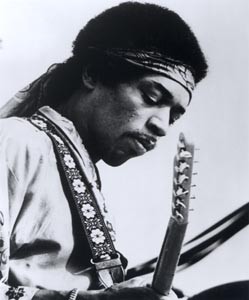
Talking Pictures

0

Heart of Lightness

By David Templeton

Writer David Templeton takes interesting people to interesting movies in his ongoing quest for the ultimate post-film conversation. This time out, he takes the loquacious psychiatrist/author Dennis Gersten to find the implied mystical messages in Disney’s George of the Jungle.

Dr. Dennis Gersten squeezes into his seat and–after setting his pack on the floor–takes stock of our collected provisions: there’s popcorn, of course, and a couple glasses of mineral water. He’s brought along a copy of his controversial new book, Are You Getting Enlightened or Losing Your Mind? (Harmony, 1997), along with a thick black notebook crammed to overflowing with potentially useful papers.

While we await the film, Gersten–a widely respected San Diego psychiatrist–passes the time by presenting me with a string of items from his papery trove, including a copy of his bimonthly publication, Atlantis–“the Imagery Newsletter”–and a colorful pamphlet describing a multilevel-marketed nutritional product that he happens to sell on the side.

Finally, he pulls a pen and a pad of lined yellow paper from his bag and settles back. Propping the pad on his knee, he explains, “If I don’t take notes, I’ll never remember the movie enough to discuss it later.”

“Is this usually how you prepare to see a movie? I ask, stifling my amazement.

“Oh no,” he shakes his head. “Never. As a moviegoer, I’m always totally right-brained. I’m very non-analytical. I just plunge into it. Therefore my recall is not usually very good.” Glancing up at the blank screen, he taps his pad, adding, “I wouldn’t want anyone to think I wasn’t taking this seriously.”

I nod appreciatively, genuinely impressed by his commitment to the process.

And with that, George of the Jungle begins.

George, based on the offbeat, late-’60s TV show, is an abundantly silly comedy, a live-action spoof of a cartoon that itself a spoof of Tarzan movies. The title character (Brendan Frazier) is a simple, sweet, directionally challenged (“Watch out for that tree!”) jungle man who lives happily in a treehouse, with a wise gorilla (voice by John Cleese) for a butler/confidant/father figure. When Ursula, a San Francisco heiress (Leslie Mann), discovers George’s paradise, love blossoms. Then they all go to California.

“My first thought,” Gersten offers intently, as he consults his notes after the film, “is that the film is full of archetypal images, surprisingly powerful images–for a cartoon.”

As he reads from his list (George symbolizes “the hero, courageous, and innocent,” Ursula the “enchanted princess,” her socialite mother “the evil sorceress”), the good doctor exhibits both keen intensity and a profound and utter calm, a striking blend that seems appropriate in a person working to widen the overlap between Western psychiatric medicine and mystical spirituality.

“What intrigues me most in the movie is George’s relationship with the animal kingdom,” he remarks. “I just read an article on pet therapy in the Journal of Alternative Therapies. It’s amazing stuff. It shows that, if you’re sick, having a loyal pet is better for your recovery than having a loyal spouse.”

“Really?” I marvel. “Because . . .”

“Because of the unconditional love. Their non-judgmentalism. They don’t care what you look like, how much money you have, or how well dressed you are. Animals can be incredible teachers.”

For an example, he tells me about Leo, his own 15-year-old cat, a remarkable fellow who not only walks through walls (Gersten insists he has witnesses!) but has also been something of a spiritual teacher to other animals.

“I swear to God,” he laughs. “Starting when he was 2 years old, Leo would hold dharsham. He would sit at the top of my balcony and the other cats in the neighborhood would line up on the grass below, as if they were taking dharsham from Leo. This went on for years. He’s also the only cat I’ve ever known who was attracted to spiritual objects.

“It might be a statue of Shiva, an image of the madonna, or a picture of my own teacher, Sai Baba; Leo would find it and curl up in front of it.” Though seriously injured in a recent run-in with a car, Gersten adds, Leo is adapting to his inactive convalescence with dignity and a discernible humility. “Any other cat would have given up to despair,” he says. “But not Leo. He is truly an enlightened animal.”

“And speaking of enlightenment,” I segue, “how does our George stack up. He’s a reasonably enlightened figure, right?”

“For a cartoon character? Yes,” Gersten replies, seriously. He glances back at his notes, then produces a worksheet showing the states of consciousness.

“Let’s compare him to the five core human values that come from the East,” he says. “They are truth, right action, peace, love, and non-violence. The practice of any of those leads in the direction of enlightenment.

“Now, George is pretty solid with truth. He’s completely guileless. And in terms of right action, he’s pretty solid there, too, a typical hero–a hero being the person who does the right thing in spite of fear.” George also passes the test on peace, and gets through love with flying colors.

“As far as non-violence goes, though,” Gersten shakes his head, “held to the highest standard, George appears to be enjoying himself a bit too much during his fight scenes. An enlightened person may resort to self-defense, but does not relish the inflicting of pain. So, on the whole, I would say George is on the path to enlightenment, but still has some work to do.”

Just for yucks, we compare all the major characters in the film to this test, and one person does turn out to be a perfect example of the enlightened soul.

“The ape,” Gersten beams, “was a true guru. Like Jesus, Buddha, Krishna, all the great teachers, he was an embodiment of all the human values, maintained at a very high level. Not bad for a cartoon character, is it?”

Web exclusive to the July 24-30, 1997 issue of the Sonoma County Independent.

© Metro Publishing Inc.

SSI Cuts & Drug Treatment

0

Street Wise

By Dylan Bennett

In better times, heroin addict Johnny Jones lived with his wife in a trailer park. To placate his addiction, he received treatment at a methadone program. With methadone–a synthetic narcotic that helps decrease or eliminate the craving for heroin–he escaped a low life of shooting dope to ease chronic back pain, a jaw-clenching reminder of two major spinal injuries incurred in the military and in a car accident. All things considered, Jones–molested and abused as a child, and prone to explosive, violent behavior–was doing OK.

Today, Jones bivouacks in the urban landscape, homeless, sleeping in the back of a messy, cluttered old car on the streets of Santa Rosa. He works odd jobs, despite the constant pain from both his back injuries and hunger. “It’s killing me,” he says of his situation.

The government money he once received for his disability is gone, cut off by a new law, and with it the additional money that paid for methadone treatment.

When the last dose of methadone runs out, the future of the burly, unwashed Jones is a prescription for death. Without treatment he could easily return to cheap vodka, a $100-a-day heroin habit, and a steady gig pushing heroin.

Jones is one of hundreds of drugs addicts and alcoholics in Sonoma County whose Supplemental Security Income also brought Medi-Cal-paid drug treatment and counseling. Now, they are back on the streets without money, and without access to drug treatment since federal legislation implemented on Jan. 1 left them ineligible for the benefits.

The new law, part of the Contract with America ushered in by the Republican-led Congress, promises to increase crime, spread disease, siphon the county budget, and push deserving, well-intentioned people out of drug treatment, according to local officials. They say the funding cuts shift a significant financial burden from the federal government to the county as those slashed from cash benefits and treatment return to homelessness, drug abuse and dealing, theft, and prostitution, and ultimately end up in local hospitals and jails and on local economic relief.

“We’ve got hundreds of people who were in some kind of treatment, and now they are not,” says Sonoma County drug administrator Gino Giannavola. “I think it’s a tragedy. The problem didn’t go away. The people are still out there.”

In the past seven months, at least 73 heroin addicts countywide have lost funding for treatment at the two local methadone clinics. “I’m sure that the majority, if not all of them, are out there using heroin,” says methadone program director Brian Piercy of the Drug Abuse Alternative Center in Santa Rosa, which has lost 23 clients.

At the Santa Rosa Treatment Program, director Lee Tillman counts 50 heroin addicts no longer in treatment. Many of the addicts, he says, suffer from hepatitis and tuberculosis and are sure to spread their diseases via shared syringes and prostitution.

“I don’t think [Congress] really thought it through,” reflects Andrea Learned, executive director of Face to Face-Sonoma County AIDS Network. “They harmed a group of people who are entering recovery and need the income to make a change in their life. And they did it because they were angry about the infamous percentage of people who take advantage [of SSI programs].

“They also didn’t look at the long-term health cost of denying a large group of people preventative health care or access to treatment. If you can’t get SSI, you can’t afford private treatment. What are you to do? You are encouraged to continue to use drugs and alcohol.”

Both addicts and drug counselors predict increased crime as a result of the changes. “Those are persons out there and they are addicted,” says Giannavola tensely. “So if they don’t get the methadone, they are going to go out looking to score. They get into breaking into cars, houses . . . to feed the habit. Selling the body, whatever. Whatever it takes to get their fix.”

Jones echoes that analysis: “If the government thinks taking people off SSI is going to change something, it will,” says the street-wise addict. “The crime rate is going to go through the roof. More dealing, petty theft, and strong-arm robbery than ever before. People who cannot go out and work have to do something.”

More SSI cuts leave people out in the cold.

Lori McElroy of Santa Rosa, an alcoholic, was scheduled to lose her Social Security Disability benefits this August. A timely letter asking for reconsideration has postponed the cutoff date. The looming cut, she says, would seriously jeopardize her family.

McElroy, 34, says she has been “clean and sober” for eight months, attends numerous support groups, sees both a psychotherapist and a psychiatrist, and is signed up for vocational rehabilitation. Unemployed since her alcoholism compromised her job performance, she has sclerosis of the liver and hepatitis. She and her 7-year-old daughter get $818 a month in SSI payments, plus about $100 in food stamps. Rent on their one-bedroom apartment is $560. With the change, she pays the PG&E bill and buys some food.

But McElroy says she needs more time to find a job that pays at least $9 per hour. By her reckoning, the cost of child care and loss of medical insurance would offset the benefits of a low-paying job. In addition, the fear of losing her daughter to Child Protective Services if she becomes homeless brings daily anxiety for the former Safeway meat department worker.

“I agree that some people are out there and they just don’t want to get sober and they just use their check [for drugs and alcohol], and that’s reality,” argues McElroy. “I know it’s hard to screen them, but there are people out there like me who really need help and would be devastated [by the cuts]. Their whole family would be torn apart.”

According to Mike Humphrey, executive director of Community Resources for Independence, a non-profit independent living center, drug addicts and alcoholics are not conveniently moved “from welfare to work,” regardless of popular political beliefs.

“Alcoholism and drug addiction have been known to be just that, an addiction,” asserts Humphrey. “People don’t have the ability to just say, ‘No, I don’t want to do it.’ They have to eventually go into treatment and get some assistance. It might have been more appropriate to have some kind of time limit where a person could be eligible, rather than [imposing] cold turkey and kicking everybody off.”

As the law went into effect, public agencies scrambled to help clients keep benefits by reclassifying them to a different disability, usually a physical or mental classification. In Sonoma County, two thirds of those cut failed to get reclassified, a daunting bureaucratic process for many disabled people who often don’t have complete medical records, access to doctors and transportation, or coping skills to negotiate the review process.

Disabled SSI recipients and treatment advocates say individuals faced brief reviews from Social Security doctors who appeared determined to purge the rolls of the disabled toward a predetermined outcome. “They ran us through like cattle just to get rid of us,” grumbles Jones.

Of 693 Sonoma County residents receiving SSI under the drug and alcohol classification, 438 had their benefits terminated. Of those appealing the cuts or seeking reclassification, 261 were denied. In all, 177 recipients simply never contacted the Social Security Administration.

The latter group, many fear, may be the most disabled of all. Drug addiction and alcoholism often mask other serious maladies such as post-traumatic stress disorder among war veterans, depression, manic-depression, schizophrenia, HIV, back problems, heart conditions, and liver and spinal disorders. About 50 percent of all the mentally ill have substance-abuse problems stemming from their efforts to medicate themselves.

“The big thing here is that a lot of people have fallen through the cracks,” says Humphrey. He relates the story of a woman with a multiple personality disorder who came to his agency after three or four months of being homeless. She didn’t remember getting the letter of termination.

Ironically, Humphrey says, over the last decade getting disability for psychiatric reasons was very difficult and many mentally ill people were advised to apply for disability under a drug or alcohol classification.

Looking to a solution, Andrea Learned of Face to Face argues that Medi-Cal eligibility should be separated from SSI, so low-income people can get funding for treatment, but not necessarily cash support. “I don’t like the way they did it, but I also understand the presumption that because someone uses substances, many of which are illegal, the government should agree to pay for their daily expenses isn’t great public policy either,” she says. “You don’t want to be sending this population the message that we’ll support you in this, unconditionally.

“But I would argue that, in the case of this law, the harm outweighs the help.”

From the July 24-30, 1997 issue of the Sonoma County Independent.

© Metro Publishing Inc.
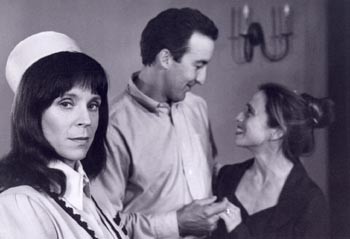
Wine Country Film Festival

0

Lights Out

Equal: The documentary ‘Mandela’ screens Aug. 8 at the Valley of the Moon cinema.

Wine Country Film Festival’s lucky 11

By Gretchen Giles

THIS IS AN EXPERIENCE of transformation,” says Wine Country Film Festival co-founder Stephen Ashton from his Glen Ellen office. “And if it’s programmed in the way that we intend to program it, it can wake us up as human beings.”

A tall order that, and one that the WCFF seems handily up to. Now in its 11th year, this prestigious event–which began as a four-day festival and now stretches itself languorously over four full weeks–features documentaries, shorts, and feature-length film of unusual quality, shown in unusual settings, with the somewhat unusual premise of presenting fine art in filmmaking.

Screened in two counties, Napa showings continue through July 27 indoors at the Uptown Cinemas and outside at the Williams Hill Winery (WHW). Beginning July 30, screenings are held in Sonoma County at the Sebastiani Theatre and in a new al fresco Valley of the Moon (VOM) cinema erected in Jack London Park.

Past premieres at the WCFF have included last year’s first North American showing of the Georgian-made Chef in Love, which was honored with an Academy Award nomination this year. Their tribute to director Jonathan Demme also launched Demme’s award-winning Married to the Mob to general audiences. As for this year, Ashton says, “I think that we have more discoveries than ever before.”

Among his discoveries, Ashton cites as wonderful picks the indie film Plan B (VOM; Aug. 1), starring Jon Cryer, a comic look at four friends who find themselves somewhat on the lesser side of success as their 20s give way; and Still Breathing (WHW; July 26) with Celeste Holm, Lou Rawls, and Brendan Fraser as an odd trilogy of folks struggling against life. A cabernet and cigar do accompanies the screening of Still Breathing, and Holm will appear.

Other highlights include Graveyard of Dreams (VOM; July 31), a meditation on the absurdity of war by Giorgi Haindrava, once a political prisoner in the former Soviet state of Georgia, who filmed Graveyard during actual battles, losing some actors to war during the making of the film. Haidrava will be in attendance.

At the outdoor cinema situated on his old property, a special tribute to writer Jack London is hosted as Call of the Wild (VOM; Aug. 2), shown with a special dinner and reception.

Director Philip Kaufman (The Unbearable Lightness of Being) discusses his survival story White Dawn (VOM; Aug. 3), starring Lou Gossett Jr. and Warren Oates as whalers stranded in 19th-century Alaska among the Inuit; and director and Sam Peckinpah authority Paul Seydor screens his The Wild Bunch: An Album in Montage (Sebastiani; Aug. 3). Culled from recently discovered behind-the-scenes footage taken of Peckinpah and cast on the set of The Wild Bunch, Album deconstructs Peckinpah’s brilliant vision.

The festival formally ends with the screening of Carla’s Song (VOM; Aug. 9), a political love story set in Glasgow and Nicaragua. Awards for films made tops in audience picks for best documentary, first-time feature film, and short films will be given that night.

“We’re dedicated to giving people an opportunity to see things that they wouldn’t otherwise be able to,” says Ashton simply.

From the July 24-30, 1997 issue of the Sonoma County Independent.

© Metro Publishing Inc.
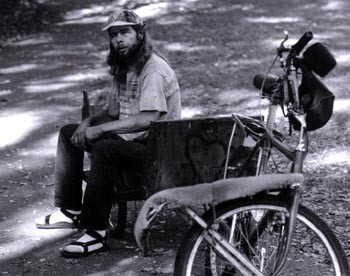
SSI Cuts

0

Slipping Fast

BESIDES the hundreds of drug and alcohol addicts, the safety net has disappeared for thousands of other people in Sonoma County who are losing benefits in the wake of recent changes in federal welfare law. Judy McMaster, an analyst with the Sonoma County Human Services Department, says 1,600 legal immigrants are losing eligibility for food stamps and Aid to Families with Dependent Children. Another 5,400 AFDC recipients need to find work, anywhere from 20 to 32 hours per week, to remain eligible for food stamps. About 750 local residents already have been cut from the federal food stamp program.

Meanwhile, 705 elderly and disabled legal immigrants on SSI and another 190 people receiving In-Home Support Services have had their benefits extended through September.

From the July 24-30, 1997 issue of the Sonoma County Independent.

© Metro Publishing Inc.
CD Reviews

0

Dog Dazed


Dana Siles

Smokin’: Reggae superstar Burning Spear returns with a great summer disc.

Cool tunes to break that hot spell

By Greg Cahill

IT’S SUMMERTIME and the living is, well, downright sticky. But these dog days of summer are notable not only for their heat, but also for their ability to generate distinctly summer tunes–usually graced by the word “summer” in the title of lyric–you know, those songs that come to epitomize the glorious misspent days of our youth. Sly and the Family Stone’s “Hot Fun in the Summertime” or DJ Jazzy Jeff and Fresh Prince’s “Summertime,” for instance. You get the idea.

This year, however, seems uniquely devoid of a signature summertime hit. “I mean, what are you gonna listen to, Sheryl Crowe or something?” a friend responded sarcastically when queried about her current summer picks. “That’s crap!”

Don’t despair–unless, of course, you’re in a gothic mood. There’s plenty of new music, and a couple of noteworthy books, out there to cool your fevered brow.

But first, you’ll need to pick up a couple of good reads for languishing at the beach, feet planted firmly in the wet sand (preferably while skipping out of work). Former Rolling Stone music editor and cultural historian Greil Marcus is back with Invisible Republic: Bob Dylan’s Basement Tapes (Henry Holt; $22.50), which posits that you can trace the 200-plus year history of popular American culture through Dylan’s heavily bootlegged 1967 sessions with the Band. Marcus is best when he sticks to Dylanography and less interesting when he wanders the back roads of America’s gothic past. Still, it’s an often insightful look at one of pop’s most enigmatic figures.

On the other hand, John Szwed’s Space Is the Place: The Lives and Times of Sun Ra (Pantheon; $29.95), an often fascinating look at jazzman Herman Poole Blount (aka Sun Ra–the avant-gardist who claimed to be from Saturn), uncovers the mysterious early years of this innovator, but fails to uncover the man behind the myth.

Nova Bossa: Red Hot on Verve (Hot/Verve), the companion CD to this spring’s big-name AIDS benefit disc Red Hot + Rio, sizzles with languid and sultry Afrocentric Brazilian rhythms. It features the breathy tenor sax of Stan Getz, the aggressive rock-bossa beats of Gilberto Gil and Caetano Velosa, and the steamy samba of Baden Powell. And it just doesn’t get any sexier than Astrud Gilberto and Antonio Carlos Jobim’s sensuous “Agua de Beber.”

For a more contemporary spin on summer sambas, the aforementioned Red Hot + Rio teams pop maven David Byrne and Marissa Monte, international singing sensation Cesaria Evora and Anna Caram, Stereo Lab and Herbie Mann, and other rock, pop, jazz, and hip-hop artists.

But what’s a summer without at least one great reggae album? South African reggae star Lucky Dube offers Taxman (Shanachie), his first album in more than two years. Bristling with Peter Tosh­tough vocals, an underpinning of hard-rock guitar, and a refreshingly optimistic viewpoint, Dube deftly works the classic reggae styles of mentor Bob Marley while spicing up the island sounds with South African flavors. He ventures Aug. 2 to the upcoming Reggae on the River at Piercy in Humboldt County–the ultimate North Coast world music event of the hot summer season (the concert is sold out, but don’t let that stop you from showing up).

Reggae titan Burning Spear follows up his Grammy-nominated Rasta Business with Appointment with His Majesty (Heartbeat/Rounder). Arguably his best work in years, Appointment continues to draw on the teachings of black prophet Marcus Garvey as a source of inspiration.

Hot on the heels of True Life Blues, last year’s Grammy-winning all-star tribute to bluegrass founder Bill Monroe comes Legacy: A Tribute to the First Generation of Bluegrass, Bill Monroe, Flatt & Scruggs, the Stanley Brothers (Sugar Hill). Such second- and third-generation pickers as Peter Rowan, Ricky Skaggs, Doc Watson, Marty Stuart, Sam Bush, Jerry Douglas, and the Seldom Scene weigh in with one of the year’s best folk/country albums–as welcome as a cool mountain breeze blowing through the Georgia pines.

If that’s too rustic, check out Big Sandy & His Fly-Rite Boys’ Feelin’ Kinda Lucky (Hightone), the latest collection of upbeat heart-on-the-shirtsleeve odes from America’s favorite Western swing band. It just doesn’t get any cooler than “Bugtussle Saturday Night.”

Meanwhile, J. J. Cale’s Anyway the Wind Blows: The Anthology (Mercury) compiles 50 terrific tracks from the underrated career of one of rock’s finest singer/guitarist/songwriters. The songs included here have been widely covered by Lynyrd Skynyrd (“Call Me the Breeze”); Eric Clapton (“After Midnight,” “Cocaine”); Carlos Santana (“Sensitive Kind”), and others. But Cale’s original versions possess a unique, deceptively laid-back cadence built upon a complex arabesque of bluesy guitar riffs–a major influence on Dire Straits frontman Mark Knopfler.

Essential stuff for any serious rock hound; guaranteed to chase away those summertime blues.

From the July 24-30, 1997 issue of the Sonoma County Independent.

© Metro Publishing Inc.

Timber Crest Farms

0

Family Farm


Michael Amsler

In the Palm of Her Hands: Timber Crest Farms co-owner Ruth Waltenspiel combines business savvy with farming.

Tomatoes grow a success story

By Gretchen Giles

IT IS HARD not to get a small touristy thrill driving west on Healdsburg’s Dry Creek Road. Dipping and turning, the road to Lake Sonoma takes the car by quaint winery signs, acres and acres of vineyards, stoic restored Victorian homes, and Timber Crest Farms. Turn into Timber Crest’s driveway, lined as it is with the requisite grapelands, and drive up to the office.

Oh. From the many workers sitting down for their 10 a.m. break to the whirring of the processing machinery to the whoosh of the ovens to the hum of the huge cold storage sheds to the “Open” sign at the small retail store to the large office building itself–that’s where the realization hits that it’s Timber Crest Farms®, with a definite registered trademark.

Because while Timber Crest is most certainly in the business of family farming, this is nothing like what Pa Ingalls envisioned when he hitched up the Conestoga wagon to head out west. The emphasis here is on business. And what makes business so interesting is people.

Timber Crest co-owner Ruth Waltenspiel is one of those people who makes it so. A graceful blonde dynamo of a certain age, with young blue eyes and bright cherry lipstick, Waltenspiel emerges from her office in the back of the free-standing building that is comfortably filled with folks in jeans and clean tennies talking on the phones, taking meetings, feeding the fax, and doing the bulk mailing–a typical morning here at the family farm.

“Top of the day to you,” she says jovially, extending a well-manicured hand. Opening the main door of the office, she steps outside into the still-cool air to stand overlooking her vineyards. Across the road stand Timber Crest orchards, some of the last orchard land left in the county, most others having defaulted to the ever-growing demand for grapes.


Work in Progress: Tomato halves are aligned upright for drying.

Photo by Michael Amsler


Of the six crops that Ruth and her husband, Ronald, grow–apples, pears, peaches, prunes, and grapes among them–tomatoes are truly the love apple. Establishing their family farm on these 150 acres in 1957 (he overseeing the agriculture, she the business, they now own some 1,500 acres in the county, with additional acreage in Yolo and Solano counties), they raised instead, Waltenspiel cheerfully reports, “nothing but red ink.”

“So we said, ‘We’ve got to do something about that,” she continues. “Well, no,” she corrects with a laugh, “the bank said, ‘You’ve got to do something about that.'” The couple began drying their own fruit, selling primarily to the burgeoning health-foods industry of the early 1960s and making a simple living.

And then in 1980, Ruth took the family’s products to a fancy foods show in New York City. “About the best thing I can say about that venture,” she recounts, “was that they were underwhelmed. But in going to fancy markets, I saw that there were a lot of little bitty jars of dried tomatoes coming in from Italy, and they were selling at $12-$15 a jar. And I came back to California and I said, ‘Ladies and gentlemen, we can grow a tomato or two in this state–we can do this product.’ And it took off like crazy. We just couldn’t even keep up with it.”

Today, Timber Crest does $10 million a year in business, 10 percent of it from dried tomatoes sold under the “Sonoma” label. As Waltenspiel leads the visitor through the farm’s processing areas, the mostly Hispanic workers (all of whom are offered a paid-for, books-and-all college or trade school education by the Waltenspiels) go back to washing, turning, drying, and scraping the tomatoes that run through five washings along conveyor belts. “Sun-dried” itself is something of a misnomer, as the hardy tomatoes aren’t quite hardy enough for field-drying, receiving their shrinkage in outdoor ovens instead.

Waltenspiel raises her voice above the din of the equipment; dull-orange earplugs shine in a worker’s ears. “Basically, we’re just a sole proprietorship, we’re not a corporation or anything fancy like that. I don’t want this to sound corny, but you can only wear so many shoes and you can only wear so many clothes, and I don’t want a great big house to take care of because that’s a lot of work, so we’ve just plowed it all back into the business. Because we enjoy it,” she says, stopping. “I genuinely enjoy what we do.”

Still entrenched in the health-foods markets and in such specialty chains as Trader Joe’s and Williams-Sonoma, Timber Crest’s sun-dried tomatoes show up in everything from Oroweat’s specialty breads to Wolfgang Puck’s gourmet frozen pizzas. After 17 years of seeing her most popular product grow, Waltenspiel is philosophical.

“I think that it’s about at its maximum,” she says. “Foods are just like clothes or colors or cars: what’s in today is out tomorrow. Some fads just totally go away; I don’t think that dried tomatoes will just totally go away because they’re such a useful ingredient.”

To remain competitive, Waltenspiel plans a trip driving the southernmost coast of the country, stopping in to personally meet clients, dropping in on food editors and librarians to talk about tastes, and trying regional foods.

Smiling, she confesses that she’s looking forward to eating “in strange little places to see if I can find another dried tomato. Maybe I will, maybe I won’t,” Waltenspiel shrugs, knowing that her luck has already been good. “You never know.”

Free tours of Timber Crest Farms are offered through September from 8 a.m. to 4 p.m. 4791 Dry Creek Road, Healdsburg. 433-8251.

From the July 24-30, 1997 issue of the Sonoma County Independent.

© Metro Publishing Inc.

Bits & Bobs

0

Raves, Faves, and News


Michael Amsler

The Ice (Dream) Man Cometh: Installation artist Elmo May uses the cast-offs of childhood to create new life.

People tell us things–can you blame them?

By Gretchen Giles

Ice Cream, You Scream: “Those are molded ice cream lids,” laughs installation artist Elmo May, pointing to the light green (pistachio), sweet brown (chocolate), and pale pink (strawberry) rectangles hung with a repugnant beauty on the back wall of the California Museum of Art. “I work in a coffee shop and just kept pulling them off, and there they were,” he chuckles.

Doing little more than fixing the goo with a sealant and putting some of the lids in the dark to mold, May is among the artists exhibiting at the CMA’s “Registered” exhibit, one of three new shows at the museum. May’s installations will share the space with SRJC instructor Alan Azhederian’s quilted wood marvels, the work of painter Alice West, and the drawings of Susie Philips. Mark Gordon’s moody ceramic eggs and some ton of lava rock will occupy the main gallery (“Installed”), while found-object artist Zoltan Vasvary’s tall, lacy weldings made from railroad ties (“Nailed”) will fill the foyer.

But right now there’s a bunch of eclectic junk on the floor, track lighting sitting dejectedly in a box, and lots of free pastries laid out on a folding table: a child’s idea of the perfect museum experience. This might not disturb May.

“A lot of this is about childhood,” he says, standing near his second installation, one composed almost entirely of silvered milk cartons, “about how we compartmentalize our thoughts from childhood, and how we try to hold children up to standards that we can’t keep up with ourselves.”

Spare, dark, and clean, May’s installations have a surprising lyricism wrought from the change in context this former window dresser has wrung from his starting points. But he’s not looking to knock anyone out with his ego. “I’m sure for a lot of people it’s just going to be a bunch of moldy ice cream lids,” he shrugs with a smile.

The three exhibits show July 23-Sept. 21. A reception for the artists is slated for Friday, July 25, from 5 to 8 p.m.; Mark Gordon speaks at 7 p.m. At the Luther Burbank Center. Call 527-0297.

Down to the Ground

Two years ago the Gravity Art Festival, an adjunct event to April’s Apple Blossom do, was initiated. Stipulating that all works must examine the earth’s pull on matter, this event has before featured art that co-organizer Paul Stychno slyly reports looks as though it’s been run over by a tank.

A thinking man, Stychno devised a twist: he’s got a tank–a 25-ton Russian T-34 5-person tank, to be exact–and is inviting artists to exhibit in next year’s Gravity Art show with works that either have a certain hangdog appeal before being run over or will have a certain je ne sais quoi after squashing. Cuz squashing is exactly what the works will endure. Scarcely able to contain his glee over the phone, Stychno, along with fellow organizers, is compiling a jury of 12 peers (“a bunch of people who will walk around and drink beer”), and calls to artists will go out through the Sebastopol Center for the Arts early next year. We’ll keep our ears flat to the ground on this one. 829-4797.

On Stage

The Spreckels Performing Arts Center in Rohnert Park has announced its new season line-up, and among such regular attractions as the Festival of the Harps (Nov. 8), Spreckels has added a new wrinkle. Teaming up with the producers of the Russian River Jazz and Blues festivals, Spreckels introduces indoor jazz, with Bobby Hutcherson and his quartet enlivening the fall (Nov. 1), Charlie Byrd and his trio swinging through in the winter (Feb. 28), and the Cedar Walton Trio jamming it out in the spring (April 18).

The resident Pacific Alliance Stage Company begins the season with Lend Me a Tenor (Nov. 2-19), a mistaken-identity comedy whose laughter stems from backstage antics and the theatrical device of one door opening as another closes, thus confounding all but the audience. PASCO reprises the popular 1940s Radio Hour for its holiday show (Nov. 28-Dec. 7), and mounts the stage version of the popular Danny DeVito vehicle Other People’s Money (Feb 12-March 3) in its smaller theater in the spring, finishing the season with the pioneer drama Quilters (April 23-May 10).

The Smuin Ballets/SF return to Spreckels with their holiday two-act, consisting of “The Classical Christmas” and “The Cool Christmas” (Dec. 13-14). “Classical” plays it straight, with dancers swirling to Bach, traditional Hanukkah music, and Renaissance madrigals. “Cool” employs such artists as Louis Armstrong sending the lords a-leapin’, as well as music by lesser-known Cajun and African artists. For traditionalists, resident Ballet Califia stages its annual Nutcracker (Dec. 19-21), choreographed by company director David McNaughton. 584-1700.

From the July 24-30, 1997 issue of the Sonoma County Independent.

© Metro Publishing Inc.

Isabella Rossellini

0

Lie to Me

By David Templeton

I always lie. It entertains me. It’s like filling in a coloring book with crayons, it makes my stories brighter.
–Isabella Rossellini, Some of Me

In spite of Isabella Rossellini’s published confession to being a liar, she has a way of presenting herself in person that is so up front and forthcoming that one could easily assume that her exuberant remark about lying was itself a lie.

“Don’t let me fool you,” she laughs. “You mustn’t trust anything I say.” But it’s too late. The giddy crowd that has gathered here to witness Rossellini reading from her newly released, elegantly quirky book, Some of Me (Random House; $29.95), has already fallen under her spell; they would clearly believe anything she said.

In general, the authors at these book peddling events are treated somewhat like an odd hybrid between royalty and packaged meat. This morning however, as Rossellini takes the podium–after a glowing, excitedly stammering introduction by San Francisco’s Italian consul–it is clear that, in the eyes of this crowd, she is the queen, the goddess, the ultimate role model.

And yet she is convincingly humble, beaming at the applause and cheers that follow her reading. Dressed in a simple tan pants suit, wearing almost no make up, Rossellini is easily more gorgeous in person than ever on screen, and that’s saying something; the internationally known actress/model (Blue Velvet, Cousins, Wild at Heart, Big Night) is often numbered among the most beautiful women in the world.

But it is Rossellini the writer who is being honored today. Her generally well-reviewed, pseudo-autobiographical fantasy has leapt up as one of the most imaginative, sly, and charming among the spate of recent tell-all books. Some of Me, as the name implies, is hardly a tell-all at all; it’s a clever blend of memoir and gamesmanship, with the true stories told along with numerous snippets of picked-up wisdom and a series of her lovely, believably rendered conversations with her mother and father (Ingrid Bergman and Roberto Rossellini), ex-husband Martin Scorsese, ex-lover David Lynch, and others.

During the Q&A session, a woman in the front row–later identified as a professor of English–turns to address the crowd. “When I read this, I expected to find some interesting stories,” she says, “but I had not expected a work of literature.” Turning to Rossellini, she adds, “It’s a serious, inventive book. The forms you create are quite imaginative. When did you ever find time to become such a good writer?”

There is a thunderous roll of applause, and for a split second the author is speechless. “I hope you’re a reviewer!” she finally exclaims. Sheepishly, she admits to a fear of reviews. “I keep calling Tom Henry, the head of Random House, and I say, ‘Everything all right?’ I don’t say, ‘Any good reviews?’ because I’m afraid he’ll say, ‘Hmmmmm, not really,’ But Tom always says, ‘Yeah, yeah, yeah. Your plane flight is at 3:30 . . .’ and so on. So I don’t really know how the book is doing.”

Prodded for details, she continues, “I’d been solicited for years to write a book about my parents, or about my career, or even to do a book on fashion and style. But I always dismissed the idea, thinking, ‘Autobiographies are just gossip, books on style are just stupid–forget that.’ And finally my lawyer scolded me. ‘Not too many people are offered the opportunity to write books,’ he said. ‘You should seize the chance. Lancôme fired you, remember.'”

She jokes about the much-publicized brouhaha that ensued when Lancôme cosmetics–for which Rossellini had modeled for 14 years–discontinued their relationship after she turned 40, preferring to be represented by a younger model. It is a subject she treats fairly and philosophically in the book. “So I wrote a little bit,” she goes on, “about 100 pages.”

Looking for someone to show her efforts to, she chose old friend Bob Gottlieb, then head of Random House. “I said, ‘I’m almost ashamed to ask, but I’ve been solicited to write a book, and I think maybe–if I could write it like this–I could do it.’ And I left the pages with him to read.”

Not only did Gottlieb like them, he offered to edit the book, and champion its author’s offbeat approach.

As to the “lies,” she only shrugs gracefully, and smiles, “I have to say that I tried to make the invented parts very detailed,” she laughs. “I called Marty and David and asked them if what I wrote in their voice was plausible. And in case you were wondering, no, I do not hear voices in my head.”

She asks for one more question. A young woman asks why she thinks her cosmetics campaign lasted as long as it did. Rossellini thinks for a moment and replies, “I never just stood before the camera, I think. I always would summon up a huge amount of emotion, something appropriate to the particular shoot, and would let that appear on my face.

“It is something I tried to do as well in the book, to be emotionally true, if not factually so. There is one thing I have learned to live by,” she adds. “Without emotion there is no beauty.”

Web exclusive to the July 17-23, 1997 issue of the Sonoma County Independent.

© Metro Publishing Inc.

Dirty Art

In Defense of Nasty ArtPitched Trent: Time Warner execs squeamishly declined to read Nine Inch Nails' lyrics penned by the volatile Trent Reznor.Forget the efforts by the Congress to ban the NEA--how the heck do the rest of us deal with the issue of critiquing nasty art?By Ann PowersEverybody has limits, but it's not often that you really...

Simon Says

Nice & LoudMichael AmslerBlur of Action: Straightedge rockers Simon Says pump it up in soccer gear and on Gatorade.Simon Says sets a perfect exampleBy David TempletonTHE WORDS SPILL from Zac Diebels' mouth in a steady, unstoppable torrent; a happy, verbal reservoir of chatter undammed by the merest hint of a question from this end of the telephone."Yeah, yeah, we're...

Talking Pictures

Heart of LightnessBy David TempletonWriter David Templeton takes interesting people to interesting movies in his ongoing quest for the ultimate post-film conversation. This time out, he takes the loquacious psychiatrist/author Dennis Gersten to find the implied mystical messages in Disney's George of the Jungle.Dr. Dennis Gersten squeezes into his seat and--after setting his pack on the floor--takes stock...

SSI Cuts & Drug Treatment

Street WiseBy Dylan BennettIn better times, heroin addict Johnny Jones lived with his wife in a trailer park. To placate his addiction, he received treatment at a methadone program. With methadone--a synthetic narcotic that helps decrease or eliminate the craving for heroin--he escaped a low life of shooting dope to ease chronic back pain, a jaw-clenching reminder of two...

Wine Country Film Festival

Lights Out Equal: The documentary 'Mandela' screens Aug. 8 at the Valley of the Moon cinema. Wine Country Film Festival's lucky 11 By Gretchen Giles THIS IS AN EXPERIENCE of transformation," says Wine Country Film Festival co-founder Stephen Ashton from his Glen Ellen office. "And if it's programmed in the way that we intend to...

SSI Cuts

Slipping FastBESIDES the hundreds of drug and alcohol addicts, the safety net has disappeared for thousands of other people in Sonoma County who are losing benefits in the wake of recent changes in federal welfare law. Judy McMaster, an analyst with the Sonoma County Human Services Department, says 1,600 legal immigrants are losing eligibility for food stamps and Aid...

CD Reviews

Dog DazedDana SilesSmokin': Reggae superstar Burning Spear returns with a great summer disc.Cool tunes to break that hot spellBy Greg CahillIT'S SUMMERTIME and the living is, well, downright sticky. But these dog days of summer are notable not only for their heat, but also for their ability to generate distinctly summer tunes--usually graced by the word "summer" in...

Timber Crest Farms

Family FarmMichael AmslerIn the Palm of Her Hands: Timber Crest Farms co-owner Ruth Waltenspiel combines business savvy with farming.Tomatoes grow a success storyBy Gretchen GilesIT IS HARD not to get a small touristy thrill driving west on Healdsburg's Dry Creek Road. Dipping and turning, the road to Lake Sonoma takes the car by quaint winery signs, acres and acres...

Bits & Bobs

Raves, Faves, and NewsMichael AmslerThe Ice (Dream) Man Cometh: Installation artist Elmo May uses the cast-offs of childhood to create new life.People tell us things--can you blame them?By Gretchen GilesIce Cream, You Scream: "Those are molded ice cream lids," laughs installation artist Elmo May, pointing to the light green (pistachio), sweet brown (chocolate), and pale pink (strawberry) rectangles...

Isabella Rossellini

Lie to MeBy David TempletonI always lie. It entertains me. It's like filling in a coloring book with crayons, it makes my stories brighter.--Isabella Rossellini, Some of MeIn spite of Isabella Rossellini's published confession to being a liar, she has a way of presenting herself in person that is so up front and forthcoming that one could easily...
11,084FansLike
4,606FollowersFollow
6,928FollowersFollow