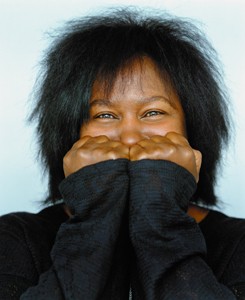
Love and Affection: Bittersweet and earnest Joan Armatrading performs at the Luther Burbank Center on June 24.
Hot Fun in the Summertime
The North Bay offers more summer events than you can shake a popsicle stick at
By Sara Bir
Jazz festivals, blues festivals, accordion festivals, film festivals, food festivals, wine festivals, beer festivals, health and harmony festivals, art festivals, family festivals. Oh, and some concert series and fairs, too. There are a gazillion summer doings in the North Bay–so many that it’s nearly too daunting to single out which communal summer fun-time events to participate in. That’s where our handy Bohemian Summer Guide comes in. Heck, we even have a scattering of sports events listed this year! And remember, it’s better to have too much to choose from than not enough, so embrace the summery spirit of excess, pull on some too-short cutoffs, slip into a pair of flip-flops, and act the part of a lazy summer bum. We won’t call you on it.
[ May | June | July | August | September | Ongoing ]
May
Wine Country Antiques Show
Over 60 local, national, and international exhibitors will showcase exquisite pieces from around the globe, including furniture, folk art, rugs, and antiquarian books, and in styles from Spanish colonial to Ming dynasty. Preview gala: May 23. $100. Show: May 24-26, 11am-5pm. $10 day; $15 run of show. Chardonnay Hall, Napa Exposition Center, 1040 Main St., Napa. 650.548.6700. www.antiques-shows.com.
Sonoma Valley Open Studios Weekends and Preview Exhibit
This is the guild’s 12th annual open-studios event, with artists from all over the Valley of the Moon inviting the public into their homes and workspaces over two weekends, May 24-25 and May 31-June 1. Preview exhibit at the Arts Guild of Sonoma Gallery runs through June 1. 140 E. Napa St., Sonoma. 707.996.3115.
Jenner Concert Series
Head way out to Jenner for some hot music in the boondocks. On May 24, Mitch Woods and His Rocket 88’s rock the house; on June 28, Big Brother and the Holding Company stop by. $15-$20. Benefits the Jenner Watershed Fund. Jenner Theater, behind gas station, downtown Jenner. 707.865.1938. Go to www.jennerconcerts.org for more concerts as they are added.
Asian American Pacific Islander Heritage Festival
Find plenty to keep you busy at this ninth annual festival. May is Asian Pacific Islander Month, and the Bay Area Discovery Museum celebrates with martial arts demonstrations, taiko drummers, Hawaiian music and hula, Cambodian and Filipino dance, and craft projects. May 25, 10am-5pm. Bay Area Discovery Museum, 557 McReynolds Road, Fort Baker, Sausalito. Free. 415.487.4398. www.badm.org.
Mill Valley Memorial Day Parade
Folks from all corners of the community come out to participate in this parade, which has a high participation of clubs and organizations. May 26, 10:30am. Parade begins at Old Mill School, travels down Miller Avenue, and ends at Tamalpais High School. Free.
Wine Country Classic
It may be the Infineon Raceway now, but expect the same mix of classic cars, action-packed racing, and nostalgia-laden auto rallies as before at this former Sears Point three-day event. It all starts with the Vintage Car Rally through the Sonoma wine country. May 30-June 1. Infineon Raceway, Highways 37 and 121, Sonoma. 1.800.870.RACE. www.infineonraceway.com.
Park Bark
Invest some quality time with Rover at the Park Bark, “the biggest doggie party in Sonoma County.” Sponsored by All Tails Wagging Veterinary Clinic, the Park Bark puts pooch in touch with dog games, contests, an agility course, and a canine freestyle demonstration. May 31, 1-5pm. Galvin Dog Park, Santa Rosa. 707.525.9445.
Art at the Source
Travel through Sonoma County to see sculptors, jewelers, potters, painters, book binders, fabric artists, printers, and photographers in their native habitats. Two weekends: May 31-June 1 and June 7-8. Preview exhibit runs through June 8. Maps can be found at www.artatthesource.org or at Sebastopol Center for the Arts, 6780 Depot St., Sebastopol. 707.829.4797.
‘Wrongful Doings at Woeful Ranch’
A cast of 46 fifth-graders teams up with local actor and playwright Squire Fridell for the Dunbar School’s annual melodrama. Boo! Hiss! Hooray! May 30-31, 6pm; June 1, 4pm. Haver Outdoor Stage, 11700 Dunbar Road, Glen Ellen. $8 adults; $4 children under 12. 707.321.0962. www.dunbarschool.com.
Laguna Festival
Celebrate “Our Green Island,” the Laguna de Santa Rosa, which is one of the county’s most ecologically sensitive areas. Hayrides, hiking, scavenger hunts, sculpture workshops, and live jazz are included in this family event. May 31, 10am-2pm. Sebastopol Community Center, 390 Morris St. Free. 707.824.2966. www.lagunadesantarosa.org.
Ukiah Reggae and World Music Festival
Salsa, funk, gospel, and, of course, reggae–as well as DJs galore–bring the world to this festival, featuring Vision and Kibah from the Wailers. May 31, noon-9:30pm. $30-$35. Ukiah Fairgrounds, 1055 N. State St., Ukiah. 415.561.7909. www.redwoodempirefair.com.
Find the Duende: Sonoma State presents flamenco diva La Rubia on June 1.
June
La Rubia at Flamenco Stage
Flamenco Universal’s Flamenco Stage presents Bay Area performer Patricia Inez –“La Rubia”–dancing with local artists, while Seville native Manolo Vargas provides the music. June 1, 2pm. Evert B. Person Theatre, Sonoma State University, 1801 E. Cotati Ave., Rohnert Park. $20 advance; $22 door. 707.573.8450.
Cabaret Benefit for CASA
Great songs of American musical theater make up With a Song in My Heart, featuring cabaret singer Carolyn Bloom and performed in a secluded garden setting. Proceeds go to CASA, a group that works with abused and neglected children involved in the court system. June 1, 4pm. Napa location disclosed with ticket purchase. $45. 707.252.6222.
Beyond the Gates
Venture past the facades of the grand estate gardens of Napa Valley on tours led by master gardeners. Shuttle to each of the four estates on an air-conditioned bus and sit down to a gourmet lunch with wine at one of the gardens. June 1. Various locations in Napa Valley. $150. Benefits Land Trust of Napa County. 707.252.3270. www.napalandtrust.org.
Camp Winnarainbow Scholarship Fund Benefit Boogie
Join Wavy Gravy and cohorts Gregg’s Eggs and the Flying Other Brothers for an afternoon of jam-rock, fab food, and family fun. Funds scholarships for low-income and homeless kids to attend Camp Winnarainbow. June 1, 2-6pm. San Geronimo Cultural Center, 6350 Sir Francis Drake Blvd. $15 general; $50 VIP Hall of Smooze. 415.488.9385. www.gdtstoo.com.
38th Annual Ox Roast at the Valley of the Moon Art Association Art Show
Hundreds of pounds of meat sizzle away at this beefy annual event. Throughout the weekend, the Valley of the Moon Art Association holds an outdoor exhibition of locally created paintings, drawings, and crafts. June 1, 11am-5pm. Sonoma Plaza, Sonoma. 707.938.4626.
Healdsburg Jazz Festival
Jazz emanates among the sun-dappled grapevines at this eagerly anticipated indoor/outdoor jazz institution. Featured musicians include the James Newton Quartet, the Abbey Lincoln Quartet, Joe Lovano and friends, and the Healdsburg High School Jazz Band. June 1-8. Various downtown Healdsburg locations. Tickets are available online at www.healdsburgjazzfestival.com or by calling 707.433.4633.
Peace and Justice Center’s Day in the Park
Miguel Molina and Wendy Trigueros emcee Day in the Park, a free celebration of community and involvement. Performers include the Raging Grannies, Love Choir, and Eagle Spirit, and local organizations like the ACLU and Veterans for Peace will have representatives present. June 1, noon-4pm. Juilliard Park, Santa Rosa. 707.575.8902.
Mill Valley Scrabble Tournament
The clicking of tiles will fill the air at the 2003 Mill Valley Scrabble Tournament, hosted by the Bay Area Scrabble Club at their main North Bay stomping grounds, Round Table Pizza. Registration at the door begins at 1pm. June 1, 1:30pm. Round Table Pizza, 50 Belvedere Drive, Mill Valley. $20 admission, with a $5 minimum food order. 415.468.4537.
Napa Valley Wine Auction
Star chefs, gala events, dancing, and fever-pitch bidding on fat-cat wine lots make this the big daddy of the Napa social season. June 5-8. Various Napa Valley locations. www.napavintners.com.
Windsor Fine Arts Show
Thirty-six local artists will display juried works in various media, and the results of the judging will be announced at the opening reception, which also features light refreshments and live music by the Sequoia String Quartet. Opening reception: June 6, 6:30-8pm. Show: June 7-14, 10am-4pm daily. Huerta Gymnasium, 9291 Old Redwood Hwy. #200, Windsor. Free. 707.838.5382.
Beerfest
Help raise funds for charity by getting drunk in the sun! Face to Face/ Sonoma County AIDS Network’s Beerfest is a perennial favorite for suds ‘n’ grub lovers. June 7, 1-5pm at the LBC, 50 Mark West Springs Road, Santa Rosa. $28-$32. 707.544.1581. www.f2f.org.
Northern California Heritage Festival
A multicultural extravaganza–and that means booths offering up food, food, food! There’s more to do at the Heritage Festival than eating your way around the world, though. Watch traditional Greek, Scottish, Samoan, Portuguese and Pomo dance, listen to music from many cultures, and purchase authentic handicrafts. June 7, 10am-7pm. Petaluma Community Center, 320 N. McDowell Blvd., Petaluma. $5. 707.763.9556.
All Things Herbal Plant Sale
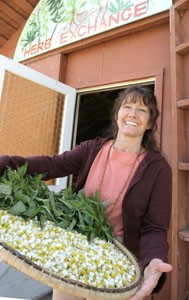
Herb it up at the Sonoma County Herb Exchange’s sale with medicinal herbs, native plants, cosmetics, and wreaths. June 7, 10am-4pm. Sebastopol Town Plaza. 707.824.1447. www.sonomaherbs.org.
Petaluma Open Studios
Members of the Petaluma Arts Association will open their studios to the art-lovin’ public. June 7-8, 10am-4pm. Maps are available at locations throughout Petaluma, or call 707.762.2801.
Marin Home Show
What goes with home and garden improvement? Why, jazz. Three hundred of the Bay Area’s top-of-the-line home and garden retailers will be on hand, as will a bevy of jazz bands such as Lee Press-On and the Nails. The “Jazz Jam Playoff” benefits Marin County public schools and music departments. June 7-8, Marin Center Civic Center, San Rafael. $6.50 general; free for children under 14. 415.472.3500. www.marinhomeshow.com.
Sonoma Collage Collective Art Show and Sale
Who needs Photoshop when you have scissors and a glue stick? The artists of the Sonoma Collage Collective are hosting their ninth annual show on the grounds of General Vallejo’s home, and access to both the show and the Vallejo estate are free all weekend. June 7-8, 10:30am-4pm. 20 W. Spain St., Sonoma.
Dipsea Race
Billed as “one of the oldest races in the world,” the Dipsea Race began in 1905 and has changed little since, except that every year it becomes more and more popular. While there may be older races in older countries, the Dipsea is still the king of spunk. June 8, 8:30am. Begins at Lytton Square, Mill Valley. 707.331.3550. www.dipsea.org.
Fitch Mountain Foot Race
The Healdsburg Kiwanis Club presents the 29th annual 3K- and 10K-foot race and walk on a course that meanders through quaint Healdsburg neighborhoods and around Fitch Mountain, bordering the Russian River. Both courses start and end at the historic Plaza Park. June 8. $20-$25. Registration begins at 7am; race begins at 8am. 707.576.6147.
Petaluma Riverfront Arts and Garden Festival
Local gardeners, artists, and chefs convene to support the arts in Petaluma. Check out the Petaluma Floating Gardens, fine wines, fine foods, and fine readings. June 9, 11am- 5pm, Fourth and A streets parking lot, Petaluma. 707.762.9348.
Hoochi-Doo Productions
Hoochi-Doo has moved to a new home at the Sonoma Community Center, and it brings with it a summer-long run of musicals and comedies: Neil Simon’s The Dinner Party (June 13-28), and the musical version of the film My Favorite Year (Aug. 1-30.) 276 E. Napa St., Sonoma. 707.938.4626, ext. 1. www.hoochi-dooproductions.com.
Arts Alive at Plaza Arts
The Healdsburg Arts Council’s Plaza Arts presents an exciting combination of gallery and demonstration art, with artists giving demos on-site. June 13-July 21. 130 Plaza St., Healdsburg. 707.431.1970.
Sonoma Lavender Festival
Open to the public for two days only, the Sonoma Lavender Barn invites guests to come and see a five-acre lavender farm in full bloom with farm tours, lavender massage, craft making, lavender cuisine, and a lavender marketplace. June 14-15, 10am-4pm. (Preview sale: June 13, 2-6pm.) Admission is $5 per car. 8537 Sonoma Hwy., Kenwood. 707.833.1330. www.sonomalavender.com.
Awed by Shocked: Michelle Shocked charms the Health and Harmony Festival on June 14-15.
Cotati Jazz Festival and Fine Arts Show
Over 40 jazz artists infiltrate three venues in downtown Cotati–Sweet Lou’s, Dos Amigos, and the Tradewinds, as well as La Plaza Park. Mel Graves, Banda de Luna, and Chuck Sher’s One World are a few of the names on the bill. And of course there will be wine and food. June 15, noon-9pm. Downtown Cotati. $10 adults; free for kids under 12. 707.795.5508.
Health and Harmony Festival
Celebrating its 25th anniversary, the Health and Harmony Festival is the largest event of its kind in the United States. Expect exhibitors, high-profile guest speakers, talented music acts, and hands-on activities. Coupled with headlining musicians Michelle Shocked and Ritchie Havens, that’s a lot of harmonic-healing bang for the buck. June 14-15. $17-$22 adults; $8-$10 seniors and teens. Kids under 10 are free. Sonoma County Fairgrounds, Santa Rosa. 707.547.9355. www.harmonyfestival.com.
Italian Street Painting Festival
See master street painters work side by side with student artists as they transform downtown San Rafael into a scale model of the Sistine Chapel ceiling. Live music, Italian cuisine, and children’s activities give visitors more to do than just gawk at the breathtaking art. June 14-15. Fifth and A streets, San Rafael. 415.457.4878. www.youthinarts.org.
Sonoma-Marin Fair
Hollywood comes to the North Bay at this year’s fair. Well, sort of–“Hollywood” is the 2003 theme. A wine competition, destruction derby, livestock exhibits, petting zoo, cooking demonstrations, and rides, rides, rides keep the fair close to its roots. Pat Benatar, Tower of Power, and Carrot Top highlight the entertainment. June 18-22. Petaluma Fairgrounds. $12 adult; $8 children and seniors. 707.283.FAIR. www.sonoma-marinfair.org.
Healdsburg Lavender Festival
Presented by the North Coast Lavender Guild, this festival makes its debut with noted lavender expert Robert Kourik answering lavender-related questions and local chefs demonstrating lavender recipes. June 21, 9am-noon. Healdsburg Farmers’ Market, North and Vine streets. June 22, 11-5pm, Healdsburg Plaza. Free.
707.431.7626.
‘Best of the County’ Wine and Food Fundraiser
Sample local wines and foods from the top producers in Sonoma County. A silent auction and live music in the open air of Kendall-Jackson’s gardens provide distractions from eating and drinking. June 21, 6-8:30pm. 5007 Fulton Road, Windsor. $21-$25. Benefits Sonoma County Farmlands Group. 707.576.0162.
Oh, Rapture–It’s Scrapture!
Take junk, make it into art. It’s good for the earth and the soul. Plus it’s fun. Scrapture, the highly anticipated annual recycling sculpture event, is open to the public, with prizes awarded in categories for all ages. Just show up with your entry before noon and you’re set. June 21, 10am-4pm. La Plaza Park, Cotati. Free. 707.795.13950. www.garbage.org.
Marin Art Festival
Take pops out for some art-browsing over Father’s Day weekend. The Marin Art Festival combines the casual elegance of a lawn party with Marin’s finest artists in a setting that’s grassy and spacious. June 21-22, Marin Center’s Lagoon Park, 10 Avenue of the Flags, San Rafael. $8. 415.388.4386. www.marinartfestival.org.
Lick It Up: Dan Hicks brings his Hot Licks to the Russian River Blues Fest on June 28-29.
San Anselmo Art Festival
Live music, an arts and crafts area, and food aplenty round out the attractions at this charming, small-town festival, held in the hub of San Anselmo. June 21-22, 10am-6pm. San Anselmo Avenue between Bolinas and Tamalpais streets. 510.232.5030.
Red and White Ball
The color scheme of this annual Sonoma to-do is meant to reflect the wines of the valley, not the costumes of the White Stripes. Still, it would be wise to raid the wardrobe of Meg and Jack White for this gala, the funds of which go to improving the Sonoma Plaza. Dressing up is half the fun, and the dancing stretches on into the midnight hour. June 21. Sonoma Plaza, Sonoma. $65. 707.935.3704.
Zarzuela!
One of the few places in the nation that stages the beloved Spanish operetta form of zarzeula, the Jarvis Conservatory pulls out all of the stops to put on shows teeming with humor, drama, songs, and dance. This year’s zarzuela, La Chulapona, features a cast of 56 performers. June 26-29. Jarvis Conservatory, 1711 Main St., Napa. $45 general; $30 students. 707.255.5445.
Kate Wolf Memorial Music Festival
Utah Phillips, Taj Mahal, Dave Alvin, Patty Larkin, Mary Chapin Carpenter, Nina Gerber, and Eddie from Ohio highlight an impressive roster of talent at this year’s festival. June 27-29, Black Oak Ranch, Laytonville. 707.823.1511. www.monitor.net/kate.
Sonoma County Hot Air Balloon Classic
Ride in a balloon or stay grounded and just watch the graceful, colorful forms float through the sky. June 28-29, 7am-11am. Keiser Community Park, Windsor River Road (between Windsor and Starr roads), Windsor. $5 advance; $8 day of the event. 707.837.1884. www.schabc.org.
Russian River Blues Festival
The legendary Etta James returns, along with the Robert Cray Band, the Blind Boys of Alabama, Zigaboo Modeliste, Dan Hicks and His Hot Licks, and a boatload of others. June 28-29. Johnson’s Beach, Guerneville. $40-$180. 510.655.9471. www.russianriverbluesfest.com.
Vineyard Opera
An afternoon of wine, food, and music awaits guests of the North Bay Italian Cultural Foundation and Viansa Winery. Five gifted vocalists will perform selections by Copland, Puccini, Verdi, and Humperdinck, under the direction of pianist Donald Tarpley. June 29, noon-3pm. 25200 Arnold Dr., Sonoma. $10-12 donation. Reservations required. 707.591.9696.
Photograph by Carl Stunda
Diva Divine: Keely Smith joins Karrin Allyson, Dianne Reeves, and Diane Schuur for the Divas of Jazz Festival on June 29.
Divas of Jazz Festival
Dames of jazz Karrin Allyson, Keely Smith, Dianne Reeves, and Diane Schuur will bring a day of top-notch musical entertainment to Rohnert Park, a place that for sure could use some jazz. June 29, 1-7pm. Rohnert Park Stadium, 1500 Labath Ave. $45-$55. 707.528.TIXS.
Hallberg Butterfly Gardens Open House
Two book signings, by the authors of A Class Trip to Miss Hallberg’s Butterfly Garden and The Butterfly Gardener’s Guide, will be held at this open house that’s also a plant, stationery, and book sale, with self-guided walking tours of this historic habitat garden. June 29, 10am-4pm. Hallberg Butterfly Gardens, 8687 Oak Grove Ave., Sebastopol. 707.823.3420.
July
Marin County Fair
The legacy and the future of the Golden Gate Bridge will be the theme of the 58th Marin County Fair. In fact, the 1936 Packard that was the first vehicle to cross the bridge will be on display. But there are many, many reasons to go to the fair: fireworks, fine arts, food, a film festival, farm animals, funk music–and those are only the f reasons! July 2-6. Marin County Civic Center, 10 Avenue of the Flags, San Rafael. $9-$11. 415.499.6400. www.marinfair.org.
Cotati Heritage Festival and Kids Parade
Festive fun for the whole family with food, arts, and postparade activities. July 3, 10am-3pm. La Plaza Park, Cotati. 707.792.3939.
Green Music Festival
Artistic director Jeffrey Kahane has put together a “fantastico” program of events for this year’s festival, which kicks off, as always, with the red, white, and boom of Independence Day on the Green’s patriotic favorites and fireworks. The popular chamber music series returns, and “Salsa Vivaldi” puts classical and salsa musicians to the task of putting their own Puerto Rican spin on the Italian composer. July 4-Aug. 13. Sonoma State University, 1801 E. Cotati Ave., Rohnert Park. 707.546.8742. www.greenmusicfestival.org.
Robert Mondavi Summer Festival
How fast do these events sell out? Fast, man, but if you don’t dally, there may be tickets left for this series of top-notch performers descending upon the Napa Valley: Preservation Hall Jazz Band (July 5), Harry Belafonte (July 12), India.Arie (July 29), Norman Brown (July 26), and Los Lobos (Aug. 2.) Robert Mondavi Vineyards, Oakville. $45-$95. 1.800.RMW.JAZZ.
Rawstock
Don’t bring your Coleman stove to this festival, which is a three-day affair packed to the gills with organic fruits, vegetables, and innovative raw cuisine demo-ed by premier raw-food chefs. Speakers and musical entertainment, too. July 5-7, Ocean Song, Occidental. 707.829.0362. www.rawstock.us.
Sonoma County Showcase of Wine and Food
The live barrel auction and dinner is one of the main centerpieces of the Sonoma County Showcase of Wine and Food, a marathon of fine dining and drinking from July 10-12. Winery luncheons and dinners culminate in the “Taste of Sonoma County,” a big mess of tastings from wineries, brewers, and top-quality food producers from all over the North Bay. 800.939.7666. www.sonomawine.com.
Heart of the Forest Faire
Relive the days of Elizabethan-era England (with better sanitation) over five weekends in July with this second annual extravaganza. Crafts, jousting, and hearty food and bevs will get you in the spirit. Saturdays and Sundays, July 12-Aug. 10, 11am-7pm. Stafford Lake, 3549 Novato Blvd., Novato. Presale tickets $16 adults; $6 children. 415.897.4555.
Catalan Festival
Discover the cuisine, culture, and dance of Catalonia through visiting the Gloria Ferrer winery. Spanish-flaired food, glasses of sparkling wines, and lively Spanish music put the c in cava. July 19-20, 11am-4pm. Gloria Ferrer Champagne Caves, 23555 Carneros Hwy., Sonoma. $24-$35. 707.933.1999. www.gloriaferrer.com.
Sonoma County Fair
Horse races, flower shows, snow cones, fast rides operated by guys with mullets–it’s fair time! Trick Pony, Queen Ida, and Chuck Mangione are a few of the bigger names of this year’s entertainment. July 22- Aug. 4. Sonoma County Fairgrounds, 1350 Bennett Valley Road, Santa Rosa. $7 general; $2 kids seven to 12; free for kids six and under. 707.545.4200. www.sonomacountyfair.com.
Mendocino Herb Fair
The first-ever Mendocino Herb Fair features herbalists and aromatherapists from Northern California, as well as herb growers and herbal educators. It will also coincide with the Mendocino Street Fair and the Mendocino Music Festival, so you can triple up on summer festival fun. July 26, 10am-5pm. Natural Herb Gardens, 45084 Little Lake St., Mendocino. Free. 707.937.4999.
Wine Country Film Festival
You never know what’s coming up with the Wine Country Film Festival, an institution that has historically come through with amazing and eye-opening tributes, film forums, and special programs. This year’s Sonoma venues are Kunde Estate, the Sebastiani Theatre, and the Kenwood Depot. July 31-Aug. 10. 707.935.FILM. ww.winecountryfilmfest.com.
August
Music in the Vineyards
Retreat to the coolness of barrel rooms in the dog days of August for a soothing dose of chamber music. Nationally known artists in residence perform chamber music in intimate winery settings. Aug. 1-17. 707.258.5999. www.napavalleymusic.org.
Reggae on the River
A pilgrimage for many, Reggae on the River squeezes more reggae and world music into three days than you can shake a dreadlock at. Ben Harper, Jimmy Cliff, Big Mountain, Ghetto Youth Crew, Wayne Wonder, and others will grace the stage for the festival’s 20th anniversary celebration. Aug. 1-3. French’s Camp, Piercy. 707.923.4583. www.reggaeontheriver.com.
Petaluma Summer Music Festival
Music is in mansions, the library, and at the Cinnabar Theater during the Petaluma Summer Music Festival. Classical, Indian, Celtic, and folk are just a few of the styles represented. Festival openers the Artifacts play on the popular International Nosh Night. Aug. 2-23. Various Petaluma locations. $12-$30. 707.763.8920.
All Nations Bigtime
The Petaluma Adobe’s sixth annual celebration of Native American culture offers music, dancing, crafts, and food. Aug. 2-3, 10am-5pm. Petaluma Adobe State Historic Park, 3325 Adobe Road, Petaluma. $3. 707.762.4871.
Great Petaluma Quilt Show
One of California’s largest, nonjudged outdoor quilt shows, the Petaluma Quilt Show offers more than just quilts. There’s also a craft fair, plus the general fun of historic downtown Petaluma. Aug. 9, 10am-4:30pm. Kentucky and Fourth streets (craft fair in Walnut Park). Free. 707.778.8015. www.visitpetaluma.com.
Annual Adobe Fiesta
Similar to the idea of the All Nations Bigtime, except this one’s a celebration of Hispanic culture, with arts and crafts, food, dancing, and music. Aug. 10, 11am-4pm. Petaluma Adobe State Historic Park, 3325 Adobe Road. $2. 707.762.4871.
Sonoma Valley Wine Festival and 100K Liberty Ride
Ride a bike over scenic rural roads, then drink wine. The 100K ride meanders through Sonoma and Napa Valleys, and ends at the Sonoma Valley Wine Festival, where folks can sample wines from the Sonoma Valley Vintners Association. Aug. 10. Ride: 7am. Wine festival: 12:30-4pm. Sonoma Development Center, Arnold Drive, Eldridge. $15-$45. Proceeds benefit advocacy programs for people with developmental disabilities. 707.938.6805.
Healdsburg Farmers’ Market Zucchini Festival
Just how big is that mutant zucchini in the backyard garden? Haul it on over to the Zucchini Festival to find out, where there will be a giant zucchini contest, zucchini poetry, zucchini baked goods, and even zucchini car races. Aug. 15, 9am-noon. Healdsburg Farmer’s Market, North and Vine streets, Healdsburg. Free. 707.431.1956.
Sonoma County Dixie Jazz Festival
As much jazz as can be crammed into one hotel in a three-day period. Now in its 21st year, the festival aims to support and perpetuate traditional jazz. Aug. 15-17. Tickets are $15-$75. Doubletree Hotel, 101 Golf Course Drive, Rohnert Park. 707.539.3494.
Cotati Accordion Festival
The one, the only, the best. No other festival promises a “Lady of Spain”-a-thon, and no other town square boasts such a prominent statue of accordion player Jim Boggio. Aug. 23-24. Cotati Town Square, Cotati. $15 one day; $25 both days; children under 15 are free. 707.664.0444.
A Little Dream: Marin Shakepeare presents ‘A Midsummer Night’s Dream,’ starting Aug. 29.
Pacific Coast Air Museum Air Show
Celebrating 100 years of powered flight, you can find everything from P-51s to a C-130 at the Pacific Coast Air Museum’s biggest show yet. Aug. 23-24, 9am-4pm. Charles M. Schulz Sonoma County Airport, 2330 Airport Blvd., Santa Rosa. $12 adults; $5 kids and seniors. 707.566.8380. www.pacificcoastairmuseum.org
Solar and Good Living Festival
Experience the latest renewable energy technologies and healthy lifestyle practices at SolFest, the festival that’s fun and eco-friendly. Aug. 23-24, Real Goods Solar Living Institute, Hopland. 707.744.2017. www.solfest.org.
Sausalito Art Festival
Known as much for the entertainment (Blind Boys of Alabama, Iris Dement, Dr. John) as for the art, the Sausalito Art Festival brings more than 20,000 original works of art together for one of the nation’s most popular outdoor art festivals. Aug. 29-Sept. 1. Bay Model Visitor Center and Marinship Park, Sausalito. $20 general; $10 seniors; $5 kids. 415.705.5555. www.sausalitoartfestival.org.
September
Heirloom Tomato Festival
No regular old tomatoes here! Garden tours, live music, winetastings, and a juried art show are among the nontomato activities in store. Sept. 6, 11am-2pm. Kendall-Jackson Wine Center, 5007 Fulton Road, Santa Rosa. $40 advance purchase only. 800.769.3649. www.kj.com.
Jazz on the River
The world-class jazz of George Benson, Al Jarreau, Stanley Clarke, Orqesta la Moderna Tradición, and other notables comes to the Russian River. Sept. 6-7. Johnson’s Beach, Guerneville. $40-$100. 510.655.9471. www.russianriverbluesfest.com/jazz.
Sonoma County Book Fair
Packed from one end of the day to the other, like a bookcase fit to bursting, the Sonoma County Book Fair is a reader’s dream. As of press time, organizers were still pretty close-lipped, but short-story wunderkind ZZ Packer is on the list, for sure. Sept. 13. Events are centered in Santa Rosa.
Ongoing
Luther Burbank Center
Vince Gill, James Brown, Joan Armatrading, Al Green, LeAnn Rimes, Joe Cocker, Randy Newman, and Oliva Newton-John are just a few of the folks who find their summer touring schedules leading them to the LBC. 50 Mark West Springs Road, Santa Rosa. 707-546-3600. www.lbc.net.
Napa Valley Opera House
In store this summer: period instrument ensemble Musica Pacifica, Latin jazz flutist John Calloway, the San Francisco Chamber Orchestra, and samba band Katia Morales and Sambaguru. The innovative “American bossa nova” group Brazzaville in particular looks inviting in the Opera House’s diverse summer season. 1030 Main St., Napa. 707.226.7372. www.napavalleyoperahouse.org.
Head Shrinkers: Big Head Todd and the Monsters rock Konocti on June 6.
Konocti Field Amphitheater
The workhorse music acts all come out for the big summer touring season: Hootie and the Blowfish, Big Head Todd and the Monsters, the Beach Boys, the Moody Blues, Pat Benatar, Weird Al, Melissa Etheridge, Loretta Lynn, Boston, Bob Dylan, Steely Dan, and a host of typical rock dinosaur acts (Hall and Oates, Chicago–you get the picture) will rally by the lake. 8727 Soda Bay Road, Kelseyville. 800.660.LAKE. konoctiharbor.com.
Windsor Summer Nights on the Green
Oh, the merry nights in Windsor! The second and fourth Thursdays of every month, turn out from 5-8pm for live music, a farmers market, and barbecue. Windsor Town Green, 9291 Old Redwood Hwy. Free. 707.838.5382. www.ci.windsor.ca.us.
Napa County Landmarks Walking Tours
Join Napa County Landmarks’ 90-minute walking tours on Saturday mornings throughout the summer for the inside stories on Napa Valley buildings, cemeteries, and houses. No advance reservations needed, just show up on time at the designated location. Starting locations vary. $7 general; $2 children five to 12. 707.255.1836. www.napacountylandmarks.org
Art in the Park
Relax to the sounds of live music in Juilliard Park as local eateries prepare food samples. Alt-rockers Five AM, jazzy combo Realistic, and rock vocalist Jessie Turner make up some of the entertainment. Sunday evenings, 4:30-7pm, July 13-Aug. 17. 227 Santa Rosa Ave. Free.
Healdsburg Music on the Square
Get your fill of pop, R&B, flamenco, zydeco, oldies, and mariachi with Healdsburg’s free music series. Also catch Art in the Plaza on June 29 and Aug. 17. Sunday afternoons, June 1-Aug. 24. Free. www.healdsburgarts.org.
Summer Repertory Theatre
Santa Rosa Junior College’s industrious summer drama company delivers the goods with The Music Man, the powerful one-woman show Wit, the stock market farce The Solid Gold Cadillac, love story/mystery Arcadia, The Rocky Horror Show, and the screwball theater comedy Moon Over Buffalo. Stay outfitted in live theater from June to August. Burbank Auditorium, SRJC, 1501 Mendocino Ave., Santa Rosa. 707.527.4343. www.santarosa.edu/srt.
Concerts at COPIA
Fill your Mondays with music at COPIA’s River Concert Terrace. Among the 12 concerts scheduled are Le Hot Jazz (June 9), Ron Thompson and the Resisters (June 16), Dan Hicks and his Side Kicks (July 7), West African Highlife Band (July 21), and the Earl Brothers (Aug. 25). Bring a blanket, buy some snacks, and settle in under the stars. Concerts begin at 8pm. 500 First St., Napa. 707.259.1600. www.copia.org.
Film Night in the Park
An outdoor summer film festival that embraces the spirit of drive-ins, Film Night in the Park offers a selection of movies for the whole family. This year’s theme pays tribute to those familiar faces with unfamiliar names: character actors. There are two Tim Burton movies, two Beatles movies, seven animated movies, and one Clint Eastwood flick, plus many more. June 28-Oct. 4. Movies begin at dusk (around 8pm). Locations throughout Marin County. $5. 415.453.4333. www.filmnight.org.
Marin Poetry Center Summer Tour
Poetry hits the road as the Marin Poetry Center sponsors readings for its member poets at venues all over Marin. Over 80 readers will appear at one of 17 different readings in bookstores, libraries and art galleries–even at the Marin County Fair. June 17, 22, and 24; July 3, 8, 15, 22, and 29; Aug. 5, 12, 19, 22, and 26; and Sept. 9, 16, 23, and 30. Various Marin County locations. 415.382.8022. www.marinpoetrycenter.com.
Rodney Strong Vineyards Summer Concert Series
Smooth jazz in the sun. Acoustic Alchemy (June 21), Richard Elliot, Peter White, Steve Cole, and Jeff Golub (Aug. 3), Rick Braun (Aug. 17), and Boney James (Sept. 14) headline a series of picnic-worthy concerts. $30-$35 per show. 11455 Old Redwood Hwy., Healdsburg. 707.433.0939. www.rodneystrong.com.
Marin Shakespeare Company
The Merry Wives of Windsor gets updated to a psychedelic ’70s setting (July 11-Aug. 17), Moliere’s Don Juan rejects the conventions of love (July 18-Aug. 17), and former Pickle Circus and Cirque du Soleil star Diane Wasnak reprises her role as Puck in A Midsummer Night’s Dream (Aug. 29-Sept. 27). Forest Meadows Amphitheater, Dominican University, San Rafael. $15-$25. 415.499.4488. www.marinshakespeare.org.
Napa Valley Shakespeare Festival
Romeo and Juliet (July 18-Aug. 3) starts off the festival’s 10th anniversary season, which then shifts gears for The Tempest (Aug. 15-30). Riverbend Plaza, Napa Mill, 500 Main St., Napa. $18-$24 general. 707.251.WILL.
The Mountain Play’s ‘Annie’
“The Bay Area’s highest theatrical experience” celebrates its 90th year of delivering quality theater in an amazing outdoor setting. This season, Annie scales Mt. Tam for a May-June run. May 25 and June 1, 7, 8, and 15. All shows at 1pm. 415.383.1100. www.mountainplay.org.
From the May 22-28, 2003 issue of the North Bay Bohemian.
© Metro Publishing Inc.