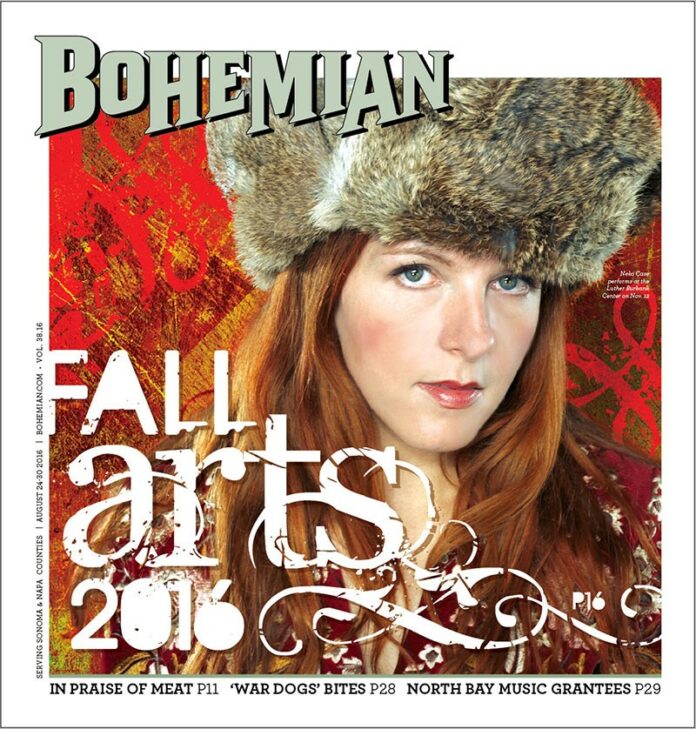
We’ve said it before and we’ll say it again: fall is our favorite season. It’s not only because temperatures cool and leaves crunch underfoot; it also has to with the fact that the North Bay annually offers up a bounty of entertainment over the next three months. From Labor Day through Thanksgiving, there are huge music festivals, live theater productions, extravagant wine country weekends, festive art fairs and so much more happening in Sonoma and Napa counties. You can’t do it all, but our annual Fall Arts Guide lays it all out.
SEPTEMBER
6th Street Playhouse Housed in the heart of Railroad Square, the popular playhouse continues to engage the community with plays and musicals designed to delight and entertain. Currently, the playhouse revives a classic Marx Brothers’ comedy in Animal Crackers through Sept. 18. Up next, actor Charlie Bethel offers a premiere one-man-show performance of Call of the Wild, Sept. 10–25, in the Playhouse’s studio theater as part of a Jack London festival. Satirically brilliant, The Threepenny Opera musically muses onstage Sept. 30–Oct. 23, and TV actor Charles Siebert portrays Ebenezer Scrooge in A Christmas Carol, Nov. 25–
Dec. 23. 52 W. Sixth St., Santa Rosa. 707.523.4185.
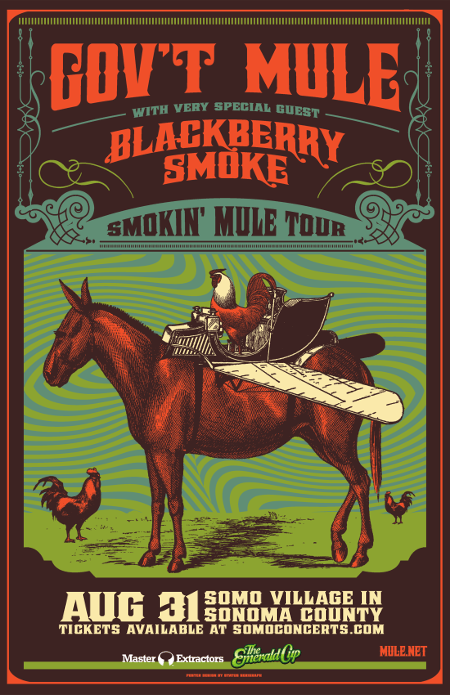
SOMO Concerts The solar-powered outdoor venue hosts several shows throughout September to close out its sunny season of fun. On Sept. 2, a flock of ’80s bands like Cutting Crew, Berlin, Dramarama and others pack the stage for the Lost ’80s Live showcase. On Sept. 17, the popular EarleFest benefit concert moves to SOMO for a day of Americana music featuring Lucinda Williams and the Mavericks. Sept. 18, the California Conscious Music Fest welcomes Kool & the Gang, Sol Horizon and others for a day of thoughtful jams. Sonoma Mountain Village Event Center, 1100 Valley House Drive, Rohnert Park. somoconcerts.com.
Wine Country Weekend Get up close and personal with Sonoma County winegrowers, winemakers and chefs in one of America’s top wine-focused fundraisers, Sept. 2–4. Friday includes Sonoma Starlight, an evening of wine, dinner and live music under the stars at Francis Ford Coppola Winery. Saturday’s Taste of Sonoma event at MacMurray Estate Vineyards immerses you in over 200 wineries pouring thousands of glasses. Sunday’s Sonoma Harvest Wine Auction at Chateau St. Jean lets you take it home. sonomawinecountryweekend.com.
Main Stage West Sebastopol’s intimate theater space presents another fall schedule of impressive works. First up, a world-premiere performance of playwright Rebecca Louise Miller’s Capacity shines light on the often-overlooked brilliance of Mileva Mari, wife of Albert Einstein, Sept. 2–18. Next, modern-theater classic Dancing at Lughnasa runs Oct. 14–30, and the poignant musical Hope runs
Nov. 25–Dec. 18. 104 N. Main St., Sebastopol. 707.823.0177.
Cinnabar Theater The revered Petaluma theater presents its 44th season of musicals and dramatic works. The heart-warming musical The Most Happy Fella starts the season with smiles, running
Sept. 2–25. Then the dramatic and life-affirming Quality of Life makes its North Bay premiere Oct. 14–30. 3333 Petaluma Blvd. N., Petaluma. 707.763.8929.
Green Music Center There are almost too many events coming to Sonoma State University’s world-class venue to name, but we’ll try to list them anyway. On Sept. 3, iconic songwriter Melissa Etheridge plays her empowering music. On Sept. 11, multi-platinum-selling songwriter Gavin DeGraw performs solo. Other acts include indie-folk rockers the Avett Brothers on Sept. 15, husband-and-wife comedy team Nick Offerman and Megan Mullally on Sept. 18, the Jazz at Lincoln Center Orchestra with Wynton Marsalis on Oct. 1, and OG rapper Ice-T in a special spoken-word appearance on
Oct. 28. 1801 East Cotati Ave., Rohnert Park. 866.955.6040.
Sonoma County Cajun Zydeco & Delta Rhythm Festival This popular New Orleans–inspired festival turns 21 this year and expands into a full weekend of fun, with nationally known acts like Louisiana’s Jeffery Broussard & the Creole Cowboys, Henry Butler and Zigaboo Modeliste & the New Aahkesstra, along with local favorites such as Frobeck
and Zydeco Flames. Also on
hand: art, wine, beer, Cajun cuisine and more. Sept. 3–4, Ives Park,
400 Willow St., Sebastopol. 11:30am–7pm. $25–$50; kids under 12, free. winecountrycajun.com.
Fishstock There will be fun and food at Fishstock, the annual fundraiser for the Jenner Community Club. Enjoy chowder tasting, barbecued salmon, offerings from local wineries and breweries, live music, an ice cream parlor, a raffle and more. Sept. 4. 10398 Hwy. 1, Jenner. 11am–5pm. $5; kids, free. visitjenner.com.
National Heirloom Exposition Dubbed the “World’s Pure Food Fair,” this massive expo of food providers and enthusiasts brings together chef demos, displays, live music, a giant-pumpkin contest, antique tractors and plenty of good food benefiting school gardening education programs. Sept. 6–8. Sonoma County Fairgrounds,
1350 Bennett Valley Road, Santa Rosa. $15–$30. theheirloomexpo.com.
Luther Burbank Center for the Arts The newly rebranded nonprofit venue hosts a wide swath of talent, including Grammy-winning songwriter Ray LaMontagne on Sept. 7, funny-woman Wanda Sykes on Sept. 10, eloquent songwriter Emmylou Harris on Sept. 30, flute-stomping Jethro Tull on Oct. 25 and Monty Python founders John Cleese and Eric Idle together in an uproarious live show on Oct. 30 and Nov. 1. Luther Burbank Center for the Arts, 50 Mark West Springs Road, Santa Rosa. 707.546.3600.
Lucky Penny Productions Napa’s nonprofit theater company opens its 2016–17 season with a splash, presenting Big River, the musical adaptation of Mark Twain’s classic Adventures of Huckleberry Finn, Sept. 9–25. Next on the list is an original speakeasy-set musical,
I Wanna Be Bad, written by locals Shannon Rider and Barry Martin, running Oct. 14–23. After that, another classic takes the stage, when The Miracle Worker relates the story of Helen Keller and her relationship with teacher Annie Sullivan, running Nov. 4–20.
1758 Industrial Way, Napa. 707.266.6305.
Left Edge Theatre Continuing in the tradition of longtime Santa Rosa company Actors’ Theatre, Left Edge presents another season of imaginative productions that push the envelope. The Big Meal, running Sept. 9–25, sets the season’s table with an expansive and expressive family drama piled high with humor and heart. The satirical gem Zombie Town, running Oct. 14–30, finds a San Francisco theater troupe in the heart of Texas and talking with survivors of a recent outbreak of the undead. The celebrated comedy Bad Jews rounds out the fall, Nov. 18–Dec. 4. Luther Burbank Center for the Arts, 50 Mark West Springs Road, Santa Rosa. leftedgetheatre.com.
American Roots Music Festival This is third annual event to benefit Lifeschool wilderness adventures and features Free Peoples, Frankie Boots, Next of Kin, Sonoma Aroma and Dixie Giants with vendors, great food, live auctions and more. Sept. 10. 16951 Bodega Hwy., Bodega. 2–9pm. $25; kids under 10 are free. goadventure.org.
Russian River Jazz & Blues Festival A rich tradition of blues and jazz marks 40 years of fun on the river with headliners Chaka Khan, Jonny Lang, Keb’ Mo’, Sheila E., Bobby Rush and others performing at the best little beach on the Russian River. A wine garden, international food court and kayaking and canoeing also await you. Sept. 10–11. Johnson’s Beach, 16241 First St., Guerneville. 10am–6pm. $55 and up. 707.869.1595. russianriverfestivals.com.
Dave Barry Pulitzer Prize winner and New York Times bestselling author hilariously defends his home state and finds the funny in Florida stereotypes in his newest book, Best. State. Ever., on Sept. 12. Book Passage, 51 Tamal Vista Blvd., Corte Madera. Noon. $55, includes book. 415.927.0960. Montgomery Village Copperfield’s Books,
750 Village Court, Santa Rosa. 7pm. Free. 707.578.8938.
Chautauqua Revue The revue is back for its 14th year. New twists with musicians, dancers, storytellers, performers and clowns keep audiences on their toes while honoring the traditions of the original Chautauqua events from
a century ago. Sept. 15–17. Occidental Arts and Ecology Center, 15290 Coleman Valley Road, Occidental. Thursday–Saturday, 7:30pm; children’s matinee, Saturday, 2pm. $6–$44; kids under five are free. 707.874.1557.
Spreckels Theatre Company The semi-professional resident theater company presents another season of critically acclaimed productions and show-stopping musicals. The world’s greatest detective—this side of Batman—
is on the case in Baskerville:
A Sherlock Holmes Mystery, in which five actors portray over 40 characters, Sept. 16–Oct. 9. Then the dramatic Titanic: The Musical runs Oct. 14-30 and Peter and the Starcatcher tells another side of Neverland from Nov. 25 to Dec. 18. 5409 Snyder Lane, Rohnert Park. 707.588.3400.
Music Festival for Brain Health Musician and humanitarian Michael Franti, with his band Spearhead, headlines this fundraising affair, which also includes science symposiums and winetastings. Sept. 17. Staglin Family Vineyard, 1570 Bella Oaks Lane, Rutherford. music-festival.org.
[page]
Petaluma River Craft Beer Festival This event is all about the beer. A short list of participating breweries includes Henhouse, Petaluma Hills, Lagunitas, 101 North, Moylan’s, Woodfour, Fogbelt and
St. Florian’s Brewery. There are also food tastings, live music and more on Sept. 17. (Twenty-one and over only.) Water Street, Petaluma. 1–5pm. $40; $20 for designated drivers. petalumarivercraftbeerfest.org.
Art for Life 2016 Support Face-to-Face/Sonoma County AIDS Network in its mission to end HIV in the North Bay, and get some fine art from hundreds of generous donators at this 29th annual auction and party. Sept. 17. Sebastopol Center for the Arts,
282 S. High St., Sebastopol. 2–6pm. $50 and up. 707.544.1581.
Old Grove Festival It’s hard to find better acoustics in the heart of the Armstrong Woods than the 1930s-era, open-air Redwood Forest Theater, home of the annual Old Grove Festival. Headlining the festival this year is Poor Man’s Whiskey and songwriter David Luning. Bring flashlights, seat cushions and warm clothes. Sept. 17. Redwood Forest Theater, 17000 Armstrong Woods Road, Guerneville. 4:30pm. $30–$75; one child free with each paying adult. 707.869.9177.
‘Artistry in Wood’ Sonoma County Woodworkers Association presents its 28th annual exhibit, regarded as one of the best woodwork shows in the country. Only the finest examples of artistic works and beautiful pieces of furniture will be on display.
Sept. 17–Oct 9. History Museum of Sonoma County, 425 Seventh St., Santa Rosa. Tuesday–Sunday, 11am to 5pm. $7–$10; 12 and under free. 707.579.1500.
Napa Valley Aloha Festival The Manaleo Hawaiian Cultural Foundation hosts this ninth annual event covering two days and including live music and dance from the Hawaiian and Polynesian communities, Hawaiian food, and arts and crafts. Sept. 17–18. Napa Valley Expo, 575 Third St., Napa. Saturday,10am–6pm; Sunday, 10am–4pm. Free (bring a canned food for donation). 707.418.8588.
Open Studios Napa Valley Art studios from all stretches of the Napa Valley are open for this 29th annual event, taking place over the last two weekends in September. Self-guided tours feature dozens of diverse artists working in several media. The event is juried, and unlike other open studio tours in the North Bay, the artists run the entire affair. Many of the artists also show their work at Art Gallery Napa Valley, 1307 First St., Napa. Sept. 17–18 and 24–25. 10am to 5pm. Maps and info at www.artnv.org.
Petaluma Poetry Walk Bipedal-powered literary event is back for its 21st year. Readings are scattered throughout downtown Petaluma locales that are within walking distance of each other and feature celebrated poets and music. Sept. 18. 11am–8pm. Free. Check website for schedule. petalumapoetrywalk.org.
Fiesta de Independencia Celebrate Mexico’s independence and Latino Heritage Month with a daylong fiesta featuring authentic food, music, games and activities for the entire family. Dance to live mariachi bands and swing at piñatas—and don’t miss out on the salsa contest. Sept. 18. Luther Burbank Center for the Arts,
50 Mark Springs Road, Santa Rosa. 1pm to 6pm. Free. 707.546.3600.
Wine Country Film Festival Cinematic magic takes over the Valley of the Moon for the 30th annual festival. Feature-length and short films of every genre are presented throughout Kenwood and Glen Ellen, as well as live appearances by industry specialists and workshops.
Sept. 22–26. wcff.us/2016.
Sonoma Arts Live The nonprofit theater company rounds out their 2016 season with two side-splitting comedies. Coming up Sept. 22–
Oct. 9, I Hate Hamlet tells the tale of a dashing television star playing Shakespeare’s title character in New York City. The only problem is that he hates Hamlet, and his dilemna increases when his NYC apartment is visited by a thespian ghost with a drinking problem. Then, actress Jennifer King reprises the role she played last year at Cinnabar in Theresa Rebeck’s one-woman-play Bad Dates, running Oct. 26–30. Sonoma Community Center, 276 E. Napa St., Sonoma. sonomaartslive.org.
Raven Players The players present another year of lively plays that run the gamut from farcical to frightful. The world’s most dangerous barber, Sweeney Todd, offers a bloody good time from Sept. 23–Oct. 9. Then, Victorian frights come alive when The Woman in Black runs Oct. 20–29. For the holidays, the players present It’s a Wonderful Life: A Live Radio Play, Dec. 8–18. 115 North St., Healdsburg. 707.433.6335.
Sonoma Bach Local countertenor Christopher Fritzsche joins Sonoma Bach resident vocal ensembles the Green Mountain Consort and Live Oak Baroque Orchestra in songs and instrumental pieces from England, Italy, Germany and Spain in the season opener, titled “Garden of Delights,” on Sept. 23. Then, “Songs of Praise & Thanksgiving” features Live Oak Baroque and Circa 1600 along with the Young People’s Chamber Orchestra, Nov. 18–19. Schroeder Hall, Green Music Center, 1801 East Cotati Ave., Rohnert Park. 707.303.4604.
Cloverdale Performing Arts Center The nonprofit center continues its 2016 theater season with the farce Run for Your Wife, about a London cabbie juggling two wives and two lives with hilarious results, Sept. 23-Oct. 9. Then, the classic children’s book, The Adventures of Mr. Toad, gets a musical adaptation that runs Dec. 2–18. 209 N. Cloverdale Blvd., Cloverdale. $12–$18. 707.894.2214.
Santa Rosa Toy Con Nerd-tastic convention offers three buildings of comics, toys, games and collectibles from over 200 vendors. Special guests include actors Vincent M. Ward (The Walking Dead), Catherine Sutherland (Power Rangers) and Phil LaMarr (Futurama). There’s also the annual cosplay competition, Lego exhibition and more. Sept. 24. Sonoma County Fairgrounds,
1350 Bennett Valley Road, Santa Rosa. Early-bird opening at 9am, $25; regular opening at 10am. $15. santarosatoycon.com.
Much Ado About Sebastopol The seventh annual fair again partners with the many Renaissance guilds in the area to reproduce a merry autumn day in an imaginary English Tudor town circa 1578, replete with fencing workshops, local food and drink, vendors, artisans, family-friendly fun and—oh, the costumes! Sept. 24–25.
St. Ives Park, 7400 Willow Ave., Sebastopol. Saturday, 10am–
6pm; Sunday, 10am–5pm.
$10–$16; kids under 10, free. muchadoaboutsebastopol.com.
Measure + Dido NapaShakes and the Folger Shakespeare Library in Washington, D.C., present the world premiere event that combines dramatic readings of Shakespeare’s Measure for Measure with excerpts from Henry Purcell’s chamber opera Dido and Aeneas. Starring renowned actor Derek Jacobi and actor-director Richard Clifford—and featuring the acclaimed musicians of D.C.’s Folger Consort—this event appears twice in the North Bay before moving to the Kennedy Center in Washington, D.C. Sept. 24, at Lincoln Theater, 100 California Drive, Yountville. 7pm. $35–$125. Sept. 25, Green Music Center,
1801 East Cotati Ave., Rohnert Park. 7pm. $35–$75. napashakes.org.
Sonoma County Philharmonic Community-based nonprofit organization revels in a new season of orchestral performances. First, conductor Norman Gamboa leads the symphony for a playful program titled “Prankster & Heroes,” featuring works by Richard Strauss, Stravinsky and Beethoven,
Sept. 24–25. Next, a quartet of classically trained vocalists
lead a program titled “Overtures
& Arias,” Nov. 19–20. Santa Rosa High School Performing Arts Auditorium, 1235 Mendocino Ave., Santa Rosa. Saturday, 7:30pm; Sunday, 2pm. $10–$15; students, free. socophil.org.
Unity Festival The party comes back for another year on the Russian River, celebrating unity through diversity, and mashing up bluegrass, reggae and electronic dance music. Focus the energies of the human spirit through music, dance, art and education in a joyful community atmosphere. Sept. 23–25. 15905 River Road, Guerneville.
$35 and up. unityfestival.com.
The Mick Fleetwood Blues Band The drummer and founding member of Fleetwood Mac revisits his blues heritage with a new ensemble of old friends and veteran bluesmen in a concert event sure to leave audiences dancing in the aisles. VIP meet-and-greet packages available.
Sept. 25. Uptown Theatre,
1350 Third St., Napa. 707.259.0123.
Sonoma County Harvest Fair Hit up the World Championship Grape Stomp competition, enjoy some wine in the Grand Tasting Pavilion, go local and peruse the Wine Country Marketplace, or simply get down to some swingin’ music at this 42nd annual tradition. Sept. 30–Oct 2. Sonoma County Fairgrounds, 1350 Bennett Valley Road, Santa Rosa. Friday, 4–9pm; Saturday–Sunday, 10:30am–5pm. $5; kids 12 and under, free. Tasting Pavilion tickets, $55. harvestfair.org.
OCTOBER
Hands Across the Valley Benefiting Napa Valley food programs, including the Food Bank, Meals on Wheels, the Table, the Salvation Army and others, the 23rd annual event features tastings from many noted Napa chefs and winemakers, silent and live auctions, and dancing under the stars to the sounds of WonderBread 5. Oct. 1. Charles Krug Winery, 2800 Main St., St. Helena. 4pm. $125 and up. handsacrossthevalley.com.
Napa Valley Performing Arts Center at Lincoln Theater With classic rock, jazz, film and wine events, there’s something for everyone at Lincoln Theater. On Oct. 1, Rock Stars & Stripes will honor local military veterans with an immersive concert experience featuring former Boston guitarist David Victor. On Oct. 8, rising jazz star Tony DeSare leads a trio of accomplished musicians for an intimate concert. On Nov. 4, director Francis Ford Coppola and actor Ralph Macchio discuss the making of The Outsiders live onstage. On Nov. 5, 25 wineries participate in the Howell Mountain Harvest Celebration. 100 California Drive, Yountville. 707.944.9900.
[page]
Calabash The annual benefit supporting Food for Thought, the Sonoma County AIDS Food Bank, features a selection of fine food and wine, a silent auction of gourd art, tours of Food for Thought’s organic gardens and live music played on handmade gourd instruments. Oct. 2. 6550 Railroad Ave., Forestville. 1–5pm. $45–$50. 707.887.1647.
ArtQuest The long-running program at Santa Rosa High School nurtures talented youngsters from Sonoma County in seven different artistic disciplines and offers an above-and-beyond experience for students. Each fall, the students of ArtQuest present a showcase of their studies and work, including music, live theater, digital arts, dance and more. Oct. 6. SRHS Auditorium, 1235 Mendocino Ave., Santa Rosa. friendsofartquest.com.
Sonoma Music Festival BR Cohn Charity Events presents its 30th annual festival featuring a stellar lineup of music icons in the heart of wine country. Headliners include John Fogerty, the Steve Miller Band, Toby Keith, Andy Velo and others performing in a picturesque setting. Exclusive VIP and onstage packages are available. Oct. 7–9. Field of Dreams, 151 First St. W., Sonoma. $89 and up. sonomamusicfestival.com.
SRJC Theatre Arts An exciting and varied assortment of plays and musicals highlights the Santa Rosa Junior College’s performance season, and the opener is a homegrown production. Created by SRJC students and instructor Laura Downing-Lee and based on interviews with fellow students
and alumni, Leaving Home is a compelling collection of stories about entering the world as an adult for the first time. Oct. 7–16. Next, The Music Man pleases crowds with a classic presentation of the beloved musical. Nov. 25–Dec. 11. 1501 Mendocino Ave., Santa Rosa. 707.527.4307.
Conscious Family Festival Multi-generational event features fun, inspirational activities providing tools for enhancing family living today and in the future. Oct. 8. Finley Community Center,
2060 W. College Ave., Santa Rosa. 10am–5pm. Free. 707.836.3270.
‘XXc Icons of Photography‘ An exhibit that spans a century of photos, this show focuses on the most famous images of the 20th century, and highlights lesser-known masterworks from dozens of iconic photographers. Oct. 8–Dec. 31. Sonoma Valley Museum of Art, 551 Broadway, Sonoma. Wednesday–Sunday, 11am–5pm. 707.939.7862.
Petaluma Whiskerino “Whether pencil thin or full Ozark-ian, any mannered whisker makes you brothers kin.” The annual Whiskerino embraces that ideal set forth by the Petaluma Brothers of the Brush with facial-hair competitions ranging from peach fuzz to sideburns to full growth, with live music and family-friendly fun. Oct. 8. Phoenix Theater, 201 Washington St., Petaluma. 2pm. Admission for onlookers is free; contestants pay $5–$10. 707.762.3565.
The Magic of the Flute Conductor Bruno Ferrandis’ brother, flutist Jean Ferrandis, joins the Santa Rosa Symphony for a performance of Bernstein’s Halil, a nocturne for flute and orchestra. Mozart’s Flute Concerto no. 1 and Beethoven’s Eighth Symphony also appear in this magical concert,
Oct. 8–10. Green Music Center’s Weill Hall, 1801 East Cotati Ave., Rohnert Park. Saturday and Monday, 8pm; Sunday, 3pm. 707.546.8742. santarosasymphony.com.
Sonoma County Art Trails With more than 170 participating artists, this annual tradition offers a self-guided opportunity to enjoy
the abundance of creative local talents and to buy directly from artists while peeking into their workspaces. Oct. 8–9 and 15–16. 10am–5pm. Free. Preview exhibit, Sept. 19–Oct. 16 at Sebastopol Center for the Arts, 282 S. High St., Sebastopol. Tuesday–Friday, 10am–4pm; Saturday, 1–4pm. 707.829.4797. sonomacountyarttrails.org.
Sonoma State University Theatre Arts & Dance A new semester of arts brings about dramatic stage works and dance programs open to the public. Running Oct. 13–23, the World War II–era theatrical drama Waiting for the Parade follows a family entrenched in a war effort. On Nov. 3–6, the SSU dance department presents its fall dance performance, “Heart & Soul,” with student-choreographed works that are fearless and energetic. In December, the fantastical stage production The Bluebird rings in the holidays. 1801 East Cotati Ave., Rohnert Park. 707.664.4246.
Botanical Art & Illustration Hunt Institute for Botanical Documentation’s 14th annual international exhibition also features local and regional artists displaying their flora-focused art works. Oct. 16–Dec. 11. Petaluma Arts Center, 230 Lakeville St., Petaluma. Thursday–Monday, 11am–5pm. 707.762.5600.
Alexander Valley Film Festival AVFF celebrates its second year in the North Bay, and boasts unique mix of local and independent cinema with a Hollywood flare. In addition to screening cutting-edge films, AVFF will showcase and host new and emerging talents from all over the world. AVFF anchors between The Raven Film Center in Healdsburg and The Clover Theater in Cloverdale. Oct. 20–23. http://www.avfilmsociety.org/2016-avff-overview.
Sonoma Laughfest Comedy festival features sketch shows, improv acts and standup comedians aplenty with 12 shows over four nights that offer stars of stage and screen in an intimate, hilarious setting. Oct. 20–23. Sonoma Community Center,
276 E. Napa St., Sonoma. $14 and up. sonomalaughfest.com.
di Party di Rosa The unique Carneros region art gallery hosts its 15th annual gala benefit art auction celebrating artists of Northern California. After a silent auction, frolic over to the lake for cocktails, Napa wines, dinner, desserts and, of course, dancing. Oct. 22. di Rosa, 5200 Sonoma Hwy., Napa. 5pm. $350 and up. 707.226.5991. dirosaart.org.
Symphony Pops: Maestro’s Greatest Hits Conductor Michael Berkowitz delves into his own library for a change, as the Santa Rosa Symphony and vocalist Jonathan Poretz perform a selection hits that includes work by Leonard Bernstein and Henry Mancini and the Buddy Rich jazz classic West Side Story Suite, featuring Berkowitz on drums. Oct. 23. Luther Burbank Center for the Arts, 50 Mark West Springs Road, Santa Rosa. 3pm. $37 and up. 707.546.3600.
Based on a True Story Highlights from the di Rosa collection revisit the gallery’s history and relationships with artists and art lovers of all tastes. Private letters and other never-before-seen insights complement the works on display. Oct. 26 through spring 2017. di Rosa, 5200 Sonoma Hwy., Napa. Wednesday–Sunday, 10am–4pm. 707.226.5991.
‘Big American Cookbook’ with Mario Batali The famous Italian celebrity chef takes to the highways and byways of America for his newest literary endeavor, collecting his 250 favorite recipes from coast to coast. Batali talks and signs books in a special appearance hosted by Copperfield’s Books on Oct. 27. Luther Burbank Center for the Arts, 50 Mark West Springs Road. 7pm. $66–$92. 707.546.3600.
NOVEMBER
Whose Live Anyway? Four funny guys, Ryan Stiles, Greg Proops, Joel Murray and Jeff B. Davis, improvise comedy scenes with suggestions from the audience, just like their popular TV show Whose Line Is It Anyway?—but without the FCC to worry about. Nov. 5. Wells Fargo Center for the Arts, 50 Mark West Springs Road, Santa Rosa. 8pm. $39–$59. 707.546.3600.
A Wine & Food Affair Russian River’s Wine Road gathers over a hundred local wineries for another delicious extravaganza of the two best things in the world. Nab early tickets starting on Sept. 1—they sell out, and quickly. Nov. 5–6. Various locations in Alexander, Dry Creek and Russian River Valley. 11am–4pm. $30–$80. wineroad.com.
Keyboard Brilliance The young virtuoso pianist Orion Weiss performs with the symphony in a program that includes Piano Concerto no. 2 by Béla Bartók, Les Préludes by Liszt and Robert Schumann’s Symphony no. 2, a Romantic masterpiece. Nov. 5–7. Green Music Center’s Weill Hall, 1801 East Cotati Ave., Rohnert Park. Saturday and Monday, 8pm; Sunday, 3pm. 707.546.8742.
Napa Valley Film Festival The North Bay’s top film, food and wine extravaganza returns to Napa Valley with 120 films playing in four towns over the course of five days. Red-carpet screenings, sneak previews, industry panels, gala parties and appearances by many A-list Hollywood actors and filmmakers are only the beginning, as the fest also boasts several culinary and winery events to satisfy any taste. Nov. 9–13. nvff.org.
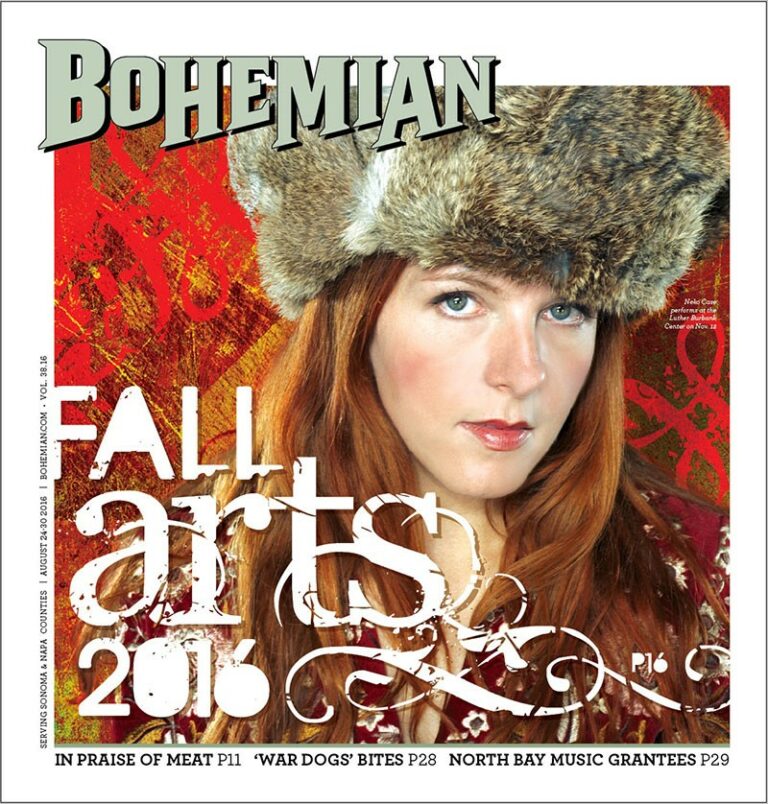
Neko Case Over the past 20 years, Neko Case has become known as a fearless and versatile artist as a member of indie-pop supergroup the New Pornographers, as well as a diverse solo artist. Nov. 12. Luther Burbank Center for the Arts,
50 Mark West Springs Road,
Santa Rosa. 8pm. $30–$40. 707.546.3600.
The Beach Boys Led by founding member Mike Love and longtime member Bruce Johnston, the band celebrates 50 years of good vibrations and performs their greatest hits in a joyous concert experience. Nov. 17. Luther Burbank Center for the Arts, 50 Mark West Springs Road, Santa Rosa. 7pm. $65–$85. 707.546.3600.