Year in Review

0

The Year of the Dead

By A. Lin Neumann

In Mexico, the annual celebration of the Dia de los Muertos, or Day of the Dead, on Nov. 1 pays tribute to one’s ancestors and acknowledges the inevitable cycle of life with a national fiesta.

Skull-shaped candies and visits to the cemetery just to say hello may seem odd to those Americans who like to remove themselves from the immediate ghoulishness of life but there is a certain appeal to embracing the inevitable and turning it into a party. In fact, the concept went global in 1997. There were so many dead celebrities, dead events and dead-related things happening that the best way to cope was to do what the Mexicans do: celebrate. Welcome to the Year of the Dead–El Año de los Muertos.

If it was really big in 1997, it was dead. But there was one person whose demise rose–or perhaps fell–ahead of a very crowded field. And who’s the deadest of them all? It is Diana, of course, Nuestra Señora de Celebritymania, the patron saint of fame for its own sake.

In a culture that confuses name recognition with accomplishment and celebrity with purpose, Dear Dead Diana, Princess of Wales, was lionized nonstop for having had her picture taken with starving children a few times. Did she feed the hungry, give her life to the poor, eradicate disease? Nope. As far as we can tell, she actually did nothing. Nada. Zip. She got married, got divorced, had her picture taken and smiled. This may be more than those stony faced royal in-laws of hers have managed but it hardly qualifies as a body of work on which to base immortality.

She may be the first ultra-huge, eternal and transcendent mega-celeb to have no real talent or wider purpose at all. Marilyn Monroe could act, John Kennedy was president, Elvis, Hendrix and John Lennon changed the face of the culture with their music. The only music associated with Diana is the dreadful “Candle in the Wind” tribute record, a drecky Elton John rehash that is now the largest selling single in history, a fact that seems to indicate that good taste also died in 1997.

Diana was born to privilege and married to still more privilege. All of you who wept and felt her pain, hey, get over it. She had nothing to do with you. She inhabited the planet Fame and her struggles were not the struggles of middle-class housewives with shitty marriages, no matter what Barbara Walters or Oprah Winfrey may say. But in keeping with the spirit of the year, she went out in a really big way, making her unfortunate demise the story of 1997. There were lots of deaths this year, but Diana’s had it all. Royal lady. Sleazebag boyfriend. Fast car. Drunk driver. Evil photographers. The hideous twist and crumple of the ruined Benz drew us in with lurid fascination. We watched in droves, helpless, celebrating the power of tragedy.

No wonder Diana nearly pushed saintly Mother Theresa’s death a few days later of old age in faraway India into an after thought. In normal times, the passing of a living icon of sacrifice like virtuous Mother T. is a slam-dunk. The networks and newspapers go into maudlin overdrive, the tributes flow like wine but this time around it was all a little strained and few were really paying attention. The world wanted Diana not Mother Theresa. Did too much Diana coverage equal too much Mother T. out of sheer guilt? How much is enough for a saint when a cover girl princess is non-stop, day after dreary day? In a year when there was almost too much human interest even by the low standards of American television, the poor old girl’s timing was just all wrong. Sorry, Mother, but your reward is in heaven.

Then there were the Lunatic Dead …

Early in the year, with the party just beginning, the spacemen knew where this thing was headed. Out in Rancho Whatever in perfect suburban San Diego, they strapped on their Nikes and matching black track suits and set sail for another universe. Marshal ‘Herf’ Applewhite and his merry band of 38 certifiable New Age wackjobs decided it was time to “leave their vehicles” and return to “the craft” for transport to faraway places. Most of us buy a plane ticket when we travel, these lunatics took some applesauce, a handful of barbiturates and a splash of vodka, stuffed a five dollar bill and some quarters in their pockets and blasted off. They spoke of angels and comets, Applewhite declared that he was from the “Evolutionary Level Above Human” sent here on temporary assignment. Time’s up, Herf, someone must have told him, get ready to go home.

You do not want to think too long about this Heaven’s Gate crowd. There are a lot of people out there caught up in mumbo jumbo, angel worship, UFO cults and the like. In case we thought it would pass unnoticed, the millennium is just around the corner and we can expect more of this sort of behavior. It would be great if they were right, of course. Imagine the clamor if this catches on: What fun! Spaceships for me and all my buddies, please. I want to go to the next evolutionary level on planet Gork before my hair falls out and the babes don’t look my way anymore.

Speaking of spacemen, 1997 was the year Timothy Leary died on the Internet, live. His final request for “one last far-out trip” was fulfilled when he and fellow dead guy, Star Trek creator Gene Roddenberry, had their cremated remains shot into space orbit along with 22 other space enthusiasts. “This was a very special day … the families know their loved ones will now be passing overhead every 90 minutes,” said Charles Chafer, vice president of Celestis, the Texas-based company that organized the world’s first space funeral.

And somewhere in this mess of a year Dr. Jack Kevorkian found time to assist a few patients off the edge. Oh, and he’s also an artist, exhibiting a collection of 13 ghoulish oil paintings in a Michigan gallery, including the aptly titled Very Still Life, which is also the name of his new jazz CD.

… And Assorted Dead

San Diego’s place in the sun in a dead year was further assured by local boy Andrew Cunanan, gay hustler, bullshit artist and official crazed spree killer whose slaying of Gianni Versace–victim number five–in Miami seemed destined to increase the value of the fashion designer’s overpriced label. Sister Donatella is carrying on the family business and presented a fall collection of rubberized gowns and leather shorts, proving that questionable taste and excess did not die along with her brother.

We still don’t know who killed JonBenet Ramsey at the end of 1996 but the media-craze over her death is ever with us and is so in keeping with 1997’s spirit of celebrity demise that she must be mentioned. Did you ever see so many pictures of one kid? Every day there seems to be another glamour shot on some tabloid. What the hell did they do with this child, keep her in a studio 24/7 just to fill up the portfolio with kiddie-cheesecake? Anyway, we all know this much: mommy and daddy are real rich and the police up in Boulder, Colorado couldn’t find their butts with both hands. No suspects. No leads. No clue.

Speaking of children, a 14-year-old boy in West Paducah, Kentucky, got a little irritated with some of his classmates. So he packed a small arsenal into his lunch bag and opened fire killing three and wounding five just before the opening bell. Then there was 67-year old Carl Drega in Colebrook, New Hampshire, who waited for his golden years before snapping, He turned from town crank to headline lunatic when he killed four people, included a judge and a newspaper editor, before he was gunned down himself. He even left behind a house filled with explosives.

Notorious B.I.G., AKA Christopher Wallace, caught the zeitgeist of the year and joined his late rival, Tupac Shakur, in hip-hop heaven. He was shot and killed in his car near Beverly Hills. B.I.G.’s posthumous album, Life After Death, was a best seller and included such toe-tapping celebrations of the gangster rapper ethos as “Somebody’s Gotta Die” and “You’re Nobody (‘Til Somebody Kills You).”

Everywhere you looked, death in all its “film at 11” local-news glory reared its head. On a stretch of freeway offramp in LA, Bill Cosby’s son, Ennis, was killed for no apparent reason other than a botched robbery attempt. In New Jersey, Melissa Drexler, 18, was on the horns of a dilemma: it was prom night and the baby was due. No problem. A quick dash into the ladies room, toss the newborn in the trash bin and head for the dance floor. British nanny Louise Woodward captured our hearts and remote controls for a minute with her weepy explanations about the baby that died in her care. Yes, she shook him a little but, gosh, not that hard. Louise is lucky she found a sympathetic judge. Malcolm X’s widow, Betty Shabaz died in a fire set by her obviously misunderstood grandson. John Denver crashed his ultra-light plane into the sea.

In Mexico, drug baron Amado Carrillo Fuentes died undergoing liposuction. Peruvian army commandos burst into the Japanese Embassy compound in Lima with guns blazing and freed 71 hostages while summarily executing all fourteen of the Tupac Amaru Revolutionary Movement guerrillas, including four teenage girls who were trying to surrender. In Africa, one of the worst bloodfests in history came to some sort of conclusion when long-time revolutionary leader Laurent Kabila overthrew the dread Mobutu in Zaire.

Legal Capers

Was there ever a less sympathetic defendant than Timothy McVeigh? This guy is the nightmare at the truck stop, a pin-headed loser who hates the guvmint. Nobody on that jury had any doubt that Tim drove the truck that held the bomb that blew up the federal building that killed more people at one time in one place than ever before in America. Next stop for McVeigh: death row.

In Sacramento, as the year closed out the jury was being selected for the Unabomer trial, sure to be 1998’s first big courtroom extravaganza. A prediction: the more we learn about math-whiz gone hermit Ted Kasczynski, the more we are gonna really like this guy. The mail bombs are a problem, sure, but the whole technology thing works. In a world where nerds like Bill Gates rule, it’s time for a big anti-techno backlash.

On other shores, 1997 was the perfect year for Pol Pot to face the cameras. Convicted in a show trial of being a very bad guy by his own Khmer Rouge followers, Mr. Pol Pot met with a journalist out there in Jungleville, Cambodia, for the first time in almost twenty years. Frail, shaking and ill, the greatest mass murderer since Hitler is evil incarnate. Watching him stagger into view on the evening news might have been the single most chilling media event of the year.

Everything legal wasn’t strictly death-related, fortunately. There was the wrangle over the angle of the President’s dangle in the prelims to the Paula Jones suit. Can’t this just go away? In New York, some of the big city’s finest used a toilet plunger as an investigative tool in the case of Haitian immigrant Abner Louima who was only guilty of being run in by some very bad cops in Rudy Giulliani’s new zero-tolerance metropolis. And Marvelous Marv Albert went from middling sportscaster to national phenom in the flash of a few love bites. No way this should be news, no way.

But that didn’t stop ABC News embarrassment-in-residence Barbara Walters from giving him a prime time platform on which to discuss his public humiliation and subsequent conviction on sexual assault charges. Congratulations, Barbara, you reached a new low in 1997.

OK, Let’s Talk About Something Else

Dying may have been everywhere in the popular media but that didn’t slow us down. The economy roared, America strutted its bad self and all those smartass Asian “miracle” countries headed for the dunce-corner quicker than you can say corrupt banker. Remember when Japan and Korea were going to bury us with Walkmans and hard work? Take that, Mr. Asian Values.

Still, a little global currency crisis doesn’t mean we can’t do business, especially with China whose staggering population keeps everybody from Microsoft to McDonalds giddy at the prospect of selling something, anything, to those one-billion-and-counting commie consumers. With longtime supreme leader Deng Xiaoping having expired early this year from complications as a result of being about two hundred years old, Jiang Zemin is now the uncontested boss of all of China. Pretty big job, huh? That must be why he was invited for a state visit to Washington in October. Human rights? Political prisoners? Tienanmen Massacre? Not a bother. Let’s be friends.

One weird byproduct of Clinton’s dollar diplomacy with his new-found Chinese buddy was that pretty-man actor and born-again Buddhist Richard Gere and Tibetophile Beastie Boy Adam Yauch led public protests and became the voice of America’s conscience while Jiang was raising a toast at the White House. Meanwhile, Hollywood at least acknowledged a few, um, problems with China’s human rights record in the films Red Corner (Gere as a businessman framed for murder by Beijing), Seven Years in Tibet (Brad Pitt as a good guy Nazi in Shangri-la) and Kundun (Steven Speilberg’s blockbuster about the Dalai Lama). Never mind that all of these films strain credibility, it’s a hell of a lot better than rolling out the red carpet with nothing but dollar signs for motive.

But of course the Nineties are about nothing if they are not about money, and 1997 was a golden year for the green. And while Wall Street sped along like a runaway bull, who was making the big bucks? Here’s a clue: it was not the pimply-faced boy with the nose ring cranking out Frappucinos at the neighborhood Starbucks. The compensation for American CEOs reached record proportions in 1997, according to Business Week magazine, with the average big-company CEO’s annual compensation hitting $5.78 million. That’s a raise of about 54% over a year earlier. In comparison the average factory worker got a 3 percent raise and makes 209 times less than the top dog.

Good times or bad, the real goodies float right to the top of the bowl.

A Couple of the Living

Bob Dylan didn’t die but damned if he didn’t flirt with it in dramatic fashion before rebounding. Then he was back on the road, performing everywhere, promoting a new album, doing the whole rock god thing with a dignity that escapes aging dinosaurs like the Rolling Stones, Aerosmith and 70s’ bores Fleetwood Mac.

Major image: Bobby and the Pope chilling at the Vatican, singing “Blowing in the Wind” to each other. It was enough to make Catholicism cool. Finally, he caps a great 1997 by releasing Time Out of Mind, the best Dylan album in years and one of the few records he ever made that actually spent time in the top ten. It’s haunting, accessible, moody and raw, a reminder that we aren’t ready to lose this guy, not yet, please. His genius lives.

Speaking of the non-dead, cocktail man Frank Sinatra is still breathing and his daughter got very irritated at reports to the contrary. When he turned 82 in December, Nancy “These Boots” Sinatra went on Larry King Live to hit out at tabloid and TV journalists who have reported the entertainer was near death. “What really angers me is the carelessness of TV journalists,”‘ said Nancy. “If Dad watches TV, he’s liable to see something or hear something and that’s not nice, it’s not good and it’s not fair.” Too bad that all those twenty-something faux hipsters with their flavored martinis, cigars, overpriced cocktail lounges and spaghetti strap dresses couldn’t have known Frank in his tuxedo-clad prime.

(By the way, a martini is a splendid cocktail made with gin, a tiny whiff of vermouth and an olive or a lemon twist. It should never be blue, pink or green and it does not contain flavored liqueur. Try a real one sometime, swinger. Do it for Frank.)

Sports

Two images dominate the year in sport. First, Mike Tyson bit off a piece of Evander Holyfield’s ear in a move that demonstrated boxing’s true appeal: blood. “I was just in a zone,” explained Mike.

Second, Golden State Warrior bad boy Latrell Sprewell throttled the coach and threatened to kill him. Must have had something to do with Sprewell not getting the proper respect due a man-child who earns more money in a season than a villageful of mortals will make in a lifetime. Isn’t it about time this whole sportsmania took a breather? Fans, don’t watch. Screw ’em. The teams are greedy, the players are greedy and the whole big-time enterprise is designed to take your money and leave you feeling ripped off. That said, who do you like in the Super Bowl?

Dead Beats and Others We Miss

In keeping with the spirit of the year, a lot of notable souls passed into the ether in 1997 starting with the first day of January when Texas troubadour and songwriting legend Townes van Zandt died of a heart attack. A laconic performer and legendary drunk, Townes was a rare talent, a gifted wordsmith recognized by his peers as one of the best.

Influential Pakistani vocalist and Sufi mystic Nusrat Fateh Ali Khan died of heart failure in London. Singer Laura Nyro died of cancer at the age of 49. A soulful wrier and performer her work has been cited as an inspiration by Suzanne Vega and Tori Amos. In Lagos, Nigeria, AIDS claimed Feli Anikulapo-Kuti, a saxophonist, writer and political activist whose Afro-beat music inspired millions and frequently kept him at odds with the authoritarian rulers of his country.

Painter Willem de Kooning gave it up. Lead singer Brad Nowell of the band Sublime did the heroin chic thing, died of an overdose and then had a hit record. Chicago’s first Bozo the clown died. Cool guy extraordinaire Robert Mitchum is gone, as is tough talking poet James Dickey. Even actor Jimmy Stewart is no more.

It was also, sadly, the end of the beats in the flesh. Poet Allen Ginsberg died in Manhattan at the age of 70 while in Lawrence, Kansas, novelist William S. Burroughs succumbed at age 83. One-time lovers and friends for half a century, these two guys challenged and chipped away at the culture with relentless energy and anger. Ginsberg’s poem “Howl” and Burrough’s most famous masterwork, Naked Lunch, are among the most important American literary works ever created. Both men were the subject of obscenity prosecutions early in their careers and both relentlessly disturbed the placid waters of American life in a way that made art matter.

As Ginsberg once wrote of his friend in the poem “On Burroughs Work”:

A naked lunch is natural to us,
we eat reality sandwiches.
But allegories are so much lettuce.
Don’t hide the madness.”

Good-bye.

Web exclusive to the December 24-31, 1997 issue of the Sonoma County Independent.

© Metro Publishing Inc.

Kozlowski Farms

1

Homegrown


Michael Amsler

Grande Dame: All of the recipes for the goods sold at Carmen Kozlowski’s farm store are devised by family members.

Savvy marketing keeps the Kozlowski family farm in business

By Bruce Robinson

“NONE.” Spoken softly and matter-of-factly, the word still comes as a considerable surprise. Carmen Kozlowski has just enumerated the number of acres of berries growing at Forestville’s famed Kozlowski Farms.

None?

“This year there will be none,” she answers. “They’re all coming out. I’m sorry.” A tiny, resigned shrug accompanies her grandmotherly laugh.

“We just couldn’t afford to do it anymore,” she elaborates. “We have a nematode problem for berries in this county. You have to keep fumigating the ground in order for [the berries] to flourish like they did in the beginning. And my son is into organic farming now, and you can’t do both. So we’re converting back. We went from apples to berries and back to apples.”

Raspberries have been the unofficial trademark of the family farm since 1969, when Carmen and Tony Kozlowski harvested their first crop, put up a sign along Highway 116, and entered the world of retail agriculture. They had converted the entire 20-acre farm from apples to berries, but they were not trying anything new.

“This was berry country at one time,” recalls Kozlowski, winner of 1997’s Lifetime Contribution to Agriculture award at the Sonoma County Harvest Fair–the first time in its 14-year history that the award has ever been given to a woman. On the Sebastopol farm where she grew up, she says, “my father had blackberries in the late ’30s and ’40s. And there was other berry farms. The Vine Hill Ranch was all in berries at one time.

“People gave up for the same reason that we decided not to do it anymore. The vines get diseased, and then they quit bearing, and it’s very expensive to keep replanting. But in the beginning, they were in such abundance, we didn’t know what we had gotten into.”

At first sales boomed, and Kozlowski raspberries–and later blueberries and blackberries–were shipped all over the state, then nationwide, and then even to Asia. But, Kozlowski recalls, “there were always those that couldn’t go to the fresh market. So, I started making jam.”

It was a fortuitous decision, one that gave visitors to their roadside produce stand another reason for return trips, even when the fruit was not in season. Soon the raspberry jam was joined on the shelves by other flavors–strawberry, blackberry, peach, boysenberry, and apricot–and, in time, other homemade items: apple butter, raspberry vinegars, salad dressings, mustards, and more.

The Kozlowski Farms mail-order catalog now lists more than 50 products, including two kinds of honey, two fudge sauces, a pasta sauce, three chutneys, and 10 flavors of 100 percent fruit spreads, which are among the numerous fat-free items. The list of preserves has grown to 13, with kiwi jam and jalapeño jelly among the offerings.

A couple of new products are entering the list this winter, notably the new Kozlowski Farms B-2 Steak Sauce. “It’s not A-1, it’s B-2,” Kozlowski chuckles, showing off the label’s artwork, which features a stylized Stealth bomber trailing a plume of little garlic bombs.

And even if the raw materials are imported–most of the berries now come from the Pacific Northwest, a few from Watsonville–all the actual cooking is still done in the same former workshop that the family has used since Kozlowski’s output outgrew her farmhouse kitchen.

“Everything that has Kozlowski Farms on it, this label,” she says, holding up a jar of salad dressing for emphasis, “was made here.”

But the Kozlowski matriarch is no longer the chief cook. Son Perry is now the main jam maker, as well as the primary farmer. His two sisters are deeply involved in other aspects of the family business, and several grandchildren also work in various capacities on a part-time basis.

The second generation assumed a greater role in the operation when their father died in a 1982 plane crash. “The kids decided, if we got a little bit bigger we could keep the land, we could keep the farm,” Carmen Kozlowski says. So the farm began wholesaling their small-town products.

Wholesale shipments now account for the biggest share of their business. “You can get our things in all 50 states,” says daughter Cindy Kozlowski-Hayworth, who now handles many of the fiscal aspects of the business. Many of their outlets across the country are gourmet specialty shops, “but also there are a lot of mainline grocery stores that carry specialty foods,” she adds.

The entire Kozlowski collection is in abundant supply at the family’s farm store, where shoppers can also select a considerable range of other Sonoma County food products as well as kitchenware and gift items, a sideline that came as a complete surprise.

“A lot of things we bought just to decorate with,” Kozlowski-Hayworth recalls, “and people would ask, ‘Can we buy it? That’s really cute.’ That was something that people were looking for, so we just started putting price tags on them.”

The farm store is also the only place where one can reliably find the special Kozlowski baked goods–berry muffins, pies, turnovers, and the like. Although family recipes are still used for everything, a staff baker now produces most of the goodies.

But if there should happen to be some fudge on the rack, its authenticity is unquestionable. “I’m the fudge maker, I still make all the fudge.” Carmen Kozlowski asserts.

“It’s my little hobby.”

Kozlowski Farms is located at 5566 Gravenstein Hwy., Forestville. Open daily from 9 a.m. to 5 p.m. for visitors and picnicking. Free. 887-1587.

From the December 24-31, 1997 issue of the Sonoma County Independent.

© Metro Publishing Inc.
Talking Pictures

0

Watery Grave


Tip of the Iceberg: Bernhard Schlink is perplexed by our disregard for each other.

Photo by Elena Seibert


Surviving surviving the ‘Titanic’

By David Templeton

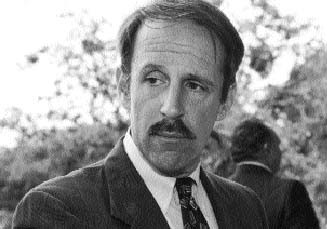
David Templeton takes interesting people to interesting movies in his ongoing quest for the ultimate post-film conversation. This time out, he dives into a discussion of the epic film Titanic with award-winning German author Bernhard Schlink.

THE CAR RUMBLES past a row of toll booths and up onto the Golden Gate Bridge, speeding out over the waters of the bay. Far below are the harsh waves and dangerous current, under which lies an ancient graveyard. The broken fragments of countless shipwrecks–unlucky schooners and sailing ships that came to California during the gold rush and throughout the 1800s–they now rest where they fell, all that remains of their drowned passengers’ hopes and dreams.

I think of this, but do not mention it, as my passenger, author and University of Berlin law professor Bernhard Schlink, discusses a far more famous shipwreck, the R.M.S. Titanic, the subject of the much-hyped and ultimately quite powerful new film by director James Cameron. Titanic stars Leonardo DiCaprio and Kate Winslett as star-crossed lovers–he is poor and she is not–who are fated to find love just as the world’s best-known maritime disaster is about to take place.

For all the painstaking detail that the filmmakers have put into re-creating the ship and her skirmish with the iceberg that sent her to the bottom of the ocean, the film’s most powerful scenes come after the ship of dreams has disappeared, as terrified survivors in half-empty lifeboats listen–apparently too traumatized to lend a hand–to the screams of the victims still struggling in the freezing waters.

“I wonder how much finger-pointing there was,” muses Schlink, a tall, soft-spoken man with a gentle, insistently probing demeanor, “after the Titanic was gone and the few survivors returned home, beyond the obvious responsibilities of the ship’s owners themselves–not enough lifeboats and everything. I wonder how many of the survivors were pressured by people saying, ‘Why didn’t you try to save others? Why didn’t you do more?'”

Such questions have been Bernhard Schlink’s lifelong obsession and are the very heart of his stunning book The Reader (Pantheon; $21).

Just translated from the original German, The Reader is the tale of a haunted man whose memories of an intense love affair with an older woman–when he was 15 years old, growing up in the ’50s among Germany’s first postwar generation–are changed forever when the woman vanishes, only to reappear as the defendant in a war crimes trial. Her confession to having been a guard at Auschwitz and to having stood by as two dozen women in her charge burned to death in an accidental fire sets off a volley of excuses and denials from the other guards, the nearby villagers who did little to help, and the narrator himself, who feels complicit in the crimes for merely having loved the perpetrator.

“I think the class issue is interesting,” Schlink asserts of Titanic. “We saw how the first-class passengers of that time were thought to be more worth saving than the immigrants going to America, who were in third class.”

According to the ship’s records, over 60 percent of the first-class passengers were saved, while only 32 percent of the third-class souls survived.

“I’ve never been on a cruise,” Schlink laughs, “but I assume things are different now.”

At the very least there are certainly enough lifeboats to accommodate every passenger, a precaution that was not taken on the presumably unsinkable Titanic.

“Something else interesting happened because of that as well, didn’t it?” Schlink asks, so softly he could be talking to himself. “At that time everyone believed in ‘women and children first.’ But obviously there were women and children left on the Titanic while some men went off in the lifeboats.”

That would include J. Bruce Ismay, managing director of the White Star Line that owned the ship.

“I would like to know,” Schlink says thoughtfully, “whether people ever fully again respected a man, Ismay perhaps, who had been on the Titanic and survived it. I think society must have seen those men as having violated a principle that they all cherished.”

He lapses into silence.

“We have stories from the concentration camps,” he finally says, “that some people would rather help others die than save themselves. That they would rather go with those that had to die, into the gas chamber, than try to survive. Just to help, to comfort those who’d been chosen. Anne Frank’s mother did that. And many, many others.

“What is so interesting about the Titanic,” he continues, “is that it took the people in the lifeboats so long to go back for any survivors in the water, and then only one boat went back at all. Only one!

“That’s always something that I often think about, thinking of the people of the Third Reich. That it would have been so easy to do something, to change things, and yet so many people didn’t. In fact, they would shrink away from helping, often for very minor reasons. The people in the lifeboats would have risked very little in going back.

“And yet they didn’t. They floated in the dark, listening to the screams, just as people in my country stood by and let millions of people be sent to their death. Doing nothing. Saying nothing.”

After another pause he adds, “I will never completely understand it.”

From the Dec. 18-24, 1997 issue of the Sonoma County Independent.

© Metro Publishing Inc.

Spins

0

Editor’s Choice


The Beat Goes On: Allen Ginsberg’s spoken-word
CD tops the year’s best.

A world without Celine Dion

By Greg Cahill

OK, IT’S NOT EXACTLY earthshaking news–for the most part, pop and rock stiffed in 1997. U2’s Pop fizzled. The Stones’ Bridges to Babylon led to a creative dead-end. Canadian ugly duckling pop phenom Celine Dion just wouldn’t go away. And the biggest rock act of the year–Fleetwood Mac–dazzled crowds with recycled 20-year-old material cashed in for big profits.

Indeed, it’s hard to find anything of major interest on the Billboard Top 200 Pop Chart. Yet, it was a good year, for those willing to hunt. Here are a few faves that did strike a chord:

Allen Ginsberg
The Lion for Real
Mercury/Mouth Almighty
TWO BEAT GENERATION icons bailed out of this mortal coil this year: Poet Allen Ginsberg and writer William S. Burroughs. Before his departure, the impish Ginsberg teamed up with producer Hal Willner (the man responsible for the whole tribute- album craze) and a bevy of avant-rock and jazz artists (including guitarists Bill Frisell, Arto Lindsay, Marc Ribot, and Marin bassist Rob Wasserman) to create a wondrously delightful spoken-word piece. Often playful, always tuneful, it features Ginsberg’s fanciful poetry and musical accompaniment that is alternately baroque and fringy–all set to lines like “I remember the time I sat on the toilet naked and you powdered my thighs with calamine.”

Various Artists
NovaBossa: Red Hot on Verve
Verve
THE COMPANION disc to the star-studded (and not without its own charm) Red Hot + Rio (Verve)– compiled original versions of classic Brazilian jazz by Antonio Carlos Jobim, Stan Getz, and others. A steamy sampler of great Brazilian pop.

Charlie Haden & Pat Metheny
Beyond the Missouri Sky
Verve
A SEAMLESS SERIES of laid-back, acoustic duets featuring jazz-, folk-, and country-influenced impressions. This graceful journey through a minimalist landscape reunites guitarist Metheny and bassist Haden for the first time in seven years. Straight from the heartland.

Ry Cooder
Buena Vista Social Club
World Circuit/Nonesuch
THERE’S A LOT of great Cuban music out there right now, and this is one of the best. Celebrated roots guitarist Ry Cooder, who has released several acclaimed world-music recordings in the past few years, has rounded up many of the island’s best players for a refreshing, sensuous set that is some of the best Latin music around.

Lurrie Bell
700 Blues
Delmark
THIS CHICAGO-BORN blues guitarist is possessed with the spirit of the late Albert King informed by a savvy knowledge of country & western, R&B, jazz, and rock. More rewarding than on Lurrie’s acclaimed 1995 debut Mercurial Son, the taut, angular riffs on 700 Blues show that this up-and-comer is hitting on all six red-hot steel cylinders.

Various Artists
Kama Sutra
TVT
THE SOUNDTRACK to Mira Nair’s erotic drama weds Indian and Western instruments and music into a seductive set of sex and sitars. Who could resist a song titled “Come Paint My Breasts with Sandlewood”?

Various Artists
Reconquista! The Latin Rock Invasion
Zyanya/Rhino
GUERRILLA ARTIST and rock documentarian Ruben Guevara–a man committed to the notion that rock can serve as a tool for social change–compiled this visceral, passionate 17-track anthology charged with the blistering anthems by bands from throughout the Spanish-speaking world. Stimulating. Stylistically diverse.

Kathleen Battle
Grace
Sony Classical
CROSSOVER CHIC is very trendy in the classical music scene these days, as few people are buying straight-ahead classical recordings anymore (thus the wave of CDs from comely, scantily dressed female violinists; and long-dead German abbesses; and cellist Yo Yo Ma with his new tango recordings). This collection of sacred music by Bach, Handel, Mozart, et al. is simply divine, spotlighting the old-fashioned coloratura soprano talents of 49-year-old opera star Kathleen Battle, a prima donna blessed with a delicate, bell-like tone.

Wynton Marsalis and the Lincoln Center Jazz Orchestra
Blood on the Fields
Columbia
STEEPED IN Ellingtonia (particularly the Duke’s 1943 masterpiece Black, Brown, and Beige), this ambitious 3-CD opera details the life of a runaway slave and relies on such jazz fundamentals as blues and ballads, call and response, swing, and Afro-Caribbean. It breaks no new musical ground, but name one other living jazz artist who would even dare tackle a project of this magnitude.

Various Artists
Klezmer Music: A Marriage of Heaven & Earth
Ellipsis Arts
PASSIONATE PRAYER tunes and riotous dances abound on this collection of East European klezmer music, a compelling hybrid of traditional Jewish/Gypsy folk songs and modern jazz. The sweet sound of violins blends with the clarion call of the clarinet to beckon lovers of the eclectic and the ecstatic.

Lavay Smith & Her Red-Hot Skillet Lickers
One-Hour Mama
Fat Note
RED-HOT RETRO blues diva from Baghdad by the Bay purrs and growls through a jumping set of sexy, sassy swing. Highly recommended.

From the Dec. 18-24, 1997 issue of the Sonoma County Independent.

© Metro Publishing Inc.
The Scoop

Holey History

By Bob Harris

YOU REMEMBER Lewis & Clark, right? No, not the comedy team; not the people who make Pampers. The explorers–the ones we learned about in grade school, the stalwart manly men who trailblazed the Pacific Northwest for President Jefferson. Who, incidentally, was not married to Weezie.

There’s a controversy about the death of Meriwether Lewis. The official story is this: After straddling the Continental Divide, pioneering a continent, and drinking coffee in Seattle long before it got trendy, this go-getting, world-beating hero returned–and within a couple years got all depressed and killed himself.

But now a growing number of historians think Lewis was murdered, and no less than 160 of the guy’s descendants are asking the National Park Service to dig up the body for a look-see. Some folks think that’s a bad idea, and they’ve got a point. For one, Lewis died 188 years ago, so even if he was murdered, it’s probably a little too late to go catch the guy. Unless it was Strom Thurmond. Also, there’s the matter of precedent. You go digging up Meriwether Lewis, then somebody else might want to dig up some other guy, and the next thing you know they’re pulling bodies out of Arlington National Cemetery.

Oh, wait, they’re already doing that.

Anyway …

Thing is, the official verdict of suicide probably does require an update. Call me crazy, but most people who know how to work a gun usually don’t punch the permanent time clock by shooting themselves first in the head, then a second time in the chest, slashing themselves from head to toe with a razor, and then crying out desperately for help.

You don’t gotta be Oliver Stone here, OK? The Tennessee Legislature even dug Lewis up once already–150 years ago–and decided it was a murder, although it’s not clear exactly why. The answer is worth knowing.

Look, if we find out it was a suicide, that would put 160 minds to rest. And if it was a murder, then we learn a few things about Jefferson and Clark, who were Lewis’ best friends and didn’t do squat to find out what happened.

History matters. Lewis himself would have said so. Hey, if the Park Service is so concerned about holes in the ground, thanks to this whole Larry Lawrence thing, there’s a new one up at Arlington. I got an idea about who might belong there instead.

POOR RUDY GIULIANI. New York’s mayor says his civil rights have been violated: his name has been used for commercial purposes without permission. So Rudy has gone to court to stop the cruel ads.

What’s the grave slander? New York magazine is running a series of ads on the sides of city buses showing the magazine’s logo and the Manhattan skyline, captioned, “Possibly the only good thing in New York Rudy hasn’t taken credit for.”

Ooh, golly, how vicious. A heartless slur like that could ruin the poor guy. Jeepers. C’mon, politicians are fair game. The National Review put Clinton, Gore, and Hillary on the cover in mandarin outfits with their features altered to look Chinese. Mother Jones dressed up Bob Dole as the Marlboro Man. Nobody sued. When you’re a public figure, it’s part of the deal.

And Rudy Giuliani is one of the most publicity-hungry handshakers alive. The guy swings by the Letterman and Saturday Night Live shows the way Andy Warhol dropped in on the Velvet Underground. This guy doesn’t like having his name plastered all over town? The ad’s not even negative. Giuliani’s a politician. If he wasn’t taking credit for everything good, he wouldn’t be doing his job.

Rudy must not realize he’s only making himself look silly. If he lets the ads slide with a smile, a few commuters notice a couple dozen buses, and he wins points for having a sense of humor. Now, thanks to hizzoner’s shrewd legal acumen, the entire country is finding out just how thin-skinned Mr. Mayor can really be.

(Read with a Joe Pesci-in-Goodfellas Brooklyn accent here.) Hey, I used to live in Brooklyn. I spent two years of my freaking life in a fourth-floor walk-up just off Flatbush Avenue, listening to car alarms and guys in their undershirts yelling, “Hey, Tony!” 24 hours a day. I know from New York, OK?

Remember when they convicted John Gotti–that riot at the courthouse, with the overturned cop cars and all? I’m out jogging that day and run right through the whole scene, no lie. It didn’t look all that unusual; I thought maybe some store was having a sale. I finally moved out when they started finding bodies in my neighborhood. Honest truth. Bugs I can handle. Torsos you can’t get rid of with little cardboard motels, know what I’m saying?

New York’s a tough town. You’re touchy? You get eaten alive, badda-boom, badda-bing. And Giuliani of all people–Rudy used to prosecute Mafia bigshots. Last I checked, he’s throwing made guys into Rikers Island. And now he’s whining over a magazine ad. Hard to believe it’s the same guy.

If Giuliani keeps acting like a weenie, how long do you think it’ll be until New York decides to move him from ads on the side of the bus–to driving one?

Correction: This space recently described Sun-Myung Moon’s ownership of several prominent news outlets, also noting that Moon’s cash often reaches prominent conservative causes through various channels (“Moon Beams,” Dec. 4).

One of the examples given, first reported by journalist Robert Parry, was a seven-figure grant from a Moon organization that ultimately reached Jerry Falwell’s Liberty University. Some of Falwell’s former Moral Majority associates now run an organization called the Rutherford Institute, whose attorneys, in their own words, are now acting “of counsel” in the Paula Jones case and defraying her legal expenses.

All of the above is worth reporting. However, the Dec. 4 column included an aside unfairly connecting the latter two, implying that some of the Moon money that apparently reached Falwell’s Liberty U. might in turn have also reached the Rutherford Institute and the Paula Jones suit.

The Rutherford folks want to make it clear that they don’t know anything about any Moon money; nor have they received any money from Liberty, Falwell, or Moon to help finance the Paula Jones case. I regret the error.

From the Dec. 18-24, 1997 issue of the Sonoma County Independent.

© Metro Publishing Inc.
Holiday Reading

0

Season’s Readings

holiday tales

By David Templeton

ONCE UPON A TIME families would gather around the fireplace, the kids snuggled up in their pajamas, the grownups drinking eggnog. They would sing songs together and, get this–read Christmas stories. Or Hanukkah tales, or pagan solstice myths, whatever the case may be. In fact, such stories as The Night Before Christmas, A Christmas Carol, and Rudolph the Red-nosed Reindeer were actually books before they became perennial TV specials.

Or did Rudolph start out as a song? I forget.

Anyway, it all seems so delicious and almost alternative–the very notion of flipping open a book as a family ritual instead of the time-honored tradition of fighting over the remote on Christmas Eve. So when we asked a few people to recall what part reading played in their own childhood memories of this wintry season, the answers ran the gamut.

“I grew up in the ’60s. We didn’t read,” says comic-book illustrator Norm Breyfogle matter-of-factly. “Watching Rudolph the Red-nosed Reindeer together served the same function in our family as far as I’m concerned. We didn’t need something read from the printed page to be moved. Watching TV–the King of Kings always seemed to be playing on Christmas Eve–was just as effective and moving and bonding as a family.

“Like they say,” he chuckles, “if it moves the right brain … it moves the right brain.”

Mickey McGowan, curator of Marin’s odd-house the Unknown Museum, snorts at the question. “Reading?” he asks incredulously. “In the McGowan household? What are you, crazy? Our traditions were eggnog and church. We’d always go to midnight mass, cuz otherwise it would be a mortal sin, and a mortal sin is a terrible thing to have hanging over you while you’re opening presents.

“My wife, Finnlandia, is different,” he says more softly. “She’s Norwegian. We always have Christmas at her folks’ house in Salt Lake City, and it’s very traditional. Dinner at 5 p.m., with a marzipan pig sitting on table. After dinner they read the Christmas story from the family Bible, first in Norwegian, then in English. After that we have a sweet pudding with one almond in it, and whoever gets the almond gets to eat the marzipan pig. I think it’s rigged. I’ve never gotten it once.”

David Templeton offers the story that he tells to his two daughters each year. Happy holidays from the Independent.

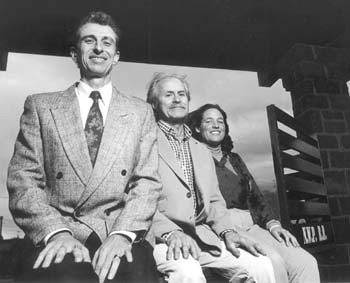
Sonoma County Celtic harpist Patrick Ball is known for his onstage storytelling, not that he came by it honest from home. “Though we always did Christmas up real nice at our place, I honestly don’t remember reading or storytelling playing any part in it,” he muses. “It is now, though. We read to our 6-year-old daughter. One favorite book is The Christmas of the Reddle Moon. It’s a book I collected while working on a spoken-word album of Christmas stories, a project I still hope to finish. Another favorite is the Christmas chapter from the Wind in the Willows. It doesn’t matter what we read,” he finishes simply. “The important thing is doing it with the family.”

Sonoma geologist and author Becca Lawton (Discover Nature in the Rocks) doesn’t miss a beat when asked about her traditional yuletime read. “The Night Before Christmas. You bet,” she grins. “There was this big, beat-up old book; I still have it. First we kids had to get into our pajamas, the ones with the feet and then we’d hang stockings, then get in front of the fireplace with the dog, and take turns reading a page each from the book, while our parents all stood there taking pictures. It gave us a sense of security: We knew it was going to happen, and then it did happen.

“Now I get a charge from reading that very same book to my daughter, Rose. This year,” Lawton smiles proudly, “she’s going to start reading it to me.”

A cappella madman Matthew Stull, a member of the voice troupe the Bobs, shrugs. “Sure. We’d read. But not as a regular tradition or anything. We did tell stories, though. I haven’t thought about it in years, but at my grandmother’s house in Ohio, storytelling was a pretty big thing. She’d tell these amazing stories about what my dad did when he was my age. We’d all gather around to hear. ‘Well,’ she’d say, ‘On the first Christmas after your dad was born the snow fell so hard …’

“Now that my wife and I have a kid, I’m sure the tradition will include reading. And singing, of course. But now,” says the mightily mature Stull, “we’ll sing traditional songs instead of just Bobs’ songs.”

National Public Radio host Sedge Thomson (West Coast Live) affirms that “reading was a substantial part of our holidays growing up. To understand the mystery of the season, we’d go to the source. We’d read the gospels and other Christmas stories. Now with my own son, we do that as well, but we’ve also brought in Hanukkah tales and other traditions. We read The Night Before Christmas, of course, and The Wind in the Willows, and Chris Van Allsburgh’s wonderful Polar Express.

“Then, of course,” he continues soberly, “as a kind of tradition, we recite the Christmas scene from Monty Python’s Life of Brian, when the three kings come to Brian’s mother with gold, frankincense, and myrrh.

“‘Myrrh!’ she says. ‘What’s myrrh?’ They say, ‘It’s a balm.’ ‘A bomb? Aaaaaaaaaaaaah!’

“The recitation of that,” he smiles, “has become a vital part of our holiday lore.”

From the Dec. 18-24, 1997 issue of the Sonoma County Independent.

© Metro Publishing Inc.
Inphomaniac

Confessions of an Inphomaniac

As online communication reaches its awkward adolescence, are we left with a place for imaginations to soar without messy, bodily residue–or just a place to hole up without human contact?

By Christina Waters

IT STARTED INNOCENTLY enough. Like many who’ve been foraging in cyberspace for more than five years, I was introduced to the power of the Net by my university job. Hardwired into the campus mainframe, I found that I could reach colleagues almost instantaneously via e-mail. Pretty soon, everyone in my neck of the woods was using it–first because it was the hot new thing to do, but more and more because it got results.

I began to have more e-mail than voice-mail messages waiting for me each morning when I came to work. And I invariably checked my e-mail first. Hell, I’d even turn on my computer before I took off my coat or turned on the lights.

As a writer and academic, it didn’t take me long to get an inkling of the sex appeal of this new medium. I found that I could bypass secretaries and e-mail many executives directly. Surprised by the directness of my inquiry, my subject would invariably respond by e-mail, usually the same day. The hierarchical playing fields guarded by the bureaucratic rank and file were instantly leveled.

It was heady stuff, and I stayed high.

Messages and their senders appeared on my screen in a single cluster, allowing me to read them in any sequence. No more listening to each message to get to the one I was really waiting for.

Pretty soon, I was asking for e-mail addresses instead of phone numbers or business cards. Thus armed, I had direct access to key players. People I never could have gotten an appointment with inevitably responded electronically, flattered and disarmed. Some, like Donna Haraway, whose 1985 article “A Manifesto for Cyborgs” helped set the current academic cyber agenda, even explained via e-mail why they didn’t have time to e-mail me.

“Dear Christina,
“You got me at a bad time–reading hundreds of email messages, opening piles of snail mail, facing books for courses that aren’t in the book store, etc., etc., and the thought of answering even a few questions is awful. Sorry. I use email more and more for work and already miss the more spontaneous way I began using it. It’s become another obligation. But still, there are the friendships, jokes, bits of news and bits of good professional stuff, plus all sorts of other goodies. I would miss my email, but why does everything have to become too much so fast?–Donna”

Electronic Ebola

“I want a new drug,” Huey Lewis crooned, and faster than you could type “Eureka,” we got one. At this moment, it’s estimated that more than 30 million of us are joined in electronic communion–although it’s impossible to know for sure. The size of this network is said to be doubling every six months. What began as a high-speed information link now resembles an out-of-control electronic Ebola virus–part all-night poker game, part lonely-hearts-club hustle.

The communication mode of choice for science, military researchers, and the university community for more than a decade, electronic mail is proliferating as fast as ordinary citizens can hook up modems and join what sci-fi guru William Gibson called “the consensual hallucination” known as cyberspace.

But now that millions have joined this rush, a perhaps inevitable shakedown has begun. Purists are bemoaning the boom, rushing to exit their formerly exclusive domain as they warn of paradise lost. Expressions like “information superhighway” and “cybersex” have infiltrated everyday language even though most people don’t have a clue what they mean.

The Garden of Eden has been invaded (remember the recent pedophile scare on America Online?); everybody wants to get stoned.

The pioneers feel crowded–they don’t like the lean and hungry look of those staking claims in the chatty clubs called newsgroups, which are organized around pursuits from genealogy to science fiction. They worry that the stampede threatens to drown out the pioneer communities of thinkers, talkers, and midnight hackers. Their restlessness may be justified. Just a few weeks ago, the National Science Foundation began divesting itself of several decades of Internet caretaking. The Net is moving toward privatization–and perhaps a future as a giant interactive commercial.

Veterans & Virgins

Caught in this chaos of hype, veterans and virgins alike are asking big questions. What is electronic reality anyway? Is cyberspace the great new town hall–a corner bar or quilting bee for the ’90s? A democratic public space in which all may participate, regardless of appearance, creed, or sexual preference? Or simply a privileged frontier on which most range riders are white, university trained, baby-boomer professionals?

Is it a place for imaginations to soar without messy, bodily residue–or a place to hole up without human contact?

One thing is for sure: The computer screen preserves anonymity and hides a multitude of sins. This buffer is part of e-mail’s allure. Your physical self is hidden; you can truly be all that you can be. Safe in the privacy of your own surroundings, you can add a little spin to your electronic self, made bold by the security of facelessness. This accounts for the often innuendo-laden sexiness of online chat.

While misunderstanding is a constant doppelgänger of text-only encounters, the upside, Mark Dery writes in a South Atlantic Review article entitled “Flame Wars,” is a “technologically enabled, postmulticultural vision of identity disengaged from gender, ethnicity and other problematic constructions. Online, users can float free of biological and sociocultural determinants.”

Onscreen, I see only words–words shaping ideas, giving attitudes, offering insight. Onscreen, I don’t see gender, class, age, or race. For the able-bodied and socially privileged, it may be impossible to appreciate the transcendence of disability or economic standing that computer-mediated communication allows. It’s a two-way street. I can be having a bad hair day or still be in my bathrobe and be communicating with some high-powered, Saab-driving, GQ cover guy. Or my boss, or his CEO.

No matter how klutzy, or physically limited, we can all be Astaire and Rogers on a keyboard.

Getting offline.

My Mind Is on Vacation

On the other hand, “vacationing in the datascape” just might be a misguided attempt to avoid the hard questions of the material world, film theorist Vivian Sobchack observes in Artforum. It’s possible to make a case for not really encountering anyone else at all in cyberspace, merely the reflection of our own words on a screen. The average hacker is high on this safe substitute for life’s messy realities, Sobchack contends, and this ambivalent desire to be powerful.

For me, it was the ability to conjure old relationships, new flirtations, and a world of information that kept me high and online. “You can’t simply pick up a phone and ask to be connected with someone who wants to talk about Islamic art or California wine, or someone with a 3-year-old daughter or a 40-year-old Hudson,” explains Howard Rheingold of Mill Valley, author of an excellent guide to electronic networking, Virtual Community. “You can, however, join a computer conference on any of those topics, then open a public or private correspondence with the previously unknown people you find there.”

Armchair travelers can ask questions about restaurants in Tuscany or critique the latest episode of Star Trek, compare carburetors, or rave on about the joys of sadomasochism.

“Every day, there’s a handful of postings that sparkle like gemstones,” enthuses Reva Basch, who hosts a conference called Women on the WELL, one of hundreds of subject-specific conversations on the Sausalito-based electronic salon founded by Stewart Brand, who first brought us the Whole Earth Catalog. “WOW has given me a precious gift,” Basch writes in the Austin-based zine Fringeware, “the opportunity to meet and connect with other women–strong, stubborn, talented and accomplished, questing, perhaps needy, but always remarkable–in a way that I could not have imagined, 10 short/long years ago.

“There’s an evolutionary aspect to living in cyberspace. Your monitor is no longer a flat, impermeable surface. It acquires depth, like Alice’s mirror in Through the Looking Glass. It becomes an infinite space in which all that information, and all those other beings, reside. You come to regard modemless computers as poor, mute, stunted things, robbed of their full cybernetic birthright.”

Safest Sex

Yes, I do have a saturation point. Yesterday, I put a chair out by the pool with a good book, an adult beverage, and a nice jazz CD, but somehow I felt compelled to hole up in my office for a few minutes to download the newest version of Netscape’s Web browser.

I am an online addict, and as soon as I find a 12-step program online, I intend to do something about it.

Electronic communication is seductive in many ways, but two particularly potent aspects keep turning up–as a metaphysical transformation of self and as a multidimensional social experiment.

“Disembodiment has its own allure,” writes Tiffany Lee Brown, an editor of Fringeware. “Transcending the meat has become a common goal in many religions, philosophies, paths of knowledge and discipline. The loftiness of living in the mind, surpassing the base needs of the flesh, attracts more than just ascetics, Christians and logicians. … In this age of alienation and visceral paranoia, regular ol’ white trash Americanoids like myself can drop happily into the sucking vacuum of mediated communication, Alices in a never-ending rabbit hole.”

Kate Bornstein, author of Gender Outlaw, is a former man who knows about “transcending the meat” from another angle. In the fleshpots of cyberspace, Bornstein finds a strong and exciting analogy to her own transsexuality. “Cyberspace frees us up from the restrictions placed on identity by our bodies,” she says in an April 1995 interview in the magazine Mondo 2000. “It allows us to explore more kinds of relationships. I can go online as anything. I go online as various kinds of women. I’ve gone online as a guy a couple of times; I’m playing a stable boy in a vampire scenario now.”

Some cybernauts, on the other hand, would rather play with the stable boy–albeit virtually. Thanks to the real-time erotozone known as Internet Relay Chats, participants can jump into the electronic hot tub with total strangers, asking questions, and getting answers as fast as they can type. “Sometimes I just want a sexy conversation with someone,” writes publisher Scotty Brookie in a recent editorial in Lavender Reader, a Santa Cruz-based gay and lesbian periodical. “I think talking about sex is exciting, even if the words are coming from thousands of miles away and appearing on my monitor. Some people say this is weird. I say, I have a nice conversation with someone, it’s completely safe, and I still get my whole bed to myself when we’re done talking.”

Alternative Empowerment

Not only is cyberspace a haven of the safest sex, it’s also a safe house for queer confessions and coming out–a network of alternative empowerment. Among Brookie’s online companions is a 17-year-old Slovenian who can’t talk about his gayness to anyone in his hometown–but can to his electronic pen pal in California. Another lives in Los Angeles and is out of the closet only on the Net. Still another communicates from Singapore, overjoyed to discuss gay issues without fear.

“I’ve talked to gay guys in their 60s and gay guys who were 14. I’ve talked to lots and lots of men whose race, age, and appearance I know nothing about. I’ve had discussions in five different (if halting) languages. And almost always, I leave the conversations marveling at our common humanity, excited about being able to travel the world and learn about other cultures every day, without being on vacation, and be out the whole time.”

Of course, the very factors that encourage romance and fantasy can also breed emotional blindness. Face-to-face meetings between cyberpals can serve as an abrupt reality check. Eric Thiese, a San Francisco-based electronic educator and host of an Internet conference on the WELL, recalls an encounter “where the person misrepresented–no, out-and-out lied–about most things.”

On the far side of electronic obsession are those whose entire cyber reality is a fiction–the Multiple-User Dungeon or MUD players. Ultra-elite, most by invitation only, MUDs are real-time fantasy worlds evolved from the Dungeons and Dragons genre of role-playing games. Gamesters construct their cyberworld’s every detail, designing communities of the imagination–worlds elegantly free from poverty, ignorance, diversity, and anybody not like us.

“It’s very welcoming, very empowering, but the trick is making it a tool, not a home,” says Scott Noam Cook, an associate professor of philosophy at San Jose State University who’s currently engaged in a two-year study of experimental, interactive cyber-environments.

Cook is wary of the panacealike claims being made for electronic culture, and he worries that we’re deifying the tools and the people who use them. “Technology can’t create communities,” he says. “We can use technology to create communities.” But Cook insists on a caveat. Unlike real communities, electronic ones are self-selected, and, hence, users construct a public electronic space of others like themselves–a human tendency Cook calls digital eugenics.

“If it’s town squares we’re creating on the Web,” Cook cautions, “they look a lot like Berlin Alexanderplatz in 1938.”

Flip Side of Cyberspace

The flip side of these ethnically cleansed CyBerlins are the growing ghettos of cyber groupies clogging the Net. In a 1993 position paper for Xerox PARC, Palo Alto-based MUD guru Pavel Curtis notes that bulletin boards and newsgroups “have the problem (and virtue, perhaps) that access is unlimited. From the perspective of a serious practitioner in some field, this communication channel is very ‘noisy.’ … The general level of discourse is thus driven toward the middle ground, the knowledgeable hobbyists.”

For many people’s money, the Sausalito-based WELL had the best stuff. Started 10 years ago by Whole Earth Catalog stalwarts who wanted to keep in touch though their families and careers had separated them physically, the WELL has been an elite subscription address for pure conversation and the fostering of a vibrant cyber community of some 10,000 culturati. Then, last year, the WELL was purchased by an entrepreneur with visions of expanding it into a for-profit metropolis for a million prospective clients. In the wake of this development, a handful of the old guard like Howard Rheingold started planning a new, small, user-owned online salon called the River. Even if no one will come right out and say that the WELL had become polluted, it was clear that its high-minded waters had been diluted by newcomers.

“When a conference gets very large, communicating takes a long time,” River pioneer and SRJC communications instructor Roger Karraker admits. The River hopes to recapture some of the intellect-intensive flavor of the WELL’s heyday, he says. Still, he believes that the River’s existence won’t necessarily mean an exodus from the WELL. “In the real world, you can’t live in two worlds,” he says. “But you can electronically–you don’t have to choose.” Karraker believes that having a monthly fee for membership will separate out those “serious about conversation” from mere browsers. “Any service that charges a fee can in a sense self-select its population.”

That’s similar to the position that cyber-patriarch Rheingold maintains on the new community: “One of several things many of us have learned over the years is that governance flows from control, and control flows from ownership. The River is owned by the people who create the value that customers pay for, and the owners are also the customers. It’s an experiment in democracy that we couldn’t not do.”

Cyber cowgirl Erika Whiteway, co-editor of Fringeware‘s “Chicks in Cyberspace” issue, believes that serious conversation on the Net is being watered down by what she calls “the America Online mentality”–people who want to surf through topics because they can, not because they have anything to contribute.

I used to think the Net was going to be the hope of politics/race/gender and provide a better reality even if it is virtual. Like all the other simple problems and solutions, the money guys and politicians have gotten their fat fingers in it and Doomsday is at hand again … whoever owns access to or provides information is master of us all. My computer used to be my pal, then I was its hostage; now it is like a vacuum cleaner, something I hate but need to use.

This is what has killed the WELL–I’m sorry, but the WELL really did have “it” for a number of years: wit, sarcasm, burning brains. But as with all things American, the bottom line rose up and ate the top-feeders. … Makes me want to head out to the country and get back to what’s real and important–the smell of clean air, the feel of a horse, the grass in spring.

From the Dec. 18-24, 1997 issue of the Sonoma County Independent.

© Metro Publishing Inc.

Public Surveillance Cameras

0

Eye Spy


Michael Amsler

Watching the Watchers: ACLU board member Wayne Gibb opposes a plan to monitor the Santa Rosa transit mall.

Public surveillance cameras raise eyebrows of ACLU members and one city official

By Paula Harris

A CONSTANT FLOW of commuters and buses stream in and out of the gray concrete pathway that is the Santa Rosa Transit Mall, which 10,000 bus riders pass through each weekday. Waiting for buses, they pace the sidewalk, buy newspapers from the vending machines, use the pay phones, look over the posted schedules, and settle on the benches.

By March 1998, surveillance video cameras will be watching and recording their every move, raising the spectre that Big Brother will indeed be watching.

The Santa Rosa City Council has approved use of federal funds for a closed-circuit television surveillance system costing $65,402 to monitor the transit mall. The council majority believes the cameras will help curb troublesome behavior at the busy downtown hub. However, the prospect of cold electronic eyes tracking local citizens has caused uneasiness among some observers, especially since police admit the transit mall is not a high crime area.

Councilwoman Noreen Evans, who cast the lone dissenting vote against the upcoming installation, objects to the concept of surveillance cameras in general. “In my mind, you have to have some justification for them,” she says, “but it concerns me that we’d target the transit mall, given the fact that there’s no serious criminal activity there.”

Santa Rosa Police Chief Mike Dunbaugh says the police department is responding to concerns from individuals who have complained they don’t feel safe at the bus station. “We don’t have a serious crime problem in the transit mall, it doesn’t have a higher crime rate, but there is a lingering perception, and our effort is to try to help people feel safe,” explains Dunbaugh, who adds that he doesn’t expect any objections to the cameras. “Most people are very comfortable with an additional presence looking out for them,” he says.

On the other hand, says Dunbaugh, a proposal to also wire Santa Rosa’s downtown Courthouse Square with hi-tech recording devices recently fell by the wayside. “Courthouse Square is different,” he says. “It’s symbolically the heart [of the city]. We received feedback that people are concerned about cameras focusing on that area.”

But, the Sonoma County Chapter of American Civil Liberties Union maintains that surveillance cameras shouldn’t be used to spy on the public anywhere in downtown Santa Rosa. “It’s a bad sign–this technology is very distressing,” says ACLU Sonoma County Chapter board member Wayne Gibb, who heads the Privacy, Not Surveillance Committee. The committee recently mailed letters to ACLU members–who have fought similar devices at Helen Putnam Plaza in Petaluma–urging them to voice their objections about the transit-mall cameras.

“People should not have their comings and goings monitored and tape-recorded by the police because they cannot afford a car or choose to conserve our natural resources by using mass transit,” states the ACLU letter. “Video recording of people is very different than using police officers on the beat to prevent crime. It is the antithesis of the community policing model. Santa Rosa is implementing it to make the community feel closer to police to help prevent and stop crime.

“This monitoring of citizens with cameras makes us feel that we live in a police state, alienates us from the police, and changes the very nature of our society.”

The ACLU contends that experiments with surveillance cameras have proved unsuccessful in other cities–such as New York City; White Plains, N.Y.; Newark, N.J.; and Miami Beach–because they did little to reduce crime overall, seeming instead to have merely displaced crime to other areas.

In September, the Oakland Police Department decided against a plan to place video surveillance cameras around the city, citing the cost and concerns about civil liberties. “The main argument for not installing the cameras was the public’s perception of Big Brother watching over them,” explains Oakland Police Capt. Pete Dunbar, “and we didn’t want to tear apart our relationship with the community.”

Yet Baltimore officials regard their system, which has been operating since January 1996, as a success. Frank Russo, a retired police commander and the public safety director for the Downtown Partnership of Baltimore, the merchant association that spearheaded the surveillance project, credits the cameras for an 11 percent drop in crime in the area during the first year of operation.

But ACLU police practices expert John Crew says Big Brother has become Big Business. “It’s a huge industry, and a new market in the United States,” he says. “Security companies are pushing this equipment onto communities like Santa Rosa.”

Laurie Hill, acting deputy of transit for Santa Rosa, says the transit-mall surveillance system will use four cameras, designed to focus on the alcove areas and to pan the full length of the mall. The cameras will be mounted high and not concealed, although, Hill adds, it will be impossible to see unless it is pointed at you.

The two fixed and two moving cameras use sophisticated fiber-optics cable and will be able to capture images from four cameras on one tape. The cameras will have recording and zoom-in capabilities. “We’re hoping to monitor negative behavior and bus traffic,” explains Hill, adding that most petty crime at the transit mall consists of “nuisance behavior” such as foul language, spitting, or boisterousness. The transit mall will keep its team of three security personnel.

There will be a viewing station at the police department’s communications section, where dispatchers will watch the action on a screen. Dunbaugh says the police don’t plan on keeping tapes longer than 24 hours.

Officials have not decided whether there will be warning signs at the transit mall to alert individuals that their actions are being filmed and recorded, though without signs it seems unlikely that the cameras will act as the deterrent that police say they are intended to be.

SURVEILLANCE of community members is a growing trend. There has been an on-again/off-again plan by Starbucks coffee company to install video surveillance cameras next to Putnam Plaza in Petaluma to tape people using the public park, and to then hand the tapes over to the police. The idea is still being contemplated.

Last month, Santa Rosa police mounted cameras, which resemble birdhouses, at the intersections of Steele Lane and Mendocino Avenue, and Dutton Avenue and West Third Street, to catch red-light runners. After a month’s grace period–in which 98 people were given warnings–police began issuing citations. Fines for signal jumping are $104, but next month a new law aimed at reducing injury accidents will raise fines to $270. The cameras are triggered by sensors in the pavement, and they shoot two photographs that aim to capture both the driver’s face and the vehicle license tag. If the traffic-snapping idea is successful, the camera program is likely to be expanded, says Dunbaugh.

Councilwoman Evans says she’s surprised there hasn’t been more of a public outcry about the Orwellian introduction of surveillance systems in Santa Rosa, particularly the cameras at the transit mall, where she says commuters will be “assumed guilty until proven innocent.”

She says, “Things happen in subtle ways. Big Brother isn’t going to one day appear with trumpets blaring and flags waving–it will come insidiously. There will be one camera, and the next time it will easier to install another. You begin to open doors by taking this first step.”

From the Dec. 18-24, 1997 issue of the Sonoma County Independent.

© Metro Publishing Inc.
Holiday Story

0

The Wind on Christmas Morning

David Templeton offers the story that he tells to his two daughters each year. Happy holidays from the Independent.

By David Templeton

THE NIGHT was cold, so cold that even the wind was shivering. No. That’s not quite right. I shouldn’t say that the wind was shivering, for it was hardly a wind at all, only a baby, a mere windling, and its feathers were still soft and short. It was its first Christmas Eve, and its first time out with the pack.

None of the other winds had told the windling how cold it would be–with all that snow on the ground and snow in the air and ice gripping everything. The windling was barely able to keep its whistle in its mouth–let alone blow it–without chattering and clattering and making such inappropriate sounds that all the other winds would look back impatiently, whistling at the little one and suggesting that perhaps it ought to go back home.

The pack of winds had come down from the high places, and now–as the hour of midnight came near–they were bound for a small village at the bottom of their mountain. There they would find houses and rooftops and shingles. They would whistle outside windows, stirring the sleeping people inside; they would blow against the walls, dance beneath the eaves, and make their wintry music around and around every house.

Such was the work of the wind on Christmas morning.

The little wind was not interested in such mischief, though it had eagerly begged to be taken along. If it had known how cold it would be, it would gladly have stayed back in the cave. Miserable and sad, it wondered how it could ever grow up to do a wind’s work if it had to do so in a world this cold.

As the pack whistled wildly downward–each wind sounding on its own slender instrument, secured around each head with a strong, thin string made of lichen and spider web–they came upon a small farm just outside the village. A faint glow of light shone from within the house. “Too small to bother with,” the winds agreed, as they blew by the wooden door with a flurry of noise.

Curious, the little wind paused as it flapped and whistled past the strange building’s front window. It saw a flicker inside–the light of a fire in a big brick fireplace, adorned with strange red objects that hung down from the mantel–and pressed its soft face against the pane. The pane was warm, heated ever so slightly by the fire within. There were other odd shapes inside that the windling did not understand: a tree decorated with small flickering dots of light, a pile of boxes beneath the tree, and a lumpy bundle of something in front of the fireplace.

The windling pushed closer. Shivering harder, it glanced back in the direction that the wind pack had flown.

“I can catch up in a moment,” it thought to itself, still puffing on its whistle in short, little spurts of wind song. Studying the front of the house, it wondered if there were a way to get even closer to that warm thing inside. A narrow band of light caught its eye, streaming out from a wide crack at the base of the front door. Eagerly, the windling fluttered down to take a closer look.

LIZZY WAS AWAKE. Wrapped in a cocoon of soft blankets, she sat by the fireplace, listening intently to the wind whistling outside the door. She was a connoisseur of winds, this little 7-year-old girl. She’d been listening to them since the day she was born, and knew more about them than any of her many brothers and sisters–each of whom was represented by one of the stockings that dangled from the mantelpiece, all adorned with little bells, one for each Christmas of the child’s life.

On Lizzy’s stocking–which was worn full of holes, but had never been mended, as the girl liked it the way it was–were seven little bells. The newest one had been sewed on by her mother just the day before.

Lizzy sat in the glow of the fire, one ear pointed at the door. She’d been waiting for the winds to come all night, and only now, as midnight struck and the day became Christmas, had she heard anything. A fast rush of whistling wind that stopped as soon as it started.

“There are three kinds of winds,” she recited softly to herself, wrapping up even tighter. “Whispering winds,” and here she practiced a powdery “Shhhhhhh,” of the kind made by that breed of wind. “Weird winds,” and she mouthed a fluttery, ghostlike “Oooooooooh.”

But her favorites were the whistling winds, high and sweet and strong and clear. She sighed, and attempted such a sound, but what came out of her mouth was more of a wet hiss then a whistle, for Lizzy, despite hours of practice, had never learned how to whistle.

She heard a sound by the door and turned to look. There was nothing there. She continued her recitations.

“Winds are invisible,” she murmured the words she’d been taught by her father, “as long as they are moving. But if a wind is ever still, it can be seen by anyone looking. Their whistles are invisible too, but only when touched by a wind. Their feathers …”

She stopped. There was that sound again. Staring at the crack near the bottom of the door, she tried to make out what was there.

THEY WERE ALMOST to the village by the time the wind pack noticed that the baby was not among them. At first annoyed, then fearful, they searched all about before deciding to turn around and go back to find it. As they flew across the fields, close to the ground and moving fast, they listened desperately for the sound of its whistle, hoping the little wind had not lost it along the way.

The windling was stuck. Attempting to peek just inside the glowing crack, it had become so wedged in the door that it could move neither forward nor backward. Frantically flailing, it realized it still held the whistle in its mouth. With all its strength the windling blew, with a loud, shrill, spirited blast that it kept up until at last it could blow no more, and collapsed, exhausted, still no more free than ever. Something moved inside the house.

The little wind looked up. A creature–a little girl–was looking right at it. Alarmed, the windling began flailing about again.

“It’s all right,” whispered the girl. “I’d never hurt a wind.” Having heard the sudden sound of the wind’s whistle–even more beautiful for being so close–she’d looked hard, only to see a tiny windling trapped in the door. It appeared to her eyes for only a moment, lying spent and tired, then disappeared as soon as it spied her and began to stir once more.

At the sound of the girl’s kind voice, the windling became still again. Lizzy dropped to her hands and knees and crawled slowly forward. “Let me help,” she said, reaching out to take the little wind, which was stuck just beneath its first sinewy row of wings. The little girl’s hands were warm. The windling trustingly remained still and allowed Lizzy to bring it slowly forward.

Suddenly the little wind was jerked backward. The pack, having found it all poked into a doorway, were now trying to pull it back out by its tail.

“Come out,” they all whistled. “Come back.”

“Come in,” Lizzy whispered. “Come teach me to whistle.”

Without thinking, the windling wriggled with all its might, instantly vanishing from Lizzy’s sight. Then she felt it working its own way loose, and without warning, she fell backward into the room, and was holding the windling–still shivering–in her arms. “You’re so cold,” she said. “Almost frozen.”

THE PACK, astounded to see their little one vanish into the door crack, were immediately outraged. They began throwing themselves against the door, whirling about on the roof, tossing down shingles pots, and whistling frantically down the smoke-filled chimney.

Frightened at what it had done, the windling wriggled up from Lizzy’s embrace and bounded into the air. It flew into the Christmas tree, bounced away, up, and against the ceiling just above the fireplace, then straight down and right into Lizzy’s stocking.

The windling was stuck again, this time in a strange, fluffy tube that jingled and jangled. On the other hand, the little one was warm for the first time tonight. Wriggling deeper into the stocking, it felt the holes and just managed to push its wings out through them, one hole for each wing and a few holes left over. The windling stuck its head out through the opening, and saw Lizzy laughing delightedly.

“It looks like you’re wearing a sweater,” Lizzy said. Of all the wonders and treats that had been placed in that stocking over the years, this was the most wonderful gift of all.

OUTSIDE, the pack was growing louder. The windling glanced at the door. It wanted to be back with the other winds, but didn’t want to leave this cozy warm place, with the soft jingling stocking and the girl who seemed to understand the little wind.

Lizzy carefully reached up and removed the stocking from the nail that held it up. She sat on the floor, and held the windling in her lap. Whenever the windling moved, the stocking rippled with the music of its bells.

“I’ve listened to the wind all of my life,” Lizzy explained. “I’ve learned to whisper like the whispering winds, and to wailing like the weird winds, but I’ve never been able to whistle like you do, and you are my favorite kind of wind.”

The windling sat still, listening to the soft sound of the little girl’s words.

“I wish I could keep you,” Lizzy said. “So that you could show me how to whistle and I could always keep you warm.” Lizzy looked toward the window, where the wind pack’s tumult had grown wilder. She was afraid that her family would be awakened and, with questions and orders, would spoil her magical moment.

“I’m going to put you back outside now,” she said, standing up. “You can keep the stocking. Maybe it will keeps the chill away. Please just promise that you’ll come back and make music outside my window again. That will be the best Christmas present ever.”

The windling, who’d been listening carefully, slipped from Lizzy’s arms, fading, along with the stocking, from sight. Flittering swiftly, the windling found that it could fly as well with the stocking slipped over it as without, and the sound the little wind now made was exciting and strange.

The windling alighted on the mantelpiece, feeling the rising heat of the fire. It looked around the room again and over at the little creature now holding the door open for her escape. The windling was not sure it wanted to go. The wind pack had quieted down, waiting to see what would happen. The little wind could see them hovering anxiously outside, whistling eagerly, “Come out, come out, come out.”

Lizzy peered through the door into the dark, cold morning. She could not see the winds, but she could hear them. In that moment, the windling made up its mind. Lizzy heard the sharp jingle as it leaped from the mantle, and felt it brush past her face, as if to kiss her cheek.

And then it was gone. A minute later, the air outside was silent and still. Lizzy closed the door and returned to the fireplace.

She sighed, a sigh as happy as it was sad, and wrapped herself once more in the blankets. Suddenly very sleepy, Lizzy turned away from the fire to go to her bed.

She spun back around. Something caught her eye. Something dangling from the mantle. Something bright and thin and extraordinary.

It was the whistle, hanging by its string of lichen and spider web, swinging from the nail that had once held her stocking. A gift from a grateful friend.

She took it down and slowly brought it to her lips. Lizzy thought it was the best sound she’d ever heard. She blew again and again. She stopped. Faintly, from far away, she could hear the sound of tiny bells. She slipped the whistle around her neck and went to bed, where she fell asleep listening to the warm jingle of the wind.

From the Dec. 18-24, 1997 issue of the Sonoma County Independent.

© Metro Publishing Inc.
Clover Stornetta Dairy

0

Milk Made


Michael Amsler

Clo’s Call: Clover Stornetta executive Dan Benedetti believes that sourcing milk like wine will reforge the bond between consumer and producer. In fact, he’s bet the farm on it.

Getting to the source of premium milk

By Dwight Caswell

SHE APPEARS everywhere, as “Cowpernicus and the Milky Way,” or as Chief Justice of the “Supreme Quart,” or as the “Cloreogrheifer” with her dancing cows. Clo, the cartoon cow of the whimsical puns, is the udderly divine creation of the Clover Stornetta dairy, whose offices are located in a collection of buildings a few blocks from downtown Petaluma. A utilitarian corridor in one of these buildings leads to the small office of the company president.

The man who occupies that office is Dan Benedetti, one of the company’s eight owners and its most frequent spokesman. Lean and dynamic, Benedetti speaks of the time, a few years ago, when a dark cloud appeared on Clo’s cheerful horizon.

The manner in which the company avoided the storm, and became even more successful, is a story with a very Sonoma County (Cownty?) twist.

What worried Clover Stornetta can be summed up in four letters: rBGH (recombinant bovine growth hormone). A genetically engineered way to increase milk production, rBGH has been banned in Europe as unnecessary and possibly harmful, but it is legal in the United States.

“It was an ugly scenario for consumers, especially in California,” says Benedetti. “Our customer base is the most active and informed in the country.” He didn’t think his customers would want rBGH-grown milk.

A simple problem to solve, it seemed. None of the dairies supplying Clover Stornetta used the hormone, so just label the milk rBGH-free, right? Wrong. The FDA, at the behest of rBGH-producer Monsanto, tested rBGH milk and found it identical to non-rBGH milk, and harmless to humans. Since the milk was identical, according to the FDA, it wasn’t possible to label the milk as non-rBGH. Why?

Because milk is a commodity, the equivalent of a jug wine; there isn’t a milk equivalent of “vineyard-designated” wine. It was impossible, according to the government, to say which milk was produced with rBGH, and which was not.

The problem wasn’t just one of how to label milk. Clover Stornetta’s customers think of the dairy as part of their community, and the feeling is mutual. Purchases of local milk keep many family farms viable, and the company is committed to the future of Sonoma County agriculture. Out of this sense of community came a decision to give customers an assurance of quality, but one that went far beyond the absence of rBGH. In a way, they wanted to return to an earlier time. Benedetti says, “We wanted the producer-consumer link back that we’ve lost since the Industrial Revolution.”

Benedetti’s eyes take on a zealous intensity as he describes the result: the North Coast Excellence program. Sonoma County’s wine industry provided a model. A bottle of wine has an appellation that tells the buyer where the grapes came from. This in turn indicates something about the kind of climate and soil that produced the grapes, and a level of quality is implied. North Coast Excellence goes beyond these standards.

“We wanted a program that no one else in the dairy industry could duplicate,” says Benedetti. Clover Stornetta wanted to sell “premium” milk, not “jug” milk.

Virtually no dairy can name the farms a particular batch of milk came from. The exceptions are small dairies, like the Strauss family’s Marin County dairy, which is certified organic. Clover Stornetta now sources its milk, receiving it fresh daily from farms in Marin, Sonoma, and Mendocino counties.

Premium wineries document the sources of their grapes and often specify vineyard practices. Clover Stornetta documents the sources of its milk and requires these farms to meet standards that go beyond even those of the wine industry. Standards include climate, the ratio of acreage to herd size, and even the appearance of the ranch.

Instead of housing 4,000 cows in 50 acres of agribusiness barns, with sprinklers to cool off the cows, the farms supplying Clover Stornetta are more likely to have 300 cows grazing on 500 acres. “I can’t quote you a study that proves it,” says Benedetti, “but it seems to me that a grazing cow, with better muscle tone, is going to produce better milk.” Free-range cows–what a concept! As for rBGH, “It may not be bad for humans,” says Benedetti, “but what about the cows? The jury is still out.”

Farmers supplying North Coast Excellence milk are required to submit a farm plan, to assure that good management and environmental practices are followed. Farmers are then asked, Benedetti says, to “take an aspect of that plan to the next level.”

Clover Stornetta will soon have the North Coast Excellence program certified annually by an independent agency, according to Benedetti, “so that the consumer can see that what we market is real.”

Is the program working? It does for the farmers. Their costs are higher, but they’re being paid more for their milk; they are no longer selling just a commodity.

As for consumers, the program has ensured Clover Stornetta of the highest-quality raw milk in the industry. The bacteria count for Clo’s milk, for example, is 99 percent lower than that permitted by USDA regulations. And the flavor? If Clover Stornetta can apply a few tricks of the wine trade, so can their customers: Buy several brands and do a blind tasting. It won’t even be a Clo’s call.

Like many wineries, Clover Stornetta has produced a cookbook, Sonoma County … Its Bounty. Proceeds go to the Agricultural Fund of the Sonoma County Community Foundation. Available at local bookstores or by sending $24.50 to the author, Ellen Moorehead, at 64 Jesse Lane, Petaluma, CA 94952.

From the Dec. 18-24, 1997 issue of the Sonoma County Independent.

© Metro Publishing Inc.

Year in Review

The Year of the DeadBy A. Lin NeumannIn Mexico, the annual celebration of the Dia de los Muertos, or Day of the Dead, on Nov. 1 pays tribute to one's ancestors and acknowledges the inevitable cycle of life with a national fiesta.Skull-shaped candies and visits to the cemetery just to say hello may seem odd to those Americans who...

Kozlowski Farms

HomegrownMichael AmslerGrande Dame: All of the recipes for the goods sold at Carmen Kozlowski's farm store are devised by family members.Savvy marketing keeps the Kozlowski family farm in businessBy Bruce Robinson"NONE." Spoken softly and matter-of-factly, the word still comes as a considerable surprise. Carmen Kozlowski has just enumerated the number of acres of berries growing at Forestville's famed Kozlowski...

Talking Pictures

Watery GraveTip of the Iceberg: Bernhard Schlink is perplexed by our disregard for each other.Photo by Elena SeibertSurviving surviving the 'Titanic'By David TempletonDavid Templeton takes interesting people to interesting movies in his ongoing quest for the ultimate post-film conversation. This time out, he dives into a discussion of the epic film Titanic with award-winning German author Bernhard Schlink.THE CAR...

Spins

Editor's ChoiceThe Beat Goes On: Allen Ginsberg's spoken-wordCD tops the year's best.A world without Celine DionBy Greg CahillOK, IT'S NOT EXACTLY earthshaking news--for the most part, pop and rock stiffed in 1997. U2's Pop fizzled. The Stones' Bridges to Babylon led to a creative dead-end. Canadian ugly duckling pop phenom Celine Dion just wouldn't go away. And the biggest...

The Scoop

Holey HistoryBy Bob HarrisYOU REMEMBER Lewis & Clark, right? No, not the comedy team; not the people who make Pampers. The explorers--the ones we learned about in grade school, the stalwart manly men who trailblazed the Pacific Northwest for President Jefferson. Who, incidentally, was not married to Weezie. There's a controversy about the death of Meriwether Lewis....

Holiday Reading

Season's Readingsholiday talesBy David TempletonONCE UPON A TIME families would gather around the fireplace, the kids snuggled up in their pajamas, the grownups drinking eggnog. They would sing songs together and, get this--read Christmas stories. Or Hanukkah tales, or pagan solstice myths, whatever the case may be. In fact, such stories as The Night Before Christmas, A Christmas Carol,...

Inphomaniac

Confessions of an InphomaniacAs online communication reaches its awkward adolescence, are we left with a place for imaginations to soar without messy, bodily residue--or just a place to hole up without human contact?By Christina WatersIT STARTED INNOCENTLY enough. Like many who've been foraging in cyberspace for more than five years, I was introduced to the power of the Net...

Public Surveillance Cameras

Eye SpyMichael AmslerWatching the Watchers: ACLU board member Wayne Gibb opposes a plan to monitor the Santa Rosa transit mall.Public surveillance cameras raise eyebrows of ACLU members and one city officialBy Paula HarrisA CONSTANT FLOW of commuters and buses stream in and out of the gray concrete pathway that is the Santa Rosa Transit Mall, which 10,000 bus riders...

Holiday Story

The Wind on Christmas MorningDavid Templeton offers the story that he tells to his two daughters each year. Happy holidays from the Independent.By David TempletonTHE NIGHT was cold, so cold that even the wind was shivering. No. That's not quite right. I shouldn't say that the wind was shivering, for it was hardly a wind at all, only a...

Clover Stornetta Dairy

Milk MadeMichael AmslerClo's Call: Clover Stornetta executive Dan Benedetti believes that sourcing milk like wine will reforge the bond between consumer and producer. In fact, he's bet the farm on it.Getting to the source of premium milkBy Dwight CaswellSHE APPEARS everywhere, as "Cowpernicus and the Milky Way," or as Chief Justice of the "Supreme Quart," or as the...
11,084FansLike
4,606FollowersFollow
6,928FollowersFollow


