AUGUST
Jann Nunn: Sculpture & Works on Paper, Aug. 27–Oct. 6 Oakland-based artist shows her works and the creative process behind some of them. The art professor also has pieces in permanent installation at Sonoma State Univesity. Reception, Sept. 14, 6pm. Hammerfriar Gallery,
132 Mill St., Healdsburg. 707.473.9600.
Fall Juried Exhibition, Aug. 31–Oct. 6 This national photography show represents new directions and fresh voices. With over 50 pieces from around the nation, photographic processes and materials are integrated into the exhibit. Includes pieces from Simon Pyle, C. Wright Daniel, Christie Stewart and others. Marin Museum of Contemporary Art, 500 Palm Drive, Novato. 415.506.0317.
SEPTEMBER
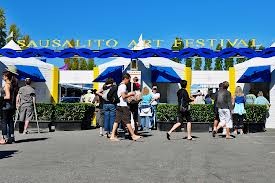
Sausalito Art Festival, Aug. 31–Sept. 2 Sausalito has long been hailed as an artist’s paradise, so hosting this excellent arts fest is a no-brainer. This year marks the 61st annual festival and features top-name musical entertainment (Lisa Marie Presley, Dave Mason and Psychedelic Furs are headliners) on three stages and gourmet food and beverages—not to mention there’s more art to see here than in some museums! Marinship Park, Sausalito. Saturday–Sunday, 9am–6pm; Monday, 9am–5pm. $5–$25; under six, free. 415.332.3555.
Coahoma to Sonoma Blues Festival, Sept. 2 It takes 31 hours to drive the 2,121 miles straight through from Coahoma, Mississippi, to Petaluma, Calif., but don’t gas up the truck just yet. Bill Bowker and the KRSH have done the legwork, bringing the blues sounds of Johnny Rawls, Charlie Musselwhite, the Hound Kings, Markus James and Kinney Kimbrough to the wine country. Lagunitas amphitheater,
1280 N. McDowell Blvd., Petaluma. 11:30am. $10. 707.769.4495.
Awake & Away, Sept. 3–29 New paintings, drawings and collages from Jane Hambleton with the theme of being grounded in the moment while simultaneously floating freely in one’s imagination. Seager Gray Gallery,
23 Sunnyside Ave., Mill Valley. 415.384.8288.
Axis Dance Company, Sept. 6 One of the world’s most acclaimed dance ensembles redefines the notions of traditional dance, featuring performers with and without disabilities. Check out the troupe that paved the way for physically integrated dance at Person Theater, Sonoma State University, 1801 E. Cotati Ave., Rohnert Park. 7:30pm. $10. 707.664.2382.
Wine Country Ukulele Fest, Sept. 6–8 Free live music kicks off the start of the festival Friday at the St. Helena farmers market in Crane Park from 10am to noon. The fun continues Saturday with ukulele jam sessions and open mic, and concludes Sunday with a kid’s day, which includes instructional workshops and live Hawaiian music. Upper Valley Campus of Napa Valley College, 1088 College Ave.,
St. Helena. 10am–5pm. $35 per workshop or $95 for three-workshop daily pass. 707.226.7372.
Cajun & Zydeco Fest, Sept. 7 This 18th annual fest in Sebastopol infuses life with some good ol’ fashioned New Orleans spice. All rumps under the redwoods are guaranteed to be shakin’ as Sunpie Barnes & the Louisiana Sunspots, Curley Taylor & Zydeco Trouble and Dwight Carrier & Ro Dogg storm the stage to take the edge off those oyster shooters. Ives Park, 400 Willow St., Sebastopol. 11:30am–7pm. $22; under 12, free. 707.823.3631.
The Beach Boys, Sept. 7 They’re still together, touring despite all the odds, bringing their message of fun, sun and surf. Talk about an Indian summer! Wells Fargo Center for the Arts, 50 Mark West Springs Road, Santa Rosa. 8pm. $65–$85. 707.546.3600.
Kitchen Memories: Kathleen Thompson Hill Culinary Collection, Sept. 7–Dec. 1 See how society has changed through time by peeking into kitchens from the 1890s to now with this collection of menus, matchbooks, giamos and gadgets. Sonoma Valley Museum of Art,
551 Broadway, Sonoma. 707.939.7862.
Tom Barbash, Sept. 10, 13
The award-winning author of
The Last Good Chance reads
from his latest collection of stories, Stay Up with Me. Other stories have been published in
Tin House, McSweeny’s and
The Virginia Quarterly Review.
Sept. 10 at Book Passage,
51 Tamal Vista Blvd., Corte Madera. 7pm. Free. 415.927.0960. Sept. 13 at Copperfield’s Books, 140 Kentucky St., Petaluma. 7pm. Free. 707.762.0563.
Chautauqua Revue, Sept. 12–14. With last year’s sold-out show, it’s no surprise that the revue is back for its 11th year. New twists with musicians, storytellers, performers and clowns keep audiences on their toes while keeping certain traditions alive. Occidental Arts and Ecology Center, 15290 Coleman Valley Road, Occidental. Thursday–Saturday at 7:30pm; children’s matinee, Saturday at 2pm. Thursday, $19–$40; Friday–Saturday, $26–$40. 707.874.1557.
Wine Country Salsa & Bachata Festival, Sept. 13–14 The first day of the second annual festival includes a special guest instructor and floor show. The next day has live salsa by Orquestra, and DJ Hong and DJ Tualteca mixing live salsa and bachata until the wee hours of the morning. Winetasting, barbecue and an after-party conclude the festivities. Finley Auditorium, 2060 W. College Ave., Santa Rosa. $70–$110. 707.293.4292.
Unity Festival, Sept. 13–15 The party comes back for a third year on the Russian River, bringing with it all the glory of community. Focus the energies of the human spirit through music, dance, art and education. The lineup includes Clear Conscience, Irie Love, Through the Roots, Kush County and others. Along the Russian River at the Guerneville Lodge. 15905 River Road, Guerneville. $35–$265. 707.327.6052.
Old Grove Festival, Sept. 14 It’s hard to find a better acoustic amphitheater than the one at the heart of Armstrong Woods. Headlining the festival is Houston Jones with ramblers Carlos Reyes, Shana Morrison, Alexander Nelson, Teresa Tudury, David Luning and Jim and Kathy Ocean. Bring flashlights, seat cushions and warm clothes. Redwood Forest Theater, 14107 Armstrong Woods Road, Guerneville. 4pm. $25. 707.869.9177.
Fiesta de Independencia, Sept. 14 Celebrate Mexico’s independence with authentic food, music, and games and activities for the entire family. Featuring live mariachi bands, piñatas and a good deal of dancing—and don’t miss out on the salsa contest. It’s always packed at the Wells Fargo Center for the Arts, 50 Mark West Springs Road, Santa Rosa. 1pm. Free. 707.546.3600.
Petaluma Craft Beer Festival, Sept. 14 Though there will be music by the Fossils, the Dixie Giants, the Friday Night Jam Band and the renowned Petaluma Pete, this event’s really about the beer. A short list of the 15 breweries participating include Henhouse, Lagunitas,
101 North, Moylan’s, Dempsey’s and Bear Republic. Downtown Petaluma. 1pm. $30–$40.
www.petalumarivercraftbeerfest.org.
Drew Carey, Sept. 14 There’s this weird parallel universe where Drew Carey, the standup comedian who had his own hit sitcom and “judged” the hilarious and occasionally risqué improv comedy show Whose Line Is It, Anyway? is the current host of the game show The Price Is Right. Wait, that’s this universe? And he’s doing a live standup show? Whoa . . . Napa Valley Opera House, 1030 Main St., Napa. $35–$40. 7pm and 9pm. 707.226.7372.
[page]
Much Ado About Sebastopol, Sept. 14–15 This fourth-annual fills the hole left when the Ren Faire finally pulled out of Novato’s Black Point, partnering with the many Renaissance guilds in the area to reproduce a merry autumn day in dear olde Elizabeth’s time, replete with fencing, workshops, games, food and drink, vendors, turkey legs and oh, the costumes! Ives Park, 7400 Willow Ave., Sebastopol. Saturday, 10am–6pm; Sunday, 10am-5pm. $8–$25.
www.muchadoaboutsebastopol.org.
Poetry Walk, Sept. 15 Petaluma’s Poetry Walk is back for the 18th year. Events are scattered throughout Historic
Petaluma within easy walking distance of each other, featuring celebrated poets and music. 11am–7pm. Free. Check website for venues and poets at
www.petalumapoetrywalk.org.
Renée Fleming, Sept. 15 Perhaps America’s most celebrated soprano, Fleming has performed at the Olympics, presidential inaugurations and even the Queen’s Diamond Jubilee. The program from this impeccable performer includes selections from Handel, Strauss, Puccini, Bernstein and others. Green Music Center, 1801 East Cotati Ave., Rohnert Park. 3pm. $25–$125. 866.955.6040.
Marin Symphony Pops Concert, Sept. 15 From movie classics to family favorites, familiar tunes from John Williams and others delight fans of all ages at the symphony’s opening concert of the season. Marin Center,
10 Avenue of the Flags, San Rafael. 6pm. $10-$50. www.marincenter.org.
Lang Lang, Sept. 17 After his successful debut at last year’s grand opening of the Green Music Center, the young pianist Lang Lang returns to Sonoma County for a sure-to-be-dazzling performance of Mozart and Chopin compositions. Green Music Center, 1801 East
Cotati Ave., Rohnert Park.
7:30pm. $55–$125. 866.955.6040.
The 27th Annual B.R. Cohn Fall Music Festival, Sept. 20–23 Annual four-day benefit starts with a charity auction dinner, swings into outdoor live music by the Doobie Brothers, Bad Company, Gin Blossoms, Heart, Pablo Cruise and others, and concludes with the celebrity golf classic. B.R. Cohn Winery,
15000 Sonoma Hwy., Glen Ellen. 11am–6pm. $89–$1,000. 707.938.4064, ext. 124.
www.brcohn.com.
Napa Valley Aloha Festival, Sept. 21 The Manaleo Hawaiian Cultural Foundation hosts live music and dance, authentic foods and arts and crafts. Napa Valley Expo, 575 Third St., Napa. 10am–6pm. Free; bring a canned-food donation. 707.966.4017.
Floating Homes Tour, Sept. 21 The Sausalito water-bound community invites visitors into some of the world’s most unique and beautiful homes. On offer are food and drinks, local musicians and an art show and sale—but it’s the houses you’ll want to experience most. Kappas Marina, Sausalito. 11am–4pm. $3–$40. 415.332.1916.
Art for Life, Sept. 21 Support Face to Face Sonoma County AIDS Network and get some fine art at this 26th annual auction and party. Mary Agatha Furth Center, 8400 Old Redwood Hwy., Windsor. Auction, $75; exhibit, free. 707.544.1581.
Sonoma County Book Festival, Sept. 21 The 13th annual book fest features readings and workshops by both local and national authors, a sure bet for any bookworm. More than 50 local authors and poets, young adult and children’s programs and even a teen poetry slam keep the whole family busy. It’s moved this year from downtown Santa Rosa to the Santa Rosa Junior College, 1501 Mendocino Ave., Santa Rosa. 10am–4pm. Free. 707.537.8783. www.socobookfest.org.
Dr. John, Sept. 21 It’s impossible to think of New Orleans without thinking of music, and from there it’s just a baby step to Dr. John, aka Mac Rebennack. The funkiest, bluesiest, jazziest, zydeco-iest organ player this side of the Chocolate Nebula, Dr. John is the embodiment of Naw’lins. Jenny Kerr opens. Uptown Theatre,
1350 Third St., Napa. $40–$55. 7pm. 707.259.0123.
Symphony Napa Valley Debut, Sept. 21 “The Phoenix Rises” is the theme of the new symphony’s inaugural concert, featuring Stravinsky’s Firebird Suite as a centerpiece, with mezzo-soprano Denyce Graves and Marnie Breckenridge. Lincoln Theater, 100 California Drive, Younvtille. 7pm. $15–$45. 707.944.9900.
Russian River Jazz & Blues Festival, Sept. 21–22 A rich tradition of blues and jazz continues with Boz Scaggs, Jeffrey Osborne, the Robert Cray Band, Los Lobos, Ledisi, Gregory Porter and the California Honeydrops performing at the best little beach on the Russian River. A wine garden, international food court, and kayaking or canoeing await. Johnson’s Beach, 16241 First St., Guerneville. 10am–6pm. $50; ages five and under, free. 707.869.1595. www.omegaevents.com.
Mill Valley Fall Arts Festival, Sept. 21–22 The sculpture, painting, ceramics and photography of some 150 different artists are on display under the beautiful trees of Mill Valley. This festival, with live music and children’s activities, ensures that all profits go to local schools and charities. Old Mill Park, 320 Throckmorton Ave., Mill Valley. Saturday, 10am–5pm; Sunday, 10am–5pm. $5–$10; under 12, free. 415.381.8090.
Napa Valley Open Studios,
Sept. 21–22, 28–29 Studios from all stretches of Napa Valley are open for this 26th annual four-
day self-guided tour, featuring artists working in diverse forms. The event is juried, and unlike other open-studio tours in the North Bay, the entire affair is
run by the artists themselves. 10am–5pm. Maps and info at www.napavalleyopenstudios.org.
Michael Chabon, Sept. 24 The Pulitzer Prize-winning author reads from Telegraph Avenue, newly released in paperback.
Book Passage, 51 Tamal
Vista Blvd., Corte Madera. 415.927.0960.
Eben Alexander, Sept. 27 The author of Proof of Heaven:
A Neurosurgeon’s Journey into the Afterlife speaks about his near death (or is that near-life?) experience. He has been on Oprah, but that’s probably not the experience he will be talking about. Lincoln Theater,
100 California Drive, Yountville. 7pm. $18–$45. 707.944.9900.
Photography in Mexico: From the Collection of SFMOMA,
Sept. 28–Jan. 12 About 100 photos make up this distinguished collection, which reveals a rich and diverse tradition of photography in Mexico. Includes pieces by Edward Weston, Tina Mootti, Manuel Carrillo and others. Sonoma County Museum, 425 Seventh St., Santa Rosa. 707.579.1500.
37th Annual Italian Film Festival, Sept. 28–Nov. 9 A chance to savor the Italian experience, this festival is a frequently sold-out event featuring various Italian movies shown over seven days. Ciao! Marin Center, 10 Avenue of the Flags, San Rafael. 5:30pm. $14–$91. 415.473.6400.
EarleFest, Sept. 28 A swingin’ afternoon spent in wide-open west Santa Rosa, this year’s benefit for the Earle Baum Center features Robert Earl Keen, Ray Wylie Hubbard, Sonny Landreth and Cindy Cashdollar and Frankie Boots & the County Line. There’ll be barbecue and cold beer, as well as local wine and veggie options to fill sun-warmed bellies. Earle Baum Center of the Blind,
4539 Occidental Road, Santa Rosa. 11am–6pm. $30–$35. 707.523.3222.
‘Wretch Like Me,’ Sept. 28–29 Bohemian contributor David Templeton’s funny, controversial one-man show returns for a victory lap with stories from the playwright’s days as a teen fundamentalist puppeteer in the ’70s in Southern California. Occidental Center for the Arts, 3850 Doris Murphy Court, Occidental. 8pm, Saturday; 4pm, Sunday. $10. 707.874.9392.
100 Thousand Poets for Change, Sept. 28-30 Join poets from all over the world (600 events in 110 countries!) for their second year as they attempt to better the world through verse. In the air, live music joins the sweet rhythms of metered verse. The event headquarters takes root at the Arlene Francis Center, 99 Sixth St., Santa Rosa. 10am–4pm. Free. Check website for local readings in your area, www.100tpc.org.
[page]
OCTOBER
Mill Valley Film Festival,
Oct. 3–13 Presented by the California Film Institute, this 35th annual event is always full of stars, with a complete lineup to be announced early September. Known for its contributions to the upcoming Academy Awards, the fest features the best of independent and world cinema screening
at four venues in Marin.
www.mvff.com.
Sonoma County Jewish Film Festival, Oct. 3–Nov. 21 The SCJFF returns for its 17th year of showcasing films about Jewish life the world over, featuring documentaries, dramas and comedies. Rialto Cinemas, 6868 McKinley St., Sebastopol. 707.528.4222. www.jccsoco.org.
Sonoma County Harvest Fair, Oct. 4–6 Hit up the World Championship Grape Stomp competition, slurp some wine, hitch a hay ride or simply get down to some swingin’ music at this annual tradition. Sonoma County Fairgrounds, 1350 Bennett Valley Road, Santa Rosa. Friday, 4:30–8:30pm; Saturday–Sunday, noon–5pm. Six and under, free. Tasting Pavilion, $50–$90. 707.545.4203. www.harvestfair.org.
Santa Rosa Symphony with Tedi Papavrami, Oct. 5 Dress to impress, as this is the opening of the symphony in a dazzling concert hall. Shostakovich’s Violin Concerto no. 1 and Symphony no. 5 feature Tedi Papavrami’s dazzling talents. Green Music Center,
1801 E. Cotati Ave., Rohnert
Park. 8pm Saturday and Monday,
2pm Sunday. $76. 707.546.8742.
Fashion at the Vineyards,
Oct. 5–6 Benefiting the Boys and Girls Club Valley of the Moon in Sonoma, this 11th annual catwalk showcases some of the hottest designers on the West Coast with food and wine provided by Nicholson Ranch Winery and Gundlach Bundschu Winery. Nicholson Ranch Winery,
4200 Napa Road, Sonoma. 5pm. $125. 707.938.8544.
Calabash, Oct. 6 The 13th annual benefit supporting Food for Thought, the Sonoma County AIDS Food Bank, features a selection of fine food and wine, a silent auction of gourd art, tours of Food for Thought’s organic gardens and live music played on hand-made gourd instruments. Food for Thought, 6550 Railroad Ave., Forestville. 1–5pm. $45–$50. 707.887.1647.
Parker Quartet, Oct. 6 This young, Grammy-winning quartet tackles the lyrical and fiery Beethoven String Quartet, op. 18, no. 5, as well as Prokofiev’s String Quartet no. 1 and Shostakovich’s String Quarter no. 9. Presented by the Mill Valley Chamber Music Society. Mt. Tamalpais United Methodist Church, 410 Sycamore Ave., Mill Valley. 5pm. $15–$30. 415.381.4453.
Bonnie Raitt, Oct. 9 This Grammy-winning singer can do it all. With hits like “Something to Talk About” and “I Can’t Make You Love Me,” she’s climbed to the top of adult contemporary charts everywhere. Marin Center,
10 Avenue of the Flags,
San Rafael. 8pm. $40–$100.
www.marincenter.org.
Napa Valley Opera House Gala, Oct. 12 The Napa Valley Opera House’s annual black-tie fundraiser auction. This year’s event includes a performance by the Bay Area’s own George Komsky and a gala dinner by Holly Peterson, followed by a live auction. Charles Krug Winery, 2800 Main St., St. Helena. 5pm. $350. 707.603.2333.
American Philharmonic: Sea Pictures, Oct. 12–13 Sonoma County’s volunteer orchestra presents a program featuring mezzo-soprano Bonnie Brooks with works by Mendelssohn, Elgar, Barber and Debussy. Santa Rosa High School Auditorium, 1235 Mendocino Ave., Santa Rosa. Saturday at 8pm, Sunday at 2pm. $5–$15. www.apsonoma.org.
ARTrails, Oct. 12–13, 19–20 With over 170 participating artists, this annual tradition is a marvelous self-guided opportunity to buy directly from artists and peek
into their workspaces. 10am–
5pm. Free. 707.579.2787.
www.artrails.org.
Paul Galbraith, Oct. 13 The brilliant innovator brings his classical guitar to Occidental with a program including works by Haydn, Ponce, Isaac Albéniz, Enrique Granados and others. Presented by the Redwood Arts Council. Occidental Center for the Arts, 3850 Doris Murphy Court, Occidental. 4pm. $30. 707.874.9392.
Lunafest, Oct. 14 Featuring short films by, for and about women, the Lunafest is a fundraising film festival held at over 150 venues nationwide that benefits women’s organizations. Wells Fargo Center for the Arts, 50 Mark West Springs Road, Santa Rosa. 11am. $15–$55. 707.546.3600.
Bioneers Conference, Oct. 18–20 Learn about groundbreaking ideas and discuss building a blueprint for sustainable systems at the 24th annual Bioneers Conference, a meeting of environmentally focused minds. Notable speakers include Charlotte Brody, Danny Glover, John Densmore and Nina Simons. Marin Center, 10 Avenue of the Flags, San Rafael. 9am–5pm.
$175–$495. 877.246.6337.
www.bioneers.org.
di Party di Rosa, Oct. 19 A bit of sparkling wine won’t be the only jewels you’ll see at the Gatehouse Gallery for this 12th annual benefit art auction. After a silent auction, frolic over the lake for cocktails, music, dinner and desserts, and, of course, dancing. Preview
party on Saturday, Oct. 5 (6–9pm; $15–$25); event on Saturday,
Oct. 19 (5–11pm; $300).
5200 Sonoma Hwy., Napa. 707.226.5991.
Rudolf Budginas, Oct. 19 The SRJC instructor and classical pianist performs multiple styles in collaboration with guitarist Kenny Lee Lewis of the Steve Miller Band. Burbank Auditorium, SRJC, 1501 Mendocino Ave., Santa Rosa. 8pm. $35. 707.527.4343.
Pink Floyd Laser Spectacular, Oct. 19 Two hours and 20 minutes of Pink Floyd blasting through a 50,000-watt speaker system with intestine-shaking subwoofers is worth the price of admission alone, but put a laser light show with it? It’s like taking drugs, but without taking any drugs! Trippy. Lincoln Theater, 100 California Drive, Younvtille. 7pm. $15–$20. 707.944.9900.
Fall Fling, Oct. 24 American Philharmonic Sonoma County’s fundraiser features food, wine, raffles and jazz music. Paradise Ridge Winery, 4545 Thomas Lake Harris Drive, Santa Rosa. 6pm. $50–$65. 707.528.9463.
Alton Brown, Oct. 25 The best thing about Alton Brown isn’t his incredible knowledge of cooking science or his charming personality or his honest bow tie, nor is it his quick wit and funny-even-the-second-time-around jokes—no wait, it’s definitely the bow tie. His traveling-show lecture and cooking demonstrations now come with a live band. Wells Fargo Center for the Arts, 50 Mark West Springs Road, Santa Rosa. 8pm. $45–$85. 707.546.3600.
Chris Cornell, Oct. 16 Soundgarden frontman takes the stage alone, with only his voice and an acoustic guitar to tell his stories. He might be the only musical artist that can get away with an opening line like, “Hey Napa, are you ready to get introspective and question life!? All right! Let’s go!” Uptown Theatre, 1350 Third St., Napa. $65. 8pm. 707.259.0123.
NOVEMBER
Hospice by the Bay’s Annual Ball, Nov. 2 Celebrating more than 35 years of care, the hospice puts on its annual gala, including hors d’oeuvres, dinner, cocktails and wine. Live auction, live music, and lively dancing. Marin Center Exhibition Hall, 10 Avenue of the Flags, San Rafael. 6pm. $250. 415.526.5500.
The 15th Annual Food & Wine Affair, Nov. 2–3 Russian River Wine Road gathers over a hundred local wineries for another delicious extravaganza of arguably the two best things in the world. Nab early tickets starting on Sept. 1. They sell out, and quickly. Various locations in Alexander, Dry Creek and Russian River Valley. 11am–4pm each day. $30–$70. 800.723.6336.
Whose Live Anyway? Nov. 9 Ryan Stiles, Greg Proops, Joel Murray and Jeff B. Davis improv comedy scenes with suggestions from the audience, just like their popular TV show Whose Line Is It Anyway?, but without the FCC to worry about. Wells Fargo Center for the Arts, 50 Mark West Springs Road, Santa Rosa. 8pm. $39–$59. 707.546.3600.
Santa Rosa Symphony with Maya Beiser, Nov. 9–11 The exciting postmodern cellist performs in two concertos: Osvaldo Golijov’s “Mariel” and Max Bruch’s Jewish folk song interpretations, titled Kol Nidrel. Green Music Center, 1801 E. Cotati Ave., Rohnert Park. 8pm Saturday and Monday, 2pm Sunday. $76. 707.546.8742.
Sebastopol Center for the Arts Auction, Nov. 16 Help support arts programming in western Sonoma County at this fun evening featuring dinner, cocktails and, of course, an auction. 6pm. Sebastopol
Center for the Arts,
282 S. High St., Sebastopol.
$100. 707.829.4797.
Artisano, Nov. 17 This fourth annual celebration of food, wine and the arts is a gem of a walk-around, eat-around, look-around afternoon, featuring high-quality crafts, boutique wineries and a quite stunning amount of food. Discover local artisan ultra-premium wines rarely available to the public, and meet some of the region’s most talented artists. Benefits Ceres Community Project. 4350 Barnes Road, Santa Rosa. Noon to 5pm. $75–$90. 707.894.8500.
New Century Chamber Orchestra, Nov. 24 Violinist Nadja Salerno-Sonnenberg
leads this acclaimed group in a program that includes Tchaikovsky, Anton Arensky, Clarice Assad and the world premiere of “Fallingwater” by Michael Daugherty. Osher Marin Jewish Community Center,
200 N. San Pedro Road, San Rafael. $29–$59. 5pm. 415.444.8000.