Get a Buzz On

0

Gordon Hull doesn’t look like the mead maker I was expecting to meet. With his button-down shirt, close-cropped gray hair and quiet, professional demeanor, I wouldn’t necessarily peg him for a mead-mad entrepreneur from Humboldt County; if he has a sort of Tim Robbins look, it’s definitely not as Erik the Viking.

But it’s Hull’s mead—a fringe beverage often associated with Renaissance fairs and D&D enthusiasts and shunted to the end of the shelf next to the Manischewitz blackberry wine—that really defies stereotypes. Heidrun mead is dry, sparkles like Champagne and has terroir.

Hull discovered “varietal,” flower-themed mead by chance. Restless as a geologist, he took a leave of absence and enrolled in a brewing apprenticeship. “I thought I was going to be a brewer,” Hull recalls, but during the first craft-beer boom in the 1990s, “everybody and his uncle was brewing.” On a whim, he tried making mead. When his supplier switched honey sources, he noticed that the mead had different characteristics. Today, he makes a changing lineup of meads, each from a different type of honey that he buys in 55-gallon drums directly from beekeepers.

After commuting from Arcata to his major market in the Bay Area for 12 years, Hull moved the meadery to a former dairy in Point Reyes Station, where horticulturalist Jordan Thompson is establishing a bee forage for the estate mead. During a tour, Heidrun beekeeper Brad Albert showed off an abandoned honeycomb. Laden with honey, it’s as heavy as a brick. Albert explains that if the colony doesn’t feel their queen is pulling her weight, they may revolt.

In the sunny, greenhouse tasting room, bee-friendly plants are offered for sale, and the bar is made from bee boxes and riddling racks. Unlike sweet, Ren fair mead, Heidrun meads are dry and made méthode champenoise style. “Our palate has come a long way since Medieval times,” says Hull.

Served in a flute, Oregon Radish Blossom Mead ($25) has a sweet, honey aroma all right, but it’s light and sparkling. Oregon Meadowfoam Blossom Mead ($25) has a strawberry, cotton candy aroma and a roiling mousse, while the crisp, nutty Hawaiian Macadamia Nut Blossom Mead ($25) evokes apricot nectar. On familiar territory, California Orange Blossom Mead ($20) has a rich, blanc de noirs–style finish; Madras Carrot Blossom Mead ($20) reminds me of Jura white wine aged on flor, while Hull suggests patchouli. So there is something hippie about this place, after all.

Heidrun Meadery, 11925 Hwy. 1, Point Reyes Station. By appointment only, Monday–Friday. Tasting fee, $10; with tour, $15. 415.663.9122.

Bottleshocks

0

John Trinidad, a wine industry attorney who lives on Main Street in Napa, was cleaning up from a party when his home started shaking.

“At first, I thought it was a little roller,” he explained. “But then, it got pretty violent, with full-on shaking. I had already braced myself, so just kind of rode it out, but heard a lot of things crashing around me. After the shaking stopped, I looked around and, yep, a lot had come out of the cupboard—broken glass, broken plates, lots of things on the ground.”

The 6.0 magnitude earthquake that struck southern Napa County on Aug. 24 was the strongest California had experienced in 25 years.

The media quickly turned its attention to wine—and the economic impact of the quake. Although Napa Valley accounts for less than 4 percent of America’s total wine production, it’s the country’s best-known wine region. And it’s a big moneymaker. The region’s wine industry has an economic impact of $50 billion annually.

At its heart, though, Napa Valley is a working-class, farming community. And in the wake of the earthquake, brand Napa Valley—$300 “cult” Cabernets, Michelin-starred restaurants and the like—was overshadowed by kinship and kindness.

Alexandra Evans moved to the region from Washington, D.C., just nine months ago. She was floored by the generosity she witnessed.

“People up north—Calistoga,
St. Helena—really weren’t affected. But they were offering to help in any way they could,” she said. “Coming from a big city, you don’t necessarily expect to know your neighbors. Here, people loaded up their cars with food and water to help neighbors they’d never even met. The presence of community was impressive.”

On Facebook, Back Room Wines, a wine shop in downtown Napa, urged locals to bring by “stained and slightly damaged bottles” to share. “Talk about your week if you want, or just listen,” the invite urged.

Cadet Wine & Beer Bar, a popular hangout that lost more than $15,000 in wine, took to Facebook and Instagram to invite locals by for beer. “We lost some wine but the beer taps are untouched,” the owners urged. “Come by today for beer on us.”

As vintners posted heartbreaking photos, locals responded with an all-hands-on-deck mentality. “Wineries offered tank space, barrels, forklifts—even just elbow grease—to the wineries that were hit,” Evans said.

Esteemed winemaker Steve Matthiasson tweeted devastating photos. The earthquake sent all his 2013 barrels tumbling to the ground and forced his family to move out of their 1905 farmhouse. Yet when the Matthiassons turned to their customers for support, it was to raise money for the Napa Valley Community Disaster Relief Fund through a limited-release wine.

As wine writer John Brooks noted in an email to friends, “This strikes me as extraordinary. At a time when they’ve suffered significant damage to their home and their business, the Matthiassons have chosen to prioritize others ahead of themselves.”

After touring Napa’s wreckage for much of the morning on Aug. 24, John Trinidad rested on his front porch with friends. As stories were shared, Matt Naumann, assistant winemaker at Failla, walked by with his young daughter.

“How’d you guys do?” Trinidad asked.

“Last night, we wiggled!” replied Naumann’s daughter, dancing to animate the answer.

“To see a kid with that reaction was perfect,” he explained. “We’re all healthy. No one is hurt. Napa is an amazingly strong, resilient community. We’ll be OK.”

David White is the founder and editor of Terroirist.com, which was named ‘Best Overall Wine Blog’ at the 2013 Wine Blog Awards. His columns are housed at Grape Collective.

Better Bitters

0

A proper cocktail extends beyond the quality of the liquor that’s in it. The flavoring agents are equally if not more important, especially those added in the smallest amounts: bitters.

What is perhaps the first published definition of a cocktail, from The Balance and Columbian Repository in 1806, reads: “Cocktail is a stimulating liquor, composed of spirits of any kind, sugar, water and bitters . . . and is supposed to be an excellent electioneering potion, inasmuch as it renders the heart stout and bold, at the same time that it fuddles the head.”

“How cute is that?” proclaims Napa Distillery mixology specialist Britn Jones after reading the definition from a note saved on her phone. The twenty-something enjoys whiskey drinks and knows a thing or two about bitters, an essential ingredient in any proper cocktail featuring the aged brown liquor. She even makes her own. “Bitters are basically comprised of a bittering agent, a flavoring agent, a slew of different herbs and botanicals, and a very, very high-proof alcohol,” she says.

Making bitters is not a simple DIY task. It involves infusing bittering agents like burdock root and other botanicals in a base alcohol (usually grain alcohol), then boiling the mixture down and straining it. Repeat that process a few times over a couple months, and the $20 price tag for a 100 ml bottle of Bob’s bitters doesn’t seem too steep. Plus, Bob’s, from the U.K., makes the recipe from Abbott’s, the original bitters company from the turn of the century which ceased production in the 1950s.

“That’s the original bitters called for in a Manhattan,” says Arthur Hartunian, owner of Napa Distillery.

“Before Prohibition, there was a section of the bar dedicated to bitters,” he says. A reputable bar had a selection of at least 15 different flavors, but Prohibition killed off all but a handful of companies. The familiar Angostura Bitters survived because it was headquartered outside the United States, but changed its recipe three years ago to reduce production costs, says Hartunian, much to the dismay of cocktail aficionados.

Only in recent years have artisanal bitters companies begun to rise again. Hartunian’s retail shop in Napa’s Oxbow Market carries over 300 varieties from around the world.

“Resurgence of American craft spirits, I think, is driving the new cocktail scene,” he says. “That’s raising awareness of what cocktails can be. It’s not about drinking them—it’s about the experience of the drink.”

The walls of eyedropper bottles at Hartunian’s Napa shop can be intimidating, but the tasting bar can help. A couple drops is all it takes to get the sense of what a particular bitter can do to a drink, and they are wildly different. Citrus bitters add a fruity essence; habañero bitters add an eye-popping zing. There are even frankincense bitters for a holiday flavor.

But Hartunian is old-school with his favorite, choosing the ancient Abbott’s recipe as a staple. He’s even cooked with it. “I use bitters in pancake batter,” says Hartunian. “It adds a bit of an herbal flavor to it.”

The fact that it’s an additive that can be used in cooking kept bitters legal during Prohibition. “Add zest and flavor to fruits, fruit salads, jellies, sherbets, etc.,” says Hartunian, reading from a bottle of Abbott’s from the era.

Keep the Beat

0

Calvin Johnson isn’t exactly a household name, though his impact on underground indie rock is undeniable.

Johnson is a singer, songwriter, producer and label owner whose do-it-yourself ethic has become the standard for musicians and labels alike. His 30-plus years making and sharing music has influenced countless more well-known artists, though Johnson remains modest in his work and inspired by the music.

This week, Johnson’s band the Hive Dwellers make their Santa Rosa debut when they play the Arlene Francis Center. Johnson is known for his distinct droning vocals and playful lo-fi indie pop in bands like Beat Happening and the Halo Benders. He’s also the founder and head of K Records and Dub Narcotic recording studio, making him a one-man enterprise of independent music.

“One of the things I try to live by is ‘Where’s the passion?’ It needs to be there,” says Johnson, speaking by phone from K Records headquarters in Olympia, Wash.

Johnson first discovered his own passion for music as a young man living in Olympia. He was exposed to an array of independent and progressive music while volunteering at the local community radio station in 1977, and soon he was writing for fanzines and booking local shows.

Olympia is a small town, smaller than Novato, yet it’s musical culture is on par with other northwest hubs like Seattle and Portland. “People just stay home and work on their stuff,” says Johnson. “Just about every night there’s a show somewhere. It’s a little bit overwhelming.”

In 1982, Johnson founded his first band, Beat Happening, as well as his label, K Records. While other pioneering labels like Sub Pop Records grew to near major-label status, Johnson has kept K Records small by design, keeping his passion focused on that shared experience of discovering and celebrating great music. “I’m still very excited about music—seeing people expressing themselves and inspiring others with what’s in their heart,” explains Johnson.

Since 1993, Johnson has also worked as a recording producer at his Dub Narcotic Studios, and though the majority of acts he works with are local musicians, breakout indie bands like Built to Spill and Modest Mouse have spent time in the studio. In one form or another, Johnson has contributed to a few hundred albums throughout his career.

The Hive Dwellers formed in 2009, after Johnson spent a decade playing and recording largely as a solo artist. At first, the project was a conglomeration between him and an assortment of friends playing around, and the band’s debut album reflects that cacophony. But for the last few years, the band has evolved a set lineup, and this year the group released its sophomore LP, Moanin’.

Johnson describes the follow-up as both “a lot more immediate and more spontaneous,” and he’s more than ready to finally bring the band’s new material to the North Bay.

An Ideal ‘Husband’

The vast majority of theatergoers, if they have ever seen a play by Oscar Wilde, have probably seen The Importance of Being Earnest, one of the funniest plays ever written. One might be excused for assuming that all of his plays are like that. But one would be wrong.

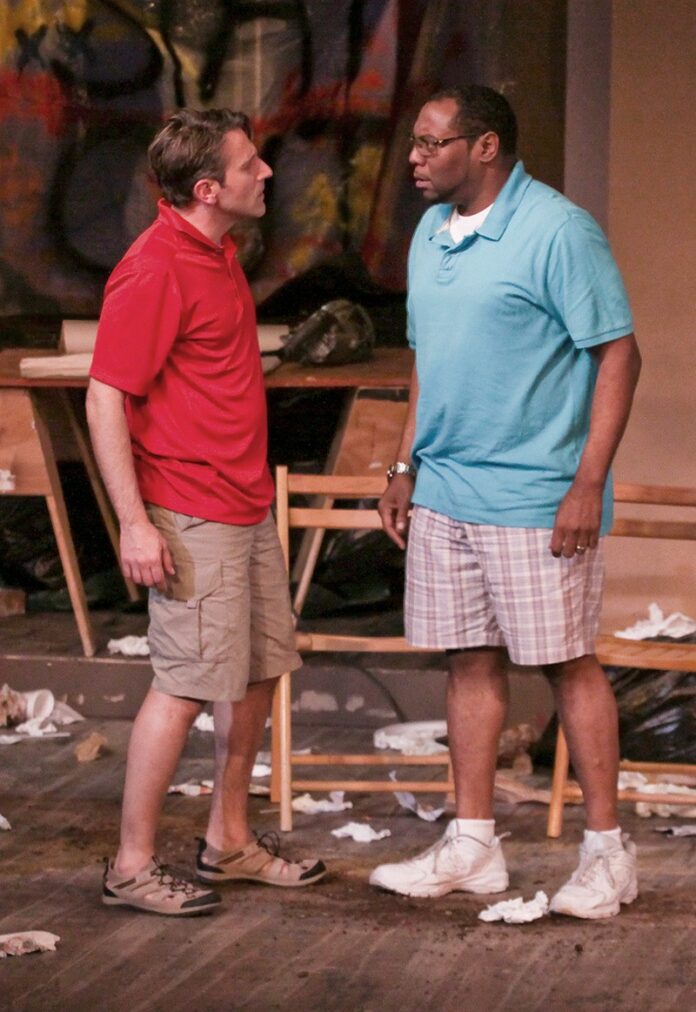
Take, for example, An Ideal Husband, now playing at Marin Shakespeare Co. in San Rafael. Crisply directed by Robert Currier, Wilde’s cleverly plotted social critique is riveting, packed with philosophical questions and imbued with an escalating sense of tension that is balanced beautifully by the frequently funny remarks of its characters. A fusion of drawing-room comedy and political thriller, the play was thought by many to be superior to Earnest, and yet it’s rarely performed.

Thankfully, Marin Shakespeare— celebrating its 25th anniversary this season—has a reputation for resurrecting forgotten gems. Though An Ideal Husband will likely be eclipsed in audience attendance by the far-better-known Romeo and Juliet (a lovely staging of which runs in repertory through the end of September), Wilde’s lesser-known play is so brilliantly acted it deserves full houses.

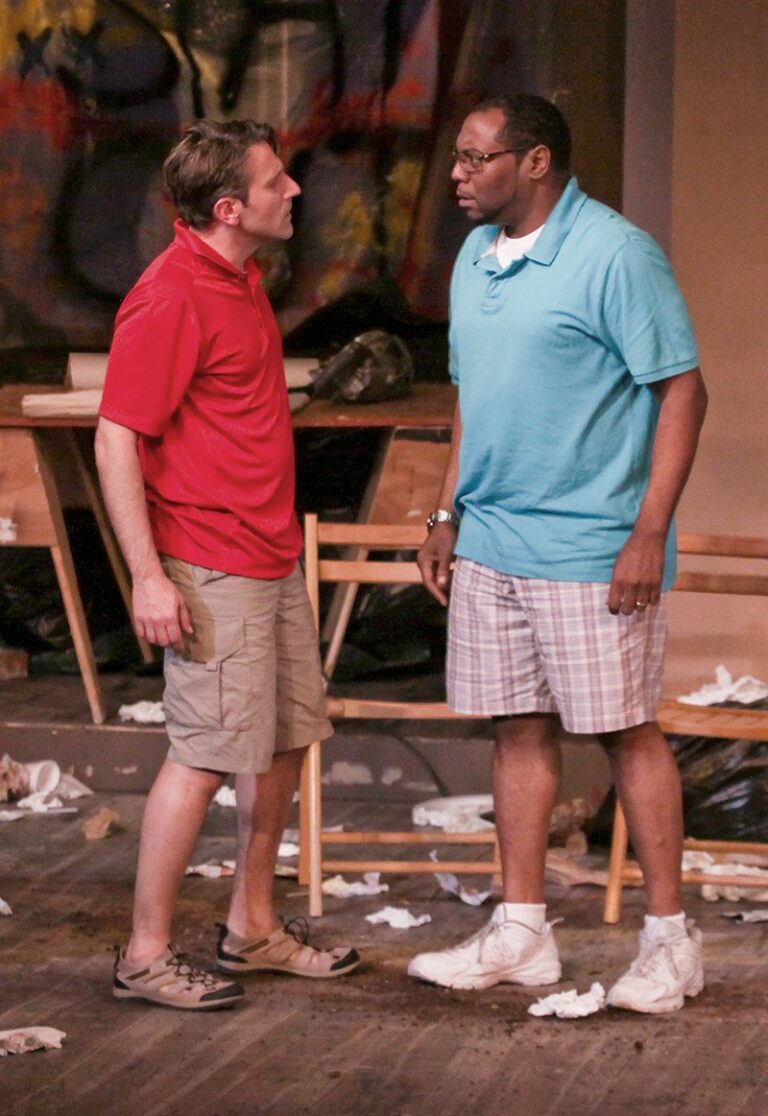
Sir Robert Chiltern (Nick Sholley) is a well-regarded politician, known far and wide for his unflinchingly decency, traits that first attracted his devoted wife, the equally unwavering Lady Chiltern (Marcia Pizzo).

During a party at the Chilterns’, attended by Sir Robert’s hedonistic bachelor friend Lord Goring (Darren Bridgett), Sir Robert is stunned when a beautiful visitor to London, the mysterious Mrs. Cheverley (Cat Thompson), tells him she has a letter proving he once sold secret government information for money. If he does not agree to make a speech in the House of Commons supporting a fraudulent scheme to build a canal in Argentina (a scheme that will add to Mrs. Cherverley’s fortune), she will publish the letter, destroying Sir Robert’s reputation.

Unfolding over the next 24 hours, the play is crammed with twists and turns, surprises, revelations, misunderstandings and thwarted plans. But unlike Earnest, in which all the plotting adds up to little more than a good time, An Ideal Husband has plenty to say about how we judge our leaders, our neighbors and ourselves.

The cast is sensational, dropping delicious one-liners while moving the taught tale through to its deeply satisfying conclusion.

Rating (out of 5): ★★★★½

Hoodwinked

Ronald Glatzer and Wash Westmoreland’s
The Last of Robin Hood is an enjoyable specimen of the low-budget Hollywood biopic. It begins with the death of Errol Flynn (Kevin Kline), who went out before his last scandal began. He had been carrying on with a minor, Beverly Aadland (Dakota Fanning), a 15-year-old posing as a 20-year-old.

Beverly had been a chorus girl on an unnamed studio lot, here set up for a supposed audition, which turned into a night of pink Champagne and a quick, harsh loss of virginity on the proverbial casting couch. The twenty-ish Dakota Fanning looks pearl-pink, wearing what you could call a blonde Bettie Page cut, and her cool, lazy half-smile softens the movie’s rough patches. As Beverly, she assumes she’s been used and dropped by the fading star, but he returns to declare his love and to make amends.

The open question in The Last of Robin Hood is how much Beverly’s mother connived in the affair. Florence Aadland was a stage mother, a dancer whose career ended after a drunken auto accident. Played by Susan Sarandon, her big eyes magnified by cat’s-eye specs, Florence comes across as a shrewd if only half-bright person who wanted her daughter to hit the big-time but hadn’t thought through the possible consequences.

Those old enough to be entertained by Errol Flynn in a swashbuckler may feel Kline, showing a glimmer of the real Flynn, honors the memory. He arranges himself like an old-time star, favoring his profile, sitting with the sunlight behind him, restraining his wattles with an ascot.

The film, however, is straightjacketed by copyrights and a low budget. Turns out that Flynn’s work can’t be discussed except in terms of the public-domain hero of Sherwood Forrest, so in the end this Robin Hood feels as though it’s stitched together with tabloid front pages and overnarration.

‘The Last of Robin Hood’ opens at Summerfield Cinemas Sept. 5.
551 Summerfield Road, Santa Rosa. 707.522.0719.

Community in Transition

0

Sonoma County is known for its posh wineries, natural beauty and upscale living. But in the midst of this affluence is Roseland, an urban, majority Latino unincorporated neighborhood just west of Santa Rosa. Socioeconomic indicators in the area lag far behind the rest of the county—and the country at large. In some parts of the neighborhood, the quality of life is lower than in Mississippi, the lowest ranked state in the country, according to data from the Social Science Research Council.

This spring, the Sonoma County Board of Supervisors received a 100-page report commissioned by the Sonoma County Department of Health Services titled A Portrait of Sonoma County that detailed this inequality. The report examined the health, access to education and living standards of different parts of the county. East Bennett Valley, for example, with a 90 percent white population, has a quality of life on par with the wealthiest in the nation. The area’s median yearly income is $68,967.

In Roseland, median yearly income is $21,699, and nearly half of the adult population did not graduate from high school. A 2007 RAND study showed that 65 percent of the population of south Santa Rosa, including Roseland, is overweight or obese. These conditions can lead to a host of problems, including diabetes, hypertension, heart disease, stroke, sleep disorders, depression and death.

The good news is that there are efforts afoot to raise the standard of living in Roseland and break the cycle of poor health.

A visit to the Sarmiento family home, just south of Roseland Elementary School, used to include a soda. “Being a Latino family, you always want to offer someone a soft drink when they visit you,” says 32-year-old Alejandra Sarmiento.

But then a doctor’s test changed everything. Sarmiento’s husband, Jose, 35, learned his cholesterol levels had reached a dangerous 260, leaving him at a high risk for heart disease. Sarmiento, who does all of the grocery shopping and cooking for her household, took a hard look at what her family of five consumed on a daily basis.

“I didn’t want to get sick in the future,” Sarmiento says. “I don’t want to see my children get sick or have the same problems as their parents. I want to improve everything having to do with their health.”

A founding member of the Roseland Roadrunners Parents Club, Sarmiento started taking regular weekend walks with her husband, who works long hours as a landscaper, and on weekdays with the rest of the Roadrunners. In March 2014, she started attending free nutrition classes, followed by a calorie-burning Zumba workout three days a week on the Roseland Elementary campus, where her two eldest children attend school.

Taught by Promotoras de Salud / Health Promotors, who are trained as advocates and instructors in their own community, Sarmiento received tips on how incorporate exercise into a busy day, the different ways to get protein without meat (chia seed pudding, for example), and how one can of cola contains almost 10 teaspoons of sugar and how a bag of Takis contains enough sodium and fat to last all week.

“You won’t find a soda in my house now, even as a remedy,” Sarmiento says with a laugh.

Sarmiento also slashed the family’s red meat intake, replacing higher-fat proteins with lentils, garbanzos and seafood. Gone, too, were the weekend family trips to taco trucks, replaced by salads, fruits and vegetables prepared at home.

Jose’s cholesterol level has dropped to 200, significantly lessening his chances of heart disease or stroke. Sarmiento has lost 10 pounds, and says she feels happier and more connected because of the camaraderie found at the energetic Zumba class, which attracts dozens of mainly Latina moms. Plans are in the works to add yoga, Pilates and cooking classes later this year.

Zumba and nutrition lessons arose from parent demand, says Teresa Lopez, community organizer and action trainer with St. Joseph Health systems. Lopez helps facilitate the classes, which are sponsored by St. Joseph, and cost only $2. She also recruits community members for an intensive community leadership training course run through her employer.

“Last year, during a community forum, parents expressed frustration at the difficulties of exercising and eating healthy in their neighborhoods,” Lopez says. “They said they couldn’t afford the gym and they wanted more accessible exercise classes and nutritional lessons.”

They were able to get classes off the ground quickly; the scaffolding already existed due to the Healthy Eating, Active Living Community Health Initiative (HEAL), with which St. Joseph is a partner. A project of the Community Activity and Nutrition Coalition of Sonoma County and funded by Kaiser Permanente, HEAL began in 2006 and runs through late 2014.The idea is to build a “sphere of influence” in Roseland, creating a “HEAL zone” where community members of all ages and economic backgrounds can access healthful foods and physical exercise with ease.

HEAL has streamlined collaboration, communication and funding opportunities for a long list of partners: the Center for Wellbeing, Sonoma County Department of Health Services, the Redwood Empire Food Bank, community health clinics, Community Alliance of Farmers, Sonoma County Bicycle Coalition, Community Action Partnership, Santa Rosa Parks and Recreation, the Healthy Food Outlet Project and the Roseland School District. All are united by one goal: to make Roseland a healthful place to live and work.

‘Roseland School District is a hub for resource-needy people,” says Jessica Peterson, a community grant coordinator at the district. Peterson works closely with staff and administration to create a “culture of wellness” for the district’s 2,727 students.

[page]

Lack of transportation and financial resources bind many residents to their neighborhood, says Peterson. Some kids have never traveled to Howarth Park or Spring Lake, only a few miles away. Families are therefore dependent on the local schools, markets, streets and parks to provide exercise, education, nourishment and entertainment. But, as Portrait of Sonoma County points out, Roseland lacks open space and parks. In other words, the “built environment,” as public health officials define it, has everything to do with the health of a community.

Peterson points to Bayer Farm, a six-acre community farm and neighborhood park just a block from Sheppard Elementary, as one of the great HEAL zone successes. Built in a collaboration between Landpaths and Santa Rosa Parks and Recreation Department, the farm offers gardening and cooking classes and the opportunity grow organic foods.

“We can make systemic changes in the neighborhood,” says Peterson, emphasizing the long-term goals of HEAL.

The biggest shifts in nutrition and exercise have occurred in the elementary schools, the target of the first phase of HEAL. Concerns rose when a 2010–11 sampling of 266 kindergarten, second- and fifth-grade students at Roseland and Sheppard Elementary revealed that 34 percent of
the students were obese and
25 percent overweight. Thirty-nine percent of the students were at a healthy weight.

In response, the school district contracted with Oakland-based Revolution Foods to be the new lunch provider. The school meal service provides lunches made from whole, non-GMO, organic and, when possible, local ingredients. Every meal comes with a fruit and a vegetable.

“It was a big change for our students,” says Alicia Vega, the district’s food manager. The first year, kids refused to eat the food. Most of the organic Granny Smith apples ended up in the trash.

But participation has improved dramatically since then, says Vega. The next step was getting kids to eat in the morning. Before the roll-out of what’s called “universal breakfast,” just 6 percent of the students were eating breakfast at school. Now, with milk, cereal, hard-boiled eggs and fruit brought to classrooms by “breakfast ambassadors,” about 96 percent of kids are eating a nutritious breakfast district-wide, says Vega. Other changes include the “Yummy Curriculum” taught by nursing students from Sonoma State University.

A program called “Harvest of the Month” is one of the biggest hits. Once a month, each elementary classroom receives a delivery of fresh fruits or vegetables from local farms like Bloomfield Organics in Valley Ford and Stony Point Strawberries in Petaluma. The kit contains enough of that month’s selection, of say, strawberries, kale, cabbage or multicolored carrots for 32 kids to taste. It’s rounded out with farmer profiles, a nutritional and historical factsheet and a newsletter for the parents. Harvest literature and recipes are also posted in local markets, part of a HEAL zone’s Healthy Food Outlet.

Developed by the Community Alliance with Family Farmers (CAFF), the harvest kits are subsidized and given out free
to schools where more than
50 percent of the students qualify for free or reduced lunch. In Roseland, more than 90 percent of the students qualify.

“The kids in Roseland have the greatest health risks by far having to do with where they live,” says Heather Granahan, regional food systems manager for CAFF’s North Coast office. “Schools have a huge role in establishing eating habits with kids. According to research scientists at Kaiser, it’s key that kids have peer-support for eating healthier foods.”

If student response to the kits is a clue, then the peer support is happening.

“We’ve had kids fighting over the leftover kale,” says Granahan. “We’ve had reports from parents about students asking for better food at their house. We’re trying to have a ripple effect here.”

Physical activity on campuses has increased with “active recess,” where a trained coach runs kids through fun, gender-neutral games like celebrity tag to get them moving. The Sonoma County Bicycle Coalition sponsors a walking school bus and family bicycle workshops. Plus, instructors like Garret Cuneo, who teaches fourth grade at Roseland Elementary, are doing their part. Cuneo’s class does a 30-minute workout routine in the morning before class starts.

“There’s a very tangible difference in their attitudes and performance after the workout,” Cuneo says via email. “They’re more alert and responsive.”

The data isn’t yet clear, but preliminary 2012–13 body-mass measurements at Roseland elementary show a decrease in obese and overweight students. But it’s not possible to form absolute conclusions from the data yet because of differences in sample sizes and methodology.

What is clear is that kids like Jesus and Daisy Sarmiento are benefiting in two ways: they get good nutrition at school, along with chances for exercise; and at home, their mom Alejandra Sarmiento reinforces the knowledge by modeling healthy living herself.

Some parents have not gotten on board. Hortencia Garcia manages the kitchen at Roseland elementary. She says she still sometimes sees people buying lard-laden tamales for breakfast, for their kids and for themselves, from mobile food vendors parked just outside the school limits. A county ordinance passed in 2009 prohibits vending within 500 foot of any school property, but it’s been difficult to enforce the rule. And the vendors keep coming.

But go to a Zumba class at Roseland elementary and you’ll see the success stories. One woman’s depression is gone. Another has lower insulin levels. And many of the women have dropped a few pounds.

You’ll see that Alejandra Sarmiento has become a community leader. Recently, she was recruited for a five-day neighborhood leadership training class through St. Joseph’s. Sarmiento got a crash course in social justice, community organizing and outreach. She learned about the relationship between governmental policy and the health of communities and strategic planning. She’s excited to go to neighborhood stores as a Healthy Food Project representative, where, for a stipend, she’ll promote marketing and product-placement.

Sarmiento says the training, the nutrition classes and, yes, even the Zumba sessions, have given her a voice.

“I didn’t feel empowered before,” she says. “I felt embarrassed and unsure of myself. But now I feel able to make change.”

This article was produced as a project for The California Endowment Health Journalism Fellowships, a program of the USC Annenberg School for Communication and Journalism.

Popping Up

0

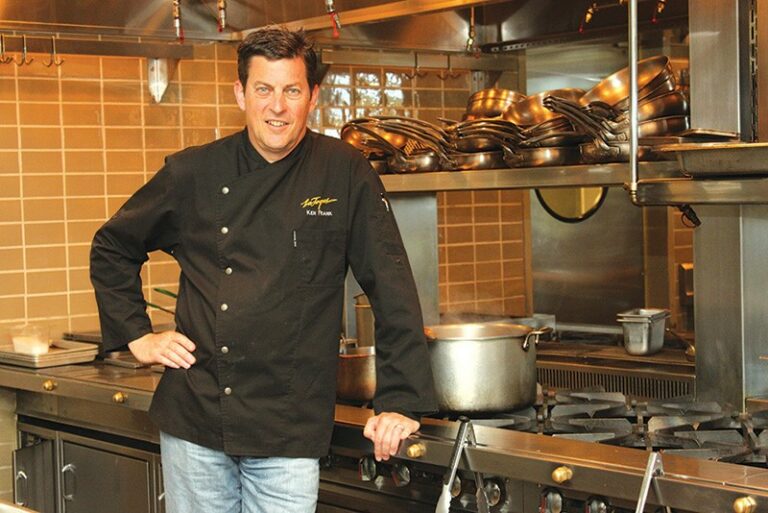
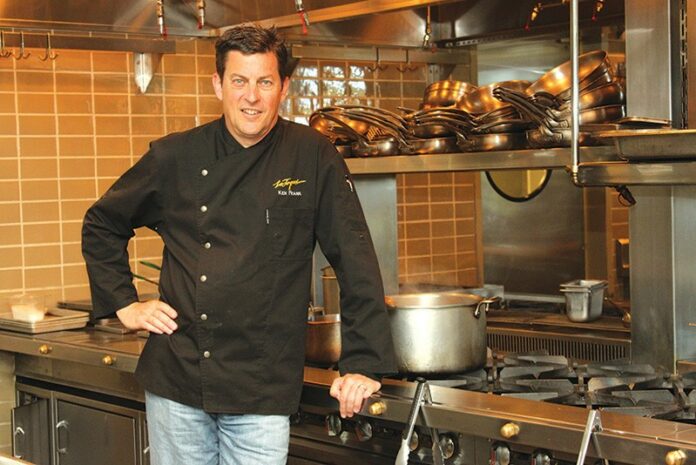
The Monday night food scene in Sonoma County is really starting to pop. Not long after I made my way to Ramen Gaijin’s every-other-Monday-night pop-up at Sebastopol’s Woodfour Brewing Co., I learned that Casino’s Mark Malicki (pictured) is opening a Monday-night pop-up at Thistle Meats in Petaluma on Sept. 8. While the menu is still in flux, he says he plans to do small plates. And lots of meat dishes.

“The space really lends itself to that,” he said.

Thistle Meats co-owner Molly Best wanted to do something with Malicki long before she opened her excellent butcher shop. Malicki has cooked at scores of Sonoma County restaurants but has scored a hit with his eclectic, highly seasonal menus he cooks in an the tiny kitchen at the back of Bodega’s Casino Bar and Grill.

“Mark is incredibly inspired, and we’re really excited to be working with him,” she said.

Malicki already buys his meat from Thistle so the pop-up is a natural. He also lives around the corner. The butcher shop is small, so space will be at a premium for the pop-up. The good news is that there will be seating around the shop’s beautiful butcher’s table. All told, there will be about 20 seats and probably two seatings. It’s BYOB for now, but depending on how things go Best says she might pursue a beer and wine license and see about involving local wineries.

Thistle Meats, 160 Petaluma Blvd., Petaluma. 707.772.5442.

Major Malfunkshun

0

One of the godfathers of grunge is back, but it’s not your fault if the name doesn’t ring a bell.

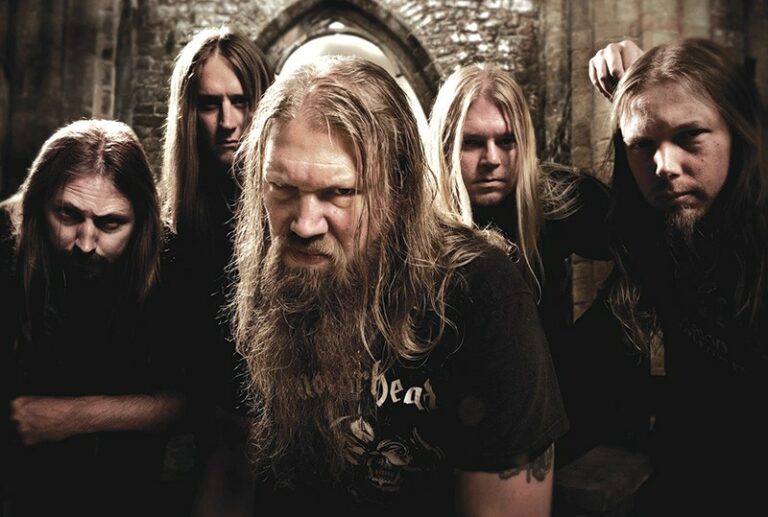
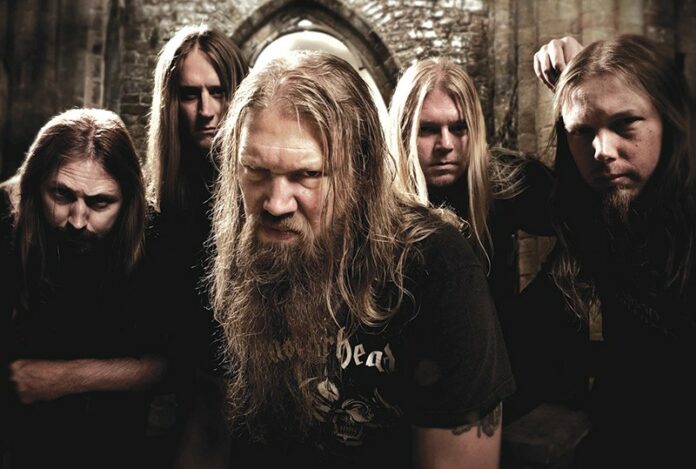
Malfunkshun started in Seattle in 1980. They’re connected to many of the hugely successful acts that broke out to national stardom from the scene in the ’90s, like Nirvana, Soundgarden and Pearl Jam, but never really made it to the top. Now, 34 years later, with a retooled lineup, the band is back on the road with new tunes and old favorites.

In the interim, the band has had a wild ride. Of the two founding members, one, singer Andy Wood, found success singing with Mother Love Bone before dying of a drug overdose in 1990. Kevin Wood, the founding guitarist, restarted the group in 2006 after a documentary about Wood toured film festivals the previous year.

The voice of Malfunkshun these days is former Blacklist Union and L.A. Guns frontman Tony West, whose style lands somewhere between Axl Rose and Steven Tyler. The familiar grunge sound is tinged with a metal edge in their live shows these days, and earplugs are a good idea, no matter how uncool those bright orange plugs may look under blacklight.

Malfunkshun play Saturday, Sept. 6, at HopMonk Tavern. 230 Petaluma Ave., Sebastopol. 8pm. $12. 707.829.7300.

Lone Star

0

Songwriter and multi-instrumentalist Walt McClements has been playing music as long as he can remember. He’s known for his work in folk and blues acts like Dark Dark Dark and Hurray for the Riff Raff, and for the last few years he’s honed his songwriting under his solo moniker Lonesome Leash.

This week Lonesome Leash performs at the new Aubergine.

Growing up in North Carolina in a musical family—his dad was a piano player—McClements learned to play a progression of instruments from banjo to saxophone. After high school, he traveled around the country before settling in New Orleans 10 years ago. Recently, he picked up again, moving to Los Angeles.

“It’s an extremely livable city,” says McClements over the phone from L.A. ” There’s a lot of good people here. It’s not all glitz and glamor.”

Moving on to the subject of his music, McClements shares how he went from ensemble player to songwriter. “About four or five years ago, I started to get a little too busy with bands and touring schedules, trying to balance a lot of projects,” says McClements. “And I was working with bands that had seven or eight pieces. That takes a lot of time, and there came a point where I had the desire to work and perform without having to make a production out of it.”

McClements started writing earnestly with his large brass band, Why Are We Building Such a Big Ship?, though the rhetorical nature of the band’s name began to spark questions in his own mind.

“I asked myself, ‘Do I care about writing good songs, or do I just phone it in with layered orchestrations?'” says McClements. “Part of my desire for this project is to get down to a smaller palette and see how that inspires me. Limitations can be powerful to work with.”

With that focus in mind, Lonesome Leash was born. “At first it was just a drum machine and accordion,” says McClements, “but the drum machine got fired.” Live drums offer a more organic set-up, and McClements’ sonorous squeezebox and expressive vocals create a lush soundscape within the modest instrumentation.

Last month, Lonesome Leash released a new single, “The Night Was Old,” a rousing song McClements also calls “more direct and earnest than I’m used to.” The song is a perfect stepping off point for new listeners, heralding the cathartic sound Lonesome Leash is working toward on his full-length release, slated for early 2015.

Get a Buzz On

Gordon Hull doesn't look like the mead maker I was expecting to meet. With his button-down shirt, close-cropped gray hair and quiet, professional demeanor, I wouldn't necessarily peg him for a mead-mad entrepreneur from Humboldt County; if he has a sort of Tim Robbins look, it's definitely not as Erik the Viking. But it's Hull's mead—a fringe beverage often associated...

Bottleshocks

John Trinidad, a wine industry attorney who lives on Main Street in Napa, was cleaning up from a party when his home started shaking. "At first, I thought it was a little roller," he explained. "But then, it got pretty violent, with full-on shaking. I had already braced myself, so just kind of rode it out, but heard a lot...

Better Bitters

A proper cocktail extends beyond the quality of the liquor that's in it. The flavoring agents are equally if not more important, especially those added in the smallest amounts: bitters. What is perhaps the first published definition of a cocktail, from The Balance and Columbian Repository in 1806, reads: "Cocktail is a stimulating liquor, composed of spirits of any kind,...

Keep the Beat

Calvin Johnson isn't exactly a household name, though his impact on underground indie rock is undeniable. Johnson is a singer, songwriter, producer and label owner whose do-it-yourself ethic has become the standard for musicians and labels alike. His 30-plus years making and sharing music has influenced countless more well-known artists, though Johnson remains modest in his work and inspired by...

An Ideal ‘Husband’

The vast majority of theatergoers, if they have ever seen a play by Oscar Wilde, have probably seen The Importance of Being Earnest, one of the funniest plays ever written. One might be excused for assuming that all of his plays are like that. But one would be wrong. Take, for example, An Ideal Husband, now playing at Marin Shakespeare...

Hoodwinked

Ronald Glatzer and Wash Westmoreland's The Last of Robin Hood is an enjoyable specimen of the low-budget Hollywood biopic. It begins with the death of Errol Flynn (Kevin Kline), who went out before his last scandal began. He had been carrying on with a minor, Beverly Aadland (Dakota Fanning), a 15-year-old posing as a 20-year-old. Beverly had been a chorus...

Community in Transition

Sonoma County is known for its posh wineries, natural beauty and upscale living. But in the midst of this affluence is Roseland, an urban, majority Latino unincorporated neighborhood just west of Santa Rosa. Socioeconomic indicators in the area lag far behind the rest of the county—and the country at large. In some parts of the neighborhood, the quality of...

Popping Up

The Monday night food scene in Sonoma County is really starting to pop. Not long after I made my way to Ramen Gaijin's every-other-Monday-night pop-up at Sebastopol's Woodfour Brewing Co., I learned that Casino's Mark Malicki (pictured) is opening a Monday-night pop-up at Thistle Meats in Petaluma on Sept. 8. While the menu is still in flux, he says...

Major Malfunkshun

One of the godfathers of grunge is back, but it's not your fault if the name doesn't ring a bell. Malfunkshun started in Seattle in 1980. They're connected to many of the hugely successful acts that broke out to national stardom from the scene in the '90s, like Nirvana, Soundgarden and Pearl Jam, but never really made it to the...

Lone Star

Songwriter and multi-instrumentalist Walt McClements has been playing music as long as he can remember. He's known for his work in folk and blues acts like Dark Dark Dark and Hurray for the Riff Raff, and for the last few years he's honed his songwriting under his solo moniker Lonesome Leash. This week Lonesome Leash performs at the new Aubergine. Growing...
11,084FansLike
4,446FollowersFollow
6,928FollowersFollow