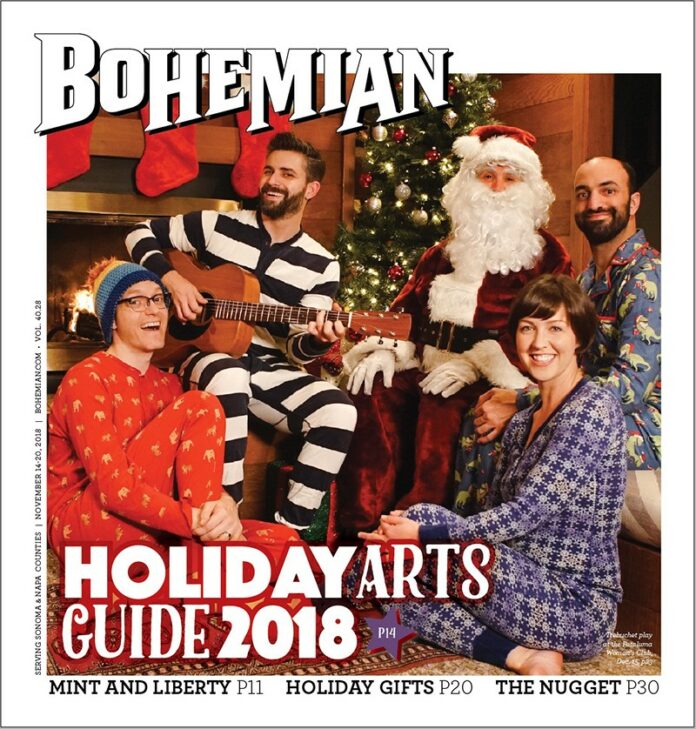
Ready or not, nearly two months of holiday fun and cheer are coming your way. To help navigate the season and keep your spirits bright, we present our select guide to multi-denominational holiday fun.
EVENTS
Holidays Along the Farm Trails Celebrate the season with the local agricultural community, as farmers and producers offer a view of life on the farm. Find farm-stand gifts, cut a Christmas tree to take home and enjoy DIY workshops. Hosted by Sonoma County Farm Trails. Nov. 14–
Jan. 1. Various Locations in Sonoma County. Registration required. farmtrails.org.
WinterBlast The South of A arts district in Santa Rosa turns into a dazzling wonderland for the 14th annual holiday art party. Open studios showcase dozens of artists in their element, an electric sofa parade lights up the streets and live music kick the holiday spirit into gear. Magic, belly dancing, food trucks, beer and wine and merriment abound. Nov. 17.
312 South A St., Santa Rosa. 5–9:30pm. Free entry. sofasantarosa.com.
Friendship Circle Hanukkah Party Annual gathering gets you ready for the Jewish holiday and includes a shopping bazaar full of artisan gifts, candle-lighting ceremony with special guests, traditional latke lunch provided by Park Avenue Catering and live music by Klezmer Creek ensemble. Nov. 19. Congregation Shomrei Torah, 2600 Bennett Valley Road, Santa Rosa. 11am–2pm. $20; RSVP required by
Nov. 15. 707.528.1182.
Holidays in Yountville Skip the big-box stores this Christmas and join the people of Yountville for six weeks of food, wine and holiday cheer. As the town transforms into a magical winter wonderland with thousands of sparkling lights, visitors can enjoy a full schedule of live entertainment, art shows, workshops and classes, along with unique shopping choices, food and wine tours, carriage rides and more. Nov. 19–Jan. 1. Washington St., Yountville. Full schedule and info at yountville.com.
Napa’s Christmas Tree Lighting The mayor of Napa flips the switch and welcomes the Christmas season to Napa in this traditional community event. Sip on hot chocolate, nibble on cookies and enjoy local entertainment. Nov. 21. Veterans Park, Third and Main streets, Napa. 6pm. Free. donapa.com.
Healdsburg Turkey Trot Family-friendly Thanksgiving morning 5k run and walk awards prizes
for first place and favorite costumes, and benefits the Drew Esquivel Scholarship, which helps Healdsburg high school students and athletes attend college. Nov. 22. Race starts at 333 Center St., Healdsburg. 8am. $25–$35. healdsburgturkeytrot.com.
Winter Lights Santa Rosa’s downtown Courthouse Square shines with the annual Christmas tree lighting ceremony that includes activities for all ages. Enjoy local eats, see Santa arrive on a fire truck and partake in the Remembrance Candle Lighting. This year’s Winter Lights theme is “I Believe in Santa Rosa,” to highlight the town’s resilience in the wake of last year’s fires. Nov. 23. Third Street and Mendocino Avenue, Santa Rosa. 4pm. Free admission. 707.545.1414.
Santa’s Riverboat Arrival Santa and Mrs. Claus give the season its start when they arrive by tugboat at the Petaluma River Turning Basin and disembark to hand out candy and take holiday photos with kids. After, attendees can take advantage of “small business Saturday” at the shops throughout downtown Petaluma. Nov. 24. River Plaza Shopping Center, 72 E. Washington St., Petaluma. 11:30am–1pm. Free. 707.769.0429.
Napa’s Christmas Parade This long-running, family-friendly evening parade features creative floats built by Napans themselves, focusing on the theme “Have a Holly, Jolly Christmas.” Nov. 25. Second and Third streets in downtown Napa. 5–7pm. Free. donapa.com.
Italian Christmas Festival Bring the family for a festive day featuring artisan vendors, Italian cafe, wine and beer bar, silent auction, historical exhibit of Italians in Sonoma County
and live entertainment. Dec. 1.
St. Rose Hall, 320 Tenth St., Santa Rosa.11am–5pm. $5; kids 12 and under are free. 707.591.9696.
Lighting of the Snowmen Annual tradition lights up Cornerstone Sonoma with decorative snowmen coming to life amid live music and entertainment. Get a photo with Santa and enjoy the seasonal spirit in the picturesque setting. Dec. 1. Cornerstone Sonoma, 23667 Hwy. 121, Sonoma. 4pm. Free admission. 707.939.3010.
The Reindeer Run Eighth annual run or walk covers Thompson Trail on Wetlands Edge Trailhead and encourages participants to dress in festive holiday gear. Dec. 1. Eucalyptus Drive, American Canyon. 8am. $37–$47. khopeinternational.org.
Calistoga Lighted Tractor Parade Twenty-third annual small-town celebration of the holiday season and Calistoga’s agricultural heritage boasts vintage tractors, antique trucks and other rustic autos lit up in dazzling displays. Dec. 1. Lincoln Avenue between Stevenson and Cedar, downtown Calistoga. 7pm. Free. visitcalistoga.com.
Luther Burbank Holiday Open House A popular holiday tradition in its 39th year, this open house features Victorian-era finery and a charming tour of Burbank’s historic home and gardens, with free parking at First and D streets, and free rides on Rosie the Trolley to and from the Handmade Holiday Crafts Fair held at the Finley Community Center. Dec. 1–2. Luther Burbank Home & Gardens, 204 Santa Rosa Ave., Santa Rosa. 10am to 4pm. $3; kids 12 and under are free. lutherburbank.org.
Hands-On Chanukah Join the Jewish Concierge of Sonoma County and the Charles M. Schulz Museum to celebrate the Jewish holiday of Chanukah with dreidel-spinning contests, marshmallow-dreidel decorating, menorah crafting and more. Dec. 2. Charles M. Schulz Museum, 2301 Hardies Lane, Santa Rosa. 11am–4pm.
Free admission when you say “Hands-On Chanukah!” 707.579.4452.
[page]
Chanukah at the River Chabad Jewish Center of Petaluma hosts the fourth annual Grand Menorah Lighting ceremony at the Petaluma River that celebrates the Festival of Lights and includes live entertainment, latkes and other trad fare. Dec. 2. Water Street Promenade, 100 Petaluma Blvd. N., 4:30pm. Free with RSVP. 707.559.8585.
Sebastopol Chanukah Party Sonoma Wine Shop & La Bodega Kitchen hosts its annual Chanukah family-style dinner featuring latkes, slow-braised brisket and sufganiyot (jelly donuts). Dec. 2. 2295 Gravenstein Hwy. S., Sebastopol. 6pm. Prices vary; kids four and under are free. RSVP to reserve a spot. 707.827.1832.
Windsor Holiday Celebration Family event lets the kids write and send letters to Santa, make crafts, decorate gingerbread, take wagon rides and more, with the annual tree-lighting ceremony, dance party, carolers and other holiday highlights. Dec. 6. Windsor Town Green, 701 McClelland Drive, Windsor. 5–8pm. Free admission; $1–$10 for various activities. townofwindsor.com.
Light Up a Life Heartland Hospice honors lives lost with annual candle- and tree-lighting ceremonies. Celebrate the holidays with community, enjoy live music from Michael Brandeburg’s Jazz Trio and create an ornament in honor of your loved one. Dec. 6. Montgomery Village Terrace, 911 Village Court, Santa Rosa. 5–6:30pm. Free. mvshops.com.
Ner Shalom Chanukah Party Inclusive Jewish community located at the Old Cotati Cabaret pulls out the stops for this massive holiday fest that is open to all and welcomes a potluck from all who attend. Dec. 8. Congregation Ner Shalom,
85 La Plaza, Cotati. 5:30pm. Free. RSVP requested. 707.664.8622.
Sebastopol Holiday Home Tour & Artisan Boutique Enjoy the holiday lights and décor of several different stylish homes, with cheerful music and festive bites on hand. Then, browse a variety
of holiday crafts and decorations for sale at a boutique at Pleasant Hill Christian School, all benefiting the Jacob’s Scholarship Fund. Home Tours, Dec. 8–9; Artisan Boutique, Dec. 7–9. 1782 Pleasant Hill Road, Sebastopol. Friday, 5–9pm; Saturday, 10am–5pm.; Sunday, 10am–4pm.
Tours, $10–$35 and up;
Boutique, free admission. sebastopolholidayhometour.com.
SHOPPING
Gifts ‘n’ Tyme Holiday Faire Long-running Napa holiday tradition highlights more than 85 local and regional artists and makers of fine crafts selling everything from stocking stuffers to fine works. Holiday music and aromas like cinnamon-roasted almonds fill the air. Nov. 16–18. Napa Valley Expo, Chardonnay Hall, 575 Third St., Napa. Friday–Saturday, 10am–6pm; Sunday, 10am–4pm. Free. 925.372.8691.
American Folk Art Holiday Festival Browse through unusual and one-of-a-kind folk-art creations and antiques while enjoying wine and chocolate pairings. Treats and other beverages are available for purchase, and a positive communal spirit awaits. Nov. 17, Lucky Penny Community Arts Center, 1758 Industrial Way, Napa. 10am–3pm. $10 at the door. luckypennynapa.com.
West County Craft Faire Ramp up to the holidays with this 17th annual celebration of all things local and handmade. West County vendors will sell crafts, jewelry, clothing, quilts, bodycare products, art and much more, with live music, food and refreshments and a raffle to benefit Sebastopol based Interfaith Sustainable
Food Collaborative. Nov. 17–18. Sebastopol Grange Hall,
6000 Hwy. 12, Sebastopol.
11am–4pm. Free admission. sebastopolgrange.org.
Holiday Marketplace at CIA Copia Start your holiday shopping with seasonal and local offerings from Napa and Bay Area vendors, featuring handmade items and culinary delights.
Nov. 23–24. 500 First St., Napa. 11am–5pm. ciaatcopia.com.
Rohnert Park Holiday Arts & Crafts Faire Thirty-ninth annual fair features holiday decorations, live music and jolly entertainment, festive treats and cheerful holiday crafts and jewelry. Nov. 23–24. Rohnert Park Community Center, 5401 Snyder Lane, Rohnert Park. 10am–4pm. Free. 707.588.3456.
Calistoga Holiday Village & Christmas Faire First, stroll through downtown Calistoga and indulge in a holiday shopping spree on Friday, Nov. 30. Then enjoy a fair with artisan vendors, food and activities on Saturday, Dec. 1. Napa County Fairgrounds, 1435 N. Oak St., Calistoga. Friday, 4–8pm; Saturday, 9am–4pm. Free admission. visitcalistoga.com.
Handmade Holiday Crafts Fair Forty-fourth annual event features 80 local artists selling their quality crafts and gifts, holiday goodies, entertainment, a prize drawing and trolley rides to the Luther Burbank Home & Gardens Holiday Open House. Dec. 1–2, Finley Community Center,
2060 West College Ave., Santa Rosa. Saturday, 9am–5pm; Sunday, 10am–4pm. $3; 12 and under are free. 707.543.3737.
Freya Lodge Holiday Arts & Craft Fair The Norwegian cultural center hosts this classic fair. Enjoy a variety of high-quality handmade items made by Sonoma County artists. There will also be Scandinavian baked goods, Norwegian waffles, coffee and light lunch available to purchase, and a cozy holiday atmosphere. Proceeds from food sales go to children’s charities. Dec. 8, Freya Lodge, Sons of Norway Hall,
617 W. Ninth St., Santa Rosa. 9am–3pm. 707.579.1080.
Sonoma Ceramics Fiber & Print Holiday Sale Find affordable and unique handmade holiday items from several artists who work in Sonoma. Pieces range from decorative ornaments to sculptural works of art. The Ceramics Studio is also open for tours and artist demonstrations. Dec. 8–9. Sonoma Community Center, 276 E. Napa St., Sonoma. 10am–5pm. Free. 707.938.462.
Goddess Crafts Faire Women’s art, music, dance and handmade gifts by local and regional women are all part of this 24th annual community holiday fair. Dec. 8–9, Sebastopol Community Center, 390 Morris St., Sebastopol. 11am–7pm. $5–$13 suggested donation; kids, free. goddesscraftsfaire.com.
[page]
Occidental Holiday Crafts Faire See work by more than 35 local and regional artists, grab gift certificates for local restaurants and hotels, enter into raffles for local goodies, hear live music from West County musicians, taste food from a gourmet chef and enjoy baked goods by Salmon Creek School students this season. Dec. 8–9, Occidental Community Center, 3920 Bohemian Hwy., Occidental. Saturday, 10am–5pm; Sunday, 10am–4pm. Free admission. occidental-ca.org.
Holiday Crafterino Tenth annual art-and-craft extravaganza features a curated collection of vendors, food trucks and loads of cheer. Proceeds from sales and a raffle supports the Committee on the Shelterless. Dec. 16. Petaluma Veterans Memorial Building, 1094 Petaluma Blvd. S., Petaluma. 10am–4pm. $1 admission.
www.holidaycrafterino.com.
PERFORMANCE
Sonoma County Philharmonic Music director Norman Gamboa and the local philharmonic present a program titled “A Hero’s Life,” featuring pre-concert talks that illuminate the various selections presented in concert. Nov. 17–18. SRHS Performing Arts Auditorium, 1235 Mendocino Ave., Santa Rosa. Saturday, 7:30pm; Sunday, 2pm. $15; students are free. socophil.org.
Napa Valley Performing Arts Center at Lincoln Theater Yountville Holiday Movie Series screens The Santa Clause on Nov. 18, National Lampoon’s Christmas Vacation on Nov. 23 and The Muppets Christmas Carol on Dec. 9. VOENA children’s choir performs Dec. 1. 4pm. $25. Symphony Napa Valley presents “Christmas at the Symphony” on Dec. 2. 3pm. $25. Transcendence Theatre Company’s “Broadway Holiday Spectacular” entertains Dec. 6–7. 7:30pm. $39 and up. 100 California Drive, Yountville. 707.944.9900.
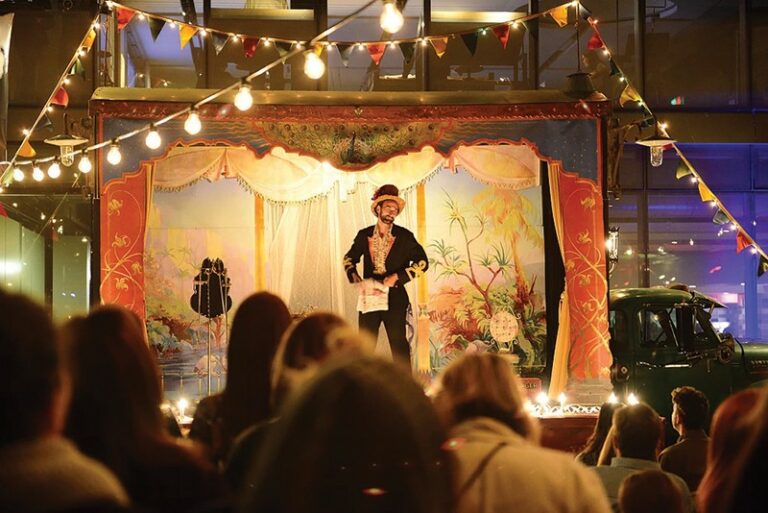
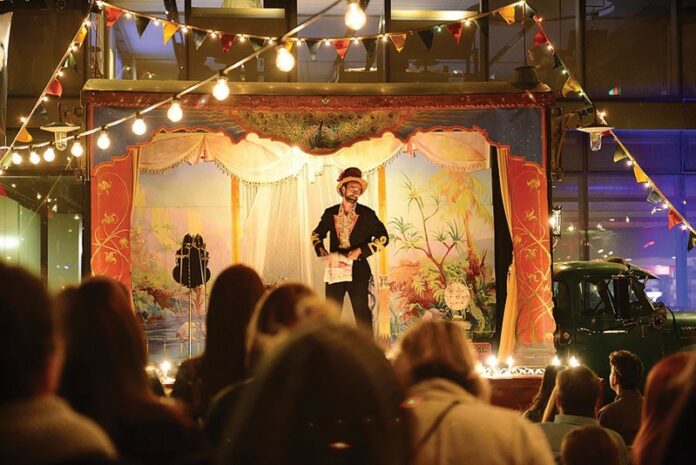
Cirque de Bohème Annual winter circus wonderland is based on the wondrous French tradition. This year, a brand-new original production, “Yesterday,” tells enchanting tales with an amazing cast of performers who achieve world-class heights. Nov. 23–Dec. 16. Cornerstone Sonoma, 23570 Arnold Drive, Sonoma. Days and times vary. $27–$55. cirquedeboheme.com.
Luther Burbank Center for the Arts A Magical Cirque Christmas kicks off the season Nov. 23. Transcendence Theatre Company performs its “Broadway Holiday Spectacular” with daily pre-show activities Nov. 30–Dec. 2. Big Bad Voodoo Daddy plays a Wild & Swingin’ Holiday Party Dec. 3. LeAnn Rimes performs as part of her You & Me & Christmas Tour Dec. 4. Posada Navideña returns Dec. 7. Roustabout Apprentice Program’s “A Christmas Carol” delights Dec. 14–16. Moscow Ballet’s Great Russian Nutcracker comes to life Dec. 18. Brian Wilson plays The Beach Boys’ Christmas Album live Dec. 22. Mark West Springs Road, Santa Rosa. 707.546.3600. lutherburbankcenter.org.
The Isle of Klezbos Enjoy the spirit of Hanukkah with a performance from the Isle of Klezbos, an all-female Klezmer ensemble from New York who headline the final concert of Sonoma State University’s Jewish Music Series. Nov. 29. Green Music Center, 1801 E. Cotati Ave., Rohnert Park. 6:30pm. Free. 866.955.6040.
A John Waters Christmas Filmmaker John Waters brings his demented sensibilities to the stage in a critically acclaimed one-man holiday show. Nov. 30. JaM Cellars Ballroom,
1030 Main St., Napa. 9pm. $52; $125, meet-and-greet VIP. 707.880.2300.
Occidental Community Choir West County cultural institution celebrates its 40th birthday with a winter concert program of holiday songs written by choir members past and present. Nov. 30–Dec. 2 and Dec. 8 at Occidental Center for the Arts, 3850 Doris Murphy Court, Occidental; Dec. 9 at Glaser Center, 547 Mendocino Ave., Santa Rosa. Times vary. $15;
kids 12 and under are free. occidentalchoir.org.
Healdsburg Chorus The long-running community choir shares the joy of the holidays in their annual winter concert, with new arrangements of spirited standards and a slew of seasonal surprises. Dec. 2, Glaser Center, 547 Mendocino Ave., Santa Rosa; Dec. 8–9, Raven Theater,
115 North St., Healdsburg. 3pm. $5–$15. healdsburgchorus.com.
An English Holiday The North Bay Sinfonietta chamber orchestra performs a festive program of music by English composers. Dec. 2, Church of the Incarnation, 550 Mendocino Ave., Santa Rosa. 4pm. $10. 707.527.4249.
ArtQuest Dance Company Winter Performance The talented students of Santa Rosa High School’s award winning ArtQuest program communicate the spirit of the holidays through movement. Dec. 7–8. SRHS Performing Arts Auditorium,
1235 Mendocino Ave., Santa Rosa. 7pm. $5–$15. srhsdance.org.
Healdsburg Community Band’s Christmas Concert The 30-plus member band plays their annual holiday-themed concert with classics and big-band arrangements of Christmas hits. Dec. 7 (Veterans Memorial Building,
205 W. First St., Cloverdale; 7:30pm) and Dec. 9. Community Church, 1100 University St., Healdsburg; 2pm). Free, donations accepted. healdsburgcommunityband.org.
David Templeton’s ‘Twisted Christmas Live!’ Once among the North Bay’s most popular annual holiday events, the offbeat show of holiday-themed stories read aloud by Bay Area comedians and actors returns after a five-year absence. Dec. 9. Spreckels Performing Arts Center,
5409 Snyder Lane, Rohnert Park. 7pm. $25–$30. 707.588.3400.
Teresa Lubarsky’s Healdsburg Ballet Nineteenth annual winter performance brings Christmas Eve to life in a program, “Twas the Night Before Christmas,” that is sure to delight audiences of all ages. Dec. 15–16. Raven Theater, 115 North St., Healdsburg. Saturday, 7pm; Sunday, 2pm. $15–$20. healdsburgballet.com.
A Chanticleer Christmas Holiday favorite from the vocal orchestra tells the Christmas story in Gregorian chant, Renaissance polyphony, traditional carols and a medley of spirituals. Dec. 14,
St. Vincent’s Church, 35 Liberty St., Petaluma. 6pm and 8:30pm. $35–$75. chanticleer.org.
An Irish Christmas Family-friendly event includes Riverdance principal dancer Caterina Coyne performing traditional Irish dances that incorporate theatrical arts, and music from Christmas classics. Dec. 21. Spreckels Performing Arts Center, 5409 Snyder Lane, Rohnert Park. 7pm. $40–$55. 707.588.3400.