Pete Kronowitt Gets Political

0

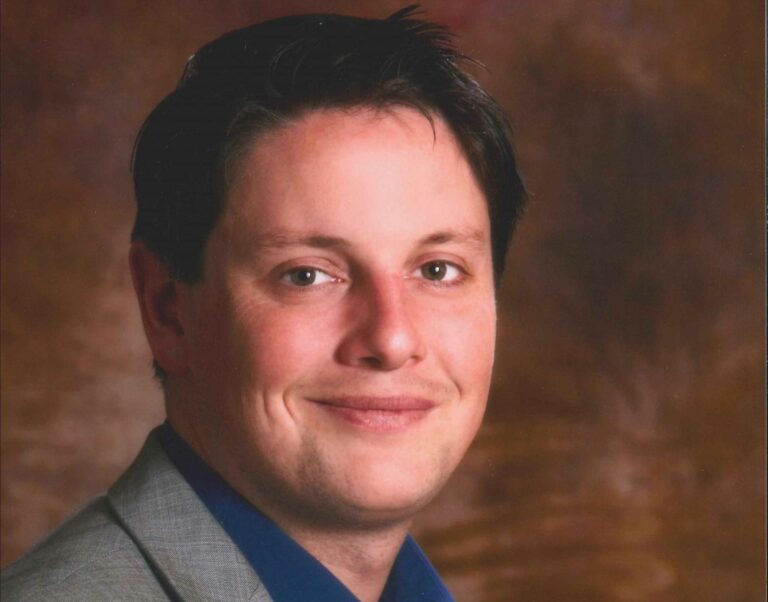
San Francisco–based musician Pete Kronowitt combines playful folk melodies with serious political messages in his new album, Do Something Now.

The music is inspired by the folk songs of the late ’60s and lyrically touches on timely topics, though Kronowitt doesn’t simply talk the talk; he takes action as the founder of Face the Music Collective, which mixes music and fundraising for progressive political candidates throughout the country.

Kronowitt—a longtime professional in the tech industry—originally pursued his music as a purely personal endeavor.

“I was just playing guitar and writing songs, I didn’t have a sense that I could sound like those folks on the radio,” he says.

When Kronowitt decided to record his first album some 25 years ago, he worked with producer John Alagia (Dave Matthews, John Mayer). That experience gave Kronowitt the confidence to do more with his music, and he produced several more albums in the years since.

“I continued to write and record while I was working in tech,” he says. “I interpret life through writing songs, whether it’s something eternal or something personal. I wasn’t writing for other people, I wasn’t writing to sell music.”

Kronowitt moved to San Francisco in 2012 and soon after, he left his job in tech to focus on songwriting, recording an album in Nashville and touring a bit. Then, Donald Trump got elected in 2016.

“I had been writing political songs because of the environment we were in,” Kronowitt says. “When Trump got elected, my wife and I decided we were going to dedicate more of our lives to grassroots activism.”

Earlier this year, Kronowitt formed Face The Music Collective to help foster civic engagement through music and art. Before the Covid-19 pandemic ended social gatherings, Kronowitt was taking Face The Music on the road and touring places including Virginia to fundraise for progressive political candidates.

“It was heartening and fun and all the things you would want in a music tour,” Kronowitt says. “We were playing for people who cared about the cause that we were dedicating ourselves toward, and we got new people to get engaged.”

When the pandemic hit, Kronowitt and Face The Music Collective began organizing and performing online shows for progressive candidates that still featured local guest performers and artists in those markets.

“In each of these shows, there is definitively hope,” Kronowitt says. “The enthusiasm to make a difference right now is visceral.”

For his own new record, Do Something Now, Kronowitt worked with engineer Spencer Hartling at Tiny Telephone Studios in San Francisco and employed several of his closest musician friends—including bassist John David Coppola, drummer Darian Gray, guitarist Justin Kohlberg, steel-guitarist Tim Marcus and vocalist Veronica Maund—to fill out his studio band.

“I was really moved by the musicians who played on the album,” Kronowitt says. “It was a small group of people who were phenomenal, it was a joy to record the album.”

While Kronowitt is not planning any large album-release party, he and Face The Music Collective are staying busy on the performance front.

“We have maybe 10 more shows in the queue before the election,” Kronowitt says. “I wanted to encourage people at this moment. It’s the action that is meaningful.”

“Do Something Now” is available at petekronowitt.bandcamp.com, and Face the Music Collective concerts can be found at facebook.com/FacetheMusicCollective.

Open Mic: The Wrong Dam Way

0

Climate change is real, and now. In California, every year this century was hotter than last century’s average. Overall precipitation is trending down, including the reservoir-busting 2012–2016 drought. As history goes, that drought was short—tree rings and lake-bottom stumps show droughts here can last decades.

To put it bluntly, a decade-plus drought would bring catastrophe. With rain rates like 2012–2016, the Golden State’s reservoirs would provide for us for about eight years. California’s mountain snowpack historically provides a third of our summer water (when agricultural demand is highest), but times are changing and this century’s April 1 snowpack is 41 percent below last century’s average. The pitiful 2012–2016 snowpack? A whopping 81 percent below normal, including one year 99 percent below. Aquifers provide the last third of our supplies, but muddled water rights policies and overuse are depleting the Central Valley.

An irony of climate change is that hot air holds more moisture, but not all precipitation is equal. Increasingly common atmospheric rivers inundate and then drain to the Pacific, reducing time for aquifers to recharge and causing mayhem for low-lying communities.

The trend is … not great. How do we balance this?

I propose three solutions, all of which take public willpower: build reservoirs, recharge groundwater and re-calibrate water rights.

For $130 billion, one year’s budget, we could double our reservoir capacity with medium-sized hydroelectric dams. Strategically placed statewide to mitigate flooding, these would supplement dry years and provide emergency power when needed. Every autumn, reservoirs release vast quantities of water downstream preparing for worst-case rain—instead, let’s pipe it to depleted regions and pump that water underground to recharge aquifers.

Most significantly, fresh water is a precious, finite resource and needs to be treated as such. Farms use four times as much water as California’s homes but only pay 10 cents per 1,000 gallons; since we provide half the country’s fruits, vegetables and nuts, we are exporting water. A rapid transition to market rate on water would force agriculture to economize and adapt like people and industries have.

The next mega-drought is coming. Let’s do the dam thing and get ready.

Iain Burnett lives with his wife and daughter in Forestville.

Pumpkin Fest Goes Virtual

0

If this era has taught us anything, it’s that three simple words can mean the world in the face of adversity. Are they A) I love you. B. Improvise. Adapt. Overcome. Or C) Virtual Pumpkin Festival? All the above are correct, but “C” has special meaning for those in Healdsburg.

Presented by the Healdsburg Certified Farmers’ Market, the town’s annual Pumpkin Festival is following the pandemic-era trend established by schools, work and even the Supreme Court hearings by bringing the festival online.

A highlight of festivals-past involved racing pumpkins—decorated and outfitted with wheels inserted into them—down a specially-made track. There was also a pumpkin-carving competition, and last year organizers added a costume competition. Much of this can be virtualized, according to the organizers: Pumpkins can be decorated and made ready to race at home, pumpkins can be carved at home, costumes can be donned—and all of it can be posted.

“Healdsburg is a big family town and many attend the market,” says market manager Janet Ciel. “This festival, and the Zucchini Fest, which should have happened in August, have been our biggest events for families for over 30 years.” 

The deadline for Virtual Pumpkin Festival Halloween Week competition entries is Oct. 26, with online voting Oct. 27–28 and winners contacted on Oct. 29. Prizes will be awarded at an awards ceremony at 9:30am, Saturday, Oct. 31, at the market in the West Plaza parking lot.

Contestants should email photos of their creative processes and finished masterpieces to ma*****@*********************et.org. These will be posted to healdsburgfarmersmarket.org, where everyone is invited to vote for their favorite.

Prizes include gift certificates to Valette, Amy’s Wicked Slush, Shelton’s Natural Foods, Spokefolk and Park Point Health Club, plus prizes from Toyworks, Copperfield’s Books and Gustafson Winery. All entrants also receive two “market bucks” for participating.

“This is definitely an attempt to heal, not only what we’ve been currently dealing with—the pandemic and the fires and air quality—but also the loss of Halloween last year,” says Ciel. “The Kincade Fire caused the Pumpkin Festival to be postponed for 2 weeks, and it wasn’t the same. I want to give the kids something special to do for this holiday; especially given how much has had to be cancelled, and I want to bring as many families to the market as possible.”

For more information and entry rules visit healdsburgfarmersmarket.org/pumpkin-festival-2020.

Culture Crush: Five Ways to Stay Busy Virtually This Weekend

Half way through October and virtual events in the North Bay show no sign of slowing down as social gatherings remain perilous in the face of a pandemic. Events boasting music, film, theater and other delights are happening online this weekend, and here’s a round up of what’s worth looking forward to.

Stay Out
The annual OUTwatch Film Festival–dubbed Wine Country’s LGBTQI Film Festival–features empowering movies that showcase LGBTQI-related themes and figures. This year’s OUTwatch moves online for a virtual version of the event, and the festival’s organizers have named this year’s theme as “Looking Back; Moving Forward.” The virtual festival will stream four enlightening, empowering and entertaining documentaries that honor those who fought for LGBTQI rights and who still struggle to keep those civil rights. OUTwatch is live online beginning on Friday, Oct. 16. $12 per screening. OUTwatchfilmfest.org.

Go Wild
The Community Child Care Council of Sonoma County (4Cs) marks 48 years of community service in 2020, and the nonprofit has had to pioneer new ways to provide resources for families and care providers during this year’s pandemic. Appropriately, 4Cs is adopting an adventurous theme for its upcoming Wild Wild West Virtual Gala, and the online silent auction that is open now includes spa-day packages, delivered cocktails, handmade jewelry and more. Bid now and bid often, then dust off the cowboy boots and don those spurs to virtually attend the gala event on Friday, Oct. 16, at 6pm. Free registration. Sonoma4cs.org.

For the Shore
In an uncertain and stress-filled year, Point Reyes Books continues to offer insightful and hopeful words for West Marin with virtual author events that feature celebrated writers and new literary releases. This week, award-winning author Terry Tempest Williams joins the bookstore via the internet to talk about her new book, Erosion: Essays of Undoing. The book is described as a call to action, with Williams contrasting the environmental erosion around us with the weakening of social and political landscapes. The online event, benefitting the Point Reyes National Seashore Association, happens on Friday, Oct. 16, at 7pm. Registration required, admission by donation. Ptreyesbooks.com.

Mystery on Board
The Santa Rosa Junior College Theatre Arts department originally planned to stage “Murder on the Orient Express” this past spring to celebrate the 100th anniversary of Agatha Christie’s first book publication. When they learned they would still be working online this fall due to Covid-19, they moved their production of the classic detective Hercule Poirot mystery to an online format. The young cast, under the direction of SRJC instructor-educator Laura Downing-Lee, takes on the beloved play during four live-streamed performances on Fridays and Saturdays, Oct. 16–17 and 23–24, at 7:30pm. Sliding-scale tickets available. Theatrearts.santarosa.edu.

Rock ‘n’ Roll Crash Course
Guitarist and songwriter Steve Conte has a diverse musical career spanning four decades. His first gig was a tour with jazz-rock band Blood, Sweat & Tears, and his rock-and-roll resume includes fronting the band Company of Wolves and playing in the New York Dolls. Beyond rock-and-roll, Conte has worked on soundtracks to popular anime television shows and movies, and he’s lent his talent to composers such as Danny Elfman and legends such as Chuck Berry. Conte appears online for a songwriting workshop and Q&A via Novato’s Strawberry Hill Music on Saturday, Oct. 17, at noon. $150. Space is limited, advanced registration required. Strawberryhillmusic.com.

Former Agricultural Commissioner Has Island Fever

Tony Linegar retired as Sonoma’s Agricultural Commissioner at the start of 2020. He now lives with his wife, Krista, on Oahu, though he keeps a close eye on Northern California and stays in contact with former colleagues. Sonoma citizens love Linegar.

Don’t get him wrong. He appreciates Oahu’s clean air, beautiful beaches and Honolulu’s cosmopolitan life. Still, he’d like to serve as a consultant when it comes to cannabis, which has been a hot topic ever since he graduated from Chico State in 1993 with a bachelor’s in biological science, and then all through his career as an agricultural inspector and later as Mendocino’s Agricultural Commissioner from 2001 to 2012.

“People say, ‘Tony’s in Hawaii and not here anymore,’ but I still have a lot of skin in the game,” Linegar tells me. “Our cannabis policy matters greatly to me. I’m going to encourage the county to pass an update.”

Since he moved out of his office, he’s worked as a consultant on land use issues in Sonoma County. He reads the local media, has dozens of Facebook friends, and rightly points out, “It doesn’t really matter where we’re at physically anymore. We can Zoom, email and do Facetime.”

With the recent departure of Nikki Borrocal as the head of the county’s cannabis program, and with Andrew Smith, the new Agricultural Commissioner, up to his ears in essential tasks, Sonoma County needs Tony Linegar as a cannabis advocate more than ever before.

“So much is going on all at once: fires, smoke and ash, which impacts the pot crop, along with the endangered safety of agricultural workers, plus big losses in the grape industry,” he says. “There’s a lot that needs to be done.”

Nobody knows the county’s needs better than Linegar. No one has a more level head and no one else tells it like it is.

“From what I can see from Oahu, the county has been overwhelmed with one disaster after another,” he says. “Managers in various agencies are doing their best to mitigate, but they’re exhausted and crucial matters, like cannabis, are on back-burners.”

Linegar points out that neither vineyards nor outdoor cannabis farms have ignited recent wildfires, though he wonders about indoor cultivation that sucks up electricity, especially in remote rural areas.

“Cannabis isn’t flammable,” he says. “Pot farms, like vineyards, can work as buffer zones.” He adds, “Some of the complaints about narrow dirt roads are a way to throw a monkey wrench in the cannabis industry.”

Jonah Raskin is the author of “Marijuanaland: Dispatches from an American War.”

Sonoma County Virtual Jewish Film Festival Opens Online and On Demand

0

The Jewish Community Center, Sonoma County shares a world of cinema with the North Bay each fall with the annual Sonoma County Jewish Film Festival.

Like most things in 2020, this year’s Sonoma County Jewish Film Festival is now an online affair, with several films available to watch on-demand through Nov. 16.

Despite the new format, the JCC’s commitment to presenting a diverse and culturally rich array of movies remains strong, with six feature-length films and an exciting short-film program that virtual attendees can stream on a user-friendly digital platform.

“It’s a labor of love, and I’ve learned more and more what that phrase means,” says Festival Director Irène Hodes. “It sounds silly, but working has sometimes been a godsend while sheltering-in-place.”

Last March, Hodes and the JCC experienced their first virtual undertaking when the springtime Israeli Film Festival was moved online as the Covid-19 pandemic hit the North Bay.

“I was determined to make it happen,” Hodes says of that first virtual fest. “We had a mini test run of what a virtual festival could be, and people loved it.”

After that initial success, Hodes and her film committee knew they could make the fall Jewish Film Festival accessible to the online community. Open now, the Sonoma County Jewish Film Festival lets users purchase individual films or a season pass to watch the entire program.

Embracing the new medium, the festival hosts four live filmmaker talks where the community can interact with the creative minds behind the works. There is also an Audience Award for best feature and best short film that users can vote on.

Cinematic highlights of the festival includes the documentary They Ain’t Ready For Me, about Tamar Manasseh, an African American rabbinical student and mother who is leading the fight against violence on Chicago’s South Side through peaceful sit-ins.

“It’s an astonishing documentary,” Hodes says. “People need to know about (Manasseh) and people should see it.”

Hodes is also excited for audiences to see the documentary The Passengers, about two members of the Ethiopian Jewish community who travel to America to appeal for entrance into Israel. Director Ryan S. Porush will appear online for a filmmaker talk on Oct. 27.

The festival is also offering several new fictional films, such as the Israeli LGBTQ drama Sublet, starring Tony Award–winning actor John Benjamin Hickey, and the comedy Mossad, described as the Israeli version of the Naked Gun movies.

Hodes also encourages the virtual audience to screen the festival’s short-film program featuring four international selections that touch on topics such as performing comedy in the West Bank and confronting anti-Semitism in high school.

As with past years, Hodes notes that the festival offers something cinematically for everyone in the North Bay, not just the Jewish community.

“It’s for Sonoma County, it’s for the North Bay, it’s for everything that we’ve been dealing with,” Hodes says. “These are incredible movies. It’s an honor to be able to share them, and everybody can see them at home.”

Sonoma County Virtual Jewish Film Festival is live now through Nov. 16. Season passes, $80–$100; single-film passes, $14–$24. www.jccsoco.org.

Petaluma Valley Hospital Staff Unions Caution Voters about Proposed Sale

0

This election, Petalumans will vote on Measure CC to decide whether the 80-bed Petaluma Valley Hospital (PVH) will be sold to Providence St. Joseph Health subsidiary NorCal HealthConnect. The public hospital has been privately operated by St. Joseph Health or its affiliates since 1997. Current owner Petaluma Health Care District (PHCD) and those who endorse the sale say it will ensure the hospital remains open for at least 20 more years, but hundreds of hospital employees across two unions aren’t satisfied with the terms.

A “NO” vote would prohibit PHCD from proceeding with the sale, however, the hospital will continue to operate for two and a half more years, during which time another buyer or operator could be sought. While NorCal HealthConnect claims the hospital has “struggled to remain viable for the future,” PVH operates at a profit to its operator. Union organizers at the hospital believe that the prospective buyer, who has been involved as an operator for years, has effectively and intentionally made PVH look undesirable to others to drive down the hospital’s sale value.

Petaluma Staff Nurse Partnership (SNP), a union of about 150 bedside nurses who work at PVH currently, doesn’t endorse Measure CC. It invites voters to visit its website, where a large image of a thumb indicates how it wants the community to vote. As of Oct. 8, it’s a red thumb-down. SNP writes, “We would love to see that thumb move in the right direction, but only Providence/St. Joseph Health can make that happen. If you don’t see it go green and upright, please DO NOT vote yes.”


SNP President Jim Goerlich says, “No one is going to know if the deal Providence is offering will keep them safe more than the bedside caregivers. We are the ones who see how profit motives and predetermined budgets affect our ability to care for our patients and will be the ones most responsible in advocating for their safety going forward.”

Both SNP and the hospital’s chapter of National Union of Healthcare Workers (NUHW) detail myriad ways they feel the hospital’s operators—all St. Joseph Health by one name or another—have failed to show continuing investment in PVH. This includes union fights for competitive wages, infrastructural needs and more. In August 2019, parts of the hospital had to close temporarily when mold was discovered.

One of the biggest concerns in the sales agreement is the future of the Family Birth Center at PVH. While the terms of sale commit to operating other branches of the hospital for at least 20 years, NorCal HeathConnect only commits to five years of operation of the OB/GYN services.

Steve Buck, director of communications for Northern California Region at Providence St. Joseph Health told The Bohemian, “The commitment is for a minimum of five years, but does not preclude operation of the Family Birthing Center for a longer term.”

However, Goerlich, who has been a nurse at PVH for more than 20 years, says that such a short commitment would be a death knell for the unit.

“[OB/GYN] Nurses can see the writing on the wall,” Goerlich says. “They’re saying, ‘I might as well go and start my tenure at another place so that I can get my seniority as I move toward retirement.’”

Buck says, “[NorCal HealthConnect] understands the community desire and need for these services and a thorough review process will occur as to the long-term determination of the Family Birthing Center.”

But hospital employees say that the prospective buyer should commit to operating the Family Birth Center for at least 20 years if they want voters to approve the sale.

NUHW created a petition to save the hospital’s Family Birth Center. Their website reads, “Bringing babies into the world isn’t a big money-maker for hospital chains like Providence, but it shouldn’t have to be. It’s an essential service of any community hospital—and one that Providence can easily afford to provide. Providence has $12 billion in cash reserves and made a $20 million profit operating Petaluma Valley in Fiscal Year 2019.”

Goerlich reiterates how impactful it is for a small community hospital to have OB/GYN services. “Most of our nurses in OB live in Petaluma … their kids go to school with kids that they helped birth. People connect to this little hospital throughout their lives; it’s a nice, tight community.”

In July, Newsweek named PVH one of the Best Maternity Care Hospitals in 2020. The study, a partnership with The Leapfrog Group, featured 231 hospitals throughout the country.

Goerlich says, “There is a possibility of losing something very, very special if it all becomes corporatized.”

Both SNP and NUHW confirm that Providence St. Joseph Health refuses to meet with both unions together, despite frequent requests.

“Right now is their opportunity to put their best foot forward, to show the Petaluma community what they’re getting,” Goerlich says. “[NorCal HealthConnect] should be selling themselves! Not making empty promises—they need to put their commitments in writing.”

While NorCal HeathConnect’s website says that PHCD’s board unanimously supports the sale, NUHW Organizer Tyler Kissinger says that the Healthcare District—who relies on rent that the hospital operator pays to them—was put in a difficult position because Providence St. Joseph has acted like a bully.

“Members of the Health Care District have worked as hard as they could to make the deal as good as possible,” Kissinger says. “They have put forward tentative terms of sale and we live in a democracy, so now it’s on us and members of the community to say either, ‘We like this,’ or ‘Here’s what we think could be better.’’’

Providence St. Joseph’s handling of Covid-19 has also been a major concern at PVH. Goerlich said the two unions pushed to meet with the hospital operator together at the beginning of shelter-in-place orders to anticipate needs. Nearly seven months later, they say that the operator has refused to meet with both unions at the same time and has failed to protect the safety of their employees and patients.

Buck says, “… the current operator has regularly met with NUHW leaders to discuss its ongoing Covid-19 response. That response includes: personal protective equipment for caregivers, hospital-paid testing for caregivers with potential workplace exposures, multiple emergency pay programs, 100 percent in-network coverage of Covid-19 conditions by the Providence St. Joseph Health group health plans, and additional childcare resources.”

But Kissinger and Goerlich both attest that many of these claims are not accurate. As of Oct. 8, NUHW has not received a response to a collective bargaining agreement they sent the operator in late August concerning PVH’s treatment of Covid-19 cases. Goerlich says that he has witnessed chaotic nights with PPE shortages and compromised negative-pressure rooms.

Kissinger says, “I think it speaks to them as a corporation [that they won’t meet with our unions together]. It’s shocking anytime, given that healthcare relies on teamwork, but it’s particularly shocking that they’ve chosen to lean into keeping us separate during a pandemic.”

On Saturday, Oct. 10, SNP and NUHW organized a rally at Walnut Park to push NorCal HealthConnect to increase their commitment to keeping the Family Birth Center open. Speakers included healthcare workers as well as candidates for Petaluma City Council Brian Barnacle, Dennis Pocekay, and Lizzie Wallack.

North Bay Youth Are Ready to Succeed

0

Life has not been easy for Generation Z, the title given to the young people born between 1996 and 2015. They’ve seen fire and rain, for sure, but they’ve also known war, social unrest and the increasingly obvious threat that climate change is about to unleash on them.

Still, according to studies carried out by groups such as the Pew Research Center, Gen Z is already coming out strong. They are described as pragmatic yet creative; obsessed with social media but also socially active. They are educated, they are progressive and they are fearless—as highlighted by these three Gen Z members in the North Bay.

The Athlete

Fourteen-year-old Minna Stess doesn’t remember a time when she was not skateboarding. The Petaluma native took after her older brother Finley, and she hopped on a board before she was in preschool. When she began winning skateboarding competitions in Kindergarten, things got interesting.

“It’s my entire life,” Stess says of skateboarding. “I’ve always been skating and it’s just so fun. I love meeting new people, exploring new things and learning new things.”

“It’s become such a big part of our family,” her father, Andrew Stess, says. “If we wanted to be together as a family we had to go to the skatepark. Minna, even when she was little dragging a board around, she would just smile on the board. That was always a big thing, seeing her smile. And it’s still a big thing.”

Stess’s passion for skating is matched by her prodigious talent, which is turning heads across the skating world. Her list of competitive accomplishments includes becoming the first female to compete in all three finals (street, mini ramp and bowl) during the King of Groms Championship hosted by Quicksilver and taking first place at the Northern California Amateur Skateboard League street series at age eight; and taking first place during the Mystic Skate Cup Ladies Bowl in Prague in 2018.

“I’m kind of used to it now,” Stess says of competing on big stages. “I still feel like I have to do my best and prove myself, even though I’ve proved myself over the years. I still feel like I need to do something to make myself feel accomplished in skating.”

Most recently, Stess made her X Games debut in 2019, and she took third place in the 2019 USA Skateboarding National Championships Women’s Park Finals. Now a bonafide, and sponsored, star in the world of skateboarding, Stress is also a member of USA Skateboarding. Next on her list of goals is the Olympics, and she was in the running to represent Team USA in skateboarding’s Olympic debut in Tokyo this summer, before Covid-19 canceled the games.

“I’m an Olympic hopeful,” Stess says. “But right now everything’s backed up (due to the pandemic). They only take top three in your gender and discipline. I’m in fourth right now, so I need to make it to third, but I can’t do that when there’s no contest going on.”

While forced to wait for the return of public competitions, Stess is busy starting her freshman year of high school remotely as she attends a special school in the Petaluma school district that caters to young people with unusual obligations. She also stays busy in the family’s custom-made backyard skate park, where she and her brother practice daily.

“Right now, I’m practicing on going faster,” Stess says. “I actually rolled my ankle a few weeks ago, so I’m just trying to come back from that.”

Injuries come with the territory in skateboarding, especially on the ramps and bowls that Stess maneuvers over while she grinds rails and gets air; and she suffered her biggest injury when she broke and dislocated her elbow in January of 2019. Stess required two surgeries during her rehabilitation.

“I was super impressed with how she went from two surgeries on that elbow, to coming back and doing all those Olympic qualifiers by the end of that season,” her mother, Moniz Franco, says.

“As a parent, you’re always thankful when you leave the skate park and nobody’s hurt,” Andrew says. “But she just came back so strong from that (injury). She won’t brag about it herself, but to see her go through the injury, find herself and come back even stronger; Moniz and I were proud to watch that.”

Since achieving success even after a major injury, Stess is now more focused than ever on the Olympics and skating as a career. “Just don’t let any injuries stop you from pursuing what you do,” she says. “They set you back a little bit, but you have to keep going.”

“This is just what we do,” Moniz says. “It sounds insane to other people and all that, but skateboarding has a long history and now it’s becoming more open to the rest of the world, and the opportunities that allow those athletes is really important. I’m happy we have the chance to be a part of it.”

“Moniz and I are more proud of her and Finley as people, as kids, than we are of anything athletic they do,” Andrew says. “But for them to achieve these dreams and be humble and cool; it’s fun to watch.”

The Activist

Fifteen-year-old Sarah Goody is on strike. Specifically, the Corte Madera youth strikes every Friday throughout the Bay Area to bring awareness to climate change and to inspire other young people to take up the cause of confronting and overcoming the challenge that climate change is already presenting.

More than just a weekly outing, Goody has turned her activism into an internationally-recognized movement as the founder of Climate Now, a youth-led, Marin-based nonprofit that has educated over 500 local students about the urgency of the climate crisis. Climate Now also provides high school environment groups with resources and connections and helps local student organizations fight for composting and recycling programs on their campuses.

 Goody’s introduction to climate change came about in a sixth-grade science class.

“It was the first time I felt connected to a social-justice issue and could see its direct effects on my life,” Goody says.

From there, she began joining youth-led organizations such as Greening Forward, which took her to a conference in New York City last year. That is where Goody met fellow youth activist Alexandria Villaseñor, who at the time was on her 18th week of striking outside the United Nations as part of the Fridays for Future movement, in which students participate in demonstrations to demand action from political leaders and the fossil-fuel industry to prevent climate change and promote transition to renewable energy.

“I went out and joined her and was so inspired by the message she was able to convey,” Goody says. “I decided to bring that back to the Bay Area; and began striking outside San Francisco City Hall and the San Francisco Ferry Building.”

Those early strikes in the city, with Goody standing with a sign reading “School Strike 4 Climate,” attracted a lot of curiosity.

“It was definitely intimidating at first,” she says. “I remember the first day I striked was outside of San Francisco City Hall, I had no idea what I was doing. My dad drove me in because he worked about two blocks away. I sat along the steps, I had police officers come over to me many times asking me what I was doing, it took me a few weeks and months to feel comfortable and grounded in what I was doing.”

Currently Goody is more than 60 weeks into her Friday strikes, and she now regularly strikes in places like Mill Valley to make her cause more accessible to other local youth. In doing so, Goody recognized a need for more youth-led climate initiatives in Marin.

“I saw that there was a way to bring the climate movement to young people across Marin County, and I could do that through Climate Now,” she says.

Goody also recently started an organization called Broadway Speaks Up, where performers from more than 50 Broadway productions share messages about climate action with young people, and Goody regularly speaks at public events and contributes articles to publications including Teen Vogue and Forbes on the topic of climate activism.

Goody’s work with Climate Now began with monthly meetings for young people in Larkspur and grew into a school-based system that regularly visited classrooms to talk about climate change and explain how students can take action.  The organization also works with a coalition of environmental clubs from around Marin County to create a community of climate activists. During Covid-19, Climate Now has transitioned to online alternatives to in-person action, such as virtual classroom presentations.

“As young people, we’re not taught how to fundraise, do outreach, how to learn more about issues we are passionate about,” Goody says. “We are told that we can’t really make a difference because we don’t have the power to vote or have jobs. What I try to show young people through my work is that we can create that change and it’s up to us to stand up for our climate and take action before it’s too late; before we see the existential threats that climate change is posing. We are already seeing them now with the Northern California wildfires.”

Climate Now is being recognized locally and globally. In January, Goody was awarded the Marin Youth Volunteer of the Year Award. More recently this year, she was recognized with The Diana Award, established in memory of Diana, Princess of Wales, for her “social action and humanitarian efforts,” and she was honored by Action for Nature (AFN) as a 2020 International Young Eco-Hero.

“As an activist, sometimes you get into this robotic process of doing things, all people can get that way,” Goody says. “So getting this recognition has been a way to reinstate what I’m doing and to reground myself in this work and the values I believe in.”

The Artist

Twenty-two-year-old Stav Mcallister belies his youth with his exceptional musicianship and insightful songwriting. The Sebastopol-based artist, who performs under the singular pseudonym Stav, has been on stage for half of his life and has been writing music since high school.

“Music has always been that thing I haven’t been able to not do,” Stav says. “There was always music playing at home or in the car. I always had music and always had that vision that my best friends could all play instruments and we’d all have a band one day.”

This year, even as Covid-19 shut down live music, Stav has remained busy. He just started his first year (remotely) at Boston’s Berklee College of Music, where he is adding skills like music theory to his musical repertoire.

“I’d like to get more tools under my belt,” he says. “I’d like to understand music as deeply as I can, and I want to be able to do things like produce my own stuff. It’s like learning a new language and getting better at a new language so you can better communicate and collaborate with other artists.”

This month, Stav is also busy musically with a live-streaming performance on Saturday, Oct. 10, at 3pm through stavmcallister.com. For that online show, Stav will perform songs off his forthcoming EP, Borders, which is being released via North Bay–based label Love Conquered Records on Oct. 23.

On “Borders,” Stav presents his own freewheeling blend of folk-pop melodies, delivered with a sonorous voice. Throughout the record, his lyrical empathy shines through; Stav writes storyteller songs about topics like friendship, social division and addiction.

“I’ve always been an empathetic person,” he says. “I have a hard timeZ—when someone else is feeling something, I have to feel it too, sometimes to a fault. And, yeah I’ve had some stuff happen in my life that is ahead of the game maybe for a typical 22-year-old, but I also have a lot of work to do on myself, too. I hope that never stops.”

One of the things that Stav has struggled with in the last six months is the role of the artist in the face of global events like a pandemic. “Every time I promote my music, I feel like I’m taking up too much space,” he says. “I am passionate about human rights and equality, and I want to highlight other people’s voices, people who are not as heard in society. That’s a hard line to walk, but I realize that I still do have to pursue my passion. I feel like if I don’t do this, if I don’t do music, then my ripple effect in the world just becomes more negative than positive. So, if anything, me doing this is making me feel that I’ve made some good in the world.”

County Pushes Its Own Fire-Safety Regulations

0

When he retired in December 2018, Cal Fire Chief Ken Pimlott went on a short media tour, urging state and local lawmakers to revisit hard conversations about what kinds of housing and commercial development should be allowed in rural, fire-prone areas. The conversation should go as far as banning all new buildings in fire-prone areas, Pimlott told the Associated Press on Dec. 11, 2018.

“We’ve got to continue to raise the bar on what we’re doing and local land-use planning decisions have to be part of that discussion,” Pimlott said.

Although he didn’t lay out all of those land-use solutions, Pimlott highlighted a crucial pillar of fire prevention and management in an era of Climate Change–fueled fires.

In addition to boosting forest and land management efforts, hiring additional fire fighters and investing in other technologies, California will inevitably need to manage how communities spread into the wildlands.

The land-use discussion is a difficult one to have. After all, in areas where development can attract tax dollars for local governments, there is always a financial incentive to allow some development, even if it could make wildfires more likely to spread and first responders’ jobs more difficult during wildfires. Currently, about 30 percent of the state’s population lives in the wildland urban interface (WUI), the fire-prone area on the edge of urban areas, according to Reveal News.

Recent fires may have rekindled the conversation around these existential questions. All told, four million acres of California burned this year, a rate which shattered past records. Last week, the Glass Fire, which was partially contained as of press time, crept quickly across Santa Rosa’s urban boundary, causing law enforcement agencies to evacuate tens of thousands of people.

Sonoma County, in part because it has been impacted by fires more than many other counties with the same population, is viewed as being on the cutting edge of fire response. But for the past year, county officials have pushed to write their own rules governing road width near developments in fire-prone areas.

County officials say that their proposed regulations, known as the Sonoma County Fire Safe Ordinance, exceed the required state regulations, which are controlled by CalFire’s Board of Forestry. But, state officials and some North Bay residents are less sure that the county’s latest proposal is adequate.

At a Sept. 22 meeting, the Board of Forestry, a state regulatory body in charge of fire safety regulations, sent Sonoma County staff back to answer more questions about the specifics of the county’s proposed ordinance. The County will likely return to the Board of Forestry in the coming months to request approval again.

Fire-Safe Roads

The state regulations the county is trying to comply with date back to 1991, when the Board of Forestry passed new road regulations following the Oakland Hills Fire earlier that year.

The regulations, which have been updated periodically since they were passed, specify a variety of building requirements in fire-risk areas, including permitted road width and length based on different kinds of land usages.

County governments may choose to comply directly with the state regulations or write their own regulations, as long as the Board of Forestry rules that the county’s regulations meet or exceed the state regulations. Sonoma County has long had their own regulations but, last year, the Board of Forestry declined to approve the county’s updated rules. And, although county staff have updated the ordinance several times since November 2019, the Board of Forestry has yet to sign off.

At a Sept. 22 Board of Forestry meeting, state officials considered the county’s latest proposal, which the Board of Supervisors approved in August. Although state officials acknowledged that Sonoma County had gone above and beyond state regulations in some areas, they raised questions about other parts of the proposal.

For instance, board members asked why the county ordinance uses “path of travel” rather than “road,” a term with a more standard legal definition. Board of Forestry member Darcy Wheeles asked state and county for clarification about how many of Sonoma County’s roads would be exempted from fire regulations in the county’s latest ordinance.

Defenders and Critics

At the Sept. 22 meeting, several cannabis producers and the executive director of the Sonoma County Farm Bureau pushed back on the state regulations. Both groups voiced fears that stricter fire road regulations would prevent them from using agricultural land in the county, although state officials said that agriculture is exempt from the state regulations.

County Supervisors Susan Gorin and Lynda Hopkins both spoke in support of the county’s efforts at writing its own rules. In her comments, Hopkins referenced the county’s efforts to balance other challenges facing the county and state, including homelessness and affordable housing.

“Sonoma County has been creative in problem solving with the Board of Forestry staff to meet the goals of fire safety protections in a manner that protects private property rights and also helps resolve these critical priorities,” Hopkins told the Board at the meeting.

Skeptics of the county’s regulations, many of whom have been following the back-and-forth for over a year, say the county’s regulations do not exceed the state regulations, but are instead an attempt to sidestep state regulations in order to continue development in rural areas.

Teri Shore, director of the North Bay Greenbelt Alliance, wrote in a Sept. 18 letter to the Board of Forestry that the county’s regulations for new developments’ private roads require a 12-foot-wide “path of travel” with 1-foot vegetation clearance on each side, instead of the 20-foot roads now required for the same projects under state regulations.

Craig Harrison, a Bennett Valley resident who told the Board that he was representing 300 residents who “want safe development in our community,” made a similar point.

“This does not meet or exceed the CalFire regulations, nor does it have the same practical effect,” Harrison said of the county’s proposed regulations for private roads.

The Other Election

0

Cristóbal Dahm Moreno was born and raised in Chile. He lives and works in Sonoma County, and, while he’s worked up about the U.S. elections, he’s also worked up about the elections that will take place thousands of miles away in his homeland this October. The South American nation, which runs along a narrow strip of land between the Andes and the Pacific Ocean, faces a national plebiscite on Oct. 25, not long before Election Day in the States. At issue: a new constitution that would make the nation more democratic.

Over the last year, millions of Chileans have taken to the streets of the capital, Santiago, and to the streets of towns and cities all across the country, protesting the policies and actions of President Sebastian Pinera, a right-wing billionaire, who has a popular approval rating of about 10 percent.

Americans might take a special interest in Chile because the Central Intelligence Agency (CIA) engineered the overthrow of the democratically elected socialist government of Salvador Allende on 9/11 in 1973. Popular singer, songwriter and political activist, Victor Jara, was arrested and tortured by the military. Chilean poet Pablo Neruda, the 1971 Nobel Prize winner for literature, died under suspicious circumstances on Sept. 23, 1973. Following his death, thousands of Chileans disobeyed a curfew and gathered in the streets to honor Neruda and his work.

With U.S. help, General Augusto Pinochet was installed as dictator. Under his iron heel, tens of thousands of people were arrested, jailed and tortured. Thousands of Chileans were executed. Trade unions were banned, social security and state-owned enterprises were privatized, newspapers censored and a reign of terror imposed on the nation.

Thousands of Chileans fled. Some of them, including novelist Isabel Allende, who now lives in Marin, created new lives for themselves and helped focus the world’s attention on their homeland. This October, Cristóbal Dahm Moreno and his friends in Northern California will watch the outcome of the Chilean election. It seems likely that the country will reject its authoritarianism. If only that were the case in the United States.

Chile’s history suggests that while dictatorships take terrible tolls on their own citizens, they don’t last forever.

Jonah Raskin is the author of “Marijuanaland: Dispatches From an American War.”

Pete Kronowitt Gets Political

San Francisco–based musician Pete Kronowitt combines playful folk melodies with serious political messages in his new album, Do Something Now. The music is inspired by the folk songs of the late ’60s and lyrically touches on timely topics, though Kronowitt doesn’t simply talk the talk; he takes action as the founder of Face the Music Collective, which mixes music and...

Open Mic: The Wrong Dam Way

Climate change is real, and now. In California, every year this century was hotter than last century’s average. Overall precipitation is trending down, including the reservoir-busting 2012–2016 drought. As history goes, that drought was short—tree rings and lake-bottom stumps show droughts here can last decades. To put it bluntly, a decade-plus...

Pumpkin Fest Goes Virtual

If this era has taught us anything, it’s that three simple words can mean the world in the face of adversity. Are they A) I love you. B. Improvise. Adapt. Overcome. Or C) Virtual Pumpkin Festival? All the above are correct, but “C” has special meaning for those in Healdsburg. Presented by the Healdsburg Certified Farmers’ Market, the town’s annual...

Culture Crush: Five Ways to Stay Busy Virtually This Weekend

North Bay groups are hosting online events boasting music, film, theater and other entertainment.

Former Agricultural Commissioner Has Island Fever

Tony Linegar retired as Sonoma’s Agricultural Commissioner at the start of 2020. He now lives with his wife, Krista, on Oahu, though he keeps a close eye on Northern California and stays in contact with former colleagues. Sonoma citizens love Linegar. Don’t get him wrong. He appreciates Oahu’s clean air, beautiful beaches and Honolulu’s cosmopolitan life. Still, he’d like to...

Sonoma County Virtual Jewish Film Festival Opens Online and On Demand

Six feature-length films and a short-film program are available to watch through Nov. 16.

Petaluma Valley Hospital Staff Unions Caution Voters about Proposed Sale

This election, Petalumans will vote on Measure CC to decide whether the 80-bed Petaluma Valley Hospital (PVH) will be sold to Providence St. Joseph Health subsidiary NorCal HealthConnect. The public hospital has been privately operated by St. Joseph Health or its affiliates since...

North Bay Youth Are Ready to Succeed

Gen Z takes on 2020

County Pushes Its Own Fire-Safety Regulations

When he retired in December 2018, Cal Fire Chief Ken Pimlott went on a short media tour, urging state and local lawmakers to revisit hard conversations about what kinds of housing and commercial development should be allowed in rural, fire-prone areas. The conversation should go as far as banning all new buildings in fire-prone areas, Pimlott told the Associated...

The Other Election

Cristóbal Dahm Moreno was born and raised in Chile. He lives and works in Sonoma County, and, while he’s worked up about the U.S. elections, he’s also worked up about the elections that will take place thousands of miles away in his homeland this October. The South American nation, which runs along a narrow strip of land between the...
11,084FansLike
4,446FollowersFollow
6,928FollowersFollow