Don’t drive to Solful; take the Joe Rodota trail. Biking is better. Fresh air is my favorite drug. Gas is like $7 a gallon. Need anyone say anything more?
Hop off at what’s voted the best cannabis dispensary three years running, and here’s why: Solful is dedicated to providing their cannabis consumers with not only the best in weed, but also the best in cannabis knowledge. Take it from their 2018 field guide—”The Solful Field Guide to Getting the Most Out of Your Cannabis,” which is a guide for the cannabis user to maximize benefits and happiness when using the plant. If that’s not solful, tell me what is.Ride in, bask in the sweetest of great herb and great service, and whisk the winnings away to Regel Park. Nestle between some trees, lay the body down. Look at the clouds.—JV
I’ve been using cannabis medicinally and recreationally for decades. I’ve tried almost every method to deliver THC and CBD to mind and body. I’ve smoked joints, puffed on pipes, eaten hash brownies, enjoyed gummies and bonged my way to heavenly highs.
There’s always a new delivery system. I’m a sucker for new products. So when I heard about the Protab pills from LEVEL Experience, a company based in Santa Rosa—a city that can roll out the red carpet for cannabis companies—I climbed aboard the pill wagon.
Three products arrived at my front door: “Lights Out” meant for “maximum relaxation,” “Boost” provides “energy and helps focus,” and “Recover” is designed for “relief and may help ease pain.”
Each packet had 10 tablets, each one about the size of a low-dose aspirin. I started out with a whole “Lights Out” and woke up with an marijuana hangover the next morning. The next evening, using two fingers, I broke a pill in half and swallowed it with water. Half was still too much. I learned that a quarter guaranteed a sound night’s sleep.
I also tried both the Boost and the Recover—a quarter of each one was the right dosage for me. When I talked to LEVEL’s founder and CEO, Chris Emerson, I wasn’t surprised when he urged me “to go low and to go slow.” Those seven words are the best words I’ve ever heard about the consumption of cannabis.
Others, in addition to Emerson, have offered these words of advice. All dispensaries ought to carry a sign that reads, “Go Low, Go Slow.” Though those words might discourage consumers from stocking up on cannabis products, which is what happened at the height of the pandemic. I felt good about Protab after my conversation with Emerson, who has a Ph.D. in chemistry from Stanford and who served in the military. He knows about molecules and stress and how to reduce it. He also worked in Big Pharma until he realized it wasn’t for him. Pills have worked for Emerson. They’d better. “I can’t roll a joint to save my life,” he told me. “A pill is easier.”—J.R.
Listen, there are edibles galore these days, and this isn’t a plug on which ones to get. It’s a plug on which ones to get and where to get them: Orchard Peach Camino Sours or Plus Strains Granddaddy Purple gummies from Mercy Wellness.
A sweet and informed time, my first trip to Mercy involved very nearly becoming best friends with the individual who checked my ID before heading into the main room to get a well-informed and anecdote-sprinkled walkthrough of the various different products and their uses. Who doesn’t want to hear the story of the time someone’s sister misread the dose and ate three instead of one? While checking out, I was elated to a) hear “SexyBack” issuing from the speakers, b) dance animatedly, if surreptitiously, and yes, it can be done, and c) look up to see my checker-outter dancing with no less enthusiasm, at which point we dropped all surreptitiousness and openly expressed our appreciation for the timeless track. I’ll also say she had the best head of hair I’ve ever seen. Mercy.—JV
If I were a homeowner, I would want my house to stand out. No, I’m not talking about slapping on a fresh coat of paint, installing a thought-provoking lawn sign or maintaining a particularly tasteful garden.
I’d want something really unique that made me the talk of the neighborhood—or maybe even beyond. Luckily, I stumbled on just the right thing at the Sebastopol Hardware Center.
Imagine my surprise as I witnessed a steady stream of patrons hauling away bags of potting soil and other products without once spotting the store’s real prize: Bigfoot.
That’s right. After decades of grainy photographs and countless generations of mythological tales told across campfires around the world, it turns out that Sasquatch was resting in a downtown Sebastopol parking lot all along. Even more astounding, you can take the mysterious creature home for just $1,999.99 plus tax.
Sure, at first glance, that seems like a lot of money. But, then again, how can anyone put a price on the endless stream of conversations I’d kick off by placing a life-size Bigfoot in the middle of my future flower bed?
But don’t worry, the heartless capitalist in me has also rationalized this purchase. I’m placing a bet that the value of this cryptozoological all-star will only rise, just like a Beanie Baby in the 1990s or one of the new-fangled NFTs online today.
Here’s a sign: Just last March, Hulu published a documentary series titled “Sasquatch,” chronicling the many alleged violent crimes Bigfoot has committed in the Emerald Triangle, the cannabis gold mine just a few hours north of Sebastopol.
It’s not all good news. Even though I’ve figured out one centuries-long mystery, I still need to figure out the mystery besetting my generation: affording a home. —W.C.
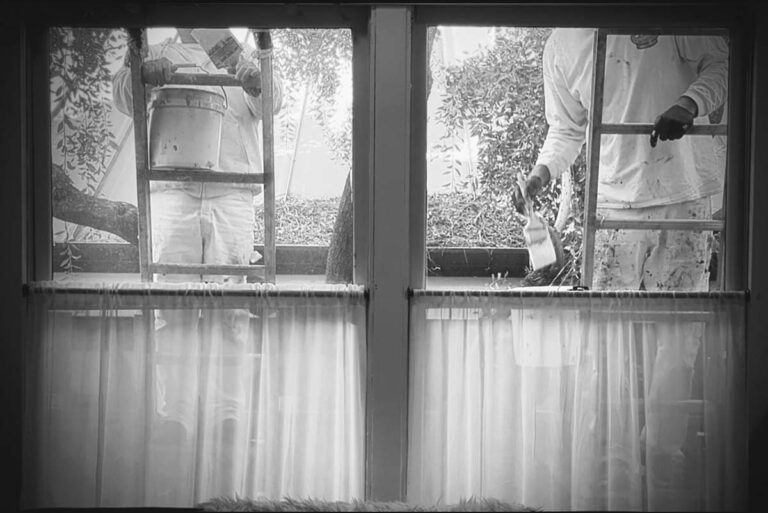
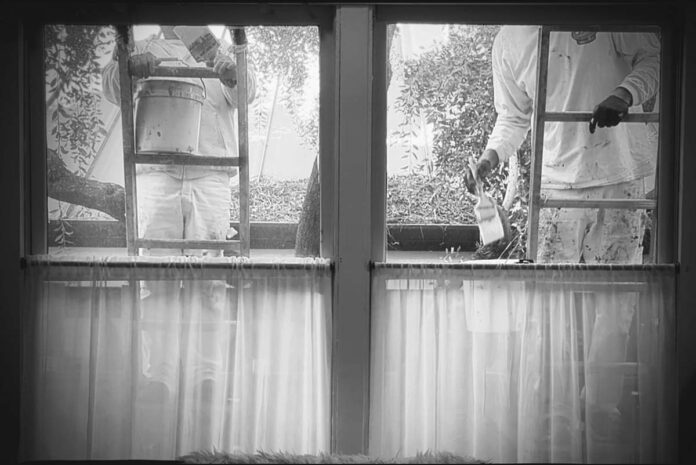
To say that O’Brien Painting is the Picasso of house painting might lead readers to believe that my house now looks like its eyes and ears are on sideways and it’s strumming a blue guitar. None of the above—but what these fellows accomplished is quite simply museum quality. Now, I’m compelled to donate my house to the Smithsonian, thanks to the exquisite work of these skilled and talented gents. I’ll explain—my house is about to celebrate its sesquicentennial, which is to say it’s nearing 150 years old. A Civil War veteran literally died here (and I can sometimes hear his ghost groan about what “Ol’ Sawbones” did with his foot). Glass snake oil and tonic bottles frequently emerge from the depths of the backyard, pushed up from the bowels of Hell as if to remind me that I’m sleeping on top of stolen land and, to quote Poltergeist, they “only moved the headstones!” So, basically, my house is haunted, not just with spirits, but with all the requisite soffits and trim that come with a vintage abode. To wit, painting it is a royal pain in the ass. I, for one, see a red door and want to paint it black. Not Dustin O’Brien and his admirable crew—they’re consummate pros and don’t seem to mind the occasional cry of a Victorian phantasm.—DH
I love trains, love to ride them and love to hear them go clickety-clack on railroad tracks.
That said, it took me a long time before I climbed aboard a SMART Train, or just “Smart,” as it’s called. I objected to the name itself. What’s so smart about a train, I asked myself? Then I sold my beat-up Jetta, took the 101 bus and found I didn’t like it one bit because it made too many stops.
Still, I admit that I had one glorious bus ride. A woman my age who was on her way to Petaluma to visit her family invited me to sit next to her and talk. That’s what we did for an hour. She was the hippest bus rider I ever met: a fearless flamenco dancer.
Before she got off the bus, she gave me her name and phone number and asked me to call. I did. I left a message. She never called back, and I didn’t try to reach her again. F the bus.
The next time I had to travel up and down the 101 corridor, I took Smart and enjoyed the ride greatly, though no one hit on me. The Smart seats are more comfortable than the seats on the bus, and the train bounced around much less.
I have a Clipper card, which I used when I arrived on the platform in Cotati and used again when I exited the platform in San Rafael so I’d be charged the correct amount. It wasn’t just smart to take the train. It was fast and it was scenic.
I looked out the picture window and watched Sonoma County and then Marin County pass in front of my eyes. I saw green fields, backyards, familiar hillsides and waterways, including the Petaluma Slough and the wetlands around Novato.
I even read some of the paperback I picked out especially to take with me: Agatha Christie’s Murder on the Orient Express. Her Belgian-born inspector, Hercule Poirot, appears in 33 novels and is smarter by far than anyone else on the train where a muder is committed and everyone is a suspect.
Poirot was a pleasant traveling companion. “Au revoir,” I said aloud when I descended the train. He or someone else, perhaps the conductor, murmured, “Safe travels.”—J.R.
Aside from the sky above and the earth under foot, the essential fact in our lives is San Francisco Bay, whether we live in the North Bay, East Bay, South Bay or the city. But the bay is so big and sprawling that it’s nearly impossible to take all of it in.
The only real way to engage with the bay is by seizing one part of it and getting to know it. For me, that part is Heron’s Head Park on the edge of the Hunter’s Point/BayView community in San Francisco.
Over the last few years, it has become a popular destination for locals and tourists who love the open air and worry about rising ocean levels, climate change and the erosion of the coastline. Still, the park is largely unknown. I’ve ambled along the Heron’s Head jetty until I was surrounded on three sides by water and treated to spectacular views of the city’s skyscrapers, Oakland across the bay, Twin Peaks in one direction and Mt. Diablo in another. I’ve heard the cries of gulls and the sounds of waves breaking on the shore. (The Heron Head jetty is said to resemble the head of a heron when viewed from above.)
The park boasts an EcoCenter with staff members who provide environmental education, workshops and public outreach. It has a living roof, a rainwater harvesting and reuse system and solar energy. Every first Wednesday from 10 a.m. to noon, volunteers are invited to weed, water, prune and remove trash.
In collaboration with the Golden Gate Audubon Society, the center provides tools, drinking water and snacks. I first learned about Heron’s Head by talking to Jane Wolff and reading her new book, “Bay Lexicon,” a kind of love letter to the bay. For years, Wolff worked at the Exploratorium. She now teaches “upstream,” as she calls it, at the University of Toronto in Ontario, Canada. The bay is, she says, “my old stomping grounds.”
What’s cool about Heron’s Head Park, Wolff explains, is that it belongs to a “hybrid ecology,” where nature and culture, land and water have created a unique environment. Wolff’s “Bay Lexicon” is designed for walkers and armchair explorers. Take it with you on your travels around the bay, and as you wander around Heron’s Head, a sanctuary for our stressed out society.—J.R.
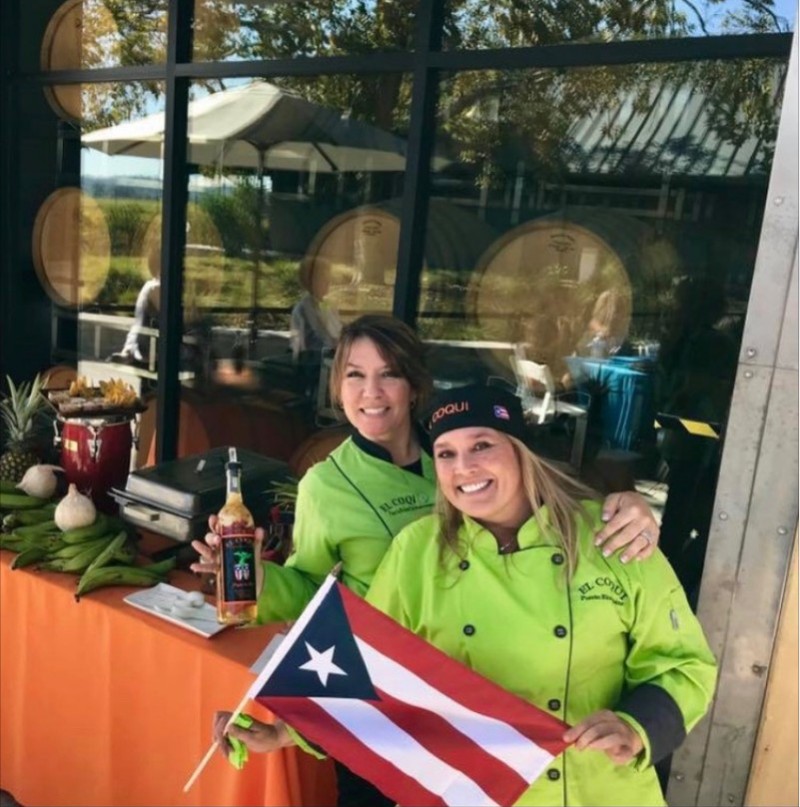
Customers craving homemade Puerto Rican food will drive from as far away as Sacramento or Santa Cruz to eat chef Jacqueline Roman’s dishes at El Coqui in Santa Rosa.
“We get customers who actually break down into tears,” said Jacqueline’s partner and co-owner Tina Jackson. “They’ll tell us it tastes just like their mother’s. Or their grandmother’s. Big guys with tattoos have come in and cried.”
Jacqueline is proud of the fact that her small kitchen is reminiscent of the one in which her grandmother taught her to cook. She was raised in New York city by that grandma, who was born in the mountainous rainforest of Jayuya, Puerto Rico. And she’s thrilled to offer dishes not that common in the Bay Area.
When Jacqueline creates her classic sofrito sauce from scratch, she isn’t just making dishes with fresh tomatoes, garlic, cilantro, onions and peppers. She is also conjuring up what her grandmother told her to do with each meal she serves: “Make your food with love.”
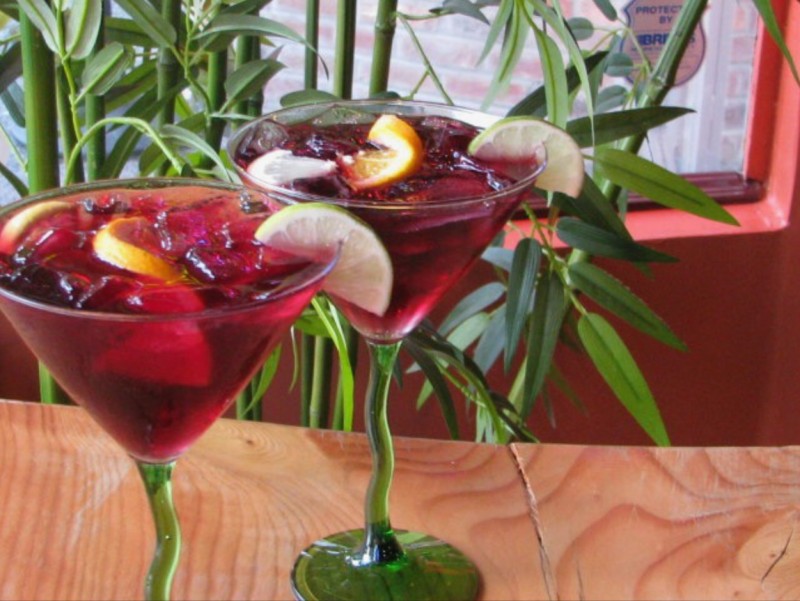
That also goes for her simple beans, rice and plantains dish, the fruit-filled sangria and her signature Pollo Al Horno—spiced oven-baked chicken thighs so tender the meat falls off the bone.
Her grandmother’s wise teachings have paid off. El Coqui has won numerous awards including the gold medal at the Sonoma County Harvest Fair for the Pollo Al Horno dish.
And the restaurant has won the best Latin food category in the Bohemian several times, along with the best new restaurant in the Santa Rosa Press Democrat. El Coqui was also featured on the Food Network.
Jacqueline and Tina had an unusual restaurant beginning.
Tina was shopping for furniture and Jacqueline was her saleswoman. They hit it off. And they decided to open a Puerto Rican restaurant together “in the peak of the financial meltdown,” Tina said. “It was a crazy time.”
They opened El Coqui in 2009, complete with second-hand equipment they bought for cheap as many other restaurants were going out of business at that time.
El Coqui was built with “sweat equity,” Tina said. “We did most of it with our own hands.”
Back then, their vision was that they might just be lucky enough to build a “small hole in the wall with four or five employees,” Tina said.
But they were thinking too small.
They now have roughly two dozen employees with thousands of customers visiting El Coqui each week.
Just recently, customers filled the front patio, salsa music played in the background and everyone’s cup was brimming over with house-made sangria.
“The vibe was just so good,” Tina said. “Our vision turned out much bigger and much more amazing than we thought it would be.”
El Coqui Puerto Rican Cuisine
400 Mendocino Avenue Santa Rosa, CA 95401 707.542.8868 ElCoqui2eat.com
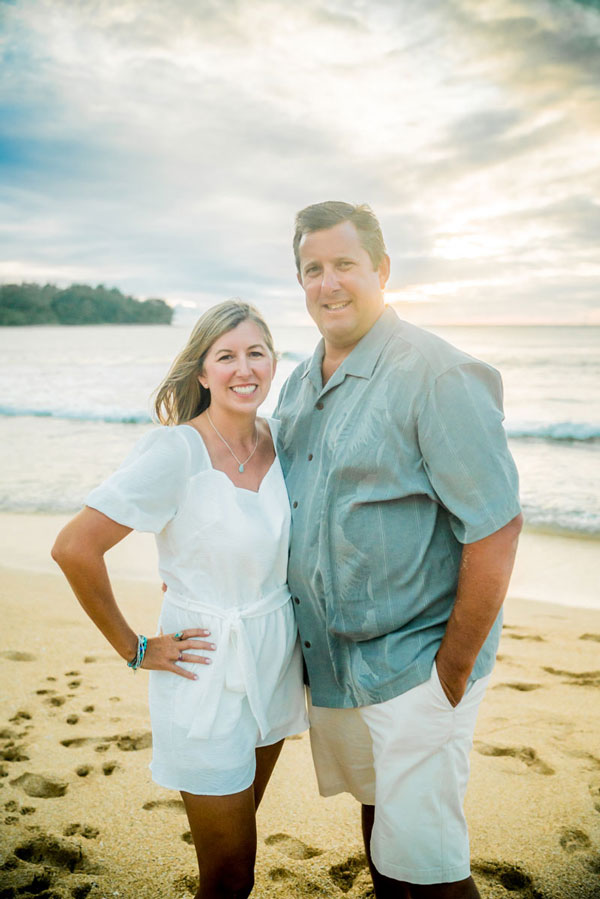
For more than a decade, Shane and Dana Lucas of Fishetarian Fish Market have have been serving locally sourced seafood at their oceanfront property that’s been in their family since 1973, almost 50 years!
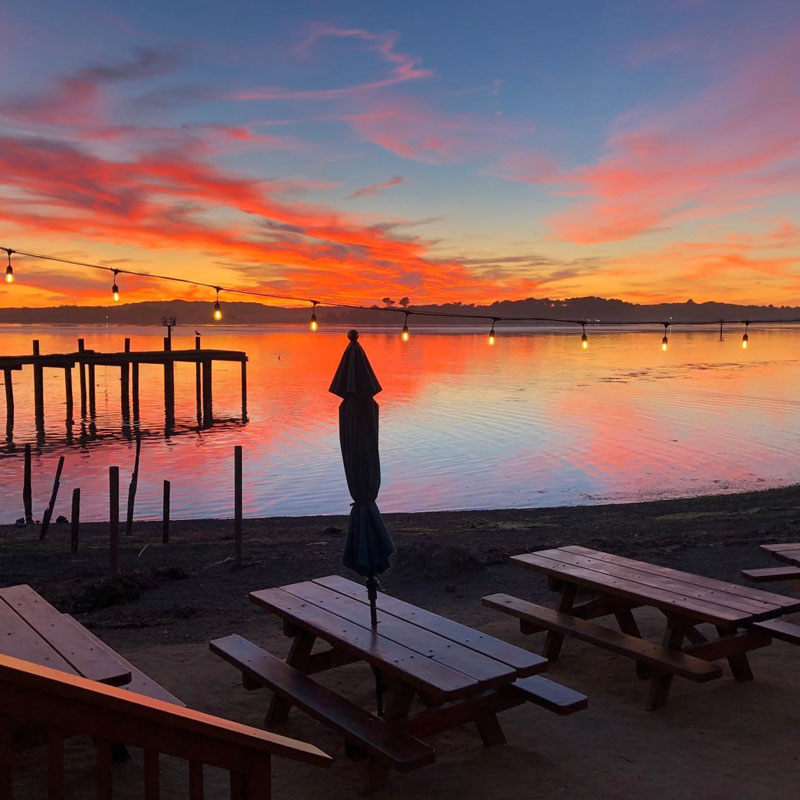
The beach adjacent to Fishetarian, “Fishetarian Cove” features waterfront picnic tables overlooking beautiful Bodega Bay. You can watch fishermen work and sea lions play in a beautiful, casual, dog-friendly environment, while enjoying delicious seafood.
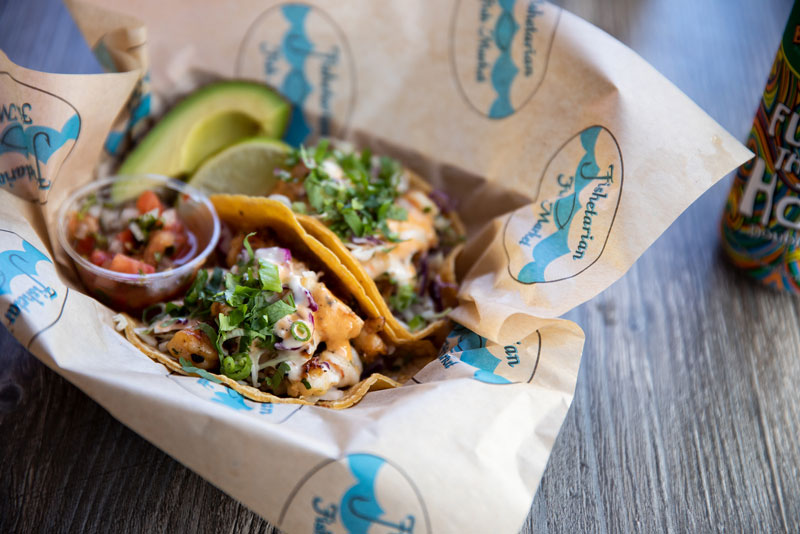
Top-selling items include Fishetarian’s local and sustainably caught “Fish n’ Chips” featuring fresh-caught rock cod, which is offered dipped in beer batter, panko-crusted, or gluten-free. Or, enjoy the famous “Shane Fish Tacos,” made simply with fresh ingredients and cod caught right off the dock. And if grilled prawns are more your style, they make a fine taco too.
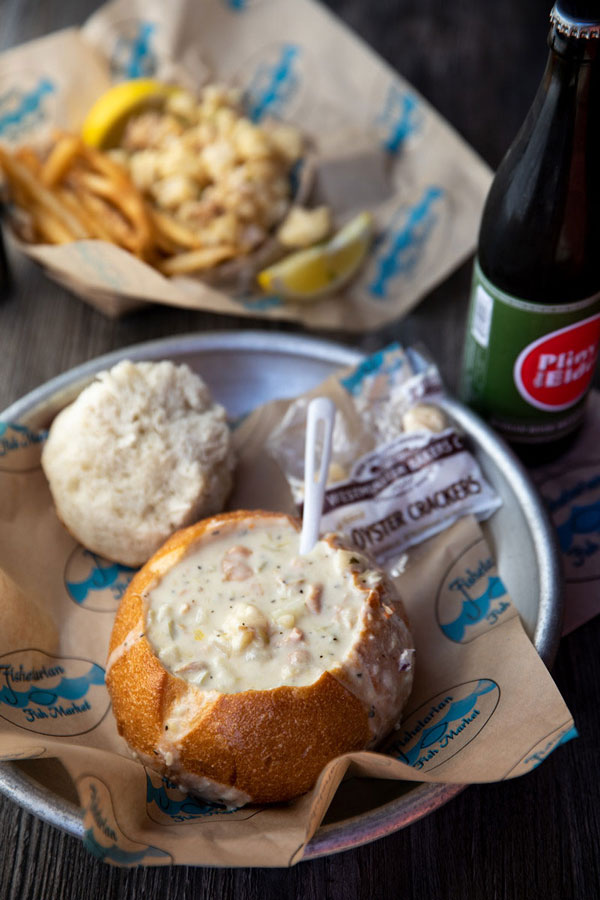
Of course, don’t miss out on Charlie’s Chowder, a Boston-style preparation that has received awards at several Bodega Bay Chowder Competitions and is named after Dana and Shane’s son.
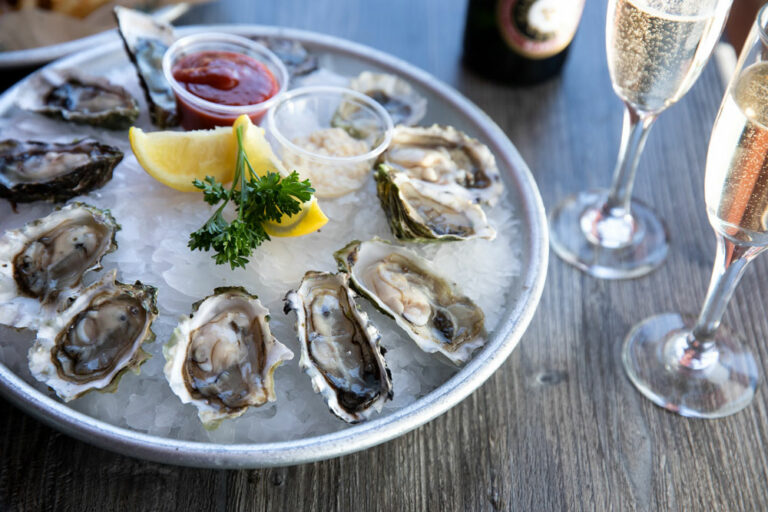
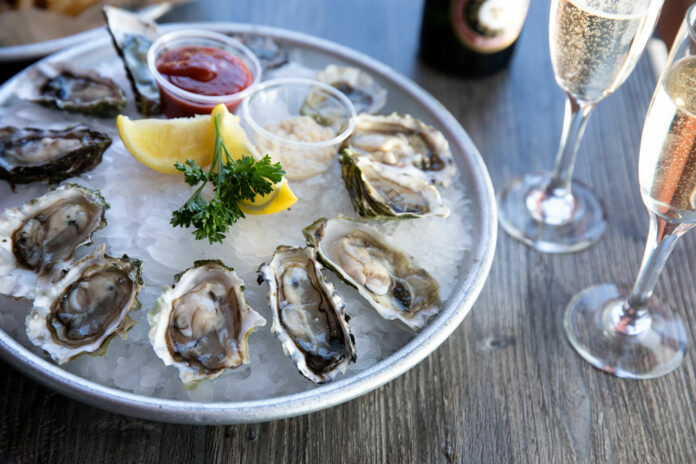
Fishetarian’s full-service outdoor oyster bar offers bivalves both raw and grilled, with housemade BBQ sauce, garlic butter, or their “Maui Wowie”sweet chili sauce sprinkled with green onion and cilantro.
Other popular offerings include crab, rockfish, and seared ahi sandwiches and their amazing fried calamari. Naturally, there are vegetarian and vegan offerings, grab ’n’ go goodies, and a kids menu including a fun, fish shaped cookie! Plus wines, ciders and beers, including a flight of five brews on tap and Sonoma County’s legendary Pliny the Elder double IPA.
Dana and Shane are understandably happy that there’s often a line out the door. But their online ordering system lets you order ahead and beat the crowd. Just visit FishetarianFishMarket.com and click the “Online Ordering Menu” link.
And if you can’t make it here, Fishetarian can ship it there. Visit their website to order chowder, sourdough bread bowls, smoked seafood, crab cakes, and more. You also can join the mailing list to receive updates, news and special offers.
It’s no surprise that Fishetarian won “Best Seafood” in the Bohemian this year and a Trip Advisor “Best of the Best” award in 2020. It also was listed in the Top 20 things to do in Dream Vacations magazine in 2019 and was nominated by the Press Democrat as the “Best Eats on the Coast” and the “Best Seafood” restaurant in 2019 to 2021.
Seafood comes naturally to Shane and Dana. Shane’s grandfather, father and uncle all were commercial fishermen, and his parents, Jim and Peggy Lucas, purchased the Lucas Wharf fish dock in 1973 and opened Lucas Wharf restaurant in 1984, recently sold.
Shane and Dana’s business plan for Fishetarian came together naturally. The couple had a unique background which aided them in creating a successful coastal enterprise. Shane ran the wholesale dock at Lucas Wharf for over 10 years, then spent another decade at North Coast fisheries as a buyer and top salesman, so he had deep connections with local fishermen, plus a proud family heritage of restaurant ownership. Dana previously had owned and operated several wholesale food production businesses. The building next to the Lucas Wharf fish house had been sitting vacant and so eventually, Dana wondered, “Why don’t we start doing this on the side?” And Fishetarian Fish Market, “Sustainable Seafood & Good Eats” was born! The couple started with just a single employee and five menu items. Their business grew exponentially.
Yet, Fishetarian isn’t just about food, it’s about community, and a happy one at that. All ingredients are sourced locally, organic whenever possible. Fishetarian is a proud member of “Go Local” which offers a discount to Sonoma County residents.
Shane and Dana are very proud of their “Bummer-Free Zone Guarantee,” “If you’re not happy with your meal, we remake it or your money back,” Shane said.
And they don’t want to take credit for their successful 10-year run themselves.
“Our team is what makes it happen,” Dana said. “Not Shane and I.”
To that end, Dana and Shane now offer their nearly two dozen employees 100 percent healthcare.
“Our business is about our family passion,” Dana said. “I love what we’ve created.”
Sonoma County voters can now sign petitions to place a measure on the November ballot to raise the state minimum wage to $18 an hour.
Currently, the state minimum is $15 an hour for large companies (with more than 25 employees) and $14 for small companies. If the voters approve the proposed ballot initiative, the state minimum would be phased in to $18 an hour for all employers by 2026. After reaching $18, the minimum wage will be adjusted annually based on the rising cost of living.
Why do we need to increase the minimum wage?–because $15 is not enough and the rent can‘t wait!
From 2000 to 2018, gross annual rents in Sonoma County rose by 25 percent, but annual renter incomes grew by just two percent.
Consequently, housing is unaffordable for more than half of Sonoma County renters. Most renters pay more than 30 percent of their monthly incomes on rent. The story is the same across the state, particularly in high-cost coastal areas.
According to the United Way of California, an actual living wage for Sonoma County is $23 an hour for each of two parents employed full-time to support two children. A living or self-sufficiency wage enables a family to pay for food, rent, transportation, child care, and health care without relying on government assistance such as Food Stamps or Medi-Cal.
Now is the right time to boost the state minimum wage. The pandemic has revealed how essential workers who cannot work from home are struggling–and many must work two jobs to make ends meet. If the ballot initiative passes, millions of low-wage essential workers will receive a wage hike.
The majority of these workers are women, youth, immigrants, and workers of color who now experience the highest inflation in the last four decades. Yet, according to the U.S. Department of Commerce, corporate profit rates are the highest since 1950!
Public opinion in red and blue states strongly supports raising the minimum wage. In 2020 Florida voters approved a ballot measure to boost that state’s minimum wage from $8.56 to $15 an hour (phased in by 2025) with 60 percent of the vote.
Novelist and historian Wallace Stegner once opined, “California is America, only more so.”
In 2016 the Golden State was the first to require a $15 minimum wage. Subsequently, ten more states approved a $15 minimum wage. If California mandates $18, other states will surely follow.
Sign the petition!
Get more information about the proposed ballot measure at livingwageact.com.
Don’t drive to Solful; take the Joe Rodota trail. Biking is better. Fresh air is my favorite drug. Gas is like $7 a gallon. Need anyone say anything more?
Hop off at what’s voted the best cannabis dispensary three years running, and here’s why: Solful is dedicated to providing their cannabis consumers with not only the best in weed, but...
I’ve been using cannabis medicinally and recreationally for decades. I’ve tried almost every method to deliver THC and CBD to mind and body. I’ve smoked joints, puffed on pipes, eaten hash brownies, enjoyed gummies and bonged my way to heavenly highs.
There’s always a new delivery system. I’m a sucker for new products. So when I heard about the Protab...
Listen, there are edibles galore these days, and this isn’t a plug on which ones to get. It’s a plug on which ones to get and where to get them: Orchard Peach Camino Sours or Plus Strains Granddaddy Purple gummies from Mercy Wellness.
A sweet and informed time, my first trip to Mercy involved very nearly becoming best friends with...
If I were a homeowner, I would want my house to stand out. No, I’m not talking about slapping on a fresh coat of paint, installing a thought-provoking lawn sign or maintaining a particularly tasteful garden.
I’d want something really unique that made me the talk of the neighborhood—or maybe even beyond. Luckily, I stumbled on just the right thing...
To say that O’Brien Painting is the Picasso of house painting might lead readers to believe that my house now looks like its eyes and ears are on sideways and it's strumming a blue guitar. None of the above—but what these fellows accomplished is quite simply museum quality. Now, I’m compelled to donate my house to the Smithsonian, thanks...
I love trains, love to ride them and love to hear them go clickety-clack on railroad tracks.
That said, it took me a long time before I climbed aboard a SMART Train, or just “Smart,” as it’s called. I objected to the name itself. What’s so smart about a train, I asked myself? Then I sold my beat-up Jetta, took...
Aside from the sky above and the earth under foot, the essential fact in our lives is San Francisco Bay, whether we live in the North Bay, East Bay, South Bay or the city. But the bay is so big and sprawling that it’s nearly impossible to take all of it in.
The only real way to engage with the...
Customers craving homemade Puerto Rican food will drive from as far away as Sacramento or Santa Cruz to eat chef Jacqueline Roman’s dishes at El Coqui in Santa Rosa.
“We get customers who actually break down into tears,” said Jacqueline’s partner and co-owner Tina Jackson. “They’ll tell us it tastes just like their mother’s. Or their grandmother’s. Big guys with...
For more than a decade, Shane and Dana Lucas of Fishetarian Fish Market have have been serving locally sourced seafood at their oceanfront property that’s been in their family since 1973, almost 50 years!
The beach adjacent to Fishetarian, “Fishetarian Cove” features waterfront picnic tables overlooking beautiful Bodega Bay. You can watch fishermen work and sea lions play in...
Sonoma County voters can now sign petitions to place a measure on the November ballot to raise the state minimum wage to $18 an hour.
Currently, the state minimum is $15 an hour for large companies (with more than 25 employees) and $14 for small companies. If the voters approve the proposed ballot initiative, the state minimum would be phased...