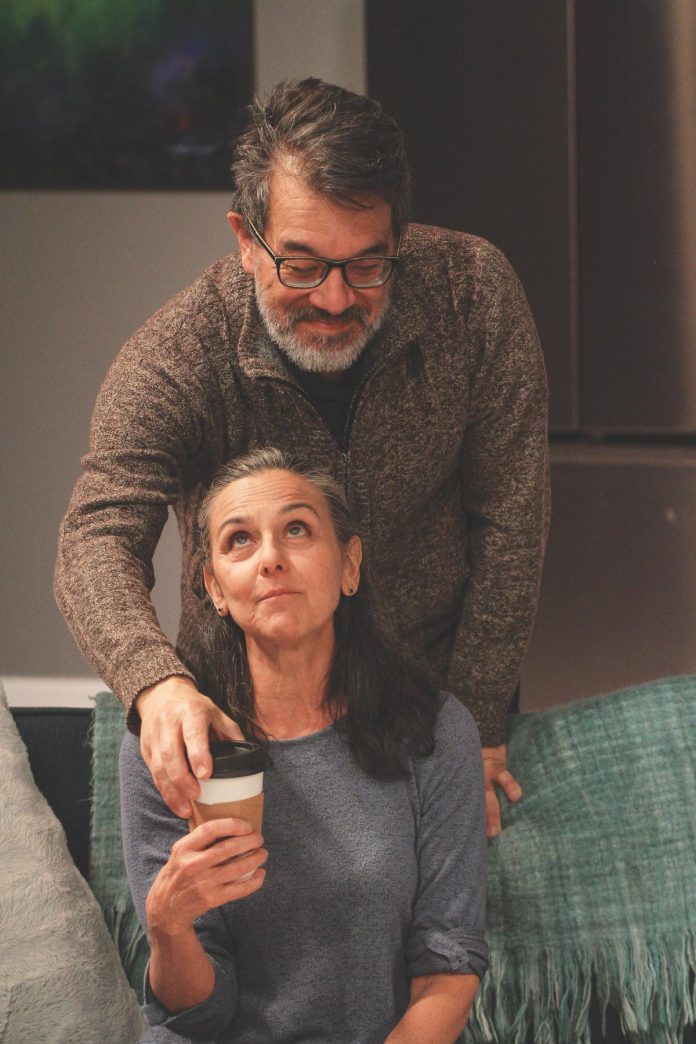
Culture Crush, Sept. 3

Mill Valley

Sound Summit Turns 10

CAKE returns to the Mountain Theater to headline the 10th anniversary of Sound Summit on Saturday, Sept. 13. The daylong benefit festival also features Canadian alt-pop favorites Alvvays in their only California show this year, Real Estate and “Cosmic Mountain Music” makers Wolf Jett. A special highlight: Stand!—a Bay Area all-star tribute to Sly & The Family Stone with Taj Mahal, Narada Michael Walden, Martin Luther McCoy, Vicki Randle, Rustee Allen and more. Staged in the 4,000-seat natural stone amphitheater atop Mount Tamalpais, the annual gathering raises funds for the state park, generating more than $300,000 for restoration and conservation projects in its first decade. 11am–7pm, Saturday, Sept. 13, Mountain Theater, Mt. Tamalpais State Park. Tickets $120 adults/$60 youth at soundsummit.net.

Sausalito

Cornershop Opens

The Sausalito Center for the Arts Cornershop opens its fall season Sept. 3 with two solo shows exploring the humor, grief and tenderness embedded in clay. East Bay artist Paige Valentine leads off with Odds & Ends (Sept. 3–Oct. 5), showcasing intricately built, small-scale ceramics that merge painting and sculpture into whimsical, poignant forms. Annie Duncan follows with Jewelry Box (Oct. 16–Nov. 16), presenting larger-than-life ceramic works and paintings that riff on still-life traditions, cartoons and consumer culture. An opening reception celebrating both artists takes place from 2 to 5pm, Saturday, Sept. 7; on view Sept. 3–Nov. 16 at Cornershop Sausalito, Sausalito Center for the Arts, 750 Bridgeway. sausalitocenterforthearts.org/corner-shop.

Sebastopol

LowDown in Seb

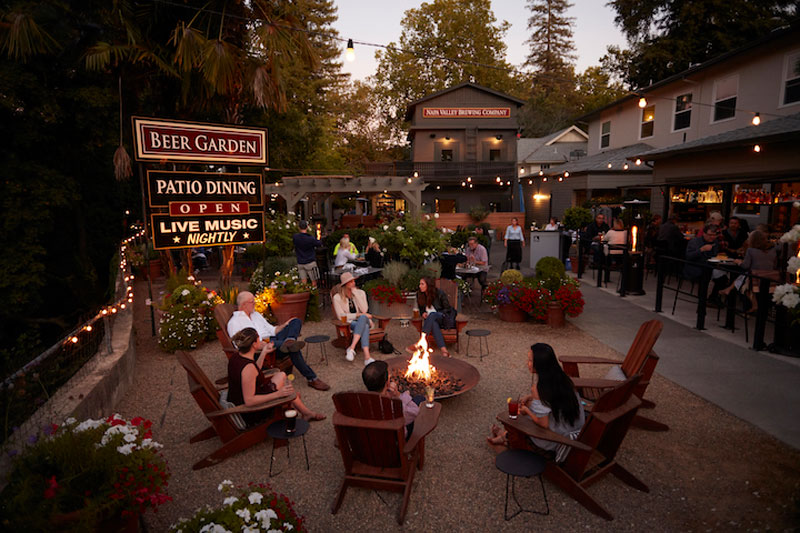
Chicago’s LowDown Brass Band brings its genre-bending brass explosion to HopMonk Sebastopol on Thursday, Sept. 11. Known for fusing horns with hip-hop, funk, reggae and Latin grooves, the nine-piece ensemble has lit up stages from Montreal Jazz Fest to Aspen Jazz Fest and is fresh off their album, $itizens of the World, and new singles like “In the Kitchen.” With a reputation for high-energy live shows and millions of streams across platforms, LowDown is poised to turn the beer garden into a brass-fueled dance party. 8pm, Thursday, Sept. 11, HopMonk Tavern Sebastopol, 230 Petaluma Ave. Tickets at hopmonk.com/sebastopol.

Sonoma County

Daiquiri Crush

Hawai‘i’s Kō Hana Rum is bringing a splash of aloha to harvest season with its Daiquiri Crush 2025 campaign, running now through Oct. 31 across Sonoma County. The effort celebrates the shared labor of farmers in Hawai‘i and Sonoma by spotlighting Kō Hana daiquiris at local bars, restaurants and retailers. The campaign kicks off with a Tiki launch party on Wednesday, Sept. 3 at Lo & Behold in Healdsburg, where proceeds will benefit Corazón Healdsburg’s work supporting local ag workers and their families. Throughout the season, residents can “Buy a Daiquiri for a Farmer” at venues including Lo & Behold, Geyserville Gun Club, Fern Bar and Catelli’s. Wednesday, Sept. 3, Lo & Behold, 214 Healdsburg Ave., Healdsburg. More at kohanarum.com.

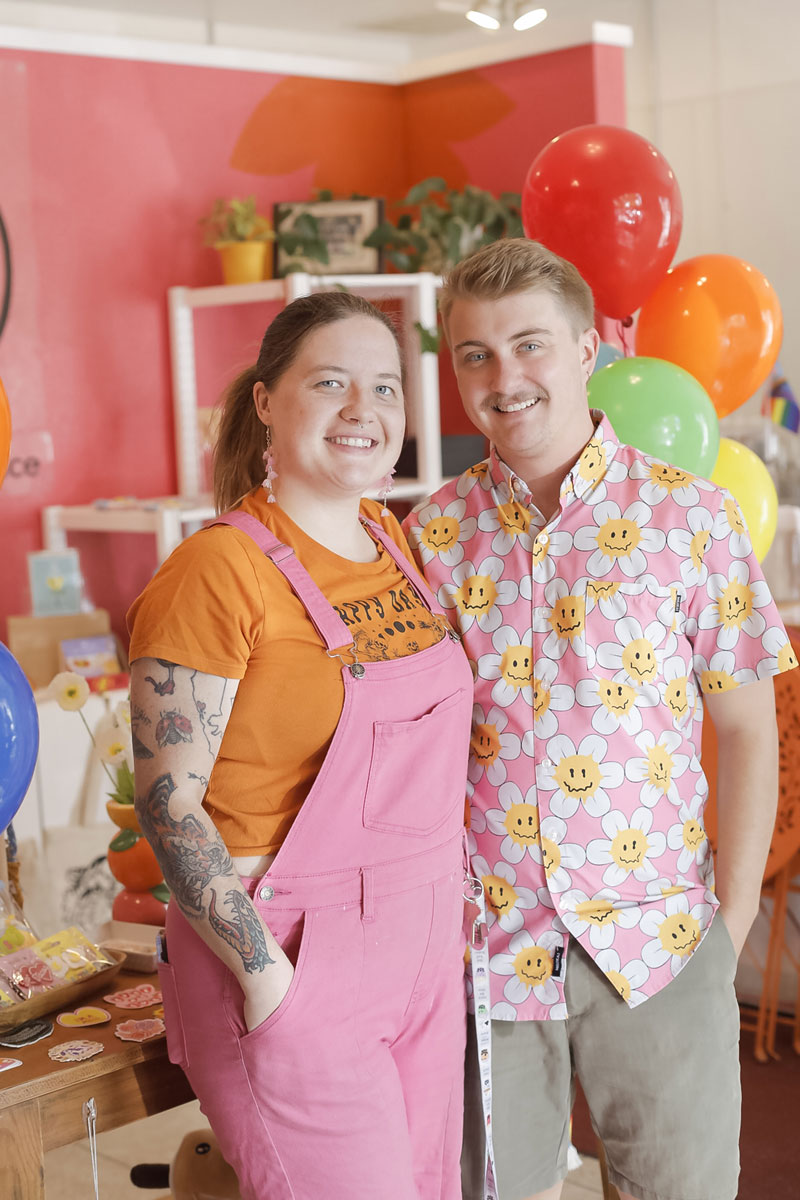
Petaluma’s Art Haven, Ani and Bonnie Bonani of Slough City

Klaxons whirled and fizzed in my brain as I read a twice forwarded message (off the grapevine): “Slough City might not make rent this month.” 

“Ugggh,” I sputtered, “not another one…” If this cool summer season has been bad for venues generally, it has been terrible for queer-led art spaces, from the closure of local Strange Constellation to the pending closure of immortal Oasis in San Francisco. Blame the Trump chill; this is terrible news for those who love the weird and the wonderful.

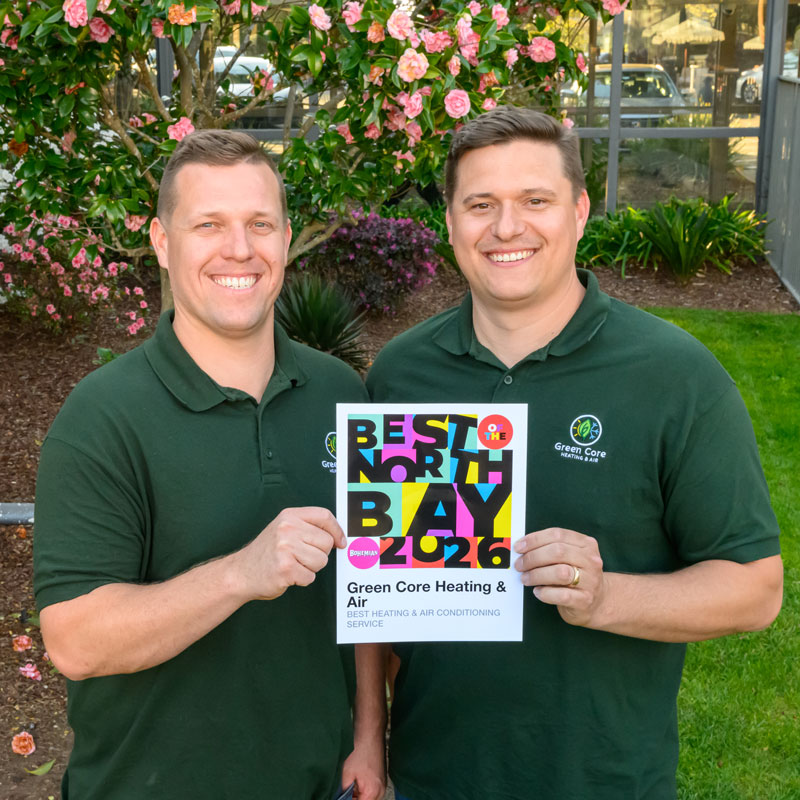
It’s time to activate. Message received, I hopped on my steed (Prius) and tooted over to Petaluma to inquire why this art space might be worthy of fresh drafts of support. What I found there, next to Pinky’s Pizza, were wide open doors (symbolism alert). Barn doors, flanked by a progress pride flag on the right and a smirking image of “Sloughcy,” tentacled guardian of the slough and the right, on the left. 

Passing through open doors, one enters the gallery space, which is divided in two down the center line. One half is chock a block with the art and craft retail of 50 local artists. The other half is spare, hung and mounted with the current art show (at time of our interview, Dyllan Hersey). Through a second set of open doors is a common work table and the Slough City studios—a set of eight small art studios (one is open).

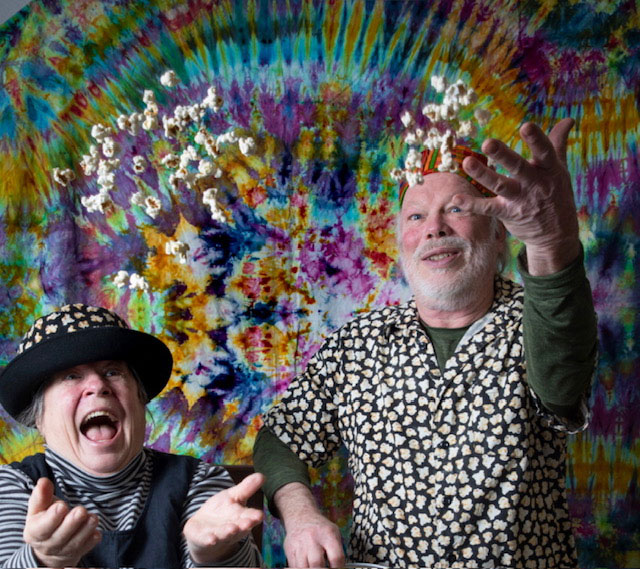
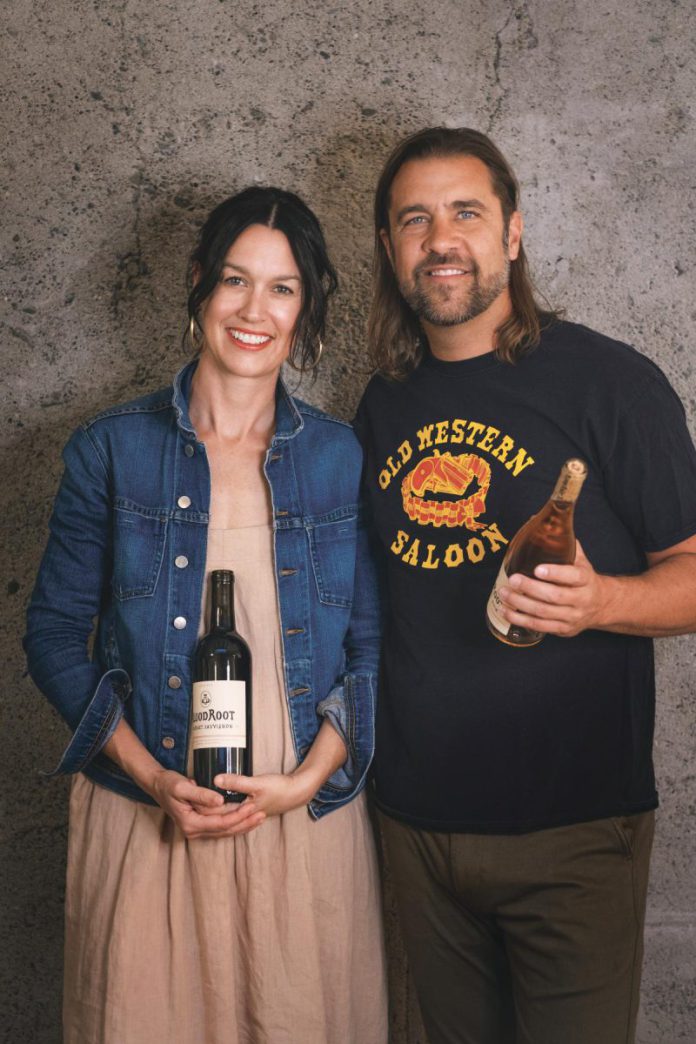
As I entered, Bonnie and Ani Bonani waved from the common table, and their elderly small dog barked. The two were piecing together rainbow shards of mirror glass (symbolism alert) for an infinity room for another artist’s Burning Man installation. The whole looked like a rocket ship or a virus (symbolism alert?). Random drop-ins like myself were welcome to help or not or to buy a  fundraising T-shirt Bonnie Bonani had made to pitch in. Fun cheesy dance music played as we chatted.

Cincinnatus Hibbard: How would you describe the Slough City art space?

Bonnie Bonani: DIY at its finest.

What are some of the media practiced in the Slough City studio spaces?

Bonnie Bonani: By the slough crew?

Ani Bonani: I do drawing and printmaking and painting and collage…

Bonnie Bonani: Ani just won first place at the Sonoma County Fair.

Ani Bonani: Blue ribbon, baby. Lucas is a photographer and mixed media painter. Bird is a fashion designer and organizer—she organized our ‘Rats in Hell’ fashion show. Gabe is a painter. Paris makes festival wear, works leather, makes prints and paints. She makes all sorts of stuff for the Wasteland Festival in Death Valley.

Ah, the ‘Mad Max’ festival; fun. What a rich community you have. You could do anything together…

Ani Bonani: And collaboration happens naturally through sharing the space. We want local artists to know that we have free supplies to make art with. People donate lots of supplies.

Tell me about your curation of the gallery and retail space ?

Bonnie Bonani: We don’t say no—to anyone. It’s art. And all art is important.

Did you combine your first names to create your last name?

Bonnie Bonani: Yes.

Learn more. Peep their Instagram gallery and showcase at @sloughcitystudios. Help them with rent at sloughcity.com. Check out their Queer Collage drop-in Fridays or their Community Craft Circle, Saturdays. One is encouraged to bring old, half-finished projects. Bonnie Bonani recommends toddling over for some slow time after a heavy brunch at Sax’s Joint Restaurant, saying: ‘There’s new art every month. You don’t have to give us your money; just get art in your eyeballs.’

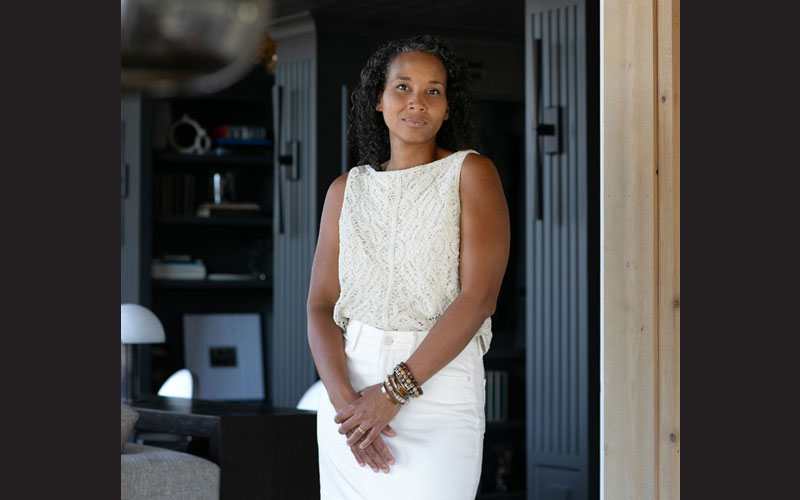
Subud Marin Member and ‘Helper,’ Meldan Heaslip

Strikingly, Subud is an international spiritual movement without leaders. It has no rules and just one spiritual practice. Absent any authority, Subud’s “members” have no single, authoritative conception of god among them. Some members choose to “submit themselves to the will of almighty god” (who one just knows is a man), while others choose to surrender to the goddess, or the trinity, mixed pantheons, the earth, the universe, a value, an idea or the void. 

But strikingly, Subud’s members choose to do so together, in mixed communitarian worship. Which sounds strangely utopian. Absent any official doctrine, it is a challenge to describe their worship—which happens behind closed doors. It has a promisingly esoteric name, the “Latihan Kejiwaan,” but that is only a common Indonesian phrase meaning, “spiritual exercise.”

When asked, each Subud member had a profoundly different description of their worship, freely improvising purely personal descriptions from the pure phenomenology of the spiritual  experience. 

One member described Latihan to me like this: “Imagine shopping at Safeway among random strangers, when suddenly, the archangel Michael of burning brand rips the whole roof off the building. How would people react to the sudden proof and immediate presence of god? They would lose their sh**, right? Some would sing, while others danced; some would cry, others knelt, while still others rolled around on the ground speaking in tongues.” Kind of sounds like an old school art jam to me.

A second practitioner, describing the exact same practice, put it to me like this: “The Latihan is like coming in from the garden, where you were doing dirty work, and washing your boots—it’s a spiritual cleanse.”

I’m guessing here, but perhaps those two wildly different descriptions of the same exercise fit together as form and function where a refreshing and spiritual cleanse is the effect of spontaneous ecstatic worship.

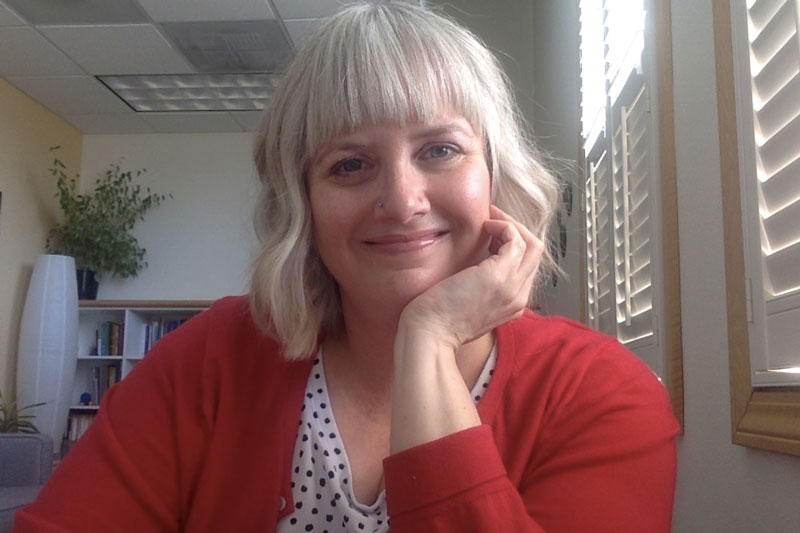
A third attempt at clarifying what Subud is was provided by Meldan Heaslip—a long-standing member and “helper” at the Marin chapter of Subud (there are chapters all over the world). As we spoke, Heaslip was at pains to emphasize that he is not an official representative and has no special authority within the movement. He also spoke in a gentle Irish brogue.

Cincinnatus Hibbard: How do you do the Latihan? What is the instruction?

Meldan Heaslip: The only instruction that goes with the exercise is that we “let go.”

I understand what “results” is a spontaneous worshipful expression. So apart from the form, perhaps go through the stages?

Well, before beginning the exercise, we start with 10-15 minutes of quiet, sitting meditation. Then, everyone stands up, and for the next half hour, people are following whatever comes to them, which usually manifests in the form of movement, maybe singing—chanting, or being very quiet and still. The goal is that this is totally authentic and completely unique—no one copying anyone else. 

Across that half hour, there is a period in which one is energetically throwing off what’s happening in their life right now—which is cleansing. Then I find there is a period of prayer or being filled with grace. And then, sometimes, if I am lucky, there is also an element of receiving guidance.

Interesting. It seems like the Latihan is zazen sitting meditation, primal scream therapy, ecstatic dance and prayer rolled into one.

Subud is not for everyone. But for those that like meditation and movement and yoga, want to be a part of something without leaders or dogma and are searching for something that is both deeply spiritual and incredibly practical, then just maybe there is something here for you.

Learn more.: subudcalifornia.org/subud-california-at-marin/

Culture Crush, Aug. 27

0

Petaluma

Pins & Needles

Labor Day weekend marks the launch of the Mercury Theater inaugural season with Pins and Needles, the Depression-era labor revue that became a Broadway sensation in 1937. First staged by members of the International Ladies Garment Workers Union, the show’s satirical songs—like “Doin’ the Reactionary” and “Call It Unamerican”—still hit with uncanny resonance today. Presented without updates, the production preserves its original humor and bite, while adding Spanish translations by former San Francisco poet laureate Alejandro Murguía to honor today’s diverse labor movement. Runs Aug. 30–Sept. 14 at Mercury Theater (Cinnabar Theater building), 3333 Petaluma Blvd. N., Petaluma. Tickets $20–$35. Labor Day special: $10 for union members. More at mercurytheater.org.

Calistoga

Logic & Light 

Sofie Contemporary Arts unveils Between Logic and Light: Material and Meaning in Abstraction, a group show exploring the intersection of form, process and perception. Guest-curated by Ray Beldner of Startup Arts, the exhibition features works in stone, sculpture, painting and collage by Arminee Chahbazian, Delbar Azari, Jamie Bruson, Fernando Carnauba, Cynthia Sumner and Beldner himself. On view through Nov. 2, the show invites viewers into a contemplative encounter with abstraction’s power to shape thought and memory. Now through Nov. 2 at Sofie Contemporary Arts, 1407 Lincoln Ave., Calistoga. Open Thurs–Sun, 12–6pm. More at sofiegallery.com.

San Rafael

Bat Stats  

Fresh from winning the Audience Choice Award at DocLands, Bay Area filmmaker Kristin Tièche brings her feature documentary, The Invisible Mammal, to the Smith Rafael Film Center on Thursday, Sept. 4. The film follows a team of women scientists, including Dr. Winifred Frick and Corky Quirk, as they fight to save North America’s bats from white-nose syndrome, a deadly fungal disease pushing species like the little brown bat toward extinction. The screening will be followed by a live Q&A with Tièche and cast member Quirk, diving deeper into the science, the urgency and the surprising connections between bats and global health. 7pm, Thursday, Sept. 4, Smith Rafael Film Center, 1118 Fourth St., San Rafael. Details and tickets at rafaelfilm.cafilm.org.

Larkspur

Film Noir

Fatal attraction, double-crosses and shadows limned with cigarette smoke; Lark Theater rolls out a weekend of film noir classics Aug. 29–30. On screen: Double Indemnity, The Postman Always Rings Twice, The Maltese Falcon, The Big Sleep, Laura, Strangers on a Train, The Hitch-Hiker, The Big Heat and The Bad and the Beautiful. It’s a chance to see Hollywood’s darkest gems as they were meant to be seen—on the big screen. Showtimes 4 and 6:30pm, Friday, Aug. 29, and 4 and 6:30pm, Saturday, Aug. 30, at Lark Theater, 549 Magnolia Ave., Larkspur. Tickets $10–$15. More at larktheater.net.

ICE Brings Heat Home as Immigration Crackdowns Threaten Housing

In Santa Rosa, a mother of six children says she’s struggling to pay the rent following her husband’s deportation—but fears eviction from her landlord if she even requests to move into a smaller place.

Across the state, the U.S. Immigration and Customs Enforcement, or ICE, has scooped up swaths of household breadwinners, leaving their families scrambling to afford rent while grieving their absent loved ones. But the impact of those operations stretches further: The fear of deportation alone has discouraged many immigrants from exercising their rights as tenants.

It’s hard enough to be a tenant in California, where rents are among the highest in the country. Immigrants who are living illegally in the country often lack a reliable credit history and work low-paying jobs with tenuous benefits. They already find it harder to secure housing, pay more for the housing they do get, are more likely to live in overcrowded conditions and may be more likely to face eviction.

President Donald Trump’s intensifying immigration crackdown leaves those renters more vulnerable to eviction and exploitation, which could plunge more immigrants into homelessness or overcrowding, or even lead some to “voluntarily” leave the country, housing rights attorneys and scholars say. 

The fear of retaliation from landlords has created what advocates describe as a chilling effect on immigrant renters, which “substantially undercuts” California’s strong tenant protection laws, said David Hall, co-directing tenants’ rights attorney with Centro Legal de La Raza, a nonprofit legal aid group in Oakland. 

“You can have the most protective laws in the world, but if people are afraid to enforce those laws … it’s like for those people, those laws don’t exist,” he said.

Housing Barriers

Once they find a place to rent, tenants without legal immigration status are less likely to assert their tenant rights and more likely than others to cram into overcrowded housing leased by friends or family members. Such arrangements often expose tenants to subpar living conditions, deprive them of legal protections because their name is not on the lease and put them at higher risk of homelessness should even one of their housemates lose income, said Melissa Chinchilla, a researcher with the Latino Policy and Politics Institute at UCLA. 

Seventy percent of foreign-born Latinos in California who are homeless lived in housing they did not hold the lease for, compared to 46% of U.S.-born Latinos, a June 2025 study by the University of California San Francisco found.

And once an undocumented immigrant becomes homeless, it is harder for them to regain housing, Chinchilla said.

“They may not be able to provide a credit check,” she said. “They may be paid cash. So they may not have that history of their income.” 

All those fears and barriers have been dialed up to 11 as Trump has returned to the White House with more force and focus on aggressive, indiscriminate immigration enforcement.

Under his administration, the U.S. Department of Health and Human Services, the Internal Revenue Service and the U.S. Department of Housing and Urban Development have agreed to share residents’ personal data with ICE, which will soon see unprecedented levels of funding. Proposed cuts to immigrants’ access to public benefits such as early childhood education, health care and housing programs threaten the livelihood of families who rely on those services.

California’s tenant protection laws are among the strongest in the nation. They include a statewide cap on how much landlords can hike the rent each year, limits on application fees and security deposits and strict terms and conditions when a landlord moves to kick a tenant out. On paper, those rights apply to tenants, regardless of immigration status.

A 2018 state law bars landlords from asking about or disclosing a tenant’s immigration status to anyone, including federal immigration agents. It’s also illegal for housing providers to harass or threaten tenants over their immigration status. But not every tenant is aware of or willing to exercise their rights.

“Organizations have stopped advertising their Know Your Rights Workshops and counting on word of mouth instead—for fear of becoming a target. Others are choosing to only do workshops by appointment to not expose their clients,” Daniela Juarez, a registered legal aid attorney with California Rural Legal Assistance, wrote in an email. “Overall, they have all seen a chilling effect in services and are worried it will only get worse.”

Families are also afraid to appear in court for housing-related issues as immigration agents regularly detain people at courthouses across the country. In March, news of such an arrest outside the Sonoma County Probation office rippled through the immigrant community in Santa Rosa, said Patrick McDonell, a housing attorney with Sonoma County Legal Aid.

The fear doesn’t stop there: Asking for a repair. Making an informal complaint. Attending housing rights workshops. Seeking a routine accommodation. For undocumented immigrants, families with mixed immigration status or anyone who might otherwise be concerned about drawing the attention of immigration enforcement agents, such routine interactions have become more fraught. 

In Santa Rosa, a woman named Karen, who asked to be identified only by her first name because of her immigration status, lives with four of her six children in a two-bedroom apartment. The monthly rent is $2,299, according to the lease she shared with Cal Matters. After ICE deported her husband—who earned the bulk of the family’s income as a gardener—back to Honduras in April, she said, she has scrambled to keep her family housed.

She contemplated asking the property manager to move the family to a smaller apartment. That would mean packing all five family members into a one-bedroom unit, but it would technically be affordable, she said. But Karen, who said she overstayed her visa from Honduras, worries that the mere request might provoke her landlord to initiate eviction proceedings. She said she’s also reticent to look for work herself, given her lack of legal status. Instead, she said, the family is scraping by on the income of her one working-age daughter and on money borrowed from family members while she considers her options.

There aren’t any obvious legal ones.

For renters like Karen who, as a result of a deportation, simply don’t have the funds to pay the rent, California’s expansive tenant protections don’t offer a remedy, even if she were willing to go to court, said McDonell at Sonoma County Legal Aid. 

“The reality is there’s no silver bullet or solution to a lack of money to pay the rent,” he said.

Sergio Olmos contributed reporting.

Singing Praise: Songbird Parlour Indulgence in Glen Ellen

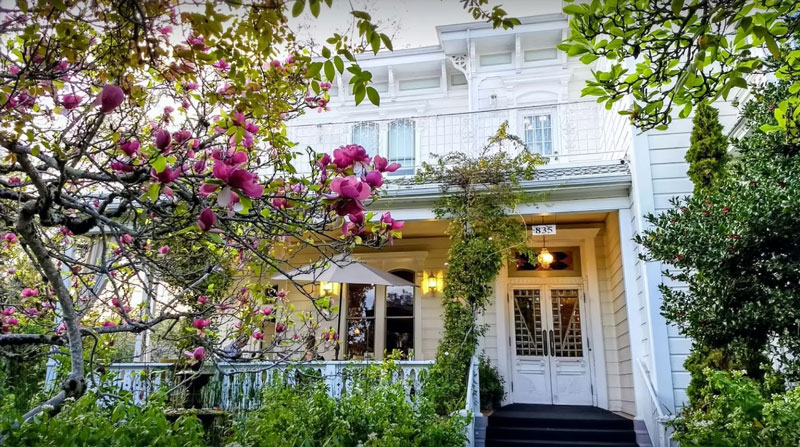
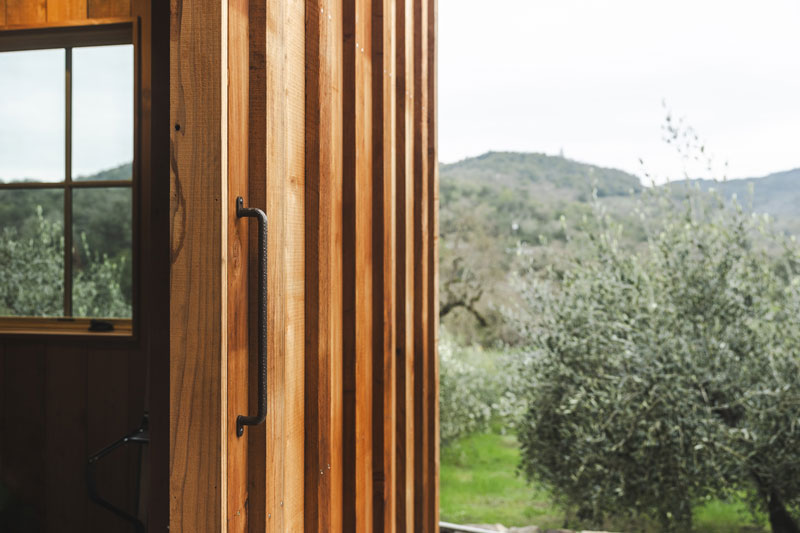
The idea behind restaurateur Lauren Kershner’s Songbird Parlour is simple: Highlight the best of the season with New American farm-to-fork dishes made from ingredients sourced close to home, in this case Glen Ellen.

And the setting, in Jack London Village, just before the small town of Glen Ellen, invites guests to gather, linger and savor, making the restaurant as much about connection as it is about food, which comes courtesy of chef Eric Moulton.

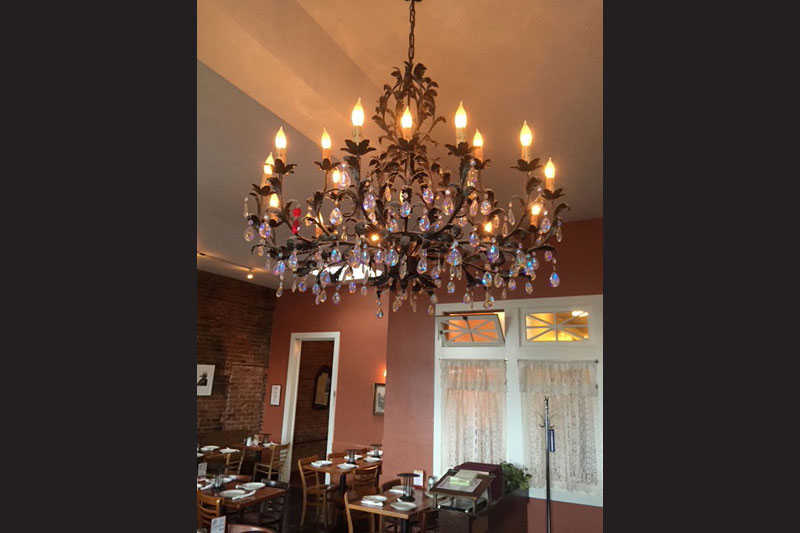
Songbird Parlour opened in November 2024 in the historic village, which was established in 1839. The restaurant offers plenty of easy parking and a welcoming atmosphere. Inside, the design is both open and cozy, with high ceilings, a rich green palette, a wine lounge area and thoughtful Victorian-inspired details—including an enchanting floral mural and gilded mirrors overlooking dining tables, creating an ambiance that feels at once elegant and relaxed. 

The menu beguiles. One may start with the beet salad, which features roasted beets, Grazin’ Girl gorgonzola, farmstand berries, crispy onion, seasonal sprouts and seeds. For something more indulgent, the hand-rolled ricotta gnudi, paired with confit tomato, garlic and roasted summer corn, is a standout. These are literally “nude” raviolis—filling without the pasta shell—scandalous.

Among the entrées, the filet mignon with pomme purée, creekside shiitakes from Bohemian Well-being Farm in Occidental, tallow-basted carrots and shiitake demi-glace is a deeply satisfying choice. Equally impressive is the duck breast—cooked to perfection and served with French green lentils, Swiss chard, guanciale and a cherry mostarda.

Other tempting options include Sunday fried chicken, pan-roasted steelhead with forbidden rice, and a bone-in pork chop with stone-ground white grits and pole beans. For those wanting the full experience no matter what the season, the Chef’s Menu is available at $85 per person, offering seasonal inspirations and signature dishes served family-style.

Throughout, restaurant partner and general manager Kenneth De Alba curates wine pairings that elevate each course. A 2024 Passaggio Sparkling Rosé from Sonoma Valley provides a bright start with the apps, while a Sonoma Coast 2019 Tagline Pinot Noir emerges as a top pick for dinner.

For dessert, one may try the vanilla ice cream drizzled with local honey and olive oil, dusted with fennel pollen and finished with a sprinkle of sea salt—delish. They may pair it with a brown butter bourbon salted chocolate chip cookie and a dessert wine for an unforgettable end to the evening.

In short, Songbird Parlour is a burgeoning cultural hub that both honors Sonoma Valley’s rustic heritage while embracing global sophistication.

Songbird Parlour, 14301 Arnold Dr. #3, Glen Ellen. 707.343.1308. songbirdparlour.com.

Life of Logan, New Doc Celebrates Iconic Local Musician

A few weeks back, as I sat enjoying some end-of-week beers at my pub of choice, I was seated next to someone who didn’t look familiar. 

Bespectacled and sporting a Rasputin-like beard, I noticed he was wearing a shirt that said, Your Friend Logan, the title of a documentary about local musical genius and legend, Logan Whitehurst, that was set to play the Phoenix Theater in Petaluma that very night.

Being the intrepid reporter that I am, I immediately deduced that perhaps the mystery man might be Conner Nyberg, director of the film, or Matlock Zumsteg, the producer. I knew these names because I had done a recent deep dive into the film to see what it was all about and also, because I knew very little about Whitehurst, aside from tales of his eccentric talents and general joie de vivre.

So, I simply asked the guy if he was involved with the film, and his answer really helps explain just how wonderful and amazing Whitehurst was as a musician and human being. 

This guy, Blake, was not involved with the film, aside from helping it get made via crowdfunding. Rather, he had driven 400 miles to see the premiere of Your Friend Logan because he was not only a huge fan, but he also met Whitehurst online in the nascent days of the internet. Blake wanted to be there to celebrate the musical artist who meant so much to so many in a short time, and that was a pretty special thing to do.
And, Your Friend Logan is a pretty special film. Told in straightforward documentary fashion with some killer animation to keep things vibrant, the story starts in Los Banos, 1977. Whitehurst was the first among several brothers and sisters, who, according to his parents, was always quirky. Lifelong friends nostalgically recount his youthful creativity. He demonstrated a talent for drawing and later filmmaking on VHS equipment. It wasn’t long before he stumbled upon his stepbrother’s garage band rehearsing, and he started beating on a bucket and keeping good time.
Soon, the budding creative found his way to Sonoma State University, where he majored in printmaking. It’s here we might pause to reflect on how whatever it is that makes this universe put a person in a perfect place at the perfect time to find their true home and passions is pretty cool. 

In 1995, Whitehurst met “geek-rock” duo Little Tin Frog, whose adoration of the band They Might Be Giants he shared. Needing a drummer, the duo had posted a flyer, this one coded with the title to a TMBG song. Whitehurst caught onto it, ripped the flyer down and immediately called the band, auditioning and landing the drummer role. The band gained local popularity in the ’90s, and the film details all of it, reminding Sonoma County music fans of a music scene and venues long since gone. 

Another key moment in the Whitehurst story is the discovery and near immediate mastery of a four-track recorder which allowed him to singlehandedly incorporate his musical talents, which included keyboard along with drums, goofy jokes, silly songs and general nonsense. It was DIY music that, when it’s heard today, seems to fit right in with the more fun and edgy animated music videos tailor-made for Adult Swim or TikTok consumption. Doing it all himself, he now had two burgeoning creative outlets.

Since we’re speaking of the DIY local So-Co music scene, it’s obvious that the Phoenix Theater should come into play, which it does. Whitehurst started the band The Velvet Teen with budding local talent Judah Nagler (guitar/vocals) and fellow Sonoma County musician Josh Staples (bass). Before long, it became evident they could become The Next Big Thing on a local level. They cut their teeth and honed their craft at the Phoenix before launching several long U.S. tours where the threesome bonded over long drives with Whitehurst at the wheel.

As one has likely noticed, we’re also speaking of Logan Whitehurst in past-tense, and that, for lack of a better term, totally sucks. Since the film is told in chronological fashion, when it nears the end, an inspiring, exciting story dives headlong into crushing, confusing sadness and eventually, loss. Whitehurst died from brain cancer in 2006 at age 29.

While the film does allow for those affected by his loss to share stories and cry about his untimely loss, it’s ultimately a celebration of his life, talent and career, that last part probably something he might cringe at. Bringing the film to Petaluma at the Phoenix was also a thrilling closure of sorts for Nyberg and Zumsteg.

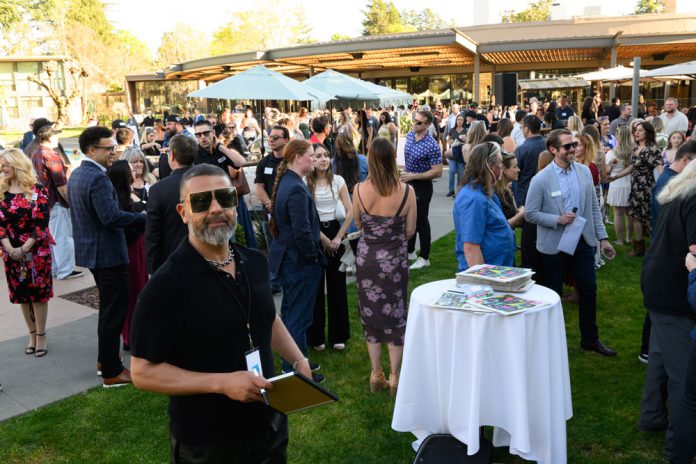
Close to 300 people came out for the screening, and Nyberg was ecstatic. “Having the premiere at the Phoenix was an incredible experience. It really felt like a proper homecoming for Logan’s music and legacy to be put on full display, and I couldn’t think of a more perfect audience to share Logan’s story with,” he said. “Though the last six years of making this film has had its shares of trials and tribulations, this premiere truly made it all worthwhile, and reminded me of just how powerful sharing the gift of creativity can be.”

Zumsteg agreed, saying, “Being held at the Phoenix, it was a very supportive and familiar environment for most of Logan’s family and friends, some of whom had traveled hundreds of miles across the U.S. and hadn’t seen one another face-to-face since his memorial in that very same building in 2007.”

He added, “I only hope it was a cathartic and healing experience for the friends and family of Logan’s that attended, and that it helped to soothe and provide comfort to an old wound, rather than merely reopen and expose it.”

Your Friend Logan is also the kind of film that is not only moving; it will make one not only want to tell people to watch it, but also to follow up several times to make sure they did. Maybe they will even leave a silly sing-song voice message or a little doodled note when they do.

Find out more about the film and stream it via yourfriendlogan.com. DVDs, Blu-rays and, yes, VHS copies are available at record stores, including Petaluma’s Rain Dog Records and The Next Record Store in Santa Rosa.

The Word is ‘Bird,’ Spreckels Debuts David Templeton’s ‘Featherbaby’ 

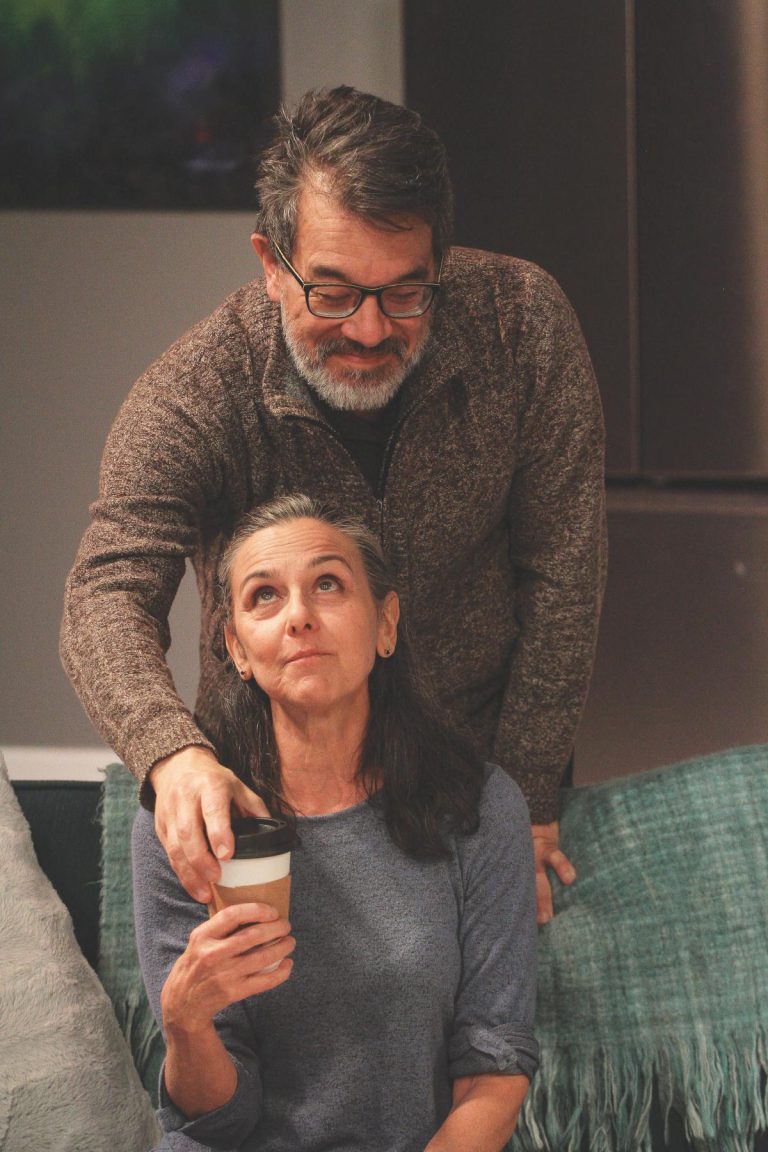
In Galatea, local playwright (and former Weeklys contributor) David Templeton examined humanity through the eyes of a synthetic human. In his latest play, Featherbaby, Templeton looks at humanity through the eyes of a … foul-mouthed parrot?  

Questions, questions, questions.

Harry Duke: Where do you come up with these things?

David Templeton: In my 20s, I had a girlfriend who owned a yellow-cheeked Amazon named Cosmo. When she moved in and brought the bird, we did not get along. Cosmo liked to bite me a lot. He stole my glasses and pooped in my shoes. Then my girlfriend broke up with me and left me with Cosmo for a very long time, during which we actually bonded and got to enjoy each other’s company. From this kernel of autobiography I grew the play Featherbaby.

How does one write for a parrot?

Such a good question. Writing for Featherbaby was the first big challenge of the play. Cosmo was never trained or encouraged to speak English words—“He only speaks his native tongue,” my girlfriend used to say—and I wanted Featherbaby to be like that. But as the narrator, the bird needs to be understood by the audience. 

I developed a style of speech that is based on the repetitive sounds; sharp, loud vocalizations; and long, flowing streams of melody, whistles, clicks, etc., but in a kind of bird-style English. Featherbaby repeats words a lot, has long, winding sentences that border on the surreal and will occasionally just shout, “NOISE! NOISE! NOISE!” 

How does one make the decision to produce a play about a foul-mouthed parrot?

Spreckels artistic director Sheri Lee Miller: I was privileged to see the play develop over the course of readings and rewrites, and I suppose you could say it found its way into my bones. I love David’s writing. As an artistic director, I want to produce new work as much as practicably possible. We do a lot of work from the distant and recent past, but we need to always be extending out to the future as well.

How do you cast a parrot?

Director Skylar Evans: One of the many beauties of Featherbaby is that it can be played by so many different types of actors. In addition, how many productions have we seen recently needing to cancel/delay due to an actor being sick? Based on those factors, I made the request to double cast the role with Gina Alvarado and Matt Cadigan: to share and have each other’s back while also showing the different interpretations and perspectives two actors could bring. 

How does one approach playing a parrot? 

Actor Gina Alvarado: I guess like any character study: research, research, research! I joke to my acting students that we’ve been blessed as actors with this highly convenient modern day gift of YouTube. I have watched many, many videos of wacky parrots doing wacky things, and learned a lot about how honestly funny and unabashedly confident parrots are. I admire that bravado. Parrots have zero fu**s to give. 

Actor Matt Cadigan: It’s a two pronged attack. I lean on my background in physical comedy training around being very presentational. This is all about having fun and inviting an audience in on it. Then I lean more on my Meisner training and find the truth in each circumstance and moment, from love, to jealousy, to loss. Truth needs to be living beneath the clownish performance, and that’s what I hope starts to shine and grow through the course of the show.

What are you hoping audiences will get from this play?

David Templeton: I hope audiences will leave the play thinking about the various companions—human, bird or otherwise—that they’ve shared their lives with, even if just for a short time, and that they allow themselves to remember and appreciate all that those relationships meant to them. But if all audiences do is laugh a lot, I will happily take that as a success as well.

Featherbaby’ runs in the Condiotti Experimental Theatre at the Spreckels Performing Arts Center in Rohnert Park Aug. 29–Sept. 14. spreckelsonline.com.

Housing Upheaval, ‘Home’ is Where the Policy Is

0

I thought I knew a lot about displacement, housing insecurity and homelessness. Then I experienced it for real.

I grew up with a roof over my head and got my Ph.D., writing a dissertation about families displaced from their homes. But instead of the American Dream, I found a rude awakening instead.

Jobs in my field are scarce, and I was told I was overqualified for the jobs I could find. Always a fighter, I started my own consulting company, helping nonprofits develop strategies that drive lasting change in families’ lives. Even so, startups are hard to finance and to grow. I struggled, but I was getting by—until I was evicted.

Through my work, I’d been steeped in stories of family displacement. But it felt different to experience it firsthand—with no recourse and no way to hold my landlord accountable. Tenants can theoretically take landlords to court, but that takes money I didn’t have.

Stories like mine are all too common in the midst of our country’s ongoing housing crisis.

There isn’t enough affordable housing to meet the immense need. Wages simply aren’t keeping up with housing costs. There’s currently no city in the country where you can afford a market-rate two-bedroom rental on the minimum wage. 

Living unhoused is nonstop stress. I had to move from hotel to hotel, chasing Priceline deals and spiking my stress levels. Unsurprisingly, there are many adverse health outcomes associated with housing insecurity, including delayed access to healthcare, worsening health outcomes and erosion of communities.

Currently, I’m OK. I have housing, Medicaid and a client, too. For now. But I’m acutely aware that we need more tenant rights and landlord accountability. A proposed federal law would offer funding for legal counsel for low-income renters facing eviction. Many states now have laws that prohibit evictions without just cause and those that prohibit excessive rent increases, as well as laws that prevent landlords from discriminating against renters with Section 8 vouchers and those that fund rental assistance.

If someone like me can get trapped in the cycle of housing instability, anyone can. But the solutions are out there—we just need lawmakers to hear us.

Andréa Wilson is the founder and principal consultant at Integrity Consultancy Group.

Your Letters, Aug. 27

Mooove Over

Beef. It ain’t what’s for dinner anymore. That’s the popular response to the tripling of beef prices in the past 15 years. The underlying reasons have been severe droughts in the cattle producing states of Nebraska, Oklahoma and Texas, aggravated by the 50% tariff imposed by Donald Trump on imports of Brazilian beef. 

Ironically, the droughts are connected to global warming caused in part by methane emissions from cattle. The rising price is expected to reduce consumption of beef, as well as the associated disastrous impacts on our personal health and the health of our planet.

But there is still hope for folks who just “have to have” their steak. A number of start-up companies are developing healthy, eco-friendly, convenient, tasty and reasonably priced steaks from animal cells and plants. They should appear on our supermarket shelves within a couple of years. 

And here is the best part for those of us who care where our food comes from: These steaks will be processed through sanitary health-inspected vats, rather than through the digestive tracts of cows.

Larry Rogawitz
Santa Rosa

Sanctuary

In response to “Activists Fast for Sanctuary,” (Aug. 9): Yes. Yes. Yes. We need sanctuary status. Even if it’s only symbolic, why not give the community what it wants? Why not? It’s at least a start in protecting our neighbors from the terror that they are living in daily—for no good reason. Even if it’s only symbolic, why not stand up to the authoritarianism of ICE? Everybody can see what’s happening. Let’s protect our neighbors any way we can.

Antonia Nell
Via bohemian.com

We appreciate your letters to the editor—send them to le*****@******an.com. Letters may be edited for clarity and space.

Culture Crush, Sept. 3

Chicago's LowDown Brass Band
Mill Valley Sound Summit Turns 10 CAKE returns to the Mountain Theater to headline the 10th anniversary of Sound Summit on Saturday, Sept. 13. The daylong benefit festival also features Canadian alt-pop favorites Alvvays in their only California show this year, Real Estate and “Cosmic Mountain Music” makers Wolf Jett. A special highlight: Stand!—a Bay Area all-star tribute to Sly &...

Petaluma’s Art Haven, Ani and Bonnie Bonani of Slough City

Bonnie and Ani Bonani of Slough City Gallery and Studios
Klaxons whirled and fizzed in my brain as I read a twice forwarded message (off the grapevine): “Slough City might not make rent this month.”  “Ugggh,” I sputtered, “not another one…” If this cool summer season has been bad for venues generally, it has been terrible for queer-led art spaces, from the closure of local Strange Constellation to the pending...

Subud Marin Member and ‘Helper,’ Meldan Heaslip

Meldan Heaslip, member and helper at Subud Marin
Strikingly, Subud is an international spiritual movement without leaders. It has no rules and just one spiritual practice. Absent any authority, Subud’s “members” have no single, authoritative conception of god among them. Some members choose to “submit themselves to the will of almighty god” (who one just knows is a man), while others choose to surrender to the goddess,...

Culture Crush, Aug. 27

Culture Crush features the classic film, 'The Postman Always Rings Twice"
Petaluma Pins & Needles Labor Day weekend marks the launch of the Mercury Theater inaugural season with Pins and Needles, the Depression-era labor revue that became a Broadway sensation in 1937. First staged by members of the International Ladies Garment Workers Union, the show’s satirical songs—like “Doin’ the Reactionary” and “Call It Unamerican”—still hit with uncanny resonance today. Presented without updates,...

ICE Brings Heat Home as Immigration Crackdowns Threaten Housing

Renters impacted by ICE deportations
In Santa Rosa, a mother of six children says she’s struggling to pay the rent following her husband’s deportation—but fears eviction from her landlord if she even requests to move into a smaller place. Across the state, the U.S. Immigration and Customs Enforcement, or ICE, has scooped up swaths of household breadwinners, leaving their families scrambling to afford rent while...

Singing Praise: Songbird Parlour Indulgence in Glen Ellen

Songbird Parlour restaurant in Glen Ellen
The idea behind restaurateur Lauren Kershner’s Songbird Parlour is simple: Highlight the best of the season with New American farm-to-fork dishes made from ingredients sourced close to home, in this case Glen Ellen. And the setting, in Jack London Village, just before the small town of Glen Ellen, invites guests to gather, linger and savor, making the restaurant as much...

Life of Logan, New Doc Celebrates Iconic Local Musician

Documentary on Logan Whitehouse
A few weeks back, as I sat enjoying some end-of-week beers at my pub of choice, I was seated next to someone who didn’t look familiar.  Bespectacled and sporting a Rasputin-like beard, I noticed he was wearing a shirt that said, Your Friend Logan, the title of a documentary about local musical genius and legend, Logan Whitehurst, that was set...

The Word is ‘Bird,’ Spreckels Debuts David Templeton’s ‘Featherbaby’ 

In Galatea, local playwright (and former Weeklys contributor) David Templeton examined humanity through the eyes of a synthetic human. In his latest play, Featherbaby, Templeton looks at humanity through the eyes of a … foul-mouthed parrot?   Questions, questions, questions. Harry Duke: Where do you come up with these things? David Templeton: In my 20s, I had a girlfriend who owned a yellow-cheeked...

Housing Upheaval, ‘Home’ is Where the Policy Is

Open Mic writers express their perspectives on a variety of topics.
I thought I knew a lot about displacement, housing insecurity and homelessness. Then I experienced it for real. I grew up with a roof over my head and got my Ph.D., writing a dissertation about families displaced from their homes. But instead of the American Dream, I found a rude awakening instead. Jobs in my field are scarce, and I was...

Your Letters, Aug. 27

Mooove Over Beef. It ain’t what’s for dinner anymore. That’s the popular response to the tripling of beef prices in the past 15 years. The underlying reasons have been severe droughts in the cattle producing states of Nebraska, Oklahoma and Texas, aggravated by the 50% tariff imposed by Donald Trump on imports of Brazilian beef.  Ironically, the droughts are connected to...
11,084FansLike
4,446FollowersFollow
6,928FollowersFollow