Ask Sydney

February 28-March 6, 2007

Dear Sydney, I am having an issue because I want to get a puppy from my sister who breeds them, but my girlfriend has already made it pretty clear that she doesn’t want another dog (we already have one). She says that she doesn’t want to have a puppy again, and besides, we rent. But I really want this dog. It’s very important to me. I am considering just bringing one home because I know that when she sees it, she will fall in love with it. I can’t decide if I should just bring it home without asking and hope she’s pleased, insist that we’re getting it no matter what or vote by democracy.–Puppy Love

Dear Puppy Love: As I’m sure you already know, getting a new puppy is a huge obligation and it sounds as if your girlfriend has already made it pretty clear how she feels about it, so just bringing one home is probably not the best idea. True, sometimes this method can be effective, but even if she falls in love with those fuzzy little ears temporarily, no doubt the “cute” effect will soon wear off when the puppy has to be taken out at 5:30 in the morning to do his business. Then the resentment will begin to set in.

Avoid this scenario by sitting down with her and talking it through. Let her know what you are willing to do to make this happen. Find out what it is about getting a dog that most stresses her out, and come up with ways that you can prevent her fears from materializing. And if she still says no, then–worst-case scenario–you get the dog anyway, take on full responsibility, replace anything the puppy destroys, clean up after it when is pisses on the carpet and try to ignore her stink eye until she falls in love with it. But know this: If you have to move and can’t find a place because you have two dogs, chances are she will, as least momentarily, blame you entirely.

Dear Sydney, I’ve been getting the feeling that my teenage son might be experimenting with smoking pot. In a moment of weakness, I decided to sort of innocently rifle through his desk. His desk and his room are very much off-limits; I’ve never opened his desk before, not even for a paper clip. Underneath a pile of papers, I found a pipe and a small bag of marijuana. I returned everything so that it looked untouched, and then I cried. I know that I shouldn’t have been going through his desk. If I tell him, he won’t forgive me, and the entire focus of the issue will be that I looked through his drawer, not that he’s smoking pot and lying to me about it. On the other hand, I know I’m supposed to take this kind of thing seriously, and maybe if drugs are involved the normal rules no longer apply. By they way, he’s a great kid, about to get his driver’s license and does reasonably well in school.–Snooping Mom

Dear Snoopy: If you think that your son is doing something that could endanger his life, then look through his desk! Otherwise, stay out unless you have permission. But seeing as you have already looked, don’t jeopardize your relationship with your son by freaking out and getting accusatory. You’re probably right: he won’t forgive you for going through his desk, and the focus will be all about how you betrayed his trust. Besides, once he realizes what you are capable of, surely he will begin to find more inventive places to hide his contraband than in his desk drawer.

If he’s getting a driver’s license soon, now is the time to have a serious talk about drugs, drinking and driving. Sure, he’s heard it all before, but maybe not from the person who can deny him access to both a driver’s license and anything even vaguely resembling a motorized vehicle. He may be old enough to make some decisions for himself, but you still control the essentials he needs in order for him to maintain a successful social life, with spending money. This means he has to talk to you or be denied services. So don’t break down and tell him of your snoopy ways. Do sit down with him and tell him that your instincts are shouting a red alert on some possible pot smoking (which is the truth), and that he better talk to you about it or all he’s getting for his birthday for the next two years is the transit bus schedule. Which, come to think of it, might not be such a bad idea in any case.

Dear Sydney, recently I was watching a comedy with my 12-year-old daughter. It was your typical comedy: couple gets married, couple misunderstands each other and has a falling out, man must convince wife to come back to him, they figure out that there has been a misunderstanding and get back together. As the couple was having their make-up embrace, I said, “And they lived happily ever after.” Then my daughter snorted and said, “Yeah, right, more like, ‘And two years later, they got divorced.'” Sydney, of course I laughed, but still her comment made me sad. She’s at an age where many of her friends have parents who are splitting up or already have, how is she going to grow up believing in love if I, and most of the people around her, can’t seem to set a good enough example?–Failed in Love

Dear FIL: Divorce is part of your daughter’s culture, and from what you say here, it seems like she’s astute enough to be able to see past the make-believe fairytale of love that gets thrown at us from Hollywood movies to the reality of life. She also has a great sense of humor! Her ability to ascertain the differences between fantasy and reality is a good thing, and it no way means that that she will grow up and not believe in love. Love is part of the fabric of our existence, and no amount of divorces will ever change that. We really have no way of knowing how the next generation will synthesize their experiences with divorce. Maybe they will grow up to be slightly damaged, afraid of intimacy and too quick to call it quits. Sound familiar? But I suspect that your daughter’s generation will still attempt to make and define their relationships with as much love and kindness as they are capable of. Life can be a beautiful adventure, divorced or not. Try not to let your own feelings of failure color what, to your daughter, may not be such a bad thing at all.

No question too big, too small or too off-the-wall.


Wine Tasting Room of the Week

0


It’s late winter in the winery, the new wine has been put to bed, but even as it slumbers in oak casks in the cellar, thieves are at work. Wine thieves. And this month, for a small fee, they’ll cut you in on the racket.

The wine thief is sort of a reverse turkey baster. Inserted in the bunghole, it draws a sample out of the barrel. Barrel tasting of new wine is an Old World way for winemakers and negotiants to get a sense of the vintage and plan for future blends or purchases. Here, it’s become another good excuse to fill the roads with limos and have a party. March is Sonoma County’s new Barrel Tasting Month. It kicks off on the long and winding Russian River Wine Road. Wineries offer some extras like food and entertainment, and “futures” can be purchased, meaning practitioners of delayed gratification can buy a promising vintage now and pick it up 12 to 18 months later.

A sipping, swirling population some 30,000 strong is expected to descend on over a hundred wineries this year, mercifully spread out over two weekends. Try out your mental judo to beat the crowds. Will people assume that the first weekend will be more popular, and choose the second? Or have they already second-guessed that, in which case, do you outguess them and go the second weekend? I need a glass already.

Moshin Vineyards in the heart of Russian River Valley will be offering “country music and snacks,” according to the tasting-room guy. It’s easy to like Moshin. There’s the hummingbird label. The new-in-2005, gravity-flow dream winery built into a hillside lets the wine flow gently from crush pad to the fermenters, with their sweet hydraulic punch-down setup, all the way down to, well, the tasting room. Like so many other enterprising victims littering the area, former math teacher Rick Moshin fell hard for Pinot somewhere along the way, and both permutations on the menu show a marked style. Light-colored, a tinge of brick, the wines kiss the nose with cognac essence.

Inhaling the 2005 Molinari Vineyard ($25), I could almost picture a slice of raspberry cheesecake with a garnish of green pepper. But instead I took home the 2004 Dry Creek Valley Merlot ($22) for a little more in-depth study of its earthy redwood forest scent and rich blackberry flavor, with mild–not quite velvety; let’s say terry-cloth–tannins.

Also, check out co-winemaker Kenny Likitprakong’s side project, Banyan Wines. The 2006 Monterey County Gewürztraminer is a sweet, balanced refresher aimed at Asian-food pairings, with aromas of honeysuckle and, well, cardboard, but in the best way possible, as when you’re opening a package you’ve been excitedly expecting–like that case of wine you bought last year.

Did I mention that the Russian River Wine Road Barrel Tasting is only $10? A steal.

Barrel Tasting, Friday-Sunday, March 2-4 and 9-11. www.wineroad.com. Moshin Vineyards, 10295 Westside Road, Healdsburg, Tasting room open daily, 11am to 4:30pm. 707.433.5499.


View All

Morsels

0

February 28-March 6, 2007

After 10 years of progressive marketing goals, hip lingo and some of the sexiest covers in the magazine aisle, Wine X Magazine announced on Feb. 15 that it is dismantling operations and saying goodbye.

Based in Santa Rosa, the popular glossy-covered magazine targeted readers in their late 20s and early 30s with the aim of luring Generation-Xers into the stodgy old realm of wine sipping. And for a while, at least, the plan worked.

“We broke down a lot of barriers and got these young people thinking about wine,” says publisher Darryl Roberts. “People didn’t just wake up and say, ‘Hey, I’m going to drink wine today.’ Some outside force made them do that, and I think in part it was us. I think that we started that snowball rolling.”

But while Wine X cultivated a large readership and inspired many wine virgins to begin purchasing and drinking wine since the magazine’s first issue hit tasting room shelves in June of 1997, wine-industry advertisers remained reluctant from day one to associate themselves with the publication.

“I’m sorry to say it, but I think those in the industry just want to retain that image of wine as something for the sophisticated, older classes rather than making it a beverage for the common people,” Roberts says.

He expresses disappointment with the wine industry and reports that he had been losing advertising and the associated revenue for years.

“We could foresee this coming, even in ’97,” he says. “They basically ignored us. Our biggest mistake was creating a vehicle that the wine industry couldn’t understand.”

But 2 million young readers understood the publication, which read something like a slick lifestyle magazine. Its covers featured swanky shots of celebrities, chicks with sexy navels and plenty of cool people under 30 enjoying wine.

A telling chapter in Wine X‘s career arc came with the magazine’s sixth issue, which featured a female African-American model on the cover. Wineries responded with little grace.

“Just for that–because she was African American–we got thrown out of a couple of tasting rooms,” Roberts says, still incredulous. “It was unbelievable. Our whole purpose was to reach out to other demographics, not just ethically, but into the gay and lesbian community, too, and basically move wine outside of that little white bubble.”

With the demise of Gen X’s only significant link to the universe of wine, Roberts warns of negative, if not dire, consequences for the very wine industry that by and large refused to support Wine X.

“Baby boomers are going to start dying off and people need to be reaching out to these younger people,” he warns. “The industry’s just assuming that the next generation will move into wine, but I think in four or five years a lot of them are going to go back to beer or liquor.”

Quick dining snapshots by Bohemian staffers.

Winery news and reviews.

Food-related comings and goings, openings and closings, and other essays for those who love the kitchen and what it produces.

Recipes for food that you can actually make.

News Briefs

February 28-March 6, 2007

Self-frying turkeys

Soaring turkeys are causing powerful complications for PG&E and residents of a Novato neighborhood. Apparently, the combination of the birds’ wide wingspan and power lines only four feet apart has resulted in at least nine dead birds and an equal number of outages in the last few months. The problem is the sheer number of turkeys, says H Lane resident Sandi Brush. “My neighbor says there’s about a hundred of them now. In our backyard, we counted about 60.” Turkeys aren’t graceful fliers, and when a flock is startled they all take to the air in a panic. That’s when one will inadvertently immolate itself while simultaneously cutting the juice to nearby homes. In response, PG&E added mid-span diverters to a number of the lines, stretching the wires to five feet apart and making them more visible.

Power for Wal-Mart

Although construction of a Wal-Mart supercenter in American Canyon remains stopped by court order, related street improvements can be completed, electric power restored and indoor fire sprinklers connected to the city’s water supply, according to a recent ruling. Store opponents argued that absolutely no work should be allowed, but the judge decided safety dictates that street improvements be finished and the building’s fire sprinklers and burglar alarms be put in working order. Store opponents are asking for a new environmental impact report for the project. In December, the city council approved spending $117,700 for more traffic- and economic-impact studies, hoping those will be enough to satisfy the court.

Another hospital vote

A March 6 vote on a $195, five-year parcel tax to supplement operating costs for Sonoma Valley Hospital could be a close call. It needs two-thirds approval to pass, says Bill Boerum. Last May, voters defeated Measure C, which would have used eminent domain to build a hospital on local farmland. The November election included two open seats on the hospital board. Now it’s Measure B. Boerum led the opposition to Measure C, but is working to pass Measure B. The difference, he says, is that Measure B will keep the current hospital open until the community can decide on an appropriate replacement and build it. “This parcel tax is a bridge to a new hospital,” Boerum asserts. Phone surveys show about 30 percent of registered voters oppose the parcel tax and another 30 percent are undecided, Boerum says. “We’re expecting in excess of 50 percent of registered voters to vote, which would be high for a special election.”


River Runs Through It

0

the arts | visual arts |

Photograph by Carol Farrow
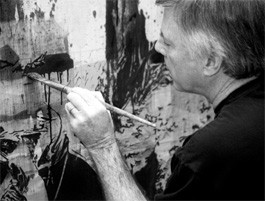
Making the mark: Bob Nugent paints small, separate worlds onto his canvases.

By Gretchen Giles

Santa Rosa painter Bob Nugent loves the ancient Amazon River basin, but it wasn’t until he stopped being so noisy that he learned anything about the place at all. Nugent, 59, has visited South America–and Brazil specifically–about four times a year since an initial trip in 1984. He was alert to the mass of green that distinguishes the Amazon River area, a color so profuse that any flash of a flower, bird or butterfly becomes magnified in perception. He knew that the thick leaf layer in the river itself colors the water like a seven-mile-wide swathe of Coca-Cola. He had studied the flora and fauna and knew the maps of the area. But he couldn’t really see the place.

Visiting a native village, Nugent’s guide finally suggested that the painter simply hush up for a while. And so, with his binoculars lying still in his lap, Nugent spent half a day just sitting in the jungle. Bugs crawled over him as naturally as they would a spent log. Slowly, the gloom of the foliage revealed itself and, for the first time, Nugent could actually see.

“I was scared at times–the Amazon does that to you. I learned to let the jungle act upon you; don’t act upon it. That’s when I started to understand what it was about,” he says, standing in the spacious studio nudged into the side of the house he and his wife Lynda built themselves in the early ’80s. “It’s such a fertile territory for me. I’m learning more and more why this place is so important.”

Such vision is acutely reflected in Nugent’s work, a new collection of which is on exhibition at Sonoma State University’s Art Gallery through March 18.

Simply titled “Recent Paintings and Drawings,” this exhibit nicely finishes a circle for Nugent, who taught at SSU for over 20 years and, in fact, acted as gallery director when he joined the faculty in 1981. He retired two years ago but held off his final exhibit until he had recovered from a spinal surgery for a congenital condition that rendered him unable to paint for most of 2006. More physically restrained than he had ever been, Nugent spent half of last year painting small watercolor studies, abstracts based–as his art almost exclusively is–on the Amazon. When his doctors gave their OK last August, he exploded with work, completing some 30 pieces comprised in the current show.

With the exception of two older drawings and two older paintings included to give perspective, the exhibit is the culmination of Nugent’s past year. Arranged in groupings, the show has watercolors that sprung from his bedridden proofs; large linen canvas works that are an amalgam of botanical illustration, abstraction and near architectural rendering; a series of paintings done on the pages of an antique book, worm markings and all; and full-canvas abstracts, lush with paint and color.

Given the many pleasing aspects of his work, it’s a little surprising to learn that Nugent frankly aims to provoke. “I want someone to be put off by something or feel seduced by it,” he says. “I want to get the viewer involved in a piece. If you can digest a painting the first time you see it, it’s not successful.”

On some of his more controversial pieces, Nugent has left large swatches of the linen canvas untouched, arranging disparate compositions of small abstracts, drawings in grids, and overlays around the field, giving the sense that they may not yet be finished. “Do I need to cover all this up?” he says, looking at a painting on the studio wall. “Sometimes the linen’s so beautiful that I don’t want to. When you paint, you end up obliterating the linen. I like the fact that one can read the painting.”

That said, Nugent shrugs. “I may go back to covering the canvases.” Clarifying the dichotomies inherent in his work, he says, “I make large, abstract landscapes. Metaphysical landscapes. I’m more interested that you get a sense of place.”

Nugent’s studio is a place large enough to mostly accommodate one of the painter’s newer commissions, an 11-panel painting that will eventually stretch to 323 feet for the Instituto Cultural Tomie Ohtake in São Paulo. A massive work on paper, the piece will in some small way attempt to reflect the overwhelming grandiosity of the Amazon River itself, no small feat.

‘Coberto’: Nugent’s paintings, titled in Portuguese, reflect his response to the Amazon.

Nugent first came into his career as a master papermaker, even briefly owning his own paper mill. While studying in Japan, he met fellow student Otavio Roth, an artist from Brazil, who invited Nugent to come visit him at home. Nugent did, and when he returned from South America, he realized that his time working with paper–a medium he had considered so thoroughly that he used it as its object–was over. “I felt constrained by the medium,” he says now, adding that a subsequent switch to pastels eventually led him back to the canvas and paints he had abandoned after art school.

Exuberantly preparing to enter his seventh decade, Nugent is certainly not constrained. He regularly curates and organizes exchange exhibits with artists from Brazil, a country that he reminds is very cosmopolitan, having strong ties to Germany and Italy. In addition to his work in the studio, Nugent curates a more unusual art collection, the one held by Imagery Estates for its wine-label collection.

The story’s a good one. In 1983, Nugent and Imagery co-owner Joe Benziger were both at an Oakmont polo match, of all places, where a fight broke out among two Samoan guests. Acting together, the two men broke up the fight. Once the melee was over, Nugent and Benziger became friends.

The next year, when Benziger had a particularly fine quality Chardonnay preparing to bottle, he asked Nugent to create a special label. The artist responded by creating a triptych, a three-piece work of label art that “reads” when placed on three bottles side by side. As Benziger has chuckled, the wine also sold “three times as fast.”

Since then such art-world stars as Sol LeWitt, Squeak Carnwath, David Nash and a host of others have contributed labels to the collection, which numbers more than 190 pieces. “I’m not the kind of guy who will spend 10 hours a day, six days a week in the studio,” Nugent grins. “I like to talk to people.” To that end, he’s just as likely to be found in Imagery’s tasting room, pouring wine for customers.

Regardless of renown, each artist receives the same stipend and, the greatest lure of all, 10 cases of wine. In fact, Nugent most relishes the unknown artists he finds through his national dealers. “We don’t care if they have a big reputation or not. All that matters to me is if the work is inspired,” he says. “We spend a lot of time researching the artists, because when we commission an image, we promise that we will use it. I never reject an image, even if I don’t like it.”

Nugent will return to Brazil in April. He has two dealers in that country to see and new landscapes to discover. Meanwhile, a coffee-table book of the Imagery labels came out last year and a book on Nugent’s own painting is due this year. For a retiree, he’s a busy man.

“I have trouble saying no,” he explains. “My life is about working with people. And my work wouldn’t be as interesting if I didn’t have all of those things.”

‘Bob Nugent: Recent Paintings and Drawings’ continues at the SSU Art Gallery through March 18. Open Tuesday-Friday, 11am to 4pm; Saturday-Sunday, noon to 4pm. 1801 E. Cotati Ave., Rohnert Park. Free. 707.664.2295.


View All


Museums and gallery notes.


Reviews of new book releases.


Reviews and previews of new plays, operas and symphony performances.


Reviews and previews of new dance performances and events.

Roadhouse Roundup

0

February 28-March 6, 2007


What completes a drive in the country better than a welcoming repast at a historic tavern or roadhouse? There’s little I relish more than coming upon such a place, windows all aglow, as seen from the byways. And so it was that I determined to explore the North Bay in search of the ultimate roadhouse.

There are several food types that can’t be found in roadhouses, and those include haute cuisine, vegan options, diet plates, fusion foods and nouveau anything. This food is, with few exceptions, abundant, old-school, starchy, fried, carnivore-friendly and usually pretty dang soul-satisfying. So while there are few surprises, it’s surprising how comforting it is to predict the meal to a T (bone). In most cases, the so-called dining experience surpasses the dining, the mood trumps the food.

Before I set out on my wayfarer’s way, I decided that I would visit only those roadhouses that have served food and drink since before 1900. Many once provided lodging to the weary traveler, but with one exception, they no longer do. The list I came up with is by no means comprehensive, but was sufficient to draw me from my warm house to wander hither and thither for days. Hours vary, so it’s a good idea to call ahead.

Adobe House Restaurant376 Soscol Ave., Napa. 707.255.4331.
History Housed in Napa’s oldest building, circa 1840, Adobe House Restaurant occupies the old homestead of Don Cayetano Juarez, captain of the militia during the Bear Flag Revolt. As the story goes, Don Juarez tried to save General Vallejo by sending his brother dressed as a woman to offer help in Vallejo’s escape. Vallejo refused, only to regret it later. And, as the saying goes, the rest is history.
The Drive After fields glowing with mustard and sorrel, vineyards like corn-rowed hair, grazing livestock and hunched-over emus, we entered Napa’s charm and commercialization. The restaurant is on a busy intersection, right at the foot of the Silverado Trail.
Pickup-to-Foreign-Car Ratio 0/100. Inexplicably, every car in the parking lot was either cherry red or chromium yellow, sporty beyond belief and shined to within an inch of its late-model life.
Menu Mostly bar food, the menu is bare-bones basic but priced right, with snacks (garlic fries, onion rings, buffalo wings), burgers, sandwiches, fish and chips, caesar salad and spaghetti–none of it over $9.
Décor and Ambiance This place is the real deal. Outside, a tumble-down porch is crowded with huge terra cotta planters, rusted urns and boulders. Bits of grass and twigs compressed in the 167-year-old adobe bricks stick out. Inside, the thick dark walls, the five-foot-high doorways (watch your head!), the crackling fire and a friendly, beery stink wrap you in a sensurround experience so strong you’ll blink like a matinée-goer, stepping back into the modern era.
“Hon” Factor High. Our waitress, Mary Ponte, informed us that she is also the owner, the janitor and “just about everything else” (this said with a genial, go-figure roll of her eyes). Although there was not one, but two menu notes demanding no substitutes, it was Mary herself who prompted us to go ahead, substitute away.
Dead Cow Count Only the odd one caught in a veritable henhouse of chicken dishes.
Grease Alert Don’t ask, don’t tell.
Distinctions Oldest. Coolest. Cheapest. Biggest contrast with environs.
Kid Appeal/Tolerance The food appeals to kids’ usual palate, and if they don’t eat it all, you haven’t blown too much dough. The low doorways make them feel big.
Raising the Bar The place to be on a cool night and the reason to make a detour here. The bar has a fireplace at one end and is positively ensconced with echoes from early rancho life.
Eavesdropped “How’s whosy doing? No, not that whosy, the other one.”

Calistoga Inn1250 Lincoln Ave., Calistoga. 707.942.4101.
History Built in 1882, the Inn made it through the Depression, periods of neglect and five major wars. In 1987, the Inn launched Calistoga Beer and the Napa Valley Brewing Company, the first time in more than half a century that beer was brewed commercially in Napa County. The hotel, restaurant and brewery continue to be run by a mother-and-son team, Susan “Rosie” Dunsford and Michael Dunsford Jr.
The Drive We took the Silverado Trail past innumerable vineyards and multimillion-dollar estates, with amazing views of the Napa Valley and the lavender and slate-gray hills that surround it like two hands cupping a flame, then past all the boutiques and bistros that line Calistoga’s main drag to the very end where the Inn anchors the town.
Pickup-to-Foreign-Car Ratio 10/90.
Menu At an entirely singular end of this venture’s dining spectrum, with dishes that challenge pronunciation, attention to season (and creative seasoning) and an overall lighter touch. Country paella shoulders up against chicken abruzze, pot roast converses with duck pasta and the prices are between $16 and $29. Even a sandwich sets you back more than $12. In addition to a full bar, the Calistoga Inn features its own Napa Valley Brewing Company beers brewed onsite and does justice to the county with a respectable wine list.
Décor and Ambiance Isn’t it just the way? The place that tries hardest to be the quaintest ends up with its effort at center stage? The dining room is celery with white wainscoting, adorned with antique turkey platters and mismatched floral plates, embroidered tea towels, paint-chipped porch doors, garden gates and window frames, all shabby-chic up the wazoo. The real treat is the large outdoor patio under the oak trees with a view of the creek, the chic passersby and the stainless steel beer tanks housed in the original water tower. It’s the perfect place to while away a warm evening, listening to music, trying to recall the names of all the wineries you visited that day.
“Hon” Factor Zero. Our waiter was an elegant, bald Tunisian man, with steel-framed spectacles, the most genteel manner and consummate service skills.
Dead Cow Count The carnage is shared almost equally among mammals, fish and fowl, with a lesser, but not insignificant, toll on spinach and field greens.
Grease Alert Green. The fries that accompanied the kids’ selections are the exception–grease used to great advantage, browning those skinny, crunchy things and helping the garlic bits and salt to adhere. Yum.
Distinctions Onsite brewery. Open 365 days a year. Live entertainment four days a week. The one place on the list that lets you lay your head after eating your fill. The rooms are small but nicely appointed, with a shared bath. At $75-plus, including a hearty continental breakfast, this might be one of the best deals going in Calistoga. They Knew What They Wanted, about a grape grower from Napa and his mail-order bride, was filmed here in 1940.
Kid Appeal/Tolerance A note at the bottom of the menu reads, “We love children, especially tucked into their chairs and behaving as we behaved as youngsters.” As for appeal, there’s a good children’s menu and the patio for greater freedom.
Raising the Bar The English-style pub was going strong with sporty cheer around its multiple television screens (we visited the Inn on Superbowl Sunday). Still, for my money, I’d rather take my drinks al fresco.
Eavesdropped Said, pointing at the knickknacks and paddywhacks around the room, “How many estate sales do you think it took for all this?”

Dinucci’s14485 Valley Ford Road (Highway 1), Valley Ford. 707.876.3260.
History Valley Ford stands at the foot of a native trail, the ford from which it takes its name. Back when, you might have seen “El Capitan” riding the trail on a half-tamed mustang to the ocean to feast on seafood and gather shells for wampum. Causing me to fudge on my own criterion (it was established in 1908), Dinucci’s is a town institution, in the family for generations, first serving railway passengers as the Depot Hotel and in its present incarnation treating locals and weekenders to good solid Italian fare.
The Drive Through some of the most beautiful pastureland, with sweeping views and a sky 15 shades of blue and gray so you know the ocean isn’t far off, you arrive into the cozy town of Valley Ford. Looking for authenticity? That olfactory aura of manure is 100 percent homegrown. Be careful after heavy rains. The roads in tend to flood.
Pickup-to-Foreign-Car Ratio 70/30.
Menu This is family-style Italian dining at its most abundant. Every entrée is accompanied with a tureen of Dinucci’s “world-famous” minestrone soup and a huge bowl of salad, wheeled to the table on a metal cart. You’re full before you even get your dinner. I ordered the fixings only and found that to be plenty, though it made our waiter grumble some. The standards get loving, familiar treatment.
Décor and Ambiance License plates, memorabilia, old photos, hundreds of liquor bottles of all shapes and sizes lining the walls, and low ceilings provide the perfect setting for this relaxing dining experience. You know you’re in the company of every diner who has ever lifted a fork here.
“Hon” Factor Low. Actually, our waiter on one occasion was well nigh surly, then–oops–overcharged us. But I hear this is not the norm.
Dead Cow Count One or two, enough to keep the boys from grousing.
Grease Alert Yellow. Replace “grease” with “carb,” and watch Dr. Atkins spin rotisserie-wise in his grave, but oh, do those pastas hit the spot.
Distinctions In 1976, Christo and Jeanne-Claude strung their 22-mile-long Running Fence of white nylon, said to look “like a dress on a suntanned girl,” through Valley Ford and into the Pacific Ocean.
Kid Appeal/Tolerance Kids are treated like royalty. Owner Jeannie Garcia greets the tykes with a bag full of gifts, one to a customer. Kids also get to serve themselves at this family restaurant that almost demands the requisite 2.5 kids.
Raising the Bar Just the right level of darkness to light, hubbub to hush, serious drinking to tipplers. As the bar acts as a social hub for this small town, the clubbiness could be a little hard to penetrate, but it’s nothing a few drinks can’t remedy.
Eavesdropped From someone smoking outside: “At first I thought her hoof might be sand-cracked, but it turned out to be a stone bruise.”

Rancho Nicasio1 Old Rancheria Road, Nicasio. 415.662.2219.
History Built by William James Miller in 1830 to house cattle traders, timber men and weekending San Franciscans, the Nicasio Hotel burned down in 1940. One year later, Rancho Nicasio was built and again became the meeting place for the townspeople and visitors. An announcement from 1868 says, “Special attention paid to families who may wish to rusticate for a time in the country.” Today, visitors of all kinds continue to rusticate quite wantonly.
The Drive Boasting that it’s “25 minutes from everywhere,” this place, of all those we visited, still feels the farthest “off the map.” If you come from the south or east, you drive through a series of established Marin towns, around the San Geronimo golf course and past Arabian horse farms until you punch out to a secluded valley with 360 degrees of heart-soothing vistas. If you come from the north, you will ride the rollercoaster of gentle green swells and languorous dips past a shine-bright reservoir and almost untouched terrain. No matter how you get there, you won’t want to leave.
Pickup-to-Foreign-Car Ratio 20/80.
Menu Sampling Something for everyone: appetizers, both fancy and frank (from Dungeness crab cakes with chile remoulade and walnut-crusted goat cheese to buffalo wings and popcorn shrimp; $4.95-$9.95), with some of the freshest oysters on the half shell I’ve encountered ($9.50 for six), savory offerings from the grill ($15-$32), several salads and even a vegetarian dish or two, all handled with understated aplomb.
Décor and Ambiance The Spanish-style white stucco and red tile roof look right at home on the edge of the town square. The grounds include horseshoe pits, a grill, a lush lawn and picnic tables under the pines with views of the distant pastures and shapely hills. It is the perfect place to be married; even if you’re single, you’ll be looking around for possible candidates. Inside, it’s rustic Americana with a twist, from the ox yokes and rusted scythes to the moose head wearing the fez in the great hall.
“Hon” Factor Low. Our waiter was friendly, informative and capable, but he wasn’t about to sit down with us or pat any heads.
Dead Cow Count Most of them are nailed to the wall, but there’s also a respectable showing of their cooked brethren.
Grease Alert Green. After all, this is country roadhouse ý la Marin.
Distinctions As the town’s hub, Rancho Nicasio serves as post office, general store, bar, restaurant and social center. Music! They feature weekend performances from country, blues, jazz, Cajun, and rock bands, some in the Rancho Room (with a $15 cover), some free in the bar. Sunday barbecue concerts in the summer are winners. Fabulous grounds.
Kid Appeal/Tolerance A “Buckaroo” menu honors the little rope-spinners. In the tavern, my daughter danced with other girls, twirling their long skirts. My son ogled the dead animals. Outside, they both got to play horseshoes and be loud. What more can you ask for?
Raising the Bar On a Sunday afternoon, with Corinne West singing her heart out, there was barely enough room to squeeze in, but everyone seemed happy to admit more to the merriment. With walls covered in mounted elk, boar, bison and bear heads as well as knotty-pine paneling, a trussed ceiling and a brick fireplace (emanating solid heat), the bar draws you to its ample bosom and plants a wet one–and that’s before you even have had a drop to drink.
Eavesdropped Snooping around, I just happened to venture “backstage” to the Rancho Room where Corinne West, resting between sets, was fanning herself by flapping her own blouse, saying “Wooo-hoooo.” My sentiments exactly.

Stormy’s Spirits and Supper6650 Bloomfield Road, Bloomfield. 707.795.0127.
History The town of Bloomfield is named after Gustavus Blume, a ship’s surgeon who is said to have survived a shipwreck by clinging to the side of a whale. The harpoon that killed selfsame whale went through Blume’s hand, which bore the scar until his dying day. It’s fitting that Stormy’s, built in 1854, feels so much like a port in the proverbial storm. Named after Stormy Cramer, who purchased it in 1961, it maintains the spirit of solid endurance, like the spirit of Stormy herself, who died just over a year ago.
The Drive Our drive took us over rolling hills punctuated by grazing dairy cows, around one of those strange graveyards with plastic flowers sticking straight out of the ground, then past an old schoolhouse, arriving at the hamlet of Bloomfield in the valley of the Estero Americano, utterly enchanted.
Pickup-to-Foreign-Car Ratio 50/50.
Menu Carnivores have reason to cheer: meat dishes dominate and for good reason; they are skillfully prepared and delicious, with prices ranging from $20 to $30. Meals are served family-style, accompanied with a righteous, thick clam chowder, nice salad and a vegetable side. The wine list is fairly limited, but the bar is full.
Décor and Ambiance Possessed of a distinct split personality, Stormy’s is divided between an inviting, fire-lit tavern with wood paneling and the ubiquitous stuffed marlin, and a bright, impersonal dining room. Ask to be seated on the Mr. Hyde, that is the tavern, side.
“Hon” Factor High. Ours bore a salty edge of superior attitude, peppering her speech with a “frickin'” or two. Her 25 years’ tenure resulted in efficient, if somewhat jaded, service. There was to be no question: this was her restaurant, not ours.
Dead Cow Count The whole herd is served up as prime rib, filet mignon, New York steak, porterhouse and ribeye steaks. One slab tips the scales at over two pounds! The cut my companion ate was so perfect it had him reciting cowboy poetry to a 4/4 beat.
Grease Alert Yellow. There are some fried dishes, such as the fried chicken, which is excellent, but most dishes are grilled.
Distinctions By far, the nicest feature of this place is the barroom’s wall-long stone hearth in which an honest-to-God fire burns, complete with crackling, woodsy aroma and the perhaps inevitable fire battles, beginning pretty much when we arrived. Asked for a fireside table, the bartender seemed loathe to indulge us, maybe because we had a child in tow (I found out later that no children are admitted into the barroom–my bad) or maybe due to some thinly veiled nonlocal discrimination (no, I’m not paranoid). We insisted, and room was grudgingly made. Subsequently, when the fire had subsided, the three gentlemen at the center table wouldn’t let us feed it. They were too hot, they said. In their primo spot, I said under my breath. Nothing like a little dinnertime contention to whet one’s appetite.
Kid Appeal/Tolerance Juvenile pyromaniacs like mine will love the fire, and a kids’ menu makes concessions to smaller appetites.
Raising the Bar Home is where the hearth is here, both for drinks and for food. The spirit of this place hugs close to the place of the spirits.
Eavesdropped From one older gentleman to another (somehow inserted into a discussion about Revelation and archangels): “You were sexy . . . back then. Of course, you’ve died recently, which would account for a slight decrease in sexiness.”

The Union Hotel3731 Main St., Occidental. 707.874.3444.
History In 1879, Dutch Bill Howard sold lot six to Amelia Jones, who built a two-story structure and then resold it to Howard. In 1891, Howard sold the building to Giovanni and Giovanna Gobetti for $2,000 in gold, and the Gobettis operated it as the Union Saloon for nearly 35 years. In 1925, Giovanna sold it for $2,500 to Carlo Panizzera, whose “Union Hotel” offered boarding and sustenance to stopover railroad passengers. One morning, when waitress Mary Alberigi was carrying linens from the hotel rooms down the steep, narrow stairway, she tripped and fell. Carlo whisked her to the doctor. They married soon after, and in due course bore Lucille, whose children and their families run the Union to this day.
The Drive Bound by redwood forest, vineyards and open valley expanses, Occidental feels like an alpine village from a storybook. The Union Hotel stands proudly, flanked by other establishments like Howard’s Station, also established in the late 19th century.
Pickup-to-Foreign-Car Ratio 40/60 (some nights, just the reverse).
Menu The pizzeria offers pastas, pizzas and salads, with a few meat entrées at family-friendly prices. The dining room takes on more airs, without being puffed up, offering such entrées as roast duck and chicken piccata, served family-style, with minestrone and salad for $20-plus.
Décor and Ambiance The pizzeria is down-home and intimate, with candles in Chianti bottles and those pizza-warming thingees that cast a homey glow. The dining room is more formal, decked out in wood paneling and a landscaped brick patio that will take you back to bella Italia.
“Hon” Factor Low. Although there are a few seasoned waitresses, most are college-aged, fresh-faced and very accommodating.
Dead Cow Count A few lone dogies. While they do serve burgers and steak, the emphasis is on Italian food, with a smattering of poultry dishes.
Grease Alert Yellow. Most meats are grilled, broiled or roasted. They offer four different salads. The pizzas tell another story (but what’s pizza without the sheen?).
Distinctions The place is huge, comprising a daytime cafe (with excellent baked goods), bar, pizzeria and dining room, which also hosts various group meetings; game rooms, so kids can clear your purse of all those “extra” quarters; and the Bocce Ballroom, where the owners serve a free pasta dinner every year at Christmastime.
The pizzeria menu now lists single servings, quarts (serving two to three), and “family size” servings (for your eight- to 10-person family) of such offerings as soup and ravioli.
Kid Appeal/Tolerance From the wad of pizza dough kids are given to mold, to the crayons and board games kept on hand, to the kids’ menu, to the arcade games, it’s a veritable kid emporium. Nine out of 10 times, when asked where we should eat out, my kids chant, “Union!” loud enough to make Norma Rae proud.
Raising the Bar The center of social life for twenty-somethings in a 10-mile radius of the town, the bar is always happening. A world away from the restaurant, it preserves its slightly naughty aura.
Eavesdropped This place is at the heart of my kids’ school district, which for me is both one of its pluses and its minuses. It’s not what I overhear that concerns me, but what other folks overhear out of my beer-amplified mouth.

Washoe HouseStony Point and Roblar roads, Cotati. 707.795.4544.
History Established in 1859, the Washoe House was the site of “the Battle of Washoe.” Toward the end of the Civil War, Union sympathizers were marching to Santa Rosa to attack Santa Rosa Copperhead. They got as far as the tavern, where they all got patriotically drunk instead. If only every conflict could be resolved in such a civilized manner. Once a stop on the stagecoach route, once a house of ill-repute and where Ulysses S. Grant once spoke from the balcony.
The Drive We took the back roads and byways through cow fields and stands of scrub oak and eucalyptus to find ourselves just a quarter mile from Larsen’s Feed and Pet Supply (another place I’d always wanted to visit, and now I have!). Down the road a little farther you find Washoe looking so unchanged, you’ll be checking your palm pilot for the year.
Pickup-to-Foreign-Car Ratio 60/40.
Menu Along with the burgers and many fried offerings (chicken, fish, scallops, oysters, shrimp; $7.50-$11), there are the obligatory steaks and prime rib dishes for slightly more. Save room for pie, homemade ($3), and reward the good boy or good girl you once were.
Décor and Ambiance The rose and teal wallpapered walls of the intimate dining room bear photographs of a bygone era, everything faded, sepia, eerily familiar. You’ll feel like you’re eating at Auntie Lou’s.
“Hon” Factor High. Though our waitress was slightly harried, blowing a loose strand of hair out of her eyes, she empathetically said, “Oh, boo!” when I ordered the one thing they’d just sold out. Was she chewing gum? I can’t remember.
Dead Cow Count Beef tokenism, but cooked right, and a buffalo burger that will take you home to the range.
Grease Alert Red. Call the cops! These folks were born to fry, baby, fry!
Distinctions At the end of last year, a high-speed car chase came to a dramatic end when the perp drove his stolen Cadillac right into the side of the Washoe. Do you think this august edifice was fazed? Not a bit. Furthermore, the Washoe House appeared in Clint Eastwood’s movie True Crime, and it’s got a “million-dollar” (or at least a thousand-dollar) bar. See below.
Kid Appeal/Tolerance Who can resist the hominess, the great burgers, and the friendly service? There’s no special treatment, but sometimes that’s what makes a kid feel most included.
Raising the Bar Midday and the bar was full of locals shooting the shit, playing liars dice and basically keeping their Naugahyde stools toasty. Over their heads fluttered several grand in dollar bills, nailed up from generations of drinkers who’ve visited this watering hole in various shades of golden age (the dollars, not the drinkers, but the same applies). Our waitress said they spray new additions with flame retardant to counter the fire hazard–a good idea by my lights. But we saw none of that action. When my daughter clambered up onto a stool to tack up her decorated (or defaced, your call) George Washington, everyone smiled indulgently. Like graffiti, this tradition practically guarantees a return visit, if only to say, “Look, that one there’s mine.”
Eavesdropped From the bar, “Did I drive here?”

William Tell House26955 Hwy. 1, Tomales. 707.878.2403.
History One of the two oldest saloons in Marin County, built circa 1877. In the early years, when the train stopped in town, it was a hotel/boarding house, serving dinner to ranch workers, railroad men and salesmen, with guest rooms upstairs. The original building burned down in 1920 but was rebuilt by the end of that year.
The Drive Tucked in the northwestern section of Marin, this little town preserves its charm, though the train doesn’t run anymore and the small port doesn’t operate–or maybe because they don’t. To get here, you have to drive from the 21st century so far back into the 20th that your radio cuts out on you, and all you can see is rural curvaceousness, picturesque farmland and verdant growth. What a drag.
Pickup-to-Foreign-Car Ratio 50/50.
Menu With three beef, three sea, two chicken and four pasta entrées ($13-$22), along with burgers and sandwiches, the standards get heavy play. And I do mean heavy. They boast rancher portions. My chicken piccata left me deeply underwhelmed, but the Jack Daniels-spruced steak my partner ate was better. My son ordered the burger and fries ($8) and proclaimed them the very best he’d ever had in his whole life, nine years and counting.
Décor and Ambiance You enter through a foyer with a slight frisson of trespass, especially faced with a dark, closed door (keeps the heat in, no doubt). Make your way through the cheery bar and into the dining room, where I wish I could say we were delivered true historic punch. Though perfectly comfortable, with mustard walls, giant decorative stars, a huge wood-framed mirror and those ever-popular wagon-wheel light fixtures, this décor doesn’t labor hard for an effect, nor does it achieve one. Save that for the back hallways: the setting for a gothic tale or rooming-house romance.
“Hon” Factor Medium. (Perhaps “hon” in-training?) Our young waitress sported sparkly blue nail polish, an easy-going efficiency and a sweet, if a little naÔve, demeanor. When asked about the name of the place, she said it came from the original owner, William Tell, you know–the apple on the head thing? (I later learned the original owner named it for his love of archery and to honor his legendary fellow countryman.)
Dead Cow Count Just the three beef dishes mentioned above, solid citizens all, and the ground beef in a boy’s best burger.
Grease Alert Yellow. Fried calamari, chicken strips and those heavenly fries–skin on, crunchy, made fresh.
Distinctions Live music once or twice a week, special events and a ghost that reputedly wanders the winding hallways, playing tricks, switching off the bathroom lights, and generally giving everyone the William Tell willies.
Raising the Bar A jolly place to be, and I bet it rocks when there’s music. Word has it that when a talent scout was sitting in the bar some years ago, he spotted Dionisio “Dio” Choperena, a native of Spain’s Basque region, and pegged him as perfect to play a cell-phone-toting shepherd in an AT&T ad. So whether you’re looking for a Basque shepherd or to be discovered, you just might get lucky here.
Eavesdropped No discernible words, just a faint and chilling moaning.

These roadhouses, inns and taverns are treasures, connecting us to the land, to the early settlers and to other wayfarers like and unlike us, who’ve stopped in to sup or browse their fill. They’re a fine reason to explore the downy hairs along our neck of the woods. So get out there yourself and foot it or car it. Just be sure to bring your roadhouse appetite.

Quick dining snapshots by Bohemian staffers.

Winery news and reviews.

Food-related comings and goings, openings and closings, and other essays for those who love the kitchen and what it produces.

Recipes for food that you can actually make.
Mystery Seals

0

Mystery of the sea: Marine biologists remain stumped as to why large numbers of northern fur seals are ill this year.

By Patricia Lynn Henley

Despite the sounds of construction in the distance, there’s a sense of serenity, of playful peacefulness as seven northern fur seal pups slide lazily through a salt water tank at the Marine Mammal Center at the Marin Headlands. One animal floats leisurely on the surface, its back and front flippers connecting gracefully in what the human staff calls the “jug handle” maneuver. Instinctive to this species, this particular posture lets these animals regulate their body temperature while living almost entirely out at sea.

Which is why there’s also an air of mystery surrounding this saltwater tank and two others nearby, where northern fur seals are being nourished and nurtured with as little human contact as possible until they’re released back into the ocean in March or April. They’re the last of a record 34 northern fur seals that were rescued last fall in the region spanning the northern tip of Santa Barbara County to the Mendocino coast, and everywhere in between.

In an average year, the MMC sees just four or five of this type of seal.

Record numbers of northern fur seals were also rescued all along the California, Oregon and Washington coasts last fall, says Bob DeLong, a research biologist with the National Marine Fisheries Service in Seattle.

Why so many? What’s happening out in the Pacific Ocean that caused these fragile young mammals to be found weak and emaciated on beaches, even on roads near creeks and rivers? The answers aren’t clear.

It has happened before. In 1993, the Marine Mammal Center rescued 22 wayward seals, and in 1997 the total was 30. But those were years when the surface of the Pacific Ocean off California’s coastline was warmed by the climate conditions known as El Niño. This isn’t an Niño year, and an increase in stranded northern fur seal pups has never preceded El Niño conditions.

“It has always resulted from oceanographic changes resulting from a full California El Niño,” DeLong explains. “The latest word on El Niño is that throughout much of the tropical Pacific, sea surface temperatures have declined dramatically and El Niño is on its way out. It’s unlikely that we’re going to see a strong California Niño.”

So if that’s not the culprit, what caused so many ill and sick northern fur seal youngsters to come ashore?

Although all the rescued pups were extremely small and undernourished, few had injuries that would have forced them to shore. Of the 34 taken in by the MMC, 22 survived and are thriving. They’ve all been checked for disease, for pathogenic bacteria in their digestive tracts. Nothing harmful was found.

“Something is different this year and we don’t know what,” says Deb Wickham, animal operations manager at the Marine Mammal Center.

“The animals are certainly telling us something,” adds center spokesman Jim Oswald. “We don’t necessarily know what it is yet.”

The northern fur seal pup known as Odle2 skims elegantly through the shallow water. The seal’s sleek and gleaming fur stands out in sharp contrast to the seagreen-colored hard plastic child’s swimming pool in which she flips and circles in a slow, damp choreography of her own design. Odle2 is sharing a pen and the small water source with Sandy Goose, a northern fur seal pup who’s recovering from flipper surgery. Sandy Goose hunkers down behind the pool and appears a bit subdued, but Odle2 seems bright-eyed, active and healthy.

It’s a far cry from the evening of Nov. 29, when Odle2 was spotted on light rail tracks in Sunnyvale. Commuter trains were held up for about 10 minutes while animal control officers cornered the malnourished and frightened animal. They captured her on nearby streets. She was taken to the local police department, where an officer called the Marine Mammal Center.

Generally, the person who notifies the center that an animal needs rescuing gets to name that animal. Seals, sea lions, whales, dolphins and sea otters have been named by CHP officers, firefighters, beachcombers, homeowners and other community members. Odle2 was named for the police officer who arranged for her to be picked up by the MMC. There was already one Odle on the books, so she became Odle2.

When she was brought in, she weighed a little over 10 pounds, and was considered to be in critical condition. As of Feb. 18, Odle2 weighs a healthy 22 pounds. All of the rescued northern fur seal pups were just skin and bones when they came to the center, with their fur literally hanging on their bodies. The 22 who survived have all doubled their weight.

“It’s been really fun watching them grow up,” says Oswald.

Heads bob to the surface of one of the salt-water tanks as visitors pass quietly by. The seals are incredibly cute, agile–and wild. When staff and volunteers enter their pens, the animals appear to express themselves and their moods with their mouths and their teeth. MMC staffers use “herding boards”–large pieces of thick plywood with metal handles attached–to avoid getting bit. The battered herding boards are riddled with bite marks.

Odel2 and the others are handled as little as possible, and people are asked not to talk near their pens, so the animals won’t get used to a human presence.

A batch of six to eight northern fur seals will be released back into the wild on March 11; another batch is scheduled for March 31 release. The final group will go into the ocean sometime in April. They’ve all been microchipped.

“We want to be able to see where they’re going,” Oswald explains. “It might help us see where they’re going to get their food.”

DeLong says many of the pups born in 2006 developed slowly and didn’t seem to put on the weight they needed in their first few months of life.

“We don’t know the cause of that low growth. It certainly might signal something about the availability of food for adult females, although adult females appeared in good health and did not have low weights.”

And although the rescued pups didn’t test positive for any kind of harmful bacteria or disease, that doesn’t mean they weren’t infected and ill when they were infants on the seals’ breeding islands, which are far out at sea.

Unfortunately, there’s no way to know exactly what caused the huge number of stranded northern fur seal pups last fall.

“I think that tree has already fallen in the forest and it’s too late to observe the event,” DeLong says.

The only option is to wait and see what happens next.

“We’ll look at the next cohort that’s born [this spring], and we’ll monitor their weights.”

The Marine Mammal Center, 1065 Fort Cronkhite, Sausalito, is currently closed to the public because it’s constructing new pens, pools and buildings, including an extensive visitors center. The center, which is expected to reopen to the public in spring 2008, has raised $20 million of the $25 million project budget, and fundraising is ongoing. The Run for the Seals four-mile walk/run will be held Sunday, April 15; registration is $28-$32 at www.runfortheseals.org or call 415.289.0188. The pupping season starts in late February and early March, so the center is promoting a ‘Leave Seals Be’ campaign. If you find an apparently abandoned seal pup, keep your distance, don’t touch it and call the 24-hour response hotline at 415.289.SEAL.


Second Listen

0

February 28-March 6, 2006

The factors that form things we come to know as masterworks are often pretty arbitrary; happenstance can be the one thin line between artistic immortality and dust-covered obscurity. Of course, this obscurity is what keeps record labels in business. The more obscure the tracks are that surface, the more creative and revealing reissues and box sets can be. When they’re good, they’re the stuff that every crate-digger and pop-music sleuth lives for.

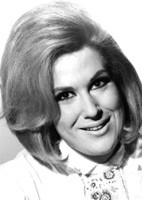
Dusty Springfield: Complete A and B Sides 1963-1970 is on Eclipse, the label founded by Bob Stanley and Pete Wiggs of British indie dance band Saint Etienne. Though dozens of collections out there competently survey Dusty’s career, Complete A and B Sides presents lesser-known recordings from her heyday alongside her hits. In this refreshing context, the material is on a level playing field, allowing B-side gems to shine equally bright and proving there’s a lot more to Dusty Springfield than what we know from movie soundtracks and oldies radio.

Dusty was a singer of high drama through and through. She didn’t save her emotional onslaught just for her prime material, infusing every song with an emotional commitment that’s palpable in tracks like the Bacharach-esque “Summer Is Over,” in which her vocals masterfully convey the utter loss of control a broken relationship delivers. In the much more upbeat Goffin-King “I’ll Love You for a While,” she swings effortlessly, while “Earthbound Gypsy” shows us the jazzy side of Dusty, who sings so naturally with a small combo that it momentarily seems ridiculous that she found fame as a pop singer. Her assuredness carried her through every genre, making her recordings first and foremost Dusty Springfield songs; everything else was secondary.

Ruthann Friedman was a contemporary of Dusty Springfield, but while many of Springfield’s songs are rife with symphonic bombast, Friedman’s are the cozy, impressionistic reflections of a vagabond. Water Records’ Hurried Life: Lost Recordings 1965-1970 reveals to us not only Friedman’s confident, easygoing songwriting, but her warm and honest delivery.

Friedman is best known as the composer of the Association’s biggest hit, the infectiously buoyant “Windy.” Though a long-standing urban myth established her as a teenybopper fan of the Association, in truth Friedman was their colleague, a fellow hippie happily caught in the whirlwind of mind-blowing drugs and creativity that flared up in canyon bungalows across L.A. in the late 1960s. Friedman grew up in the Bronx and came to California during what she calls the “great hippie migration” to pal around with Van Dyke Parks, live in David Crosby’s spare room and get high on nitrous oxide with Ken Kesey. In 1969, she released her only album, Constant Companion.

Hurried Life exists in part due to the surge of interest in obscure artists of the ’60s that present-day folk-fringe darlings like Devendra Banhart have cited as influences. The songs and liner notes of Hurried Life present us with a true free spirit; Friedman was the essence of the era in her lifestyle and art. Most of the songs on the album are home-recorded demos, intimate and small by nature.

Friedman’s version of “Windy” is a revelation; while the Association’s classic is all sunny Baroque frippery, Friedman’s is affably straightforward and casual–as if she herself were this mysterious, floating and whooshing Windy. But Friedman’s Windy is a he, not a she, and it’s fun to re-imagine Windy as a blissed-out slacker dreamboat of a man walking down the streets of the city.

Thinking about these great songs sitting around in Ruthann Friedman’s attic or basement for decades is both amazing and scary: it delivers a promise that, yes, there must be more great stuff out there, songs by musicians we have and have not heard of. But with that knowledge also comes the sting that much of it will remain rotting in storage, while a steady stream of the latest disposable mediocrity will rocket to the sky only to burn out in mere moments. Perhaps ultimately, greatness has nothing to do with what’s forgotten or remembered, but what one person gets around to appreciating.


Spies and Lovers

February 28-March 6, 2007

A true dictatorship cuckolds every man and whores every woman. Florian Henckel von Donnersmarck’s brilliant The Lives of Others memorializes the excesses of East Germany in 1984, but on an intimate, nonmonumental scale. Aspects of this film are almost a farce with the comedy missing.

An actress, desired by three men, is the cause of all action. She is Christa-Maria (Martina Gedeck), a popular onstage figure. Her ice-blue eye shadow is the only mark of color in one of those fetchingly weary German faces the screen gives us from time to time, like the face of Dietrich or Hildegard Neff. Her lover, Georg (Sebastian Koch), is a gentle, apolitical playwright and poet, considered safe by the GDR government–“our only nonsubversive writer.”

Though he has dubious friends, such as a blacklisted theater director, Georg is considered above suspicion. The East German state minister Hempf (the J. T. Walsh look-alike Thomas Thieme) believes that Georg has something to hide and orders the bugging of the playwright’s flat. The officer tapped for the job is the sure-of-himself Capt. Wiesler (Ulrich M¸he), who has been entranced with Christa-Marie since the first time he saw her in a play.

As Wiesler listens in on the couple from a secret room in the attic of their building, something of Georg’s creativity seems to grow in him. In an odd sense, the secret policeman becomes a writer, too, as he rephrases the two artists’ daily life, editing it and recording it on his typewriter. Georg has a significant line: There must be some music, such as Beethoven, that would make a person good just by listening to it. Monitoring these two lives awakes some dormant compassion in Wiesler.

Christa-Marie is a wreck. She takes illegal pills, possibly to deal with the guilt of her forced liaisons with Minister Hempf himself. It is likely that “Operation Lazlo,” the grandiose title of this sordid surveillance duty, is really meant to discredit Georg as Hempf’s rival. Realizing this duplicity, Wiesler begins to sabotage his reports. Eventually, he tries to be a good angel to the couple, with calamitous results.

I would add that Henckel von Donnersmarck’s superb depiction of the bunkerlike halls and snot-green colors of the Berlin bureaucratic offices is more than just anti-communist horse beating. In the coda, Hempf becomes a devil’s advocate, claiming that the old communist republic gave you something to push against, something to fight for. In the West, there was a certain happiness in living in a time before “history ended,” to use one too-ebullient phrase about the raising of the Iron Curtain. It was the happiness of knowing there was an alternative. Once this communist alternative was understood as state capitalism patrolled by vast armies of squealers and secret policemen, the only role left for the rest of the world was to become happy consumers–pieces of krill in the food chain.

The Lives of Others isn’t specifically about the nature of communism; it’s about the nature of an intelligence state, about the supreme overconfidence that bungles its job and sows the very enemies it tries to contain. The film shows us how a culture of surveillance perpetuates itself, something that America is starting to learn about. Thus, The Lives of Others is not just a crafty, thinking-person’s thriller worthy of Fritz Lang or a grim anti-comedy worthy of Billy Wilder. It is also a warning of the future that is already underway.

‘The Lives of Others’ opens on Friday, March 2, at the Rialto Lakeside Cinemas, 551 Summerfield Road, Santa Rosa. 707.525.4840.


New and upcoming film releases.

Browse all movie reviews.

The Byrne Report

February 28-March 6, 2007

I was not surprised that the San Francisco Chronicle‘s “ace” investigative reporters, Lance Williams and Mark Fainaru-Wada, allowed themselves to be manipulated by a sleazy defense attorney in the BALCO case. After all, the only people with motive and opportunity to leak secret federal grand jury transcripts to Williams and Fainaru-Wada were the BALCO defendants or their lawyers. After the reporters wrote a series of stories quoting the illegally viewed transcripts, attorney Troy Ellerman filed a motion to dismiss charges against his BALCO clients, arguing that press disclosures made a fair trial impossible. In a violation of journalistic ethics, Williams and Fainaru-Wade continued to access the transcripts in Ellerman’s office even after it was clear that the attorney was using them to subvert the legal system.

For their efforts, the reporters won professional accolades, including a Polk Award. They penned a book trashing Barry Bonds, who is not formally accused of committing a crime. After the feds told the Chronicle and its reporters to give up the source of their illegally obtained grand jury information, they refused, citing First Amendment rights and the tradition of protecting anonymous sources. The journalistic profession almost universally united behind the BALCO Two, portraying them as principled and courageous individuals. Now, Ellerman is expected to be sentenced to two years in prison for undermining the grand jury system–and the reporters are off the hook.

There are so many things wrong with the argument that Williams and Fainaru-Wada and the Hearst Corporation are “heroes” for defying the government that it is hard to know where to begin in deflating this nonsense.

The practice of using confidential grand juries to investigate whether or not it is worthwhile to issue a criminal indictment made it to the American colonies from England, where it had been around in various forms since the 13th century. Grand jury deliberations are often used by unscrupulous prosecutors to obtain indictments for political reasons or when the “target” is clearly innocent but socially vulnerable. Because the target of a grand jury investigation is not allowed the benefit of counsel in the proceedings, and because exculpatory evidence is not required to be given to the grand jurors, the system is badly in need of reform or liquidation. Nonetheless, secrecy does protect witnesses from being preventatively coerced or murdered. It also protects targets from having their reputations and livelihoods destroyed by the publication of false testimony.

After accepting what amounts to stolen goods from Ellerman, Williams and Fainaru-Wada wrote article after article suggesting that Bonds criminally used steroids and committed perjury before the BALCO grand jury. While those may be true statements, they are not proven statements. Grand jury testimony can be hearsay; it is not subject to cross examination or factual verification; and it can be stocked with lies and finger-pointing. But without selective excerpts from grand jury testimony, the Chronicle had no story and the reporters had no book deal. Worse, Bonds and others who testified to the grand jury did so with the understanding that their testimony would remain confidential. They have no way of defending themselves against defamatory innuendo based on partial grand jury testimony made available by a defense attorney who, under the very eyes of the Chronicle reporters, committed a felony by declaring under oath that he was not the source of the transcripts.

There is no guarantee of the “right” of reporters to protect sources in American jurisprudence, nor should there be. Reporters with access to high-level officials often trade anonymity for the privilege of publicizing official lies, such as that Iraq had nuclear weapons and so on. That Judith Miller, the Scooter Libby mouthpiece, went to jail to protect such a Machiavellian bureaucrat is crazy-making. It perverts the sensible rule that, ethically, the duty of a journalist, as Joseph Pulitzer remarked, is to “afflict the comfortable and comfort the afflicted.”

Personally, I have never granted a source anonymity, but I do not rely upon government officials to feed me stories. I might go to jail to protect a source who could be seriously harmed by going on the record with information of real public interest, such as the top secret Pentagon Papers. But when Daniel Ellsberg brought his stolen goods to the New York Times in 1971, he did not require anonymity. Sources who require anonymity usually have hidden agendas that are contrary to the public interest. Witness Plamegate and BALCO. In these instances, career-minded reporters eagerly allowed themselves to be used as pawns by sleazoids, regardless of the consequences. Miller helped her neoconservative sponsors initiate an unjust war that has killed untold numbers of civilians. Williams, Fainaru-Wada and their editors profitably lynched Barry Bonds with a rope woven of innuendo and perjury.

These are shameful, not courageous, acts.

or


Ask Sydney

February 28-March 6, 2007 Dear Sydney, I am having an issue because I want to get a puppy from my sister who breeds them, but my girlfriend has already made it pretty clear that she doesn't want another dog (we already have one). She says that she doesn't want to have a puppy again, and besides, we rent. But I...

Morsels

February 28-March 6, 2007 After 10 years of progressive marketing goals, hip lingo and some of the sexiest covers in the magazine aisle, Wine X Magazine announced on Feb. 15 that it is dismantling operations and saying goodbye. Based in Santa Rosa, the popular glossy-covered magazine targeted readers in their late 20s and early 30s with the aim of luring...

News Briefs

February 28-March 6, 2007 Self-frying turkeys Soaring turkeys are causing powerful complications for PG&E and residents of a Novato neighborhood. Apparently, the combination of the birds' wide wingspan and power lines only four feet apart has resulted in at least nine dead birds and an equal number of outages in the last few months. The problem is the sheer number...

River Runs Through It

the arts | visual arts | Photograph by Carol...

Roadhouse Roundup

February 28-March 6, 2007What completes a drive in the country better than a welcoming repast at a historic tavern or roadhouse? There's little I relish more than coming upon such a place, windows all aglow, as seen from the byways. And so it was that I determined to explore the North Bay in search of the ultimate roadhouse.There are...

Mystery Seals

Mystery of the sea: Marine biologists remain stumped as...

Second Listen

February 28-March 6, 2006The factors that form things we come to know as masterworks are often pretty arbitrary; happenstance can be the one thin line between artistic immortality and dust-covered obscurity. Of course, this obscurity is what keeps record labels in business. The more obscure the tracks are that surface, the more creative and revealing reissues and box sets...

Spies and Lovers

February 28-March 6, 2007A true dictatorship cuckolds every man and whores every woman. Florian Henckel von Donnersmarck's brilliant The Lives of Others memorializes the excesses of East Germany in 1984, but on an intimate, nonmonumental scale. Aspects of this film are almost a farce with the comedy missing. An actress, desired by three men, is the cause of all...

The Byrne Report

February 28-March 6, 2007I was not surprised that the San Francisco Chronicle's "ace" investigative reporters, Lance Williams and Mark Fainaru-Wada, allowed themselves to be manipulated by a sleazy defense attorney in the BALCO case. After all, the only people with motive and opportunity to leak secret federal grand jury transcripts to Williams and Fainaru-Wada were the BALCO defendants or...
11,084FansLike
4,446FollowersFollow
6,928FollowersFollow