East to West, Peter Merriam Hits the Slopes and the Vineyard

Peter Merriam and his wife, Diana, purchased their Sonoma County vineyard estate in 2000, as a next chapter for his 20-year retail wine career. 

Today, they run the label with their son, Evan, and family continues to be a core tenant to their business. This is especially true during the holidays, when their Greek heritage shines through even more. Wine and food are central to the Merriams, highlighted at Christmas time with dishes like fasolakia (green beans in tomato sauce), grilled lamb and koulourakia cookies, which are actually traditional for Easter. But the crunchy, buttery texture and bright citrus flavors make them suitable for a special Christmas sweet bite as well. 

As an oenophile and French wine lover from his days in retail, Merriam likes to choose a special bottle to open from his French wine collection, a nod to the wines that first inspired his journey as a vintner. They also pair their holiday meal with cherished selections from Merriam’s own cellar, like the Rockpile Cabernet Sauvignon, perfect with hearty winter meals and festive celebrations.

When not celebrating over food and wine, Merriam is an avid skier and fly fisherman, finding that the discipline, dedication and focus required for both activities have served him well in the vineyard. A natural conservationist, he is the driving force behind the sustainable and organic philosophy at Merriam as well. 

He and Diana split their time between Sonoma County and their home in Maine. As native New Englanders, they return there every winter to ski and enjoy the New Year over bowls of clam chowder and their Merriam Blanc de Noirs.

Amber Turpin: How did you get into this work?

Peter Merriam: Years in the beverage industry, starting with a wine shop outside of Boston, Massachusetts.

Did you ever have an ‘aha’ moment with a certain beverage? If so, tell us about it.

Yes, my first tasting of a French Burgundy wine back in the ’80s: Morey Saint Denis.

What is your favorite thing to drink at home?

Pinot noir.

Where do you like to go out for a drink?

Local family-owned restaurants.

If you were stuck on a desert island, what would you want to be drinking (besides fresh water)?

French Burgundy wines.

Merriam Vineyards, 11650 Los Amigos Rd., Healdsburg, 707.433.4032. merriamvineyards.com.

Your Letters, Dec. 17

White Noise

Thanks for your recent article about the—insert adjective here: embarrassing, stupid, wimpy or whatever other word one might add—Pantone “Color of the Year” (“Color Me Meh: The Coming ‘Color of the Year’ Is, Um, White.” Dec. 10, 2025).

In my opinion, as a colorist, architectural color consultant and artist, I found it both laughable and disappointing, to say the least.

Some years ago, I was a member of the Color Marketing Group—not because I “market colors,” per se, but because it was interesting, as a color professional in my own way, to connect with those who rely on creating trend-based colors and to see what their processes and approaches were.

Yet I might also add: not surprising.

It turns out many designers agree, which is really neither “here nor there” to me, but I do find it interesting.

I’ve been doing this color work since the mid-1980s, so I’m not a newbie to the concepts of how we can—and must—use color intentionally.

In any case, I just wanted to say thanks for the article. If you’re interested, I invite you to visit these two websites: bjacobscolordesign.com and barbarajacobsfineart.com.

Barbara Jacobs
Sebastopol

Museum Matters: Carnegie’s Gift Keeps Giving

There was a time not so long ago when the wealthy class of Americans gave back for the greater good of us all rather than hoarding billions for the sake of themselves.

Surely, steel baron Andrew Carnegie (who started his path to billions in the 19th century—his worth would’ve been $309 billion in today’s dollars) has some skeletons in the proverbial closet, but by the 20th century he had evolved into a philanthropist who gave out grants to more than 1,600 communities across the country to help build free public libraries. 

Two of those library buildings are still standing in Sonoma County and are now the Petaluma Historical Library & Museum and the Healdsburg Museum and Historical Society, each of which will soon receive a $10,000 gift from Carnegie Corporation of New York. Not only did Carnegie give away millions; he also established a way to keep on giving well beyond his death.

The awards are part of “Carnegie Libraries 250,” a special initiative celebrating the upcoming 250th anniversary of the signing of the Declaration of Independence and honoring the roughly 1,280 Carnegie libraries still serving their communities across the United States. 

Sonoma County Library director Erika Thibault said, “The grant will be added to the library’s general fund, helping us continue to provide welcoming spaces and valuable resources for all of our community members.”

Located at 221 Matheson St., just off the square in Healdsburg, the Healdsburg Museum and Historical Society exists to “collect, protect, preserve and interpret the artifacts, documents and photographs that trace the rich history of Healdsburg and surrounding area.”

The space served as the town’s library from 1911-1987, when some local shuffling moved organizations around and a new library was built. The Carnegie library—designed by Petaluma architect Brainerd Jones and built by Santa Rosa contractor Frank Sullivan—was slated for demolition, but the Healdsburg Historical Society joined forces with locals and saved the building. It opened as the Healdsburg Museum and Historical Society in 1990 and is now listed on the National Register of Historic Places.

The museum houses a permanent collection of rich, local history. Their current exhibition is “Our Favorite Toys.” Curated by Lauren Villacorte and Frances Schierenbeck, the exhibition features classic toys, games and crafty activities to engage visitors. The exhibit runs through Jan. 4.

Located at 20 Fourth St., the Petaluma Historical Library & Museum’s history is a bit different. It  took the initiative of the Petaluma Ladies Improvement Club, whose members wrote letters to Carnegie asking for funds to build the library.

In 1901, Carnegie offered $12,500, conditional upon site donation. Addie Atwater, president of the Ladies Improvement Club, owned property at the corner of Fourth and B streets. She sold it to the city for much less than market value, under the terms that it must be used for a library and if that changed, it would be returned to her or her heirs.

Jones was brought in to design the building. The crown jewel of the design is a gorgeous stained-glass dome that to this day remains one of the largest free-standing stained-glass domes in Northern California. It even survived the 1906 earthquake with minimal damage.

The Petaluma Museum is also having a toy related exhibition, titled “Toys Through Time: From Machine Age to Space Age.” Featuring a collection of antique mechanical toys on loan from a local collector, alongside Star Wars toys from Rancho Obi-Wan, the exhibition traces a journey from the ingenuity of clockwork mechanisms to the imagination of cinematic spaceflight. It runs until Feb. 1.

For more information, visit petalumamuseum.com and healdsburgmuseum.org.

See/Say, Communication via Cinema

It’s hard to say what we feel, right? Hard to find the right words, and sometimes harder still to conjure up the courage to say them out loud. 

In these winter months, when catching up with distant family members and old school chums who are in town for the holidays, I often find myself tongue-tied, struck dumb, awkward and lost for words. 

I take comfort in the fact that, according to director Chloe Zhao’s new film, Hamnet, William Shakespeare—yes, the most famous wordsmith in history—may himself have suffered from similar communication issues. The film, based on Maggie O’Farrell’s 2020 novel of the same name, fictionalizes The Bard’s family life, exploring his marriage to Agnes (Jessie Buckley in the film). When the two meet early in the movie, Shakespeare (Paul Mescal) confesses to Agnes: “It’s difficult for me to talk to people.”

“Then tell me a story,” Agnes entreats him. “One that moves you.” And, to no one’s great surprise, Bill happily—and skillfully—obliges, entrancing Agnes with the myth of Orpheus and Eurydice. What he couldn’t express to her in plain speech—perhaps the depth of his feelings about love, devotion and loss—he is able to convey through his abilities as a storyteller. Agnes understands. Later in the film, when the couple are shattered by the death of their child, it is only by watching one of his plays that Agnes can understand the depth of William’s grief. 

In the film Sentimental Value, similar themes are explored. We get to know a dysfunctional family: two adult sisters, and their estranged filmmaker father, who now wants to reconnect after the death of his ex-wife (the sisters’ mother). Specifically, the father wants one of his daughters, Nora, to star in his new film.

“I can’t work with him,” Nora (Renate Reinsve) says. “We can’t really talk.” But, as Nora will eventually discover, her father has written his new film with that exact problem in mind. He knows they can’t communicate conventionally, but he hopes that perhaps they can understand each other through other means—namely, artistic collaboration on a film.

Cinema, and art in general, has the wonderful ability to communicate that which is hard, or impossible, to communicate in words. So if one, like me, ever finds themself at a loss for words, or perhaps not feeling brave enough to say the words they’d like to, maybe their best bet is to seek out (or create) a movie or some other piece of art that captures what they feel, and then share it with someone they hope will understand.

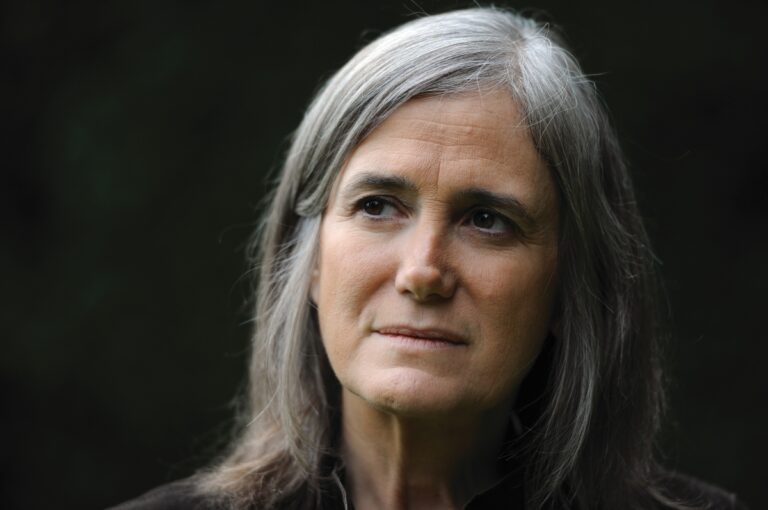
A National Reckoning, the Clarifying Power of Nonviolence

0

When Dr. Martin Luther King Jr. was jailed in Birmingham in 1963 for protesting segregation, he argued that nonviolent protest was meant to create a “constructive nonviolent tension”—a crisis so undeniable that it “inevitably open[s] the door to negotiation.” Such tension, he wrote, could lift people from the “dark depths of prejudice and racism.”

Today, that clarifying power is at work in a new context, helping define the true nature of the struggle unfolding across the nation. It is not simply a partisan fight, nor even a battle between democracy and authoritarianism. At its core, it is a clash between cultures of nonviolence and violence, with authoritarianism expressing the most extreme version of a will to harm.

That clarifying force has appeared in thousands of largely peaceful protests across the country. Millions have marched against ICE brutality, against the firing and union-busting of federal workers, and against cuts to essential programs in the national safety net—from health care and nutrition to education, housing and job training.

As the protests grew from three to five to seven million participants over several months, they raised awareness of harms inflicted by the Trump administration and helped energize voters in November elections. Their momentum contributed to the defeat of Trump-backed candidates and initiatives in states including New York, New Jersey, Virginia, Mississippi and California.

This sustained civic pressure also stiffened Senate Democrats’ resistance during a 43-day government shutdown triggered by Donald Trump’s refusal to negotiate over Medicaid cuts and increased Affordable Care Act premiums. In the standoff, the administration further clarified the violence at the heart of authoritarianism: Trump cut off food assistance for 42 million Americans, inflicting needless harm despite available funding.

The core impulses were unmistakable: threaten, inflict pain, force submission.

Ultimately, eight Senate Democrats voted to end the shutdown. One of them, Tim Kaine of Virginia, wrote a newspaper column explaining his decision—but by then, the deeper conflict had already been illuminated: a national reckoning between a culture of nonviolence and one defined by harm.

Andrew Moss is an emeritus professor of nonviolence studies and English at the California State University.

Color Me Meh: The Coming ‘Color of the Year’ is, Um, White

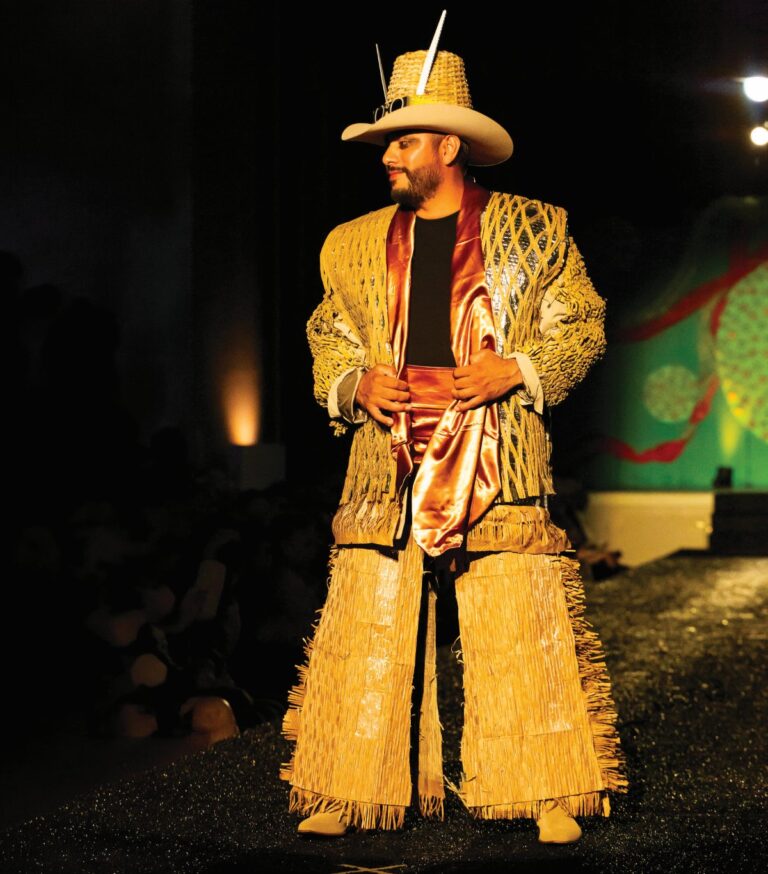
Pantone has anointed its 2026 Color of the Year and, in an act of breathtaking caution, selected white. Well, basically white. “Cloud Dancer” is its official name—a soft, contemplative white-adjacent non-color billed as a balm for our overstimulated moment. 

I found it ironic that this news arrived days after a KQED profile of the Bay Area house painter known as Mr. Color, who is noted for coating old Victorians in pink so vivid it would make Barbie blush. He calls today’s monochrome house painting fad “an ignorant approach” because it literally brushes over the nuance of decorative Victorian architecture. Agreed. Moreover, it seems to confirm that our appetite for color is shrinking faster than our patience for anything that stands out.

I’m not against white. It has its uses. So does primer. In fact, there are few things more pregnant with possibility than a freshly gessoed canvas or a blank Google Doc. And yet, when the global color authority leans this hard into blankness, it feels less like a design choice and more like a surrender. Literally, a white flag.

Color theory—so far as I understand it—reminds us that color has its uses. Contrast tells the eye where to go. Warmth or coolness shifts mood and depth. Red is hot. Blue is cold. Most kindergartners can explain this, and most humans (apart from my color blind dad) are wired for color. 

Trichromatic vision didn’t develop so early hominids could color coordinate cave paintings and fur. It helped us read the environment—and each other. One theory is that trichromacy evolved partly to detect emotional cues: the blush of embarrassment, the flush of anger, the pallor of illness. Also, when do we know a fruit is ripe? In other words, color is information that helps us read the world. By this token, Pantone is functionally illiterate—or assumes we are.

A close cousin of color theory is color psychology, which suggests that blues settle, reds alert, greens stabilize. And plaid makes one proclaim, “They may take our lives, but they’ll never take our FREEDOM.”

But Pantone’s language around Cloud Dancer frames color as something to step away from altogether—as if saturation itself has become too forward, too demanding, too … much. One can read their press release and get the impression that it’s not the color white they’re championing but the relief of not having to commit to a color at all.

San Francisco’s Mr. Color operates from an entirely different ethos: If a building has personality, color is how one lets it speak. His pinks and yellows reveal structure, highlight ornamentation and animate shape. The buildings tell him who they are, and he answers in pigment.

The London Image Institute makes a similar point, albeit in a more corporate idiom: Color isn’t an accessory; it’s communicative. It telegraphs intention—confidence, warmth, seriousness, approachability. Imagine if one’s wardrobe was all “Cloud Dancer.” That’s not freedom of expression; that’s what’s worn in an inpatient facility.

I accept that Cloud Dancer will have its following. A white that promises quiet is an easy sell in a loud world. But the urge to retreat into neutrality is what got us into this situation in the first place.

Mr. Color, for all his exuberance, reminds us of something simpler: A place looks more like itself when one is not afraid to let it.

‘Bohemian’ editor Daedalus Howell sees a black door and wants to paint it red at dhowell.com.

Ho Ho Ho, ‘A Christmas Story’ Musical at 6th St.

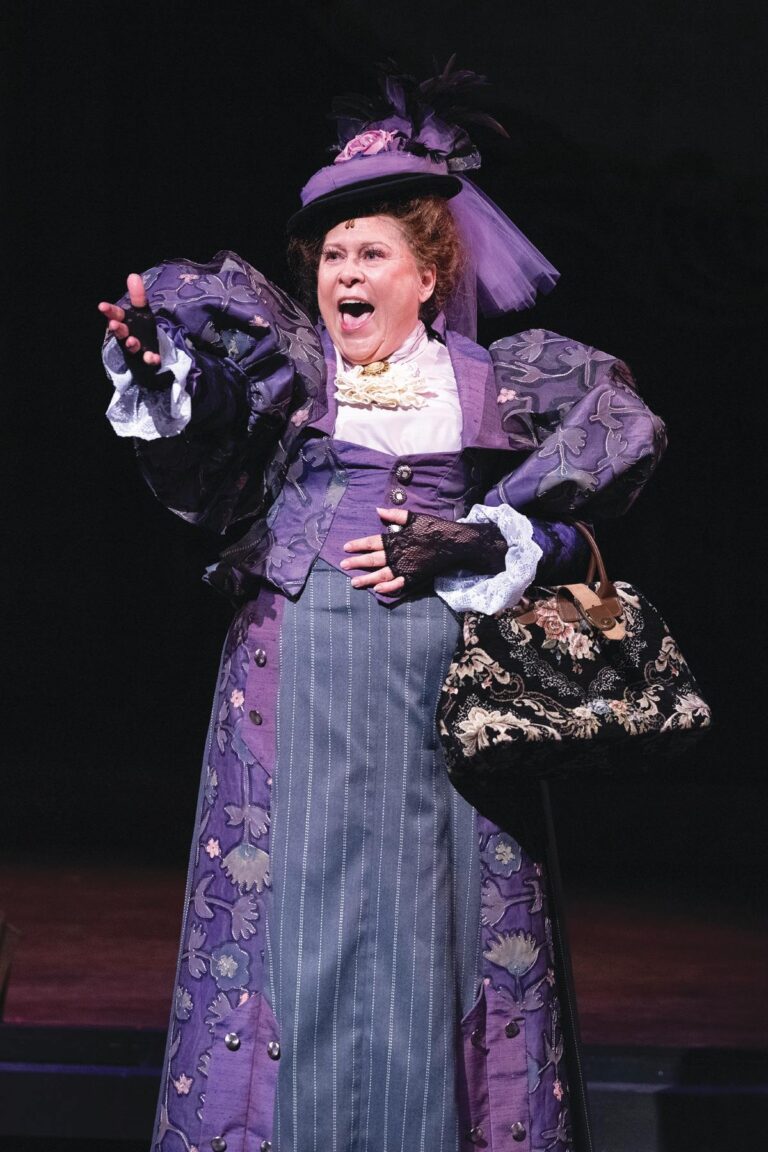
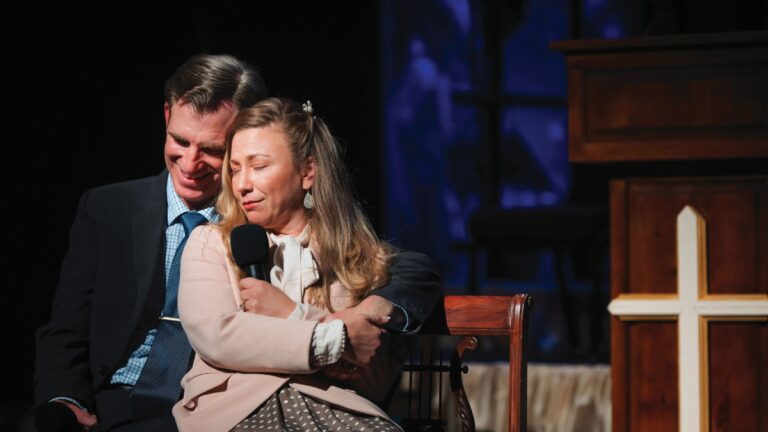
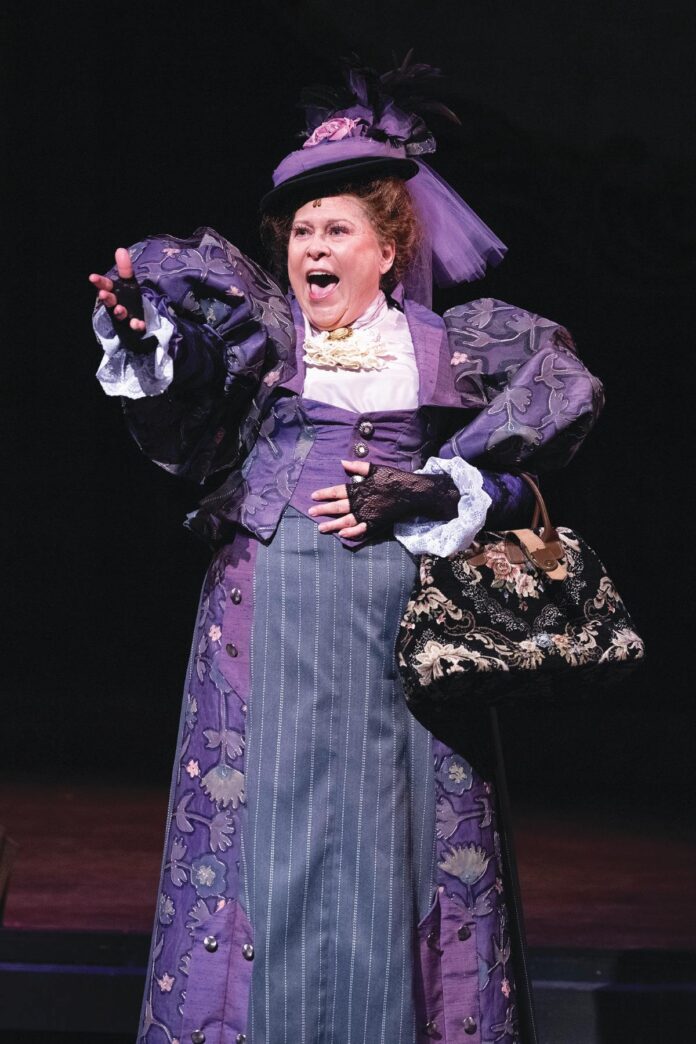
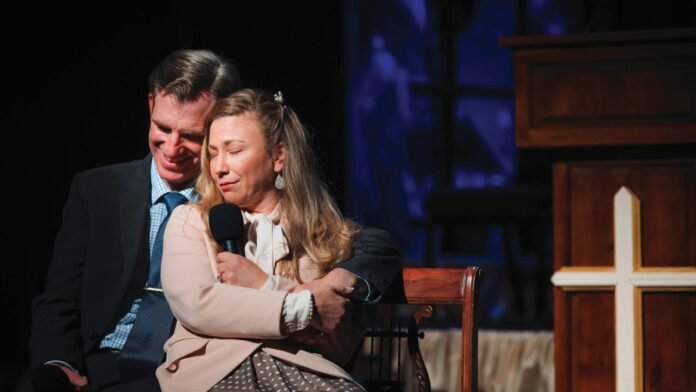
Santa Rosa’s 6th Street Playhouse’s theatrical contribution to the holiday season is A Christmas Story, the musical adaptation of the iconic 1983 movie of the same name. With a Tony-nominated score by Benj Pasek and Justin Paul (Dear Evan Hansen), this production musically reimagines the story of Ralphie (Leo Doucette), a Midwestern boy who yearns for a BB gun for Christmas. It runs through Dec. 21 in the GK Hardt Theater.

Director Laura Downing-Lee has amassed an army of a cast (with several roles double-cast), and she puts them through their paces. They’re constantly in motion, deftly shifting set pieces and props, in character and with intention. This is a director who knows how to conduct stage traffic, with creative help from choreographer Malia Abayon. 

Nora Summers twinkles with an easy smile and a bright voice as the Mother. Her solo, “Just Like That,” reveals a beautiful inner life. Garet Waterhouse consumes the scenery as The Old Man, gyrating furiously in “The Genius on Cleveland Street” and giving plenty of hilarious bluster.

HarriettePearl Fugitt brings the house down as the saucy Miss Shields (talk about creating inner life), especially in the best number of the show, “You’ll Shoot Your Eye Out!” a vampy tap sequence that showcases her as a serious triple threat.

Jeff Coté adds to his growing list of cheeky chaos agents as Santa. Emma Clinton as Randy is on like a switch the entire show, endearing the character with tons of physical comedy and adorability. (Clinton is part of one of two cheekily-named kid casts for this production—hers is Red Ryder, and the other is Leg Lamp.) 

The set by Peter Crompton and Aissa Simbulan is astounding, filling the stage with levels of finely detailed 1940s accents and a whimsical Christmas facade.

April George provides dimension with her festive light design. Costumes by Mae Heagerty-Matos and Jeanine Gray create gorgeous points of interest among the ensemble. 

A musical adaptation begs the question: Was this necessary? This production certainly excels in showcasing its female characters, giving them more life than the original. Though the end takes an abrupt dramatic turn, the show is faithful to the offbeat, somewhat grim adult humor of the film. 

The audience was full of children leaning forward, enraptured by their peers rollicking onstage, and hopefully inspiring a new wave of theater kids. Many adults were dressed thematically, adding to the magical atmosphere. If one would also like to slip into some holiday spirit, they may consider a ticket to the show.

‘A Christmas Story: The Musical’ runs through Dec. 21 in the GK Hardt Theater at 6th Street Playhouse, 52 W. 6th Street, Santa Rosa. Thurs-Sat, 7:30pm; Sat & Sun, 2pm. $32–$56. 707.523.4185. 6thstreetplayhouse.com.

Petaluma Literary Salon, Napa’s BottleRock and ‘Marin Tales’

0

Petaluma

Da Salon 19

Da Salon returns with its 19th edition—a lively, literary and thoroughly Petaluma-style gathering of writers, performers and creative mischief-makers. This round features readings by Eirine Carson, Carlos Garbiras, Cheryl King, Lela Tuhtan, plus the inimitable duo, Alia Beeton and Shannon DeJong, as hosts. Expect warm drinks, possible booze, snackies and the kind of communal creative buzz that makes a Sunday feel less like Sunday. Entry is free, with a suggested $10–$30 donation shared between the artists and the venue. 2–4pm, Sunday, Dec. 14, Life on Art Gallery, 133 Copeland St., Suite C1A, Petaluma. RSVP requested.

Napa

BottleRock Presale

BottleRock Napa Valley is dropping a limited batch of holiday presale tickets for the 2026 spring edition of the annual music festival—providing an early shot at 3-day General Admission, VIP, Skydeck and Marriott Bonvoy Amex VIP Viewing Suite passes. The festival returns May 22–24, pairing top-tier music with Napa’s signature wine, food and craft brews. Presale opens 10am, Thursday, Dec. 11, with Amex card member access having begun on Tuesday, Dec. 9. Holiday presale 3-day tickets start at $455. BottleRockNapaValley.com.

Novato

Marin Tales

Local author and historian Brian Crawford digs into the stranger corners of county history at the Novato Historical Guild’s quarterly meeting, offering highlights from his new book, Marin Tales. In this illustrated talk, Crawford unearths 22 curious stories he’s discovered while combing old newspapers—among them, a brutal San Rafael murder tied to Kit Carson, a haunted jail cell, the vanishing of society matron Mrs. Mailliard, a proposed prismoidal railroad through Novato and the mysterious “Black Hole of Marin.” The event is free and open to the public. 10am–noon, Saturday, Dec. 13, Novato City Hall, 901 Sherman Ave. More at novatohistory.org.

Novato

Sabbath Lives

Metalheads get their moment of mourning and mayhem as Sabbath Lives storms HopMonk Novato with a full-throttle tribute to Black Sabbath and the late Ozzy Osbourne, who died this past July. Expect the wail, the doom-heavy riffs and the theatrical swagger that defined the “Prince of Darkness,” whose shock-rock persona and era-defining vocals helped ignite heavy metal’s rise. 8pm, Friday, Dec. 12, HopMonk Tavern Novato, 224 Vintage Way. $72.05.

Quiet Miracles, Local Filmmakers Bring Humanity Into Focus

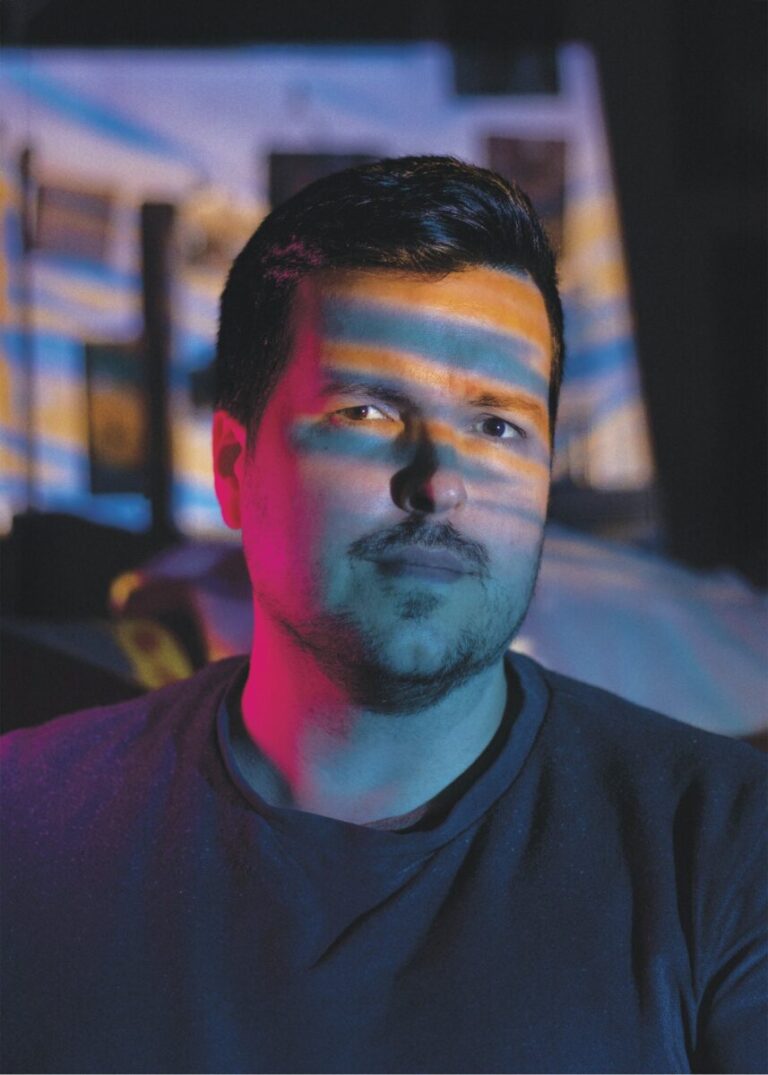
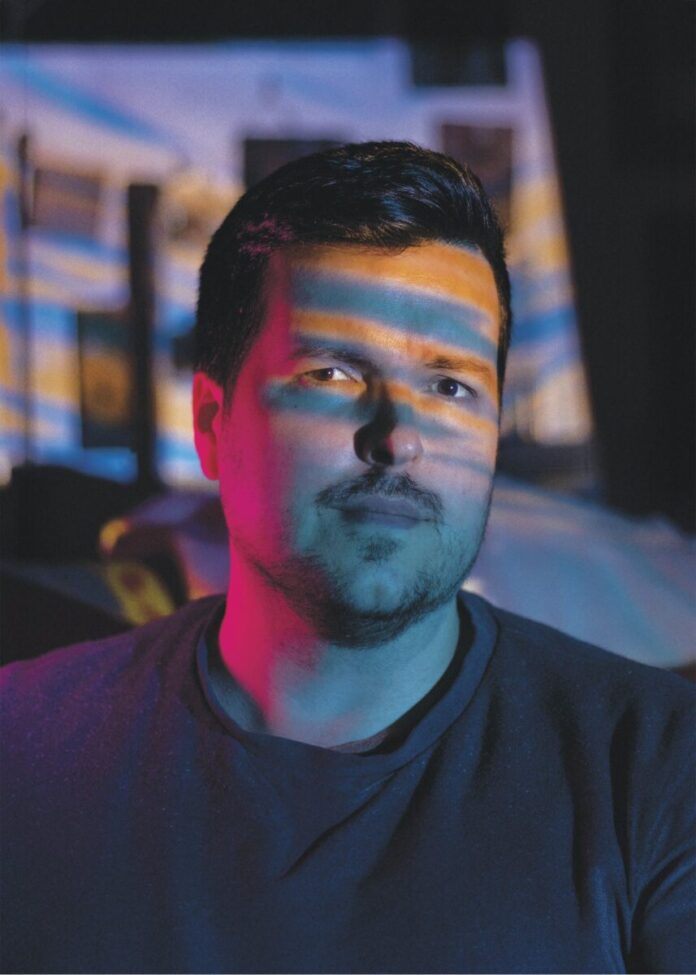
North Bay filmmakers Vince and Alia Beeton have been quietly making some of the most affecting work in their field—quietly, that is, until the world started handing them awards for it.

Their web series, Time Together, recently took home a Bronze Anthem Award for Human & Civil Rights, placing their work alongside purpose-driven projects from 42 countries. And just days before that, their documentary, Going Inside, earned Best Documentary at the Texas Short Film Festival.

This newest body of work lands squarely in the realm of empathy, justice and human transformation. The couple’s company, Humans Being Media, was founded eight years ago specifically to serve changemakers: nonprofits, foundations, NGOs and mission-driven organizations that need their stories told with artistry and emotional clarity.

The Time Together project began when Megan McDrew, founder and executive director of the Transformative Justice Center of Monterey, invited them to document its Empathy in Action program inside Soledad Prison. And the premise is deceptively simple: Bring volunteers from the outside into deep, facilitated conversations with incarcerated men participating in rehabilitation programs. What unfolds in these rooms—raw vulnerability, accountability, grief, catharsis—is something few of us ever witness.

“There’s this very special alchemy that happens,” Vince Beeton says. “You can have somebody who was convicted of a murder 20 years ago, and a woman who’s had a child killed… These conversations can be not just vulnerable, but healing.”

But access is its own odyssey. How does one bring a camera crew into a prison facility? “Not easily,” he says with a laugh. Every piece of equipment, “every single screw,” must be logged. Yet the greater challenge is trust. Sometimes he has only seven minutes with a subject. “So we just drop in fast,” he explains. “We are not there to question [their crime]. We are there to see who they are now, in this moment, and where they are along their rehabilitation journey.”

One of the most compelling figures in the series is Jose “Junior” Guzman, born into gang culture and offered no alternatives. “When other people of my age were choosing which college they were gonna go to, I was choosing which gang I was gonna go into,” Vince Beeton recalls him saying. Guzman has since become a facilitator within the prison, guiding others through the same transformative process.

These aren’t easy spaces, but they are deeply affecting ones. At one screening inside the prison, the Beetons showed the finished film to the men who appear in it—and read aloud messages of public response. “That was a really special experience,” Alia Beeton says. “To see how they were affected by their own stories.”

The public was equally moved. “People really wanted to get involved,” she notes. And in Austin, after winning Best Documentary, serendipity struck. An elderly philanthropist, featured in another film, approached them. “He said, ‘I thought I was coming here on behalf of my film, but I know now I was here to see your film. How can I get involved?’”

That’s the magic of this work—its ability to ripple outward.

Their Anthem Award win affirmed that mission-driven storytelling, when executed at a high level, can shift narratives around incarceration, reform and humanity itself. Vince Beeton, who spent 25 years in broadcast television—including time as a DP (director of photography) on Mythbusters—has built Humans Being Media with Alia around that principle: Use world-class craft to elevate stories that traditionally go unseen.

“If I am tearing up in the edit suite,” he says, “then I know it’s having the right effect.”

More is on the horizon. The couple continues working with nonprofits across the North Bay and beyond. Their compass remains true: Tell the stories of transformation, redemption and human potential.

“We believe that’s possible for everybody,” Alia Beeton says. 

And with their cameras rolling, they make us believe it too.

Good & Mellow: Brandon Hanson Chills Out

Brandon Hanson co-founded Hanson Distillery in 2012, known for their high quality spirits, most notably the Hanson Vodka that has since become the best-selling premium organic vodka in California. 

They also have two fun tasting rooms, one in Sonoma and one in Sausalito. Today, Hanson has pivoted to launch a new brand, Goodmellow. This is a new kind of functional wellness beverage brand, with a vision of helping facilitate more social connection but without the hangover. 

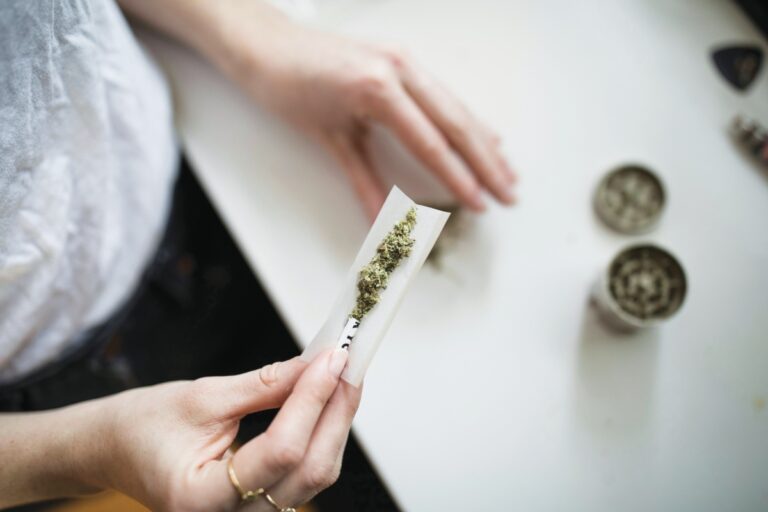
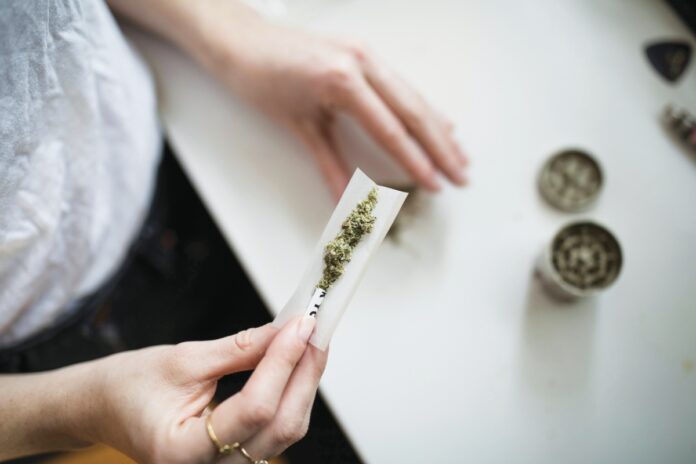
Inspired by his own shift toward a more mindful lifestyle after starting a family, Hanson’s new venture blends natural fruit, adaptogens and precise THC or THC-free formulations.

Amber Turpin: How did you get into this work?

Brandon Hanson: I started Hanson Distillery in 2012 with a passion for craft, quality and bringing people together. But as I’ve gotten older and started a family, my relationship with alcohol has evolved. I still love the social experience of sharing a drink with friends, but I’ve found myself wanting something that feels good.

Did you ever have an ‘aha’ moment with a certain beverage? If so, tell us about it.

My “aha” moment with THC drinks came two years ago at Tales of the Cocktail. It was the first time I could actually enjoy THC beverages on-premise, something that wasn’t happening yet in California. That experience opened my eyes to what was possible. For the first time, I saw a real alternative to alcohol, something social, functional and better for your body, and I knew it was the beginning of a whole new category.

What is your favorite thing to drink at home?

I’ll always love a Hanson Vodka martini; that’s part of who I am and where this all started. But these days, I find myself reaching for something different. Lately it’s been a Paloma made with our new Goodmellow 750ml THC social spirit—it gives me that same ritual and flavor I love, just without the alcohol. It’s the perfect way to unwind, stay social and still feel great the next morning.

Where do you like to go out for a drink?

It depends on the mood. If I’m in San Francisco, I love places that feel a little creative but not pretentious—Trick Dog in the Mission is always a go-to for inspiration, and Pacific Cocktail Haven is another favorite for its precision and craft. When I’m staying closer to home in Marin, I’ll head to Farmshop in Larkspur or Marin Country Mart for a relaxed drink and good atmosphere.

If you were stuck on a desert island, what would you want to be drinking (besides fresh water)?

Probably something citrusy and easy, like a Paloma or light spritz with the Goodmellow THC spirit. I like drinks that taste like the place you’re in, simple, refreshing and a little bit uplifting.

Visit Goodmellow at goodmellow.com.

East to West, Peter Merriam Hits the Slopes and the Vineyard

Merriam Vineyards in Healdsburg
Peter Merriam and his wife, Diana, purchased their Sonoma County vineyard estate in 2000, as a next chapter for his 20-year retail wine career.  Today, they run the label with their son, Evan, and family continues to be a core tenant to their business. This is especially true during the holidays, when their Greek heritage shines through even more. Wine...

Your Letters, Dec. 17

White Noise Thanks for your recent article about the—insert adjective here: embarrassing, stupid, wimpy or whatever other word one might add—Pantone “Color of the Year” (“Color Me Meh: The Coming ‘Color of the Year’ Is, Um, White.” Dec. 10, 2025). In my opinion, as a colorist, architectural color consultant and artist, I found it both laughable and disappointing, to say the...

Museum Matters: Carnegie’s Gift Keeps Giving

The Petaluma Historical Library & Museum and the Healdsburg Museum and Historical Society will each soon receive a $10,000 gift from Carnegie Corporation of New York
There was a time not so long ago when the wealthy class of Americans gave back for the greater good of us all rather than hoarding billions for the sake of themselves. Surely, steel baron Andrew Carnegie (who started his path to billions in the 19th century—his worth would’ve been $309 billion in today’s dollars) has some skeletons in the...

See/Say, Communication via Cinema

Cinema, and art in general, has the wonderful ability to communicate that which is hard, or impossible, to communicate in words.
It’s hard to say what we feel, right? Hard to find the right words, and sometimes harder still to conjure up the courage to say them out loud.  In these winter months, when catching up with distant family members and old school chums who are in town for the holidays, I often find myself tongue-tied, struck dumb, awkward and lost...

A National Reckoning, the Clarifying Power of Nonviolence

Nonviolent protest
When Dr. Martin Luther King Jr. was jailed in Birmingham in 1963 for protesting segregation, he argued that nonviolent protest was meant to create a “constructive nonviolent tension”—a crisis so undeniable that it “inevitably open the door to negotiation.” Such tension, he wrote, could lift people from the “dark depths of prejudice and racism.” Today, that clarifying power is at...

Color Me Meh: The Coming ‘Color of the Year’ is, Um, White

Pantone has anointed its 2026 Color of the Year, “Cloud Dancer."
Pantone has anointed its 2026 Color of the Year and, in an act of breathtaking caution, selected white. Well, basically white. “Cloud Dancer” is its official name—a soft, contemplative white-adjacent non-color billed as a balm for our overstimulated moment.  I found it ironic that this news arrived days after a KQED profile of the Bay Area house painter known as...

Ho Ho Ho, ‘A Christmas Story’ Musical at 6th St.

Santa Rosa’s 6th Street Playhouse’s theatrical contribution to the holiday season is A Christmas Story, the musical adaptation of the iconic 1983 movie of the same name.
Santa Rosa’s 6th Street Playhouse’s theatrical contribution to the holiday season is A Christmas Story, the musical adaptation of the iconic 1983 movie of the same name. With a Tony-nominated score by Benj Pasek and Justin Paul (Dear Evan Hansen), this production musically reimagines the story of Ralphie (Leo Doucette), a Midwestern boy who yearns for a BB gun...

Petaluma Literary Salon, Napa’s BottleRock and ‘Marin Tales’

Brian Crawford's talk offers highlights of his new book 'Marin Tales.'
Petaluma Da Salon 19 Da Salon returns with its 19th edition—a lively, literary and thoroughly Petaluma-style gathering of writers, performers and creative mischief-makers. This round features readings by Eirine Carson, Carlos Garbiras, Cheryl King, Lela Tuhtan, plus the inimitable duo, Alia Beeton and Shannon DeJong, as hosts. Expect warm drinks, possible booze, snackies and the kind of communal creative buzz that...

Quiet Miracles, Local Filmmakers Bring Humanity Into Focus

North Bay filmmakers Vince and Alia Beeton's web series, Time Together, recently took home a Bronze Anthem Award for Human & Civil Rights
North Bay filmmakers Vince and Alia Beeton have been quietly making some of the most affecting work in their field—quietly, that is, until the world started handing them awards for it. Their web series, Time Together, recently took home a Bronze Anthem Award for Human & Civil Rights, placing their work alongside purpose-driven projects from 42 countries. And just days...

Good & Mellow: Brandon Hanson Chills Out

Goodmellow, wellness beverage brand
Brandon Hanson co-founded Hanson Distillery in 2012, known for their high quality spirits, most notably the Hanson Vodka that has since become the best-selling premium organic vodka in California.  They also have two fun tasting rooms, one in Sonoma and one in Sausalito. Today, Hanson has pivoted to launch a new brand, Goodmellow. This is a new kind of functional...
11,084FansLike
4,606FollowersFollow
6,928FollowersFollow