June 24: Ray Bonneville at Sweetwater Music Hall

0

ray_bonneville.jpg

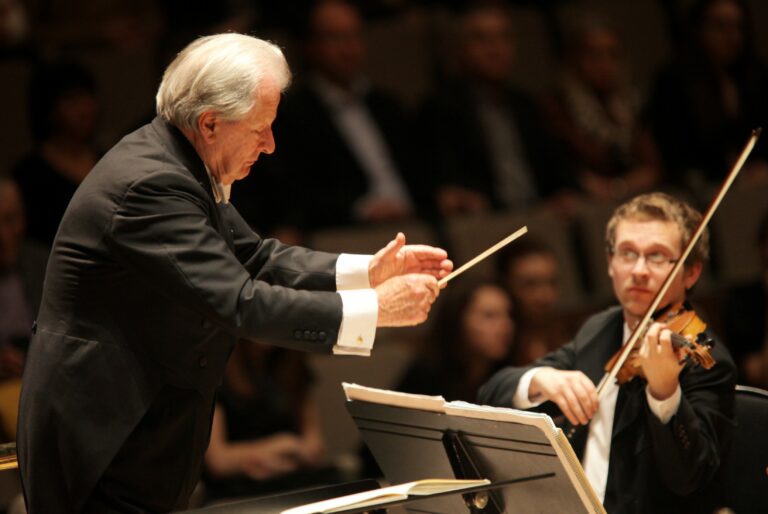
OK, so I don’t know if Ray Bonneville actually drives a Pontiac; but if he doesn’t, then the Canadian-born singer-songwriter is missing out on a gold mine of an endorsement deal. Either way, Bonneville has a hugely popular and influential body of blues and folk music under his belt, and a new album, Easy Gone, that features his moody guitar and soulful lyrics in peak form. This week, Bonneville gives the North Bay a new taste of his impressive blues sound when he performs on Tuesday, June 24, at Sweetwater Music Hall, 19 Corte Madera Ave., Mill Valley. 8pm. $17. 415.388.1100.

June 21: Cabaret de Caliente at Hopmonk Sebastopol

0

cabaret.jpg

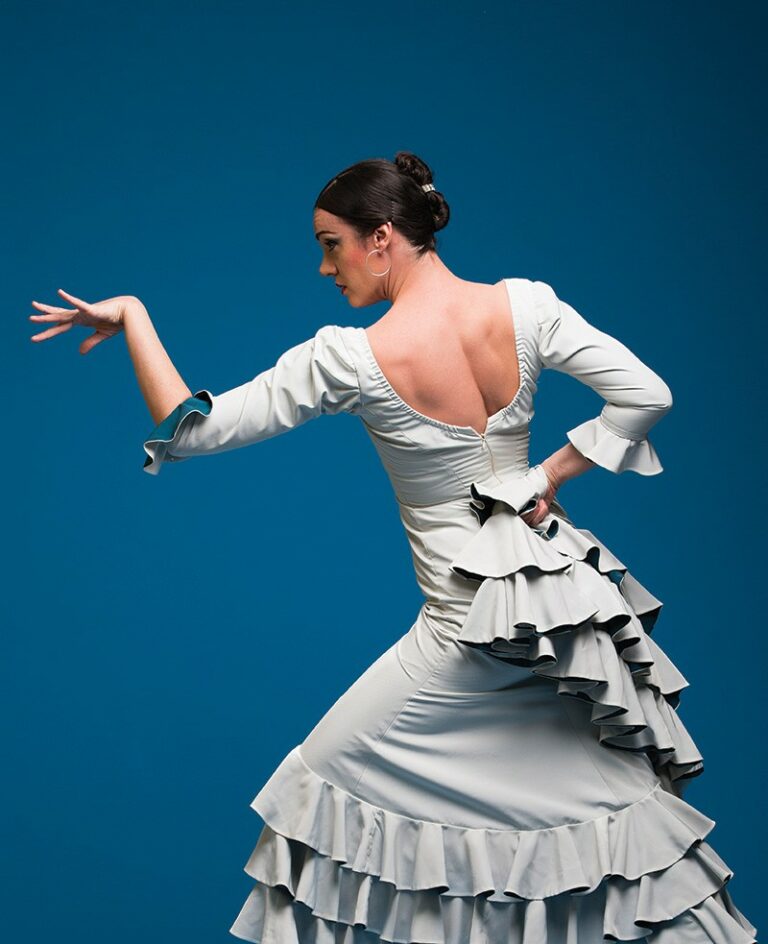
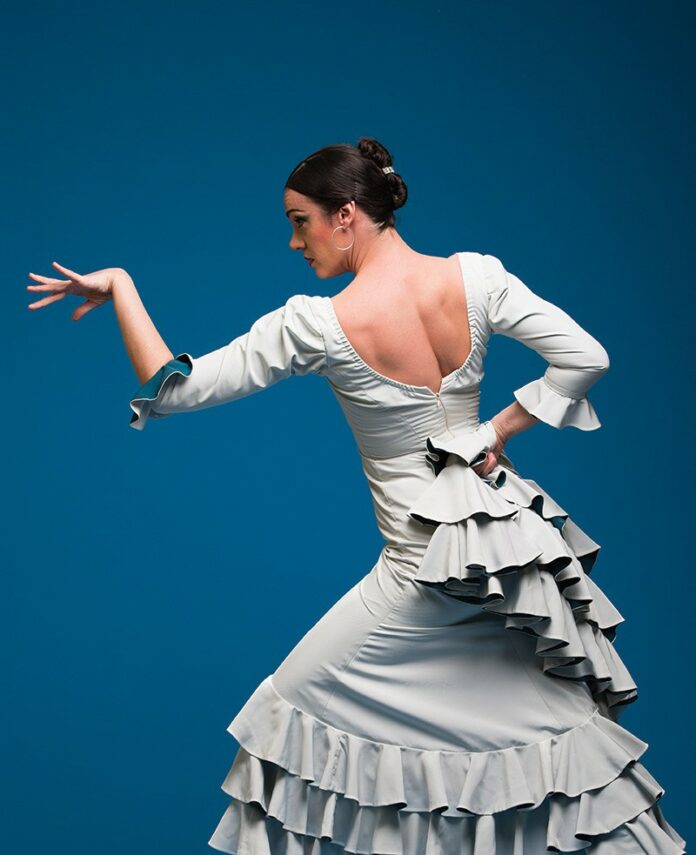
Cabaret de Caliente is the North Bay’s beloved burlesque company. Theatrical and fun, they’re known for their monthly series in Santa Rosa. This month, they unveil the biggest show of the season, in celebration of summer’s official opening day (and night). Solstice Seduction sees the company performing their classically inspired burlesque sets with the help of the jazz combo the MegaFlame Big Band, the S.F.-based outfit who specialize in offering vintage renditions of classic and contemporary tunes alike. Solstice Seduction takes place on Saturday, June 21, at Hopmonk Tavern, 230 Petaluma Ave., Sebastopol. 8:30pm. $20—$30. 707.829.7300.

Letters to the Editor: June 18, 2014

Who’s to Judge?

Norman Solomon is not exactly the best judge of any Democrat (“Who Is Levine?” June 11).
He does not know the party or its leadership. He spent his life as a self-appointed critic of Democrats. He has only been a registered Democrat since 2007. Before that, he was active in the Green Party and helped Ralph Nader challenge Gore in 2000 (and elect Bush in the process).

He did attempt to capitalize on his minor celebrity among the left by running for office, but he was beaten by someone he labeled a corporate Democrat (Jared Huffman) and a Republican. He has called nearly every Democrat at the national level a “corporate democrat.” So now Levine is labeled the same way Solomon has labeled Bill Clinton, Hillary Clinton, Al Gore, Barack Obama, Jerry Brown, Gavin Newsom, both of our state senators, Jared Huffman and a hundred other prominent and historical leaders of the Democratic Party.

The Democrats win here and throughout California by being a big-tent party and by not being as narrow-minded as some of its newer members such as Mr. Solomon.

Via online

Collect Calls

The gouging of county jail inmates through outrageous phone charges is widespread. The families of Marin County inmates can expect to pay $4.50 for a local call through Global Tel Link, which was discredited by the city of San Francisco and sued for $1 million last year. Global’s contract with the Marin County Sheriff’s Department calls for a 55 percent “compensation fee” per call based on its overpriced equipment and tolls.

Balancing the jail budget on the backs of poor people is morally indefensible. This is after the sheriff just purchased a tank for $700,000 to flesh out his paramilitary force, which was so sorely needed in Marin.

That most inmates—and, by extension, their families—are poor is a given. Just go down to Courtroom N at Marin Civic Center any weekday morning and watch the judges and prosecution extract money from those least able to pay. So jail it is. Getting to use the phone to find help securing your release thus becomes a near impossibility. Just more burden on the taxpayers and the families of the inmates.

Matt Taibbi, in his new book The Divide, shows how there are two systems of justice in this country: a painless non-prosecution for the rich (Wall Street and the well-to-do) and a horribly vindictive meat grinder and destroyer of families for the poor.

Lagunitas

Speak Up

Neighborhood and citizens groups concerned about development in the wine country are speaking up, and members of the established wine industry are getting involved. If you are a group or individual that would like to be part of the conversation, please contact Geoff Ellsworth at the email address na*******@***il.com or so*********@***il.com, depending on which county you are from.

St. Helena

Lie and Repeat

The U.S. seems to have a hard time figuring out reasons for its wars, especially the ones it wages on Iraq, so it keeps changing them until it finds something that will stick and sound reasonable and justifiable.

      The first Gulf War in 1991, waged by Bush the elder, started off as a war to “stop naked aggression” and then morphed into a war “to preserve the American way of life,” as well as to save the oil, preserve jobs, etc.  Back in August 2002, when the U.S. was trying to come up with a better reason to attack Iraq, the White House chief of staff told the New York Times: “From a marketing point of view, you don’t introduce new products in August.” And guess what? The new and improved excuses for an upcoming war on Iraq were rolled out in September. What a coincidence!

       For the second Gulf War, the U.S. started off trying its best to tie Saddam to Osama bin Laden’s outfit so they could pin part of the blame for 9-11 on him. But they couldn’t come up with any real credible evidence, and even the CIA admitted they didn’t think Saddam was connected—and got rebuked by the White House for disagreeing! But even though Bush wasn’t able to come up with any proof to satisfy the international community, he managed to convince most Americans. Something like two-thirds of Americans believe Iraq either staged the 9-11 attacks or played some sort of role in the attack behind the scenes, or that some of the 9-11 hijackers were Iraqis. That’s not the case at all, but it just goes to show that if you keep repeating a lie often enough, people will eventually believe it!

Palo Alto

Write to us at le*****@******an.com.

Sauvignon in the Spotlight

0

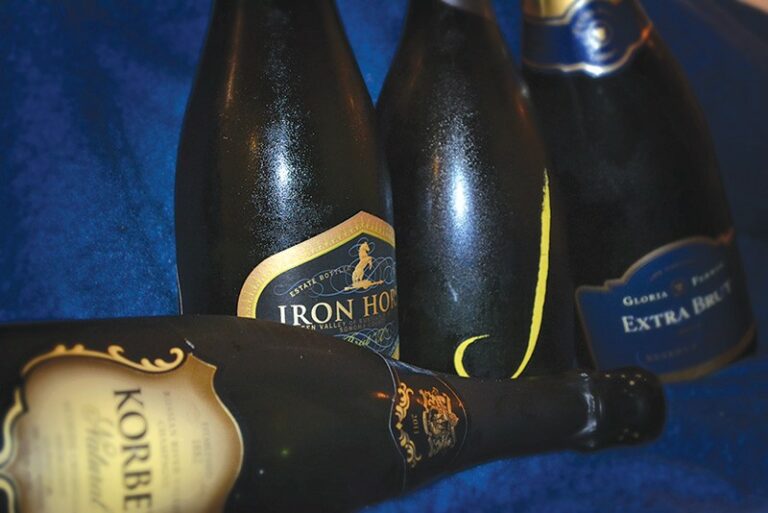
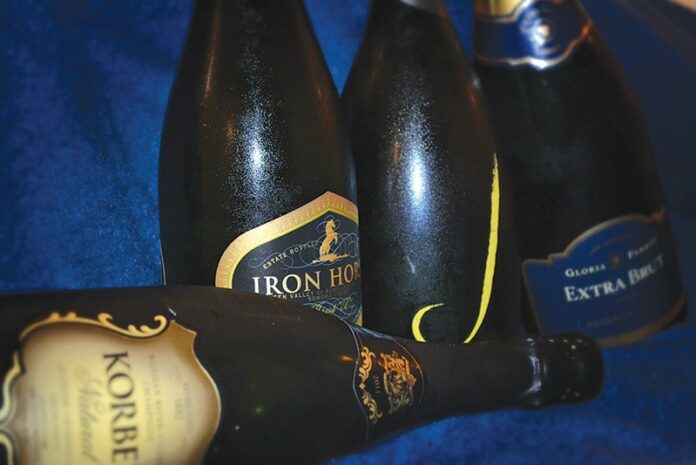
As the trickle of new wine from 2013 grows to a steady stream, it’s a good time to liquidate your inventory of light, fresh whites from the previous vintage. Like that bottle of 2012 Sauvignon Blanc that’s been gathering dust on the kitchen counter in that stylish little wrought-iron wine rack. Or is it too late?

“Light-struck” is not a 1980s musical or the sequel to Bottle Shock, but a wine flaw that develops when a bottle has been left out in natural light or interior lighting. A skunky or plastic aroma is typical. Brown glass offers the best protection, but it’s not as pretty as clear glass, which offers the worst protection. This week I blind-tasted seven Savvies, two of which were improperly stored for nearly a year, I’m sorry to say. Would they stand out? Maybe not, says Courtney Humiston, wine director at the Dry Creek Kitchen at Hotel Healdsburg, who advises, “If the temperature in your home stays relatively moderate, I would not expect a wine that has been struck by a little light to be spoiled.”

Napa Cellars 2013 Napa Valley Sauvignon Blanc ($18) Wouldn’t you know it, the one 2013 that snuck into the mix is the favorite. Fresh and enticing aromas of honeydew melon and cucumber, some weight without sweetness—maybe on account of the 14.5 percent abv.

Murphy-Goode 2012 The Fumé ($14) A lean brut without the spritz—powdered sugar on pear tart. Sour, but nice enough. The Fumé is partly barrel-fermented.

Taft Street 2012 Garagistes Sonoma County Sauvignon Blanc ($25) Cat pee on a lemon tree; lemon blossom, barely ripe pear juice aromas. White grapefruit keeps the finish fresh and interesting. This new tier is available only at the winery.

Kendall-Jackson 2012 Vintner’s Reserve Sauvignon Blanc ($13) With a touch of Chardonnay plus Semillon and Viognier to tart it up, it’s got oak and apple aromas, and there’s a little of that K-J Vintner’s candy on the finish.

Martin Ray 2012 Napa Valley Sauvignon Blanc ($20) Flowering vines, bitter melon; do not attempt without fish tacos.

Atalon 2012 Napa Valley Sauvignon Blanc ($21) Stored on a rack in moderate light in a corner of the office, this had a match stick note on first whiff, and became not unpleasant on second tasting. Aromas and flavors of “white wine.”

Francis Ford Coppola 2012 Diamond Collection Sauvignon Blanc ($16) Whiling away the year in a wine rack that lets in filtered morning sunlight a few weeks of the year, this bitter wine’s lack of fruit may not be its fault—but I did not sniff it out at the “light-struck” sample, after all. On the plus side—a summertime savor of bitter melon rind.

Debriefer: June 18, 2014

0

TWO NAPAS

Napa Valley’s real estate market is a land of extremes. The same week an 88-acre swath at the northern end of the valley was put on the market by Christie’s for $100 million, the Land Trust of Napa acquired the 1,380-acre Sutro Ranch free of charge.

The nonprofit was gifted the property from the estate of Betty Sutro, who bought the land in 1950 with her husband, John. Sutro passed away in 2012, leaving the land trust with the largest land gift of its 38-year history. The trust says in a press release that the preserve at the end of Atlas Peak Road on the east side of the valley will be second in size only to its Dunn-Wildlake Ranch Preserve and will focus on wildlife preservation and habitat restoration. The land is not open to the public at this time.

In contrast, the 88-acre,
$100 million piece of land is priced as such because of development easements approved for the land, according to reports in the Press Democrat. In short, the site deemed “the crown jewel of Napa Valley” is ready for development to the highest bidder. The highest price ever paid for a residential sale in the United States is $120 million for a 50-acre Connecticut home, also with developable land.—Nicolas Grizzle

NOTHING TO SEE HERE

One of these days, a writer will come to Bolinas and write a story that refrains from cliché: the inevitable mention of how locals removed highway signs leading to the Marin coastal town as a way to keep it from being overrun by tourists, developers and travel writers from the New York Times.

But until the cliché is retired, we’ll have to endure mocking pieces about Bolinas like the one in last weekend’s Times.

The writer descended on Bolinas and discovered a hotel in town called the Grand Hotel. Except it’s not so grand, after all, unless you’re a person of limited means, in which case it’s affordable. He trashed the place.

Ditto the Free Box, where people leave unwanted possessions so others might make use of them. The writer wasn’t having any of that community stuff, and snidely mocked the Free Box based on a few items he found there. The Free Box is utilized by working-class Mexican immigrants and poor artists trying to keep the nobility in their poverty. They find all sorts of cool and useful stuff in there, all the time.—Tom Gogola

UNION DEAL

Workers at the Graton Casino were signing union cards this week in an effort to join Unite Here Local 2850, which represents hotel, food-service and other hospitality employees.

“Management is staying neutral,” says Sara Norr, a researcher with Unite Here. “Before the casino opened, the leadership said they’d stay out of the way if the workers wanted to organize.”

Norr says casino janitors make $12.50 an hour, a rate above the minimum wage but still a tough deal in pricey Sonoma County. The union is also pushing for better health care benefits.

Other jobs at Graton pay higher hourly rates, but none, says Norr, compete with wages in San Francisco or the East Bay, typically in the $18–$20 range.

By Tuesday afternoon, about a hundred workers had signed cards, says Norr. If a majority of the 650 workers are on board, “then management said it would go along with that, and bargain a contract,” Norr says.—Tom Gogola

Move Over, Rover

Even after the “Collapse,” things should make sense in a post-Collapse way. The Rover, David Michôd’s disappointing follow-up to The Animal Kingdom, takes place in Australia ten years after the world economy implodes

Monosyllabic Avenger (bearded, jut-jawed Guy Pearce) drives up to a middle-of-nowhere bar to mutely wash his neck, when three inept bandits crash their truck and steal his car. With some ease, the M.A., called Eric, extracts the truck the bandits left and Road Warriors–down the three bandits. They pull over for the parlay, and knock Eric over the head—but don’t do the common sense thing of killing him and taking his car.

Shortly afterward, Eric finds the gut-shot brother they left behind, a Faulknerian idiot named Rey (Robert Pattinson using a spastic honk that seems to be a tribute to Billy Bob Thornton in Sling Blade). In cold pursuit, Rey and Eric drive to the Flinders Range where there is a physician of sorts, a lone woman doctor (Susan Prior). Thence to the well-worn trail of vengeance.

The Rover throbs with nativist fears that don’t quite rattle our Yankee bones. The gawk-worthy visuals do capture the heat, dust and terrible remoteness, but when comparing this, as some have, to Austrailia’s classic 1971 Wake in Fright, note the lack of savage pleasure in The Rover; The Road Warrior looked like the end of the world, but it also had jokes, like when the gyro-pilot asks “Remember lingerie?”

The only humor in The Rover is the dark, mirthless anti-joke hidden in the title. All the bloodshed is due to something that isn’t valuable in the ordinary sense, except in a demonstration of the principle of the thing. Common sense takes a holiday. Blame The English Patient and Cormac McCarthy in equal measures.

‘The Rover’ opens June 20 at Summerfield Cinemas, 551 Summerfield Road, Santa Rosa. 707.522.0719.

Song of the North Bay Organic Farmer: A Poem

0

My bedroom’s in the fields,

my kitchen’s in the ground.

Radishes restore me,

sunflowers fertilize me.

I’m nurtured by the cover crop

I cut down and turn over

in the belly of the earth.

I pollinate and I plow,

yoke barnyard to backyard,

feed the whole town,

talk farmer talk at supper table,

pass bowls of organic chard and

bushels of country charm.

I walk the farmer walk through

valleys of alfalfa and rows of wheat,

gather new potatoes and ripe tomatoes,

pledge allegiance to compost and mulch,

sing a pagan hymn to

fecund flowers and ungainly weeds,

watch the peas climb skyward,

take the seasons a second at a time,

in drought or flood,

wade through waves of spring,

inhale the heat of summer,

wrap autumn’s evening shadows

around my shoulders and wear

the light of the harvest moon

across my wildly beating heart.

Jonah Raskin is the author of ‘Marijuanaland’ and ‘Field Days: A Year of Farming, Eating and Drinking Wine in California,’ and is a frequent contributor to these pages.

We welcome your contribution. To have your topical essay of 350 words considered for publication, write op*****@******an.com.

‘Failure’ Succeeds

0

‘Nellie was the first of the Fail sisters to die.” So begins Chicago playwright Philip Dawkins’ rich, mischievously sorrowful play Failure: A Love Story.

The play, Dawkins says, was inspired after a walk in a cemetery where he spotted a gravestone marked “FAIL,” the final resting place of the Fail family, who, by the names on the markers, appeared to have had many deaths in the early 1900s. From this macabre jumping-off place, Dawkins has crafted a play as odd and unconventional as it is loving, magical and wise, full of the knowledge that in the end life is futile—but not without its perks.

In the slightly Tim Burton–ish production at Marin Theatre Company, director Jasson Minadakis—and an excellent
cast of five actor-singer-instrumentalists—has created a show in which the tone of the thing is as important as its meandering, point-packed plot. There is a deep and very real sadness just beneath the surface of every whimsical twist and lighthearted tragedy, but this fractured fairy tale—with snappy songs and talking snakes to sweeten the existential angst—makes a person wonder if there’s any point to it all—until, suddenly, there is.

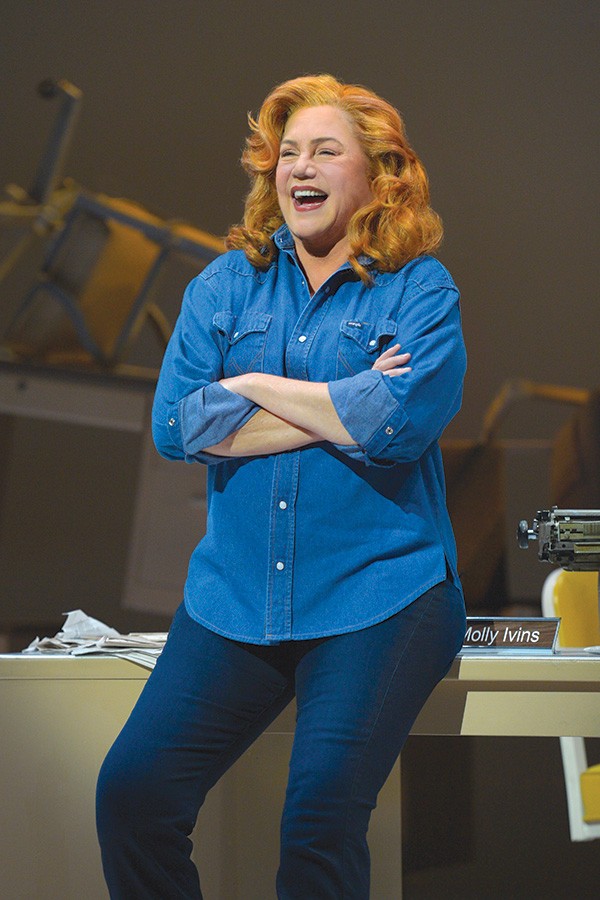
The Fail sisters, Nellie (Kathryn Zdan), Jenny June (Liz Sklar) and Gertie (Megan Smith), live in their family home and clock shop in Chicago, at the corner of Lumber and Love streets. The shop (an outstanding set by Nina Ball) is shared with adopted brother John (Patrick Kelly Jones), who was found floating in a basket in the polluted river, and now prefers animals (played by an array of marvelous puppets) to human beings. The siblings’ parents died tragically (and, of course, humorously) 13 years ago, but the Fails are nothing if not resilient, and their hopes and dreams—and all of the clocks in the family shop—tick on.

Then Mortimer Mortimer arrives.

A young dreamer described as “a man so famous he was named after himself,” Mortimer instantly falls in love with Nellie, forever changing the course of his life, which is about to encounter a veritable parade of death, loss and the occasional instance of puppet euthanasia.

Inventively staged and packed with language-loving dialogue (“In the story of his sleep, he was safe from the sadness of being awake”), Failure: A Love Story is a wholly original work that drips with ideas and dazzling word-craft, and is eventually quite profound. The play’s only fault is that it takes so long to take its own sadness seriously.

Rating (out of 5): ★★★★

Hydrodynamic

0

Surfing in Sonoma and Marin counties is dodgy in the best of times, but spring is downright dismal. Northwest winds scour the coast, rendering any waves that straggle ashore into ragged, unsurfable junk. The constant onshore blow dredges up deep, cold water to give surfers brain-
freezing headaches as they duck under waves.

But there are not many waves worth surfing this time of year anyway. Spring is a season of transition, and northwest swells from the Gulf of Alaska have all but dried up, and Southern Hemisphere swells have yet to make their way to our shores.

Still, Jamie Murray manages to stay connected to the ocean during the windy season inside his 108-square-foot shop tucked behind his home in Santa Rosa’s west end. Murray, 40, is a surfboard shaper, one of just a few in Sonoma County. If he can’t ride a surfboard, he can make one. He doesn’t advertise or sell his boards in surf shops, but the word has spread about his handiwork through the North Coast surf underground.

“He’s talented,” says Jay deLong, 42, a veteran North Coast surfer who has ordered several boards from Murray. “He’s really a craftsman. He’s got curiosity, and he’s not afraid to fail. He’s that classic person who is enjoying the ride.”

As an in-demand shaper, Murray spends a lot more time in his shop than he does in the water. Once he closes the shop door, he disappears for hours in a private world of tools, foam dust and hydrodynamics.

“My wife and kids have to get me,” he says. “There’s no possible way I can keep track of my own time.”

CONNECTICUT TO CALIFORNIA

Murray is an unlikely shaper and surfer. With his short-cropped hair, glasses and wry smile, he doesn’t fit the surfer stereotype. He looks more like
an English teacher. Which he is. He was a founding faculty member at Sonoma Academy.
His writing skills and sense of humor come across on his blog at www.headhighglassy.blogspot.com:

SHAPING IN SPRING

The deeper into spring, the weirder the boards: long, wide, fat boards that will catch everything. Short, wide, fat boards that catch almost everything. Medium, wide, fat boards that fit perfectly between short-period windswell troughs. Many ways to skin the grumpy, uncooperative, foggy cat of spring. Take that, spring!

PARENTING IN SPRING

My kids now think I’m effing with them at bedtime. “How could it be?” They plead, pointing out the window. “It’s still light outside!” And they’re correct, but it’s also 8pm and daddy needs a Manhattan, so off they go. Take that, spring!

Murray grew up in Connecticut, a state with a nearly nonexistent surf scene. Because there were no local surf shops, he and his friends surfed scavenged old boards.

“We were 10 to 20 years behind,” he says. “We were always surfing stuff that was out of date.” He learned to surf on a 1970s-era 5-foot, 11-inch twin fin.

“It was pretty retro before retro was cool,” he says.

Murray got used to those outdated designs, and when he moved to California in the 1990s after college in Colorado, he wanted to rekindle his love of surfing. By then the surf industry was focused on short and thin boards patterned after the high-performance, competition-style boards surfed by the pros. For someone used to riding boards with more foam and width, they were no fun. Murray asked a Santa Cruz shaper to make him one more suited to his liking. He got turned down. So Murray decided to make his own.

[page]

THE ART OF SHAPING

For all their graceful lines and high-gloss finishes, surfboards begin life as an unremarkable plank of polyurethane foam called a blank. It’s a shaper’s job to artfully saw, plane and sand away the blank to reveal a surfboard shape within. Once the blank is shaped to the shaper or client’s specifications, colors, decals and fin boxes are added, then it’s layered with resin and sheets of fiberglass. Before it’s ready to be surfed, it gets sanded and polished.

There are mass-produced, computer-cut surfboards, but since surfing’s rise in popularity in the 1950s, there has always been demand for handmade surfboards. Other than custom bicycles, there are few sports where you can work with a designer and craftsman to create a piece of equipment built to your specs.

Back home in Connecticut, Murray’s dad, like many Yankee dads, had a basement workshop that kept him busy through the long winters. As a kid, Murray made his own skateboards because his father wouldn’t buy something he could make himself.

“If you wanted it, you were going to have to make it,” Murray says. “That was his philosophy.”

And it became his philosophy, too. So Murray got a blank and set to work making his first board.

“It was totally shitty and came out terrible,” he remembers.

But he learned from his mistakes, and the next one was better. So was the next. These were the early days of the internet, and there wasn’t much information available on surfboard shaping. To expand his knowledge, he spent time observing a few master shapers and asking questions. After making 30 or so boards, he started to get the hang of it.

By this time, Murray had moved to Santa Rosa and taken a job at Sonoma Academy. During the day he taught literature and writing, and at night and on weekends he continued to make boards and surf them in the heavy waters of the Sonoma and Marin coasts. Eventually, someone saw one of his boards and asked if he’d make one for him.

“I was loath to take orders,” he remembers. “I really didn’t know what I was doing.”

But his boards got better, and soon he had a growing list of customers. Paddle out at Salmon Creek or Dillon Beach, and chances are you’ll see a board with a dragonfly decal, Murray’s logo.

It turns out his fondness for the retro boards of his youth—wide, thick ones designed for easy paddling and their wave-catching ability rather than aerial maneuvers and competition—fit right in with the North Coast’s surfing demographic. Murray sums up the area’s surfers with one word: “Old.”

Most surfers here have been around for a while. The area is challenging and doesn’t offer many beginner-friendly spots, so there aren’t many first-timers or young kids in the water. Old guys—and girls—rule.

Whether it’s nostalgia for old designs or simply the desire for a board that will help surfers paddle through the North Coast’s notoriously heavy currents and surf, Murray’s designs are tailor-made for the region.

“It’s a big playing field out there,” says Sebastopol surfer Neil Ramussen, 62.

He ought to know. He’s been surfing the North Coast since 1966. “You want something to get you around. Bigger boards are better.”

[page]

Several of Murray’s shapes were created with local surf breaks in mind. Winemakers talk about terroir and how their wines reflect the local soil and climate. Murray’s boards reflect the power and mercurial nature of our stretch of coast. While springtime is rough, the North Coast can get good waves. Sometimes really good. And when it’s on, you want the right board for the job.

Murray’s “Pit Boss” was created to surf a powerful, barreling wave near Dillon Beach that requires a long paddle over notoriously sharky waters. His “Clover” design is suited to Salmon Creek when a winter groundswell is pulsing and the waves get steep and hollow. He also makes “Broadswords,” longboards suited to both smaller, mushier summertime waves and big winter surf .

There is demand for high-performance surfboards, but Murray usually steers those customers to Ed Barbera, a master shaper who makes boards behind Bodega’s Northern Light Surf Shop.

“He does such a killer job with them,” Murray says.

HEAVY WATER

Though people have been surfing in Southern California and Santa Cruz since the early 1900s, surfing is relatively new to Sonoma and Marin counties—mainly because it’s so damn hard to surf here and there is more consistent surf just about everywhere else in the state.

“Twenty years ago, the Sonoma Coast was the frontier,” says veteran surfer deLong.

DeLong counts himself as the first wave of young surfers in Sonoma County. There were a few older surfers like Rasmussen who surfed back then, but they were few in number and some scampered farther north when their solitude was disturbed by newcomers paddling out.

“Back then, there was hardly anyone in the water,” he says. “You’d be happy if there was someone else out there with you.”

Murray says most surfers he meets simply want to get into the ocean and enjoy the area’s natural beauty and bag a few waves along the way. He includes himself in this group.

“As older, experienced surfers, we’re looking for a wilderness experience. It’s not about wave count or blasting big airs.”

He says he enjoys working with surfers, half of whom are women, to bring their ideas to life. What do customers want from a board?

“Everything,” Murray jokes.

“It’s got to handle everything from ankle high to double overhead. Our conditions are wild and unpredictable. [Shaping for those conditions] is a fool’s errand, but that’s part of the challenge.”

He much prefers custom shaping to sticking a board in a shop for someone he’ll never meet.

“I like shaping for people I know. It’s more fun to imagine who I’m making it for.”

Murray isn’t planning to quit his day job. He figures he makes enough from each board he shapes to buy a good sandwich. Every dozen boards or so he’ll have enough money to make a board for himself. Which he apparently does a lot. There are boards stacked in and around his house like cordwood.

What is it that compels him to shape in his tiny shop and lay awake at night thinking about foils, rockers and hulls?

“My wife asks me that all the time,” he says, smiling. “It’s my quiet time, and it’s nice to do something physical after teaching all day. If I put in four hours in the shop there’s a [finished] product. It’s what I want to be doing.”

Berried Treasure

0

The embedded blackberry thorns are pulled fairly easily from the flesh of my thighs, but are far more difficult to remove from the denim of my jeans.

The pants were a fashion choice I mistakenly thought would be fitting for an activity like picking blackberries in Sebastopol’s Ives Park, but only resulted in agitation from overheating, frustration from picking tiny throwing stars from my legs and blood stains on the inside of my clothes. Plants, it seemed, had gotten the best of me this day.

But wait—this is the land of Luther Burbank, the man who coerced nature to bow to his vision of the perfect plant. He invented the Russet potato, the spineless cactus and, yes, several varieties of thornless blackberry. As I soothed my wounded pride with the sweet taste of fresh berries, my burning legs prompted a good question: Where are those thornless blackberry bushes now?

To begin, it must be understood that the blackberry most of us know in the North Bay is not a native species. The invasive Himalayan blackberry was brought here from Eastern Europe by none other than Mr. Burbank himself, who praised its structural heartiness and plump fruit. It was picked up by farmers and used as natural cattle fencing. But the plant was just too aggressive, and soon escaped into the wild where it had no natural forces to keep its thick, spiny stems in check. Now it can be found from Southern California all the way up to Alaska.

Oregon’s Willamette Valley, however, hosts a variety of heirloom blackberries. Perhaps most well-known is the marionberry, which is a cross between Chehalem, a descendent of the Himalayan blackberry and the Olallie, itself a cross between the loganberry and youngberry. It was first introduced in 1956 by the USDA Agricultural Research Service at Oregon State University, and is now old enough to be called an heirloom variety, says Paul Wallace of the Petaluma Seed Bank. “When [a hybrid] is stabilized, after about eight or 10 years, it could be termed an heirloom,” he says.

When berries are out of season, fruit lovers head to the grocery store, where familiar plastic clamshells bearing bland, tough, enormous black orbs lie in wait with their $6 price tag. These are Tupi blackberries, a commercial variety grown mostly in Mexico.

But what about that thornless blackberry developed by Burbank? It seems like such a wonderful idea, why didn’t it take off?

Well, Burbank wasn’t doing his work just for the betterment of mankind. He was an inventor who sold his ideas; that’s how he made money. He invented 16 blackberry and 13 raspberry varieties, but not all were commercially successful. The plants are available to home gardeners, but apparently don’t make financial sense for farmers to grow.

At Luther Burbank’s home and gardens in Santa Rosa, many of the varieties are on display now, with berry season nearing. It is truly amazing to grasp the stalk of a seemingly ordinary blackberry plant and not recoil in pain. But as the sweet reward of my excruciating berry picking conquest trickles down my throat, I can’t help but wonder if the berries would taste as good if they hadn’t required a little blood as tribute.

June 24: Ray Bonneville at Sweetwater Music Hall

OK, so I don’t know if Ray Bonneville actually drives a Pontiac; but if he doesn’t, then the Canadian-born singer-songwriter is missing out on a gold mine of an endorsement deal. Either way, Bonneville has a hugely popular and influential body of blues and folk music under his belt, and a new album, Easy Gone, that features his moody...

June 21: Cabaret de Caliente at Hopmonk Sebastopol

Cabaret de Caliente is the North Bay’s beloved burlesque company. Theatrical and fun, they’re known for their monthly series in Santa Rosa. This month, they unveil the biggest show of the season, in celebration of summer’s official opening day (and night). Solstice Seduction sees the company performing their classically inspired burlesque sets with the help of the jazz combo...

Letters to the Editor: June 18, 2014

Who's to Judge? Norman Solomon is not exactly the best judge of any Democrat ("Who Is Levine?" June 11). He does not know the party or its leadership. He spent his life as a self-appointed critic of Democrats. He has only been a registered Democrat since 2007. Before that, he was active in the Green Party and helped Ralph Nader...

Sauvignon in the Spotlight

As the trickle of new wine from 2013 grows to a steady stream, it's a good time to liquidate your inventory of light, fresh whites from the previous vintage. Like that bottle of 2012 Sauvignon Blanc that's been gathering dust on the kitchen counter in that stylish little wrought-iron wine rack. Or is it too late? "Light-struck" is not a...

Debriefer: June 18, 2014

TWO NAPAS Napa Valley's real estate market is a land of extremes. The same week an 88-acre swath at the northern end of the valley was put on the market by Christie's for $100 million, the Land Trust of Napa acquired the 1,380-acre Sutro Ranch free of charge. The nonprofit was gifted the property from the estate of Betty Sutro, who...

Move Over, Rover

Even after the "Collapse," things should make sense in a post-Collapse way. The Rover, David Michôd's disappointing follow-up to The Animal Kingdom, takes place in Australia ten years after the world economy implodes Monosyllabic Avenger (bearded, jut-jawed Guy Pearce) drives up to a middle-of-nowhere bar to mutely wash his neck, when three inept bandits crash their truck and steal his...

Song of the North Bay Organic Farmer: A Poem

My bedroom's in the fields, my kitchen's in the ground. Radishes restore me, sunflowers fertilize me. I'm nurtured by the cover crop I cut down and turn over in the belly of the earth. I pollinate and I plow, yoke barnyard to backyard, feed the whole town, talk farmer talk at supper table, pass bowls of organic chard and bushels of country charm. I walk the farmer walk through valleys of alfalfa and...

‘Failure’ Succeeds

'Nellie was the first of the Fail sisters to die." So begins Chicago playwright Philip Dawkins' rich, mischievously sorrowful play Failure: A Love Story. The play, Dawkins says, was inspired after a walk in a cemetery where he spotted a gravestone marked "FAIL," the final resting place of the Fail family, who, by the names on the markers, appeared to...

Hydrodynamic

Surfing in Sonoma and Marin counties is dodgy in the best of times, but spring is downright dismal. Northwest winds scour the coast, rendering any waves that straggle ashore into ragged, unsurfable junk. The constant onshore blow dredges up deep, cold water to give surfers brain- freezing headaches as they duck under waves. But there are not many waves worth surfing...

Berried Treasure

The embedded blackberry thorns are pulled fairly easily from the flesh of my thighs, but are far more difficult to remove from the denim of my jeans. The pants were a fashion choice I mistakenly thought would be fitting for an activity like picking blackberries in Sebastopol's Ives Park, but only resulted in agitation from overheating, frustration from picking tiny...
11,084FansLike
4,446FollowersFollow
6,928FollowersFollow