Feb. 8: Sisterly Story in Santa Rosa

0

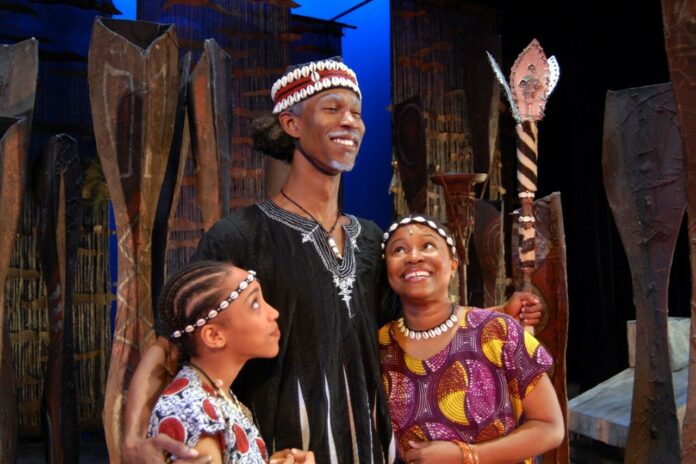
Two wildly different sisters must travel through a wondrous jungle of mystery and splendor in the African tale ‘Mufaro’s Beautiful Daughters.’ Resembling the story of Cinderella, this fairy tale follows the sisters as they vie for the attention of a king. This month, the story comes to life in an exciting stage show filled with African drumming, colorful spectacles and expressive choreography, presented as part of the Clover Stornetta Family Fun Series. Come early and partake in arts and crafts projects and enjoy pizza and concessions before the show takes you on a magical journey on Wednesday, Feb. 8, at Luther Burbank Center for the Arts, 50 Mark West Springs Road, Santa Rosa. 6:30pm. $12–$17. 707.546.3600.

Stay ‘Restless’

0

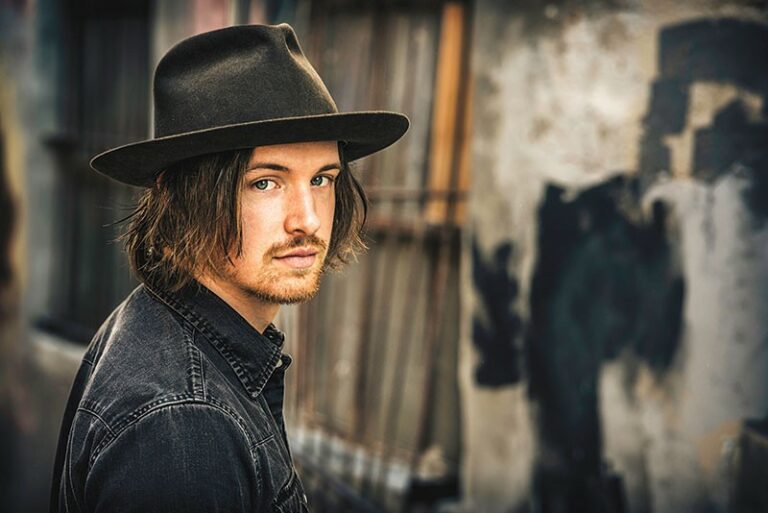
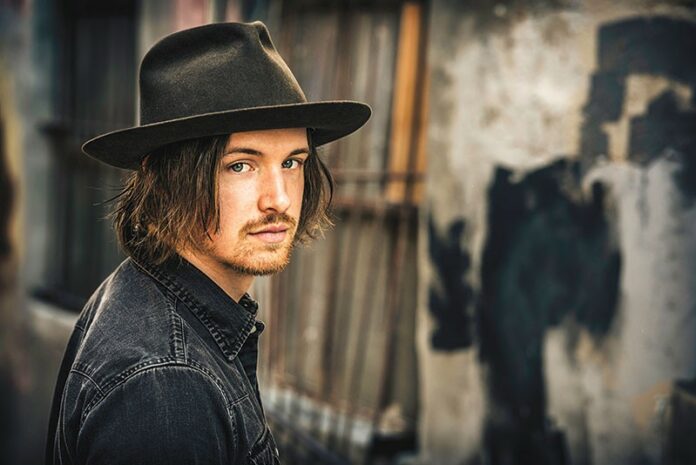
North Bay native David Luning was playing piano and studying film scoring at the Berklee College of Music in Boston when his world turned upside down.

“I was hanging out with friends who lived in my apartment building and listening to music. They played me John Prine and Old Crow Medicine Show and Ryan Adams, stuff like that,” Luning says. “I had never really heard that music before, and I knew then what I wanted to do with my life.”

That spark of inspiration led Luning to drop out of Berklee, return to the North Bay and take up the guitar in a transformation from cinematic composer to Americana troubadour. Now a full-fledged rambling man, Luning presents his new album,

Restless, in concert on Saturday, Feb. 4, at the Mystic Theatre in Petaluma.

After relocating back to his hometown of Forestville, Luning built up a repertoire of country-tinged folk and assembled a backing band to join him on the road. His first album, Just Drop
on By
, came out in 2012 to wide acclaim.

Luning says of his early songwriting aspirations that he wanted to “write about real things, and make it more honest. I just really loved creating layers in the lyrics.”

Coincidentally for the one-time film-score student, several songs from his first album found their way into films and television programs, propelling Luning onto larger and larger stages. A constant traveller, the songwriter has appeared at festivals all over the West Coast and has shared stages with the likes of Elvin Bishop and Robert Earl Keen.

Now with Restless, Luning rises to the occasion with a polished, confident collection of country rock and Americana music that’s both radio-ready and emotionally resonant. Luning credits some of the new sound to producer Karl Derfler, who has worked with Tom Waits and Dave Matthews.

“That was a huge learning curve,” says Luning. Although he was initially nervous about allowing an outside input into his music, he says Derfler quickly proved intuitive and supportive of his vision. “He knew where I wanted my music to be at, even before I knew it sometimes.”

Recorded at Panoramic House studios in West Marin, a stunning and sonically unique studio space, Restless moves from exuberant rock and roll to softly melodic ballads with ease, reflecting the record’s wandering themes with songs that act as character studies inspired by moments in Luning’s travels.

Those travels will continue after Luning’s album release show this week. “We’re going to play everywhere,” he laughs. “And all the time.”

David Luning performs on Saturday, Feb. 4, at the Mystic Theatre,
23 Petaluma Blvd. N., Petaluma. 8pm. $17–$22. 707.765.2121.

‘Son’ Rises

0

Beauty isn’t always pretty.

Richard Wright’s 1940 masterpiece Native Son—among the most important and powerful American novels ever published—has been alternately praised and condemned, drawing kudos and criticism for the very same things—mainly, the brutal honesty, realism and shocking violence of Wright’s supremely crafted depiction of life as a poor, undereducated black man in mid-century America.

Powered by a poetic, elegant script by Nambi E. Kelley, the Marin Theatre Company brings Wright’s explosive novel to the stage, with an extraordinary cast giving perfectly tuned performances under the steady guidance of director Seret Scott. The result is a remarkable theatrical experience that is at once astonishing, beautiful, visceral, vibrant and inescapably ugly. Kelley, succeeding where countless others have fallen short, strips Wright’s epic-length novel to its bones, then dresses it back up again in brilliant theatrical ideas, enhancing rather than diminishing the power of Wright’s ingeniously crafted, ethical puzzle-box of a story.

Bigger Thomas (a superb Jerod Haynes) is barely scraping by, living in a rat-infested Chicago slum with his mother (C. Kelly Wright), sister Vera (Ryan Nicole Austin) and brother Buddy (Dane Troy). Bigger is, for obvious reasons, a frustrated man, a combustible blend of anger, hopelessness and fear.

Bigger’s violent internal struggles are brilliantly illustrated through his conversations with the Black Rat (William Hartfield), the playwright’s impressively wrought illustration of Bigger’s conflicted inner battles. The Rat represents the way society sees him, a view that is constantly in conflict with how Bigger sees himself.

Even the possibility of a decent job, chauffeuring for a wealthy, liberal white woman (Courtney Walsh), is rife with danger. Her daughter, Mary (Rosie Hallett), and her communist boyfriend, Jan (Adam Magill), attempt to show Bigger how open-minded they are, clueless about how their public shows of “equality” are putting him in danger.

As the story moves ahead with ferocious speed—told in a single, 90-minute act—Bigger steps back and forth from present to past, with flashbacks underscoring his rising fear and fury with heartbreaking power.

The story may be set in the 1940s, but that so little has changed is clear. That, along with the ugly beauty of his storytelling, is why Wright’s brutal masterpiece continues to have such resonance after more than 75 years.

Rating (out of 5): ★★★★★

Pot Policy

0

Marijuana is going mainstream, as evidenced by the spread of medical marijuana and now outright legalization, not to mention its increasingly favorable position in popular culture. There’s just one problem: pot remains illegal under federal law.

That’s a big problem for John Hudak, a senior fellow in governance studies at the Brookings Institution who has a keen professional interest in public policy implementation. In Marijuana: A Short History, Hudak takes marijuana legalization as pretty much a given—provided it isn’t screwed up too badly in implementation—and sees federal marijuana prohibition as an obstacle to getting pot policy right.

He sketches out the strange place we now find ourselves, with a booming industry enriching state tax coffers at the same time it remains federally illegal, and a federal government largely turning a blind eye to the violations of federal law—at least for now—while at the same time refusing to allow that industry the banking privileges and tax breaks provided to legal businesses. Meanwhile, marijuana sellers become Chamber of Commerce members in some states and prison inmates in others.

In Hudak’s view, we’re now in a “worst of both worlds” status quo: “The resulting situation in the United States may be worse than either national legalization or national prohibition. Legal realities are loosely defined by executive branch guidance and suggestions from the administration. This guidance fails to answer important questions and oftentimes creates new ones. States are constantly asking the federal government how to deal with many of the problems they face; the answers are almost always insufficient.”

Now, at the start of 2017, the tensions Hudak highlights are even more acute, and the November elections brought them to the fore. At the same time the legal recreational market quintupled in size, with victories in California, Maine, Massachusetts and Nevada, the nation elected Donald Trump, whose attorney general pick, Alabama senator Jeff Sessions, is an avowed foe of legalization. Hudak raises the right questions about marijuana’s future.

Marijuana: A Short History is serious stuff with a serious purpose: getting us down the path to a sane and effective marijuana policy nationwide. People with an interest in marijuana and marijuana legalization need to be thinking about these things, and Hudak is going to reward a serious reader. And he isn’t going to make you slog through 400 pages of academic prose along the way.

Phillip Smith lives in Sebastopol and is editor of the AlterNet Drug Reporter and author of the ‘Drug War Chronicle’

Letters to the Editor: February 1, 2016

The Meat We Eat

I really appreciated Ari LeVaux’s article (“Omnivorous,” Jan. 25). The author reveals that he is a meat eater, but like many people, he acknowledges that the question of whether or not to eat meat is a complex one and something that is under more scrutiny than ever. With meat and dairy’s heavily negative impact on the environment and the health benefits of eating more plant foods becoming widely accepted, and even recommended by major medical institutions, the expanding plant-based meat and cheese section of the store is welcome. The trend to eat more plants and fewer animals is positive progress, and we can use some of that for 2017.

Penngrove

If Mr. LeVaux wants to feel zero guilt for eating meat, he should be at least somewhat concerned that his consumption of wild game demonstrates a disregard for a very important part of the evolutionary process.

The mechanism for evolution is natural selection. When a mountain lion kills a deer, it usually gets the weakest, slowest, most genetically deficient member of the herd. This leaves the strongest members of the herd to reproduce.

When a human hunts a deer, they usually get the biggest, strongest, meatiest member of the herd to take home to their partner and kids. This leaves only the genetically inferior members of the herd to reproduce. In the long run, this may hurt the viability of any species of animal. Something to think about.

Santa Rosa

Boom or Bust?

I can’t believe that while it appears we are slipping into a fascist dictatorship and people are worried about being deported, among other horrors, the Bohemian offers up an issue on boutique hotels! (“Boutique Boom,” Jan. 25).

Sebastopol

Counting the Vote

In the aftermath of the 2016 presidential election, there has been much criticism of the Electoral College, and calls for electing the president based on the national popular vote. Many of the critics point to the disparity of the Electoral College representation per capita of populous states like California compared to low-population states like Wyoming. They say that it is unfair that Wyoming gets one elector per 200,000 residents, while California only gets one elector per 700,000 residents. However, even if the number of electoral college votes allocated to each state was based solely on its population, with each state getting one elector per 200,000 residents, Trump would still have won the electoral college by a vote of 913–702.

Choosing the president by national popular vote would dramatically change voting habits and patterns. There is no way to predict how voter turnout would have been affected. I suspect that Trump would have received more votes in California and New York if the popular vote had mattered.

Sants Rosa

Write to us at le*****@******an.com.

Let’s Doux It

0

With Valentine’s Day as your cover, there’s no better time to enjoy some sweet sparkling wine without fear of appearing unsophisticated.

Just remember that the language of sparkling wine, like the language of love, can be complicated—even idiotic sounding—and “extra-dry” is not the driest level of sparkling wine; it’s just less sweet than “sec.” Observing the woefully underappreciated tradition of popping a bubbly to celebrate being alone and unloved? Even better. Hit the sweet sauce.

Iron Horse 2012 Winter’s Cuvée ($65) If this evocatively titled cuvée smells a little like a spicy, boozy Tom and Jerry, that’s not just a fireside fantasy—each vintage is spiked with Pinot Noir brandy the winery made back in 1987. But it’s just a little of a good thing, and plays well with notes of nutty almond paste and flaky croissant. A cool stand-in for hot apple cider, it’s tangy like Granny Smith apple and not over-sweet, and may be available at the tasting room only—when it’s available. ★★★½

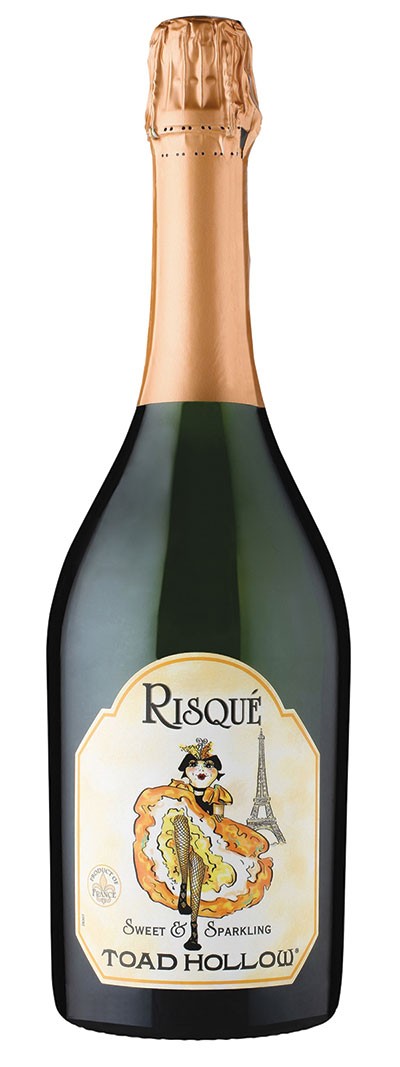
Toad Hollow Risqué Sweet Sparkling Wine Limoux ($15.99) This wine may look a little flaky at first glance, all but saying “Do you like to party?” on the front label and then oversharing on the back, admitting to a “doux” level of sparkling wine sweetness at 11.5 grams of sugar per five-ounce serving, but only 6 percent alcohol by volume—or 7.9 percent, according to the tech sheet. It’s made from the Mauzac blanc grape in the “méthode ancestrale,” which is French for the way people been doing it a long time. Maybe I’m easy, but I think this import is super fun: aromas of burnt wood turn into toasted almonds in a sweet pasty, and an ennobling hint of seashell saltiness underlies sweet Golden Delicious apple flavor. ★★★

Iron Horse 2012 Russian Cuvée ($44) Still made to commemorate the custom bubbly that Iron Horse delivered to the Gipper-Gorby meet-up in the 1980s, this sparkler lets your dearest know you “trust but verify.” Showing a little sweetness on the finish, this brut-level wine seems conservatively styled, and has served as a toasting wine at the White House for five consecutive administrations—thus far. ★★★

Korbel Extra Dry ($11.99) Herbed with rosemary, just a little honeyed like a fine mead (an excellent alternative to sparkling wine, by the way—try Marin County’s Heidrun sparkling mead), this straightforward wine has only 1.5 percent sugar. If you just want to skip to the secs, Korbel has those too, plus an even sweeter cuvée they call “sweet cuvée.” ★★½

Sofia Blanc de Blancs ($19) Wrapped in pink cellophane and bearing a back-label warning to not use a corkscrew on it, this simple pleasure is surely aimed at the hearts of special-occasion sparkling wine drinkers with its sweet, apricot and honey flavors. ★★½

One for the Road

0

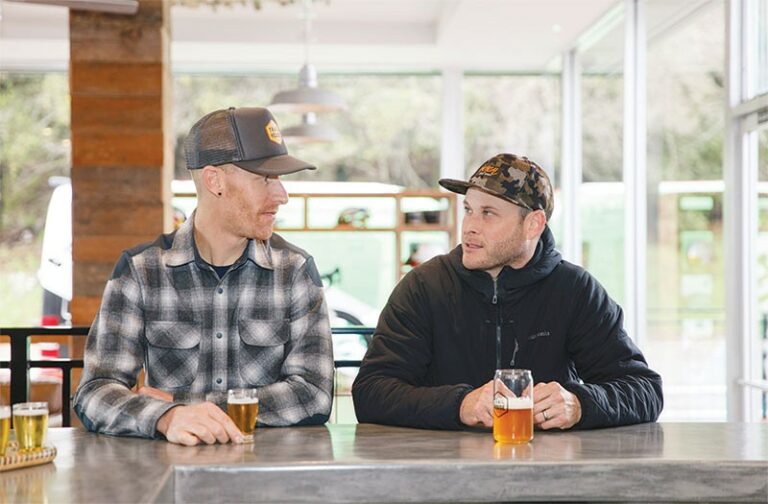
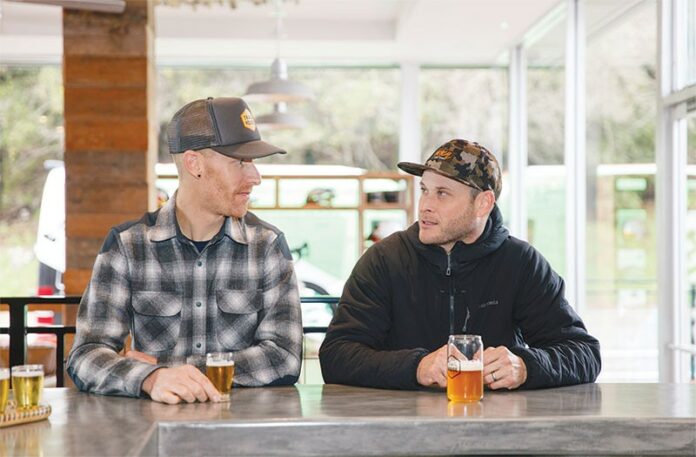
Glenn Fant and Shane Bresnyan have been riding the 40-odd miles of trails at Annadel State Park for more than two decades. Fant owns Santa Rosa’s NorCal Bike Sport and the Bike Peddler; Bresnyan was the former manager at the Bike Peddler.

After a day of hammering the trails, the friends head out for beers but used to lament the lack of any place close to Annadel that fit the bill. They solved that problem by opening Trail House just a short ride down from their beloved park.

The six-week-old venture serves as the ultimate post-ride hangout with a dozen beers on tap, a basic but brew-centric food menu, a comfy lounge, three monitors with biking and other sporting events and a wall map of Annadel for reliving your ride or figuring where you took that wrong turn. They also serve Sight Glass coffee and pastries for pre-ride fuel.

But Trail House is more than a cafe. There’s a bike mechanic on duty, a rental fleet of demo bikes and a full range of bike gear, like helmets, tubes, shoes and apparel—basically everything but bikes for sale. They leave that to Fant’s other shops. Trail House will also offer 24-hour repairs with the help of an after-hours mechanic, a very quick turnaround for a bike shop.

Trail House is really a clubhouse for Sonoma County’s thriving mountain-biking community. A dozen or so vintage bikes hang from the ceiling, early models from Scot Nicol (founder of Sonoma County-born Ibis Cycles) and other frame builders, as well as Fant’s first mountain bike and a cruiser that that once rode the trails at Annadel back in the sports’ infancy in the 1970s.

Bresnyan plans to curate the bikes with brief narratives about the bikes’ place in Santa Rosa cycling history. There are also plans to offer membership with benefits like bike storage, showers, mechanic service and personal beer steins.

At times Bresnyan isn’t sure what to call Trail House. Bike shop cafe? Biker bar? He likes “a place of community.”

“We’re super-proud of Santa Rosa and our community,” he says. “The mountain-bike scene is pretty amazing.”

The cafe-within-a-bike-shop phenomena isn’t new. Santa Rosa’s Trek Bicycle Store opened a short-lived coffee bar inside its shop in 2015. Bresnyan points to Fairfax’s Gestalt Haus, a mountain biker–friendly pub at the foot of Mt. Tamalpais, as a source for inspiration. He says the idea is part of an effort to stay competitive in an era when online bikes sales are putting many shops out of business.

“The bike shops that don’t change are going to go away, but you can’t get this online,” he says, looking around Trail House.

Bresnyan is quick to add Trail House is not a restaurant. Installing a ventilation system and commercial kitchen would have been prohibitively expensive. Instead, they outsource burritos from nearby Lepe’s Taqueria and pizza slices from Mary’s Pizza Shack. They also make an upgraded version of an Egg McMuffin called a Western Spirit sandwich that’s an ode to one served by a beloved Utah mountain-biking outfitter.

Bresnyan hopes Trail House will become as much of a draw as the nearby state park. “Annadel is becoming a destination,” he says. “It’s a point of significance. That’s what we want to be.”

Trail House 4036 Montgomery Drive, Santa Rosa. 707.843.4943.

United We Are Strong

0

On Jan. 21, a sea of humans, called “We Make America,” arrived at both Manhattan’s Grand Central Station and Washington—and across the country. I am one of the founders of “We Make America,” a group of artists and activists.

We wove ourselves through the fabric of marchers led by a giant “liberty” torch carried by a small woman. When we made it to the starting point of the march in New York City, we were right next to Planned Parenthood. We waited for two hours until the march slowly reached us. We all felt uplifted. It took two hours to start because there were more of us than anticipated by the New York Police Department and march organizers.

For weeks I had struggled with whether to be or not to be in the Women’s March, but I knew that it was historic and that I could not remain passive or silent. As an undocumented woman, my lawyers have advised me to avoid anything that might result in my arrest, even for civil disobedience.

The Women’s March was organized by women and forever will stand as a statement of values and goals by them—a fact that will forever angry Trump and make= me happy. I carried the torch of liberty for eight hours.

The torch is about 15-feet tall. I felt that big, too. I was proud to represent women, people of color and immigrants. In that moment I was a giant, respected and accepted by all in the march. To me the risk of being at my first march was worth it. While I started my activism a long time ago, that march and what brought me there with “We Make America” will further define my future.

As an “Illegal’ Immigrant, I face the loss of my university teaching job, my home, but never my drive to march, protest, and be proud.
Some people were critical of the march because it was all this or that, or did nothing. I think we are teaching each other how to organize, how to mobilize and how to convey our values and goals. Never before have we acted collectively on this scale. That takes determination and practice.

Most of the criticism comes from people who do nothing. To those I say, “I am a feminist, undocumented, brown, an Illegal human and an artist! Do something before you say something.”

The women’s march was a community moving in one direction toward a better future. It was also so much fun! Me encanto, but yes, it was just the beginning of the real work. United somos fuertes!

Maria de los Angeles is an artist, academic and Deferred Action for Childhood Action (DACA) dreamer who lives in Brooklyn.

Puppy Love

0

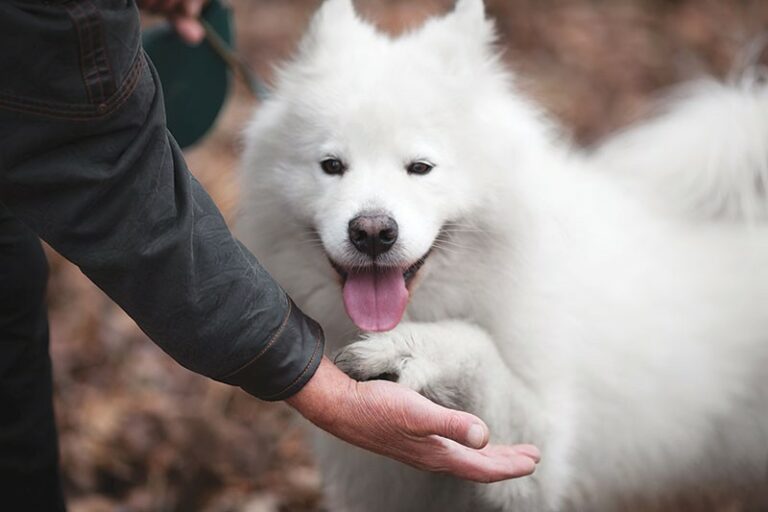
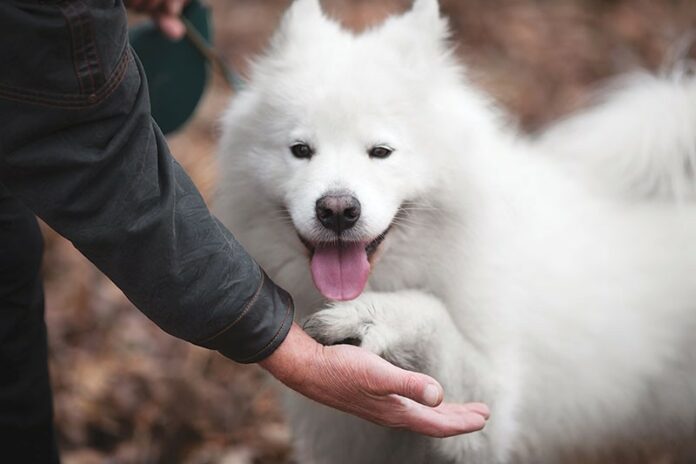
If the love of your life is your dog, why not celebrate Valentine’s Day with him or her and treat yourselves to a retreat in the North Bay’s doggie paradise?

Sonoma County Regional Parks allows civilized, licensed and leashed dogs on most trails. Riverfront Park in Windsor offers a meditative hike around Lake Benoist. Taylor Mountain’s easy switchbacks lead up to an idyllic cow pasture where dogs can wonder at grazing black-and-whites who are too big and too busy grazing to notice them.

A flat one-hour walk around Santa Rosa’s Spring Lake Park is always perfect. Spontaneous doggy-paddling happens here, but avoid getting chased by an irate goose or an even meaner swan.

Sebastopol’s Ragle Ranch Park offers an off-leash enclosed dog area, where Fido can socialize or read his pee-mail to gather notes for his dogma or doggerel.

How about giving your Valentine buddy her annual bath at U-Do-It Pet Bathing in Rohnert Park (6 Enterprise Drive, 707.585.3810)? Or treat her to holistic therapies at Lucky Dog Canine Wellness in Petaluma (luckydogcaninewellness.com)? Or memorialize your pet with a portrait at Pet Food Express in Sonoma Feb. 11 from 11am to 1pm (500 W. Napa St., 707.935.0777)? And when your pup gets hungry, head to Three Dog Bakery in Sonoma (526 Broadway, 707.933.9790) for dog-pleasing “red velvet heart” treats.

Dotting the North Bay are numerous dog-friendly places to stay that not only put up with dogs, but put dogs up, graciously. In Sonoma County, check out Bodega Bay Inn (bodegabayinn.com); the CazSonoma Inn (cazsonoma.com); Cloverdale’s Alexander Inn (thealexanderinn.com); the Geyserville Inn (geyservilleinn.com); Glen Ellen’s beautiful Olea Hotel (oleahotel.com); Guerneville’s Highlands Resort (highlandsresort.com); and the Hotel Healdsburg (hotelhealdsburg.com).

In Napa County, Calistoga’s Bear Flag Inn cottage (bearflaginn.com) sports a private, heart-shaped patio, and Napa’s Blackbird Inn (blackbirdinnnapa.com) offers comfortable lodging for man
and beast.

The best choice on Valentine’s Day may be to stay home sofa-snuggling with Fifi under a pile of chewed-up afghans. Read aloud to your pooch—he will lap up every word of The Hound of the Baskervilles. He understands English and knows what you feel before you feel it. His emotional vocabulary, like his olfactory sense, is far more exquisite than our paltry human lexicon.

So on Valentine’s Day—when humans stuff themselves silly with designer chocolate bonbons and buy exorbitant long-stemmed roses—you can avoid candlelit prenuptial disagreement by enjoying the mutually unconditional love of your fuzzy, furry, hairless, wire-haired, silky or smooth, shiny and sleek best friend.

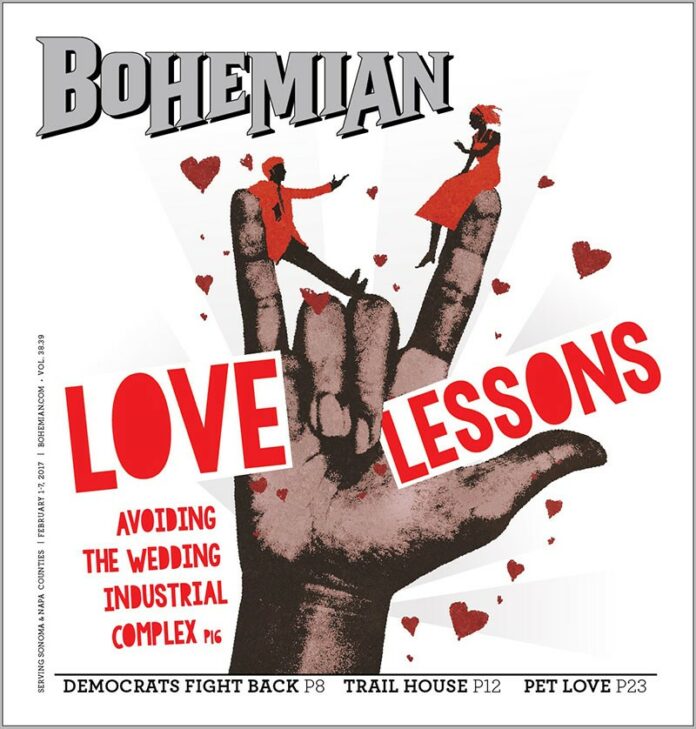
Slow Wedding

‘Are you serious?”

Those were the first words that my bride-to-be said when she turned to find me on bended knee, fumbling with a small box and asking the biggest question of my life.

Thankfully, her next word was yes. I was serious, after all. And over the course of the following 10 months, I found out how serious weddings really are.

Not only are weddings serious business, they are big business as well. According to research company the Wedding Report, couples spent an average of $35,543 on Sonoma County weddings and $37,504 on Napa County weddings in 2015, compared to the national average of $26,536 last year. I was looking for a figure well below those numbers.

Those prices are so high because Sonoma and Napa counties are considered destination spots for weddings, with unparalleled views and decked-out wineries available for the right price. But that also means locals are expected to pay destination prices for their own backyard.

Never mind the daunting numbers, just thinking of the sheer number of decisions that need to be made in planning the nuptials tied my stomach in knots those first weeks of engagement. On one hand, weddings allow you to throw the party of your life the way you want; on the other hand, where do you start?

Without realizing it, we decided to embark on what what’s being called a “slow wedding,” defined as a simple wedding that is locally sourced, seasonally catered and more environmentally sustainable. Here’s how we did it.

Wed Your Way

The first big decision is where to have the wedding. We decided to eschew the vineyard and chateau settings, as great as they are, for a venue with a personal touch.

In general, a slow wedding is best enjoyed in a backyard or other familiar, intimate and mellow venue. The personalized setting comes with a sense of comfort that you can’t get when walking into an unfamiliar space. And while professional venues might offer a pre-set look, a home, grange hall or, in our case, parish hall is a blank canvas for your decorative imagination. Run wild with it.

Pro tip: Rope and string lights are instantly enchanting and can transform even the blandest hall into a wonderland. Don’t skimp on the lights.

Get Hands-On

As tempting as it may be, one-stop shopping weddings websites are not the answer. Sites like the Knot and Weddingwire have endless lists of local vendors, but, like browsing Netflix titles for two hours, everything looks the same online.

In addition, Yelp reviews are useless, especially for weddings, where planted, fake or just plain crazy reviews and ratings are the norm. Besides, the volume of talented people in the North Bay means there’s a good bet that whatever you need is only a personal recommendation away. The biggest lesson I learned in wedding planning is to meet people in person.

Our first locally sourced vendor was Santa Rosa stationery store Sincerely Yours, who specialize in wedding invites. Their attention to detail helped ease our worry, and their choices for invites resonated with what we were looking for.

[page]

Part of a slow wedding means keeping it casual, which is how we found ourselves tasting cake next to bags of charcoal near the checkout counters at Oliver’s Market in west Santa Rosa. A little gawking from curious shoppers didn’t bother us, though; we were too busy cramming our face with chocolate ganache and lemony frostings in the process of assembling our wedding cake. It tasted amazing, and I love telling people that the best cake I’ve ever had came from a local grocery store.

Another personal recommendation was to visit
ER Sawyer Jewelers in downtown Santa Rosa, and let me tell you, make friends with your jeweler. As a guy who’s never worn any jewelry, I can easily say I was out of my element walking in there, but the guidance from sales associate Leslie Griswold set me at ease. On top of that, her enthusiasm was genuine—she even bought us a wedding gift.

It’s also important to make friends with your photographer. We met Sonoma County photographer Maria Villano, who works primarily with families and wedding parties, through my wife’s work colleague. Villano’s personal mantra includes making friends over business contacts, and right off the bat we were on friendly terms, spending more time getting to know each other than talking shop.

When the big day came, Villano was the perfect photographer, instinctually capturing all the intimate and unexpected moments along with the formal poses. During our “romantic” photo shoot, we stumbled upon a grove next to the church where we were married and Villano deftly photographed us looking lovingly into each others eyes while also discreetly cropping out the small hobo camp that had appeared the night before under the shady trees.

Count on
Your Friends

The best part about planning a wedding is all of the free, unsolicited advice you get. The secret is to listen to it. And to listen to your friends when they offer to help. In our case, we put together “save the date” cards with a friend who works as a graphic designer. We got fresh, in-season flowers from a family friend who owns a house-painting business and also happens to create gorgeous corsages in her spare time, and we nibbled on appetizers at the reception, courtesy of chef, author and friend Michele Anna Jordan.

The final aspect of our slow wedding was thinking green. It’s easy to reduce your wedding’s carbon footprint by simply keeping the ceremony local or where most guests already live, using all compostable tableware for the reception and recycled paper for everything from invites to programs. Lastly, make sure you get the leftovers, and see that they don’t go to waste.

Two weeks after the wedding, my most prevailing memories are how much support I felt from the local community vendors we worked with, and how easy it was to go slow in creating our fun, warm and welcoming wedding. I’d almost do it again.


Feb. 8: Sisterly Story in Santa Rosa

Two wildly different sisters must travel through a wondrous jungle of mystery and splendor in the African tale ‘Mufaro's Beautiful Daughters.’ Resembling the story of Cinderella, this fairy tale follows the sisters as they vie for the attention of a king. This month, the story comes to life in an exciting stage show filled with African drumming, colorful spectacles...

Stay ‘Restless’

North Bay native David Luning was playing piano and studying film scoring at the Berklee College of Music in Boston when his world turned upside down. "I was hanging out with friends who lived in my apartment building and listening to music. They played me John Prine and Old Crow Medicine Show and Ryan Adams, stuff like that," Luning says....

‘Son’ Rises

Beauty isn't always pretty. Richard Wright's 1940 masterpiece Native Son—among the most important and powerful American novels ever published—has been alternately praised and condemned, drawing kudos and criticism for the very same things—mainly, the brutal honesty, realism and shocking violence of Wright's supremely crafted depiction of life as a poor, undereducated black man in mid-century America. Powered by a poetic, elegant...

Pot Policy

Marijuana is going mainstream, as evidenced by the spread of medical marijuana and now outright legalization, not to mention its increasingly favorable position in popular culture. There's just one problem: pot remains illegal under federal law. That's a big problem for John Hudak, a senior fellow in governance studies at the Brookings Institution who has a keen professional interest in...

Letters to the Editor: February 1, 2016

The Meat We Eat I really appreciated Ari LeVaux's article ("Omnivorous," Jan. 25). The author reveals that he is a meat eater, but like many people, he acknowledges that the question of whether or not to eat meat is a complex one and something that is under more scrutiny than ever. With meat and dairy's heavily negative impact on the...

Let’s Doux It

With Valentine's Day as your cover, there's no better time to enjoy some sweet sparkling wine without fear of appearing unsophisticated. Just remember that the language of sparkling wine, like the language of love, can be complicated—even idiotic sounding—and "extra-dry" is not the driest level of sparkling wine; it's just less sweet than "sec." Observing the woefully underappreciated tradition of...

One for the Road

Glenn Fant and Shane Bresnyan have been riding the 40-odd miles of trails at Annadel State Park for more than two decades. Fant owns Santa Rosa's NorCal Bike Sport and the Bike Peddler; Bresnyan was the former manager at the Bike Peddler. After a day of hammering the trails, the friends head out for beers but used to lament the...

United We Are Strong

On Jan. 21, a sea of humans, called “We Make America,” arrived at both Manhattan’s Grand Central Station and Washington—and across the country. I am one of the founders of “We Make America,” a group of artists and activists. We wove ourselves through the fabric of marchers led by a giant “liberty” torch carried by a small woman. When we...

Puppy Love

If the love of your life is your dog, why not celebrate Valentine's Day with him or her and treat yourselves to a retreat in the North Bay's doggie paradise? Sonoma County Regional Parks allows civilized, licensed and leashed dogs on most trails. Riverfront Park in Windsor offers a meditative hike around Lake Benoist. Taylor Mountain's easy switchbacks lead up...

Slow Wedding

'Are you serious?" Those were the first words that my bride-to-be said when she turned to find me on bended knee, fumbling with a small box and asking the biggest question of my life. Thankfully, her next word was yes. I was serious, after all. And over the course of the following 10 months, I found out how serious weddings really...
11,084FansLike
4,606FollowersFollow
6,928FollowersFollow