Violin Femme

0

Violinist and producer HANNAH credits a lifetime of worldly musical influences for putting her where she is today. The musician has spent much of this year traveling the world, performing her dynamic compositions and releasing her ethereal debut EP.

HANNAH plays on Friday,
Nov. 21, at the Jenner Inn, as part of a jaunt through California.

HANNAH, born Hannah Thiem, first picked up the violin at age three and fell in love with it immediately, though she felt stifled by the classical training.

“I couldn’t access the heart of the music, but I was very obsessed with the violin,” she says.

Growing up, Thiem also performed European folk music. “I didn’t connect the fact that I could play folk music and perform in a looser manner [with the violin] until I was a bit older,” she reflects.

That realization came in Southern Spain, where Thiem was living abroad and reveling in the country’s rich culture of art and music. After losing her wallet, she decided to earn some coin performing her music on the street, and immediately took to what she describes as her “whole gypsy, nomadic, traveling career” that took her from the Mediterranean islands to the boroughs of New York City, where she lives today.

One of her first big breaks came when she performed onstage with Kanye West during the rapper’s College Dropout Tour. Soon, the violinist was looking for new musical avenues to take her instrument.

After experimenting with ambient electronic beats, she expanded her emotive folk music and created the deep, moving sounds of her current solo project, under the moniker HANNAH.

“It’s a combination of all the different interests—my classical background, my folk background. I feel like I tap into a visual quality of music, painting these pictures for people, using sound to create colors and landscapes for people,” she says.

This summer, HANNAH unveiled her solo EP Brym. The arrangements are stark, snowy visions that allude to the Nordic and Icelandic melodies she grew up with, and incorporates very modern electronic effects, recalling the worldly ambient tones of groups like Sigur Ros and Massive Attack.

HANNAH’s live shows are as much of a musical journey as her recordings. Playing with her violin, a bevy of pedals and a laptop off to the side, HANNAH engages with and draws in her audiences for a compelling experience of worldly music.

Hog Heaven

0

Pigs can’t fly, but they sure can swim. Just ask Tim Winkler.

Pigs’ ability to swim led to Winkler’s newfound career: pig farmer to the culinary stars. He got into the business via his other business, building aquatic landscapes for wineries, homeowners and institutions—he built the flamingo pond at Santa Rosa’s Safari West.

As part of his work, Winkler often needs to get rid of invasive or wanted plants in ponds and reservoirs. Goats are good for munching wayward plants on the land, but they don’t like to swim. Pigs do. And they like to eat.

“They go into the water like hippos,” he says.

But the savvy Winkler didn’t choose just any pig to do his water-weeding. He needed a hearty, heat-tolerant pig with an affable disposition. After doing some research, he choose a wooly, Hungarian breed of pig that had almost disappeared from its native home: the Mangalitsa.

For chefs, the once-rare pig also happens to be one of the most sought-after breeds in the world. Now Winkler Wooly Pigs (winklerwoolypigs.com) has one of the largest operations in the United States with clients that include the French Laundry, Meadowood, Altelier Crenn in San Francisco and Backyard in Forestville. “It was a good marriage of ventures,” says Winkler, 52. “It just really sucked me in.”

He raises the pigs for meat but also sells animals to other breeders committed to preserving the genetics. “I just decided, someone needs to do it.”

Last week he met a shipment of eight red mangalitsa pigs at the San Francisco International Airport. The pigs had come from Hungary via the Netherlands before touching down at SFO. Their flight was delayed and it was 4am by the time Winkler got them home to Windsor—and now he has the only red Mangalitsas in California.

He also has the other two variants, blonde and black swallowbelly, a black pig with a tan underside. All of them look like a cross between a pig and a sheep.

The modern pig has been genetically engineered to be a lean, bland-tasting animal. The Mangalitsa is the opposite. They’re an ancient breed that was reportedly the pig of choice during the height of the Roman Empire. It’s a pre-industrial pig whose name comes from a Serbian word that means “hog with a lot of lard.” When they reach 12 months or more, about half of the animal’s weight is fat.

And that’s a good thing. While there are pounds of wonderful lard (more on that below), much of the fat is intramuscular fat, giving the meat its incredible flavor and tenderness. For this reason, the animals have been called the Kobe beef of the pig world. But it takes a knowledgeable cook to know what to do with all that fat.

Winkler started raising the pigs nearly four years ago and he now has about 400 of them on land in Windsor, Santa Rosa and Forestville. Joshua Schwartz was one of the first chefs to purchase Winkler’s Mangalitsa pork.

Schwartz cooked at the French Laundry and was the private dining chef at Thomas Keller’s Per Se in New York: he knows a few things about fine dining and top-shelf products. He’s now executive chef at St. Helena’s Del Dotto Vineyards. The money-is-no-object winery could order any kind of pork for the private events it holds for wine club members. Winkler’s wooly pigs are Schwartz’ swine of choice.

“We use [Winkler’s] stuff any place we use pork,” says Schwartz. “It’s as good as it gets in this country.” (Schwartz’s roasted pork loin recipe is below.

While not for sale to the public, Del Dotto wine club members are also treated to exceptional salume made by winery artisan salumi maker Tony Incontro. As a boy in Nebraska, Incanto learned to cure pork from his Italian grandfather. A leg of prosciutto or jamon can age for more than 18 months, and Incanto’s salume is exceptional. While Incanto is certainly talented, he says the quality of the pork he uses is a big part of the texture, flavor and wonderfully rich and nutty fat that suffuses his salume. Paired with a glass of Pinot Noir, it’s an incredible match.

“Salume and wine are the oldest of friends,” says Incontro. “I love what I do, and Tim’s pigs take it to the next level.”

“Hog heaven” is a fitting term for the swampy oak forest on the edge of Laguna de Santa Rosa, where some of Winkler’s pigs live until they’re fat enough for slaughter. On a hot September afternoon, the shady woods feel cool and moist. The pigs forage on acorns, which contribute to the quality and quantity of their fat. But they also dine on the many aquatic plants and trees like horsetail and willow that Winkler says keep the pigs healthy. They live just like a pig would in the wild. As long as forage is abundant, they don’t need much.

“We’re not doing anything special,” Winkler says of his farming technique. “We’re just doing it old-school.”

[page]

As we bushwhack through the forest and try to avoid boot-sucking mud bogs, Winkler calls out to the pigs hidden in the dense brush.

“Come on piggies,” he says in the playful voice he adopts whenever he’s talking to the animals. “Where you?”

No doubt the pigs see and hear us as we tromp through the forest, but we don’t see them. It’s an odd feeling knowing there are a few dozen 200–300 pound animals somewhere nearby, watching us. Then we spot one. The dark, bristly pig peaks out from behind the vegetation about 30 feet away. Then others reveal themselves.

Winkler has handled and talked his baby talk to most of these animals since they were piglets and they are comfortable around him. As we reach an area of muddy pools more pigs emerge from hiding. Some nuzzle up to Winkler, who rewards them with vigorous scratches behind the ear. A few get belly rubs. Other pigs slosh through the ponds, munching green plants as they go.

But the pigs aren’t here for belly rubs. Two of Winkler’s employees round up the herd of a dozen of so pigs, calmly herding them into a chute near the entrance to the woods. Winkler selects two pigs that will make a trip to Marin Sun Farm slaughterhouse in Petaluma. One of the workers grabs a can of spray paint and marks the chosen pigs with neon orange stripes for easily identification and leads them into a holding pen until they are transported. The pigs are destined for the hallowed kitchen of Meadowood, a Michelin three-star restaurant in St. Helena.

Winkler’s raises his pig until they are 12 to 14 months old. Conventional pigs are slaughtered at more than half that age.

“It’s a true slow food,” he says.

Winkler’s commitment to Mangalitsa pigs is clear when we drive to his house in Windsor. The back of his property has been completely given over to pig farming. Massive boars and sows lounge in black mud or in shady spots while one squirming litter of football-size piglets after another jockeys for position on their mothers to nurse.

He is clearly fond of raising animals. Adjacent to the pig pens are two wolf hybrids and a German shepherd who lope about in a large area corralled by an electric fence. They dine on choice pork scraps. As Winkler walks among the pigs, a runty, kink-tailed black cat scoots underfoot. The adopted stray cat sleeps in Winkler’s garage and moves around the hulking hogs fearlessly.

Mangalitsa is expensive compared to the factory-farmed pork that dominates the market. Depending on the cut, it retails from $7 to $17 a pound. Industrial pork is cheap because the animals are raised in densely packed conditions where they need antibiotics to stay alive. Winkler’s pigs range free and don’t get antibiotics. The pork industry touted the value of lean pork in part to allow them to slaughter the animals at a younger age, when they have less fat.

Up until about the 1960s, Americans were used to fat hogs, and it took a concerted marketing effort to convince them that lean pork (“the other white meat”) was better for them. Modern hog producers also dump water- and air-polluting manure with relative impunity—for free. That’s why industrial pork is “cheap.” With Winkler’s pork, you pay the real cost of the meat because nothing is externalized. It’s a closed loop.

For me, eating Mangalitsa was like tasting pork for the first time. Not only does the fat literally melt in your mouth, the flavor of the meat is uncommonly . . . porky. Conventional pork tends to be dry and flavorless because it has so little fat. The Mangalitsa has a character and robustness you just won’t find in grocery store pork.

“Once you try it you can’t go back,” says Winkler. “We call it being ‘ruined.'”

As good as a Mangalitsa chop or burger is, I’ve become a big fan of Mangalitsa lard and find myself looking for new ways to cook with it. It’s great for frying chicken, cooking eggs or even spreading like butter on toast. It has a mild, almost neutral flavor but it’s supremely rich and creamy. It’s famously good for baking, particularly the highly sought after “leaf lard” from around the kidneys. Surprisingly, lard doesn’t taste at all porky.

Eric Alegria, who helps Winkler market the pigs to restaurateurs, says he puts a spoonful of lard in his coffee.

As part of the ill-conceived war on fat, lard became a four-letter word. It even sounds bad: lard. As far as unprocessed foods go, you can’t get much more hands-off than lard. While hydrogenated lard is deadly and not worth eating, Mangalitsa lard is high in healthy, unsaturated fatty acids. It’s also high in vitamin D and oleic acid, which reportedly has depression and cancer-fighting properties. It’s a health food.

I’d love to be part of a rebranding effort to reintroduce Americans to the benefits of lard. Here are my catchphrases: “Eat More Lard,” “Lard: Who Knew?” and “Come Back Home, Come Back to Lard.”

Winkler now splits his time between his aquascape business and his pigs. Because he was one of the early adopters of the pig in the United States, his breeding stock is now highly sought after. But he won’t sell to just anyone. He’s become a champion of the breed and its preservation.

“It’s a mission,” he says. “We don’t try to fit a round pig in a square hole. This is a niche pig.”

Mangalitsa Porkloin Roast with Philo Apple Sugo

From Josh Schwartz, executive chef at Del Dotto Vineyards

Ingredients:

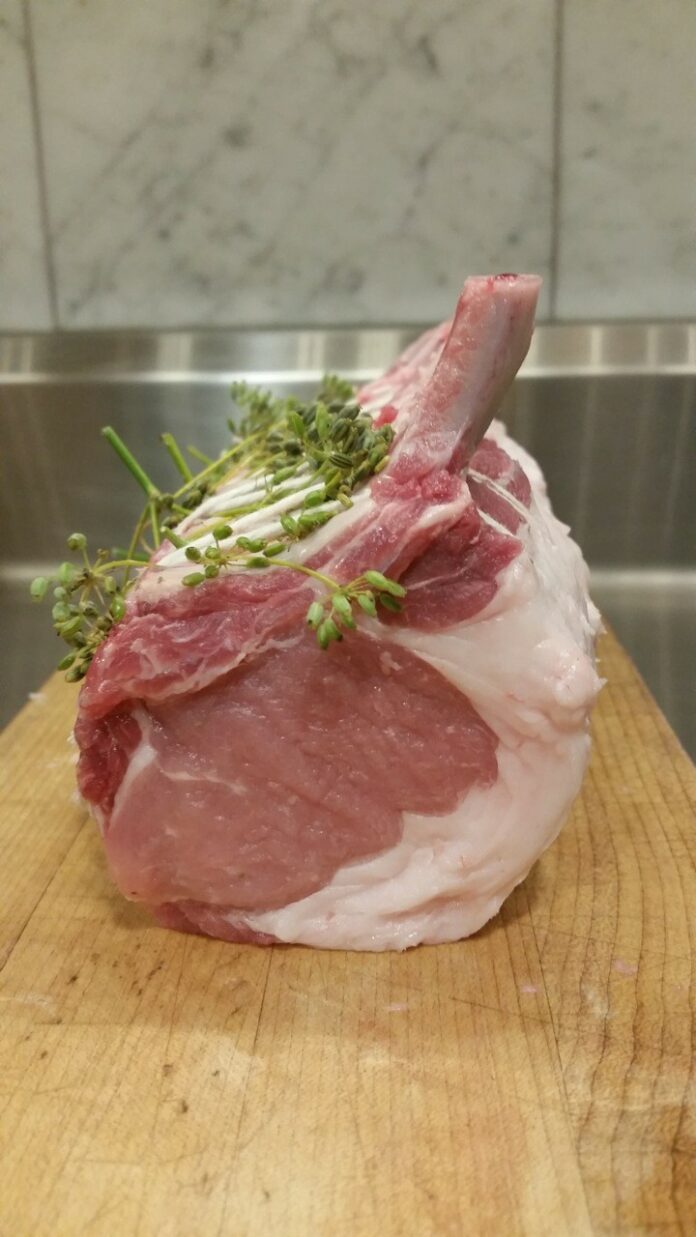
1 Winkler farms pork loin (6 bone)

8 sprigs seeded wild fennel

¼ cup canola oil

¼ cup butter

6 each cloves of garlic crushed in the skin

Kosher salt

Black pepper

Butcher’s twine

12 Philo Gold or Golden Delicious apples

½ cup light brown sugar

¼ cup apple cider vinegar

1 ¼ cups apple cider or juice

2 tablespoons corn starch

1-2 cups pork or chicken stock

¼ cup Winkler Wooly Pigs lard

3 tablespoons chopped parsley

Preheat oven to 375 degrees

Instructions:

Trim as desired

Place sprigs of wild fennel on bone side of roast (reserve two sprigs for basting)

Score fat cap as cross hatch with sharp knife (don’t cut too deep. Just 1/8 inch max and not into meat)

Tie roast with butcher twine. Cross tie around bones

Make sure fennel is secure

Season heavily on all sides with salt and pepper

Heat heavy bottom roasting pan over high hea. Add o/il
Once oil is hot carefully place roast in fat side down first

Lightly brown on all sides. Add butter, additional fennel sprigs, and garlic and baste

Place in oven and cook until 130 degrees, basting often

Remove and let roast rest 10-15 minutes. Tent with foil to keep warm.

Apple sugo:

Peel apples, cut out core and dice

In a heavy bottom sauce pot, add sugar and 1 cup vinegar. Cook until bubbles are big and liquid is syrupy.

Add apples and bring to a summer until apples are tender Add last ¼ cup cider and whisk in cornstarch and bring back to a simmer. Add stock for desired sauce consistency

Whisk in lard and simmer again. Season with salt and pepper.

To serve:

Slice meat off the bone and fan out on a deep rim platter.

Add parsley to sugo and pour over sliced meat and enjoy.

(Sugo can also be served on the side)

‘Phantom’ Menace

0

Broadway musicals can be divided into two categories: the kind we had before Andrew Lloyd Webber’s legendary adaptation of Phantom of the Opera, and those that have come after. Simply put, the stage musical, and what audiences expect from it, has never been quite the same since Phantom.

“I saw this show when it first opened in New York,” recalls director John Shillington of the Santa Rosa Junior College. “I saw it with Michael Crawford and Sara Brightman, the original stars, so I was introduced to it big-time!”

Before Phantom arrived in New York in 1988, the original cast recording of the 1986 London version had become a sensation, so Shillington was familiar with Webber’s gorgeous score long before he ever sat down to the spectacle of falling chandeliers, misty subterranean catacombs and fiery explosions.

It was, he admits, a life-changing experience.

“The music was just so incredible,” Shillington says. “It was like nothing we’d heard before. It was dazzling.”

And now Shillington himself is directing the show, which opens this weekend in what is surely one of the SRJC theater arts department’s most ambitious projects to date.

“We weren’t sure we could pull it off, to be honest,” says Shillington with a laugh. “When the rights became available a few years ago, we passed at first. We knew we needed a lot of very special talent for this. But this year I said, ‘Let’s just do it!’ And luckily we’ve ended up with an incredible group of singers and actors who really wanted to be a part of this. We have some amazing voices in our show.”

To face the demands of the score—which includes three fully costumed mini-operas—Shillington has double-cast his four primary leads.

“We’ve found, in the past, that it’s just too much to expect young voices to make it through three weekends of a show this vocally demanding,” says Shillington.

Demanding, as well, are the theatrical elements of the show—the famous falling chandelier, for instance.

“We do have a falling chandelier, by golly,” Shillington says. “Everyone expects it, so we’ve gone and made it happen. It doesn’t fall onto the audience, though.”

Just the students onstage, right?

“Well, the show is double-cast,” he jokes. “So if anything goes wrong, we’ll still be OK.”

Up the River

0

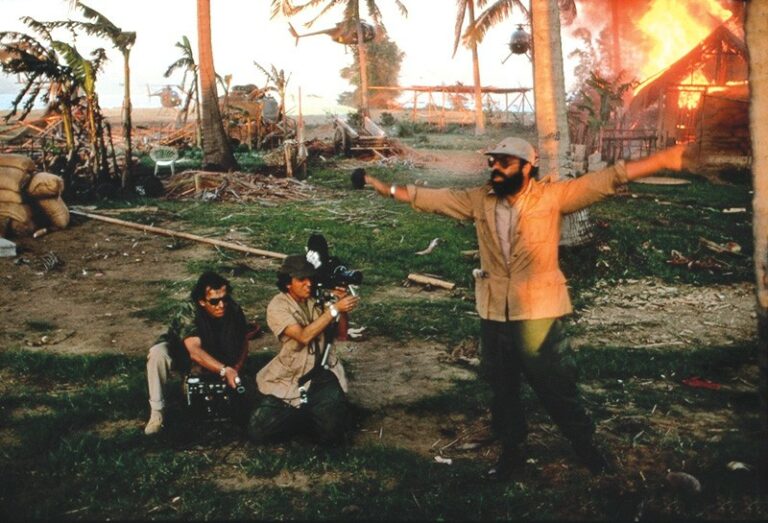
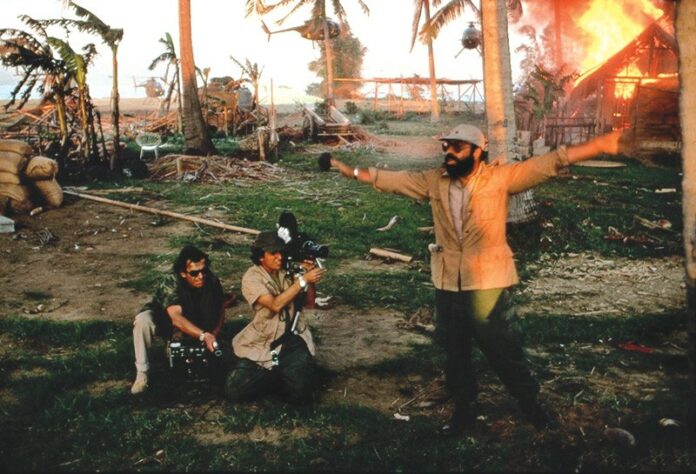
One would be hard-pressed to find anyone unfamiliar with Francis Ford Coppola’s Apocalypse Now! What many people don’t know is the story of how that masterpiece was made; the trials and tribulations of this film’s production is an epic story in itself.

Luckily, Coppola’s wife, Eleanor Coppola, took it upon herself to craft a documentary capturing each setback, from civil unrest and monsoon season to cast health issues. A total success independent of the film it is based on, the film received an award from the Directors Guild of America and a Primetime Emmy for Outstanding Individual Achievement. The 1991 documentary, aptly named Hearts of Darkness: A Filmmaker’s Apocalypse, will be presented by Eleanor Coppola herself at the Sebastiani Theater in Sonoma on Nov. 20 at 6:30pm.

The screening will be followed by a question and answer session, and for those interested in discussing the film more with Coppola, there will be a ticket upgrade option to join the director for a glass of wine (perhaps from her family vineyard in Geyserville?) and some conversation prior to the screening. The event, put on by the Sonoma Valley Museum of Art, will also be hosting an exhibit of her artwork entitled “Eleanor Coppola: Quiet, Creative Force” from Nov. 8 through Jan. 25. Admission is $5.

General admission for the screening is $40. Gold Star ticket upgrade is $150. Tickets available at www.svma.org. 551 Broadway, Sonoma. 707.939.7862.

Starting Points

Debriefer visited Sonoma County’s Main Adult Detention Facility (MADF) in Santa Rosa this past week for a tour of the jail and to check out the 10th anniversary commemoration of a touted in-jail program called Starting Point.

Local criminal justice leaders and pols were on hand, including Sonoma County Supervisor Efren Carrillo and Sonoma County Sheriff Steve Freitas. They toured a jail module that houses female inmates.

Starting Point aims to reduce recidivism through a multi-point approach. It teaches life skills, GED classes, parenting classes and addiction treatment at the 1,000-bed jail.

Jail officials report that the program has had 4,000 people go through it in 10 years, and just about half of the graduates have never been re-arrested. Typical rates of recidivist inmate populations run around 75 percent nationally, they noted.

Carrillo was one of several speakers to address the group of women—a mixed group of ages and races, many taking notes, a few with scary neck tattoos—and said the day was also memorable for him: “Sixteen months ago today, I was arrested,” he said.

He said he was at the Starting Point ceremony in two capacities: as a member of the Sonoma County Board of Supervisors which “understands the value” of the program (and funds it), and as a recovering alcoholic.

It was a poignant moment. Carrillo’s arrest date coincides with his sobriety date, and there he was, the only Sonoma County supervisor who showed up (another sent a staffer) to lend support to the incarcerated women.

Carrillo had been briefly locked up at the MADF in July 2013, after entering a neighboring woman’s property while intoxicated. A jury found him not guilty on a “peeking” charge earlier this year—and Carrillo, citing a family history of alcoholism, now says he “sees addiction from a whole different perspective. I was too arrogant.”

A graduate of the program named Lynn also spoke. She addressed the women with the familiar, “Hi, I’m Lynn, and I’m an addict,” and they welcomed her with gusto.

Lynn reported that her life was a mess when she arrived at the MADF four years ago. “I was the kind of addict that abandoned her children,” she said. “I ended up in places I never thought I’d end up.”

Now Lynn is clean and sober, “and it all started here,” she told the women. Many nodded at the encouragement and supportive words; others stared off into a distance only they could see.

Debriefer was at the jail because this paper recently reported on a trio of deaths that took place there over three weeks earlier this fall. After the Starting Point event, we caught up with Assistant Sheriff Randall Walker in the hallway for an update on the investigation.

Walker runs the jail and so far, he says, the investigations into the deaths have turned up nothing that might connect them.

One of the people who died was Rhonda Jo Everson, whose never got the chance for a new starting point. Her endpoint was in a solitary cell used for inmates undergoing withdrawal from drug use.

The State Board of Corrections, Walker said, will be part of the investigation and will “look at everything” at the jail to help determine if there’s any connection between the deaths. “We don’t ever accept it. It’s our job not to ever have that happen.”

Tyme of the Year

0

I know it’s still early in the season, but so far no one in my circle of family and friends has given me a holiday wish list. That means one thing: they’re all getting food. And this weekend, I’m getting the bulk of my gift buying done before Turkey Day by heading to Napa for the 42nd annual Gifts ‘n Tyme Holiday Faire.

A tradition that spans generations, this collection of North Bay arts, crafts and gourmet culinary treats features over 85 vendors presenting and sharing their hand-crafted goodies at the Napa Valley Expo, Nov. 21–23.

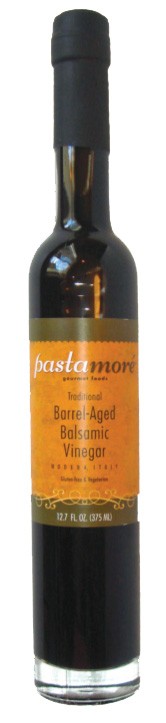
For me, the edible delights will be center stage. I’m going to make sure I seek out Nan’s Gourmet Foods and grab the aged balsamic vinegars and blended olive oils. I’m also planning on picking up some of Nan’s flavored pastas and tapenades.

From there, I’m making a bee line to Hurley Farms to grab the Napa Valley’s leading assortment of wine jellies, jams and mustards. I’ll also be looking for honeycomb from Helen Marshall and cinnamon-roasted almonds from Maurice Friedauer. Oh, and I can’t forget the “All Star Dips” from Linda Swagerty.

There will even be homemade lunches and dinners to keep my energy up while I stroll the aisles of crafts, and baked goods courtesy of the Napa Valley Lion’s Club, raising funds for the women’s group.

The Gifts ‘n Tyme Holiday Faire runs Friday–Sunday, Nov. 21–23, at the Napa Valley Expo, 575 Third St., Napa. Friday–Saturday, 10am–6pm; Sunday, 10am–4pm. Free.

Letters to the Editor: November 19, 2014

Acceptance & Grace

My reaction to the article on the Impact100 (“Ladies Who Launch,”
Oct. 29) was bittersweet. Comfort at the humble efforts of some to still gently till human soil, and sadness that it’s fallen to everyday people to help do what our government could be doing. But with the passage of Proposition 47, there will be a large contingent of people in need of smooth transition into society that government-funded services likely won’t be able to handle immediately. As a recovering “chronic bonehead,” as a sponsor once called me, grace never went unnoticed. I am most grateful to those that have given me a chance at transitioning back into society. I ask anyone that this Proposition 47 exodus may concern—employers, donors, anyone: consider the acceptance and grace you can show those who may come to need it in the immediate future.

Healdsburg

Where’s the Money Going?

Your articles on nonprofits (Oct. 29) are very timely in November, the month of Thanksgiving, and a good time to do some good, feel good about ourselves, and even get a tax deduction, although they always seem of questionable value in reducing our tax bills.

About 30 years ago, I decided to donate to the St. Anthony’s dining room, thinking I may someday need a meal. At my job at that time for a giant engineering company in San Francisco, we each got a brochure for a giant charity umbrella organization that claimed to distribute the donations to several hundred or thousand smaller organizations.

The brochure said I could even select where I wanted to donate, and they would give 62 percent of my donation to that charity. I am an engineer by education and occupation, and so I was pretty good at math. Sixty percent to my charity of choice leaves a lot of my donation going somewhere else. That missing 38 percent changed my way of giving donations.

Are there really 1,500 nonprofits in Marin County? Are there 1.5 million nonprofits in the United States?

Where is this money going? Every nonprofit has a CEO and a CPA and a board of directors getting a cash draw. As one of the interviewees in the story noted, “Where’s the public benefit?”

If I gave money to a nonprofit museum group and went to a website for a nonprofit radio station, and the radio station says it is partners with the museum nonprofit, I’m wondering whether this is like Abbott and Costello at the fair, moving the lemon under a coconut shell. Is my donation going to the museum or the radio station?

Who’s getting these grants? How many “save the wildlife” nonprofits do we need? What exactly are they using the money for? Are we really saving salmon or birds or whales? Or just building monuments to the idea of saving salmon and birds and whales?

The nonprofit industry tells us where to send our money and makes sure we get monthly reminders to send more, but they never exactly tell us how our money actually serves any practical purpose besides sending experts to meetings.

Fairfax

Objectification & Stereotyping

I am disturbed by the objectification and stereotyping portrayed by your cover photo (“Ready to Rumble,” Nov. 5). I don’t remember a cover with someone African American on it before and then—pow!—there’s this one! Please put a lot of thought into the impact created by portraying images of black people here in Sonoma County, where the black population is small but growing. What kind of community are we presenting to all of the people who live here? Perhaps your staff and editorial department needs some diversity-awareness training to increase your sensitivity and awareness of how to present images of black people in the media.

Santa Rosa

Innocent Until Proven Guilty?

“Asset forfeiture purposes” (Debriefer,
Oct. 23) is just another way for law officers to take what you have and keep it even with no charges being filed. This is happening to more and more people, and it should be stopped. Whatever happened to innocent until proven guilty?

Via online

Write to us at le*****@******an.com.

Old Meets New

0

Walk into Miller’s East Coast Delicatessen in San Rafael on any given day, and you might catch a Woody Allen–type moment: a Jewish couple trying to talk their toddler into trying the “very healthy, good-for-you” matzo ball soup, or three generations feasting on pastrami sandwiches, trying to please their East Coast-transplant grandpa.

This might be the one and only Jewish-style deli from Eureka to San Francisco, but the vibe leaves no room for doubt: the Jewish spirit, unbeknown to the unassuming outsider, is having a Northern California revival.

Robby Morgenstein, a Maryland native who grew up among “classic, East Coast Jews,” opened the San Rafael outpost of his S.F. establishment almost half a year ago, after moving to Novato and falling in love with the area. “I take my job very seriously: providing traditional Jewish food in Marin. The responses are very embracing. The high holy days were very busy.”

For an uninformed North Bay resident, “high holidays” may take on a completely different meaning than the original. The term refers to Rosh Hashanah and Yom Kippur, two major Jewish holidays. During those events through the month of September, and up until the end of October, marked with Sukkot, another annual holiday, the North Bay Jewish population could be found mingling, noshing and praying at more than 20 different congregations.

According to the North American Jewish Data Bank numbers as of 2011, Marin County is the home of the largest Jewish population in California, and holds ninth place in the rank of all U.S. counties. But behind the numbers and the exotic-sounding signs —”Shomrei Torah,” “Kol Shofar,” “Beth Ami”—there’s community resourcefulness and creativity that marry good old traditions with Northern California’s complex and compelling demography and, well, topography.

“We’re well aware of the region’s gravitation toward nature and its spirituality,” says Rabbi Ted Feldman from B’nai Israel Jewish Center in Petaluma. “On Shabbat, for example, we do a prayer and a hike.” The Petaluma Jewish community, with over 110 families, recently celebrated its 150th anniversary, an occasion to be marked with a special photo exhibition in February 2015.

“Many families came here right after World War II and the Holocaust, and infused the community with the values they grew up with in Eastern and Western Europe,” explains Feldman. He’s been with the congregation for 10 years and doesn’t hesitate to mix the old with the new. Meditation and hikes are deliberate attempts to strengthen the connection between Jewish life and outdoorsy fun typical to the region.

Jews are anything but black-and-white. As Judaism is largely considered an ethno-religious group, one is automatically born Jewish to a Jewish mother, even if synagogue visits were never on the agenda. In other words, you can do absolutely nothing on the religious side and still declare yourself as “Jewish.” This delicate tension between identity, ethnicity, and religion gives rise to a particular approach within congregations.

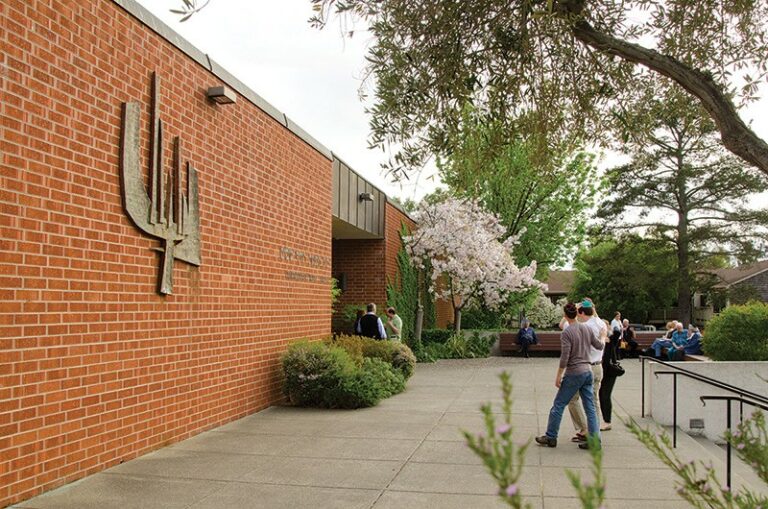
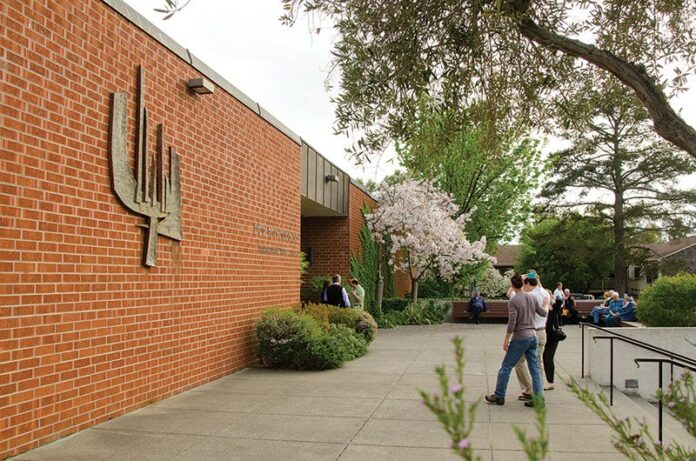
“Jewishness has increasingly become an acquired taste, not a historical obligation,” writes Charles S. Leibman in “Unraveling the Ethno-Religious Package” collected in Contemporary Jewries: Convergence and Divergence, a work dedicated to American Judaism. This observation from more than 10 years ago rings even truer now. Take, for example, Congregation Rodef Shalom, San Rafael’s influential Jewish centerpiece. It belongs to the Reform Movement, the liberal, modern stepbrother of conservative Judaism. Members and visitors of all religions can join services and holiday activities or attend a camp-style Shabbat dinner, an event signifying a shift from the work week to a day of self-reflection and rest.

“There are many shades of gray here. We’re helping people to find meaning and connection,” says Meredith Parnell, the congregation’s director of communications. Parnell notes an interesting phenomenon, completely in line with Liebman’s notion: while the Jewish population isn’t necessarily growing in numbers, “more people participate more often. We’re making it easier, working with their interests and still making it Jewish. So people feel more comfortable. Some of it is that we move away from converting to invitation and inclusiveness.”

Such interests may include food festivals, book clubs or a film festival, such as the annual Jewish Film Festival organized by the Jewish Community Center of Sonoma County and Rialto Cinemas.

“The reality is, most people aren’t religious at all, but they lead fairly Jewish lives,” says Parnell, and Rabbi Feldman notes that “in the younger generations, Judaism is viewed as another activity of life, not as the center of life.” As with the Bar Mitzva, values such as community, human relationships and self-discovery take center stage and overshadow theological convictions. The “acquired taste” of Judaism is ever-changing—even if the classic flavor of pastrami refuses to adapt.

Yay for Meunier

0

As surely as the sorrow-faced dog that lies beneath it begs for scraps, the Thanksgiving table wants for novelty. Few dare mess with the recipe: starchy stuff and a super-sized fowl stuffed with more stuff. It’s a comforting stuffiness, but if you must change it up, these alternatives to the old Chard-Pinot dyad won’t rock the gravy boat too much, while enhancing your reputation as savvy bringer of wine.

Arrowood 2012 Russian River Valley, Saralee’s Vineyard Viognier ($30) The rap on this Chardonnay alternative is that it’s hard to pronounce. Just say “vee-un-yay,” and say it fast. Unfortunately, it’s too often been treated like Chardonnay, leading to grotesque renditions fit only for deep-fried turkey. Viognier tends to show pretty, stone-fruit aromatics—peach, apricot—that benefit from fermentation in stainless steel or, as in this case, used, aroma-neutral barrels. Like a fresh and fruity Riesling, with a cool scent of peach ice cream, this wine fills the palate with light, sweet flavors of apricot juice. Accented by a vegetal tang, it’s shows barrel fermented richness, but it’s no butterball. Also check out: Storybook Mountain Viognier.

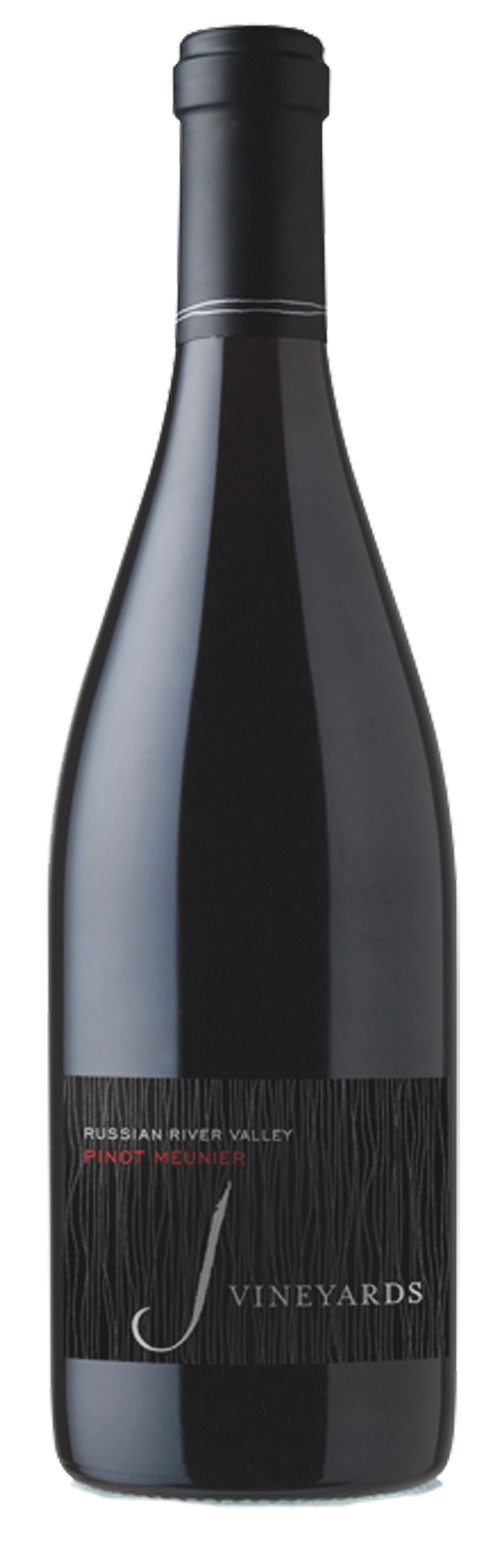
J Vineyards 2012 Russian River Valley Pinot Meunier ($50) Now that everyone and their uncle has mastered the pronunciation of Pinot Noir, hit ’em with this. Whether you say “mean-yay,” “mun-yay” or “moon-yay,” just mumble it like a Frenchman and don’t draw out the syllables, open-mouthed—there’s string bean in your teeth. Pinot Meunier is an offshoot of Pinot Noir that’s used as a blender in Champagne. J’s still wine version won’t disappoint Pinot fans, with “fruit wrap” aromas of jellied, dried cranberry, strawberry and raspberry, spiced with a bit of nutmeg and singed wood. Cool, sweet and tangy red-fruited flavors point to the “like with like” school of wine and food pairing: cranberry sauce and turkey leg. Also check out: La Follette Pinot Meunier.

Landmark 2011 Sonoma Valley, Steel Plow Grenache ($35) Grenache (“gren-AHSCH”) is often said to be the Pinot Noir of . . . wines that aren’t Pinot Noir. Identical to the Meunier in its light, ruby hue, the Landmark is its aromatic foil: savory scents reminiscent of sage and raw steak that needs cooking, and soon. Subtly cherry-fruited on a crisp, crunchy palate, it’s herbal and astringent on the fine, dry finish. Sweet-tooths may not be pleased, but your French wine snobs may lend the approving nod. This is the last vintage, unfortunately; although the grapes grow right next to the winery, Landmark’s sticking to the tried-and-true: Pinot Noir and Chardonnay. Also check out: Quivira Grenache.

Dark Days

0

I fully expect the Republican-controlled Senate and House to do what Republicans do: cut taxes for the wealthy, try to beat back Obamacare for the umpteenth time and fail to do anything to reform immigration.

But for me none of that really matters when compared to the danger posed by the Republican’s ideological enthusiasm to ignore and exacerbate the causes and effects of climate change. Faced with mass starvation and disease caused by failing crops, the destructive force of one superstorm after another and the resulting political and economic chaos caused by climate change, efforts to rejigger the tax code will seem quaint, if not moot.

This is something I’ve never understood about Republicans. The link between carbon emissions and climate change is as strong as the link between smoking and lung cancer. Why do Republicans choose to ignore scientific reality? They are not immune to climate change’s effects. They have children and grandchildren. They are conservatives, a term that I take to mean conserving traditions, like, say, polar ice caps or growing food without crop-killing droughts.

In truth, Obama and the Democrats have been zeros when it comes to climate change, too. Why didn’t Obama kill the Keystone XL pipeline when he had the chance? His deal with China to reduce carbon emission by 2025 and 2030 respectively is way too little, way too late. Even if carbon emissions were reduced to zero by that time, the global average world temperatures are all but certain to rise above 2 degrees Celsius by then, a threshold that a consensus of scientists say will unleash greater global calamities.

Last week, the odious House Republicans voted once again to the approve the Keystone XL pipeline from Canada to the Gulf of Mexico, a project that will create very few permanent U.S. jobs and do next to nothing to boost the supply of U.S. petroleum or lower prices, but will certainly, perhaps irrevocably, accelerate the man-made disaster of climate change.

In a refreshing dose of realty last week, Rep. Jared Huffman blasted the pipeline-loving Republicans for their “massive corporate giveaway” and “huge lump of coal for our global climate” that would raise gas prices in the United States. Will Obama take a cue from Huffman and finally take a stand for the planet and defeat the pipeline once and for all? The world is watching.

Stett Holbrook is editor of the ‘Bohemian.’

Open Mic is a weekly feature in the ‘Bohemian.’ We welcome your contribution. To have your topical essay of 350 words considered for publication, write op*****@******an.com.

Violin Femme

Violinist and producer HANNAH credits a lifetime of worldly musical influences for putting her where she is today. The musician has spent much of this year traveling the world, performing her dynamic compositions and releasing her ethereal debut EP. HANNAH plays on Friday, Nov. 21, at the Jenner Inn, as part of a jaunt through California. HANNAH, born Hannah Thiem, first...

Hog Heaven

Pigs can't fly, but they sure can swim. Just ask Tim Winkler. Pigs' ability to swim led to Winkler's newfound career: pig farmer to the culinary stars. He got into the business via his other business, building aquatic landscapes for wineries, homeowners and institutions—he built the flamingo pond at Santa Rosa's Safari West. As part of his work, Winkler often needs...

‘Phantom’ Menace

Broadway musicals can be divided into two categories: the kind we had before Andrew Lloyd Webber's legendary adaptation of Phantom of the Opera, and those that have come after. Simply put, the stage musical, and what audiences expect from it, has never been quite the same since Phantom. "I saw this show when it first opened in New York," recalls...

Up the River

One would be hard-pressed to find anyone unfamiliar with Francis Ford Coppola's Apocalypse Now! What many people don't know is the story of how that masterpiece was made; the trials and tribulations of this film's production is an epic story in itself. Luckily, Coppola's wife, Eleanor Coppola, took it upon herself to craft a documentary capturing each setback, from civil...

Starting Points

Debriefer visited Sonoma County's Main Adult Detention Facility (MADF) in Santa Rosa this past week for a tour of the jail and to check out the 10th anniversary commemoration of a touted in-jail program called Starting Point. Local criminal justice leaders and pols were on hand, including Sonoma County Supervisor Efren Carrillo and Sonoma County Sheriff Steve Freitas. They toured...

Tyme of the Year

I know it's still early in the season, but so far no one in my circle of family and friends has given me a holiday wish list. That means one thing: they're all getting food. And this weekend, I'm getting the bulk of my gift buying done before Turkey Day by heading to Napa for the 42nd annual Gifts...

Letters to the Editor: November 19, 2014

Acceptance & Grace My reaction to the article on the Impact100 ("Ladies Who Launch," Oct. 29) was bittersweet. Comfort at the humble efforts of some to still gently till human soil, and sadness that it's fallen to everyday people to help do what our government could be doing. But with the passage of Proposition 47, there will be a large...

Old Meets New

Walk into Miller's East Coast Delicatessen in San Rafael on any given day, and you might catch a Woody Allen–type moment: a Jewish couple trying to talk their toddler into trying the "very healthy, good-for-you" matzo ball soup, or three generations feasting on pastrami sandwiches, trying to please their East Coast-transplant grandpa. This might be the one and only Jewish-style...

Yay for Meunier

As surely as the sorrow-faced dog that lies beneath it begs for scraps, the Thanksgiving table wants for novelty. Few dare mess with the recipe: starchy stuff and a super-sized fowl stuffed with more stuff. It's a comforting stuffiness, but if you must change it up, these alternatives to the old Chard-Pinot dyad won't rock the gravy boat too...

Dark Days

I fully expect the Republican-controlled Senate and House to do what Republicans do: cut taxes for the wealthy, try to beat back Obamacare for the umpteenth time and fail to do anything to reform immigration. But for me none of that really matters when compared to the danger posed by the Republican's ideological enthusiasm to ignore and exacerbate the causes...
11,084FansLike
4,606FollowersFollow
6,928FollowersFollow