UPDATED: Two Mayors Face Constituents’ Ire After Statements Responding to Protests

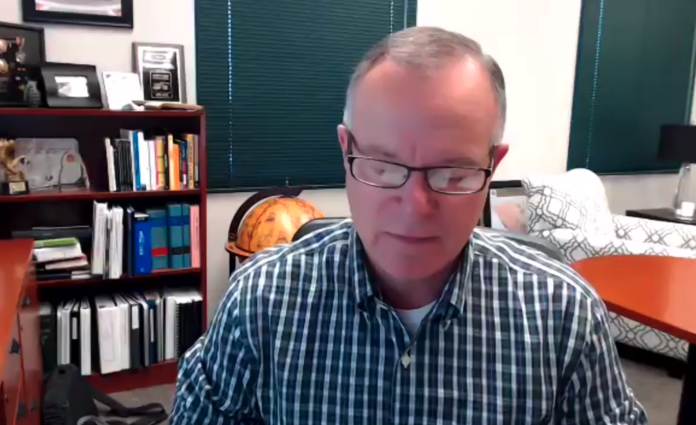
On June 1, in the early days of the ongoing Black Lives Matter protests, both Mill Valley and Healdsburg held City Council meetings streamed online. At each meeting, the towns’ mayors were asked questions inspired by the Black Lives Matter movement and recent protests against police brutality.

Mill Valley Mayor Sashi McEntee and Healdsburg Mayor Leah Gold’s answers disappointed and angered residents of both towns, prompting online recall petitions, letters from constituents and protests.

Tonight, in response to the criticisms, both towns’ governing councils are scheduled to discuss racism and possible police reforms.

Healdsburg’s City Council meeting begins tonight at 6pm. Information about how to view the meeting is available on page 6 of the meeting agenda. Healdsburg’s Police Chief will give a presentation about the department’s use-of-force policies towards the end of the meeting.

[NOTE: On Tuesday, June 16, Healdsburg Mayor Leah Gold announced that she will resign from the Healdsburg City Council, effective June 30. Gold’s letter explaining her decision is available here.]

Mill Valley’s City Council meeting starts at 5:30pm online. The council will devote the entire meeting to a “Community Discussion Regarding Black Lives Matter and Development of a City Action Plan to Address Racial Injustice and Inequities in Mill Valley.” Public comment must be received by 4pm.

In Mill Valley, the controversy began when Mayor Sashi McEntee dismissed a question submitted by a constituent wondering, “What is Mill Valley doing to show that Black lives matter?”

Mayor Sashi McEntee replied, “Okay, thank you very much … . It is a Council policy that we do not take action on issues that are not of immediate local importance, but I do appreciate hearing everyone’s comments.”

The policy she referred to is California’s Ralph M. Brown Act, which guarantees the public’s right to comment at meetings of local legislative bodies and somewhat limits the council’s responses to the public.

On the same night in Healdsburg, Councilmember Joe Naujokas asked his fellow council members to schedule a discussion about police use of force in Healdsburg and how the elected leaders of city government can lead their community in having difficult conversations about the town’s relationship to police.

Mayor Leah Gold replied to Naujokas, “My reaction to that is we don’t have that particular problem in Healdsburg, because we have a very good police chief who is on top of these issues and trains his staff in appropriate conflict-resolution methods. To me … it’s a solution looking for a problem …”

After further conversation, the Healdsburg City Council failed to add the topic to an upcoming agenda and moved on.

Naujokas said he was “absolutely surprised” by fellow councilmembers’ reactions. During the meeting, he told the Council, “I think, if anything, it would be a way for us to highlight the fantastic work that our [Police Department] is doing and to quell any concerns from our public.”

Many Mill Valley and Healdsburg residents were shocked by their respective mayor’s responses, hearing both as assertions that their towns don’t have problems with racism.

In the weeks since the June 1 meetings, criticism of their original statements has continued, despite attempts by both mayors to address the issue at public protests. At the time this article was published, a petition calling for Mayor Gold’s resignation had 1,845 signatures and a petition calling for Mayor McEntee’s resignation had 8,694 signatures.

Both towns are similar in size and majority white—Mill Valley’s population is approximately 83 percent white and Healdsburg’s is approximately 62 percent white. In Healdsburg, more than one-third of the population is Latinx. In Mill Valley, less than eight percent of the population is Latinx. Both towns have fewer than one percent Black residents.

Studies show that while populations of color in the North Bay are growing, economic inequalities persist.

Between 2010 and 2014, Sonoma County’s total population grew seven percent; however, its population of people of color grew by 46 percent. During the same period, Marin County’s total population grew 4 percent, while the number of people of color grew by 34 percent.

In 2014, National Equity Atlas created an Equity Profile that looked at economic disparity along racial lines in the Bay Area’s nine counties. This study found that, with racial equity, Latinx Bay Area residents would see their average annual income increase by 131 percent and Black residents would see a 102-percent increase.

In a speech at a June 4 protest in Mill Valley, McEntee acknowledged that she had used a “poor choice of words,” but reiterated that “we do have a council policy that we don’t take up national issues.”

In an impassioned speech in response to McEntee’s comments caught on video by Lorenzo Morotti of Marin Independent Journal, Mill Valley resident Monica Morant said, “If we continued to follow rules and laws, I would still be sitting at the back of the bus.”

During Morant’s speech, someone in the crowd called for McEntee to step down. Morant replied, “I’m not calling for resignation, I want action … I want all of us to work on this, [to] look at each other.”

At a June 11 protest in Healdsburg, a crowd of about 250 people gathered by 6:30pm. Chants of “Mayor Gold resign now” reverberated loudly as various Healdsburg residents of color spoke to Gold and the council. Gold said that the people who voted for her were not at the protest and that they still support her.

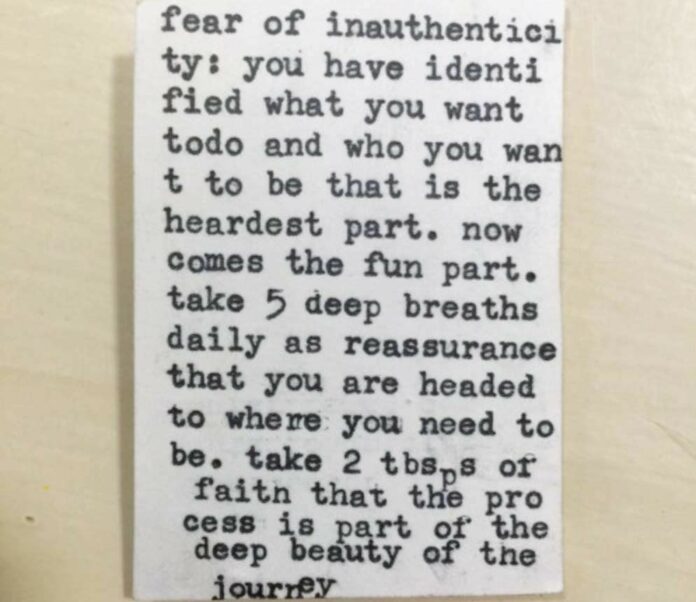
In preparation for the event, two Latinx Healdsburg residents, Lupe Lopez and Cristal Perez, invited Black and Indigenous people of color living in Healdsburg to share their experiences of racism in writing. Over 90 of these stories of racism were then displayed on notecards in Healdsburg Plaza’s gazebo for the public to read before and during the June 11 protest.

While 36 of the stories centered around school and childhood experiences, at least 50 of the notecards described experiences that took place outside of school. These experiences ranged from stories of workplace discrimination to discriminatory service at restaurants to housing and healthcare experiences. Eight stories described police encounters in which residents say they were racially profiled by officers and/or the people who called the police on them.

Gold told the Bohemian, “It makes me feel very sad to read about their experiences, of course. They’re all talking about hurtful things and I think mainly most of them seem to have written about things that happened growing up and as young people in school.”

Lopez and Perez said that, while they don’t know of any recent cases of police use-of-force in Healdsburg, the local police department should be speaking out about this nationwide issue and be taking action to make sure that there’s justice for the lives of all Black people, Indigenous people and other people of color taken at the hands of police.

“We have to remember that it’s not only about justice for the lives lost, but a fight for change and reform of a system that protects those in uniform rather than those without one,” they said.

No Country Summer for North Bay Fans

0

When the Covid-19 outbreak hit California in March, music festivals were among the first planned gatherings to change their summer plans in the face of statewide shelter-in-place orders.

At first, North Bay music festivals moved their events from the summer to the upcoming fall. One such festival, Country Summer, a three-day event held at the Sonoma County Fairgrounds in Santa Rosa each June, was originally rescheduled from this month to October 23–25.

Now, Country Summer has confirmed that the festival is postponed until next summer, June 25­–27, 2021.

“Our team worked diligently and secured a top-notch lineup, including most of the same country music entertainers, for the October dates,” said Alan Jacoby, executive producer of Impact Entertainment, in a statement. “However, fan’s health and safety are our top priorities.”

A major reason for the festival’s yearlong postponement is that, in announcing the state’s re-opening, California Governor Gavin Newsom’s four-stage plan will not allow for large festival gatherings for many more months, likely not until a vaccine is available or most people are immune to the virus. That timeline is still unclear, as reported cases of Covid-19 continue to rise even as restaurants and other businesses open their doors.

“We were hopeful the coronavirus situation would improve significantly, and rules would be relaxed enough for us to stage a spectacular event in October,” Jacoby said. “Unfortunately, circumstances beyond our control are prohibiting mass gatherings this year. Our festivals are not social-distancing-oriented events. They’re thousands and thousands of like-minded country music fans coming together for a big celebration. While disappointing for this year, we’re committed to producing a phenomenal fest in 2021.”

Country Summer is honoring all 2020 three-day passes, single-day tickets, Country Club memberships and even parking passes for the 2021 festival. Refund options will also be available.

An updated lineup of performers will be announced on the Country Summer website in the coming months. Originally, the festival’s 2020 headliners included country music stars Eric Church, Kelsea Ballerini and Chris Young.

While those performers will not be able to perform in the North Bay this year, country music fans can still hear their music this weekend during Froggy 92.9 FM’s Country Summer Radio Fest, broadcasting from 10am to 3pm on Saturday, June 20, and noon to 5pm on Sunday, June 21.

In addition to playing country hits, the Sonoma County–based radio station is also bringing in radio personalities to conduct exclusive artist interviews and to look back at Country Summer’s last six years of festivals, with video highlights on the station’s website and on its social media.

As of now, several other North Bay music festivals are still holding out for this fall. BottleRock Napa Valley, the massive 3-day festival featuring five stages of music, wine, food and brews, is still scheduled to take place in Napa October 2–4, 2020. BottleRock’s music headliners include the Red Hot Chili Peppers, Dave Matthews Band, Stevie Nicks, Miley Cyrus and Khalid, with dozens of other bands, chefs and celebrities scheduled to appear.

The Huichica Music Festival, which boasts 2 days of live music set in Sonoma Valley’s Gundlach Bundschu Winery, is scheduled for October 16–17. Huichica’s scheduled lineup features indie-rock royalty Yo La Tengo performing two full sets, as well as many other bands and artists including Mac Demarco, Jonathan Richman, Vetiver and Once & Future Band.

Huichica Festival co-founder and winery co-owner Jeff Bundschu offered a message on the Huichica website, writing: “We’ve always strayed away from calling Huichica a ‘music festival’ because we designed it to be spread out across bucolic, open spaces. Since its inception, we’ve limited our guest count and ticket sales to ensure that Huichica remains a very intimate experience—so we don’t anticipate our guest’s experience to change that much. Of course, we’ll be taking all appropriate measures to ensure that our staff and volunteers are safe and adhere to guidelines from the state and county.”

Virtual Possibilities: San Francisco Black Film Festival Adapts to Covid-19

0

For more than 20 years, the San Francisco Black Film Festival has been “healing the world one film at a time” with African-American cinema that reinforces positive images and dispels negative stereotypes while showcasing a diverse collection of films from both emerging and established filmmakers.

In 2020, amid the worldwide Covid-19 pandemic, the multicultural festival adopts the theme “Virtually, It’s Possible” to screen its online film program from June 18 through August 2.

“Given our changed world, the San Francisco Black Film Festival has adjusted based on our new reality,” says Kali O’Ray, festival co-director and son of festival-founder Ave Montague.

“The Coronavirus, although regrettable, has resulted in some positive things as we are cloistered in our homes, young and old,” O’Ray says. “Devouring media together creates family discussions and growth. Workers are breaking out of the ‘brick and mortar’ of going back to work and that is a path for entertainment as well, especially among young people, as I see it.”

The San Francisco Black Film Festival always takes place in conjunction with Juneteenth, the oldest nationally-celebrated commemoration of the ending of slavery in the United States, which occurs annually on June 19.

This year is no different, with SFBFF’s virtual version opening on June 18. This year’s staggered-online film-release schedule features a variety of independent films ranging from drama to comedy that will each be available to stream over a two-week period. The Festival will also revisit some of the most popular films from its 22-year history.

“There is that old saying that something is virtually impossible; yet the San Francisco Black Film Festival is ‘Virtually, Possible,’” said Katera Crossley, who co-directs the festival with her husband O’Ray.

“The San Francisco Black Film Festival is flipping the script during this grave time in America and the world,” Crossley says. “The show must go on despite the worldwide pandemic. We are celebrating 22 years of bringing films from the African Diaspora from around the world to San Francisco to create positive dialogue between people about universal human experiences and as a result giving people a better understanding of each other.”

Films scheduled to screen virtually in this year’s festival include hip-hop musical It’s a Wonderful Plight, which manages to attack the serious issues of racism and systemic oppression in a light-hearted way; mystery-thriller The Birth of Deceit, the feature-film debut from rising director Yaw Agyapong; writer-director Derrick Perry’s dramatic Pink Opaque, which tackles themes of love, family, hardships and life in Los Angeles; the arresting 2015 dark comedy Driving While Black, based on the real-life experiences of writer and lead actor Dominique Purdy; the 2013 biographical drama Nzinga, Queen of Angola, about a 17th-century warrior woman who fights against Portuguese colonizers for the independence of Angola in Central Africa; and many other films both new and old.

When Ave Montague­—an arts publicist and manager and a fashion executive—founded the nonprofit San Francisco Black Film Festival in 1998, she wanted to create a platform for Black filmmakers, screenwriters and actors to present their art. Now run by O’Ray and Crossley, the festival continues to remain an inclusive and multicultural expression of the African-Diaspora experience. As a competitive film festival, SFBFF has screened more than 10,000 films from around the world and continues to seek out emerging filmmakers, screenwriters and actors and celebrate established artists and contributors to the cinematic legacy of African Americans; expanding the notions of Black filmmaking on a global scale.

San Francisco Black Film Festival sponsors include, to date, San Francisco Arts Commission, California Arts Commission, Bill Graham Productions, Mayor London Breed, Key to the City of San Francisco, KPOO, KPFA, San Francisco BayView Newspaper, The Boom Boom Room, New Community Leadership Foundation, Inc., LaHitz Media, Film Bread and Wright Enterprises.

For more information about San Francisco Black Film Festival XXII, visit sfbff.org.

North Bay Progressives Raise Funds for Blue Candidates in Red States

The national, grassroots nonprofit-organization Sister District Project supports progressive Democratic political candidates in red or swing states by organizing political volunteers in blue districts to lend a hand.

Much like how Sister Cities promote cultural and social ties between socially-distant populations, the Sister District Project matches politically-blue districts with politically-red or swing districts elsewhere, so that Democratic activists in places like Sonoma County can channel their volunteers and their economic resources toward races that are both significant and winnable for progressives across the country.

In 2019, Sister District Project supported 27 races, with more than 23,000 donations averaging $24.57 each and over 31,000 volunteer-hours logged in the field.

For 2020, the project’s focus is to end gerrymandering in red districts, end widespread voter suppression in red states and help defeat President Trump by getting Democrats elected to state legislatures across the country.

In the North Bay, the East and West Sonoma County chapters of the Sister District Project combined their resources to host an online virtual fundraiser, Auction for Action, in support of three Democratic candidates running for state offices in Georgia, Wisconsin and Pennsylvania.

The 10-day Auction for Action virtual fundraiser opens for online bidding June 17 and runs through June 27, ending with a live virtual event on June 27 at 4pm. The online auction is uniquely designed to safely raise political awareness and funds during the ongoing Covid-19 crisis.

“This upcoming election is especially important as the state legislatures in 37 states will be redrawing district lines,” says Rebecca Casciani, cofounder of Sister District Sonoma County East Chapter. “It is time to stop partisan gerrymandering.”

The West and East Sonoma County chapters of the Sister District Project are among the fastest-growing groups of the project’s progressive volunteers, and both chapters are striving to make an impact in the November 2020 elections by helping candidates in red states turn their state legislatures blue.

The Sonoma County West Sister District is specifically raising funds to support Shea Roberts, who hopes to join Georgia’s state legislature in November. The Sonoma County East Sister District supports Brittney Rodas, who is running for Pennsylvania State House, and Robyn Vining, an incumbent Democrat in the Wisconsin State Assembly.

Although the global coronavirus outbreak brought an immediate halt to planning in-person fundraisers, Sister District organizers quickly realized that online events offer a convenient way to reach even larger audiences.

“We’re not going to let a quarantine keep us from winning in November,” says Mary Radu, cofounder of the West Sonoma County chapter, which has supported eight candidates since its inception in 2017 in a variety of community-building fundraisers, including a paella feed and a popular annual clothing swap. “We think 2020 is our best chance to turn red states blue.”

The two Sonoma County chapters’ combined Auction for Action includes art created by talented local artists such as Marylu Downing and Elizabeth Peyton alongside many other artworks and crafts by various artisans. Bidders can also choose to bid on packages such as handyman services from Mark Miller, Sonoma County’s “Mench with a Wrench,” stays in several vacation homes, VIP wines and cheese tours at Cline Cellars in Sonoma, a tasting tour of Benizger’s Sonoma Mountain Estate and winery tram, an annual pass to Sugarloaf Ridge State Park, gift certificates at local restaurants and stores, and much more. Direct donations can also be made to the project on the auction site. Additionally, an anonymous donor will match the amount raised for candidates.

The Sonoma County Chapters of Sister District Project host Auction for Action online Wednesday, June 17 through Saturday, June 27, when a live virtual auction caps off the event at 4pm. Visit Facebook or email sd***************@***il.com for more information.

[embed-1]

Let My People Be Free to Breathe

Returning back to school this year—50 years old, an Afro-Latina, a disabled student—I chose to dive into the community headfirst. I did not wish to allow my adversity to define my experience but to influence how I chose to engage with other students, faculty, and staff at Santa Rosa Junior College. I began joining various clubs, meeting students, planning events, and through time, began to understand that there was a real need for black and brown students to be more active, present and supported on campus. I joined various racial-affinity groups, social groups, and more. I ended the first semester with a 4.0 GPA and was appointed Vice President of Clubs of Petaluma.

Once the Pandemic had begun its onslaught of altering my communities and what we knew as normal, I believed nothing could get worse. That’s when the Black Lives Matter movement re-emerged in the wake of the deaths of Breonna Taylor, Tony Mcdade and George Floyd. 

Immediately, the Black Student Union, various community leaders and I began planning a community event that promoted the leadership and presence of black voices and protested against police brutality and injustice. We came up with a series of demands, a program that will ensure Santa Rosa Junior College promotes racial equity and inclusion. 

We will no longer be silent. These are our demands. 

  1. We DEMAND FREE tuition for Black and Indigenous students.
  2. We DEMAND Black Scholarships.
  3. We DEMAND an Office for Black Student Development starting FALL 2020.
  4. We DEMAND a more racially-diverse faculty and staff.
  5. We DEMAND the hiring of a Black Counselor, specifically, Dianna L Grayer.
  6. We DEMAND a Black/Ethnic Studies Department be implemented.
  7. We DEMAND Proper Comprehensive Racial Awareness training to all Staff, Faculty and Administration. 
  8. We DEMAND SRJC Create a Strategic Plan that will increase Retention Rates for marginalized students.
  9. We DEMAND the IMMEDIATE Removal of Don Edgar from the Board of Trustees. ANYONE in Leadership, Staff, Faculty or Administration who has been accused of Embellzelment, Bribaries, Discrimination, Bullying, Stigmatizing or Harassing should be removed from their positions IMMEDIATELY.
  10. We DEMAND that Campus Security shows fair and equal treatment regarding events that are hosted by the BSU.
  11. We DEMAND that Summer Classes not have Due Dates or Deadlines.
  12. We DEMAND that Dr. Chong come to our BSU meeting once a semester to keep us posted on the progress of our DEMANDS. 
  13. WE DEMAND THE JOBS OF THE FACULTY, STAFF AND ADMINISTRATORS THAT SUPPORT US NOT BE THREATENED DUE TO THEIR SUPPORT OF BLACK STUDENT UNION STUDENTS.

We don’t want to be pacified. It’s time for a change.

Delashay Carmona Benson is a re-entry college student at Santa Rosa Junior College where she advocates for inclusivity, diversity and equity.

Reps Cosponsor Police-Reform Legislation

North Bay Reps. Jared Huffman and Mike Thompson are among dozens of democratic Congressmembers to co-sponsor federal legislation aimed at reforming law-enforcement agencies across the country.

Introduced on Monday, June 8, the Justice in Policing Act of 2020 is the Democrats’ response to the daily protests across the nation.

The list of changes proposed in the legislation includes a countrywide ban on chokeholds, carotid holds and no-knock warrants. The bill would also require state and local law enforcement “to use existing federal funds to ensure the use of police body cameras” and create a National Police Misconduct Registry intended to prevent officers with a history of violence or problematic behavior from transferring to a new department.

All of this sounds good, but it may not match the urgency many people on the street want. Even if the police-reform legislation passes, meaningful law-enforcement agency reform will require ongoing oversight and a change in officers’ mindsets, not just new rules.

Rules, as Americans have witnessed over and over again, can be broken or blatantly ignored when a law-enforcement agency lacks a culture of accountability.

PG&E Plans Move to Oakland

As the Pacific Gas and Electric Company awaits word on whether its bankruptcy exit plan will be approved before June 30, the utility announced plans to move its corporate headquarters from downtown San Francisco to Oakland beginning in 2022.

“Oakland is the perfect fit for us for a host of reasons,” a PG&E executive said in a statement on June 8. “It is a thriving hub of industry and innovation in our state, and we look forward to establishing our headquarters and contributing to life there.”

The bigger issue question still remains: How will PG&E fare once it successfully exits bankruptcy court—an outcome that looks likely in the next few weeks—while the state heads into yet another fire season?

Nobody knows, but adding another round of widespread power shutoffs or wildfires—PG&E-induced or not—to an ongoing pandemic and protests against police brutality could make the next six months even more eventful.

Our unhelpful advice? Buckle up and buy some extra batteries.

Head West Marketplace supports purveyors in pandemic

The journey for the modern maker from concept to customer is not an easy one, especially for small artisan producers and brands trying to find an audience for their products and services in a crowded online marketplace.

Jimmy Brower was one such creative, a North Oakland retail professional who left the corporate world to pursue his own desert-inspired lifestyle brand, West Perro, in 2016. Through the brand, Brower creates and sells sun hats, jewelry and other items in his online shop. In figuring out how to sustain and survive as a self-employed creative in an expensive Bay Area, Brower knew he had to create a community.

“I would find myself participating in craft shows and markets, and my network broadened,” he says. “All these things that are a benefit in the small business world; but the things I saw that were lacking in these larger fairs and markets was accessibility, affordability and diversity.”

In 2018, Brower founded Head West Marketplace to provide a diverse array of local purveyors a pop-up platform with which to share and sell their products and services in a physical space akin to a farmers’ market, only this one features art and crafts instead of fruits and vegetables.

“I wanted to build something that was affordable for new or emerging artists, or small businesses, or makers, or shop owners,” Brower says. “And I wanted to make it accessible to people in their own community, their own neighborhood.”

The first few months of Head West Marketplace in 2018 happened 10 blocks from Brower’s house, at Bay Street Shopping Center in Emeryville. He and the artisan crafters and makers who participated in those early markets saw immediate results.

“People were coming up to me that had not been exposed to small business in the form of sole entrepreneurs just working out of their households,” he says. “There were a lot of conversations happening about the value of time and materials and ultimately the value of products and services when it’s coming from a human being versus a corporation.”

While the pop-up space in Emeryville could accommodate 20 booths of local purveyors, Head West Marketplace quickly grew beyond that capacity and expanded its market at different venues, moving between Hangar One Distillery in Alameda and the Temescal District on Telegraph Avenue in North Oakland.

“I started to see doors open for all shapes and sizes of makers in the Bay Area,” Brower says. “These individuals needed an outlet from out behind their computer screen to physically connect with people, whether it be their already existing customer base, their followers on social media or just their family and friends to test out their ideas and creations. “

Brower also found that customers were coming to these marketplaces from the North Bay, the South Bay and the far East Bay. In 2019, Head West Marketplace doubled from two venues to four, adding pop-up markets at 1717 Fourth Street in Berkeley and at the Barlow in Sebastopol.

While Brower is still the one-man operation behind Head West, he acknowledges he does not do it alone, and he says he’s blessed to work with partners at these community-minded venues to create space for the makers and creators.

“It’s a passion,” he says. “It’s a passion for seeing people’s dreams grow into physical realities.”

All of this rests, in some way, in Brower’s childhood, growing up in a small town in Illinois, with a mother who worked graveyards shifts at a hospital, a father who worked with his hands as a welder and a stepfather who would come home covered in soot from his job in a coal mine.

“Being inspired by that type of blue-collar hard work helped me to infuse that into what I’m doing today,” he says.

Today looks very different from the 2020 that Brower envisioned for Head West Marketplace, which was poised to hold an outdoor market nearly every weekend at one of its four venues beginning in March and running through the holidays.

“I led with this mentality of, ‘2020 is the year to see things clearly,’” he laughs. “I started hearing those things being echoed, that this was THE year of things happening. And things are happening, absolutely, important things are happening. But if I put myself in the silo of small business and those stay-at-home makers and crafters and designers, it’s been very difficult.”

Head West did host its first market of the year on March 7 at the Barlow Center in Sebastopol.

“I was elated,” Brower says, of the event that drew 3,000 people. “There was so much success, so much optimism and so much positivity with that bellwether marketplace.”

Less than a week later, most of the Bay Area issued a stay-at-home order to stop the spread of Covid-19. Brower was disheartened to have to cancel his Head West markets, ultimately through June.

Yet, Brower says he’s also seen uplifting news in that time. He’s networked with other like-minded market organizers up and down the coast, inspiring him to continue to support makers and purveyors with online resources and exposure.

To that end, Head West Marketplace has assembled a comprehensive resource guide for Bay Area small businesses dealing with the Covid-19 fallout. These resources include grant and loan opportunities, and Brower’s informed opinion on options for staying afloat during these dire economic times.

“I’m one of those business-minded people that says loans are for growth, not for crisis, and there were a lot of predatory lenders trying to capitalize on panicked individuals,” he says. “I built the online resources in the mindset that it is about making sure you survive after this moment, what that looks like in terms of personal finance and income, and what it means for your business revenue.”

In addition to providing resources for business owners, Head West is also sharing a list of Bay Area–and-beyond makers and designers who have pivoted to creating customizable and artistic face coverings during the ongoing pandemic.

Beyond supporting the shop-local scene, recent events in the U.S. have prompted Brower to join the growing chorus of “Black Lives Matter,” and when Head West returns to public events, Brower is making commitments to support Black makers and businesses, highlighting many planned actions listed on the Head West website such as providing no-cost booth-space scholarships at every marketplace for Black-identified participants.

Brower is also assembling a resource and support directory for Black empowerment in the Bay Area on Head West’s site, with contact information for dozens of organizations including the local NAACP chapter, defense funds, lawyers’ guilds and more.

“I see myself on this rollercoaster—I don’t know how I got on it, but I look around and I see everyone I know sitting on it with me, we’re all experiencing the same thing but we’re all having different emotions because it’s affecting us on an individual level,” Brower says. “We don’t know when it’s going to end, but when it does end we are going to get off the ride together, as one.”

headwestmarketplace.com

Letters to the Editor: Dropped

Because nothing “new” has come to light except the country’s excessive amount of police brutality (“Dismissed: District Attorney drops charges against Graton Couple,” News, June 3). This case was phony from the very beginning. Also, Press Democrat’s original article heavily sided with the police report, which was falsified. The DA and Sheriffs should be sued. They need to euthanize Vader because that dog is a liability. They need to press charges on its handler because he was either massively incompetent or another vicious liability.

The top police-dog trainer reviewed the footage and explained that the officer never gave the heel command and instead pulled on the dog’s harness which tells the dog to bite more aggressively. They never had reason to believe he was the one being identified in the report of a gun-toting individual. They showed up to his house out of harassment. That’s why this whole case fell apart on them. They got the wrong guy and then brutalized him. Luckily someone got it all on video. Now they drop all their charges because they knew they were wrong the whole time. Shame on Jill Ravitch. Shame on Sonoma County Sheriffs. Shame on Press Democrat.

They should all be sued.

J. Nunez

Via bohemian.com

In Focus: An introduction to Japanese cinema

0

Coming on the heels of Asian/Pacific American Heritage Month, here’s our primer for movie-crazy, pop-cultural adventurers looking for seldom-visited territories to explore: Japan is ready for its closeup. Japanese cinema has a rich and rewarding history, but one that never seems to get the same attention eager American film buffs have always lavished on the Europeans. A trip to the real-life Land of the Rising Sun is out of reach while we’re in the throes of this pandemic, but thanks to streaming and other home-video options, we can cross the Pacific and immerse ourselves in, say, the intrigues of Tokugawa Shogunate, anytime we want.

Without delving into a comprehensive discussion of such a panoramic subject, here’s a bite-sized introduction to a few filmmakers and their movies, most of them available for streaming and all of them indispensable for anyone interested in this truly world-class national film industry. Names are listed Japanese-style, with family names first.

Kurosawa Akira: Arguably Japan’s most renowned filmmaker, Kurosawa reached for universal themes and found international audiences with: Seven Samurai (one of the greatest movies ever made); Ikiru; Rashomon; Throne of Blood (a feudal-era version of Macbeth, with three grotesque witches and the raging power lust in actor Mifune Toshirô’s eyes); The Hidden Fortress (a major influence on Star Wars); Sanjuro; Yojimbo; and the King Lear-in-feudal-Japan costumed epic, Ran. For a number of reasons, perhaps including his height—the filmmaker was almost six feet tall—Kurosawa stood out from his Japanese movie-biz contemporaries. Critics in his home country sometimes clucked disapprovingly about his choice of subjects—the Shakespeare adaptations, Seven Samurai’s tribute to Aeschylus’ Seven Against Thebes, etc., his popularity in the West and the “un-Japanese” point of view in many of his projects. He once described Seven Samurai as being as rich as a buttered steak topped with broiled eels. Kurosawa’s Dersu Uzala—a 1975 Soviet-Japanese co-production with Mosfilm—is of special interest because its thrilling story of the friendship between a native trapper/guide and a visiting surveyor in the Siberian wilderness is presented in Russian.

Ozu Yasujirô: Considered by many to be the most quintessentially “Japanese” of the classical directors. His spare visual style and carefully constructed scenarios tell the stories of ordinary people dealing with the ordinary heartaches of life, with extraordinary grace. But don’t be fooled by Ozu’s reputation for “austerity.” His emotion-packed family dramas are a feast of characterization and repressed sensuality lurking just beneath the surface. For example: A Story of Floating Weeds; Tokyo Story; Late Spring; Early Summer; Tokyo Twilight; and Equinox Flower. Ozu is notorious for his habit of placing his camera, in indoor scenes, at the eye level of a person kneeling on a tatami mat. Hara Setsuko, one of Ozu’s most frequent leading ladies (her fond nickname was “The Eternal Virgin”), has one of the most radiant smiles in existence, even when portraying a compromised character.

Mizoguchi Kenji: A master stylist enthralled by the stories of women, whose low status in traditional Japanese society makes them vulnerable to injustice and mistreatment. Some of the saddest films you’ll ever see: Sansho the Bailiff, aka Sansho Dayu (the heartbreaking tale of an unfortunate family’s interrupted journey); Ugetsu Monogatari (a dreamlike ghost story from ancient Nippon); The Life of Oharu (a gorgeous weepie starring the lead actress of Sansho, Tanaka Kinuyo); Utamaro and His Five Women; Miss Oyu (also with the long-suffering Tanaka); A Geisha; and A Story from Chikamatsu (aka The Crucified Lovers). Mizoguchi’s compositions are as thrillingly composed as a ukiyo e masterpiece.

Writer-director Kurosawa Kiyoshi is no relation to Kurosawa Akira, but shares the older director’s affinity for depicting characters confronting moral and ethical dilemmas. His elegantly paced contemporary projects range from outright horror to eerie relationships to soulful character-studies of modern urbanites in distress: Cure; Serpent’s Path; Séance (an extra-creepy remake of Séance on a Wet Afternoon); the internet chiller Pulse; Doppelganger; and Tokyo Sonata, the 2008 story of a middle-class family’s downward spiral after the father loses his job.

Kore-Eda Hirokazu: “The New Ozu”? Kore-Eda’s closely observed dramas have a strong social consciousness, none more so than Nobody Knows, the 2004 story of a family of school-age Tokyo children abandoned by their mother. Also recommended: Shoplifters; After the Storm; Our Little Sister; Like Father, Like Son; Hana; Maborosi; and Air Doll, the tale of a lonely man who falls in love with his inflatable sex doll.

Suzuki Seijun: His jazzed-up, frantic, gaudy, sexy gangster-and-spy flicks of the 1950s–1990s made him a hipster art-house fav in the U.S. Dig these shiny entertainments: Branded to Kill; Youth of the Beast; Gate of Flesh; Tokyo Drifter; and the inimitably titled Detective Bureau 2-3: Go to Hell Bastards! Some of Suzuki’s most distinctive movies feature actor Shishido Jo, notorious for having tissue from his butt cheeks grafted onto his face, in an attempt to give him a more “Western” appearance.

Imamura Shôhei: Sardonic social and political commentary—with more than a touch of grim humor and sexuality—adorn this director’s hyperactive array of films from 1950–2000. The standouts: The Insect Woman; Pigs and Battleships; The Ballad of Narayama (Imamura’s adaptation of a story by Fukazawa Shichirô, first filmed in 1958 by director Kinoshita Keisuke); Black Rain (a moving protest against nuclear warfare); Vengeance Is Mine; The Pornographers; and Profound Desires of the Gods.

Honda Ishirô: Best known for creating the original Godzilla (Japanese title: Gojira, from 1954), Honda’s filmography is packed with loads of audience-pleasing sci-fi and horror spectacles, including: Mothra vs. Godzilla (1964, pick hit from the long-running kaiju giant-monster franchise); The Mysterians (1957); 1959’s The H-man (another atomic-age mishap); Destroy All Monsters (1968); and Matango (1963), the fantastic saga of a group of shipwrecked men and women battling a killer fungus on a spooky island—American tagline: Attack of the Killer Mushrooms.

Twisted genre excitement with a sadistic streak is the trademark of cult figure director Miike Takashi. One of his most unforgettable is Audition (1999), in which a selfish businessman tries to hoodwink a succession of prospective would-be “brides” and ends up paying the price. Also in Miike’s immense, bizarre filmography: irreverent cowboy actioner Sukiyaki Western Django; the enormously influential Dead or Alive; Ichi the killer; Blade of the Immortal (piles of corpses ad absurdam); and Over Your Dead Body.

For rip-roaring, costumed sword-fighting action, try: director Inagaki Hiroshi’s 1954-56 Samurai trilogy (Musashi Miyamoto; Duel at Ichijoji Temple; and Duel at Ganryu Island). Also fine: The Sword of Doom (1965) by director Okamoto Kihachi, with actor Nakadai Tatsuya’s amazing freakout bloodbath in the climactic scene. Further genre-action fun, from underworld intrigue to youth-market ultra-violence: anything by jack-of-all-trades Fukasaku Kinji, especially Yakuza Graveyard. Fukasaku’s Battle Royale movies, in which teenage contestants kill each other on a tropical island, outraged audiences and spun off a host of imitators.

Also recommended are the works of Oshima Nagisa (his intense sexual melodrama In the Realm of the Senses created a sensation in 1976); Naruse Mikio (the urban prostitute drama When A Woman Ascends the Stairs); and Shindo Kaneto (Onibaba, a ghost story about a predatory mother and daughter living in a marshland shack). Ichikawa Kon, director of acclaimed sports documentary Tokyo Olympiad, ranged over a variety of genres: family relationship dramas like The Makioka Sisters; the samurai adventure 47 Ronin (a remake of Mizoguchi’s 1941 samurai pic); and Ichikawa’s harrowing World War II nightmares, Fires on the Plain and The Burmese Harp. Kobayashi Masaki’s powerful three-part The Human Condition strikes a similar chord in tracing the ordeal of an anti-war Imperial Army soldier (played by Nakadai Tatsuya) stationed in Manchuria. Kobayashi’s trilogy clocks in at nearly 10 hours total running time.

Likewise on the bellicose side of the slate are the graphic tough-guy antics of actor-filmmaker “Beat Takeshi” Kitano (Boiling Point; Fireworks), and the comparatively benign swordplay of mega-popular actor Katsu Shintarō (“Kats-Shin”), who portrayed the blind masseur/gambler Zatoichi, defender of cute little kids and threatened women, in some 26 movies.

Mishima: A Life In Four Chapters (1985) is that rarity of rarities, an intelligent Japanese-language film by an American director, Paul Schrader. It’s a heavily stylized dramatization (starring actor Ogata Ken) of the life of controversial novelist-actor-militarist Mishima Yukio, who committed seppuku after unsuccessfully attempting a 1970 coup d’état in Tokyo. Before coming to his bloody end the real-life Mishima wrote and/or acted in a lengthy roster of art films and campy extravaganzas, including Black Lizard (1968) and Black Rose (1969), both of which starred “gender illusionist” Miwa Akihiro, and both of which were helmed by the above-mentioned Fukasaku Kinji.

Lastly, an easy choice from among the ocean of Japanese anime films is the oeuvre of the creative genius Miyazaki Hayao, guiding light of Studio Ghibli, who gave us the animated masterpieces My Neighbor Totoro; Princess Mononoke; Spirited Away; Howl’s Moving Castle; and Ponyo.

Many (but not all) of the above titles are available from various home video streaming services. Check JustWatch.com.

Enough is Enough

0

I have asked myself many times this week, when will enough be enough? How many times do we have to see a black man killed in front of us by a police officer for us to say enough is enough?

It is not enough to not believe the stereotypes, to not tell that racist joke, to be nice to people of color. I can insert many lies I have told myself over the years here. I am guilty myself of thinking that I am doing enough, while black people are suffering everyday. I am ashamed of myself for being complacent for far too long. I can no longer sit on the sidelines and not actively take part in tearing apart a system that does not work for everyone. Society does not work unless it works for everyone in that society.

I tell myself I’m doing the best I can, but am I? I can do better; we all can. I liken it to trimming trees. We need to cut off the dead limbs and the branches that are sucking energy from the healthy part of the tree. To be stronger, grow taller and bear more fruit, the useless parts need to be cleared away.

I would like to say that it is time that we listen to the black people in our lives, but that time has long passed. Yes, we still need to listen, but the time now is for action. We have been told, and we have known for hundreds of years, that this is not working. Recognizing the problem is not enough. Taking steps to solve the problem is a good start, but also not enough. It is time to have conversations with the people we love about what we are doing to make things better every day. It is time to be in the trenches instead of standing aside thinking things will be better when the dust settles. It is time to fight, and to continue fighting, until there is some resolute change.

It is time to do more than just enough.

Deborah Unger lives in Graton.

UPDATED: Two Mayors Face Constituents’ Ire After Statements Responding to Protests

On June 1, in the early days of the ongoing Black Lives Matter...

No Country Summer for North Bay Fans

The popular music festival is postponed until 2021.

Virtual Possibilities: San Francisco Black Film Festival Adapts to Covid-19

Online film program runs June 18 to August 2.

North Bay Progressives Raise Funds for Blue Candidates in Red States

Online auction will support Democratic hopefuls in Georgia, Pennsylvania and Wisconsin.

Let My People Be Free to Breathe

Returning back to school this year—50 years old, an Afro-Latina, a disabled student—I chose to dive into the community headfirst. I did not wish to allow my adversity to define my experience but to influence how I chose to engage with other students, faculty, and staff at Santa Rosa Junior College. I...

Reps Cosponsor Police-Reform Legislation

North Bay Reps. Jared Huffman and Mike Thompson are among dozens of democratic Congressmembers to co-sponsor federal legislation aimed at reforming law-enforcement agencies across the country. Introduced on Monday, June 8, the Justice in Policing Act of 2020 is the Democrats’ response to the daily protests across the nation. The list of changes proposed in the legislation includes a countrywide ban...

Head West Marketplace supports purveyors in pandemic

The journey for the modern maker from concept to customer is not an easy one, especially for small artisan producers and brands trying to find an audience for their products and services in a crowded online marketplace. Jimmy Brower was one such creative, a North Oakland retail professional who left the corporate world to pursue his own desert-inspired lifestyle brand,...

Letters to the Editor: Dropped

Because nothing “new” has come to light except the country’s excessive amount of police brutality (“Dismissed: District Attorney drops charges against Graton Couple,” News, June 3). This case was phony from the very beginning. Also, Press Democrat’s original article heavily sided with the police report, which was falsified. The DA and Sheriffs should be sued. They...

In Focus: An introduction to Japanese cinema

Coming on the heels of Asian/Pacific American Heritage Month, here’s our primer for movie-crazy, pop-cultural adventurers looking for seldom-visited territories to explore: Japan is ready for its closeup. Japanese cinema has a rich and rewarding history, but one that never seems to get the same attention eager American film buffs have always lavished on the Europeans....

Enough is Enough

I have asked myself many times this week, when will enough be enough? How many times do we have to see a black man killed in front of us by a police officer for us to say enough is enough? It is not enough to not believe the stereotypes, to not tell that racist joke, to be nice to people...
11,084FansLike
4,606FollowersFollow
6,928FollowersFollow