At the risk of sounding too Sex and the City, this is a story about a place and about finding human connection, as told through the lens of someone from a particular generation. I am 50-something, single and living in Sonoma County.
I moved here for a job in the early days after my marriage ended, not having any idea how that choice would impact my life. Those who know me know I am a staunch advocate for living here, and that connecting newcomers and visitors to hidden gems in our local landscape brings me nothing but joy. I have built a chosen family here and enjoy a home with wonderful old bones and walkability to a town I love. The whole scene is, as Woody Guthrie said, “a paradise to live in or to see,” but I’m still missing the cherry on top of the sundae.
To be clear, I’m not whining about this from behind tinted windows and black-out curtains in my living room. I go to a gym regularly. I walk around town. I leave the zip code. I’m not afraid to eat out alone. I go to wineries and beer joints. I listen to live music. I frequent art openings. I have done the proverbial work with therapists, life coaches and personal trainers. I have spoken to the universe in clear and detailed language.
Somewhere between the septuagenarians enjoying their retirement and the Millennials who live with their parents is my sweet spot. When I recently mentioned this to a member of my chosen family, he asked me if I also believed in Santa Claus and the Abominable Snowman. I told him no, I believe in jammy pinots and hoppy IPAs.
If one happens to find themself in this place on the map, single and in Gen X territory, they quickly realize this county is a dating black hole. Put more directly in one of the articles I reference below, “Welcome to Green Acres, that quintessential quiet town where couples move to settle down, raise kids and die.”
One thing readers should know about me is I am not a fan of technology. I’m much more comfortable in real time than in the digital world. AI scares me. So, when friends line up with the best of intentions to write online profiles for me, they do so in vain. This is a personal process. And just like a pair of vintage Frye boots, one size does not fit all.
As someone who has enjoyed the spirit of the Bohemian for years and been lucky enough to have some of my contributions to this community grace its pages, I started to wonder if the paper had ever ceded precious real estate to this topic. A quick search brings up exactly three items published in this century (literally).
North Bay Singles Scene, published in 2002, includes uplifting tidbits like “And then in Sonoma County, the single women are always complaining how the local men are a bunch of chicken farmers” and helpful tips like “If you’re a woman over 40, don’t tell another living soul. You can tell your cat, you can tell your dog, but not one person.” This article is also the source of the Green Acres quote (my favorite).
Fast forward eight years and one will find the 2010 gem, Single Serving, offering a look at dining alone through the lens of short restaurant reviews. My favorite quote from this piece could have come straight from the mouth of Carrie Bradshaw herself:
“And so it was that on a recent Wednesday evening at dinnertime, this grownup lady went out to eat all alone, without the sulky comfort of a book or magazine, iPhone app or knitting project. Chewing while looking thoughtfully out into space, sipping wine while pretending to consider the world’s knotty problems and merely sitting with hands politely in lap are difficult talents not easily won.”
Finally, the most recent (meaning 2013) look at singledom is Not So OK, Cupid, a (not-so flattering) review of the dating app with nods to the challenges of dating in a small town, raising the question, “What if it’s Sonoma County, and the guy you’re meeting online is, say, the same guy two of your friends have already dated?”
At the risk of this sounding like an indictment against the media, I identified a couple of weekly papers in other states getting creative. Last year, the City Beat in Cincinnati took a Valentine’s opportunity to remind us of the history of personal ads and put the earworm “Escape (The Pina Colada Song)” in our heads.
This spring, a story about Seven Days, a small paper in Burlington, VT, drew the attention of The New York Times, BBC and NBC. Adrienne Raphel of the Times cleverly summarized their niche in this way: “These personals offer a new-old way of approaching dating, farmers’ market rather than meat market.” If that doesn’t resonate in Sonoma County, I don’t know this place as well as I think I do.
When I submitted this missive to the editor, I wasn’t quite sure why I was sending it. I just knew my friends were getting a bit bored with the narrative, so I thought I’d try it out on strangers. Full confession: I had a visceral reaction last week walking right up to the edge of falling prey to herd mentality and submitting to the online dating world. At the 11th hour, every fiber in my being recoiled at the thought of pushing the button, so I walked away from the computer. When I returned to it, this is what I wrote.
I think the plan is to keep doing what I love, dropping suggestive breadcrumbs for the powers that be and standing in solidarity with other unicorns who may be hiding in plain sight, as there is power and safety in numbers. If wide leg jeans, vinyl and roller skating can have a nostalgic moment, then maybe analog strategies for human connection aren’t far behind. And just like that… everything old is new again.
Carin Jacobs is a writer and curator interested in what constitutes our definition of home and our sense of place. She is the founder of Place Matters. More info at placematters-sonoma.com.

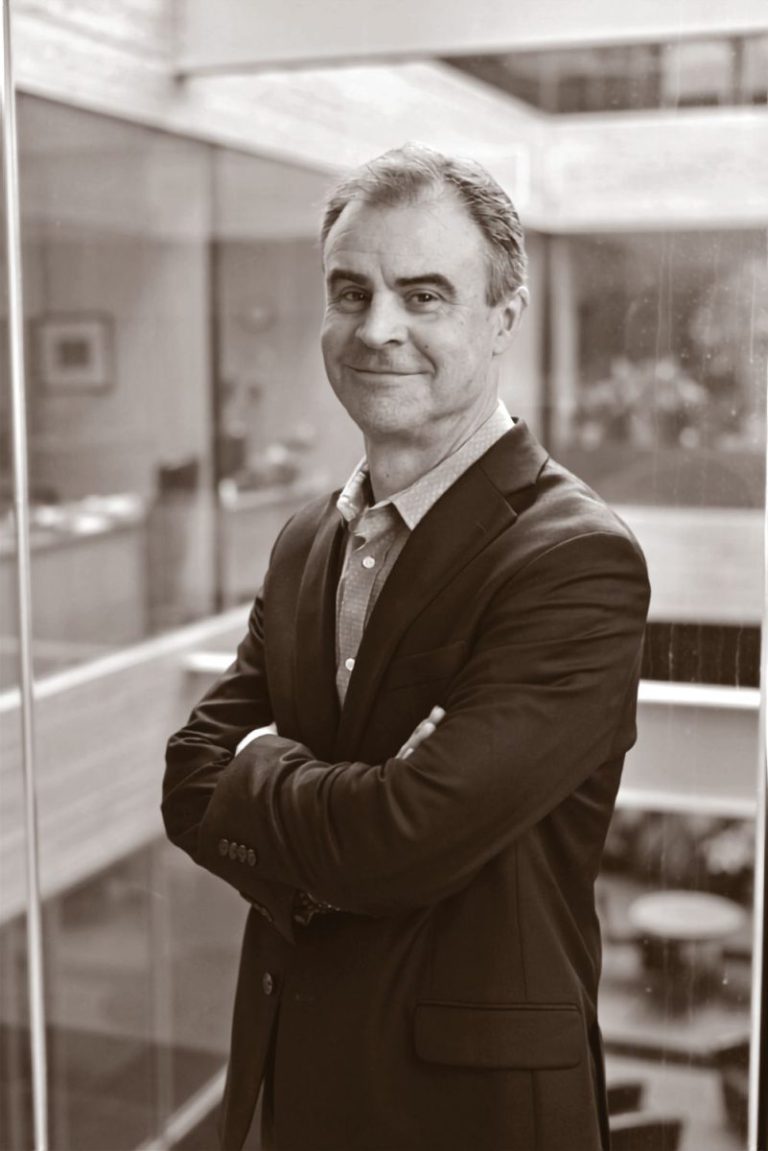
 hospice social worker. He was drawn to estate planning as “a part of the law where I could work with clients to help things go smoothly rather than fighting over them.” Kevin helps SMT clients navigate emotional decisions with clarity, ensuring that plans are thoughtful, complete and easy to understand. His calm, reassuring style makes complex processes feel manageable. Outside the office, his hospice experience continues to inform how he supports families through some of life’s most meaningful transitions.