Mixtapes

0

Mix Emotions

The mix tape, cultural touchstone of the analogue generation

By Sara Bir

The sound quality of cassette tapes may be crappy, but for anyone who misspent their youth in the ’80s and ’90s, their memory quality is superior. Every person who has ever made a mix tape has probably written about mix tapes. There are mix-tape websites, songs about mix tapes, and now, a mix-tape book. Indeed, mix tapes are so ubiquitous that it seems silly even to define them. Aptly titled, Mix Tape: The Art of Cassette Culture (Universe; $22) attempts to do this for us.

Edited by Thurston Moore, the hyperactive guitarist of Sonic Youth, Mix Tape is more of a coffee-table patchwork of words and images than an assay into the subject. In its pastiche of scanned cassette-tape inserts and hand-written song lists, folks from the worlds of music, art and fashion share mix tapes or memories of long-lost mix tapes that are particularly meaningful to them. There are voyeuristic kicks in reading about a then 15-year-old Jim O’Rourke making mix tapes to get girls to like him, or in looking over the songs on a tape that the Flaming Lips’ Steven Drozd made for Mike Watt and noticing that he included Glen Campbell’s “Wichita Lineman.”

It’s cool to compare mix-tape artwork in the book, how some people painstakingly piece together collages of magazine clippings with Scotch tape while others skip the covers altogether, and it’s especially gratifying to see how often songs from the Modern Lovers’ first album and the Association’s “Windy” appear on mixes over the ages.

Mix Tape sure has a lot of love for mix tapes, but it’s more gloss than substance. Mainly, it fails to ask why we made mix tapes. The initial urge may have been to collect songs you liked in one handy place, but ultimately no one made mix tapes for convenience. The mere process of making one–fast forwarding, pausing, rewinding ad infinitum with a collapse tower of cassette tape cases spread all over the floor–requires too much commitment to not have a deeper motive.

Making a mix tape confers ownership. Unlike people, songs are always available and can be arranged just so. Putting a song on a mix tape is like placing it in a shrine; it confirms its greatness, and that power of placement is extremely gratifying. I can’t even play a tambourine right, but I can record songs by Leadbelly, Cher and Beck back-to-back and feel that I’ve not only participated in music, but made it. That’s because on a good mix tape, order is everything. If you get the right flow going, it’s possible to move from Donovan to the My Fair Lady soundtrack to Wilco without losing continuity. Outside of communion with music, the most compelling motive for mixing a tape is to create that perfect Unrequited-Love Mix Tape, aka the Mix Tape as Self-Portrait. Even when we make mix tapes for other people–especially when we make mix tapes for other people–we make them for ourselves.

The rapid decline of the cassette leaves the fate of mix tapes in question. Sure, there are CDRs and iPod playlists, but they really are not the same thing. It’s my feeling that a CD mix is too easily dashed off with a few clicks of a mouse, and that the impossibility of assessing each song as it plays impedes continuity of the music’s tone. Besides, cassette tapes have two sides, allowing for a first act, an intermission and a second act.

Even so, I’ve switched over to making mix CDs now myself, because how can you be sure that someone has a tape deck? I still have all of my old mix tapes; disposing of a mix tape is like throwing away a handwritten letter. My friends and I don’t sit around sifting through cassettes and fussing over cover art for each other anymore, perhaps because we are now adults and don’t have much drive to mirror our flawed, innocent selves in music. But I can conjure exact images of our ex-selves with the click of a play button and in the wow and flutter of thinning magnetic tape, as beautiful in its hiss as medieval manuscripts are in their decay.

From the June 22-28, 2005 issue of the North Bay Bohemian.

© 2005 Metro Publishing Inc.

Mexican Immigration

0

Photograph by Glen Graves

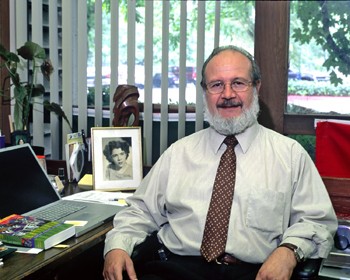
Frame Up: Professor Francisco Vazquez’s mother–shown in picture frame–was repatriated to Mexico, even though she was a U.S. citizen.

Mexican Diversion

Are attempts to curb Hispanic immigration into California based on economic realities or is there something else going on here?

By R. V. Scheide

Gov. Arnold Schwarzenegger appears to be in deep trouble. Ever since he began attacking nurses, teachers and other public-sector employees last fall, his poll numbers have plummeted. The November special election he announced last week features initiatives that promise more of the same, from tampering with teacher tenure to cutting already overburdened school budgets. So far, it’s gone over like a lead balloon. The self-proclaimed “people’s governor” has been revealed instead as a people-eater; his popularity, and perhaps his political career, is on the wane.

In short, Schwarzenegger is in dire need of a diversion, something akin to the wrestling move known as the “forehead tap.” In this tactic, the experienced grappler faces off with his opponent and quickly taps him on the forehead, creating a distraction, while in the same instant dropping to one knee, wrapping his arms around the opponent’s legs and throwing him to the mat. Wham! It works every time–as long as the opponent isn’t expecting it.

But what could possibly take the public’s mind off the governor’s dismal track record? In a radio interview in late April, Schwarzenegger revealed what could quite possibly be his next big move when he endorsed the Minuteman Project, the controversial group of untrained volunteer vigilantes who recently began patrolling the Arizona-Mexico border for illegal immigrants.

“I think they’ve done a terrific job,” the governor remarked. “They’ve cut down the crossing of illegal immigrants a huge percentage. So it just shows that it works when you go and make an effort and when you work hard. It’s a doable thing.”

Taking a page out of his political mentor Gov. Pete Wilson’s playbook, Schwarzenegger played the race card, and why not? As recent California history has shown, it’s a doable thing. In 1994, Arnold voted for the Wilson-endorsed Proposition 187, the controversial initiative that sought to deny undocumented immigrants such basic amenities as education and emergency healthcare. The proposition won with 59 percent of the vote but was later declared unconstitutional by the courts. That mattered little to Wilson, who used the race card to gain his second term as governor and to launch a failed bid for the presidency.

Whether Schwarzenegger uses the illegal immigration issue to jump-start his 2006 gubernatorial bid will depend on the outcome of November’s special election. Clearly, he was testing the waters with his radio remarks. If he fares badly in the special election, the anti-illegal immigration rhetoric will undoubtedly heat up. But there will be significant obstacles should Schwarzenegger choose such a strategy. For one thing, the Latino electorate has grown in both size and cohesion in the decade since Proposition 187, and may simply be too powerful to take for granted. For another, there’s still plenty of time for voters to discern that elites like Wilson and Schwarzenegger care little about solving the real problems surrounding illegal immigration. Could it be a wedge for dividing and conquering the electorate, lining the pockets of their plutocratic backers and furthering their own political careers?

Tool of the State

“The first thing I tell people is that this is a very useful political tool for people in the United States,” says Francisco Vazquez, a Sonoma State University professor and director of the Hutchins Institute for Public Policy Studies and Community Action. “When Pete Wilson fanned anti-immigrant sentiments for political purposes, it was nothing new. It’s always been used to rile Americans up. Mexicans are the perfect scapegoat when things go wrong in the United States.”

Vazquez, 55, knows this from his own family’s personal experience. His grandparents fled the Mexican Revolution and emigrated to the United States in 1914, where they migrated between Colorado, Nebraska and Missouri, picking beats and working coal mines. Vazquez’s mother was born in Colorado in 1927, and was therefore a U.S. citizen. But when the Great Depression hit in 1929, America needed someone to blame, and Mexican Americans proved handy. Under a “repatriation” program created by President Herbert Hoover that ran from 1929 to 1940, Vazquez’s mother and grandparents were deported to Mexico, along with 1 million other Mexican Americans. Like Vazquez’s mother, 60 percent of the deportees were U.S. citizens; 400,000 were California residents.

“They were pretty well-established when they were forced to leave in 1932,” Vazquez says. He was born in Mexico and didn’t settle permanently on this side of the border until the 1960s. “At one point, I was an illegal, even though my mother is a U.S. citizen. I had to fight with the Immigration and Naturalization Service (INS) for about 20 years. I finally became a citizen three years ago.”

Last year, responding to a lawsuit seeking damages for the Depression-era deportations, the state Legislature passed a reparations bill for the estimated 5,000 Mexican American deportees who are still alive. Schwarzenegger vetoed the bill. Two bills concerning the repatriations, an official state apology and another reparations bill, were introduced in the Senate in late May. Schwarzenegger has so far not said how he will decide on the bills.

The scapegoating of Mexicans continued in WW II with the infamous Zoot Suit Riots, which took place in Los Angeles in 1942. This time, so-called Mexican baby gangsters were vilified in newspapers run by publisher William Randolph Hearst in an effort to divert attention away from the nascent antiwar movement. It worked, says Vazquez. “People stopped focusing on the war and focused on the ‘Mexican problem.'”

That was followed in the 1950s with the Border Patrol’s crudely named “Operation Wetback,” a McCarthy-era program that targeted union organizers and other alleged “communists” through the guise of fighting illegal immigration. More than 1.5 million Mexicans were either jailed or deported in the operation. Many had been encouraged to come to the United States under the bracero program, which helped ease labor shortages during WW II, assuring U.S. victory in the conflict.

Such “brown scares” and “Hispanic panics” have continued to the present day, even as the number of immigrants from Mexico, legal and illegal, has steadily risen. A study released last week by the Pew Hispanic Center estimates that the number of illegal immigrants in the country is 10.3 million people, with 57 percent coming from Mexico and 24 percent coming from other Latin American countries. A report released earlier this year by Bear Stearns Asset Management estimates the number of illegal immigrants may be as high as 20 million people–nearly double the Pew figure–because of inaccuracies in the U.S. census.

With someone leading the anti-illegal immigrant charge seemingly every decade, why have their numbers continued to rise? Perhaps Robert Justich and Betty Ng, the financial analysts who conducted the Bear Stearns report, put it best: “The United States is simply hooked on cheap, illegal workers and deferring the costs of providing public services to these quasi-Americans. Illegal immigration has been America’s way of competing with the low-wage forces of Asia and Latin America, and deserves more credit for the steroid-enhanced effect it has had on productivity, low inflation, housing starts and retail sales.”

Elite opinion makers are well aware of these facts, as a 2002 report by the nonpartisan Center for Immigration Studies pointed out. Citing a survey conducted by the Chicago Council on Foreign Relations that included 397 leaders ranging from Fortune 1,000 executives, union presidents, newspaper editors, religious leaders to members of Congress and the Bush administration, the report found that only 22 percent of elites believed that reducing illegal immigration was a “very important” foreign policy goal of the United States. Indeed, as the Bear Stearns reports suggests, drastically curtailing illegal immigration could crash the economy.

Nevertheless, 70 percent of the general public believes that reducing illegal immigration should be a very important foreign policy goal, the Center for Immigration Studies found. No doubt the public’s perception of illegal immigration as a major problem contributes greatly to its continued utility as a wedge issue.

“It’s an easy tool to use,” says Vazquez. “When you have such a good political tool, who wants to get rid of it?”

Run For The Border

Reduced to its essence, illegal immigration isn’t the problem. Instead, it’s a symptom of a problem–namely, the dramatic wage differential between the United States and Mexico. Through a translator, illegal immigrants Juan and Pilson de la Cruz define this difference as the $10 per hour they’re paid for work here in Sonoma County and $10 per day they’re paid for similar labor back home in Mexico.

A decade ago, Pilson agreed to pay a “coyote” $2,400 to smuggle him from the Mexican border to Sonoma County. He worked in the vineyards, tended lawns and wrenched on automobiles before landing permanent employment with a landscape maintenance company four years ago. Last year, he made $17,000, an amount he humbly describes as “a lot of money.”

“In Mexico, nice shoes costs $50,” elaborates brother Juan, who works in construction. “You can’t buy them on $10 a day. Here, you go to a shop, and nice shoes only cost $30. We can have the pleasure of buying nice shoes.” Not that working and living in Sonoma County is all peaches and cream. “Rent is very expensive here,” Juan says. “If your back hurts, it doesn’t matter. You have to work.”

Vicki Mayster is director of Immigration and Resettlement Services for Catholic Charities of the Diocese of Santa Rosa, which works with immigrants, legal and illegal, in Sonoma, Lake, Napa, Mendocino, Humboldt and Del Norte counties. In particular, her organization attempts to keep immigrant families together. That’s not easy to do, thanks to a wage differential that tempts family breadwinners to cross the border, even if it means leaving a spouse and children behind.

“One of the biggest misconceptions is that people are coming across the border just because it’s a great place to be,” she says. “I’ve worked with immigrants pretty much my whole career, and basically everyone’s coming to the United States because of the economic problems in Mexico.”

George J. Borjas, a professor of economics and public policy at Harvard’s John F. Kennedy School of Government, is considered one of the world’s foremost experts on immigration and labor market issues. His work is often cited by both the left and the right, illuminating the objectivity of his research and the complexity of an issue that is often reduced to banal race-baiting.

“The U.S.-Mexico wage gap is among the largest between contiguous countries,” Borjas wrote in a 2000 New York Times opinion piece opposing Mexican president Vicente Fox’s proposal to open the border between the United States and Mexico. “A manufacturing worker in the United States earns four times the salary of a Mexican factory worker and 30 times that of a Mexican agricultural worker.”

Borjas favors curbing illegal immigration, in part because he believes undocumented workers force down wages of unskilled native workers and use more benefits than they pay in taxes–even though he admits the data on those issues can be conflicting.

Vazquez concedes that in an ideal world, Borjas has a point about wages. “If we were to pay good wages for that work, then we wouldn’t need immigrant labor,” he says. It’s not that immigrants are doing jobs that Americans won’t do, as immigration supporters often claim. It’s that immigrants are doing jobs for less pay than Americans are willing to accept. That’s the reality created by the U.S.-Mexico wage differential. What’s not in dispute is the enormous boost the low wages paid to illegal immigrants brings to certain sectors of the economy.

“Immigration . . . does more than just raise the national income that accrues to natives; it also induces a substantial redistribution of wealth,” Borjas wrote in a 1995 article in the conservative National Review. “In particular, wealth is redistributed from native workers who compete with immigrant workers to those who employ immigrants and use immigrants’ services.”

Actually, the wealth is redistributed from native workers and the immigrant workers they compete with to employers and others who use their services, from Sonoma County grapegrowers to New York City hotel chains, in an amount so vast virtually no one seems to have an accurate handle on the figure, although Borjas estimates it may be as high as $140 billion annually, or 2 percent of the gross domestic product.

The debate over illegal immigrants tends to create strange bedfellows. For example, Borjas’ article may have been the first and last time National Review offered an opinion opposing the upward redistribution of income. Or consider the fact that while serving as U.S. Senator in the 1980s, Proposition 187 supporter Pete Wilson intervened on hundreds of occasions to prevent the INS from enforcing immigration laws against California employers, according to the Los Angeles Times.

While groups such as the Schwarzenegger-endorsed Minuteman Project emphasize the lack of enforcement along the Mexico-U.S. border, many experts agree that enforcing existing laws against those who employ illegal aliens would be a far more effective deterrent. However, a crackdown on employers hardly seems likely, considering that the INS–since renamed Immigrations and Customs Enforcement (ICE) and rolled into the Department of Homeland Security in the wake of 9-11–has made enforcing immigration issues that threaten national security its primary priority.

“We are just drowning,” explains frazzled California ICE spokeswoman Virginia Kice, contacted the day after the high-profile arrest of alleged Islamic terrorists in Lodi. Immigrations and Customs Enforcement was involved with the investigation, and Kice was fielding numerous media inquiries, but only one concerning the agency’s enforcement efforts in regard to North Bay employees who hire illegal immigrants. “Our current focus is on national security,” she says. “What we’re trying to do is heighten the nation’s safety.”

Later via e-mail, Kice noted that ICE has not conducted “any recent worksite investigations in the Sonoma area.” Mayster from Catholics Charities has heard anecdotal reports that occasional sweeps have been conducted in Wal-Marts in Lake and Mendocino counties, but has received no official verification of such actions. The legality of 29 Latino farmworkers employed by Gallo and recently found living in squalor in a single house in Windsor remains a mystery, despite a state Department of Industrial Relations investigation.

“When special interests benefit from illegal immigration, people look the other way,” says Vazquez. “We know that Mexican labor is needed. It’s kind of like global warming. Scientifically, we know the facts. But if you want to make a political career, then you attack illegal immigration.”

Paltry Pesos: If the United States helped the Mexican economy to strengthen, would we all be better off?

Down on Brown

“There are many people in the North Bay who are appreciative and supportive of immigrant families,” says Mayster. “Unless we’re Native Americans, all of us come from immigrants.”

Ironically, however, it’s the natives who are being singled out by groups such as the Minuteman Project and the Federation for American Immigration Reform. As the recent Pew Hispanic Center report points out, 81 percent of illegal immigrants in the United States come from Mexico and other Latin America countries.

“When we say ‘illegals,’ we’re talking about poor Mexicans, dark-skinned, indigenous-looking Mexicans,” says Vazquez.

Olin Tezcatlipoca, director of the radical Mexica Movement, agrees that opponents of illegal immigration are focused on skin color. The Mexica Movement is a Southern California-based organization that encourages people with any indigenous blood at all to abandon European labels such as “Hispanic” and “Latino” and explore their true historical roots.

“What about illegal immigrants from Canada?” Tezcatlipoca asks. According to the recent Pew report, 6 percent of the illegal immigrants in the United States come from Canada or Europe. “No one seems concerned about them. The Minuteman aren’t concerned with Canadians.”

Certainly brown-skinned people seem to be the primary target of legislation recently proposed by Southern California assemblyman Ray Haynes, R-Murrieta, whose California Border Police Initiative seeks to establish a state-sanctioned force whose sole mission is to guard the California-Mexico border. Apparently, despite the fact that the U.S. Customs and Border Protection Service’s taxpayer-funded $54 million triple border fence is nearing completion, the feds just aren’t doing the job well enough for Haynes, who estimates his proposed border police force will cost $250 million to run but save the state $4-$5 billion once it’s in operation. Right.

“Folks literally have illegals running through their backyards,” Haynes recently told the Los Angeles Times, recalling those ads for Proposition 187 from nearly a decade ago. “About two years ago, things started heating up. It’s now the hottest issue. The [state] budget, people can’t understand. They understand illegal immigration. They see it.”

Or more precisely, they see brown people. On the California Border Police’s website, all the figures that have become numbingly familiar are ticked off: 10.4 million illegal aliens in the United States; 3 million in California at an annual cost to taxpayers of $9 billion; $750 million annually to house the 18,000 illegal aliens in state prison. As usual, there are no figures documenting the economic benefits such immigrants obviously bring to the employers who hire them and the citizens who benefit from their services.

In Haynes’ calculation, the illegal immigrant exists entirely in the negative.

“It’s not just an issue of undocumented workers; it’s an issue of racism,” insists Tezcatlipoca. “There’s a history of crimes that Europeans have been committing that stretches back to their invasion of this continent. For Europeans to call us ‘illegal,’ there’s something that’s criminal about that.”Tezcatlipoca jokes that he could support rounding up all the illegal immigrants, as long as the date of entry is moved back to 1492. But speaking seriously, he thinks that the differences between Europeans and the Western Hemisphere’s indigenous people will only be solved in the long-term.

“We have no control over the wealth of our continent; we’re considered criminals on our own continent,” he says. “We have to have an education that considers not the past 500 years, but the 50,000 years we’ve been on this continent. Once our people and the Europeans know the reality of that history, then we can start talking. Right now, all of the cards–all the history–are not on the table.”

For SSU professor Vazquez, the solution lies in equalizing the differences between the economies of Mexico and the United States, perhaps through renegotiating the North American Free Trade Agreement.

“NAFTA didn’t make any labor and environmental agreements along with the free trade agreements,” he says. “It pales in comparison to the agreements made within the European Union. Most of the investment in Mexico benefits investors, not Mexicans. If cooler heads prevail, we would really look hard at how we can create a North American region where people have the basics. It’s very difficult for people to uproot themselves and go somewhere where they are strangers.”Vicki Mayster, who’s spent her career trying to mend immigrant families who’ve been torn apart by the economic differences between the two countries, agrees that we must take a more enlightened approach.

“We have a responsibility to be just and compassionate,” she says. “If humanity doesn’t drive our policy, we’re going to be in big trouble.”

It will of course require diplomatic acumen, something that, when it comes to Mexicans, Gov. Arnold Schwarzenegger seems to have in short supply. He’s been pilloried in the Mexican press for his support of Proposition 187, his rescinding of the legislation that granted drivers licenses to illegal immigrants, his praise of the Minuteman Project and his failure so far to visit Vicente Fox, president of California’s largest trading partner, Mexico.

In fairness, the governor–who, by the way, is an immigrant himself–has been busy. This November’s special election has gotten off to a less-than-rousing start, his poll numbers continue to dwindle, there are fundraisers to attend and soon he will have to decide if he will seek a second term in 2006. Should he choose to run again, his Republican colleague Haynes has provided him with a ready-made issue. Realizing that the Democratic-controlled Legislature is never going to pass his California Border Police Initiative, Haynes intends to place it on the 2006 state ballot.

It might be just the diversion the governor is looking for.

From the June 22-28, 2005 issue of the North Bay Bohemian.

© 2005 Metro Publishing Inc.

‘Saving Face’

Face Value

‘Saving Face’ serves more than just another demographic

By

In Saving Face, a romantic comedy based in New York, Wilhelmina Pang (Michelle Krusiec), Wil for short, falls in love. A medical resident at a hospital, Wil is dedicated to her job–so much so, that a friend observing her dreaminess over her new romance notes, “The only time I’ve seen you smiling like this is during surgery.”

The problem is Wil’s mother. The widowed 48-year-old Ma (actress and director Joan Chen, best known for Twin Peaks) is pregnant but isn’t about to reveal the man who did it. She leaves her own father’s house in the Chinese-settled suburb of Flushing and moves in with her dutiful daughter. There is only one bed in Wil’s Manhattan apartment, and Ma claims half of it. She sits around watching soap operas, nursing her bruised feelings and ever rising belly, and cramping Wil’s style.

There is another complication: Wil is gay. Her new girlfriend, a professional dancer named Vivian (Lynn Chen), isn’t very patient about keeping their relationship hidden. Wil, on the other hand, through Krusiec’s subtle performance, shows us a girl who knows her sexuality but isn’t ready to act on it. She tries to carry on a double life while soothing the feelings of her demanding mom.

Saving Face is noteworthy, not because it is the long-awaited Chinese lesbian movie out to serve yet another demographic. What’s really important is South Bay director Alice Wu’s accomplished sense of visuals and characterization. Saving Face transcends the schticky point-and-shoot cinematography and Neil Simonized interchanges seen in most ethnic love stories. It is apparent from Wu’s technique that she didn’t watch a lot of television growing up. The undistinguished visuals of Kissing Jessica Stein or My Big Fat Greek Wedding come to mind. But it would be wrong to lambaste them alone. At this point, almost every midsize film festival is cluttered with TV-size romances, featuring gusty performances by character actors playing all kinds of trans-Danubian or East of Suez sticklers for tradition. Put a shawl or a fez on some old sitcom hack, and you’re ready to roll.

That’s why I commend the subtlety in Saving Face, the lambency of the love scenes and the authenticity of the battered apartments. Also, Wu doesn’t milk the exotic for big laughs. She doesn’t underline the irony that Wil still uses a tongue scraper, that old Chinese folk aid, even though she’s training to be a surgeon.

Wu has created mood using color and the placement of the camera–things that are neglected in the average first-timer’s film, particularly when they are writers turned directors. I am struck, for instance, by the way Wu lingers over the monumental rivets and looming girders in the subway station, structures that dwarf the fragile-looking Wil as she heads back downtown after a session at the hands of her interfering old-country relatives.

The pressure on Wil to get married–from her mother, her grandfather and her mother’s friends–equals the pressure from Vivian to declare her love. But in the end, pressure affects Wil and Ma alike. Both of them have been dutiful daughters (it seems certain that Ma was married off in an arranged marriage), doing what they’ve been told all their lives. Now both are conscious of the eyes of relatives and peers on them. “One billion Chinese people, two degrees of separation,” Wil complains.

Though it is understated, there is far more ardor in Saving Face than in the My Big Fat Greek Wedding genre. An assured and good-looking feature film, this charming romantic comedy breaks the rigid mold of ethnicity-of-the-week love stories. And though Wu shot on a very low budget, she still has a keenly developed since of color and surface. Wu is a director to watch for.

‘Saving Face’ screens at Rialto Cinemas Lakeside. 551 Summerfield Road, Santa Rosa. 707.525.4840.

From the June 22-28, 2005 issue of the North Bay Bohemian.

© 2005 Metro Publishing Inc.
Napa Dining

0

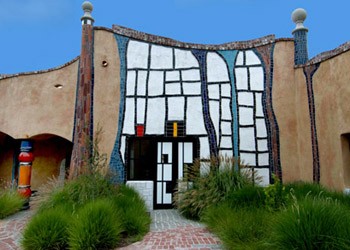
Tilting at… Ceramic Tiles: Napa’s Quixote Winery features the only U.S. creation of fanciful Viennese architect Friedensreich Hundertwasser.

Secret Napa

An insider’s guide to living la dolce Napa

By Heather Irwin

Psssst. You didn’t hear this from me, but there’s more to do in Napa than wine picnics, V. Sattui, Taylor’s Automatic Refresher, gawking at the French Laundry or stalking Frances Ford at Niebaum-Coppola. Just do me a favor and don’t tell anyone else. It’ll be our little secret.

Become an Artist–or at Least Eat Like One: Napa’s Oxbow School, created in part by the Mondavi family, is a sort of artistic laboratory for creative teens. Typically, junior and senior high school students board for a single semester to explore the traditional artistic mediums of art, sculpture and printmaking, along with newer disciplines like computer design. Think of it as a hipper, more intelligent version of that Fame school–without creepy dance productions.

This summer, the doors swing open to a handful of adults interested in rekindling their own artistic muses. The kicker: the school lunch lady is a Chez Panisse­trained protégée of Alice Waters and summer students get two meals a day. Meals typically include fresh produce harvested from the school’s own gardens. Summer sessions for teens begin in July, and students are encouraged to help with harvesting and, of course, enjoying the fruits of their labor. Who says you can never go back! And with such a tasty incentive, why shouldn’t you? Summer Studios, the Oxbow School, Napa. 707.255.6000.

Join the Salon Society: Breeze into a sea of pink and coral, filled to bursting with roses, bon bons and caviar at Swanson Vineyard‘s thrice-daily tasting salon. Modeled after French society salons of a gentler era, the lily-gilding is de rigueur and no tiny detail (or table space) is left to chance.

Gathering at the appointed hour, eight guests are led into Swanson’s teacup-sized (at least by Napa standards) tasting room to be wined and gently dined through a series of cheeses, caviar and other petite nibbles paired expertly with the winery’s most beguiling red and white wines.

Cooked up by thirty-something Swanson daughter Alexis, there’s nothing even remotely stuffy about the Salon tasting. With leopard-print napkins, two tiny costumed dogs as occasional hosts, unabashedly pink wine (in addition to some pretty serious Merlots) and a humbling double-blind tasting, visitors are encouraged to socialize, ask questions and be hedonistically entertained for 90 minutes. Is that too much to ask? Swanson Vineyards Salon tasting, by appointment only. 1271 Manley Lane, Rutherford. Jean Lafitte tasting, $25; Harvey tasting, $55. 707.967.3500.

A Nearly Gourmet Lunch for Under $10: I had exactly 15 minutes to eat lunch and get on the road. In Napa, where the leisurely two-hour, $200 lunch is practically a matter of course, this is no small problem. Enter Pizza Azzurro, where even during a Friday lunch crush a wood-fired pizzetta is on your plate in a matter of minutes for under $10. Sweet. Admittedly, I had a little guidance. The cook, knowing my time constraints, steered me toward the quickest meal: a base of crisp, thin pizza crust sprinkled with olive oil and cheese and topped with a cold salad of spinach, red peppers, cheese and citrus vinaigrette.

Not since my teenaged discovery of the Olive Garden’s endless soup, salad and breadstick combination have I been so excited about bread and salad. The enormous plate arrives mounded with greens that, as eaten, reveal the crisp olive-oil-laden bread waiting below. Joy! Elation! And, most importantly, postlunch punctuality! Pizza Azzurro, 1400 Second St., Napa, 707.255.5552.

Not (Exactly) Your Daddy’s Golf Club One of Napa’s newest restaurants has emerged from a historic resort that’s in the midst of its own transformation.

The Grill at Silverado is a wallet-friendly fusion of California-Asian with influence from the chef’s own Hawaiian background. Featuring starters curried crab chowder, deviled eggs, baby back ribs and coconut shrimp, chef Peter Pahk sticks to tried-and-true crowd-pleasing hotel classics, but isn’t afraid to throw in a few curves. The restaurant is committed to using sustainable and/or local foods in most of its dishes, no small feat, considering the size of the restaurant operation, which serves several hundred for breakfast, lunch and dinner.

The family-friendly grill is just part of a massive renovation of the resort that has included a $4 million golf course upgrade, health spa and new room décor. How smashing, Buffy. The Grill at Silverado, 1600 Atlas Peak Road, Napa. 707.257.0200.

Still on the Hill Wine is nice and all, but vodka? Now we’re talking. Napa is home to the Domaine Charbay distillery, which creates super premium vodkas in disarmingly simple flavors like blood orange, Meyer lemon and ruby grapefruit, as well as whiskey, rum and odd little spirits like pastis and grappa. The distillery is open by appointment throughout the week for visitors who are interested in the fine art of distillation–or who just love vodka. Tours are still guided by the Karakasevic family, the owner-operators who’ve been in the booze-making biz for some 13 generations. Unfortunately, California law prohibits tasting hard alcohol on the tour, as well as diving headlong into the giant copper pot still. You can still dream, though. Domaine Charbay, Spring Mountain Road, St. Helena. Tour by appointment only, $20. 707.963.3343.

Become a Cave Dweller Well-heeled philanthropists shell out 150 bucks or so for Napa’s underground wine cave tour, which benefits the Napa Museum. Bully for them. You can become one of the cave-set for a whole lot less with just a few phone calls.

Here is a small sampling: Pine Ridge Winery, daily cave tours at 10am, noon and 2pm, 800.575.9777; Rutherford Hill Winery, daily cave tours at 11:30am, 1:30pm and 3:30pm, $10, 707.963.1871; Jarvis Wines, take the Bacchus tasting tour followed by a sit-down tasting, $20, 800.255.5280.Join a Cult: In Napa, some of the most expensive, most sought-after wines have been made in trash cans in someone’s backyard. Seriously. Wines likes Screaming Eagle, made in purposefully miniscule batches in home-grown operations, have been known to command $500,000 or more for a single bottle. Nuts? Yes. But regardless of the economy, the cult of wines is strong in Napa, and the harder to acquire, the better.

For example, there’s Quixote. You’ll have to wait until February 2007 to see the amazing winery built by Friedensreich Hundertwasser in the late 1990s, but not because it isn’t done; the winery’s been in operation for several years. But the amazingly abstract, no-straight lines whimsy of this famous European architect is off-limits to the public due to zoning restrictions. No matter. You can buy the organic wine, made in limited batches by the former owner of Stags’ Leap Winery, under the Panza and Quixote labels. Take a look at www.quixotewinery.com.

And finally, Napa’s Backroom Wines is a local favorite for finding both hard-to-find rarities as well as a nice picnic rosé. Owner Daniel Dawson is everywhere at once, sending out newsletters, hosting tasting events and guiding customers to his most recent finds from Napa and beyond. The best news: he won’t steer you toward a stinker, no matter how tight your budget. Backroom Wines, 974 Franklin St., Napa. 707.226.1378.

From the June 22-28, 2005 issue of the North Bay Bohemian.

© 2005 Metro Publishing Inc.
‘Beauty and the Beast’

0

Especially Good at Expectorating: William McNeil as Cogsworth, Deanna Cordano as Babette, Matt Steiner as Lumiere, Sarah Ragan as Mrs. Potts and Ryan Johansen as Chip in SRT’s ‘Beast.’

Horns of Plenty

SRT’s ambitious new season offers rich, magical ‘Beauty and the Beast’

By David Templeton

Santa Rosa’s Summer Repertory Theatre seems to have fallen under a magic spell.

With the opening of Walt Disney’s Beauty and the Beast, the first of five new productions in Summer Repertory Theatre’s 2005 season, the company’s creative team have assembled what is surely the finest-voiced SRT musical cast in recent memory. In the past, certain SRT musicals have suffered when lead parts were given to actors who weren’t necessarily born to sing. Not so with Beauty and the Beast. With a few minor exceptions, this is a full-throated cast, led by Jessica Crouch as Belle; C. J. Dion, a stage presence to burn as Belle’s crudely malevolent suitor Gaston; and a vocally magnificent Martin Giannini as the slender but soulful Beast.

Beauty and the Beast is a remarkably high-profile show, based as it is on a beloved animated classic that was itself based on a timeless fairy tale few can claim not to know. When Disney’s Oscar-nominated masterpiece was first taken to Broadway in 1994 as a full-scale musical, there were plenty of cynics (myself included) who assumed the show would be some cobbled-together Broadway version of a “Disney on Ice” spectacle, with gymnasts in theme-park costumes leaping about to a pre-recorded soundtrack. Boy, was I wrong!

The creative team that adapted Beauty from screen to stage maintained the clever, handcrafted charm of the original, tinkering with the story slightly so it makes sense with live actors, while piling on an appropriate amount of Broadway dazzle and flash. It has run on Broadway for 10 years and has played in every major theater city in the world, only now becoming available for college and semiprofessional companies. Summer Repertory Theatre, in fact, is the very first junior college program to ever be granted performance rights to the show.

Beauty and the Beast opens with two narrators giving the Beast’s backstory. A spoiled-rotten prince once insulted a prickly enchantress, who promptly turned him into a furry, fangy monster-man and all of his servants into household appliances. It’s a flashy, eye-popping start to a show that is packed with flashy, eye-popping effects: gorgeous scenery that often resembles the pen-and-ink drawings of an illustrated storybook; a trio of scary, spectral wolves with glowing eyes; and in the Beast’s enchanted castle, animated statues, feisty candle-holders shaped like human arms, a pair of acrobatic Oriental rugs, an impatient dinner table and a brilliant, walking, man-chair that itself received a round of applause when making its entrance on opening night.

Crouch, as Belle–a smart young woman condemned through an act of self-sacrifice to spend her life in the Beast’s domain–sings and plays all the right notes, convincingly moving from innocence to fear to anger to compassion to love. The various enchanted servant-objects are uniformly excellent, especially William McNeil, Matt Steiner, Deanna Cordano and Sarah Ragan, respectively, as Cogsworth the clock-butler, Lumierre the candlestick-chef, Mrs. Potts the teapot-housekeeper and Babette the feather-duster maid.

I could quibble with a few details, but beyond a few microphone issues that slightly marred the Beast’s big entrance and some sub-par trumpeting in an otherwise fine orchestra, I enjoyed the show so much I can no longer remember what most of my quibbles were.

Those familiar with the movie will surely recognize the songs: the smartly staged opening number, the French opera-inspired ensemble piece “Belle”; the splashy “Be Our Guest”; the optimistic “Something There”; and the sentimental ballad “Beauty and the Beast.” The stage version throws in several additional songs, the most noteworthy of which is the Beast’s achingly gorgeous lament “If I Can’t Love Her.” When Giannini sings this showstopper late in the second act, in an impressively full, rich and emotive pitch-perfect baritone, any concern that he is not physically intimidating enough to be a convincing monster suddenly melts away, and in that moment he fully becomes the Beast.

By then, this production of the famous fable has already proven itself to be one of the best shows to ever transform the stage of SRT. I intend to see it again later this summer. I only hope that, magically, there will be tickets left.

‘Beauty and the Beast’ runs Tuesday-Sunday, June 29-Aug. 5: June 29-30, July 12, 15, 19, 21-23, 28-29, Aug. 3 and 5 at 8pm; extra matinee July 3, 15, 19, 21-23, 28-29 and Aug. 3 and 5 at 2pm; Sunday, July 3, evening show at 7:30pm. Burbank Auditorium, SRJC, 1501 Mendocino Ave., Santa Rosa. $8-$20. 707.527.4343.

From the June 22-28, 2005 issue of the North Bay Bohemian.

© 2005 Metro Publishing Inc.

NORBAY Awards

With the Band

Everyone a winner at the NORBAY Awards

By Gretchen Giles

A petite brunette in a gold, mesh top made her way to the backstage area of the NORBAY Awards early in the evening on June 10. “I need an all-access pass,” she explained. When asked why, she uttered those delicious words, “I’m with the band.”

The band she is with is DDK, a guitar-bass-drum trio composed of two brothers in fifth and ninth grades and a seventh-grade friend, all from the Sonoma Valley. They kicked off the first annual NORBAYs with a glimpse of the future as they wailed a hard-edged lament to the miseries of the middle school years.

Held at the Sonoma County Fairgrounds on a warm, clear evening, the first annual North Bay Music Awards heralded a new tradition. Co-sponsored and co-conceived by this paper and the Harmony Festival, and graciously hosted by KRSH 95.9-FM morning host Doug Smith, the NORBAYs aimed to fete the enormous musical talent we in the North Bay are so blessed with.

With house sounds provided by hip-hop jazz popsters the Shot Gun Wedding Quintet, the evening was a blur of excellence. Among the evening’s many highlights were Celtic goddess Kate Price spinning a golden ephemera; blues artist Marcus James bringing two of his colleagues from Mali onto the stage for a too-brief set of pentatonic magic; American Drag lighting up the place just as dusk settled; Wisdom proving to be excellently named; the cool cats from Girls in Suede performing directly after high school graduation; that perfect moment when the long-limbed Lisa from the Lemon Lime Lights put down the cello and broke into tap dance; the furious, impeccable duel of Carter and Bodlovich’s guitars; and the Johnny Otis Tribute Band almost literally bringing the house down as everyone danced in the darkening night to their tight set of R&B classics and Otis faves.

Thanks to all who participated by voting, performing, volunteering and attending! Here is the list of the artists who were nominated in this inaugural year. Winners names are italicized. See you there next year.

Bluegrass / folk / Cajun:
David Thom Band
Nina Gerber
Hot Buttered Rum String Band
Skiffle Symphony
Stiff Dead Cat

Blues:
Elvin Bishop
Norton Buffalo
Maria Muldaur
Charlie Musselwhite
Roy Rogers

Celtic:
Chris Caswell
Greenhouse
Kate Price
Mad Hannans
Spiral Bound

World music:
Ancient Future
Markus James
Hamsa Lila
Mickey Hart
Zakir Hussein

Children’s music:
Tim Cain
Jim Corbett
James K
Kid Kaleidoscope
Katie Ketchum

Classical:
Cotati Philharmonic
Jeffrey MacFarland-Johnson
Marin Symphony
Napa Valley Symphony
Santa Rosa Symphony

Country / Americana:
Free Peoples
Dave Gleason
The Jenkins
Audrey Auld Mezera
Mother Truckers

DJ / electronica:
Rob Cervantes
Zack Darling
Dragonfly
Foxgluv
Gianni

Hip-hop / rap:
Derivative
Jebidiah & Natron
North Coast Underground
Wisdom
Zealous

Jazz:
Carter & Bodlovich
Dave MacNab Jazz Lab
Mel Graves
Julian Lage
Ian Scherer

Latin:
David Correa & Cascada
Grupo Atlantis
Los Esclavos del Amor
Cautivo
Banda Show los Amantes

New Age:
Suzanne Ciani
Steve Gordon
Steve Halpern
Daniel Kobialka
Jai Uttal

Punk / industrial / alt rock:
Girls in Suede
Lemon Lime Lights
The Rum Diary
Toast Machine
Tsunami Bomb

R&B / soul / funk:
Eric Lindell
Rhythm Town Jive
Pride & Joy
Shotgun Wedding Quintet
Vinyl

Reggae / ska:
Amha Baraka & Jahkuumba
Groundation
Luna Angel
Rootstock
Sol Horizon

Rock:
American Drag
Les Claypool
New Monsoon
Righteous Fists of Harmony
The Velvet Teen

Vocal group / choir:
Copper Wimmin
Les Etoiles
Love Choir
Occidental Community Choir
Sonoma Chorale

North Bay legends:
The Dead
Journey
Huey Lewis
Bonnie Raitt
Carlos Santana

From the June 15-21, 2005 issue of the North Bay Bohemian.

© Metro Publishing Inc.

‘Enron: The Smartest Guys in the Room’

0

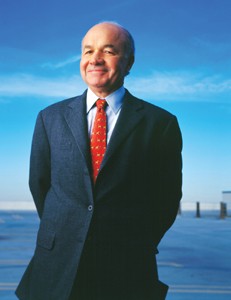
Checked and Balanced: Kenny Boy Lay: as bad as he wants to be.

Expertly Screwed

Novelist Jess Walter on the greed glut

By David Templeton

In its ongoing quest for the ultimate postfilm conversation, Talking Pictures takes interesting people to interesting movies.

‘That movie did everything a documentary should do! It stood up as journalism while still being very compelling and entertaining,” remarks journalist-turned-novelist Jess Walter as he makes his way up the aisle of the Smith Rafael Film Center where we’ve just caught a midafternoon screening of the popular documentary Enron: The Smartest Guys in the Room. The film, still going strong after a month in release—helped in part by the recent, high-profile overturning of some of the Enron convictions—is based on the book by Bethany McLean and Peter Elkind, which Walter cites as one of his favorites in recent years. Both the film and the book chronicle the rise and fall of the tarnished corporate giant.

And somehow, the movie also manages to make it funny.

“The film takes this really complex subject and made it easily understandable,” Walter observes a few minutes later, seated at a nearby cafe. “In addition to being packed with shots of strippers and scenes from The Simpsons and tunes by Tom Waits—the three basic food groups of modern entertainment—this was a clear, explanatory exploration of what happened with Enron. I got into journalism because I thought people were getting screwed, and I wanted to uncover that. So in that way, it was just great to see reporters asking questions that cause consternation among Enron officials. Watching those Enron guys squirm made me very proud of my old profession.”

Based in Spokane, Wash., Walter is in California to promote his outstanding new comic novel, Citizen Vince ($24.95; Regan Books), in which a small-time criminal in the witness protection program tries desperately to avoid being rubbed out by hit men while simultaneously trying to decide who to vote for in the 1980 presidential election. In person, Walter is much like his writing: straightforward, well-informed and highly amused by the most terrible things.

“I wrote about the 1980 presidential election because that was the moment we all became one-issue voters, and that one issue was ‘How do we feel?'” he says. “When Ronald Reagan asked, ‘Are you better off than you were four years ago?’ it became the defining question in American Politics. Less than 20 years before Reagan, it had been Kennedy with, ‘Ask not what America can do for you, but what you can do for America.’ Reagan ushered in a new era of American selfishness that leads right through to today and helped create the environment in which the Enron debacle could happen.”

Enron: The Smartest Guys in the World shows how a band of very slick businessmen can build a billion-dollar business on economic models and “products” that are little more than smoke and mirrors. In Walter’s view, such high-stakes prestidigitation becomes possible anytime the usual system of checks and balances is eliminated.

“Look,” Walter explains, “in some ways, Enron was only doing what companies are supposed to do: make money. But any time you have a company, or a presidential administration, chugging along without anyone ever being able to stand up and say, ‘Wait a minute. That’s illegal. That’s wrong,’ then that corporation or that administration will probably veer off in an unwise direction, because on day one it might have been wrong, but on day two—if no one was there to stop the practice—then it becomes standard operating procedure.

“Unfortunately . . .”

Walter pauses to sip his coffee, allowing that “unfortunately” to swell to Godzilla-like proportions before concluding his thought.

“Unfortunately, those checks-and-balances are part of what the Bush administration sees as the great evil of our country,” he continues. “They hate the idea of anyone checking up on anything. They’ve seriously detoothed the press, and worked to remove anyone who can see what they are doing. Then if you look at the people Bush has appointed to regulatory agencies, they are the people who should not be writing regulation. The people who are, right now, writing the next Clean Air Act are the polluters. The people writing the next Healthy Forest Act are the logging companies.

“Bush has given the keys for the car to the teenagers,” Walter says with finality, “and those cars are going to get wrapped around telephone poles—because that’s what teenagers do with cars.”

From the June 15-21, 2005 issue of the North Bay Bohemian.

© Metro Publishing Inc.

Medical Marijuana

0

Weighty Choices: While it’s entirely possible that medicinal marijuana patients won’t be prosecuted, it’s entirely possible they will.

High on Justice

Medical marijuana advocates feel good about Supreme Court decision

By R. V. Scheide

Chalk up yet another positive effect for medical marijuana: The substance seems to make those who use it feel eternally optimistic. How else to explain the overwhelmingly positive reaction to the U.S. Supreme Court’s June 6 ruling against medical marijuana?

“It’s the best defeat we could have gotten,” says Steph Sherer, a medical marijuana patient who is also the founder and executive director of Americans for Safety Access (ASA), the Oakland-based national grassroots organization that advocates for the rights of patients and doctors to use medical cannabis. Although the justices voted 6 to 3 that the Controlled Substances Act permits federal law-enforcement officials to prosecute medical marijuana users in the 10 states where voters have passed initiatives allowing its use, including California, Sherer and other advocates have found plenty of things to feel high about within the language of the court’s decision.

“According to the Supreme Court decision, the federal government can prosecute medical marijuana patients–it does not say they must prosecute patients,” she says. “The Drug Enforcement Agency busting California’s sick and dying would be like one of our local police departments pulling all their women and men off their assigned duties and making them all focus on jaywalkers.”

That of course hasn’t happened–yet. It didn’t hurt that the state’s chief law-enforcement official, Attorney General Bill Lockyer, wasted no time assuring medical marijuana patients that they would not be persecuted. “Today’s ruling does not overturn California law permitting the use of medical marijuana,” Lockyer said in a written statement released shortly after the Supreme Court’s decision. “It does uphold a federal regulatory scheme that contradicts the will of the California voters and limits the rights of states to provide appropriate medical care to its citizens.”

Nevertheless, some local medical marijuana users took the news of the Supreme Court’s ruling pretty hard.

“I’ve had people calling me all day asking if everything has been banned,” explains Jose Gutierrez, ASA’s representative in Sonoma County, where a ban on new cannabis clubs is in effect. “I’m really seeing the effects of the media. We’ve been inundated with so much fear lately, and this has really freaked [patients] out. They feel like they may be on a list because they signed up for medical marijuana, and they might get arrested if a dispensary gets raided.”To help counter that fear, Gutierrez organized a candlelight vigil in downtown Santa Rosa last week; about 40 medical marijuana users and their supporters showed up, along with a four-foot-tall marijuana plant belonging to the potent strain known as “Sonoma Coma.”

“I am not a damned criminal!” cried a patient named Cecelia. “If they want to call me a criminal, they’re liars. They know it, and God knows it.” Said Stacey of her wheelchair-bound son Forest, “Medical marijuana has kept him alive.” The vigil’s ending was punctuated by the pungent odor of high-grade skunk-bud as patients toked up before returning home.

Like Stacey, Mary Pat Jacobs, a spokeswoman for the Sonoma Alliance for Medical Marijuana, credits medical marijuana for keeping a loved one alive. Her husband, Monte, suffers from a rare condition called radiation necrosis that’s like a sunburn that goes clean through to the bone. She believes marijuana’s scientifically documented abilities to stimulate the appetite and relieve pain has prolonged her husband’s life, and while she’s not a patient herself, she has the same eternal optimism regarding the recent Supreme Court decision displayed by most medical marijuana advocates.

“For all practical purposes, [the court decision] doesn’t change what’s been happening,” she says. “If the federal government comes after patients like Monte, it’s not going to look good. I think this Supreme Court decision is going to make a lot of people angry. I think it’s going to give us a boost. It doesn’t change the situation in California. We’ve always been worried about the federal government coming in.”

The Jacobs are friends with Angel Raich, the respondent in the Supreme Court case, who like Monte credits medical marijuana for prolonging her life. Raich suffers from an inoperable brain tumor along with wasting syndrome, and successfully sued the federal government for the right to use medical marijuana under California law until the Supreme Court reversed the decision.

“Angel is a good friend of ours,” Jacobs says. “Monte was really impressed with her when they first met. She can vaporize as much as he can.” “Vaporization” is a process for heating and consuming marijuana that does not burn the weed and is therefore easier on the lungs. Monte eats and vaporizes 13 grams of medical marijuana per day, which amounts to 10.5 pounds per year, an amount that exceeds the Sonoma County guidelines of three pounds per year but is permitted with a special exemption approved by his physician.

Jacobs doesn’t think the Supreme Court decision was entirely positive. Although she and her husband grow their own medical marijuana, many patients cannot and so depend on the cannabis clubs, which have recently come under increasing scrutiny in Sonoma County.

“We fear the dispensaries are going to be at continued risk from the federal government,” Jacobs says. “The dispensaries have surfaced, in our opinion, because neither the state nor the federal government has stepped forward with a safe and affordable supply. A ban on clubs and dispensaries would push it all back underground. Prohibition just makes it more unsafe for patients. It’s just amazing that a country that tolerates tobacco and alcohol can’t tolerate a substance like cannabis.”


Americans for Safety Access’ Steph Sherer agrees that there are negative aspects about the court’s decision. “The downside is that there are a dozen people out there who were waiting for the results of this case and may have to go prison now,” she says. That includes Chico medical marijuana dispensary operator Brian Epis, whose 10-year prison sentence on federal conspiracy charges to cultivate marijuana was overturned in part because Raich won in the 9th District Court of Appeals. Now that her victory has been overturned, Epis and others in similar situations could be facing prison once more.

Yet for the most part, Sherer remains optimistic, particularly since the justices suggested that Congress should consider rescheduling marijuana under the Controlled Substances Act, first established in 1972 by the Nixon administration. As it so happens, Sherer and the ASA have been working hard on doing just that, and may be on the verge of success.

The Controlled Substances Act ranks drugs in five separate schedules; marijuana is placed in schedule one, among the hardest drugs such as heroin. To classify for schedule one, a substance can have no known or accepted medical use–for example, cocaine and morphine, arguably much harder than marijuana, are classified as schedule two, because they have medical uses. Who decides if a substance has a medical use? Ultimately, it’s the U.S. Department of Health and Human Services (HHS), which for decades has ignored the growing scientific evidence of medical marijuana’s efficacy, the ASA claims.

To rectify that situation, ASA filed a petition with the HHS last October to reschedule marijuana. As part of the process, ASA has demanded that the agency abide by the Data Quality Act, federal law that requires such agencies to make decisions based on science, not politics. In a brief filed in the case, the ASA states that “HHS’s statements about marijuana as medicine violate the date quality act’s utility and objective standards because those statements do not reveal the data on which they are based, ignore opposing peer-reviewed scientific studies and have been contradicted by new data.”

If the agency is in fact in violation of the Data Quality Act, and HHS is forced to concede that marijuana does indeed have legitimate medical uses, it would by definition have to be rescheduled under the Controlled Substances Act. A decision on the Data Quality Act portion of the ASA’s petition is due from HHS later this summer. Health and Human Services must reply to ASA’s petition for rescheduling marijuana by the end of the year.

Is it possible that HHS, run by the science-averse Bush administration, might do the right thing and reschedule marijuana, thus ending the national debate on the issue?

“They have an opportunity to take the politics out of this issue and look at the merits of the case,” says the eternally optimistic Sherer. “Maybe I’m just naïve–to a certain degree, you have to be to be an activist–but I believe there’s always the possibility that they’ll do their job, which is to take the politics out of medicine.”

From the June 15-21, 2005 issue of the North Bay Bohemian.

© Metro Publishing Inc.

First Bite

First Bite

Ravenette

By Heather Irwin

Editor’s note: First Bite is a new concept in restaurant writing. We invite you to come along with our writers as they–informed, intelligent eaters like yourselves–have a simple meal at an area restaurant, just like you do. This is not a go-three-times, try-everything-on-the-menu report; rather, this is a quick snapshot of a single experience.

“What are you looking at?” I asked my date, who had been gazing at me for an unusually long time across the candlelit table.

“You,” he said in absolute earnestness. “You look so beautiful tonight.” He smiled, then reached for my hand with that romantic look in his eyes.

“Oh, please,” I broke through the mist of the moment. “You just want the last bite of my strawberry shortcake.”

“OK, guilty,” he admitted. “But I have to say, you look totally hot with that chocolate dripping down your shirt.” Looking down, I realized I had dribbled half my dinner–including some chocolatey whipped cream–down the front of me, as usual. In my distraction, he took the opportunity to snitch the last bite of berries and shortcake. Fink.

Somehow, it didn’t matter. The night had been too perfect already. We’d nestled ourselves into the corner of a tiny jewel box of a restaurant just off the Healdsburg Plaza. Dimly lit, with a cheery staff, tables full of locals and nobody in a particular hurry to get anywhere, Ravenette is that secret little bistro you look for all your life: a combination of great food (but nothing too fancy), friendly service and a cozy ambiance that you never want to tell anyone else about. Why ruin it?

But our little secret was bound to get out anyway. Nestled next to Healdsburg’s Raven Theater, the spot was previously home to another popular hotspot, Ravenous. When space constraints started limiting service, Ravenous moved across the street, leaving the spot empty until this spring, when Ravenette opened.

Drawing more and more fans, locals saw a safe haven from the gourmet interlopers waving their $800 bottles of wine and AmEx cards elsewhere around the plaza.

The menu changes weekly, depending on the whims of the chef and what’s available and in season, so don’t plan on getting your heart set on anything. The order of the day is small plates, done tapas-style with just a nibble here and there to whet your appetite. But at Ravenette, simplicity reigns supreme. Greens are wilted and seasoned to perfection. The cheese plate offers up simple, rustic artisan selections that are both hearty and elegant.

Entrées range from simple chicken dishes and hand-tossed mini pizzas (you can actually watch the chef tossing the dough) to savory meats, like our recent favorite: braised short ribs with celery-root purée. (We were coerced into ordering it after a neighboring table insisted we try it.) If you’re wavering on anything, ask the server for suggestions (ours was brutally honest and dead-right), or just look at what your neighbors are ordering. Chances are they’ve been there before.

Desserts are all handmade and equally simple. Rough, biscuitlike chocolate shortcake is the perfect match to drippingly sweet strawberries and real whipped cream oozing over the whole thing. Just be on the lookout for overly complimentary dates.

Ravenette, 117 North St., Healdsburg. Open Thursday-Saturday from 6pm to 10pm and for brunch on Sunday from 10am. 707.431.1770.

From the June 15-21, 2005 issue of the North Bay Bohemian.

© Metro Publishing Inc.

The Byrne Report

The Byrne Report

Me for Sale

I AM SO TIRED of the hypocritical media yammering about the U.S. Department of Education paying $240,000 to nationally syndicated columnist Armstrong Williams to praise the wonderful No Child Left Behind program. So what if PBS television reporter Karen Ryan pulled down a paltry $5,000 fronting for the greater government truth in the form of broadcast news reports? And when sports writer David Smith took 10 grand from the feds for inserting factoids into fish and game stories, who cared? Osama bin Laden?

Since no one has offered to pay me not to write about them (hint, hint, threat, threat), I have a new business plan. It starts with holding an “Integrity Sale.” The following stories are all up for auction.

Neighborhood Casinos Are Good for Kids: Studies commissioned by high-ranking sources in the administration told this reporter that growing up in close proximity to a gambling den–I mean, gaming emporium–fosters self-reliance and entrepreneurship. When small children witness their parents committing suicide after pumping their home equity loan into a slot machine, 38 percent of the nimble-fingered ones are inspired to earn honest livings as Turkish rug weavers, courtesans and alter boys. Only 72 percent starve to death after their parents’ passing–typically passive-aggressive acts which are only to be expected from the children of losers. Minimum bid: $997.

The Local Daily Is a Real Good Newspaper: I know that a lot of folks around here think that the Press Democrat never saw a Chamber of Commerce boondoggle that didn’t send the advertiser-run editorial department into serial orgasm. Left-leaning terrorist-types can go ahead and believe that the PD’s venerable owner, the New York Times Company, could care less about corruption at city hall or the fate of underpaid Latino laborers in wine country. Perhaps the PD simply has bigger, well, fries to fry, such as the terrorist-financed film Super Size Me, which was effectively neutralized by the PD’s recent stellar coverage of Mickey D’s anniversary.

“50 Years of McDonald’s–Golden Arches Still Fast-Food Industry’s King” headlined the business section on April 16. The story countered the food-police lie that McDonald’s products cause cancer and heart disease. It concluded: “McDonald’s refuses to take the blame for obesity and other health problems, saying those are the result of the choices people make. . . . At the same time, McDonald’s has been a leader in the fast food industry in introducing healthier food.” Now that’s real journalism! Minimum bid: $6,666,666.

Gov. Arnold Schwarzenegger Cares about Poor People: I know this seems absurd given that Arnold and Maria own hundreds of millions of dollars in energy and casino company investments. But Arnold is under vicious attack by California’s axis of evil–nurses, firefighters, cops and homecare workers–because he wants to give the poor a chance to rise above socially engineered adversity and improve their genetic stock with a blond bias. The unions, which by definition are against the interests of the working class, are getting free publicity from the terrorist-liberal media, so of course Arnold has to go out of state to raise $50 million or $60 million from socially conscious corporations in order to combat the lies of these hypocritical (terror-friendly) do-gooders. Because he cares. Minimum bid; $1,000,000 (negotiable).

‘People’ Do Enjoy Free Speech in America: In May, the kind and generous Secretary of State Condoleezza Rice spoke to the Commonwealth Club in San Francisco, which is a group of kind and generous business folks who care a lot about freedom, democracy and alleviating poverty. In a really rude gesture, four antifreedom protesters stood up in the audience, wearing black hoods as if chilling at Abu Ghraib, chanting “Stop the torture! U.S. out of Iraq!” They were forcibly removed from the hall by the police, and cited. Rice continued her speech despite this hurtful insult, turning the personal attack into a moral lesson. “Isn’t it wonderful that we live in a country where people are allowed to speak,” she exclaimed. I second that. In most countries, these terrorist sympathizers would have been summarily shot for even thinking bad thoughts about gentle Condi. Minimum bid: $0.02 (this story was already done by the San Francisco Chronicle).

We Find Weapons of Mass Destruction in Iraq!: Critics of our endeavor to free Iraqi oil will now have to eat sand. Despite the lying memos in Great Britain that claimed our kind, generous, God-instructed president set out to lie about the existence of weapons of mass destruction in Iraq to justify the slaughter of innocents, the weapons have been found! Entire neighborhoods (including hospitals, schools, mosques) have been flattened by bombs in Baghdad, Fallujah and Najaf that Saddam forced us to drop. I also have evidence that 1 million Iraqis died prior to the war of liberation due to Saddam’s refusal to allow food and medicine into the country. Minimum bid: free–just don’t arrest me when the revolution comes.

From the June 15-21, 2005 issue of the North Bay Bohemian.

© Metro Publishing Inc.

Mixtapes

Mix EmotionsThe mix tape, cultural touchstone of the analogue generationBy Sara BirThe sound quality of cassette tapes may be crappy, but for anyone who misspent their youth in the '80s and '90s, their memory quality is superior. Every person who has ever made a mix tape has probably written about mix tapes. There are mix-tape websites, songs about mix...

Mexican Immigration

Photograph by Glen GravesFrame Up: Professor Francisco Vazquez's mother--shown in picture frame--was repatriated to Mexico, even though she was a U.S. citizen. Mexican DiversionAre attempts to curb Hispanic immigration into California based on economic realities or is there something else going on here? By R. V. ScheideGov. Arnold Schwarzenegger appears to be in deep trouble. Ever since he began...

‘Saving Face’

Face Value'Saving Face' serves more than just another demographicBy In Saving Face, a romantic comedy based in New York, Wilhelmina Pang (Michelle Krusiec), Wil for short, falls in love. A medical resident at a hospital, Wil is dedicated to her job--so much so, that a friend observing her dreaminess over her new romance notes, "The only time I've seen...

Napa Dining

Tilting at... Ceramic Tiles: Napa's Quixote Winery features the only U.S. creation of fanciful Viennese architect Friedensreich Hundertwasser. Secret NapaAn insider's guide to living la dolce NapaBy Heather IrwinPsssst. You didn't hear this from me, but there's more to do in Napa than wine picnics, V. Sattui, Taylor's Automatic Refresher, gawking at the French Laundry or stalking...

‘Beauty and the Beast’

Especially Good at Expectorating: William McNeil as Cogsworth, Deanna Cordano as Babette, Matt Steiner as Lumiere, Sarah Ragan as Mrs. Potts and Ryan Johansen as Chip in SRT's 'Beast.'Horns of PlentySRT's ambitious new season offers rich, magical 'Beauty and the Beast'By David TempletonSanta Rosa's Summer Repertory Theatre seems to have fallen under a magic spell.With the opening of Walt...

NORBAY Awards

With the BandEveryone a winner at the NORBAY AwardsBy Gretchen GilesA petite brunette in a gold, mesh top made her way to the backstage area of the NORBAY Awards early in the evening on June 10. "I need an all-access pass," she explained. When asked why, she uttered those delicious words, "I'm with the band."The band she is with...

‘Enron: The Smartest Guys in the Room’

Checked and Balanced: Kenny Boy Lay: as bad as he wants to be.Expertly ScrewedNovelist Jess Walter on the greed glutBy David TempletonIn its ongoing quest for the ultimate postfilm conversation, Talking Pictures takes interesting people to interesting movies.'That movie did everything a documentary should do! It stood up as journalism while still being very compelling and entertaining," remarks journalist-turned-novelist...

Medical Marijuana

Weighty Choices: While it's entirely possible that medicinal marijuana patients won't be prosecuted, it's entirely possible they will. High on JusticeMedical marijuana advocates feel good about Supreme Court decisionBy R. V. ScheideChalk up yet another positive effect for medical marijuana: The substance seems to make those who use it feel eternally optimistic. How else to explain the overwhelmingly positive...

First Bite

First BiteRavenetteBy Heather IrwinEditor's note: First Bite is a new concept in restaurant writing. We invite you to come along with our writers as they--informed, intelligent eaters like yourselves--have a simple meal at an area restaurant, just like you do. This is not a go-three-times, try-everything-on-the-menu report; rather, this is a quick snapshot of a single experience."What are you...

The Byrne Report

The Byrne ReportMe for Sale I AM SO TIRED of the hypocritical media yammering about the U.S. Department of Education paying $240,000 to nationally syndicated columnist Armstrong Williams to praise the wonderful No Child Left Behind program. So what if PBS television reporter Karen Ryan pulled down a paltry $5,000 fronting for the greater government truth in the form...
11,084FansLike
4,606FollowersFollow
6,928FollowersFollow