Issued May 15, the seemingly final newsletter from Go Local leadership was stark and bloodless. The writer was apparently in shock. I am in shock. I am reeling—Go Local, the organization marching at the head of the North Bay local first economic movement, may shortly cease to exist. It will leave a cratering gap.
As early as May 31, their website and phones will go down. Member services (consisting of marketing services to local businesses and networking lunches) and printing operations (the familiar pocket guides, the flagship Made Local magazine and the iconic Go Local member business badges) will all cease effective immediately.
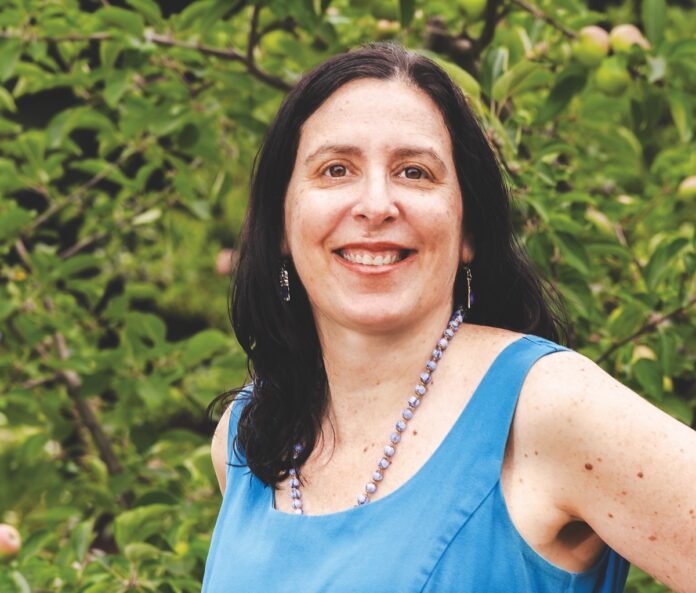
In a sweat, I arranged a call with Merith Weisman, volunteer chair of the board, who graciously fitted me in during her breakfast eggs. “Do not see this as the end of Go Local,” Weisman told me. “See it as a transition.” Weisman, I will note, is also executive director, a role for which Go Local has been unable to pay her for some time.
Weisman was proud of her accomplishments of her year and a half as director. Costs were cut, teams and membership were diversified, and new revenue streams with Happening (a local event listing) and Trellis (an “Amazon for local businesses”) were opened (both of those ventures will continue independently).
But like the independent businesses it supported, Go Local had always operated on thin margins—one disaster away from bankruptcy. That disaster was the Trump presidency, which only serves the shareholding class (of wealthy Americans). As the economy began to turn down for average Americans this winter (stocks continue to go up and up), Go Local membership dues (“a luxury” for struggling businesses) began to lapse, and an extended crisis began.
Perversely, Go Local’s financial status erodes as its need becomes greater. It’s needed now. While unable to go into specifics, Weisman was able to refer to various offers and bids to continue Go Local part or whole and provide some continuity. Weisman also said a government option is being considered—as when Sonoma County created Creative Sonoma within Economic Development to replace a bankrupt Cultural Arts Council. Time will tell—this is a developing story.
Cincinnatus Hibbard: It’s your mic, Merith. What do you want to say to the people?
Merith Weisman: Go Local is not the local first movement. I want people to know that the local first movement in Sonoma County has never been stronger. The movement is meaningful to people across the spectrum, regardless of their politics—I can’t think of any other issue in which we have such agreement. It’s been so rewarding and humbling to experience people’s dedication to local-first.
And I want to say that there is no lack of commitment among Go Local member businesses—they gave to us until there was simply nothing more to give… We are now seeing the impacts of a global system, every single day, in every thing we encounter, and that is hurting every individual except the most affluent among us—who benefit from it. But the local first movement only gets stronger when times are rough.
What is the legacy of Go Local’s 16 year campaign?
Sonoma County is beautiful, and Go Local has vested itself in and raised that beauty. We did that together, and we did that consciously, as a decision—to choose local. We renew that commitment every day. And that’s not going to go away. If Go Local disappears, something even better will replace it.
Learn more: The best bet for staying current on this evolving story may be their Instagram @golocalsoco.