
The sign was well-placed by the roadway. I drove right by it and then turned around. Who says print is dying?
It read “Open 11am to 4pm,” and it was 11:15am. When the universe gives a person a sign—literally—it is best to heed that sign.
I opened the front screen door and walked in.
“We open in 15 minutes,” said the young man in front of the counter.
I thought about questioning that, but upon drawing on my years of restaurant work I just closed the door and waited the extra 15 minutes. If people don’t want to wait on customers, it is best to not try and make them.
Two other cars pulled in, and then half an hour after the posted opening hour, we all entered en masse. It doesn’t matter if it’s a hipster bar, a coffee shop or an upscale restaurant, there is always bound to be someone waiting for them to open. And it’s always better to have people waiting than to have no one interested at all.
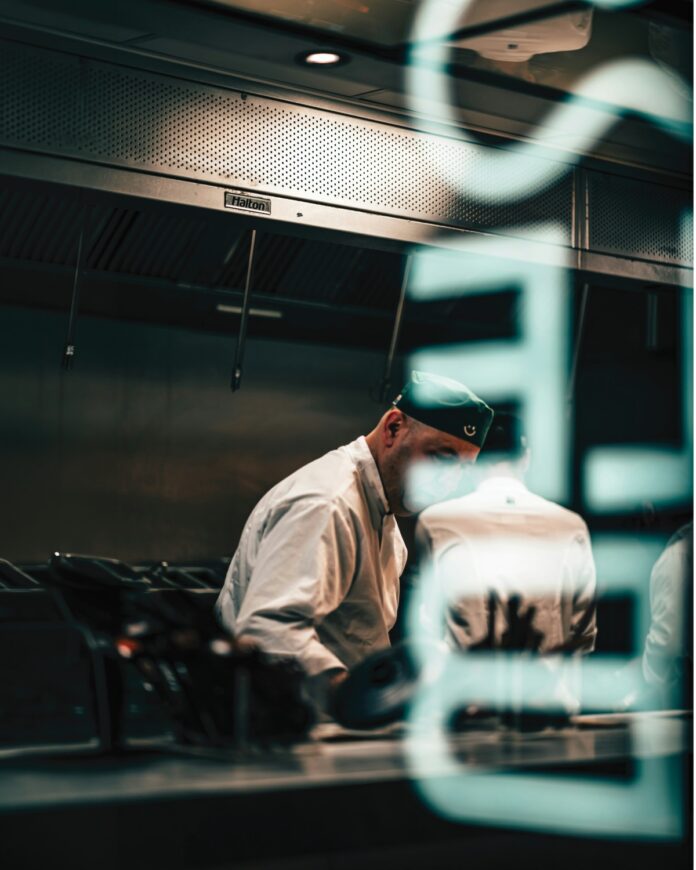
Inside stood the cook behind the counter, a few tables and one—then two—servers, when the second one arrived late. There are universalities in the restaurant business, and one of them is that someone is always late. Always.
They say creativity exists on the edge of chaos, and that is mostly true. It does. And what else exists on the edge of chaos? More chaos.
And that was the lunch rush at this little greasy spoon.
The orders piled up, and the arguments commenced. Clearly the fry cook was also the owner, or at least the manager. Whatever he was, he was the voice of authority.
“Don’t write that down on the ticket,” he positively yelled at the young man from behind the counter. “Just tell me!”
Clarity of communication is the height of leadership.
“Don’t tell me that,” he yelled at the late-arriving server but a minute later. “You have to write that down on the ticket.”
All of which sort of explained the sign out front.
Sitting at that chaotic little counter was a lesson in the restaurant experience. Per the TV shows “Bar Rescue” or “Restaurant: Impossible,” they weren’t wrong. The problems in the restaurant business are all pretty similar. It is a chaotic, high-stress environment. Not inherently, but rather because that is the way some people want it to be.
Could they have moved the garnishes where they were easier to reach?
Could they have put the soda machine next to the ice bin?
Could they have just done counter service with numbers?
Sure, sure and sure. They could have done a million things.
But they didn’t. Nor were they going to.
I have worked in places like that before. Nobody trys to make anything better. And in fact, they often cling to things that make things worse. Because chaos is not the result, it is the goal. And when chaos is the goal, people can’t fix anything because they will be too busy just trying to stay afloat.
Sitting at that counter was anything but relaxing. But the odd thing was, that specialized sandwich was delicious. So delicious that I will probably go back, in spite of the drama.
Leaving me with these thoughts:
• “Learn the rules like a pro, so you can break them like an artist,” Pablo Picasso once said.
• There is no finger-pointing on a sinking ship.
• Codependency is often what makes the hospitality industry go around. Just ask Robert Irvine or Jon Taffer. It was most likely the codependency that made them rich.










As always, your observations are insightful and your comments interesting! I live in Napa now and do not want to visit the restaurant mentioned!