Long-Running Napa Valley Chamber Music Festival Comes Home

0

Wine Country views and world-class music come together each August in the Napa Valley for the Music in the Vineyards chamber music festival.

For 25 years, the nonprofit organization, which hosts fundraising events throughout the year for its musical outreach programs, showcases dozens of artists performing at several winery venues throughout the region.

This August, the 26th annual Music in the Vineyards is forced to move out of the fields and onto the internet, with a virtual iteration of the popular fest, Music in the Vineyards @ Home, streaming via YouTube for free beginning Aug. 5.

The online festival boasts a strong lineup of performers and winery venues partnering together to continue the event’s tradition of pairing wine and music in an intimate setting.

Music in the Vineyards @ Home presents each of the festival’s dozen concerts streaming online at the dates and times of its original concert schedule, running on select dates Aug. 5 through Aug. 23. All streaming concerts will remain online until Aug. 31, and all will be available to watch for free; donations will be accepted in lieu of tickets to help provide funding for the participating musicians and to help plan for a live festival in 2021.

Each concert will feature a unique winery venue, which will each offer discounts for festival patrons to wine order online to enjoy with each performance streamed.

Artistic Directors Michael and Daria T. Adams will introduce each evening’s performance, and the streaming concerts will also include interviews with the musicians, winemaker conversations and other surprise extras.

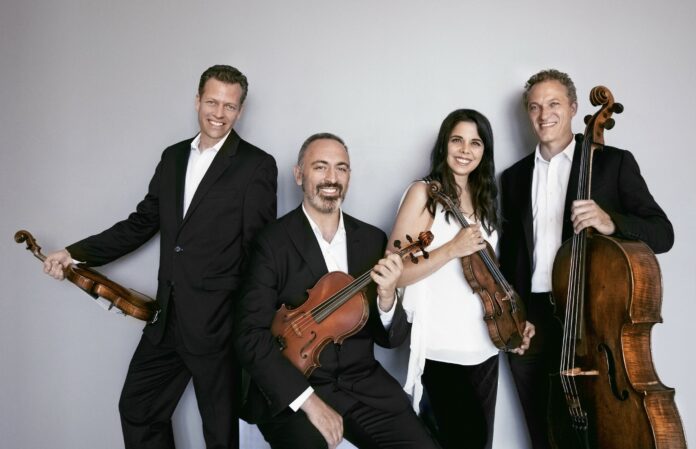
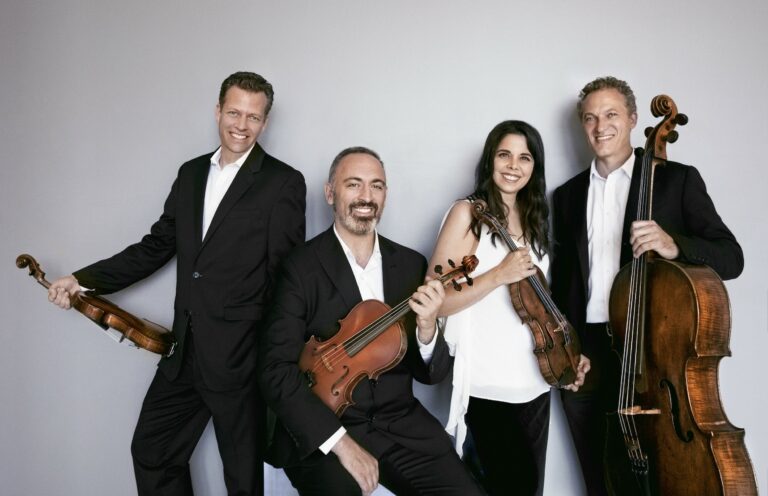
On Wednesday, Aug. 5, Music in the Vineyards @ Home Festival opens with selections by and inspired by Johann Sebastian Bach, the German composer and master of the Baroque era whom festival organizers write is “the go-to composer for musicians who are sequestered alone.” Broadcast at 7:30pm and hosted by Napa Valley’s picturesque Domaine Carneros winery, the concert begins with a performance of Bach’s “Suite No. 3 in C Major” by cellist Tanya Tomkins. Then, pianist and composer Michael Brown and cellist Nicholas Canellakis perform Brown’s original composition, “Prelude and Dance.” Finally, Music in the Vineyards favorites the Pacifica Quartet perform Felix Mendelssohn’s “String Quartet Op. 44, No.1.”

On Friday, Aug. 7, Leap Frog Winery hosts a streaming concert that musically travels to France to examine classical works by composers such as Chevalier de St-Georges—classical music’s first known composer of African descent—as well as French superstar composers César Franck, Claude Debussy and Maurice Ravel.

On Saturday, Aug. 8, Music in the Vineyards @ Home presents an evening of music, this time presented with host winery Charles Krug, which focuses on a theme of “Virtuosity.” Masterful performers such as the San Francisco–based Thalea String Quartet musically present that notion of expertise, with selections including “Dimensions for String Quartet” by contemporary European composer Garth Knox and the famously difficult Paganini Caprice No. 5 for violin played on the viola by Canadian musician Pierre Lapointe.

Sunday, Aug. 9, features a concert presented in partnership with Chimney Rock Winery that is dedicated to the memory of those who have recently died, with plaintive music from Bach and two Laments from the British Isles.

Many other international artists and acclaimed wineries join the Music in the Vineyards @ Home Festival during the remainder of the online schedule, and a full list of shows and performers can be found online, as well as winery-discount deals from participating venue hosts. Tune in to the free virtual festival on the MITV website and on YouTube.

Are you medically exempt from wearing a mask?

0

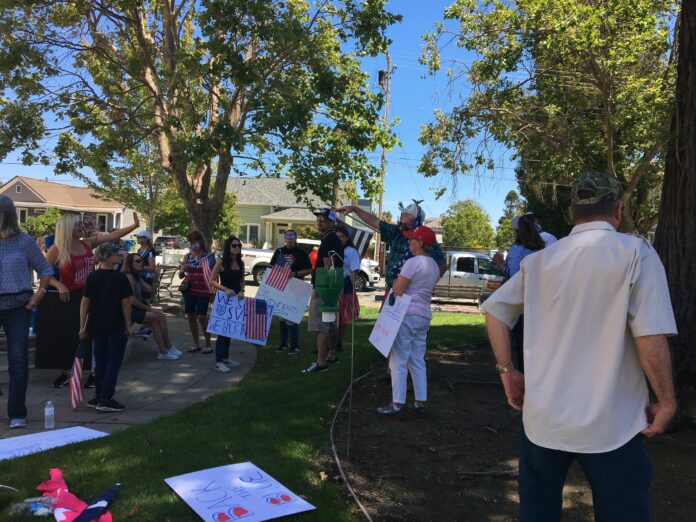
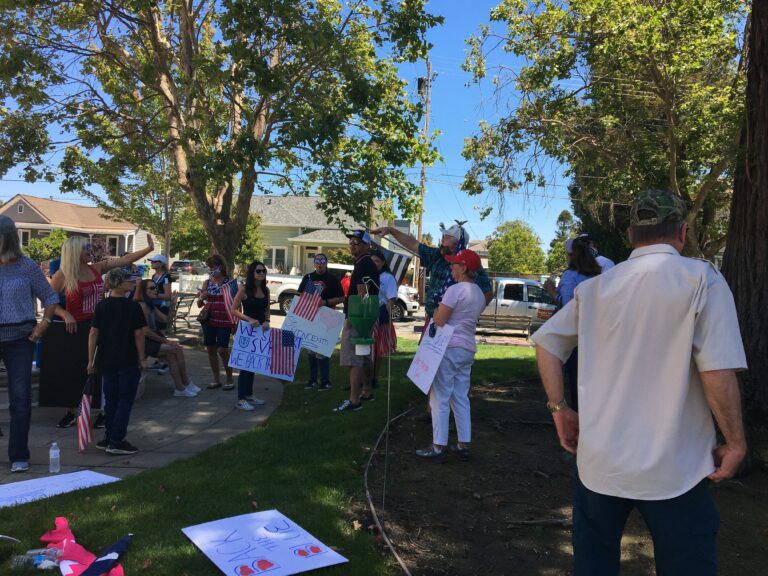
On Sunday, about thirty people gathered in a small mid-town park in Petaluma to stage a political protest march. They were protesting against a Black Lives Matter protest against the firing of Black teachers by a local high school. Many of the protest protestors were waving American flags and “Back the Blue” signs and chatting face to face.

Most of them were not wearing face masks.

I took a few photos. Why? Because I am trying to understand why it is now a badge of honor in some social circles to not wear a mask in public places. The day before the protest of the protest, I was buying a tool at a ranching supply store on Lakeville Street when a woman and two children flowed through the doors, only to be verbally stopped in place by the sales clerk.

She informed the customers that they had to don masks to enter the store. The woman exclaimed that her family is “medically exempt” and do not need to wear masks. The clerk sighed as the woman moved briskly towards us sans mask. I jumped into the conversation.

“Excuse me, Ma-am, but there is no such thing as a medical exemption that allows for you to not wear a face-covering in a store.”

She insisted that she and her children are “medically exempt” and that privacy laws do not allow her to explain why and it is none of my business.

I raised the stakes, saying “Shall we video this conversation? maybe it can go viral.”

She donned a mask and went shopping.

The clerk told me, “My son has really bad asthma and he has to wear a mask!” We shared a comradely moment of Covid-19 fatigue and parted.

Covid-19 is a truly nasty disease with life-long lasting debilitating effects if it does not kill you outright, painfully, and in isolation. The invisibly spreading malady does not respect age, gender, class, caste, or nationality. It has brought the world to its knees and the end is not in sight. The good news is that the spread of the dread disease can be prevented by wearing a cloth mask indoors, and by physical distancing outdoors, and by not breathing on other people, or sucking in air laced with spikey-deadly nano devils.

But to be successful, masking and distancing have to be widely practiced. Sadly, the health of 300 million Americans is at risk because hordes of mask-resisting true believers in lies promoted by ultra-reactionary media and insane politicians consider Covid-19 to be a hoax, a liberal scheme to weaken Trump’s authoritarianism, a Jewish or Antifa or Black Lives Matter plot. Wearing a mask is in their hormonally convoluted minds an assault on individual “freedom” – an illegal abrogation of their supposed right to freely infect other people.

When challenged to wear masks appropriately, many resort to the false claim that they are medically exempt. There is even a bogus “US Department of Justice” certificate of exemption you can download and flash as “proof” of your special legal status as a virus-spreader.

In reality, there is no federal law containing a medical exemption for masks, although the Centers for Disease Control and Prevention advises physicians to tell persons suffering from facial deformities or severe respiratory and heart problems that they do not have to wear masks. Although, they should then shelter in place, so that they do not infect others.

In short, there is no such thing as a law or order providing for a medical exemption that allows for the infection of others, nor should there be. Let’s look at the Covid-19 orders.

Under an order issued by the California Department of Public Health, people older than two years of age must wear face masks indoors when they are around those with whom they do not reside. They must wear them outdoors when closer than six feet to other persons.

There is an exemption for, “Persons with a medical condition, mental health condition, or disability that prevents wearing a face covering. This includes persons with a medical condition for whom wearing a face covering could obstruct breathing or who are unconscious, incapacitated, or otherwise unable to remove a face covering without assistance.”

Those persons are asked to shelter in place or to wear a plastic face shield if they must be in contact with others. They are not allowed to go shopping without a face mask or shield.

Sonoma County’s health order explains why mask wearing is compulsory, “Persons have been shown to be infectious up to 48 hours before onset of symptoms, and as many as 50% of infections seem to occur from asymptomatic persons. All persons who contract COVID-19, regardless of their level of symptoms (none, mild, or severe), may place other vulnerable members of the public at significant risk.”

The Sonoma County order warns, “The violation of any provision of this Order constitutes a threat and menace to public health, constitutes a public nuisance, and is punishable by fine, imprisonment, or both.” Those unmasked folks walking around with All Lives Matter signs might want to consider the implications of their defiance of the laws and the social good.

Open Mic: Sadness in His Madness

0

By Paul E. Cheney

A beggar stands bored

Reaches for his pocket

Finds nothing restored

His cigarette hangs

As disgust plagues his ways

Remorse for him

A way of life

Slow death, without change

Paths to follow, or rearrange

I felt sorry, as often I do

When many a poor man

Enters my view

No other direction, nor inflection

Of an exit, for a prosper

Richer sight ahead

Many wishing, and knowing

They were better off dead

He shakes come morning

Worries without warning

Begs at passersby

Wonders not at questions why

Drinks ’til sunset

Considering tomorrow’s upset

Another day for the beggar man

Chalk one off for you and I

We can be there

Like him

Fate

Future

On a whim

Paul E. Cheney lives in Petaluma.

Letters to the Editor: New Plan

This is my third go around being homeless and flying under the radar. I am blind so I of course don’t have the luxury of being able to hide in a van, (“A Man, a Van, a Plan” Features, March 11) which means I have to be more creative. 

The safest thing for me to do before the pandemic was to hang out at one of the 24-hour restaurants near me. Since everything is closed now, pretty much the only way for me to sleep is on BART. I just ride around on the train for a couple hours unless the driver orders people to get off. 

Most of the time, they will just take a break for about five minutes and then turn the train right back around so if you go to San Francisco airport, it will just switch right back around and take you to Richmond. My number one fear is that a police officer will mistake me for someone who is loitering or on drugs. A more risky move for me is to sleep at the bus stop benches. The danger is that I never know if an officer might spot me while they are making their rounds.

People always say to me, why don’t you get a social worker or why don’t you go to one of the shelters that offer services? They will not treat me like a human being. Anytime I’ve tried to do that in the past, they automatically want me to attend counseling or take part in one of their job training programs. They assume that I became homeless because of poor choices that I made in my life. The truth is though that bad things do happen to good people. Along with everybody else, I did not ask for this pandemic to shut everything down. I think a lot of homeless people don’t want to come forward about their predicament for similar reasons as mine. They don’t want to be stereotyped. They don’t want to be labeled. A vast majority of us are decent people with loving hearts.

Hearn Stewart

Oakland

Via Bohemian.com

Pray Their Names

0

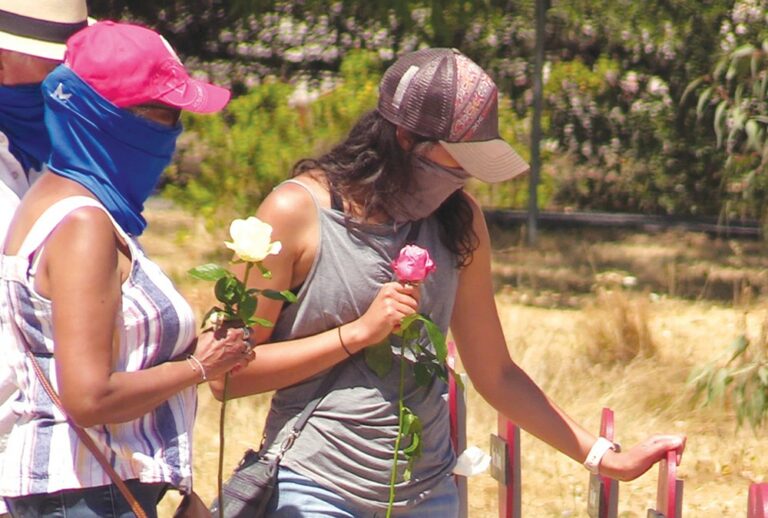
What’s in a name? Reverend Katie Morrison, the creator behind the traveling outdoor-art installation “Pray Their Names,” aims to help us find out. 

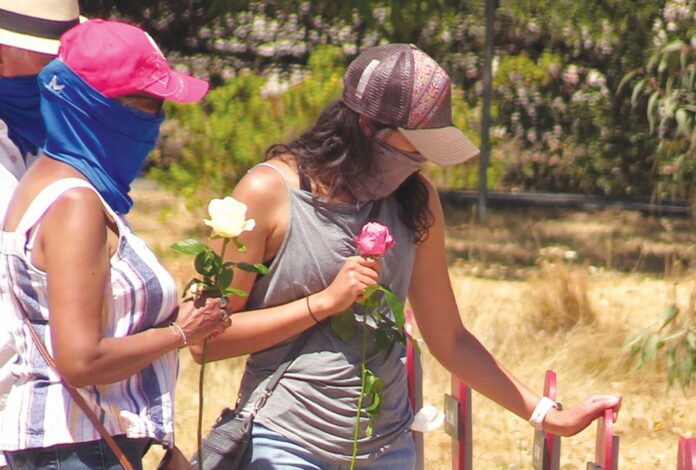
The project was envisioned by Morrison as a field of 160 wooden hearts—each bearing a hand-lettered name—memorializing 160 Black lives that have been lost to police violence. It is currently at the First Congregational Church of Sonoma United Church of Christ.

“In the BLM movement we’ve been hearing the call to ‘say their names,’ and I wanted to create a space where people could say their names and then go deeper,” Morrison says. “I call it ‘Pray their Names.’ It’s not separate from Black Lives Matter, it’s in the spirit of the movement. Whatever your spiritual practice, you can interact with the names.” 

Walking amongst the names is a moving experience. Placing one’s own body amongst these lives is a testament to the power of art to influence us in ways beyond intellectual knowing.

The church’s Reverend Curran Reichart, who is married to Morrison, says, “Before she was a teacher, Katie traveled the nation, teaching churches about inclusion. The vision for this installation comes out of a lifelong sense of solidarity with the pain and suffering endured by Black and Brown bodies.”

Morrison, known to her Special Education students at Venetia Valley K-8 School as “Ms. Mo,” says of her piece, “I hope that this visual work will be a source of healing for all bodies, a unifying force to bring people together to meet in the pain and wrestle with the implications of institutionalized racism. Once we acknowledge and face the wrong, we can begin to do what is right.”

There have been more than 8,000 deaths of Black and Brown people by police since Emmett Louis Till’s lynching in Mississippi in 1955. Each of the 160 hearts represent the life of a Black person killed while unarmed and/or in police custody. The blank hearts represent the lives lost whose stories were not told. 

“I want to be clear,” Morrison says, emphatically. “This exhibit is not against the police; just because you do something for people doesn’t mean it’s against other people. I believe the police need places to be resensitized to Black bodies as human beings and places to grieve alongside and places to be able to stand tall again and do a better job.” 

Morrison, who was an American Studies major with a focus on race relations, explains that our culture teaches white people many ways to fear Black people, while they simultaneously benefit from that culture—economically, historically and politically. The police, in particular, have a long, entwined history with racism.

“There are so many connections from the beginning of policing and how police forces came to be in America that is directly linked to slavery,” she says. “The first patrols were slave patrols, and now we have patrol cars.”

At least 20 volunteers became involved in the Pray Their Names project.

“It’s been an incredible opportunity for storytelling all the way through,” Morrison says.

Morrison initially called her friend, Sonoma artist Lois Chambers, to tell her the idea she had for the field of hearts. Chambers recommended Peter Craig, a professional woodworker in town, to cut the hearts, and also her daughter, Nicole Grimes—a professional sign maker at Vine Country Signs in Sonoma—to do the hand lettering of the names. Jeanne Sharkey dug the foot-deep holes in the field next to the church. It took two days to dig just 32 holes. 

“It was like cement; it was so hard to crack the earth,” Morrison says of the field, equating it to how people feel about the subject of her piece. “It’s also so hard for people to crack open and be raw about racism.”

Intent was all-important—Morrison made sure the project was infused with reverence every step of the way.

“Everything about this needs to be respectful,” she says. “Through all the work there’s no joking around, we do this with prayerful intention. If you’re coming to volunteer, you’re willing to hold the grief. When we handle these hearts, we’re thinking about the families, we’re thinking about the mothers who lost children, we’re thinking about the traumatized communities. That intention has been infused every step along the way.”

Visitors can scan a code with their phone on the entryway sign to read the stories of each person named. There are 144 stories, each researched by a team of volunteers.

“Folks can walk the rows with their phone and not only say the names but see the face and read the story, be confronted with the horror within the story of how their lives were ended and then walk in their body with it and hopefully be called to a deeper sense of commitment to dismantle the 1,000 cuts a day that are racism,” Morrison says.

It is Morrison’s hope that the healing power of the memorial be for both Black and white people: that Black people will feel heard and seen in their grief and trauma, and that walking with these stories will give others the clarity and the boldness to confront one another when a friend or colleague expresses racism.

“What reparations can you do—if our government isn’t going to do it, what can you do?” she asks. “What Black businesses can you support? How can you be sure that people on the margins are getting some of the benefits that you get based on being of European descent?”

“As progressive people of faith, we believe that there can be no peace until there is justice for all God’s children, no exceptions,” Reichart says. “Pray Their Names evokes the spirit of all that is good in us. Literally out of the weeds in the churchyard, hearts now bloom.”

The dedication was well-attended and included inspiring talks from Morrison, Reichart and D’Mitra Smith, outgoing Sonoma County Human Rights commissioner. Mayor Logan Harvey and Police chief Orlando Rodriguez were invited, but both were out of town during the event. The mayor helped with the installation beforehand and recorded a message for the dedication expressing his support.

A reading of the names will be held on Friday, July 31 at 7pm. Everyone is invited to come, help read names, lay flowers and walk among the hearts.

The installation of hearts will travel to at least four locations in the coming months. After a month in Sonoma, it will move to Santa Rosa, then Berkeley, then Mill Valley.

And what’s in a name?

“A whole life is in a name,” Reichart says. “From conception to death our names speak of the hopes and dreams of our parents, our own aspirations and accomplishments, our bruises and our blessings, all in that universally shared possession—a name.” 

First Congregational Church UCC, 252 West Spain St., Sonoma. July 18–August 14. Open sunrise to sunset. Free. facebook.com/praytheirnames.

Prison Protest

0

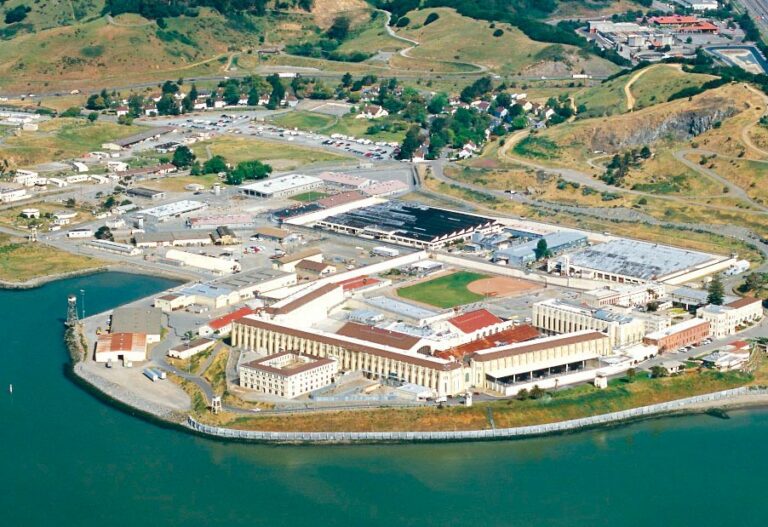
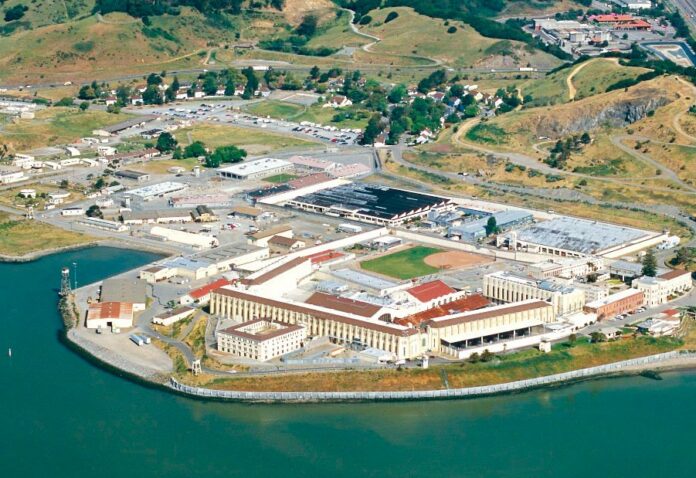
Outraged by the rapidly growing number of Covid-19 cases in San Quentin State Prison, 14 protesters chained themselves to a driveway gate in front of Gov. Gavin Newsom’s home in suburban Sacramento on Monday, July 28.

Gov. Newsom, who lived in Marin County before his election as governor, has failed to manage the Covid-19 outbreak in the state prison system properly, the organizers of the protest, the California Liberation Collective, argued in a statement to the Associated Press.

By Tuesday, July 28, the California Department of Corrections and Rehabilitation reported 7,704 total Covid-19 cases throughout the state prison system. There are 1,753 active cases and 47 deaths across the system, including 528 active cases and 19 deaths at San Quentin alone.

The group also called on Newsom to stop all coordination with the federal immigration agency, ICE.

“(Newsom) criticizes Trump when convenient, but … turns incarcerated Californians who are eligible for release over to ICE instead of their loved ones,” the group told the Associated Press in a statement.

The Associated Press reported that Highway Patrol officers cut the chained protesters off of the fence as dozens more protesters stood nearby in support. It was not immediately clear how many people were arrested.

Contact Corps

Marin County Public Health and Dominican University announced a new partnership on Tuesday, July 28, which promises to give students important experience helping public officials track—and ultimately restrict—the spread of Covid-19.

During the coming fall semester, the university will offer up to 20 students spots in the one-unit course. Students will complete an online training course and then work with public health officials to track the spread of the virus.

“(Contact tracing) is a century-old public health strategy for communicable disease control,” Dr. Patti Culross, director of the university’s Global Public Health program, said in a statement about the partnership. 

The county is funding the course in the hopes that participants will be able to bolster the number of local contact tracers. Currently, about half of the county’s contact tracers are volunteers, according to a statement from the county.

“Although that inspirational spirit is needed to help limit the virus’ spread and tremendously appreciated during the crisis, it will take more than volunteers to effectively handle the demand in the coming weeks and months,” the county statement says.

“We want to be prepared for the ebbs and flows of volunteers as we move forward in this pandemic,” Deputy Public Health Officer Dr. Lisa Santora said of the program. “And we also know that as the school year starts there will be more social activity and possibly an increased number of cases in our county. Having that workforce development opportunity with the university will have us better prepared as we see the increases in cases, which we do expect to see.”

Local Cinemas Call for Help; Sonoma Film Festival Moves Online

A month ago, there was hope in the North Bay that public gatherings could re-open this summer; yet things are looking bleak for many venues and businesses that rely on socializing as the summer moves into August with restrictions on hosting events still in place to stop the spread of Covid-19.

Five months into the shutdown, movie houses in Sonoma County and elsewhere in the North Bay are especially feeling the effects financially. As the film industry continues to push back opening release dates for major films like Christopher Nolan’s Tenet, local theaters are joining a national movement to call upon Congress to “Save Your Cinema.”

The online campaign is asking for the public’s help to urge Congress to keep movie theaters alive until they can fully reopen. Specifically, the “Save Your Cinema” campaign is gathering letters from the public demanding that Congress support the RESTART Act, which will provide seven-year loans covering six months of
expenses for theaters, and to press the Treasury and the Federal Reserve to implement more relief measures for cinemas of all sizes.

“The moviegoing experience is at the heart of everything we do as we work with lawmakers and film distributors to protect, innovate, and improve the movie theater experience for audiences everywhere,” the National Association of Theatre Owners, who represent theaters in all 50 states, writes on the “Save Your Cinema” website.

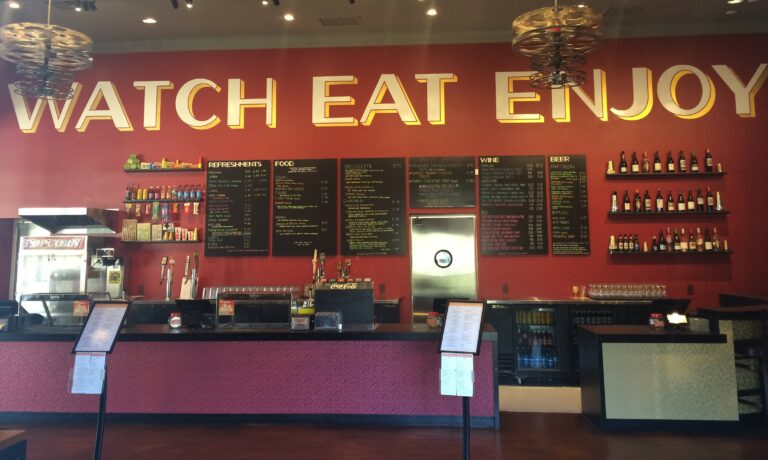
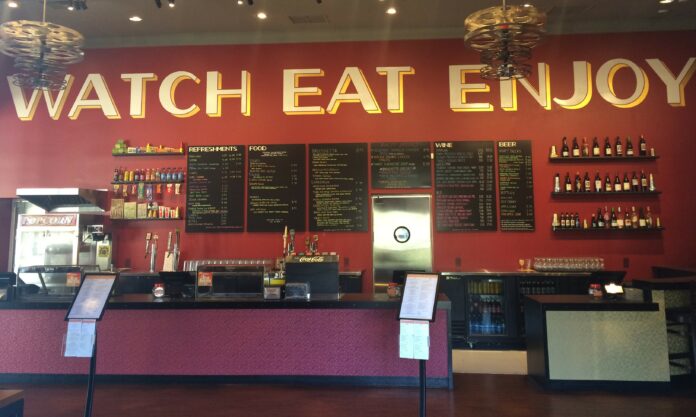
Local theaters participating in the campaign includes Sebastopol’s popular Rialto Cinemas, which recently celebrated its 20th year of screening films in the North Bay. Located adjacent to Sebastopol’s Barlow Center near downtown, Rialto Cinemas has established itself as an anchor of the community, bringing world-class films to West Sonoma County, and updating its accommodations to include a full kitchen, beer and wine service and other modern comforts.

Now, due to the Covid-19 pandemic and the ongoing shelter-in-place orders in Sonoma County, Rialto Cinemas fears not only for its own survival, but for the survival of the entire industry.

In a recent release, Rialto Cinemas writes that, “We closed for the sake of public health and are abiding by strict safety restrictions and guidelines as we plan our reopening. But even when we are able to reopen, it will be very difficult to sustain our business with limited capacity. We need more relief so that we can survive this crisis.”

Without the relief offered by the RESTART Act and the loans that come with it, Rialto Cinemas and other local theaters fear that they will be forced to permanently close their doors. To take action and join the letter-writing campaign, visit SaveYourCinema.com.

Sonoma International Film Festival Opens Virtual Program

Last March, the Sonoma International Film Festival became one of the first North Bay events to cancel in the wake of a shelter-in-place order that made social gatherings impossible.

Now, the festival is turning to the Internet to turn it’s globe-trotting party into an online affair for the SIFF 2.0 Virtual Film Festival, running Thursday, July 30, through Sunday, August 2.

The online event features over a hundred films streaming over the weekend, running the gamut from documentaries to short films, and representing 26 countries.

SIFF is also hoping to include socially distant offerings and plans to host up to 16 select film screenings at various outdoor venues, including local drive-ins. All in-place health orders and guidelines including social distancing, face coverings and hygiene requirements will be implemented.

Other highlights of the virtual festival include a showcase of student films from the Sonoma Valley High School media arts program, a program of short films by women filmmakers presented by the traveling Lunafest, video conversations with filmmakers, and more.

Those who purchased tickets and passes to last March’s planned SIFF will have access to the virtual festival, and anyone can purchase streaming access per film, based on availability, or through a SIFF 2.0 Virtual Pass available at SonomaFilmFest.org.

King Street Giants Get Vocal on New Album

0

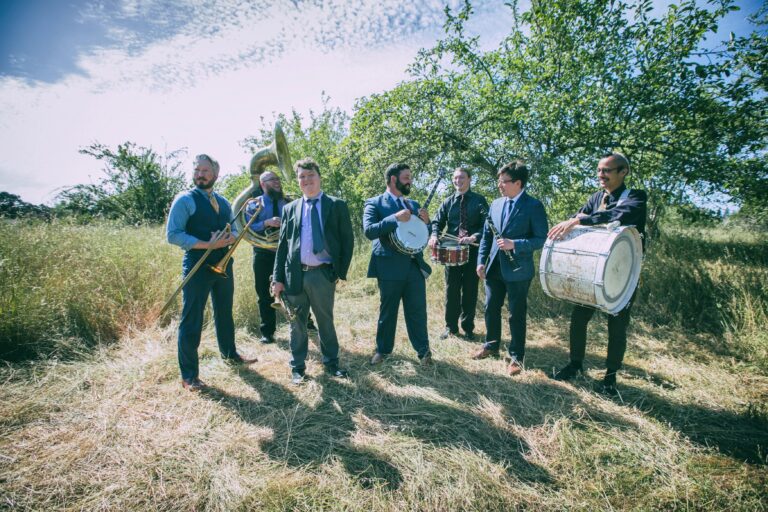
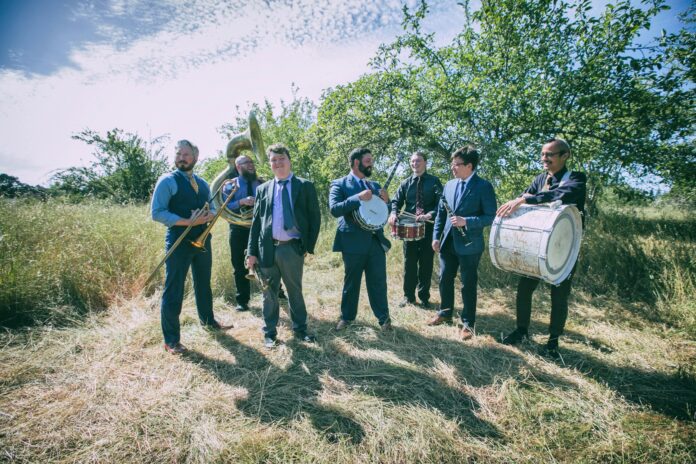
Sonoma County septet the King Street Giants are the North Bay’s liveliest disseminators of traditional, New Orleans–style jazz.

Inspired by the boisterous and raucous music that can be found in the halls, clubs and streets of the French Quarter, the band originated their sound in street-busking sessions throughout the Bay Area, and in recent years they’ve shared the stage with iconic artists including Bonnie Raitt, Galactic, Rebirth Brass Band, Charlie Musselwhite, New Orleans Suspects and many more at major festivals throughout the West Coast.

On August 3, the King Street Giants will release their third full-length LP, Everything Must Go. The 11-track record is the band’s first release to feature vocals and it is the first release under the group’s current name, as the band previously played under the name Dixie Giants until changing the name two years ago.

“We were gearing up to do our first trip to New Orleans (in 2018), and as we were talking to friends and colleagues who had moved or toured down there, we started getting a lot of questions about the name Dixie Giants,” says band co-founder and sousaphone player Nick Pulley.

As the group did research into the name, they found that the word Dixie still has a strong connotation with the Confederacy in the South.

“We all grew up on the West Coast, and the term Dixieland Jazz doesn’t bat an eye,” Pulley says. “But, we learned that Dixieland Jazz was a term that white record labels used in the 1920s and ’30s to tell the public this is white musicians playing this music.”

Dropping the potentially offensive term from their moniker, the group quickly decided to rebrand the band with a name inspired by their at-the-time practice space on King Street in Santa Rosa.

“And, of course we changed the name, and then we moved,” Pulley laughs. “Recently, seeing the Dixie Chicks change their name and seeing (New Orleans–based) Dixie Beer change their name, it’s good to get that reinforcement from people who have an international platform who are making those same changes and learning those same histories.”

For the record, the King Street Giants were warmly welcomed in New Orleans in 2018, and the band—made up of Pulley on sousaphone, Casey Jones on clarinet and tenor sax, Jesse Shantor on alto sax, Jason Thor on trombone, Daniel Charles on banjo and both Libby Cuffie and Dylan Garrison on drums—have made a new name for themselves over the past two years, treating the North Bay to raucous live shows up until the Covid-19 pandemic shut down the scene.

At the time of the shutdown, the King Street Giants had just recorded Everything Must Go at Prairie Sun Studios. The album features all original tunes, several with vocals, that range from freewheeling shuffles to sonorous ballads and even an old fashioned dirge. Pulley says the album title reflects the group’s attitude about getting rid of bad habits and working on bettering oneself. He also says there is a political angle, and that despite the group’s ebullient musical output, he and other members of the band are currently writing more somber music to reflect the ongoing pandemic and protest movements.

Originally, the group was going to release the album in mid-July, and they were hoping to perform live to celebrate the occasion. Even as the pandemic keeps people isolated, the group went ahead with the album release, set for August 3.

“We’re very proud of it and there’s no point in sitting on it and keeping it a secret and waiting for a release show to happen,” Pulley says. “The response that we’ve been getting from close friends who’ve heard it has been positive, so why wait? People have time to listen to it, and I think people need something new to listen to.”

The King Street Giants will be featured in the Online Petaluma Music Festival on Saturday, Aug. 1, at petalumamusicfestival.org; and in the Luther Burbank Center for the Arts’ online video series ‘Luther Locals’ on Friday, Aug. 7, at lutherburbankcenter.org. ‘Everything Must Go’ is available Monday, Aug. 3, at thekingstreetgiants.com.

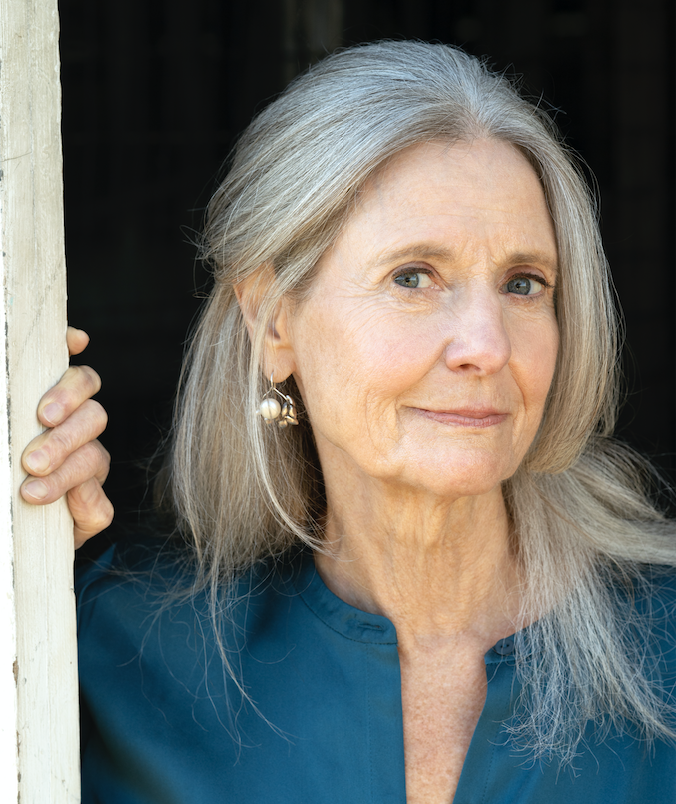
North Bay Author Offers Guide to ‘Dying Well’

The inevitability of death has always been a source of dread and anxiety, across all ages and human societies. But the modern age has produced a new, very particular dimension to that primal fear.

Many of us fear not so much death itself, but rather the chaotic, disorienting and often extremely expensive process of dying made common by modern medicine.

But if dying is still inevitable, a messy and inhumane death it does not have to be. That’s the message behind journalist Katy Butler’s recent book The Art of Dying Well: A Practical Guide to a Good End of Life (Scribner).

Butler, who discusses the book online in a virtual event hosted by Napa Bookmine and the Yountville Community Center on Friday, July 31, has crossed this terrain before. Her 2013 book Knocking on Heaven’s Door: The Path to a Better Way of Death was part memoir and part investigation, offering the story of her father’s death as an illustration of what she calls “the Gray Zone,” the suspended state between an active life and clinical death largely created by modern medical technology.

“I felt I had laid out a problem in the first book,” says Butler, a long-time Bay Area reporter and writer. “I felt there was a need for a book that was about solutions, and that’s really the difference—this book says, OK, granted we have a broken medical system that is very fragmented toward the end of life, and we are afraid of death anyway. So given these problems, here are the workarounds—stories of people who have actually risen to the occasion and trusted their own best instincts to create a death that was less bad, or maybe even really good.”

The Art of Dying Well works best as a kind of handbook. Its seven chapters are determined by the particular stages of life, from “Resilience,” when you’re still active and healthy, all the way to “Active Dying,” the moment when it’s time to say goodbye. Along the way, each chapter outlines the attitudes and methods of preparation that can lead to a dignified and emotionally fulfilling end of life. The book’s format, says Butler, allows readers to return to it at different times in their lives.

“If you’re in the ‘Resilience’ part of life,” she says, “where you can still reverse a lot of health conditions, then you might want to read that chapter and call it a day, and put it away until you’re in some very different stage of life. And, if you’re in crisis, if there’s someone in your house who is dying, then skip the early parts and turn to the last two chapters and you’ll get a lot out of that.”

Butler’s inspiration was an antique text called Ars Moriendi, translated from the Latin as The Art of Dying. The text dates back to the 1400s and is a kind of medieval guidebook on the best way to meet death. She calls it one of the first bestselling self-help books. “It framed dying as a spiritual ordeal, and it named five different sorts of temptations and emotional struggles at the end of life, and how your attendants or friends could reassure you and help you through that.”

Though the fact of dying hasn’t changed, the circumstances of death have been upended since the Middle Ages. Butler started the writing process mindful of what links ancient ideas of death with contemporary ones.

“I do think there’s some commonality to what people think of as a good death. Clean and comfortable and relatively free from pain, having people that you love around you, being spiritually at peace,” she says. “Those things are still the same.”

The new book also offers up practical policy ideas to address what she calls a “technology-rich but relationship-poor” health care system. One such idea is a Medicare program known as PACE, which keeps ailing seniors out of hospitals and nursing-care facilities when it’s practical to do so, while still meeting their needs for home care, therapy and medication. The problem is, PACE is limited in its capacities and its funding. Still, there are many more down-to-earth approaches people can adopt to make a fulfilling end of life better for everyone—approaches that previous generations knew something about.

“You look at the ‘Greatest Generation,’” Butler says, referring to those who lived through the Great Depression and World War II. “They had stronger social networks and more of an understanding to bring a covered dish when someone has a major health crisis. We need to relearn some of those more rural or red-state values of neighborliness and being part of community groups. That stuff matters.”

Katy Butler discusses ‘The Art of Dying Well’ on Friday, July 31, online at 5pm. Free; $5 donation suggested. RSVP required at Napabookmine.com.

Original article by Wallace Baine, with additional reporting by Charlie Swanson.

Virtually Attend These North Bay Music Festivals

0

New cases of Covid-19 continue to rise in the Bay Area, and social gatherings remain off-limits for many venues and organizations that annually host major music festivals in Sonoma and Napa County each summer.

Some events, including BottleRock Napa Valley, have delayed the festivities until 2021. Other productions, such as the Broadway Under the Stars theatrical series in Glen Ellen, are moving online, with virtual versions of their popular performances.

As summer moves into August and sheltering orders stay in effect, several events planned for the late-summer season are opting to stream their festivals in place of presenting live events.

Founded in 2011, the Napa Porchfest lives by the mantra of taking the music “out of the garage and onto the porch.” The summer showcase takes over several blocks of downtown Napa, with dozens of bands and artists turning the historic neighborhood’s porches, lawns and public spaces into stages.

Back in May, the organizers of the festival, which always takes place on the last Saturday of July, canceled the event, writing on Facebook that, “We love Porchfest and think it’s a great local event, but the health and safety of our community is much more important.”

Now, the festival is effectively moving “out of the porch and onto the internet,” as Napa Porchfest hosts several artists in a livestream event this weekend. On Saturday, July 25, Bay Area party band Sweet HayaH and others will stream live at 7pm. On Sunday, July 26, Napa Porchfest presents a full day of virtual sets from local bands including Skunk Funk and Midnight Crush. Visit Napa Porchfest’s website for the full schedule. Bands can also register to add their live stream to the schedule.

In Sebastopol, the summer traditionally brings with it the beloved weekly concert series Peacetown, which attracts local bands and music lovers to Ives Park each Wednesday for a joyous celebration of music and positivity.

In the wake of Covid-19, the North Bay could use a little more positivity this summer, and in lieu of live concerts, the Virtual Peacetown Concert series is instead presenting engaging videos of past performers streaming every Wednesday evening through the summer season.

The weekly videos also feature interviews with local businesses and restaurants, keeping the community connected in times of crisis. The Virtual Peacetown Concert series continues next week, on July 29, with video performances by local Beatles cover act Pepperland and veteran Sebastopol rock group Bohemian Highway. Other bands scheduled to appear this summer include reggae rockers Sol Horizon, Americana outfit Laughing Gravy, dance band New Copasetics, zydeco masters Gator Nation and more local favorites. Find the full schedule and tune in Wednesdays at 7pm on Peacetown’s Facebook page.

In Petaluma, the summer is not complete without the Petaluma Music Festival, which annually presents local and internationally touring acts on five stages at the Sonoma-Marin Fairgrounds. Founded by Petaluma High School music director Cliff Eveland, the nonprofit event raises tens of thousands of dollars each summer for music programs in local schools, and the festival always puts on a fun and engaging day of live music and local flavor.

This year’s planned 13th annual event was scheduled to take place on Saturday, Aug. 1, though the organizers canceled the festival a month ago when it became apparent that Covid-19 would still be around in August.

In place of the live festival, the organizers are now offering the first-ever Online Petaluma Music Festival, which will feature live-streamed and/or archived video performances by many of the headline artists that were a part of this year’s lineup, plus past performers and surprise special guests.

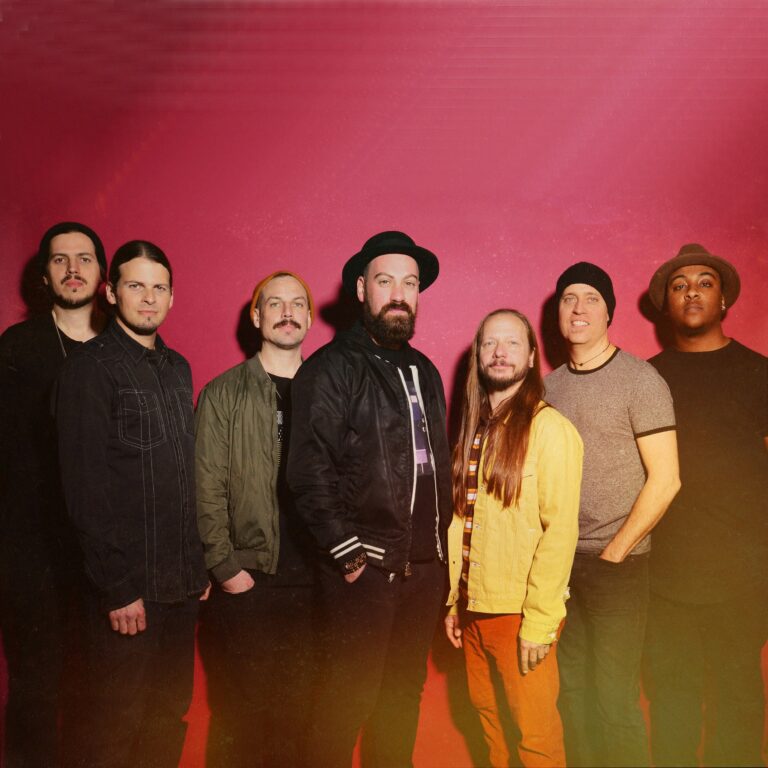
The online festival takes place Aug. 1, and confirmed bands on the virtual bill include Denver funk outfit The Motet, New Jersey Americana act Railroad Earth, Hawaii soul guitarist Ron Artis II, Nashville folk-rock band the Wood Brothers and Bay Area bands including Royal Jelly Jive, T Sisters, Chris Robinson Brotherhood, David Nelson Band, the Mother Hips and dozens of others. Watch the Online Petaluma Music Festival on the fest’s website.

Later this summer, the Cotati Accordion Virtual Festival will replace the planned 30th annual Cotati Accordion Festival. Instead of happening at La Plaza Park, the virtual festival will take place online Aug. 22 and 23 with internationally acclaimed virtuosos from nine different countries, such as Cory Pesaturo, Alex Meixner, Pietro Adragna and Gary Blair, performing live. Details on the event’s streaming platform and more are still forthcoming.

“The world premiere of the Cotati Accordion Virtual Festival will give the viewers a chance to see the accordion played at artistic levels never imagined by the uninitiated,” festival organizers write in a statement. “Whether you are an accordion aficionado or just curious, the performances will be unforgettable.”

Long-Running Napa Valley Chamber Music Festival Comes Home

Music in the Vineyards pivots to online format this August

Are you medically exempt from wearing a mask?

On Sunday, about thirty people gathered in a small mid-town park in Petaluma to stage a political protest march. They were protesting against a Black Lives Matter protest against the firing of Black teachers by a local high school. Many of the protest protestors were waving American flags and “Back the Blue” signs and chatting face to face. ...

Open Mic: Sadness in His Madness

By Paul E. Cheney A beggar stands bored Reaches for his pocket Finds nothing restored His cigarette hangs As disgust plagues his ways Remorse for him ...

Letters to the Editor: New Plan

This is my third go around being homeless and flying under the radar. I am blind so I of course don’t have the luxury of being able to hide in a van, (“A Man, a Van, a Plan” Features, March 11) which means I have to be more creative.  The safest...

Pray Their Names

What’s in a name? Reverend Katie Morrison, the creator behind the traveling outdoor-art installation “Pray Their Names,” aims to help us find out.  The project was envisioned by Morrison as a field of 160 wooden hearts—each bearing a hand-lettered name—memorializing 160 Black lives that have been lost to police violence....

Prison Protest

Outraged by the rapidly growing number of Covid-19 cases in San Quentin State Prison, 14 protesters chained themselves to a driveway gate in front of Gov. Gavin Newsom’s home in suburban Sacramento on Monday, July 28. Gov. Newsom, who lived in Marin County before his election as governor, has failed...

Local Cinemas Call for Help; Sonoma Film Festival Moves Online

A month ago, there was hope in the North Bay that public gatherings could re-open this summer; yet things are looking bleak for many venues and businesses that rely on socializing as the summer moves into August with restrictions on hosting events still in place to stop the spread of Covid-19. Five months into the shutdown, movie houses in Sonoma...

King Street Giants Get Vocal on New Album

Sonoma County septet the King Street Giants are the North Bay’s liveliest disseminators of traditional, New Orleans–style jazz. Inspired by the boisterous and raucous music that can be found in the halls, clubs and streets of the French Quarter, the band originated their sound in street-busking sessions throughout the Bay Area, and in recent years they’ve shared the stage with...

North Bay Author Offers Guide to ‘Dying Well’

Katy Butler outlines her recent book's approach to the end of life in upcoming virtual event.

Virtually Attend These North Bay Music Festivals

More events go online as pandemic endures
11,084FansLike
4,446FollowersFollow
6,928FollowersFollow