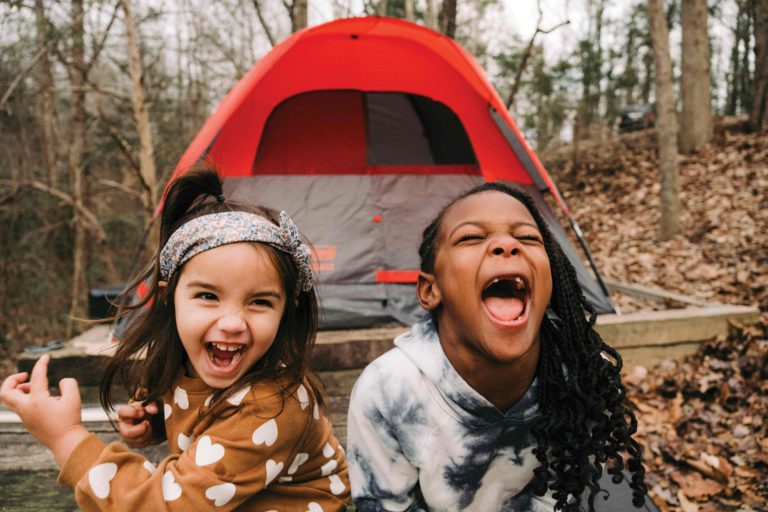
Spring has almost officially sprung, and Spring Faire is bouncing back into action at the Mill Valley Community Center. This family-friendly event is packed with seasonal festivities, including local vendors, crafts, games and a dedicated Toddler Zone for the littlest spring revelers. From face painting to hands-on activities, there’s something for everyone—including a bounce house that promises to launch kids (figuratively, of course) into the season. Need a break from all the action? One may grab a snack and soak in the festive atmosphere, or peruse the vendor booths for unique finds. Whether hopping like a bunny through the activities or just experiencing the community spirit, Spring Faire is designed to be a perfect way to welcome the season. 10am-1pm, Saturday, March 29, at Mill Valley Community Center, 180 Camino Alto. Free admission. More information at bit.ly/mvfaire.
Sausalito
Will It Blend?
Eria, in Sausalito, hosts an exclusive Wine Blending Experience, offering wine enthusiasts the chance to taste, blend and bottle their own Bordeaux-style creation. Guided by expert winemaker Tom Meadowcroft, the event includes a tasting of four Bordeaux varietals, hands-on blending, a custom-labeled bottle to take home and gourmet pairings to complement the experience. Set in Eria’s waterfront space, this immersive event blends education with indulgence. Only 60 spots available—early reservations are encouraged. 4-6pm, Wednesday, March 26, at Eria, 562 Bridgeway, Sausalito. Tickets $175. More information at eria.co/events.
Napa
Rooted in Wonder
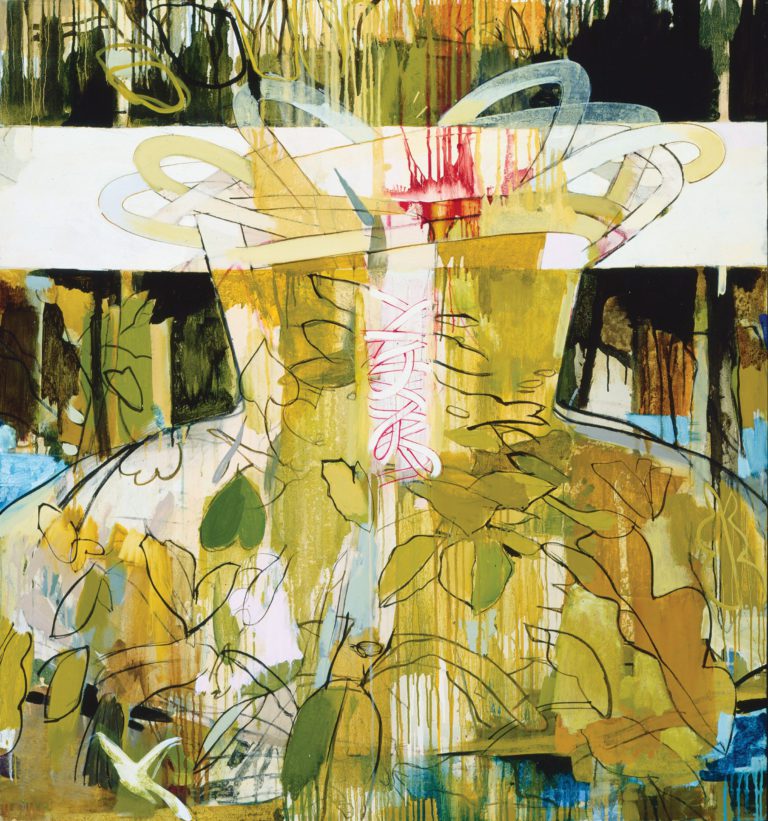
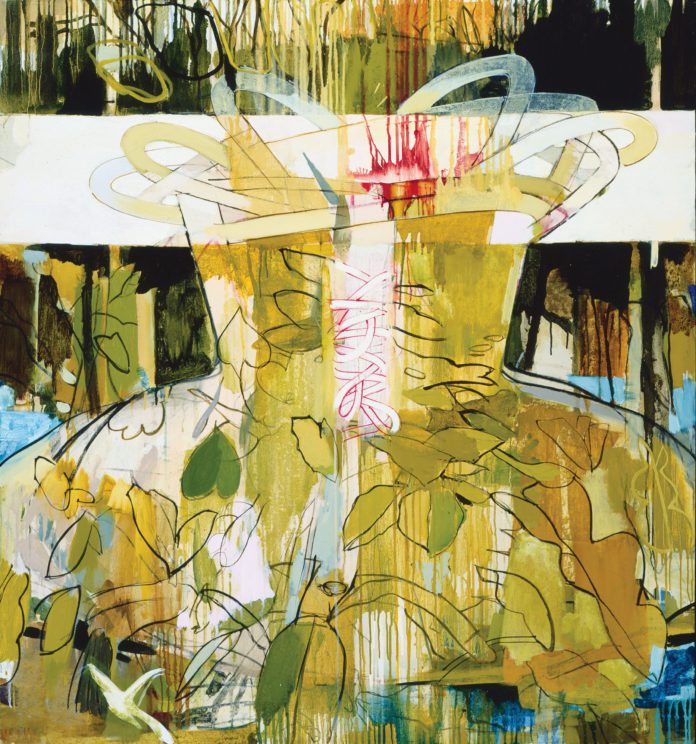
Frances McCormack: Rooted in Wonder brings a sweeping survey of the Bay Area artist’s career to di Rosa Center for Contemporary Art in Napa from March 29 through June 29. Featuring paintings and collages spanning four decades, the exhibition highlights McCormack’s abstract compositions, which blend botanical imagery, layered textures and vibrant color fields to explore themes of growth, energy and human experience. McCormack, a former professor at the San Francisco Art Institute, has long used the garden as a metaphor in her work. As di Rosa’s executive director Kate Eilertsen notes, “Her painterly style and use of color reflect her engagement with Northern California’s natural and artistic ecosystems.” A public opening reception takes place 6-7pm, Saturday, March 29, at di Rosa, 5200 Sonoma Hwy., Napa. General admission is $10; members attend free. The exhibition is open 11am-4pm, Thursday-Sunday. More details at dirosaart.org.
Sebastopol
Patriarchal Death Knell
HopMonk Sebastopol presents Marci Graham: The Death Knell to the Patriarchy, an audacious and unfiltered performance, on Friday, March 22. With a commanding presence and a voice to match, Graham takes the stage to deliver a powerful, personal and often humorous reckoning with the forces of oppression. Inspired by the cultural moment surrounding the Barbie movie, she dives deep into the fractures appearing in patriarchal systems, calling for change with both vulnerability and fire. 8pm, Friday, March 22, at HopMonk Sebastopol – The Abbey, 230 Petaluma Ave. Doors at 7pm. Tickets $25 + fees. Ages 21+. Fully seated, first-come, first-served. No refunds. More details at hopmonk.com.
It was Friday, Feb. 28, a day of national protest to the establishing of an oligarchic government in our country, a day to boycott non-local, non-essential businesses.
We the people were targeting corporate monopolies and greedy CEOs via their wallets. Mobilizing people power, we hoped in great enough numbers to have an impact, a voice.
Walmart was high on the “do not shop here if possible” list. And? I had some unfinished business with Walmart, getting a return completed for a defective battery recharger I bought online. I’d complied with the seller’s protocols, but they ghosted me afterwards. Observing the boycott otherwise, I went to the customer service desk at the nearest Walmart. I wound up with an apology only, an 800 number and a “good luck.”
Wanting justice, I phoned, eventually getting a live human being on the customer service line. “Ali” spoke from a very noisy call center—in Egypt. I sympathized, knowing I wouldn’t last a day there.
Ali appreciated the acknowledgement. Listening attentively to my report of failed attempts to return an item, he proceeded with a kind attitude to rescue me. He was also skilled and competent, for which I thanked him several times.
From our different worlds and generations (he’s younger, I’m older), a sweet simpatico arose. We felt it, and cautiously began to share more personally. Like he and his family being refugees from Sudan… I understood, without him saying so, his gratitude to have a job… I spoke a little about my boycott, and my worry about aging in an America with a shaky social safety net.
We were no longer two strangers, but anam cara, friends of the soul. Connecting from our hearts, we had dissolved seeming barriers. Recognizing an inherent fragility about our lives, we were exchanging worries for mutual blessing. “You’ve made my day—my week,” Ali said, appreciating my patience, understanding, empathy. I exclaimed that it was his kind considerations that had made mine.
Kindness is a simple superpower we each can cultivate. Use it mindfully anywhere, anytime. Kindness used Walmart to arrange a surprise healing across continents for Ali and for me.
Marcia Singer, MSW, CHt, is a local columnist, mindfulness coach and hypnotherapist in practice through The Love Arts Foundation in Santa Rosa. lovearts.info.
Final week to see “Driven to Abstraction,” abstract art exhibit at the Sebastopol Center for the Arts (Tue-Sun, Mar 11-16, 10am-4pm)
Sebastopol Documentary Film Festival hosts screening of “No Other Land,” a Palestinian film about the “gradual erasure” of West Bank village Masafer Yatta (Tue-Thu, Mar 11-13, 2:50pm & 7:30pm)
Group bike ride in Santa Rosa for Taco Tuesday (weekly, 5:30pm)
Healdsburg Running Company hosts run to the Dry Creek General Store & Bar outside town (6pm)
New North Bay men’s circle at Earthtone Construction in Sebastopol (weekly, 7-9:30pm)
Wednesday, March 12
Seven local artists participating in international Art & Found Day: Look for surprise artworks hidden around Sonoma County (all day)
Wine Industry Network in Healdsburg hosts virtual info session for agricultural employers on “migrant labor and immigration compliance” (10-11am)
Sonoma County government hosts webinar on energy management for all-electric homes (11:30am)
Second annual entrepreneur meetup at the CraftWork co-working space in Healdsburg (5-7:30pm)
Sonoma County Library and Catholic Charities host virtual “Know Your Rights” immigration info session in Spanish / “Conoce Tus Derechos” presentación virtual para hispanohablantes (6-7:30pm)
The Sorry Lot, a “rowdy Irish drinking band” from Napa, play Blue Ridge Kitchen in Sebastopol for St. Patrick’s Day (8pm)
Thursday, March 13🌚🌝
Full moon hike at Sugarloaf Ridge State Park in Kenwood (5-8:30pm)
Korpiklaani, a popular Finnish folk metal band, plays the Napa Valley Opera House in Napa (6pm)
Women’s clothing swap party at Heartizens in Healdsburg: “BYOB and refresh your wardrobe” (monthly, second Thu, 6-8pm)
Marty O’Reilly, an indie-folk singer-songwriter, plays free show at Little Saint in Healdsburg (6-9pm)
“Dragons and Mythical Beasts” show for kids at the Luther Burbank Center in Santa Rosa (6:30pm)
Improv comedy show at the Arlene Francis Center for Spirit, Art & Politics in Santa Rosa: “Money Is the Root of All Evil” (doors 6:30pm, show 7pm)
Full moon meditation and sound bath at the Dina Saalisi Healing Arts Studio in St. Helena (6:30-8pm)
Traveling male stripper show “Hunks” comes to Barrel Proof Lounge in Santa Rosa (8-10pm)
Total lunar eclipse, aka “blood moon,” during the full “worm moon” — look up! (10pm-2am)
Friday, March 14
Solar panel recycling event at the Conservation Corps warehouse near the Sonoma County airport in Santa Rosa (9am-5pm)
“Paddy Shack Scramble” golf tournament at the Bennett Valley Golf Course in Santa Rosa (1pm)
Chabad Jewish Center of Petaluma hosts family-friendly “Purim Pi Party” to celebrate both Purim and Pi Day: Mad science show, costumes, games, dinner, pie and more (4:30pm)
Fresh local crab feed at the Tides Wharf & Restaurant in Bodega Bay (5-9pm)
New musical at the Raven Theater in Healdsburg: “The Bridges of Madison County,” a romantic journey through America’s heartland (Fri-Sat, Mar 14-15, 7:30-9:30pm)
Folk musicians Gillian Welch and David Rawlings play the Luther Burbank Center in Santa Rosa (8pm)
Saturday, March 15
Hells Angels biker club hosts 26th annual St. Paddy’s Day party at the Wagon Wheel Saloon in Santa Rosa, featuring the third annual St. Paddy’s Day drinking contest (10am-noon)
“Behind the Cellar Door: A Chardonnay Blending Experience” at the Cuvaison tasting room in Napa (10am-1pm)
Fifth annual “Repair Cafe” at Chimera Arts in Sebastopol: Volunteers and pros fix your broken stuff (10am-2:30pm)
Spring Hill Estate tour in Tomales Bay, Marin County: “An exclusive experience showcasing a legendary hilltop mansion featured in iconic films” (11am & 1pm)
“River Mamas kids clothing swap” at the Rio Nido Roadhouse near Guerneville (11am-2pm)
North Bay Induction Cooking Expo at Premier Bath & Kitchen in Santa Rosa: “Learn how induction cooking can save money, help the environment and improve your culinary skills” (11am-2pm)
Sonoma County Bicycle Coalition hosts annual cyclist advocacy summit at Sonoma Land Trust in Santa Rosa (11am-3:30pm)
“Festival of colors” celebration at Naidu Wines in Sebastopol for the Hindu holiday of Holi: Wine, Indian food, dancing and “endless fun throwing colors on each other” (noon-3pm)
Santa Rosa City Councilmember Natalie Rogers, now running for State Senate, hosts “community town hall on fentanyl awareness” at Church Unstoppable in Santa Rosa (1pm)
Green Witch & Cottagecore Market at Jack London Village in Glen Ellen: “Goodbye winter, hello spring!” (1-7pm)
International film screening at the Jarvis Conservatory in Napa: Norwegian historical drama “Quisling: The Final Days” (3pm & 7pm)
Drag and dance show at the di Rosa Center for Contemporary Art in Napa: Performance by “pageant queen” Fauxnique and selection of short films from San Francisco Dance Film Festival (4-6pm)
The Wreckless Strangers, a rock band from the city, plays “Bay Area gumbo” at the Rio Nido Roadhouse near Guerneville (4-7pm)
Vegan and gluten-free family-style dinner and karaoke night at China Chef in Cotati (6-9pm)
Fairytale fashion show at Soft Medicine Sanctuary in Sebastopol: “March Into Magic” (doors 6:30pm, show 7:15pm)
“Intimate and swinging” springtime jazz concert at The 222 in Healdsburg (7pm)
Magic show at the Subud center in Sebastopol: “Night of Illusion” (7-9pm)
New play debuts at Spreckels Performing Arts Center in Rohnert Park: “Morning Sun,” an NYC family drama (7:30-9pm)
Roustabout Theater troupe performs Broadway musical “Awake and Sing!” at the Luther Burbank Center in Santa Rosa (7:30pm)
Folk musicians Gillian Welch and David Rawlings play the Uptown Theatre in Napa (8pm)
Mike Hellman & The Banned Books, a “cerebral honky tonk” dance band, plays the Gun Club in Geyserville (8-11pm)
Sunday, March 16
St. Patrick’s Day 5K run through Santa Rosa, starting at Old Courthouse Square (10am)
“Reading Between the Vines” author talk at Hook & Ladder Winery in Santa Rosa: A “bubbles tasting and book pairing experience” with Loretta Ellsworth, author of “The French Winemaker’s Daughter” (11am)
Crab feed at Heidrun Meadery in Point Reyes Station, Marin County: Crustaceans paired with honey wine (noon & 3pm)
Sonoma County Pride and Santa Rosa GayDar host “Big Gay Tea Dance: St. Patrick’s Day Edition” at the La Rosa lounge in Santa Rosa (noon-6pm)
Prescribed fire workshop at Black Mountain Preserve in Cazadero: “Bringing beneficial fire back to our landscape” (2pm)
Lady Blackbird, an edgy jazz and soul singer, plays the Blue Note jazz club in Napa on her “Slang Spirituals Tour” (3pm & 6:30pm)
Stardust Wellness Center in Petaluma hosts collective “OM for peace” (4-6pm)
“Vinyl Sundays” at the Furthermore Wines tasting room in Healdsburg: Hang out and listen to ’80s post-punk records with local winemaker and musician Ross Cobb (weekly, 4-7pm)
Paul Blanchard, music director of St. Paul’s Church in Healdsburg, celebrates 10 years in the role with free pipe-organ concert and choral evensong at the church (5pm)
“Glitter & Grit,” a burlesque and cabaret showcase, comes to El Infierno Cantina in Santa Rosa (5:30-7:30pm)
Monday, March 17 🍀
Meet at John & Zeke’s bar in Healdsburg for Irish coffees before the town parade (6am)
Annual St.Patrick’s Day Parade through Healdsburg, starting at Sanderson Ford: “The Biggest, Shortest Parade in the World” (7am)
Post-parade Celtic Celebration in the Healdsburg plaza, with performances by Celtic rock band Tempest and the Shiloh Step Irish Dancers (noon-1:30pm)
St. Patrick’s Day party at the Rio Nido Roadhouse near Guerneville: Traditional corned beef and cabbage dinner, Guinness beer on tap and live music by Tumbleweed Soul (4-7pm)
St. Patrick’s Day party at Goose & Gander in St. Helena: Festive cocktails, “St. Patty’s punch,” corned beef dinner and live music by The King Street Giants (4-7pm)
Lucky Ol’ Bones, a Celtic folk-punk band, plays St. Patrick’s Day party at the Elephant in the Room pub in Healdsburg (5-8pm)
Beginner’s guide to drag at the Arlene Francis Center for Spirit, Art & Politics in Santa Rosa (weekly, 6-7pm)
Note from Simone: These listings originally appeared in the weekly event newsletter I write for the Bohemian, called Wine Country Events. Subscribe here!
The number of sugar babies looking for sugar daddies is already calculated in hundreds of thousands, and the number of respected men who want to find a sugar baby increases every day as well. Naturally, all attractive sugar babies and their potential wealthy suitors need effective and legit destinations where they can meet each other. These are the best sugar daddy websites and apps. The only question left: which sugar baby website to choose? Now you’ll discover real sugar daddy websites and their main characteristics!
10 Best Sugar Dating Websites To Try
SecretBenefits—13 million users—Best of the best sugar dating sites
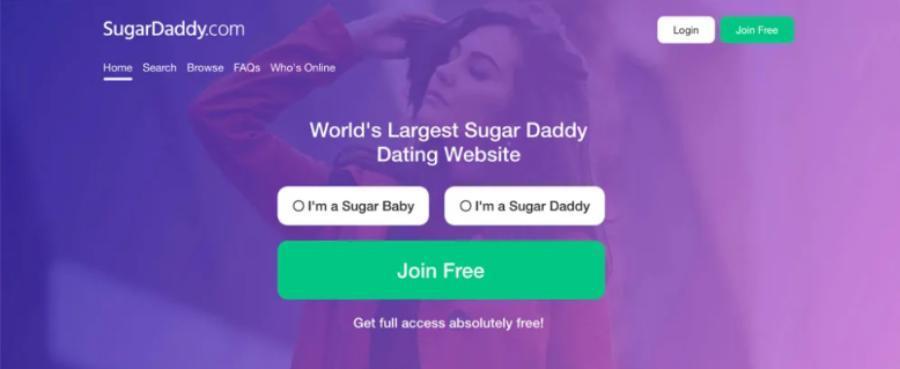
SugarDaddy—250k users—Best features to find sugar daddies and babies
Ashley Madison—24 million users—Best discreet sugar baby website to find rich sugar daddy
CougarPourMoi—11 million users—Best dating website for mature women seeking handsome men’s attention
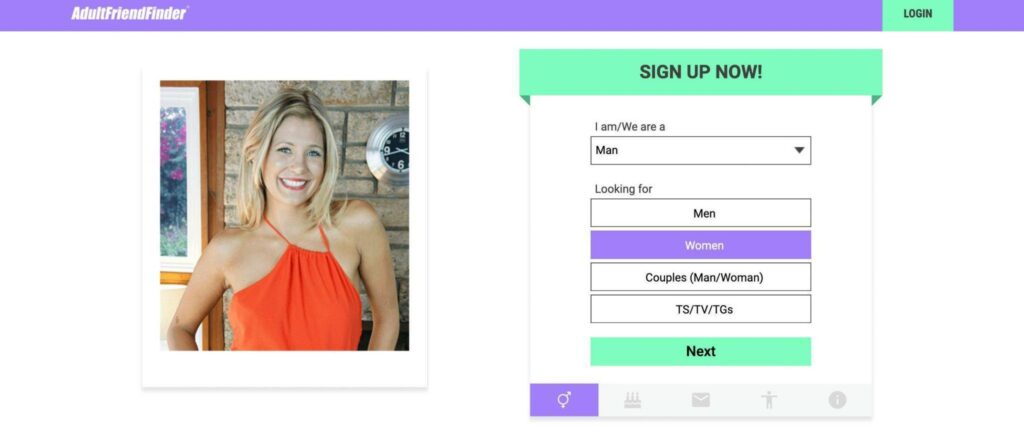
AdultFriendFinder—80 million users—Best website for sugar babies and daddies for all types of arrangements
Our Secret—8 million users—Best sugar daddy dating site for entertaining online arrangements
SugarDaddyMeet—7 million users—Best site for sugar babies from 20 wealthiest countries
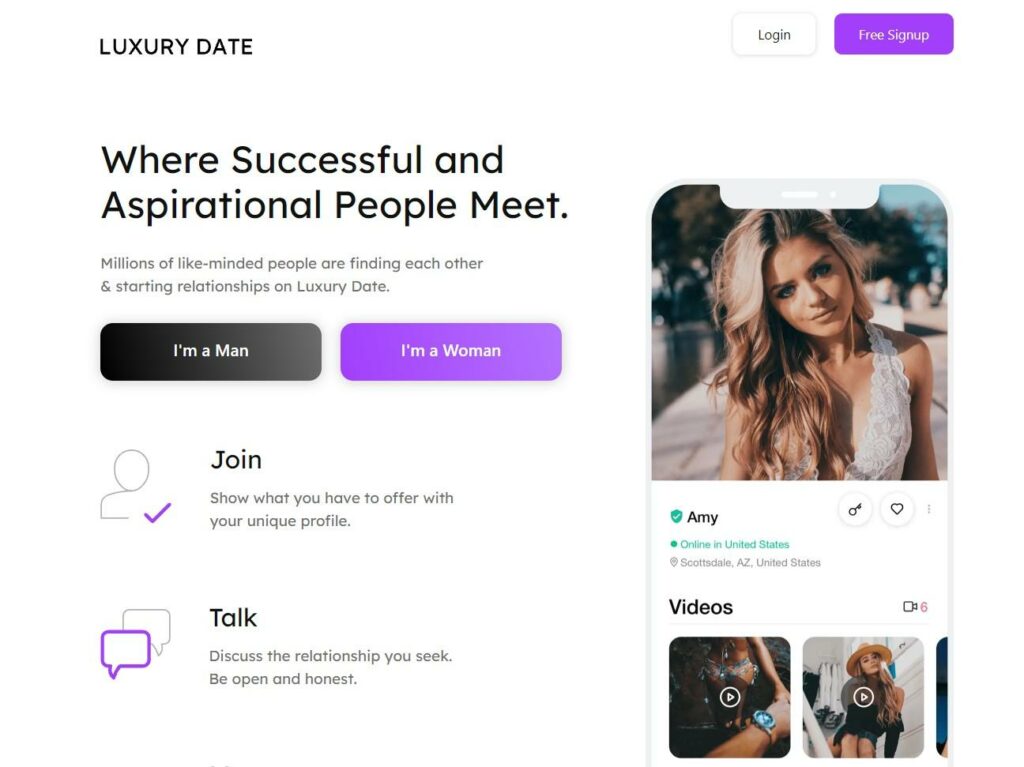
Luxury Date—1.5 million users—Best legitimate site for rich men to meet sugar babies
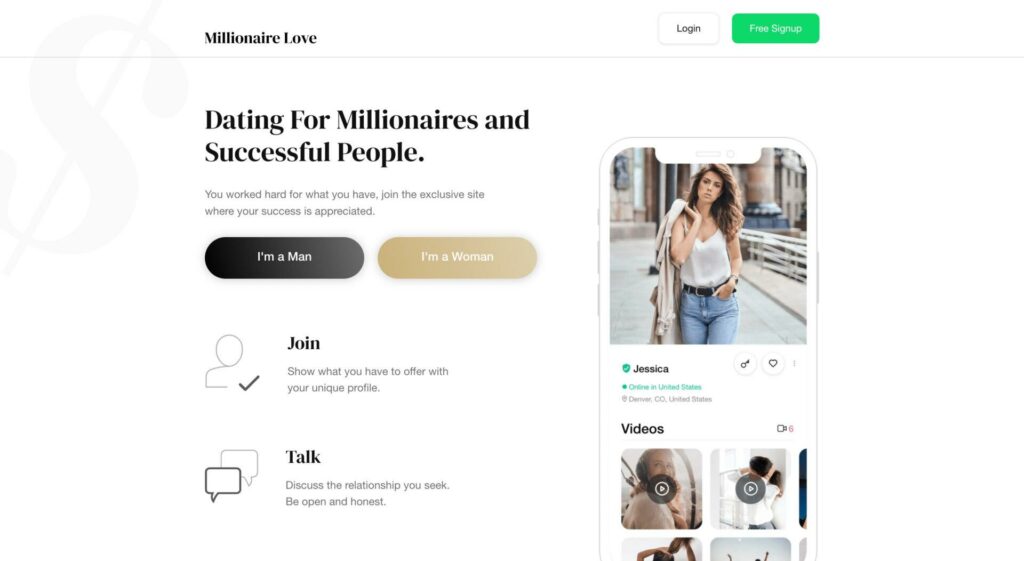
Millionaire Love—2 million users—Best online destination looking for sugar daddy with a millionaire status
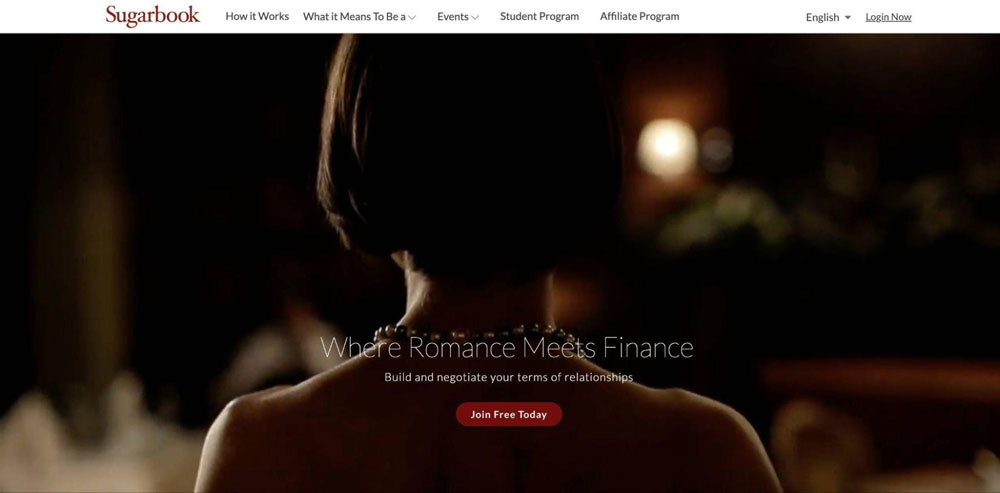
Sugarbook— 10 million users—Best site if you want to find Asian sugar baby or daddy
There are enough top sugar daddy websites that are likely to meet your expectations for mutually beneficial relationships. However, now you know too little about every sugar website to choose a perfect online destination out of the many sugar daddy websites. That is why we’ve completed a huge amount of research to analyze experts’ opinions on such popular review platforms assugardaddyservices.com or www.onlinedatingsummit.com and Trustpilot to learn what other users say about these top sugar daddy sites, and make our own conclusions about them based on personal use. Keep on reading, and you’ll surely find the best sugar dating website!
Secret Benefits is a leader among the best sugar dating sites launched in 2015. It allows for building sugar daddy relationships with real ladies, many of whom verify their profiles by video. This platform is great for classic sugar dating, mutually beneficial relationships, safe online arrangements, NSA, and others. It deserves to be called the best sugar dating site thanks to its diverse functionality and huge audience!
Pros
Unlimited conversations
Free editable filters for a quick match search
Informative profiles with many photographs
Cons
No downloadable sugar dating app
A limited range of free features
Pricing & Membership
Secret Benefits operates on a prepaid basis only for men, since young women can use it for free. Most sugar daddies register on this premium dating site for free too, but they eventually buy credits since a basic plan restricts their possibilities. There are three sets of credits to choose from on this sugar dating site:
100 credits—$59
500 credits—$169
1,000 credits—$289
There are more than 16 million visits a month, and every man can enjoy the attention of at least four sugar babies according to the ratio. Sixty percent of the audience on this sugar daddy website is from the United States, but it’s appreciated by sugar daddies and sugar babies in many other countries, which is confirmed by a rather high 4.4-star rating on Trustpilot.
Sending flirts to girls, even with free membership;
Opening access to unlimited messages;
Having a featured profile;
Boosting profile place in search results;
Income verification;
Overview of features for sugar babies
Making photos private;
Joining a video chat and chat rooms;
Searching for perfect matches by applying filters;
Viewing guests and admirers;
Sending flirts;
Verifying identity.
Unique aspects of the site
Unlimited messaging: it’s enough to spend only 10 credits to be able to send as many texts as you wish.
Hide my profile: men can make their profiles invisible on the site and browse girls’ profiles anonymously, without being added to their admirers.
2. SugarDaddy—a premier sugar babies website without a subscription
SugarDaddy.com is a reliable sugar daddy website to start mutually beneficial arrangement of any type. With a really high response rate of 89 percent, it offers great opportunities to find a perfect sugar baby of any gender. It offers a diverse sugar dating scene which is called highly entertaining on Trustpilot.
Pros
Search for companions by location
Good security measures with scam reports
Mobile optimization
Cons
Absence of sugar baby app
Not completely free
Sugar baby texting only
Pricing & Membership
Though it’s a rich sugar daddy dating site, there are many free options that can be accompanied by premium features. To get them, men should purchase credits offered in three packages:
100 credits—$59
500 credits—$169
1,000 credits—$289
When it comes to daddies and babies, ladies make up 70 percent of the website audience. Together with men, they make more than 250k visits per month and come from the United States, the UK, Canada, and Australia.
Possibility to send messages to paying users for free
Identity video verification
Making photos private
Liking male profiles
Editing profile details
Unique aspects of the site
Higher search rankings: when it comes to online arrangements, sugar daddy can get them faster thanks to being displayed higher in search results and viewed more often.
Premium features can be ordered without a subscription: it’s enough to buy credits and use them when you decide to access VIP options. There’s no need to make regular payments on this website.
3. Ashley Madison—best sugar baby app with a high level of secrecy and privacy
Looking for the safest sugar daddy websites, you should join Ashley Madison, established back in 2001. This platform is dominated by women who make up 70 percent of the members, and the number of daily logins reaches 20k and more. This is a perfect platform for extramarital affairs which are a part of a sugar baby sugar daddy relationship.
Pros
Enhanced security with 2-factor authentication and bug bounty program
Mobile app for iOS and Android
Affair guarantee with a promise of a refund
Cons
Experienced a data breach in 2015
Complicated pricing policy
Pricing & Membership
Some people start looking for Ashley Madison alternatives since this website seems too expensive for them. Luckily, there’s a credit system when you pay only when you want to use advanced services, so you can choose from three plans:
100 credits—$59
500 credits—$169
1,000 credits—$289
Member Initiated Contact fee is $29.99 a month.
The quality of the audience is rather high on this website. You can meet members from the United States, the UK, Canada, and Brazil as well as finding Australian sugar daddies too. The average age of all Ashley Madison members is around 30 years, since there are many young model-like girls and mature sugar daddies.
Priority man feature to be displayed higher in search results
Unlimited messaging with member-initiated contact fee
Adding members to your favorites
Priority mail to show man’s messages at the top of all inbox
Virtual dates
Overview of features for sugar babies
Sending free messages
Winking at men
Making photos discreet
Private showcase keys to let someone open your hidden photos
Member feedback to share your impressions about a date
Unique aspects of the site
Travel Man feature: men can contact ladies around their current location thanks to the tracking feature.
Panic button: this button allows hiding that you’re using a cheating platform, since you’re redirected to a generic website by pressing it.
4. CougarPourMoi—the most popular website for cougar affairs
CougarPourMoi is a dating spot for men who want to meet an online sugar momma with no meeting or for real life dates. It has been in the industry since 2011 and offers to find sugar mommas online at the click of a button.
Pros
Bonus for newly registered users
Responsive website design
User verification
Cons
Not detailed profiles
No free membership
Pricing & Membership
Users of this website should pay even if they want to try any option. There are several types of subscriptions:
1 day—$0.99
1 week—$3.92
1 month—$41.40
3 months—$69.30
Most members of this site are from Europe, but other continents are represented there too. The platform features more than 280k monthly visits and is dominated by women, since the male audience is only about 40 percent.
Flirtcasts to send flirty messages to many users simultaneously
Liking other profiles
Searching for the best matches
Joining the Like Gallery
Tracking other users’ interest in your page
Unique aspects of the site
Expiring messages: these are texts that remain visible in the inbox for a specific period of time, and after it runs out, they disappear.
Asking users for more photos: if you want to view more users’ photos, you can send an official request.
5. Our Secret—best sugar daddy website with advanced services
Our Secret is a United States sugar baby website for starting extramarital affairs and finding a real sugar daddy who sends money. It’s free for sugar babies and partially free for generous sugar daddies.
Pros
Convenient search tool with many filters
Unlimited chatting
Global availability
Cons
Limited free services
No sugar daddy app
Pricing & Membership
It’s free to join a site and use some basic features, but not all, of course. To meet a sugar baby online, men need to buy credits available in 3 packages.
100 credits—$59
500 credits—$169
1,000 credits—$289
There are members mainly from the United States and Australia. The audience makes more than 140k monthly visits and has an amazing reply rate of 92 percent.
Top admirer: a man can choose a sugar baby and become a top admirer for her.
Incognito mode: this feature allows browsing other profiles without being spotted.
6. SugarDaddyMeet—the 5th most visited sugar daddy finder in the United States
SugarDaddyMeet is a modern and refined website with a user-friendly interface where girls can find sugar daddies online and men can easily get a pretty companion looking for sugar babies. This site is more than 13 years old and operates in the 30 wealthiest countries.
Pros
Strict moderation
Informative blog
Facebook sign-in
Cons
Higher prices
Limited basic account
Pricing & Membership
One of the tips for sugar daddies who plan to use this site is to go premium and order one of three subscription types, which offer a much wider range of features:
1 month—$50
3 months—$90
6 months—$144
The cost of using the app is a little higher being $65, $100, and $157 respectively.
This online sugar dating destination has more than 1.4 million daddies and 5.7 million babies. The reply rate is more than 90 percent, while the number of monthly visits is calculated in hundreds of thousands.
Reading and responding to messages from premium members
Marking profiles as favorite
Sending winks
Blocking or reporting users
Using Spark feature
Unique aspects of the site
Getting a status of a Certified sugar daddy: verified men can get a special badge that makes their accounts much more attractive to sugar babies.
Swipe matching: a Tinder-like feature when you swipe right if you like a person and left if not.
7. AdultFriendFinder—one of the best sites to meet sugar daddies in full vigor
AdultFriendFinder is a legit hookup site that works effectively for potential sugar babies and wealthy men. It was launched in the early 2000s and remains popular with socially active people who like receiving brusque sexy messages.
Pros
Open-minded and active audience with all lifestyles
Very detailed search specifications to get perfect friends with benefit
Best sugar daddy app
Cons
Possible fake profiles and bots
Many annoying ads
Pricing & Membership
Unlike most sugar daddy sites, AdultFriendFinder is more sex-centered, so a gold membership opens access to many unexpected things worth a try. There are points that can be earned for activity on the website as well as monthly plans.
1 month—$27.95
3 months—$59.85
6 months—$179.40
The versatile audience of the site makes more than 55 million visits a month. These are people mainly originating from the United States, the United Kingdom, and Canada, but users from other countries access this site too.
Two weeks of golden membership for free for identity verification
Unlimited contacts
Profile highlighting
Making gifts
Joining live-streaming sessions
Overview of features for sugar babies
Live streams as the best way to get money from sugar daddy online
Possibility to add naughty videos
Writing erotic stories
Sending flirts
Making hotlists
Unique aspects of the site
Group and adult chatrooms: anyone, including single and married sugar daddies as well as male and female sugar babies, can share their sexual desires in special public chats.
Sex academy: you can watch video instructions on how to meet sugar daddies and babies and enjoy time in their companies.
8. Luxury Date—the best luxury dating site to meet wealthy sugar daddies
When it comes to Luxury Date, a sugar daddy site of this kind attracts many sugar babies looking for rich partners. Launched in 2016, it’s one of the most trusted sugar sites to meet men with great incomes.
Pros
Free for most sugar babies
Outstanding sugar search
Strict user verification
Cons
Necessity to add at least 10 photos to a profile
No sugar daddy apps: online only
Pricing & Membership
Luxury Date belongs to sugar daddy dating sites that can be registered for free, but premium features are offered for money only. To get them, members need credits sold in the following packages:
100 credits—$59
500 credits—$169
1,000 credits—$289
More than 140k people visit Luxury Date every month, and the gender division is approximately equal. The largest traffic comes from the United States, but there are daddies and sugar babies from other English-speaking countries too.
Secret photo album: you can have a series of photos to be shared only with those people you want to.
Verification video: you should add a video to the profile to prove the seriousness of your dating intentions and is used for your identity confirmation too.
MillionaireLove is the best place to find sugar daddies from the circle of wealthy people. There are more than 90 percent of filled profiles on this sugar daddy site and 75 percent of these accounts are verified, so the success rate is really high!
Pros
Convenient activity tracking
Targeted user base
Free registration
Cons
No mobile application
Pricing & Membership
Most sugar daddy websites offer paid services, and this rich men dating platform isn’t an exception. To use premium options on this site, members need credits sold in the following quantities:
100 credits—$59
500 credits—$169
1,000 credits—$289
This sugar dating site has 32k visits a month. The majority of website users are from France, Western Europe, and Northern America. A male to female ratio is 20 percent vs 80 percent.
The Message Me button: you can ask members you like to contact you back and access this history on the main menu.
Getting a Top Admirer status: men can spend credits to vote for some members and attract their attention to your personality.
10. SugarDaddyForMe—a perfect online destination to meet a local sugar daddy
Established in 2004, it has a fresh design and all the necessary tools for girls looking for sugar daddies and prosperous men searching for pretty babes.
Pros
Regular updates of features and audience
Good security measures
Suitable for different types of arrangements
Cons
A separate mobile app is absent
Outdated website design
Pricing & Membership
Both daddies and sugar babies should pay for premium features on this site, but there’s a difference between a Silver and Golden plan to choose from.
Silver membership—$1.63 a day ($2.17 with total access)
Gold membership—$1.81 a day ($2.35 with total access)
When it comes to members, there are around 100k visitors every month. The site is dominated by females who make up 60 percent of the user database, and 27 percent of the website audience make people under 35 years. Around 2,000 new members join this site every day.
Anonymous chat: you can contact other members staying confidential
Higher position in search results: a girl who wants to find a sugar daddy via a search tool will see your profile before others
11. Sugarbook—Best site to benefit from romance with rich men
Sugarbook is a popular sugar daddy website to start mutually beneficial relationships, which is mainly used by the citizens of Asian countries located in the southeast. It was founded in Malaysia in 2017 and features more than 3 million members so everyone can find what he’s looking for. Sugar daddies can find ideal relationships with no strings attached, and sugar babies can find suitors to pamper and spoil them without limits.
Pros
Extensive user database
Quick and simple sign-up with no credit card required
Verified members
Multi-filter search engine
Cons
Dominated by Asian people from a few countries
You can send messages only when your email is confirmed (in 24-48 hours)
Isn’t available on the list of iOS sugar baby apps
Pricing & Membership
Sugarbook is free to register and use at the start of your dating experience, but basic membership is very limited to achieving the goals you set. It means that this sugar daddy dating site encourages the wealthier audience to order a premium subscription that gives an extensive range of features. It’s possible to order a monthly subscription for the following periods:
1 month—$71.95
3 months—$167.85
6 months—$239.70
You can pay for any period, but keep in mind that the subscription is billed for the whole period once. It’s possible to use your credit and debit card to process a payment, and Android users can also use Google Pay.
What features are useful for a sugar daddy?
Unlimited messaging
Hiding location and online status
Seeing who viewed the profile
Advanced search specifications
Being featured on the dashboard
Overview of features for a sugar baby
Saving members as Favorites
Seeing verified members
Browsing userbase
Free chatting
Unique aspects of the site
Receipts: to discover whether a girl has already seen your message
Private browsing: to view women’s profiles anonymously
Increased visibility: to be featured on a dashboard with the finest profiles
How we rate and review these sugar dating sites
We have a clear understanding that most users have only a vague idea of most sugar daddy dating apps, so our goal is to share more insights into each platform and simplify the choice for an average dater.
There are several things we pay attention to when choosing sugar baby dating sites for reviews. Naturally, we prefer platforms actively used by many people and with a constantly growing audience. We consider the following details about each site:
Membership quality
Features and functions
Ease of sign-up and use
Things other people say about the platform
Payment options and security measures
Monthly visits (by Similarweb data)
When the site is selected by our team for a review, our next step is to visit it personally, register an account, and spend a couple of weeks as an ordinary user to check how it works firsthand. Our practical experience allows us to make unbiased and truthful conclusions about the site and compare it with other destinations to get a real rating.
Who is a sugar daddy?
A sugar daddy is usually a wealthy and established man who is busy enough to look for arrangements with girls by joining sugar dating sites to meet companions for beneficial time together without any obligations. These men are usually mature and experienced, and can be single or married. They mainly seek attention and care from younger ladies for a short period of time with no strings attached, but some relationships of this kind may last longer and result in unexpected outcomes like love or marriage.
Who is a sugar baby?
A girl seeking attention, mentorship, and financial support from successful men on sugar dating platforms and ready to enter mutually beneficial relationships is known as a sugar baby. A vast majority of such girls are students of colleges and universities, but ladies of other professions like nurses, waiters, shop assistants, and others can also become sugar babies. Most ladies looking for sugar daddies online are in their early 20s.
Every girl who finds a generous suitor in her taste wishes to preserve his interest for a longer period of time. Fortunately, there are hacks on how to do that, so sugar babies should keep in mind and use them in practice!
Ask what kind of relationship status your suitor wants to have;
Make a good listener: it often happens that men need someone to listen to them, so you can become this person;
Discover common interests: it’ll become a perfect topic for discussion or a way to spend time together;
Don’t allow feelings to overwhelm you: come to terms with yourself that this relationship is temporary, and once it ends up forever;
Be patient: not everything will be as smooth as you want, but sometimes it’s better to tolerate some difficulties to get other benefits.
How to be a good sugar daddy
When a girl wants to meet a sugar daddy online, she hopes to get a perfect suitor. Do you want to become one? Memorize the following tips:
Be generous and well-mannered like a real knight trying to get the heart of a princess;
Think what you’re going to offer and give your sugar baby the choice;
Be honest and natural;
Keep the boundaries set by your mate;
Take it slowly, not to scare off a girl;
Ask about her wishes and try to fulfill them too.
Things to remember to succeed on sugar baby websites
There’s a set of rules and points shared by dating professionals and experienced sugar daters that can help you build relationships more successfully, faster, and without obstacles. Try to follow these pieces of advice:
Be sincere: tell about your real intentions, desires, and needs.
Don’t change your photos to seem better than you’re, and try to add only recent photographs not to seem misleading.
Explain your expectations from wealthy men: tell if you want to have your tuition paid, receive some gifts, or visit luxury destinations. If you want a mentorship and assistance in running a business, indicate that directly in your profile.
Don’t expect to start an affair that may turn into a long-lasting relationship: it is life, not a fairy tale.
How to protect privacy on sugar daddy sites?
Whether you’re an online sugar daddy or a young baby looking for his companionship, you should remember about your security prior to everything. If you want to stay confidential and safe online, consider the following tips that really work:
Use a nickname or alias on your profile;
Use only the best sugar daddy sites with strict security measures and data encryption;
Talk to your potential dater on video before meeting this person in real life, ortrying to get money from a sugar daddy;
Schedule your first date to a public place;
Be careful if you spot strange behavior or get suspicious of something;
Never share sensitive data with hardly familiar people;
Make some of your photos private to limit access to them.
Conclusion
Sugar sites attract millions of visitors and interested people, but many of them worry about their security and prevent themselves from having an exciting sugar experience. It’s a great mistake since by joining the best sugar daddy sites you may transform your routine life into a real adventure. Ladies can finally get their desired sugar baby allowance, while men can bathe in the care of attractive women and feel pleasure from making their wishes come true!
Sugar Dating Sites FAQ
How to get a sugar daddy without meeting?
The easiest and most time-efficient way to meet a sugar daddy is to use special websites meant for seeking arrangements and mutually beneficial relationships. Anyone can join this website and browse its audience to get a companion for sugar dating. Most sites have search tools to filter potential sugar daddies and start interacting with those wealthy suitors who really appeal to you.
Is it ok to have a sugar daddy?
Surely. In the era when busy men can provide pretty and open-minded girls with a luxurious life, it’s a mistake to avoid this lucky chance. Thousands of girls in the United States benefit from the opportunity to date experienced, mature, and established men without any obligations. They not only enjoy a lifestyle characteristic of rich people, but also receive an allowance and expensive gifts for spending time with them. Many men become sponsors and mentors for sugar babies, so such girls manage to achieve success earlier, too.
Are sugar daddy sites legit?
Yes, there are legit sugar daddy websites that can be trusted. It’s not a secret that successful men and women won’t waste their time and risk privacy if they are not sure that a sugar dating platform is reliable. Therefore, you can easily find reputable sugar daddy sites online by visiting popular review sites like sugardaddyworld.net or sugardaddy.com choose online dating destinations with a rather high rating. By doing so, you increase your chances to succeed in sugar dating!
What do sugar daddies pay for dates?
The amount paid to a sugar baby per date or regularly depends on many factors. Naturally, it’s a type of date, its length, and location. Platonic dates are usually low-cost, while overnight dates with possible intimacy are awarded much higher. The minimal pay-per-meet amount is around $100, and the maximum can reach $800-1,000. Some ladies also receive an allowance paid weekly or monthly, and it’s considered that this sum is close to the average rent price in the place of your location.
How much does a sugar daddy usually pay?
There’s no exact price for sugar services, so the cost of every meet-up is negotiated by daters in advance. The amount of money to be given by a sugar daddy depends on their location, duration of the date, and expectations to be met by a girl. Per-date prices usually start from $100 and reach $1,000, while a monthly allowance in the United States can be as low as $1,500 and as high as $5,000 and more.
What are the best sugar daddy sites?
The range of sugar daddy sites and apps is rather extensive nowadays, but there are platforms that have earned the trust of millions and positive feedback from dating experts. Looking for quality arrangements with prosperous suitors, pay attention to such websites as SecretBenefits, Ashley Madison, SugarDaddy.com, and CougarPourMoi. They have a rather extensive audience and continue to attract new members incessantly.
How to make money on sugar daddy websites?
Sugar baby sites can’t be called a place to earn your living, but ladies can make money on such platforms if they manage to attract sugar daddies. There are platforms where men agree to pay for online dates, but in most cases, sugar babies get finances after real-life dates with wealthy men they meet online.
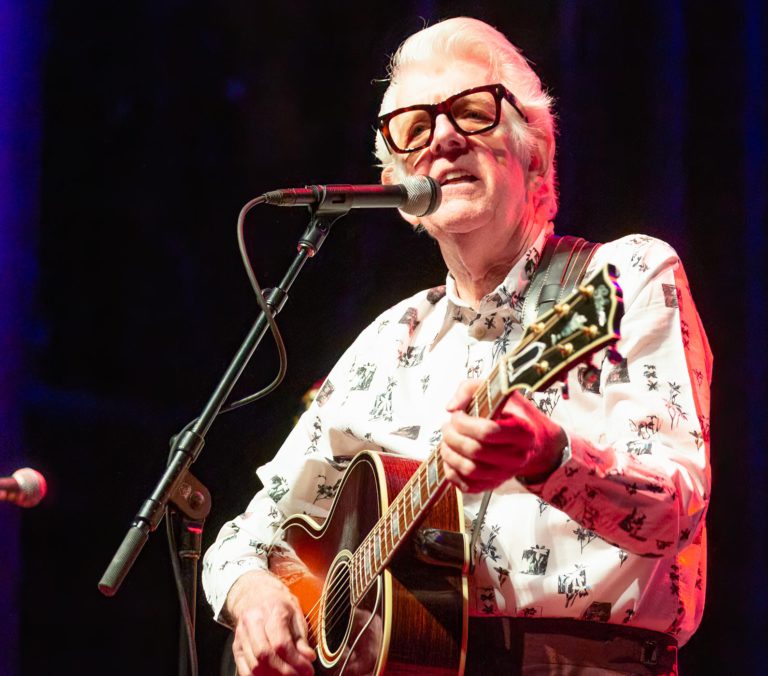
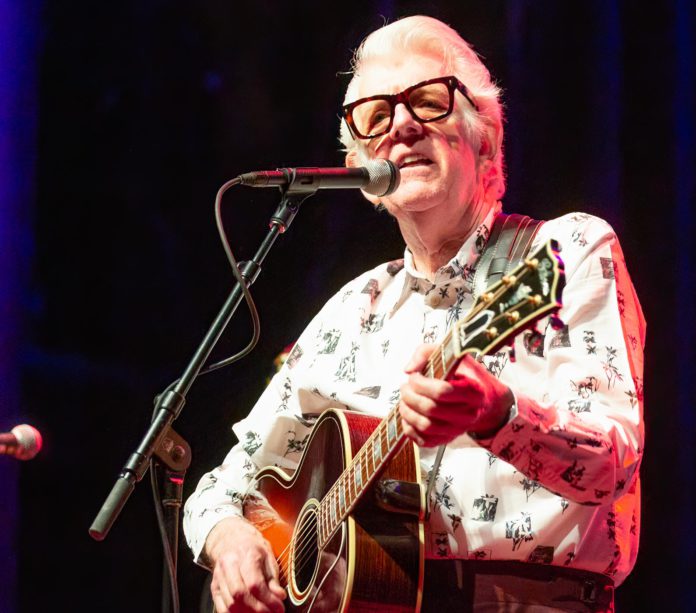
The beautiful Uptown Theater in Napa was where the hippest shindig in the Northbay went down on Saturday, March 1, and if you missed it, that’s on you, Daddy-O. Living legend Nick Lowe took the stage with his Lucha Libre mask-adorned backing band, Los Straightjackets, who proved the perfect band for Lowe to traipse elegantly through his musical catalogue that spans 50 years.
As silver fox men in black leather jackets and matching black Converse filled the glorious Uptown with their cool kitten dates, a knowing buzz started to build. Lowe is 75 years old and although he put out an album just last year (the swingin’ Indoor Safari which also features Los Straightjackts), at 75 years old, these nights won’t last forever. But Lowe strolled out looking every bit the Jesus of Cool he’s always been in brown slacks and a buttoned-up, long-sleeve shirt. I guess you could say the look was vintage, but it’s more fun to imagine the amazing closet of clothes Lowe must have.
A mere day after suffering through the embarrassing Trump/Zelenskyy press conference debacle, we were all in need of some musical salve, and Lowe more than delivered. He kicked the set off with a slower, more swinging version of his banger So It Goes. The lyrics (In the tall building/Sit the head of our nations/Worthy men from Spain and Siam/All day discussions with the Russians/But they still went ahead/And vetoed the plan) were sung straightforward but somehow packed a knowing and somewhat relieving punch. So it goes, indeed.
From there, Lowe kept the positive vibe going with the surf-music laced Went to a Party off the aforementioned Indoor Safari (a must-have album for this upcoming summer season) before veering over to some of his more lovely, introspective songs like Lately, I’ve Let Things Slide, House for Sale and a truly moving Blue on Blue. Even with these sadder songs, Los Straightjackets kept it chill and performed a few songs as Lowe took a break.
Admittedly, with such a rocking icon as Lowe is, I was concerned for the seated show at the Uptown. But as Lowe launched into his bevy of hits to end the show, the crowd made their way to the aisles to shake a leg to Cruel to be Kind, Half a Boy and Half a Man, and I Knew the Bride (When She Used to Rock ‘n’ Roll).
The events of the day (and year, so far) were also quelled as Lowe launched into a gentle version of his song What’s So Funny ‘Bout) Peace, Love, and Understanding were enticed out for a second encore, delivering a gorgeous, solo performance of Costello’s Allison, which he charmingly announced as “a vibe killer.”
It was a night to revel in and remember as Lowe once again proved every bit the legend he’s become.
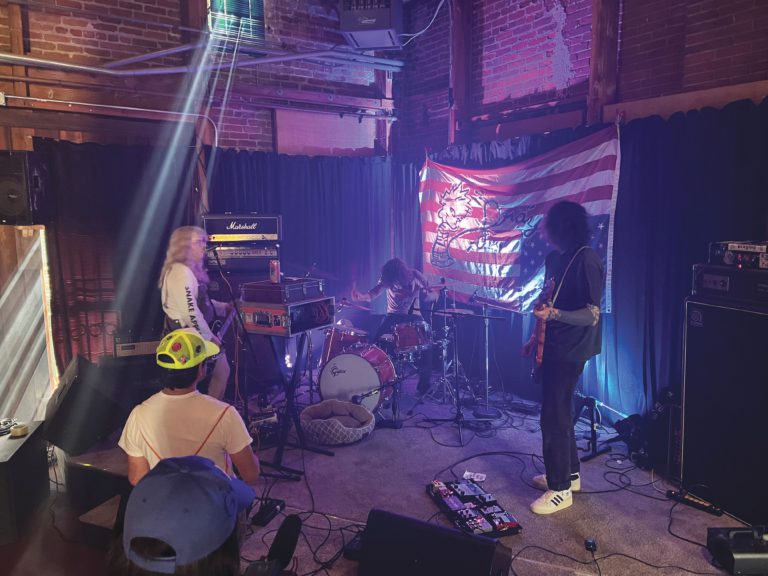
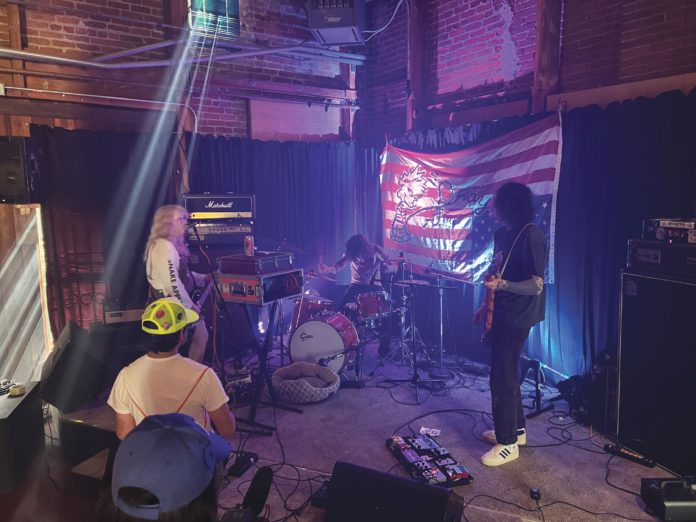
The Arlene Francis Center for Spirit, Art, and Politics, known colloquially as the AFC, is a non-profit community gathering space in a refurbished flour mill in Santa Rosa’s Railroad Square.
It is an unassuming brick factory building with a small parking lot and a bright blue metal front door. Inside is a small cafe counter at the entrance, a connected classroom for community gatherings, workshops and NA meetings, and a larger venue space in the back.
The event space features a small stage, a sound booth and a massive beam running from floor to ceiling in the middle of the dance floor. Just a cursory walkthrough of the space will reveal signs of how well-used and well-loved the center is by its community, from its shabby but cozy decor to the numerous stickers of local bands and businesses adorning the walls of its bathrooms.
What isn’t immediately apparent is that the AFC is one of Sonoma County’s few all-ages concert venues with a dedicated “anything goes” ethos towards providing a platform for the area’s DIY music scene that has existed at its fringes for decades.
Sonoma County has always been friendly to musicians. It seems like there’s a brewery and tasting room on every block. As venues, the symbiosis between the area’s hospitality industry and the local music scene is a net good for everyone involved.
The issue, though, is that these shows typically cater to a specific kind of sound, an agreeable and non-confrontational sort of music that can create a fun atmosphere. However, this inevitably leads to a homogenization of genre as musicians shift toward music that’s most likely to get them booked.
“If the money at a show comes from selling alcohol or food, then the point of that show is to sell alcohol or food,” says Gabe Katz, a Sonoma County native who grew up in Sebastopol. “And while I don’t think that’s a bad thing, it drowns out opportunities to have shows that are more centered on the music being played.”
Since high school, Katz has played drums in numerous bands in Sonoma County’s DIY scene. Now 39 years old, he currently lives in Oakland but continues to do what he can to support the community that fostered his own interest in playing music. One way he does that is through the Unnamed Festival Project, which has its fourth installment at the AFC on March 15.
Katz began the Unnamed Festival Project in 2019. The festival was delayed/canceled in the following years due to Covid before returning in 2023. He is quick to let me know this is not a solo project of his and that he relies heavily on the efforts of friends and local music lovers who volunteer.
Along with being a fundraising event for the AFC, the festival’s driving philosophy is to give local bands and young musicians who are too young to play at wineries or don’t make music that food and drink venues book an opportunity to play for larger crowds than just their friends.
“If you are having an easy time booking gigs around town, then maybe this isn’t the festival for you,” says Katz. He is committed to the project because he believes a diverse representation of music matters, especially when it comes to hosting all-ages shows. “If you’re a kid here and you go out and see music, and it’s all just Americana, then you’re going to think to yourself, ‘Oh, I guess that’s just what music is.’ I like the idea of fighting for things that are a little more subversive.”
Katz has been an ardent supporter of the AFC for decades and believes that it is central to cultivating and encouraging a younger generation of musicians. “It’s a rare space,” he says, “one where you don’t have to be able to sell a hundred tickets to book a show. Anyone can perform there.”
For many local acts, the AFC hosts their first time playing for an audience. The Unnamed Festival Project is structured in such a way as to build up the audience for newer bands looking to expand their fan base. The show features 20 bands, most from Sonoma County and some from the greater Bay Area, each playing a 20-minute set. The idea is that each band will be able to draw its own crowd of friends and fans that will mesh with other bands’ friends and fans, creating a larger turnout for all acts involved.
“It’s hard to get people to come out to see their friend’s band play sometimes,” says Katz. “But what if they were coming out to see 20 bands play?” The past iterations of the festival have proven this “strength in numbers” mentality effective, and Katz hopes this continues to be the case for the upcoming show.
DIY music promotion has always been an uphill battle. Mitchell Buckley, a local musician and event organizer who has promoted shows with the AFC and is working with Katz on the Unnamed Festival Project, recognizes that the scene has taken a hit due to increased living costs in the area. “There used to be a lot more house shows around because people could actually afford to rent a house, but that’s not really the case anymore,” says Buckley. He worries that once spaces geared towards DIY music disappear, they aren’t likely to return.
“There isn’t going to be another place that does things like that. Once it’s gone, it’s gone. They’ll just build condos over it,” Buckley predicts. He makes a compelling case for anyone with an interest in their local music scene to support venues like the AFC, by saying, “If you give a shit about cool stuff happening in your community, this should matter to you.”
With all this talk about the importance of a diverse music scene, the question of what kind of music one can expect at the Unnamed Festival Project still remains. Audience members can anticipate a broad range of genres delivered in rapid-fire increments.
Surf-rock outfit SPF-1985, of which Katz himself is a member, will be cooking up some psych-inflected grooves. Nice World, a self-described “bubble-grunge” band, brings a novel mix of indie-rock, pop and heavier influences. There will be an experimental pop duo named Silas Fermoy. Wet Summer brings a heavier sound influenced by the Deftones and ’90s-era hard rock. Plus 16 other distinctive acts will be featured.
In essence, there will be a little something there for everyone.
Ultimately, few things are as low-risk and high-reward as supporting one’s local music scene. Tickets rarely cost more than $15. There isn’t an hours-long commute to get to the venue. Merch tables are filled with hidden gems, and wearing a local band T-shirt will never go out of style. Bands appreciate the turnout and tend to be more available to connect with after the show, usually at the aforementioned merch table.
Most importantly, it’s the easiest way to show that one—in the words of Buckley—gives a shit about what is happening in their community and to take part in the cultivation of a diverse and interesting, creative scene in their own backyard.
We got coffee at Retrograde. I ordered a cocoa with a surcharge whip. He got the same. I stepped out and stood, arms akimbo—to wait.
He did the same. Smiling, I suggested he was mirroring me because he was a politician. Smiling, he countered that it was because he was a Midwesterner.
Based on second and third impressions of the man—and the gentle and polite way the honorable Stephen Zollman officiates the business of Sebastopol’s governing city council—I would agree with him.
Seeking love and gay liberation, Zollman crossed the country to San Francisco. Unable to escape the complex trauma of a conservative upbringing, he found his mission as a passionate youth public defender. Seeking peace, he moved his small family to Sebastopol. Now a mayor for the Green Party, he holds an astonishing 21 seats in local and state committees, which maps the complexity of government and the breadth of his service.
CH: Sebastopol … has an image. What is a misconception about Sebastopol that informs its government?
SZ: (laughs) That we’re bougie and well off. That is not the case. Many are struggling. I have convened a monthly meeting of our nonprofits struggling to serve those in the gap. I believe the gauge of a community is the free services it offers its most marginalized citizens.
CH: To better conceive of your 7,500 citizens, you recently surveyed the priorities of your small city. What are citizen’s top concerns?
SZ: The number one issue was “safety.” The second was the state of city finances. The third was infrastructure—particularly the water and sewer rates. The state of our pipes is not great.
CH: Much ink has been spilled about Sebastopol’s “fiscal state of emergency” that you inherited and the city sales tax—now raised to the state ceiling. So tell me about “safety.”
SZ: I take that as meaning physical safety like fire and EMT—and mental health.
CH: I understand that your folding Sebastopol’s volunteer force into Gold Ridge’s professional force will cut EMT times and expand service as well as cutting costs. What about Sebastopol’s mental health?
SZ: I found that local providers of free mental health services lacked the funding and the licensed clinicians. So I had a meeting with [State Sen.] Mike McGuire because if you can’t find resources locally, you go up and shake the tree. We’re working on a pilot program modeled on Cere’s project that could get medical funding.
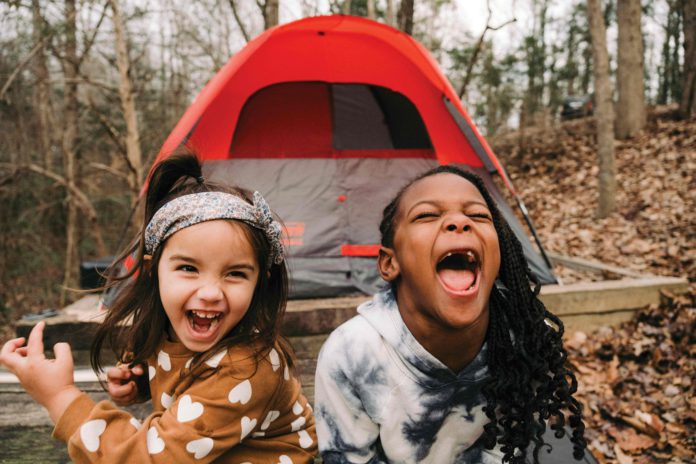
Though most of us are still crawling out of our wintertime hibernation mindset, open enrollment for children’s summer camps is already well underway here in the North Bay.
The sun is shining, flowers are blooming and seasonal allergies are in full swing, and so too is the rush to reserve spots for children’s summertime recreation.
To help y’all get the process started, here’s a handy dandy list of children’s summer camps in Napa and Sonoma. These places offer a wide range of activities that sound so fun, they make an adult wish they could attend too. So, one may live vicariously and send their kid out horseback riding, to a LEGO workshop, to star in a Peter Pan theatrical production, get hands-on archery experience, etc….and enjoy summer camp second-hand.
Charles M. Schulz Museum children’s camp offers so many options for kids’ enrichment, education and enjoyment that listing them all is nearly impossible. Some highlights include titles like Camp Woodstock, LEGO Animation, Fantasy Creatures and Worlds, Cartoon Safari, Manga and Pokémon, Camp Freeze and Game On! Those interested in getting their kids involved in hands-on workshops and entertaining educational experiences may consider enrolling while spots last. To learn more, visit schulzmuseum.org.
Cloverleaf Ranch summer camp can sweep kids away from their day-to-day reality and make them feel like they’re embarking on a real western adventure (horses included). The Sleep-Away summer camp at Cloverleaf Ranch offers children a chance to get that quintessential experience of sleeping in a cabin, riding horses, shooting a bow and arrow, swimming, learning, playing and essentially recreating to their heart’s content. To learn more, visit cloverleafranch.com.
Girls United Camp is a place where empowerment and enjoyment come together to make a stellar Petaluma-based children’s summer camp that’s all about girl power. This camp offers multiple options for summer camp attendees to spend their stay their way—one may either sign up for the overnight camp or the summer day camp (or possibly the sports camp). Whatever they choose, it’s sure to be jam packed with traditional camp games, creative outlets in spades and a sense of girlish community and blossoming friendships. To learn more, visit girlsunitedcamp.com.
Guild Napa has a lineup of kids’ summer camps that are designed to be truly fantastical. This summer, the North Bay’s kiddos can recreate in style with unique activities with specific themes that are intriguing, to say the least. Camp titles at Guild Napa include themes such as Pool Party, Magical Creatures, Candy Land, Pirates and Mermaids, Out Of This World, Thredz, Pet Palooza, Secret Agents and Superheros, Fairytales and Fables and Luau. Sadly, adults can’t apply for a kids’ camp, but would that one could…To learn more, visit guildnapa.com.
North Bay Theatrics has a summer camp for the North Bay’s more drama-minded children, a place where all those mini players and future superstars can take to the stage and live out their own midsummer night’s dream…well, the summertime production this year is actually Peter Pan, but the point stands. So, one may get thee to a company at North Bay Theatric’s children’s summer camp and let them play. To learn more, visit northbaytheatrics.com/sonoma-county.
Napa Parks and Recreation offers the North Bay’s children…well, exactly what one would expect—a summer full of parks, recreation and memories yet to be made. The list of camps available through Napa Parks and Recreation is extensive, though some examples include Camp Napa, Adventure Camp, Games and Sports Camp, Splashball and Incrediflix (an all-day LEGO camp, which is pretty incredible).
For those who want to get their kids out of the house and involved in one or many activities of a wide range over the summer break, consider perusing through the Napa Parks and Recreation summer camps catalogue. There’s a great big world outside for children to see and be a part of, and these camps certainly celebrate that. To learn more, visit cityofnapa.org.
Sonoma County Regional Parks has some stellar children’s summer camps to choose from…so stellar, in fact, that many are already sold out. So, one may not want to miss out on a chance to snag a spot in one or a few of the remaining camps, which include the Discovery Camp: Spring Lake Water and Nature Adventures, Little Lifesavers Camp and the New Swimmer Junior Guard Camp. To learn more, visit parks.sonomacounty.ca.gov.
SpiritHorse offers a specialty summer camp for children that makes it a welcome addition to this list—specifically, the SpiritHorse Autism Camp, which gives local children a chance to recreate during the summer break in a safe and understanding space. SpiritHorse Autism Camp has a lineup of considerate, mindfully curated activities that are designed to suit those who may not always find the quintessential summer camp experience particularly palatable.
Guests of the camp can expect to participate in hands-on equine activities that are adapted to each person’s individual comfort level. Skill building is another part of SpiritHorse, where children can gain confidence in communication, emotional regulation and social interactions. The entire camp is designed to be a sensory-friendly environment where children are made to feel comfortable enjoying themselves and exploring through interactions with not only horses but others, including peers and counselors as well. To learn more, visit spirithorsebayarea.org.
Steve & Kate’s Camp is all about getting out of the house and seeking out some summertime fun for children aged 4 through 12. Camps run June 16 through Aug. 15 and include snacks, activities and freedom for parents to drop their children off for long days. Steve & Kate’s Camp has two locations in Sonoma County and can be found in both Petaluma and Santa Rosa. To learn more, visit steveandkatescamp.com.
Wonder Camp is for the North Bay’s more curious children to explore, learn, ask questions and get answers that spark off even more questions (like a fun, friendly hydra of never-ending Q&A). In other words, Wonder Camp encourages children to learn through unique learning activities focusing on immersion and hands-on projects designed to make education an irresistibly exciting challenge children will love to be a part of. To learn more, visit cmosc.org.
Summer camp spots fill up faster than one can say, “But it’s only spring.” One may act fast or miss out on getting their whippersnappers signed up for some summertime recreation. After all, the memories they make during this summer break will stick with them for a lifetime.
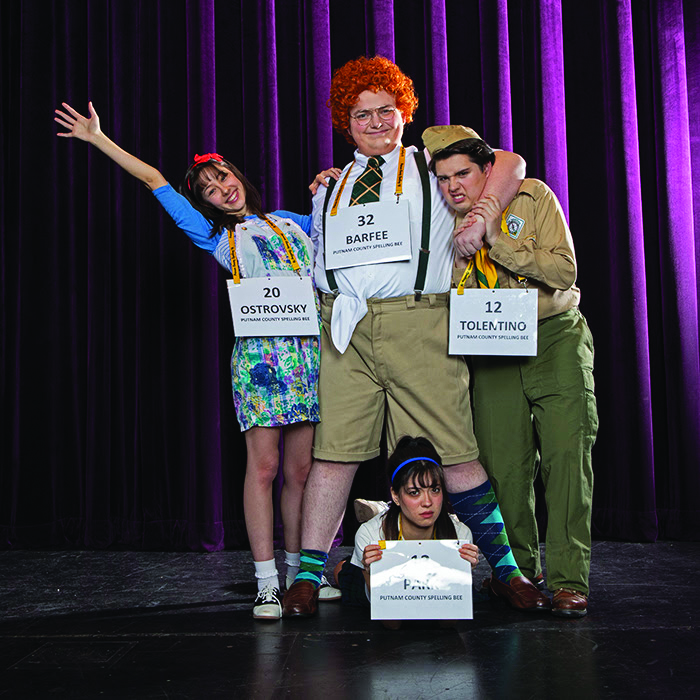
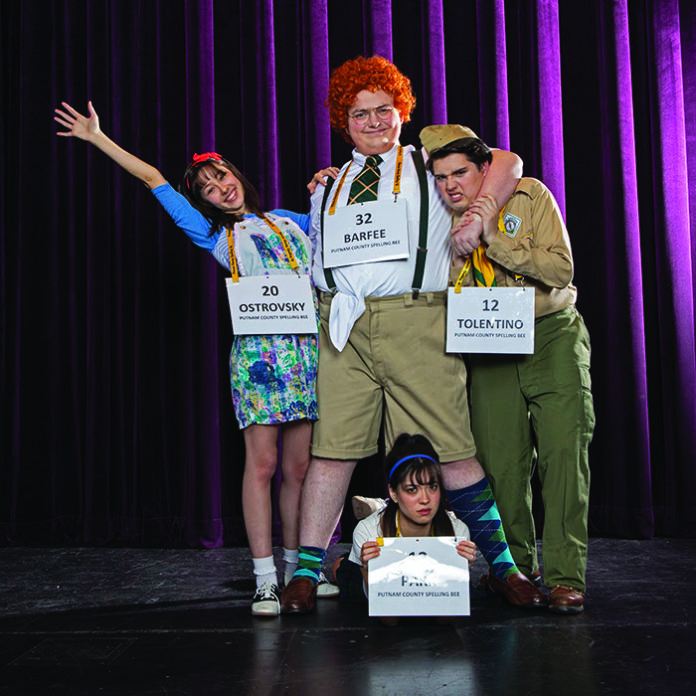
Playing in Santa Rosa Junior College’s Burbank Auditorium through March 9, The 25th Annual Putnam County Spelling Bee is an absolutely ridiculous musical in all the right ways.
Despite premiering on Broadway 20 years ago, it’s still fresh. The title explains the simple plot, and its naughty songs and musical numbers provide the opportunity for broad comedy. The songs are genuinely funny and present cleverly written scenes, with “I’m Not That Smart” and “Spelling Montage” the standouts.
But while this Bee does try hard to give us a look at the unfortunate burdens adolescents face from their uncontrollable bodies (well-portrayed by Diego Rodriguez in “Chip’s Lament”) and families (overbearing parents are a theme, most poignantly reflected through Mariah Burgos’ character, Schwartzy), the results are uneven.
Still, this is primarily a show for actors to create interesting characters. The most fully realized performance is Buffy Toledo as Rona Lisa Perreti, a past Bee champion and contest judge for whom “The Bee” lives rent free in her head. Toledo checks every box for the exceptional musical theater actor, and her voice is fantastic. She commits wholly to a character that in lesser hands would quickly become obnoxious.
More strong work comes from Olivia Manz as lonely Olive Ostrovsky, who has the body language of an adolescent wallflower down pat and imbues her character with true vulnerability. As Leaf Coneybear, Tyler Hurley is at once lovable, physically unpredictable and steals moments like candy from a baby.
Aidan Pryor, as the imperious William Barfeé (name pronunciation jokes abound), is channeling some deranged Albert Finney-Jack Black mashup that mainly succeeds, if only he would fully throw himself into the character.
As a whole, the ensemble is a talented and dedicated group, definitely worth the price of admission. Nerves did seem apparent on opening night. But once these roles are more worn in, the full extent of this cast’s competence will be revealed in all its foul-mouthed glory.
When the future of the art form is precarious, it is crucial to support our young performers, and to give them room to grow into the craft. It’s safe to say the cast is doing work that not only enhances their own skill sets but also brings obvious delight to their audience.
Though lightweight in character development, this is a rollicking, fun play. Patrons will surely leave the theater repeating their favorite lines and lyrics.
‘The 25th Annual Putnam County Spelling Bee’ runs Thur-Sun through March 9 in the Santa Rosa Junior College Burbank Auditorium, 1501 Mendocino Ave. Thur-Sat, 7:30pm; Sat-Sun, 2pm. $15–$25. 707.527.4307. theatrearts.santarosa.edu.
For those who can have an alcoholic beverage without letting their life spiral into oblivion, the North Bay is a Shangri-La.
Breweries, wineries, distilleries and other opportunities for revelries abound. When the sun goes down, there’s a place where everybody knows your name, even if you’ve had too many IPAs to remember it yourself.
For those of us who don’t drink, nightlife options are limited to the family-friendly. And then it’s off to bed while the adults get to enjoy the moonlit merrymaking that we have either denied ourselves or have been denied by doctors, family members and law enforcement agencies.
I’ve been a member of the non-drinking crowd for years. And while I certainly don’t mind being in bed by 8 o’clock, I also knew there had to be something out there for us. Places to sit and lose ourselves in the darkness without the constant reminder of what we can’t have.
So, for three nights, I delayed my early bedtime and became a creature of the evening, seeking out a few of the booze-free late-night activities Sonoma and Napa counties have to offer. While the options are somewhat limited, there’s plenty to see and do as long as one doesn’t mind rubbing elbows with all the other sober weirdos who can’t sleep.
Napa Bingo Emporium
601 Silverado Trail, Napa
Open until 10:30pm
I didn’t expect the Napa Bingo Emporium to be an actual emporium. But it is. On a Friday night, I found myself at the Napa Valley Expo grounds in a massive hall lined with tables. I paid my $40 and sat with many paper bingo cards, a computer tablet that held an additional 72 electronic cards and a marker that I had to ask to borrow and was firmly told was called a “dauber.” These people are serious.
For four hours, we sat in reverent silence while numbers and letters were called from a stage flanked by not one but two American flags. People walked around selling pull tabs and flash games while I sucked down free coffee and tried to keep my eyes from crossing. The crowd, mostly senior citizens, had no problem keeping track of the multiple games. Many had special bags emblazoned with bingo balls that held their favorite daubers and custom card stands. It is a truly impressive thing to witness, and it happens three times a week. Every. Single. Week.
Cal Skate
6100 Commerce Blvd., Rohnert Park
Open until 1:30am on select days
There are things that were once ubiquitous but are now gone forever. Payphones, video stores and the middle-class spring to mind immediately. But a night at the roller rink can and should still be enjoyed. So I went to Cal Skate in Rohnert Park by myself on a Saturday night and rented a pair of rollerblades.
It turned out that my once-competent inline shredding ability was just one more thing that had disappeared. But my faith in the human spirit was restored as I held onto the wall and watched the rink. Adults with their own custom skates danced confidently in the center, teenagers held hands and fell in love, and every single person had a smile on their face.
The DJ, a 17-year-old kid who was having a blast, announced an 18-and-over race, and everyone cleared out to watch as three men lined up. As soon as the whistle blew, a surprise last-minute contestant blasted out onto the floor, far behind the pack, and quickly took the lead. The place erupted, and I clapped along, caught up in the joy and desperately trying to keep my balance.
Denny’s
1000 W. Steele Ln., Santa Rosa
Open 24 hours
I’ll admit that this Denny’s has always terrified me. I can only take so much grease on my greasy spoon. It’s one of the only 24-hour spots left in the area, though, so I swallowed my snobbery and prepared for the worst.
The newfound friendliness and cleanliness that greeted me at the door was a shock. After ordering coffee and a chocolate milkshake from the jovial server/night manager, I looked around, trying to nail down why it felt so inviting. The photos hanging on the wall—Louis Armstrong smiling, Jackie Robinson sliding into home, waitresses from the ’60s laughing—all seemed there to point out the things that have always been good and true about America and the all-night diner.
A cop sat at the counter, and the cook came out and talked with him about his troubles and triumphs. I wanted to scream, “What year is this?” as the Rockwellian scene played out. When I told the manager how good the place looked now and how lovely it felt, he beamed. “We dust our cobwebs here,” he said.
Wash World
1418 Mendocino Ave., Santa Rosa
Open until 11pm
When there’s nothing left to do, there’s always laundry, and there’s always Wash World.
Located right on the corner of Mendocino and Pacific, it’s probably better for people-watching than clothes-washing. A set of comfortable lawn chairs sits right by the large picture windows, chained together to keep someone from stealing just one instead of the set. While there are several signs begging one not to let children play on the laundry carts, it doesn’t say anything about adults. So one could probably have a pretty good time with that until someone gets hurt or needs to move their clothes to the folding table.
Walmart
6650 Hembree Ln., Windsor
Open until 11pm
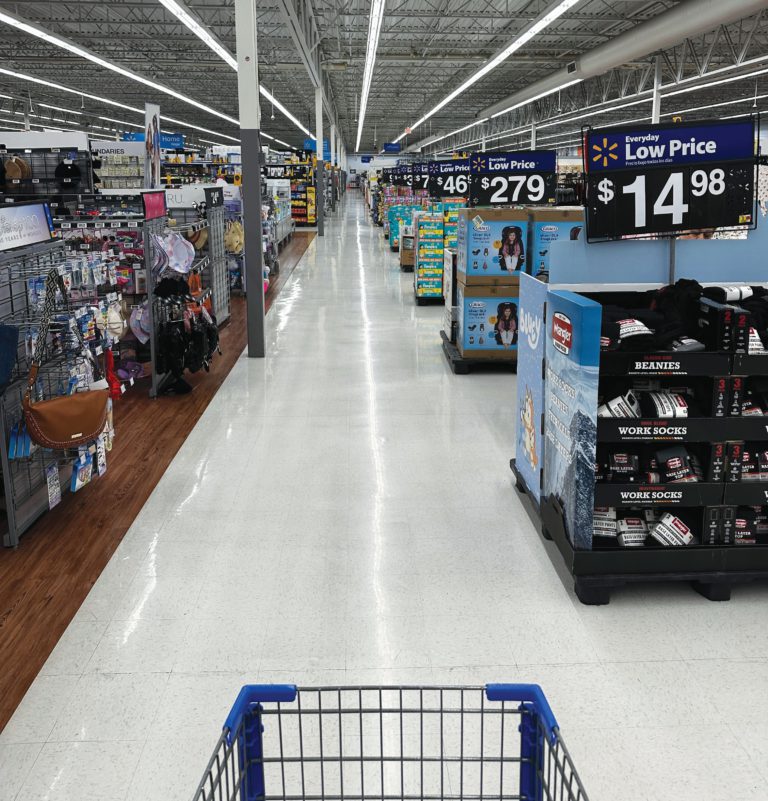
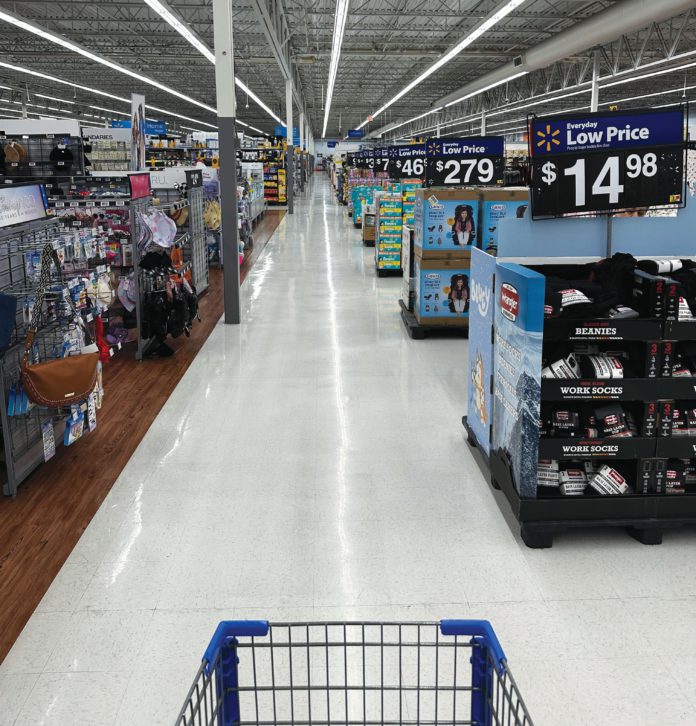
I would never suggest that one spend money at Walmart. But one should absolutely pace the aisles aimlessly without buying anything.
Like a casino but sadder, Walmart is so brightly lit and windowless that it could be 10 at night or 10 in the morning. And does it even matter once one gets to that point? The Dunkin’ Donuts inside the store closes early, but there’s usually a guy selling hot dogs out front. And we all know the Walmart parking lot is where most of the late-night action takes place.
Sobriety can be tough when one lives in an area with an economy based on alcohol. But just because one doesn’t partake, that doesn’t mean they can’t find adventure. Whether it’s gambling with grandmas or stumbling around in the fluorescent light of a big box store for no particular reason, one can still find a little teetotal thrill after dark if they know where to look for it.
Mill Valley
Faire Thee Well
Spring has almost officially sprung, and Spring Faire is bouncing back into action at the Mill Valley Community Center. This family-friendly event is packed with seasonal festivities, including local vendors, crafts, games and a dedicated Toddler Zone for the littlest spring revelers. From face painting to hands-on activities, there’s something for everyone—including a bounce house that...
It was Friday, Feb. 28, a day of national protest to the establishing of an oligarchic government in our country, a day to boycott non-local, non-essential businesses.
We the people were targeting corporate monopolies and greedy CEOs via their wallets. Mobilizing people power, we hoped in great enough numbers to have an impact, a voice.
Walmart was high on the “do...
Tuesday, March 11
Leprechaun treasure hunt at Santa Rosa city parks (daily through Mar 31, 9am-5pm)Final week to see “Driven to Abstraction,” abstract art exhibit at the Sebastopol Center for the Arts (Tue-Sun, Mar 11-16, 10am-4pm)Sebastopol Documentary Film Festival hosts screening of “No Other Land,” a Palestinian film about the “gradual erasure” of West Bank village Masafer Yatta (Tue-Thu, Mar 11-13, 2:50pm & 7:30pm)Group bike...
Published in cooperation between OnlineDatingSummit.com and the Bohemian
The number of sugar babies looking for sugar daddies is already calculated in hundreds of thousands, and the number of respected men who want to find a sugar baby increases every day as well. Naturally, all attractive sugar babies and their potential wealthy suitors need effective and legit destinations where they can...
The beautiful Uptown Theater in Napa was where the hippest shindig in the Northbay went down on Saturday, March 1, and if you missed it, that’s on you, Daddy-O. Living legend Nick Lowe took the stage with his Lucha Libre mask-adorned backing band, Los Straightjackets, who proved the perfect band for Lowe to traipse elegantly through his musical catalogue...
The Arlene Francis Center for Spirit, Art, and Politics, known colloquially as the AFC, is a non-profit community gathering space in a refurbished flour mill in Santa Rosa’s Railroad Square.
It is an unassuming brick factory building with a small parking lot and a bright blue metal front door. Inside is a small cafe counter at the entrance, a connected...
We got coffee at Retrograde. I ordered a cocoa with a surcharge whip. He got the same. I stepped out and stood, arms akimbo—to wait.
He did the same. Smiling, I suggested he was mirroring me because he was a politician. Smiling, he countered that it was because he was a Midwesterner.
Based on second and third impressions of the man—and...
Though most of us are still crawling out of our wintertime hibernation mindset, open enrollment for children’s summer camps is already well underway here in the North Bay.
The sun is shining, flowers are blooming and seasonal allergies are in full swing, and so too is the rush to reserve spots for children’s summertime recreation.
To help y’all get the process...
Playing in Santa Rosa Junior College’s Burbank Auditorium through March 9, The 25th Annual Putnam County Spelling Bee is an absolutely ridiculous musical in all the right ways.
Despite premiering on Broadway 20 years ago, it’s still fresh. The title explains the simple plot, and its naughty songs and musical numbers provide the opportunity for broad comedy. The songs are...
For those who can have an alcoholic beverage without letting their life spiral into oblivion, the North Bay is a Shangri-La.
Breweries, wineries, distilleries and other opportunities for revelries abound. When the sun goes down, there’s a place where everybody knows your name, even if you’ve had too many IPAs to remember it yourself.
For those of us who don’t drink,...