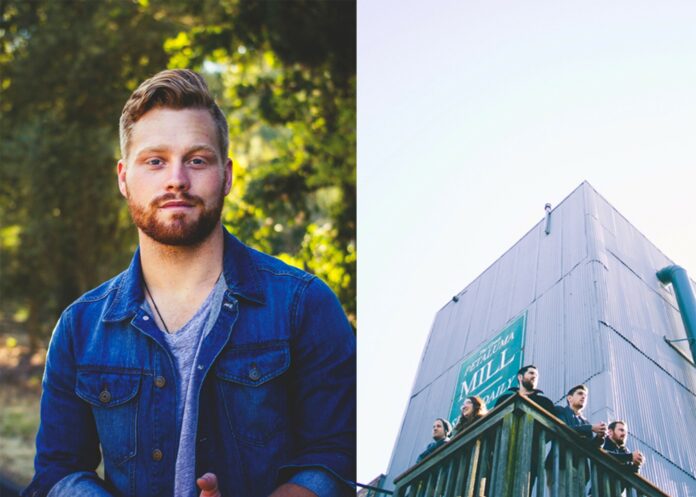
Sci-Fi Pioneer

0

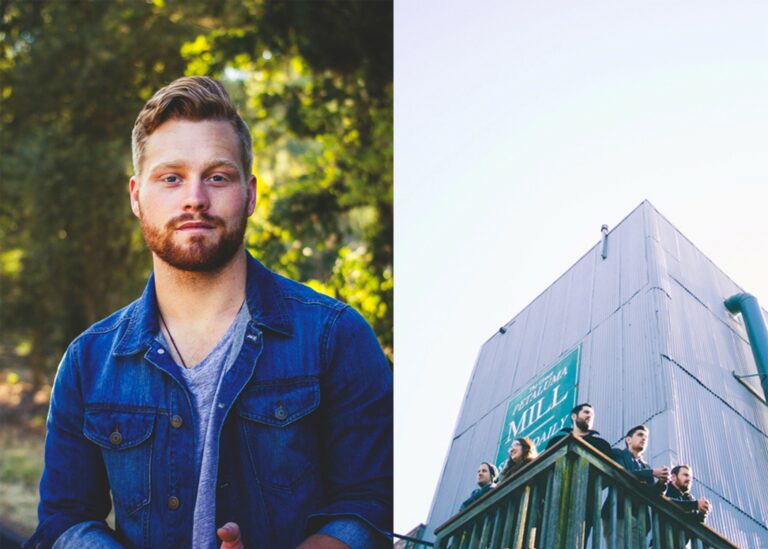
Santa Rosa is world-famous for its plant wizards and beer alchemists, but few people know its place in science fiction history.

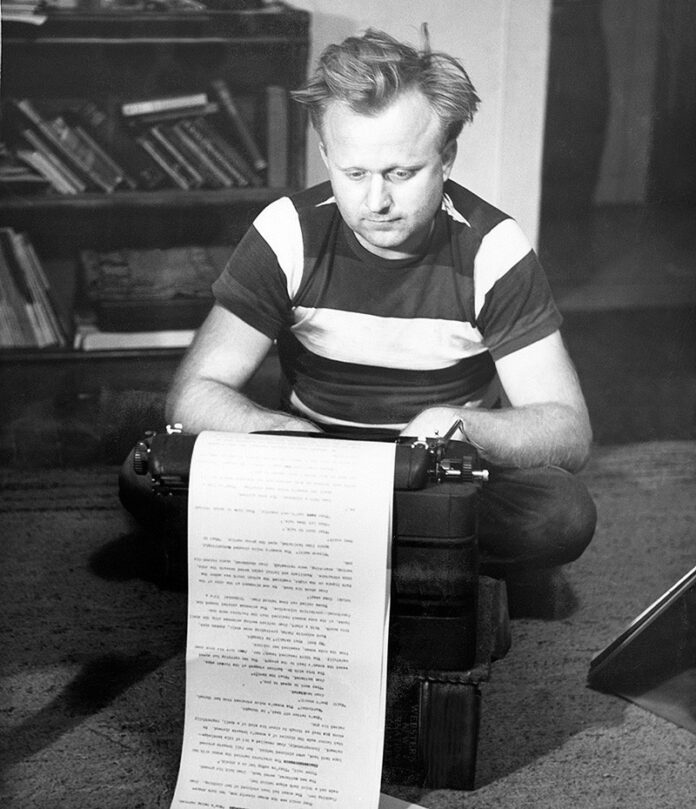
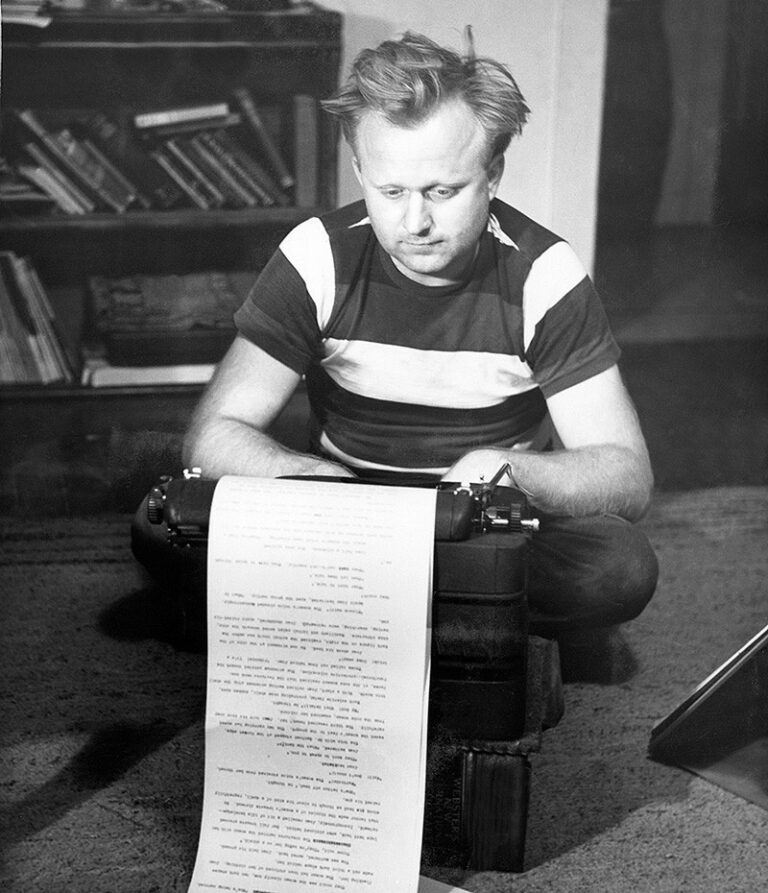
Long before Frank Herbert published his masterpiece Dune in 1965 he lived in Santa Rosa when his first sci-fi short story got printed in 1952. Traces of Santa Rosa can be found throughout his later books, including Dune.

Herbert moved to Santa Rosa in April 1949 with his wife, Beverly, and two-year-old son, Brian. They were soon joined by Bruce, born two years later. Herbert worked for the Press Democrat for four years as a photojournalist, writing a wide variety of features, columns and news articles—including one about the very first Doyle Scholarship Fund check presented to Santa Rosa Junior College. The Herbert family moved to Lake Chapala, Mexico, with sci-fi writer Jack Vance in September 1953 to start a writer’s colony.

My search for this lost archive of Frank Herbert articles started when SRJC journalism instructor Anne Belden took our news-gathering class on a field trip to the Press Democrat last year. I asked the editors if they had an index of the articles Herbert wrote while working there.

“We haven’t digitized issues going that far back,” editor Jim Sweeney said. “But I, for one, would be interested in seeing that. Maybe we’ll have an intern do that some day.”

“OK, you talked me into it,” I quipped.

At the time, I was just joking, but later I started taking the idea seriously. My research began last summer when Sweeney let me access the paper’s news clip and microfilm archives, but that fall I took a break for two more semesters to write for SRJC’s Oak Leaf News.

My assignment: covering the trial of the campus cop caught pilfering a quarter-million dollars from SRJC parking meters. I attended each of Jeffrey Holzworth’s courtroom appearances for three semesters, up to his May 29 sentencing. Though I never got paid, I earned a total of three news writing awards.

With Holzworth behind bars, I headed to the Sonoma County History and Genealogy Library to finish scrolling through rolls and rolls of microfilm. In total, my research uncovered 138 articles and more than 200 photographs by Herbert during the four years he lived and worked in Santa Rosa.

The Press Democrat‘s first Herbert byline appeared April 25, 1949: “14-Year-Old Bride Misses Death by Hair’s Breadth!” His first photo-feature appeared May 22 of that year with the epic title, “The Things You Find in the Garbage . . . Old Automobiles, a Human Skull, Money, Silverware, All in Day’s Work at the Dump.”

Herbert wrote articles with spicy titles like “Location of Freeway Signs Confuses Many Motorists” and “Judge Greene Dislikes Courtroom.” Several of his articles highlight local features of Sonoma County: the Gravenstein apple crop, the drop in egg prices, the county spelling bee and a series of articles about the telephone company’s plans to upgrade to dial-phone technology. There is even a photograph of Santa Claus sitting on Herbert’s lap.

SRJC is featured in five of Frank Herbert’s photos and articles. He photographed a Day Under the Oaks fashion show and a visit to the Bear Cubs football team by Frankie Albert, 49ers quarterback and later head coach.

The craft-beer movement in Santa Rosa is older than people think, and Herbert documented it himself. His photos of Courthouse Square show the old Grace Brothers Brewing sign, proudly boasting, “A Sonoma County Product.” Herbert’s photo of a harvester is captioned, “Truckload of hop vines is swung into automatic stripper at W. G. Dutton Ranch on West College Ave.”

Herbert explored a “surrealist extension into the fourth dimension” in his Aug. 25, 1950, article, “To One Part Verne, Add Galley of Zomb, Drop in Heathcliffe and expect Occidental.” Herbert’s twist on a drive in the country could be considered his very first sci-fi story, years before his “Looking for Something” got published in the April 1952 issue of Startling Stories magazine.

Santa Rosa’s influence on Herbert shows in his later works. Before Dune became a bestselling series, he published The Santaroga Barrier in 1968, about a small town in Northern California with an oddly familiar name.

There are hints of elements or characters in Dune in Herbert’s early Press Democrat articles: a family of model-train enthusiasts voice-controlled their train set in December 1949 with a “weird device”—like the Bene Gesserit controlling people with “the Voice.” That same month he wrote about decorating and lighting the Cedar of Lebanon tree at Luther Burbank’s Home & Gardens, where the “plant wizard” is buried by his greenhouse—like Dune planetologist Liet-Kynes, buried in the same sands he tried to transform.

Herbert rode in an Air Force jet May 1950 and said the distance from Santa Rosa to the airbase that took 45 minutes for him to drive only took four minutes by jet. “I am still trying to accustom my mind to a new conception of time and distance”—like Dune‘s Guild Navigators folding space.

Most prescient of all these lost archives is Herbert’s July 1952 photo of 685-pound “Tiny” Atkins, bedridden after a car accident, loaded bed-and-all by five men into a moving van. Watching their efforts, the budding sci-fi writer must have imagined some sort of gadget to help lift the man—just like Baron Harkonnen’s anti-gravity suspensor belts.

I could write a book about all the fascinating Herbert articles I discovered. In fact, I am; I’m calling it Frank Herbert’s Lost Archives, Vol.1: The Santa Rosa Press Democrat 1949–53. It’s dedicated to my brother Robert the Magician, who died this summer after surviving AIDS for 18 years.

The sands of time forget many things, but now people will remember that Herbert’s spice flowed from Santa Rosa.

For more info, go to ErikJorgensenPhotos.Blogspot.com.

Recommended for You, Sonoma Lawman

0

A task force established by the Sonoma County Board of Supervisors has released its draft recommendations online Thursday. 

The Sonoma County Community and Local Law Enforcement Task Force was created in the aftermath of the 2013 death of Andy Lopez, who was shot and killed by a Sonoma County Sheriff’s Deputy. Lopez was carrying an Airsoft rifle that mimicked an AK-47 when he was shot.

The recommendations include suggested reforms and serves as a multi-point answer to several questions posed to it by the board of supervisors.

Of special note in the draft recommendations is the proposed creation of an Office of Independent Auditor to review police-relating shootings and other use-of-force issues in policing and in the county detention centers.

This is the main recommendation, says task force chairman Eric Koenigshofer in an interview. The draft recommendation will be unveiled at the task force’s next meeting, Feb. 5

Koenigsburg was asked in advance of its release whether the board was considering a so-called “civilian review board” to deal with a perceived lack of accountability in the county when there are police-related shootings and injuries. Complicated question, that.

“Yes, it’s a civilian review board,” he answered. “No, it’s not a civilian review board.” He said it would take an hour to get an answer that accurately reflected the recommendation. “Define ‘review board,’ said Koenigshofer.

In effect, the proposed Office of Independent Auditor would be a new office within the county apparatus, but independent of the sheriff’s office. The “citizen review board” part of the deal would be under its umbrella, the OIA Citizen’s Advisory Committee.

Here’s what that citizen’s committee would do, according to the draft recommendations:

“The OIA Citizens Advisory Committee will conduct regular, public meetings in which the Auditor will provide information to the Committee related to trends in law enforcement including complaint tracking, results of situational audits, discussions and conversation with law enforcement related to policies and protocols and efforts to engage and outreach to the public with the aim of supporting the positive relationship between the community and law enforcement. The Committee will also reserve time on each agenda to hear from the public related to their questions and concerns related to law enforcement activity.

“The OIA Citizens Advisory Committee is intended to assist and complement the Independent Auditor as liaison between the community and law enforcement with the ultimate aim of creating a sense of security, mutual respect and trust between all parties.”

Koenigshofer says one of the big challenges in creating recommendations for the county was that expectations in the police-reform and activist community were very high—and that there remains a lot of anger about the Lopez killing, and its aftermath. With the anger has come suspicion that the board wasn’t going to actually do anything. Not so, says Koenigshofer, and it’s all enshrined now in their draft recommendations. “We tried to take the assignment that the board presented us,” he says, “and present things that the board could implement.”

But there was always a strain, since the task force was set up because of a single, tragic incident—but charged with offering sweeping reforms to policing and accountability here. He described the process as, “an effort to understand the legal landscape that exsits – not because we didn’t want to tell people what they can’t do – but to understand what they can do.”

Activists had, for instance, pushed the task force to demand that Officer Erick Gelhaus not be allowed back on beat after he was cleared of wrongdoing by Sonoma County District Attorney Jill Ravitch. That wasn’t part of their purview, but the task force still had to address the fallout from Ravitch’s decision.

“A lot of what has come out in these meetings is that there was dissatisfaction with [Ravitch’s] decision to not charge the deputy with a crime. And, because there is disagreement over the result, there has been a suggestion by some folks that something could be created to override the DA’s decision,” says Koenigshofer.

“You are exactly right that the Lopez incident created expectations that the task force could never implement,” he adds.

The problem facing the task force is that both the Sonoma County supervisors and the D.A. have powers granted to them enshrined through state law, not to mention the state and federal constitution.

“It’s a fool’s paradise to think that a local government can come up with its own arrangement with the expectation of overriding state or federal law,” says Koenigshofer. He recalls an axiom from the Bill Clinton era: “Every complex question has a simple answer that’s wrong.”

“What we are proposing is a very significant change in the status quo, but that doesn’t go as far as some people would like it to,” he adds.

The task force recommendations are up on the county website, and address each of the four questions and conundrums posed to it by county officials.

The big-ticket item is the aforementioned creation of an Office of Independent Auditor. The OIA would “have authority to audit investigations of employees of the Sheriff’s Office,” and would include detention workers at the county lockups. The task force recommended that these auditing powers be extended to the county Probation Department, and would also create a special unit devoted to incidents involving youth.

It’s a big proposed change for how internal investigations are received and conducted, as the task force notes in is recommendations:

“The introduction of an Office of Independent Auditor (OIA) will result in the need to develop a new coordinated process of complaint receipt and review involving both the Sheriff’s Office (SO) and the OIA. As previously noted, the OIA will not become a part of the Sheriff’s Office investigation process nor will the OIA be subordinate to the SO. The OIA will be housed in a separate facility with its own budget. The two offices will need to cooperate and coordinate in order for the OIA to successfully perform its duties.”

The task force also recommended that the Officer of the Coroner and the Sheriff’s Office be split, to avoid creating a conflict of interest when there’s an officer-involved fatality.

From the draft recommendation:

“Since the Office of Sheriff and the Office of Coroner are held by the same person a conflict exists. The conflict is a fact which is the result of the organizational structure and is not a criticism of the performance of the current office holder or his staff. While there are numerous fine points which may be made within a discussion about the degree of conflict or whether a conflict has ever actually occurred, the fact remains that there is a conflict. The only way to eliminate the conflict is to separate the Office of Coroner from the Office of Sheriff.

It is recommended that the two offices be separated by obtaining voter approval in 2016 to take effect in 2019. As part of the measure presented to voters in 2016, include a provision which converts the coroner function to a position filled by Board of Supervisors appointment.”

The last recommendation has to do with the Sonoma County Grand Jury and its shortcomings when it comes to investigating law-enforcement related fatalities or injuries. The grand jury told the task for that it faced numerous challenges, inadequate funding for investigative work among them. The task force reiterated what it’s said before, without making a new recommendation about the role of the grand jury going forward.

“In light of our own investigation, and the findings of the 2013-2104 Sonoma County Grand Jury, we do not recommend that the Grand Jury be used as the sole mechanism for Law Enforcement Accountability.”

For citizens who were outraged by the Lopez shooting, and feel like they’ve been shut out of the process—or that their voices have not been heard: Fear not.

“This is our interim report to the full task force,” says Koenigshofer. “There will be a great big discussion at the board level, with hearings and meetings and etc. This is the beginning part of the public discussion.”

I reached out to Sonoma County Supervisor Efren Carrillo earlier this week for a comment on the task force’s work—and on the conditions under which it was empaneled. Here’s what he said:

“While the task force was created in response to a single incident, from the beginning the board intended for the scope to encompass a broad look at a broad scope of issues. The recommendations are being presented in draft form, and are pending additional input from the public, cities, and community partners. Therefore, it would be premature to comment on any particular item. I recognize that there are complex legal issues and constraints that the task force has had to consider when forming their recommendations, and which they are still working through.

I am supportive of the task force and their process, and eager to receive their final report and presentation of recommendations in May. From the beginning, the board has supported the independence of the task force, and the importance of having input from a group that reflects our community. The Board takes the relationship between law enforcement and the community very seriously, and we are looking forward to working with the community, Task Force members, law enforcement, and community organizations to make Sonoma County a better place to live and work.”

Jan. 30: Natural Folk in Napa

0

San Francisco–based songwriter Brandon Zahursky blends a thoughtful and genre-bending blend of pop, folk and soul music under the name Rivvrs. His music has recently been featured on television shows like ‘About a Boy,’ and he has toured the country opening for artists such as Jewel and Matt Costa. This week, Rivvrs brings soulful melodies to Napa in a show that also features atmospheric folk group Anadel. The group calls Napa home, and they celebrate the release of their new album, Well and the Wild. The new record is being praised for its emotive arrangements and lush harmonies. Special guest Vincent Costanza opens the show. Friday, Jan. 30, at Silo’s, 530 Main St., Napa. 8pm. $15. 707.251.5833. 

Jan. 31: Revealing Fiction in Corte Madera

0

Revered literary master and New York Times bestselling author Joyce Carol Oates is one of America’s most prolific and illuminating writers. Her latest novel, The Sacrifice, explores the simmering racial tensions just under the surface of a small New Jersey town after a young girl allegedly suffers an act of racial violence. Coming at a particularly incendiary time in this country’s ongoing racial conversation, Oates again proves that her challenging and fearless prose is a constant reflection of our own social fears and endearing moral dilemmas. This week, Joyce Carol Oates reads from and discusses The Sacrifice when she appears on Saturday, Jan. 31, at Book Passage. 51 Tamal Vista Blvd., Corte Madera. 1pm. 415.927.0960. 

Jan. 31: Father & Son Bands in Sebastopol

0

Two generations of iconic funk and rock music come together for the first time in the North Bay when Hall of Fame soul man Lester Chambers and his son, Dylan Chambers, both of whom live in Sonoma County, share the stage. Last year, Lester Chambers and the Mud Stompers won the Bohemian’s North Bay Music Award for Best Blues, while Dylan Chamber and the Midnight Transit picked up the Best Rock award. The Chambers men and their bands come out for a special father-and-son show on Saturday, Jan. 31, at 775 After Dark (Aubergine), 775 Petaluma Ave., Sebastopol. 9pm. $15. 707.829.2722. 

Feb. 1: Still Standing in Glen Ellen

0

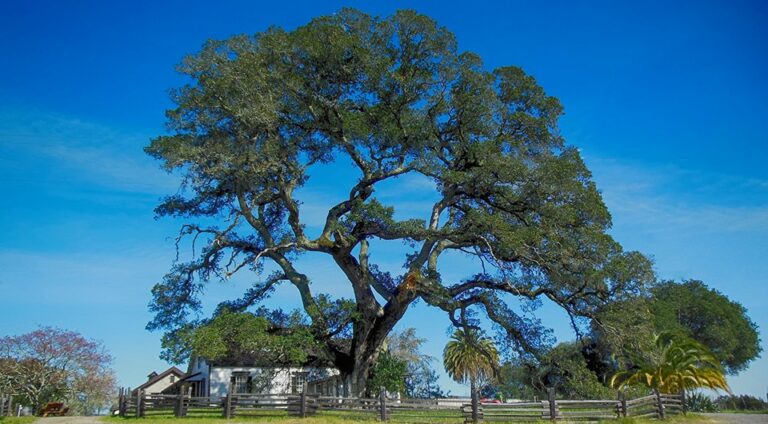
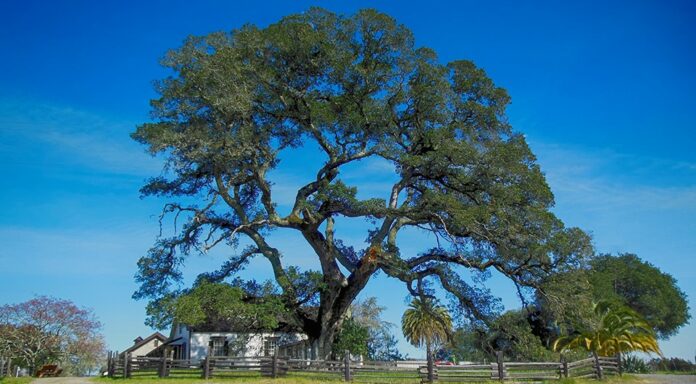
Last year it was reported that the massive oak tree shading the historic cottage at Jack London State Park, commonly called ‘Jack’s Oak,’ was in poor health and may have to be cut down. Estimated at 400 years old, the tree is nearing the end of its life, though a year later the tree still stands. This week, the community comes together to celebrate the ancient oak. The past and present life of Jack’s Oak will be discussed, and a new seedling from the tree will be planted in the spirit of nature’s renewing cycle. The celebration concludes with a walk through the park to appreciate the other trees in Beauty Ranch. Jack’s Oak is celebrated on Sunday, Feb. 1, at Jack London State Park, 2400 London Ranch Road, Glen Ellen. 10am. $10. 707.938.5216.

Step Up to the Mic

Ah, the Open Mic. This is the one space in the paper, besides the letters section, where we don’t just want your input—we rely on your input. It’s a space we leave open and free to all comers, where a fiery and well-turned argument will always find a home.

Please don’t take this as a threat, but—you really do not want the Bohemian staff to start filling the Open Mic with half-baked opinions about everything and everything.

The last thing our readers needs is for news editor Tom Gogola to start going off on his thoughts regarding, say, anchovies on pizza. His proposed editorial? “Anchovies should be mandatory.” We’re sure some of you disagree. Tell us why.

Similarly, do you really want to read editor Stett Holbrook defending lard, week in and week out, in this space? Because Holbrook is prepared to do just that.

Vegans and anchovy-haters of the North Bay! Throw down an ace column of your own! Take a side and argue it to its raw bone of truth, and we’ll make sure we run it, even if—especially if—we couldn’t disagree more. We are here to challenge, and to be challenged.

It is preferable that we hear from our readers—all of our readers—who have an opinion to share, and the ability to do so in 350 words more or less. We want fresh perspectives on hot-button issues, well-turned screeds and savage indictments of the odious and the corrupted.

So next time you’re about going to go on a ranting spree at Craigslist, check those contrails, adjust your tinfoil hat and crank it out for the Bohemian instead.

We’ll run it, unless you stray from common decency and into libelous waters. We’re trying to keep an open mind—and more to the point, trying to keep the Open Mic true to its original vision.

Open Mic is a weekly feature in the ‘Bohemian.’ We welcome your contribution. To have your topical essay of 350 words considered for publication, write op*****@******an.com.

Growing Stages

0

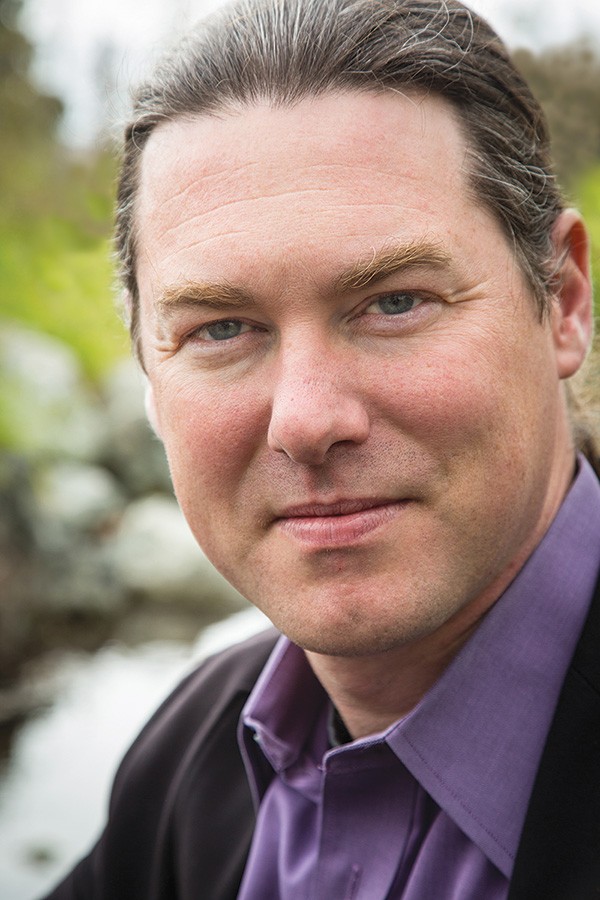
‘As long as I’ve been in this business, people have been asking if theater is dying, if the audience for theater is diminishing,” says Terence Keane, executive director of Cinnabar Theater in Petaluma.

“And as long as I’ve been in this business, the answer has always been no. Theater isn’t dying. But theater is changing. And the theaters with the longest lives are those that ride those changes while staying firm to what it was that made people want to see shows there in the first place.”

For any midrange theater company, building and sustaining a strong financial foundation is a bit like cooking up an exotic stew: sometimes it demands a blend of heart, brains and guts. And if you don’t have the stomach for it, you shouldn’t be in the theater business.

“It’s a game of balance, and it’s not easy and sometimes its scary,” says Keane, “but when it works, it’s incredibly rewarding.”

Keane, who will celebrate two years at Cinnabar this April, was for years the marketing director for the Berkeley Repertory Theater. When he arrived at Cinnabar, his job was clear: to help make a good company even better. Working side by side with longtime Cinnabar leader and current artistic director Elly Lichenstein, Keane has called on lessons learned over his years of experience to steer Cinnabar toward greater financial security, recognizing that Cinnabar’s 42-year reputation is rooted in its commitment to diverse, ambitious, eclectic programming, staging everything from operas to original plays to concerts to solo shows.

Over the last 18-months, Cinnabar has greatly expanded its number of subscribers—patrons who buy a package of tickets for a whole season—increasing individual subscription sales by 88 percent, effectively doubling the company’s subscription income. In the last fiscal year, Cinnabar has expanded earned income (from tickets sales, tuitions and the like) by 26 percent, and has seen its contributed income (all donations from companies and individual donors) increase by 34 percent, all while keeping rising expenses down to a mere 4 percent.

So in a theater climate where so many companies are struggling, what exactly might they learn from Cinnabar’s example? According to Keane, that’s the wrong question.

“Everything that works for us probably won’t work for another company,” he says. “If we tried to do what Marin Theatre Company has done successfully, we would not necessarily succeed. If people like what we’re doing, then you should keep doing it. And you can either maximize that, or by fussing with it too much or too often, you can ruin it.

“At Cinnabar,” says Keane, “we’re committed to doing what we do best.”

Witches & Pizza

0

The pitch-black punk rock emanating from all-girl group L.A. Witch has been generating massive buzz in the lower part of the Golden State for over a year now.

Though the trio does not belong to any actual coven (that we know of) they do call Los Angeles home, invigorating the city of angels with their fierce and addictive brand of heavy and blissfully fuzzed-out garage grit. L.A. Witch make their way to the North Bay for the first time this week, headlining at Atlas Coffee Company in Santa Rosa in a show put on by local organizers the Pizza Punx.

L.A. Witch consists of Sade Sanchez on guitars and vocals, Irita Pai on bass and newest recruit Ellie English on drums. The group is influenced by much of the proto-punk of 1970s British bands and the leather-jacket swagger of 1980s American acts. Sanchez’s droning vocals and despondent lyrics especially recall an early Ian Curtis from Joy Division, while the rumbling bass lines and one-two, one-two drum beats hark back to the sounds of the Stooges.

L.A. Witch is the kind of band that the Runaways or the Bangles would’ve probably taken a step back from, overwhelmed by their sheer power and cool. Their self-titled EP, released last year, is an uncompromising and groovy introduction to their sound, with songs like “Get Lost” boasting a bluesy undertone in the reverb-soaked wails and searing guitars.

Joining L.A. Witch in Santa Rosa is a host of bands from Northern California who are themselves making waves under the surface of the local scenes. Out of Oakland comes the intriguingly diverse stylings of Catharsis for Cathedral, a three-piece that plays something between orchestral rock and experimental acid pop. The result is a truly haunting experience reminiscent of bands like the Black Heart Procession.

Also on the show is Nevada City garage rockers Scissor Vision, who are adept at chaotic noise and warbling tones with a dusty atmosphere. Dissident guitars and a shout-at-the-moon approach to vocals give the group an unpredictable edge, while classic punk riffs and familiar rockabilly fun come through loud and clear—it’s as if the Clash and X decided to swap shores for a decade, and then somehow members of the Butthole Surfers sneaked into the recording room.

Opening the show is Santa Rosa’s own CREEP BEAT, a down-and-dirty, no-frills-all-thrills outfit that’s a straight shot of fun and fuzzy rock and roll. As for the Pizza Punx themselves? Well, yes, there will be pizza. Pizza’s good. Just don’t bring any calzones to the show. Calzones are stupid and no one likes them.

Abroad At Home

0

There is a wrong way and a right way to spend a staycation.

The wrong way is to stay home. I tried that once with expectations of leisurely days playing tourist in my hometown. I ended up doing laundry, organizing the garage (again) and answering calls from people I didn’t want to talk to. I think I cleaned the bathroom as well. It felt like a waste of my time off, and when it was over I felt like I needed a vacation.

The right way is to leave home and spend a few nights somewhere nice and then play tourist. To keep it a staycation it needs to be close to home. That’s easy to do in the North Bay, and a lot cheaper and quicker than jumping on a plane.

I lived in San Francisco for years and never went to Alcatraz until my family came into town and was looking for something to do. OK, I said. I guess I’ll go. It was fascinating and I loved the view of the City from the island. I saw San Francisco in a new light, literally and figuratively.

Living now in the land of plenty here in the North Bay, it’s easy to take all the wine, food, natural beauty and history for granted. I wanted to see the area with new eyes. But why should I wait until my in-laws come to town to experience what people come from all over the world to enjoy? Thanks to my hosts at the Sonoma Valley Visitors Bureau, my wife and I took a 36-hour staycation to the Sonoma Valley this past weekend to see what we’ve been missing.

While I was ready to play tourist, I wanted to avoid the tourist-dense zone around the Sonoma Plaza. The square itself and Sonoma City Hall are beautiful, but shopping at the many stores around the square was not what I had in mind. I wanted to get a little more off the beaten track. I was OK being a tourist. I just didn’t to hang around other tourists.

MacArthur Place Hotel & Spa made for a perfect base camp and a rather plush one at that. Rooms start at $425. The hotel is just four blocks away from the square, close but far enough away for me. The hotel, which began as a country estate built in the 1850s, is made up of a series of colonial-style cottages surrounded by meticulously maintained gardens and outdoor sculptures. I’d much rather ramble around the grounds here than roam a hotel hallway any day. A horsey, Southern-country-manor theme pervades the place. It feels a world apart from the busy plaza. I love the varied style of homes and leafy neighborhoods in Sonoma east of Broadway. The hotel put us right in the middle and made exploring the area on foot easy.

As part of my desire to see Sonoma from a different vantage point, I enlisted the help of tour guide Bruce Mackay, a friendly expat from England with a white goatee who owns Vin de Luxe wine tours. There are plenty of tour operators in Sonoma Valley, but Mackay strives to distinguish himself with one-of-a-kind tours that celebrate some of the area’s lesser known sights and attractions. Of course winery visits are the core of what he does, but he doesn’t offer booze cruises. Instead of quantity, he seeks out quality with appointment-only tours that offer more history and wine education than they do bacchanalia. His background in the wine industry (Landmark, Ravenswood, Quixote) means he’s got insider knowledge.

We took a version of his “over the moon” tour that began with a stop at the Sonoma Skypark. The full tour is $850 for two. The “moon” here happens to be Moon Mountain, and we were going over it in Bob Berwick’s stunning 1926 biplane. The Wright engine in the plane is the same as Charles Lindbergh used to cross the Atlantic Ocean.

“Not many things are still working at 89 years old,” says Berwick, a former commercial pilot who runs Coastal Air Tours and partners with Mackay on his tours.

Good enough for Lindy, good enough for me. I’ve been in some small planes before, but never a nearly 90-year-old plane with an open cockpit. A layer of fog was hanging over the valley when we arrived at the airport, but as soon blue sky began to appear we taxied down the runway and climbed through a hole in the clouds.

The feeling of flying in a plane that felt no bigger than an amusement-park bumper car was unnerving at first, and I found myself holding on to a support bar in the cockpit as we raced through the cold morning air at about 90 miles an hour. What good would that do if things went wrong? As we bounced over some mild turbulence, I noticed a rising wave of nausea and considered that Berwick was seated directly behind me. And he wasn’t wearing goggles. For both our sakes, I really didn’t want to get sick. But Berwick has been flying for 40 years and has piloted everything from DC3s to 767s. I focused on that, and started to relax and enjoy the ride.

Moon Mountain loomed at the northern edge of the Sonoma Valley, rising well above the morning fog. Strangely, I felt more at ease as we flew away from the fog and above the rain-greened mountain and its patchwork of vineyards, woods and sprawling estates. As we circled back to the airport and skirted Napa County to the east, the last of the fog burned away and I appreciated Sonoma Valley below in all its glory.

Back on the ground, my nausea was replaced by hunger. We headed south in Mackay’s comfortable Lexus SUV to Cornerstone Gardens in Carneros appellation of the valley, land of fog and cool-weather-loving Pinot Noir and Chardonnay. I had a vague idea of what Cornerstone was, but my limited expectations made the place that much more of a surprise.

Cornerstone Gardens is nine acres of outdoor sculpture and artful landscape architecture. Each installation is like entering a room in a galley, but this one has no roof or walls. It’s a beautiful and inspirational place. I imagine many people drive past as they hurry to Napa or central Sonoma. That’s too bad. It would be easy to spend a day here wondering among the art and varied landscapes.

There are also a few winetasting rooms and tasteful shops (Artefact Design and Salvage is great indoor/outdoor shop to explore) and an excellent place to eat, Park 121. Apparently there have been several restaurants in the space that never caught on. This place has all the right moves. It’s an open, airy cafe with a delicious, eclectic and locally sourced menu that includes Cuban sandwiches, empanadas, spring rolls, decadent grilled cheese and a Carneros-only wine list.

The reason Mackay likes to fly guests over Moon Mountain is to give them a bird’s eye view of one of his favorite winegrowing regions. Moon Mountain sits on the southwestern slope of the Mayacamas Range and offers expansive views of Sonoma, Valley of the Moon and the Sonoma Mountain range across Highway 12. The newly created Moon Mountain American Viticultural Area is home to mountain vineyards that grow in the lean, volcanic soils created by Mt. St Helen’s big blast a few million year back. We headed Petroni Vineyards up Cavedale Road. The steep, mountaintop vineyards are impressive enough, but the newly opened, 18,000-square-foot cave is the real draw. The lush Pinot Noir, Syrah and Sangiovese are worth the drive too. It’s open by appointment only.

[page]

After Mackay dropped us back off at our hotel, we had a little downtown before dinner. I used my time wisely. I took a nap. I wanted to be refreshed before eating at one my favorite restaurants, the Glen Ellen Star. I reviewed the restaurant shortly after it opened about three years ago. I loved it then and love it now. Little has changed, which I take as evidence of the strength of chef-owner Ari Weiswasser’s vision: a small but wonderfully executed menu of locally sourced, wood roasted vegetables and meat and fish, thin crust pizzas, great salads and reasonably priced local wines.

The bar seating around the tiny, open kitchen and intimate dining room make it feel like you’re dining in someone’s house. It’s really a perfect wine country restaurant, welcoming, casually sophisticated and dependably delicious. On this visit and ones previous we were waited on by Tom Rice, a consummate pro in a land of amateurs. He’s got a charming manner, a wide smile and he knows the menu as if he created the dishes himself. He and Weiswasser make the restaurant the little gem that it is.

Back at MacArthur Park feeling full and happy, we slipped into the hot tub for soak under a starry sky. In our comfortable room, I found myself wishing I could transport the place with its soaking tub, fireplace and outdoor shower back home, but then I wouldn’t leave home. That night I slept as if I’d been shot with a tranquilizer dart.

The first order of business the next morning was breakfast. Lots of hotels offer complimentary continental breakfast, but I’ve come to be wary of them since they’re usually little more than store-bought pastries, corn flakes and out-of-season fruit. You get what you pay for, right? MacArthur Place offers something altogether different: house-baked muffins and pastries, excellent granola, chia seed and yogurt muesli, bagels with salmon-cream cheese spread, local hardboiled eggs, and fresh (albeit out-of-season) fruit.

Sunday was our last day and the agenda wasn’t too demanding: massage, lunch and another winetasting appointment. I was beginning to get the hang of this staycation stuff.

Lunch was a quick one at Maya, our one trip to the Sonoma Plaza. The stone-walled restaurant boasts a tequila list 150 bottles deep. But I came for food not shots. We were running late so we unfortunately had to wolf down a bowl of excellent tortilla soup, a so-so caesar salad and an enjoyable pair of tlacoyos, pockets of lightly fried masa filled with mole verde and chicken. I wish we had more time to enjoy it, but we were late for our massage back the hotel.

The longest massage I’ve ever had was a 15 minutes in a chair in my office. Nice, for sure, but I was relishing the thought of 60 minutes. After slipping on a robe and pair of sandals, we were escorted into separate rooms filled with ethereal New Age music and pleasantly perfumed air. I was in for an aromatherapy massage. I was instructed to select an aroma from a flight of bottles. I chose eucalyptus. It’s rejuvenating, my masseuse told me. And who doesn’t want to feel rejuvenated? In truth, when my time was up and the massage was over I felt more calm and Zenned out than rejuvenated, and that was fine by me. I lingered on the warmed massage table to savor my serene state of mind and body.

Thoroughly unstressed, we headed to our last stop, Hamel Family Wines. I heard a few things about this new winery between Sonoma and Glen Ellen. I heard they threw an over-the-top rager of an opening party last year. I heard the place oozed money. And I heard the owners had a thing for badgers. But I hadn’t heard much about their wines.

Once we were buzzed in (appointment only), we drove up a long driveway to the modern looking “estate house” and entered another world—one of wealth, impeccable taste and, to my pleasant surprise, a real commitment to the environment.

Water from the winery is used to wash out tanks is collected in a pond where it’s used for irrigation. The soil excavated from the newly opened 12,000-foot cave (yep, they’ve got one too) was used to created rammed-earth walls for the tasting room and administrative office that help reduce the building’s energy use. The grapes are certified organic and cover crops run between the vines. Biodynamic certification is in the works.

“We’re creating our own ecosystem on this property,” says Hamel’s ebullient “wine ambassador” India King.

The tasting room (“room” really doesn’t do it justice—how about “hospitality center”?) and expansive decks and grounds, water features and chairs that all orient you to the rolling vineyards, across the valley and to Sonoma Mountain in the background. It’s positively stunning. It’s the most beautiful winery I’ve ever seen, hands down. King and director of hospitality Dawn Agnew clearly enjoy working here, and their enthusiasm shows.

How’s the wine? Like everything else here, it’s exceptionally fine. Tasting our way through five wines, each exhibits enough fruit and accessibility to satisfy California palates but with sufficient restraint and finesse to please those with a more European sensibility. I’d given up on Zinfandel because more often than not it’s got the subtlety of blackberry-flavored jelly, but Hamel’s 2012 estate Zin displays a seductive delicacy backed by muscular tannins. The flagship 2010 Hamel Family Ranch Bordeaux blend is a gorgeous age-worthy wine of power and grace that’s eminently drinkable right now.

This is clearly a money-is-no-object winery, but every detail from the lighting of the cave, the leather-covered doors in the “reserve room,” and the individually folded terrycloth hand towels in the bathroom reflect the owners’ style and sensibility.

Next time you’ve got family in from out of town, skip Alcatraz and take them here. Better yet, don’t wait for them and take a staycation of your own.

Though our trip was only 36 hours, heading back home as the hazy winter sun set over Sonoma Mountain, I felt like I had truly been away in spite of the short distance we’d traveled.

[page]

POINT OF DEPARTURE

Traveling the road less taken at Pt. Reyes National Seashore By Flora Tsapovsky

Traveling is only partly about the destination. It is mostly, of course, about that wonderfully clichéd word—adventure.

The way things go wrong and end up being just right when you step out of your comfort zone is priceless. Additionally, leaving home often skews your perspective to the point of refreshing, goofy absurdity—your hotel room’s view is a parking lot, the famous national park is closed, today of all days. Little things crush you and even smaller things thrill you, and you return home feeling refreshed and alive. In this sense, a staycation is just as good as a lengthy overseas vacation, if you follow one simple rule: the further from the normal, the better.

With that in mind, my boyfriend and I drove for an hour south to Point Reyes, exchanging the redwoods for sweeping coastal views, and then six miles past the town of Point Reyes Station to Five Brooks Ranch (www.fivebrooks.com). We were going horseback riding. The idea of horseback riding a short drive from your house is utterly ridiculous—hence, the perfect staycation activity, guaranteed to shake things up. We were open to bustling along with European kids who came for the pony rides and a loud, happy family from San Leandro—the women clad in riding boots and fake eyelashes.

As no one else booked our hour, Dave, the fast-talking, joke-cracking guide, took us on a private tour, peppering the journey with talk about everything from Star Wars to Vikings. Ridiculous or not, when your horse elegantly gallops you into thorny branches, all those pesky everyday problems fall away, making room for a new one: the pain in your glutes as you dismount the noble animal.

Shaken but properly entertained, we checked ourselves into a hostel. Anyone could stay in a fancy, pampering hotel with a comfy bed. But a hostel? Perched on a hill in the Point Reyes National Seashore reserve, the Point Reyes Hostel exudes an equal amount of charm and dysfunction. The shower was a little cold; the mattress, a little too soft. And yet, the giddy excitement of climbing a bunk bed and the cozy appeal of a dimly lit common room filled with random folks from all over the world are second to none.

Our chosen dinner destination, nothing a true backpacker could possibly afford in all honesty, was quite unusual as well. On the outside, Saltwater Oyster Depot, a small Inverness restaurant, looks like a luxurious, grown-up restaurant. Inside, it’s a romantic, spontaneous place of first dates and anniversary dinners. Waiting for a table, wine glass in hand on the heated patio, provided an elusive, far-away-from-home feeling, but the meal itself was hit-and-miss. The oysters were a tangy highlight, and so was, quite surprisingly, the fragrant mushroom soup. But the salads—one with cauliflower, one with beets—were something you could easily make back home.

If riding a horse was an oddball choice, our last activity—a bus ride from the visitor’s center to see the historic Point Reyes Lighthouse—was perfectly touristy, but just as fascinating. Surrounded by numerous languages and faces, we made our way down the 330 stairs so we could stand on a tiny platform, rubbing elbows with fellow travelers, and look at the endless blue ocean.

“It’s a beautiful day today! You guys lucked out!” exclaimed the bus driver on the way back to the parking lot. It really was. And although, unlike the family from Alabama sitting behind us, we can experience trips to the coast on weekly basis if we so choose, we did feel extremely lucky, like true winners at the fickle vacation lottery. What a curious surprise, and a feeling well worth driving an hour for.

room with a view Read the fine print when looking for a real treehouse stay.

[page]

TRICK OR TREEHOUSE?

North Bay vacation spots stretch the definition of arboreal abodes
By Tom Gogola

My Side of the Mountain is one of those books you read as a kid, and immediately decide that the coolest thing in the world would be to live in a tree.

The protagonist, Sam Gribley, runs away from home and makes a house for himself from a hollowed-out tree in the New York Catskill Mountains. It’s a cozy little hidden redoubt for the lad—warm and safe and, most important of all, you’re living in a tree!

The treehouse phenomenon is a big deal these days. There’s a TV series about treehouse building, Treehouse Masters. That show is mostly for rich people with annoying children and a big tree in the backyard, but it’s an entertaining look at how to actually build a treehouse.

And you can rent treehouses all over the world for your next vacation. Actual treehouses.

However, if you’re looking to rent a treehouse in the North Bay, be on the lookout for well-meaning impostors. There are more than a few.

Despite lots of vacation listings for “treehouses” up here, on closer inspection, there’s not much in the way of rugged outposts 50 feet up a redwood for a Tarzan-Jane honeymoon.

The definition as to what makes an actual treehouse is pretty loosey-goosey. Almost every local “treehouse for rent” listing I found was not for “a house in a tree,” but rather “a house that is so surrounded by trees, it’s practically like being in a treehouse.”

That’s not the same thing! And yet those rentals are everywhere. A “treehouse” for rent in Sausalito turns out to be a house surrounded by trees.

“The Treehouse: A Romantic Russian River Retreat,” sounded like a really cool Guerneville rental, since it’s in a treehouse, right?

Not exactly. The treehouse is another house nestled among trees.

The “Redwood Tree House in Healdsburg” offered the same story, but from a different boutique town: it’s a cottage nestled among redwoods, not a treehouse located in a Redwood.

The “Monte Rio Tree House” up on the Russian River is yet another not-treehouse: “The third level feels like you’re perched in your childhood dream treehouse—you are way, way up in the redwood trees!”

OK, but you’re not actually in a treehouse, but in a house that’s situated so that it feels like you are.

The Blackthorne Inn, in Pt. Reyes Station, resembles a giant treehouse, according to its press materials, but it’s not a treehouse.

The Bella Luna Mountain Retreat, in Mill Valley, says it’s a “treehouse,” and lives up to the billing: yet another house, surrounded by trees.

My inner Gribley is getting a little peeved.

Are their any actual treehouses for rent in the North Bay? Yes. The Tree House at Swallowtail Studios. That neat little Petaluma cottage is located 30 feet up a eucalyptus tree, and it’s not surrounded by anything except great views. It’s a start. Find it on Airbnb.

Sci-Fi Pioneer

Santa Rosa is world-famous for its plant wizards and beer alchemists, but few people know its place in science fiction history. Long before Frank Herbert published his masterpiece Dune in 1965 he lived in Santa Rosa when his first sci-fi short story got printed in 1952. Traces of Santa Rosa can be found throughout his later books, including Dune. Herbert moved...

Recommended for You, Sonoma Lawman

Sonoma County Law Enforcement Task Force recommends a new Office of Independent Auditor

Jan. 30: Natural Folk in Napa

San Francisco–based songwriter Brandon Zahursky blends a thoughtful and genre-bending blend of pop, folk and soul music under the name Rivvrs. His music has recently been featured on television shows like 'About a Boy,' and he has toured the country opening for artists such as Jewel and Matt Costa. This week, Rivvrs brings soulful melodies to Napa in a...

Jan. 31: Revealing Fiction in Corte Madera

Revered literary master and New York Times bestselling author Joyce Carol Oates is one of America’s most prolific and illuminating writers. Her latest novel, The Sacrifice, explores the simmering racial tensions just under the surface of a small New Jersey town after a young girl allegedly suffers an act of racial violence. Coming at a particularly incendiary time in...

Jan. 31: Father & Son Bands in Sebastopol

Two generations of iconic funk and rock music come together for the first time in the North Bay when Hall of Fame soul man Lester Chambers and his son, Dylan Chambers, both of whom live in Sonoma County, share the stage. Last year, Lester Chambers and the Mud Stompers won the Bohemian’s North Bay Music Award for Best Blues,...

Feb. 1: Still Standing in Glen Ellen

Last year it was reported that the massive oak tree shading the historic cottage at Jack London State Park, commonly called ‘Jack’s Oak,’ was in poor health and may have to be cut down. Estimated at 400 years old, the tree is nearing the end of its life, though a year later the tree still stands. This week, the...

Step Up to the Mic

Ah, the Open Mic. This is the one space in the paper, besides the letters section, where we don't just want your input—we rely on your input. It's a space we leave open and free to all comers, where a fiery and well-turned argument will always find a home. Please don't take this as a threat, but—you really do not...

Growing Stages

'As long as I've been in this business, people have been asking if theater is dying, if the audience for theater is diminishing," says Terence Keane, executive director of Cinnabar Theater in Petaluma. "And as long as I've been in this business, the answer has always been no. Theater isn't dying. But theater is changing. And the theaters with the...

Witches & Pizza

The pitch-black punk rock emanating from all-girl group L.A. Witch has been generating massive buzz in the lower part of the Golden State for over a year now. Though the trio does not belong to any actual coven (that we know of) they do call Los Angeles home, invigorating the city of angels with their fierce and addictive brand of...

Abroad At Home

There is a wrong way and a right way to spend a staycation. The wrong way is to stay home. I tried that once with expectations of leisurely days playing tourist in my hometown. I ended up doing laundry, organizing the garage (again) and answering calls from people I didn't want to talk to. I think I cleaned the...
11,084FansLike
4,446FollowersFollow
6,928FollowersFollow