Scalia Via Anagram

These are serious times that require serious, thoughtful reflection on grave matters of state, such as: Now that Antonin Scalia—divisive American and pugnacious defender of rigging contested presidential elections so your GOP guy wins—has gone to the great Gitmo in the sky, what are the most relevant anagrams that can be made out of his name?

“Anal inactions” is one anagram for “Antonin Scalia” that springs to mind, except that Scalia was a right-wing judicial activist who tried to use the Supreme Court to do what the Tea Party Congress couldn’t: repeal Obamacare by any means necessary.

There’s also “in satanic loan,” which is pretty choice, if one believes that Scalia was Beelzebub’s minion, on loan from the devil to do his unearthly misdeeds, and maybe he was. “Satan icon lain” could be the anagram headline following his funeral. “Can ail nations,” sure does describe what Scalia did to this particular nation, such as that time he voted to overturn Miranda rights.

Given his devilish devotion to a nonliving Constitution, it might be true that, upon reaching his final destination, Scalia was heard to shout, “Lo, a satanic inn!” We’ll always remember that time he said it was OK to execute the retarded, because that’s how they rolled in 1791.

But none of those anagrams really get at the heart of Scalia, and “anal stain icon” is looking more and more like the top contender. Disrespectful of the dead? How about Scalia’s disrespect for gay marriage rights, which cannot be overlooked, even as he now admits, from the grave, that “I sanction anal.” Meanwhile, California attorney general Kamala Harris is on the short list to replace Scalia, but don’t count on it: “Kamala Harris” is just another way of saying “Ma Sharia lark.”

On the Run

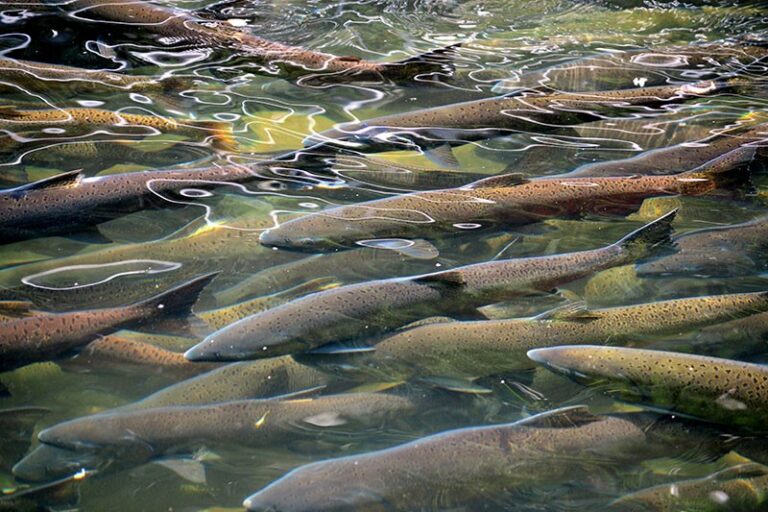
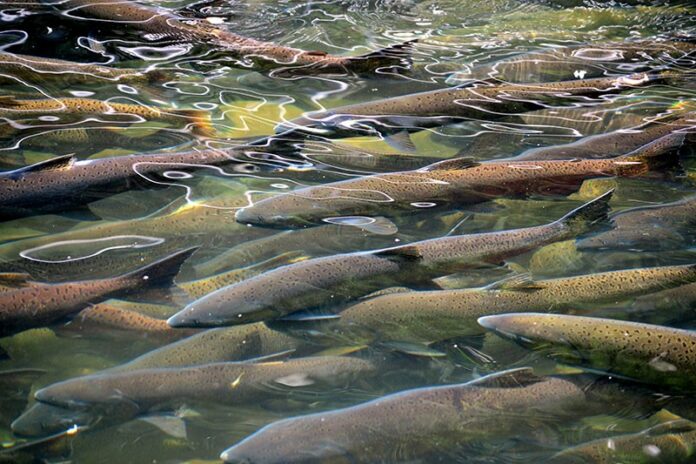
For more than 14,000 years, humans have had a close relationship with wild salmon.

Along the Pacific Coast, natives harvested thousands of adult salmon each fall from their spawning grounds in local rivers and streams, a catch that fed their families throughout the year.

While many cultures in the Pacific Northwest and Alaska are still deeply wedded to the salmon resource, California’s grasp has grown increasingly slippery, with only a small percentage of its historical natural breeding population remaining.

Salmon’s legacy for Californians goes far beyond its estimated $1.4 billion fishery or its classification as one of the most nutritious foods in the world: the fish also provide a vital transfer of nutrients and energy from the ocean back to the freshwater ecosystems where they were born.

“People have done studies to show that you can identify ocean-derived nutrients from salmon in many dozens of different species, like kingfishers or water ouzels, fish-eating ducks, foxes, raccoons, coyotes—all the way up to the big predators that used to live here but are gone, like grizzly bears,” says Nate Mantua, a research scientist for the National Oceanic and Atmospheric Administration’s (NOAA) Southwest Fisheries Science Center in Santa Cruz.

Accumulating 95 percent of their biomass at sea, adult Pacific salmon die after they spawn, and their nutrient-rich carcasses, gametes (mature eggs and sperm) and metabolical waste return to the land. “It’s fascinating that, over the eons, a lot of fertilizer was provided by these dead salmon, so a lot of the wine grapes and a lot of the agriculture inland by the rivers was fertilized by salmon for a long time,” says Randy Repass of the Golden Gate Salmon Association (GGSA), a coalition of salmon advocates based in Petaluma.

Salmon’s yearly return props up an entire food web, replenishing bacteria and algae, bugs and small fish, and fueling plant growth with deposits of nitrogen and phosphorus. The Chinook (aka king), the largest salmon species (adults often exceed 40 pounds and are capable of growing to 120 pounds), is the pride and joy of California’s salmon fishery. Not so long ago, the Central Valley watershed was one of the biggest producers of naturally breeding Chinook salmon in the world, second only to the Columbia River, with the Klamath River another big California contributor. Driven by the Sacramento and San Joaquin river systems, the Central Valley nursed a ballpark average of a few million salmon per year, emerging each spring out of the Sacramento-San Joaquin Delta, says Mantua.

“Today, natural production—maybe in a good year—is in the hundred thousand or hundreds of thousands,” Mantua says. “So, yeah, it’s a few percent of the historical population.”

In addition to cold ocean water and an ample food supply at sea, salmon require cold river water that drains all the way to the sea, and, during their early life, a delta habitat. Salmon eggs do not survive in water warmer than 56 degrees, which is why adult fish ready to spawn instinctively head toward the cold, upper headwaters and tributaries coming out of the snow-packed mountains.

Development in the 1940s through ’60s, and especially the constructions of dams like the Shasta Dam, built in 1943 on the Sacramento River, played a key role in the near annihilation of the long-standing fish stock. “When they built the big dams in California, they basically blocked off access to 80 or 90 percent of the habitat salmon historically used to reproduce in California,” says John McManus, executive director of the GGSA.

California’s four salmon runs—fall, late-fall, winter and spring—are named for the time of year the fish return from the open ocean as adults, after about two to five years spent feasting on smaller fish and krill at sea, and back under the Golden Gate Bridge to the Sacramento-San Joaquin Delta. As of 1989, the winter run had joined the ranks of 130 other endangered and threatened marine species when it was listed as an endangered species under the Federal Endangered Species Act. Ten years later, the spring run was listed as threatened.

[page]

“When we have a really good fishing year out in the ocean, it’s because of two things,” McManus says. “We have a good contribution from natural spawning salmon coming out of the Central Valley, and we have a good contribution from the hatcheries.”

Following a period of abundance in the late ’80s, and then again in the late ’90s and early 2000s, California’s salmon season was closed in 2008 and 2009, resulting from a population crash that NOAA scientists found was due to a lack of upwelling and the subsequent low production of krill, one of salmon’s dietary staples.

“The population has undergone a modest rebound since then, but it still has not reached the abundance that we observed in the late ’90s and early 2000s,” says Michael O’Farrell, a research fish biologist at the NOAA.

While there has been an increase in small sardines, a potential good sign for salmon, Greg Ambiel, who has been fishing salmon locally for 30 years, is not hedging any bets for this coming season.

“The fish are being killed in the Central Valley before they get a chance to get to the ocean,” Ambiel says. “If you follow the money, that’s who gets the water. It’s simple: just go look at the almond trees in the Central Valley.”

Indeed, over the last few years, a fairly drastic shift has occurred, with high-profit almond crops replacing raisin grapes and other less profitable crops in the Central Valley. The problem for salmon is that it takes a gallon of water to produce one almond—which is three times more water than it takes to produce a grape—according to a study published in 2011 at the University of Twente in the Netherlands. Water demands for agriculture are a known contributor to an estimated 95 percent loss of salmon’s critical rearing ground in the Sacramento-San Joaquin Delta.

Last month, O’Farrell began the process of calculating 2016 abundance forecasts for both the Sacramento and Klamath rivers and tributaries, based on data that includes the return of fish the previous fall. Each March, he reports the number to the Pacific Fishery Management Council, who then sets the season in April.

“Where we’re at right now, we’ve come out of the very low abundance periods of 2008 and 2009, but we don’t know exactly what the returns are for this past year,” O’Farrell says. “There are some issues that we are monitoring with regard to the effects of drought and ocean conditions. It’s hard to say which way the population’s going to go at this point, but we’ll have more information on that in a couple of months.”

The Central Valley Improvement Act, passed in 1992, ambitiously hoped to double the number of salmon and steelhead trout in the Sacramento River basin over the past 22 years, but it has fallen short. While their goal was to see 86,000 spring-run Chinook salmon spawning in the Central Valley by 2012, the number was only 30,522. Federal officials cited obstacles such as drought, competing demands for water and lack of funding.

But Steve Lindley, leader of the Fisheries Ecology Division at the NOAA, points to wetland-restoration success stories in the Central Valley, in places like Clear Creek and Butte Creek.

“These shallow areas that are nurseries for salmon—those populations have done very well, even during the poor ocean and drought periods,” he says, “so it’s not a lost cause. But we do really need to address some of these habitat issues, and find a way to operate salmon hatcheries in a way that supports our fisheries without imperiling their long-term liability. We’re really keen on working with GGSA and the fishing community and the broader fish and water communities to try to find those kind of solutions.”


The Good Cup

0

In the crowded coffee business, Jon Bixler, owner of Santa Rosa’s Bella Rosa Coffee Company, says his company is growing at a “terrifying” rate, 35 to 40 percent per year. This year alone, Bixler expect to roast over a quarter of a million pounds of coffee.

It’s no wonder. Bella Rosa’s coffee is everything good coffee should be: rich, balanced, bright but not acidic, nutty and aromatic, as well as socially and environmentally conscious. Bixler and co-owners Cynthia Buck and David Greenfield integrate values of family, community, ingenuity and environmentalism into their business.

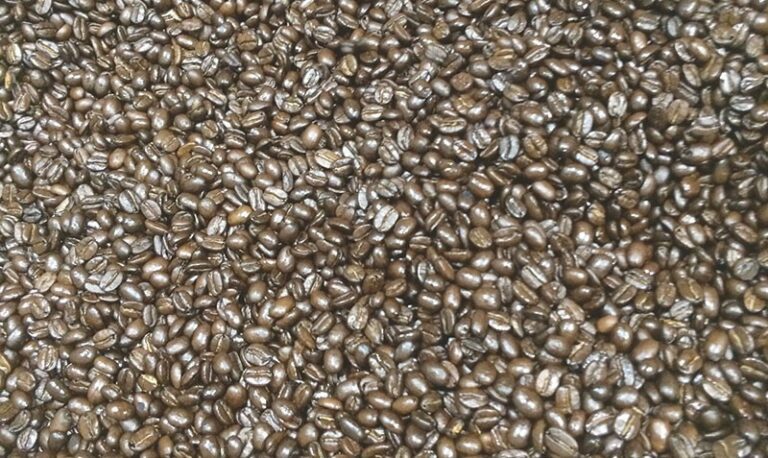
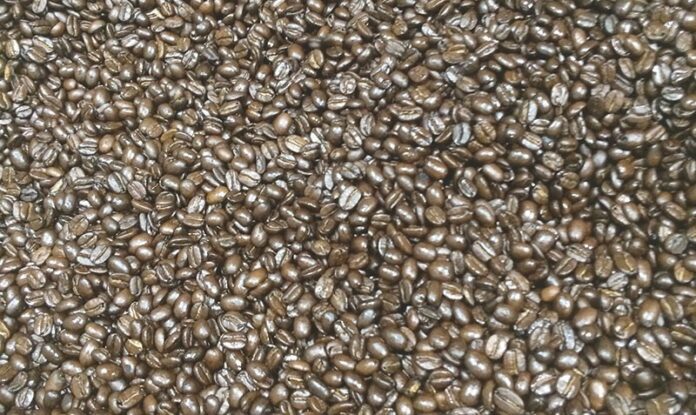
Bella Rosa’s coffee beans are 100 percent organic and roasted on-site in what can only be described as a “top secret” cutting-edge piece of technology. I wasn’t allowed to take pictures of the roaster, but I did get to see it in action. The machine uses a convection process, as opposed to the more commonly used heated drum. The roaster uses 80 percent less natural gas than a comparable sized drum. The entire roasting process is controlled by a computer program developed by Greenfield over the course of two years. The company claims it can roast 60 pounds of coffee, with 200 different flavor profiles, in 12 minutes—and it does, all day long. The roasted beans sit overnight to allow much of the CO2 that off-gasses from roasted coffee to blow off. Each morning, Bixler and Buck brew a cup of each individual batch to taste for quality. Their dedication to their craft is matched by their commitment to the Sonoma County community, and the communities of their growers.

Bella Rosa chooses suppliers that pay their workers at least fair-trade wages, and pays close attention to what those suppliers are doing for their communities. The company prioritizes doing business with growers who share their values, some of whom fund local hospitals and HIV/AIDS education and send their children to school instead of the fields.

In Sonoma County, Bella Rosa donates coffee to local organizations like Worth Our Weight, the Ceres Community Project, local homeless shelters, food banks, schools, and even community sports teams.

While the company takes its responsibility to preserve the environment seriously, the staff at Bella Rosa do not take themselves too seriously. Anyone who has visited the cafe on Skylane Boulevard gets a friendly welcome. Art hangs on the walls, and bobbleheads line shelves. A TV in the corner is reserved for old movies. This month is Bowie Appreciation Month at the cafe, so don’t be surprised if you walk in and seeLabyrinth on the screen.

Most of the employees are family, and the few who aren’t might as well be. The most charming team member is Giacomo, son of Bixler and Buck. Having grown up at Bella Rosa, he’s at home in the cafe, and can be seen running around with his green Hulk hand and a cardboard box on his head.

It’s clear the company keeps its guiding principles close at hand—the reason for preserving the future is literally running around beneath their feet.

Bella Rosa Coffee Company, 5491 Skylane Blvd., Santa Rosa. 707.542.6220

Feb. 19-21: American Arts in San Rafael

0

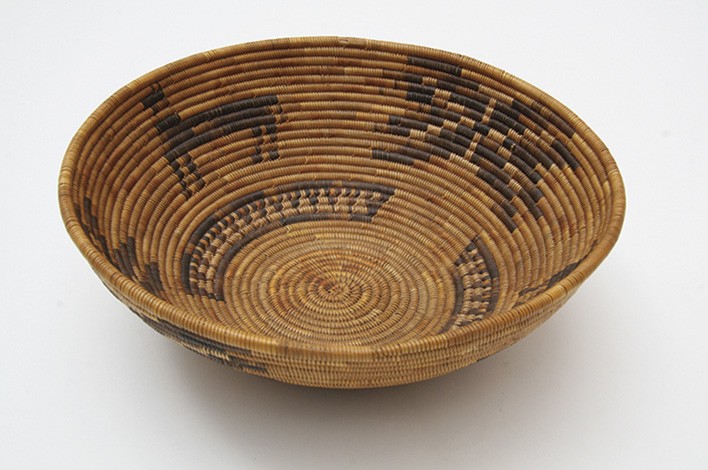
A showing of antique and modern American Indian art returns to Marin for a 32nd year, displaying works produced by nationally known artists and antiques collected by the nation’s top art dealers. With an emphasis on precolonial artifacts, including textiles, baskets, pottery and beadwork, as well as sculpture and paintings, the show benefits MarinLink, a local nonprofit that serves as an incubator for various social projects. The art show runs through Feb. 21 and opens with a preview night on Friday, Feb. 19, at Marin Center Exhibit Hall, 10 Avenue of the Flags, San Rafael. 5pm. $10–$15. 415.499.6800.

Feb. 19: Fungus Fun in Sebastopol

0

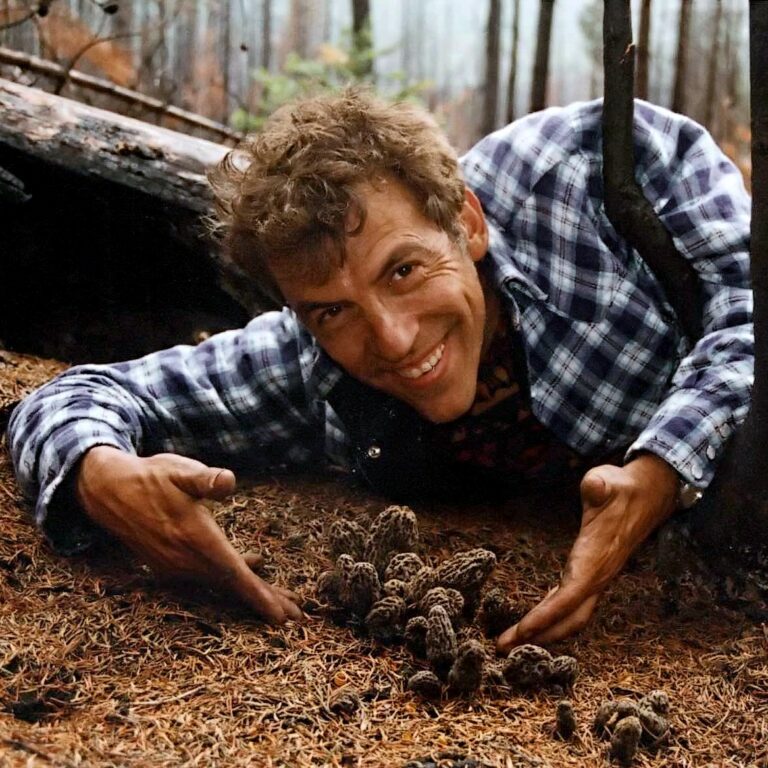
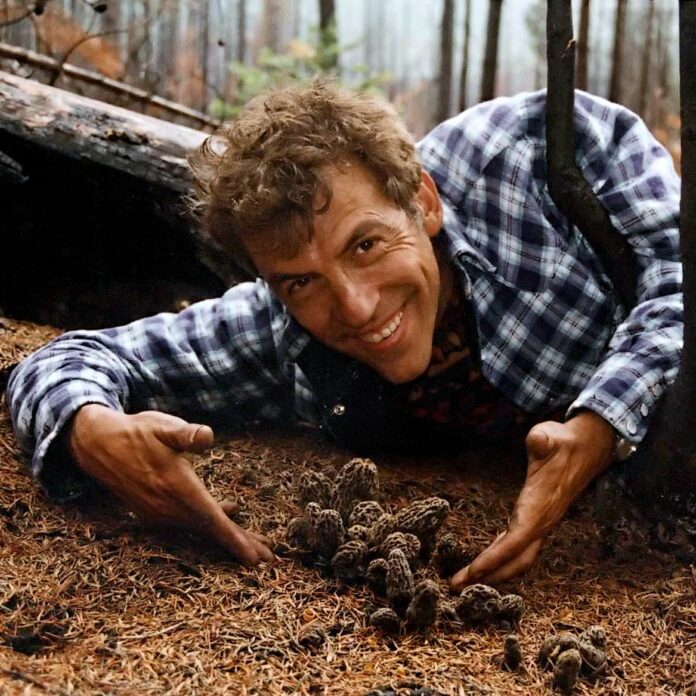
With the recent rains, now is a perfect time for North Bay mushroom foragers. This week, Copperfield’s Books in Sebastopol presents fungus guru David Arora, author of Mushrooms Demystified and All That the Rain Promises, and More . . . for a night of mushroom facts delivered with wit and wisdom. Arora’s books are the perfect guides for taking to the hills while you search for tasty morsels. Arora, who lives in Mendocino County, guides you through the do’s and don’ts of foraging on Friday, Feb. 19, at the Sebastopol Community Center, 390 Morris St., Sebastopol. 7:30pm. $10; $30 with pocket guide.

Feb. 20: Chanteuse Debut in Occidental

0

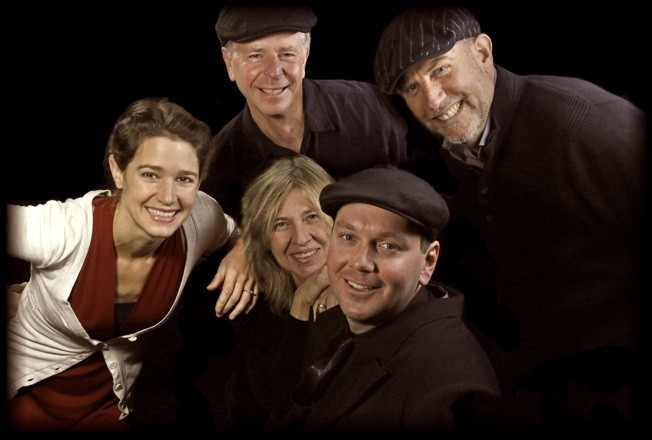
North Bay fans of world music are probably already familiar with vocalist Mimi Pirard, who formed the popular outfit Dgiin with her brother Gabe several years ago. Now Pirard is harnessing her passion for French chanteuse singers like Edith Piaf in a new ensemble, SonoMusette. Together with accordionist Robert Lunceford and bassist Jan Martinelli (Un Deux Trois), guitarist Jason Briggs (Hot Club Beelzebub) and veteran drummer Richard Andrews, the band debuts on Saturday, Feb. 20, at the Occidental Center for the Arts, 3850 Doris Murphy Court, Occidental. 8pm. $15–$20. 707.874.9392.

Feb. 23: Family Bonds in Napa

0

The story behind the McBride sisters proves fact is stranger than fiction. The twins were raised continents apart, in New Zealand and California, unaware of the other for most of their lives. Each developed a passion for wine in their respective regions, and found each other against all odds in 1999. Since then, they have been inseparable, joining forces for their popular brands, eco.love Wines in New Zealand, and Truvée Wines along the Central Coast of California. The sisters tell their amazing story on Tuesday, Feb. 23, at Napa County Library, 580 Coombs St., Napa. 6:30pm. Free. 707.253.4070.

Marin Theatre Company Hires New Dramaturg & Literary Manager

I know what you’re thinking, what is a dramaturg? For those not in the know, a dramaturg is person in the live theater scene who researches and develops new works for the stage. And, as dramaturgs go, Lydia Garcia is the tops; having worked as the resident dramaturg for the world-famous Oregon Shakespeare Festival in Ashland, Oregon. 

Now, Garcia has been tapped as the new resident dramaturg and literary manager at the Marin Theatre Company, bringing her imaginative and progressive work to the North Bay to help emerging playwrights, actors, directors and others at the company to bring new and exciting works to the stage.

In a statement, Garcia says, “joining the team at Marin Theatre Company—a company dedicated to nurturing plays destined to become new American classics—is an extraordinary opportunity to be at the forefront of the most exciting developments in the American theatre today.”

On their part, MTC artistic director Jasson Minadakis states, “Ms. Garcia is one of the true leaders in forwarding new play dramaturgy and in mentoring the field’s next generation of dramaturgs. She is also one of the field’s leading experts and facilitators in the new arena of Diversity, Equity and Inclusion and I am thrilled that she is bringing her expertise to MTC as well as the greater Bay Area. She will be a valuable local resource for our community.”

Marin Theatre Company’s next production, the world premiere of “Swimmers,” by Rachel Bonds, begins performances on Thursday, March 3 and runs through Sunday, March 27 at 397 Miller Avenue in Mill Valley. www.marintheatre.org.

Get the New Trust’s “Best of Decade One” Cassette

FullSizeRender(1)_original
Santa Rosa indie power trio The New Trust have been a staple of Sonoma County music going on 13 years now, formed by Velvet Teen bassist Josh Staples, guitarist Sara Sanger and drummer Julia Lancer. From their 2003 debut release, “We are fast-moving motherfuckers. We are women and men of action,” which saw the band as a four-piece outfit with guitarist Michael  Richardson (Benton Falls); to their latest full-length, 2013’s “Keep Dreaming,” which found the band recording with studio legend Steve Albini, the New Trust has kept up a frenzied pace and sharp sound, the best of which is on display in their new cassette-only release, “These Motherfuckers: The Best of Decade One.”
Available now online and at the Last Record Store in Santa Rosa, the cassette boasts 27 tracks and over 80 minutes of music. Side A  is composed of 15 of the band’s most beloved songs. Side B switches it up with rarities, B-sides, demos and live recordings to offer a fully rounded listening experience. There’s no downloading this album, so if you’re a die-hard New Trust fan, you’ll want to grab a copy of this cassette and dust off your walkman.
Below, click on the 2003 music video for “All Things Are Moving Toward Their End,” the opening track of the cassette, and marvel at how young these kids looked. Here’s to another decade of The New Trust.
[youtube]https://www.youtube.com/watch?v=L7A0hLO9nWw[/youtube]
 

Yountville Live Announces 2016 Line Up

Goo Goo Dolls photo by Chapman Baehler

Last year’s debut Yountville Live event was a huge success, and the organizers are back for a sophmore year of pairing chart-topping recording artists, world-class chefs and the finest in Napa Valley wine. Scheduled to take place March 31 through April 3, Yountville Live’s 2016 lineup of musical and culinary rock stars came out today. And it’s a doozy.

The Goo Goo Dolls, “American Idol” winner Kris Allen, Mayer Hawthorne and Plain White T’s are all slated to appear in special up-close and personal sets, with a bevy of emerging artists once again sprinkling the weekend’s entertainment schedule.

On the culinary side, dozens of Napa valley’s vintners, including Trinchero Family Estates, Jessup Cellars, Cliff Lede Vineyards, Priest Ranch, Robert Mondavi Winery, and Somerston, among others, are matched with culinary creations by Michelin-rated chefs. Napa Valley favorites Michael Chiarello (Bottega Napa Valley in Yountville) and Bob Hurley (Hurley’s Restaurant in Yountville) join other nationally recognized chefs in demonstrating the latest and greatest in cuisine.

All of these awesome events take place at wineries and restaurants in Yountville and include the “Taste of Yountville” event, a red carpet gala and more. For full details and tickets, visit the Yountville Live website here.

Scalia Via Anagram

These are serious times that require serious, thoughtful reflection on grave matters of state, such as: Now that Antonin Scalia—divisive American and pugnacious defender of rigging contested presidential elections so your GOP guy wins—has gone to the great Gitmo in the sky, what are the most relevant anagrams that can be made out of his name? "Anal inactions" is one...

On the Run

For more than 14,000 years, humans have had a close relationship with wild salmon. Along the Pacific Coast, natives harvested thousands of adult salmon each fall from their spawning grounds in local rivers and streams, a catch that fed their families throughout the year. While many cultures in the Pacific Northwest and Alaska are still deeply wedded to the salmon resource,...

The Good Cup

In the crowded coffee business, Jon Bixler, owner of Santa Rosa's Bella Rosa Coffee Company, says his company is growing at a "terrifying" rate, 35 to 40 percent per year. This year alone, Bixler expect to roast over a quarter of a million pounds of coffee. It's no wonder. Bella Rosa's coffee is everything good coffee should be: rich, balanced,...

Feb. 19-21: American Arts in San Rafael

A showing of antique and modern American Indian art returns to Marin for a 32nd year, displaying works produced by nationally known artists and antiques collected by the nation’s top art dealers. With an emphasis on precolonial artifacts, including textiles, baskets, pottery and beadwork, as well as sculpture and paintings, the show benefits MarinLink, a local nonprofit that serves...

Feb. 19: Fungus Fun in Sebastopol

With the recent rains, now is a perfect time for North Bay mushroom foragers. This week, Copperfield’s Books in Sebastopol presents fungus guru David Arora, author of Mushrooms Demystified and All That the Rain Promises, and More . . . for a night of mushroom facts delivered with wit and wisdom. Arora’s books are the perfect guides for taking...

Feb. 20: Chanteuse Debut in Occidental

North Bay fans of world music are probably already familiar with vocalist Mimi Pirard, who formed the popular outfit Dgiin with her brother Gabe several years ago. Now Pirard is harnessing her passion for French chanteuse singers like Edith Piaf in a new ensemble, SonoMusette. Together with accordionist Robert Lunceford and bassist Jan Martinelli (Un Deux Trois), guitarist Jason...

Feb. 23: Family Bonds in Napa

The story behind the McBride sisters proves fact is stranger than fiction. The twins were raised continents apart, in New Zealand and California, unaware of the other for most of their lives. Each developed a passion for wine in their respective regions, and found each other against all odds in 1999. Since then, they have been inseparable, joining forces...

Marin Theatre Company Hires New Dramaturg & Literary Manager

Former Oregon Shakespeare Festival dramaturg Lydia Garcia headed to the North Bay.

Get the New Trust’s “Best of Decade One” Cassette

Santa Rosa indie power trio The New Trust have been a staple of Sonoma County music going on 13 years now, formed by Velvet Teen bassist Josh Staples, guitarist Sara Sanger and drummer Julia Lancer. From their 2003 debut release, "We are fast-moving motherfuckers. We are women and men of action," which saw the band as a four-piece outfit...

Yountville Live Announces 2016 Line Up

Last year's debut Yountville Live event was a huge success, and the organizers are back for a sophmore year of pairing chart-topping recording artists, world-class chefs and the finest in Napa Valley wine. Scheduled to take place March 31 through April 3, Yountville Live's 2016 lineup of musical and culinary rock stars came out today. And it's a doozy. The...
12,118FansLike
4,924FollowersFollow
6,928FollowersFollow