California Dream

For 45 years, I’ve searched the California cannabis world for a fellow New Yorker. No luck until last week, when I finally found him.

Ron Ferraro is the real deal. The quips about his Italian last name and his New York accent, which hit him soon after he arrived in Sonoma County, stopped when he rolled up his shirtsleeves, bought blackened lots and began to build homes in Fountain Grove and Coffey Park, two neighborhoods torched by the big fires of October 2017. Unwilling to be seen as a New York scammer, Ferraro didn’t knock on doors and persuade customers to buy houses sight unseen. He built models and then went out and sold them one by one.

At the same time, he threw himself into the legal cannabiz industry, and, with the help of lawyers, consultants, growers and his brother, Matthew, created his own company, Elyon. Pals back East thought he was in over his head. “My partners in construction in New York thought I was crazy,” he says from behind his desk, with an American flag looming over his shoulder. Ferraro had money in the bank and a business plan, though he didn’t know Californian ways, and like many others in the same or a similar boat, the constantly changing local and state regulations flummoxed him.

But Ferraro had both “a vision” that propelled him forward and the grit and determination of a New Yorker (a species as rare in the California cannabis industry as rain on the Fourth of July in Santa Rosa). Along with the vision and the grit, Matthew Ferraro’s marketing genius and savvy use of social media put Elyon on the cannabis map.

The Ferraro brothers are succeeding where dozens, if not hundreds, of similar entrepreneurs have fallen by the wayside. Perhaps because God is on their side. Indeed, the name “Elyon” is Biblical Hebrew and means “God Most High.” Yes, it’s esoteric, but it caught on big time, along with the company’s reputation for creating some of “the most potent cannabis products in California,” with strains such as “Blue Dream,” “Silver Sundaze” and “Lava Cake.”

Asked to explain his good fortune, Ferraro says, “Cannabis is my destiny.” He adds, “Something this monumental only comes around every 100 years—and we’re just getting started. What Silicon Valley is to the global tec industry, the state of California will be to the worldwide cannabiz.”

Ferraro says his dream is to make Elyon into the cannabiz equivalent of Constellation Brands, the international producer and marketer of beer, wine and spirits. Inside Elyon’s headquarters, near the Sonoma County airport, Ferraro’s Ecuadorian-born pal, Carlos Zambrano—a construction wiz who doesn’t smoke marijuana—says, “Ron’s head works faster than most other peoples’ heads, and he’s always a man of his word.”

Born on April 26, 1983, Ferraro grew up in Valley Stream on the South Shore of Long Island, about 45 minutes from the Empire State Building and 30 minutes from where I was born and raised. Marijuana wasn’t legal in New York when Ron was a kid. It still isn’t legal, but when he wanted it, he found ways to buy it on the black market. “I’ve always smoked weed, even as a teenager, though I wasn’t into it that much because I was an athlete,” he says.

He began to smoke more in college, and learned weed provided inspiration and helped him focus. “It gets me up, it’s my coffee,” he says. From his perch in New York he watched the growth of the cannabiz on the West Coast and decided Sonoma County was the place to put down roots. “The climate is great, there’s a big cannabis community here and it’s close to the Emerald Triangle,” he explains. At first, Ferraro bought cannabis by the truckload in Northern California and sold it wholesale in Southern California.

Then he decided to change direction and go retail in the San Francisco Bay Area, in part because Los Angeles was a hotbed of rogue pot shops. Ferraro aimed to be strictly legal. From business relationships with 50 farms, he cut back to four, all of them growing one acre with permits. Elyon has an acre of cannabis cultivated in a greenhouse in Sonoma County. The company has written contracts with its suppliers, and Ferraro keeps a close eye on the cultivation and harvesting practices of business partners.

He provides growers with financial or technical help when they need it. He also supplies laborers. In some cases he purchases a crop before it’s planted in the ground. The farmer gets money up-front, where it’s needed and Ferraro turns a profit after harvest. To know what weed is good, he looks at it, smells it, smokes it and tastes it. “It’s all about the genetics of the plant,” he says.

Ferraro has unlimited faith in the future of cannabis. “It’s a commodity, an industry, a culture and a lifestyle,” he says. “What more do you want? New people—old, young and in-between—are using it every day and, unlike the opiates which have destroyed many people in my generation, marijuana is not addictive or life-threatening.”

Andrew Smith, the Deputy Sonoma County Agricultural Commissioner, describes Ferraro as a “charismatic person and a good businessman.” He adds, “Ferraro wants a Sonoma County cannabis brand that’s marketed in the ways that wine and craft beer are marketed. I think that’s a great idea.”

Turning the TIDE

0

People often don’t want to talk about racism and discrimination, especially with kids. But some have to talk about it anyway, early and often, because it impacts them directly. Others think their kids might not notice color, that it will sort itself out or maybe racism isn’t really happening here much anyway.

Paige Green, who is white-identified, has long been concerned with these topics. But other parts of her life, including kids and work, ended up taking precedence. Then, earlier this year, she kept hearing local students of color telling their personal experiences with racism and bias in our town. Consequently, she and a diverse group of community members with the same concerns decided to take personal action. Building on the previous work of other organizations focusing on diversity and equality, they began the Team for Inclusivity, Diversity and Equity (TIDE). Their aim is to have a chapter of TIDE in every city school in Petaluma.

“At the Women’s March in January organized by Indivisible Petaluma and North Bay Organizing Project, I heard students talk about the hardship of being a person of color in Petaluma,” she says. “Then I heard more stories at the Bias and Inclusion Forum, held by the Petaluma Community Relations Council at the Petaluma Library. I’d always been concerned about this in our town, and hearing these stories was heartbreaking and affected me.”

Fourteen people from five Petaluma schools attended the first meeting. Three attendees spoke Spanish as a first language, and all attendees were women. They decided together to call the group TIDE.

The goal is to have a TIDE chapter in every school and a city-wide All-TIDE group. At All-TIDE, representatives from each school meet once a month to share updates. Currently, there are TIDE chapters at McNear Elementary, Grant Elementary, Live Oak Charter School, McKinley School and Mary Collins School at Cherry Valley. A chapter at Valley Vista Elementary School is also underway.

The first thing organizers did was talk with the principals of their own kids’ schools.

“Having the principal on board helps a lot,” Green says.

They met with teachers, hosting a lunch and listening to their perspectives. And they reached out to the wider school community with events and a survey. To achieve maximum participation, the survey was available online or on paper, in English and Spanish, and could be completed and returned anonymously.

The results informed a decision to have public diversity training and focus specifically on school librarians.

“Librarians are a good doorway into schools since books are a great way to have some of these conversations,” Green explains.

TIDE held their first series of four sliding-scale public diversity awareness trainings this past fall. They were free for teachers and school staff.

“We expected 28 people at the first training and 40 showed up. Overall we’ve trained upwards of 70 people so far,” Green says.

The group is currently forming an advisory board with representation and inclusivity from all sectors of the community and is in partnership with North Bay Organizing Project, Amor Para Todos, Petaluma Blacks for Community Development and Community Health Initiative of the Petaluma Area (CHIPA). Petaluma People Services is the fiscal sponsor.

Additionally, TIDE is funding the diversity training component featuring Tara Fleming, an anti-bias educator and facilitator, at Casa Grande High’s spring professional development day.

“Hopefully through these various things we’re building trust—it’s all about relationship building, and we know we have lots of different opinions,” Green says. “Our goal is to create safe and welcoming environments at our schools, so all of our children can thrive. One thing that really motivated me is that the Sonoma County Human Rights Junior Commission did a poll of high school kids across Sonoma county, asking: Do you feel safe and have you experienced racism? The results looked OK at first, then when they took out all the white respondents, 100 percent of students of color had experienced racism and discrimination of some kind.”

Kids at Kenilworth Junior High this past year displayed White Power hand signs in their basketball yearbook photo. A student at Casa Grande High reported in the Junior Commission poll that people wore “Go Back to Mexico” shirts to school and chanted that phrase in the quad.

While there is certainly still racist behavior, many are just unaware.

“Training in diversity awareness is the most needed now,” Green says. “The teachers and administrators in our districts are mostly white. It’s hard to be a diversity advocate and make sure you aren’t missing something if you aren’t aware. Through this process, we will also hopefully create a safe and welcoming environment at our schools.”

Gastropub Grows

That cozy Kenwood eatery with the vintage red truck out front—better known as Palooza Brewery & Gastropub on Sonoma Highway 12—now has a second location at Cornerstone Sonoma.

What’s the Palooza recipe for success? Ping Pong? Comedy Nights? Those activities and events certainly help, but their commitment to quality ingredients, great hospitality and a supremely fun, appetizing menu are their best practices. The casual, family-friendly (dogs included), wine country charm is also associated with Palooza’s mass appeal.

Owners Jeff and Suzette Tyler started modestly with a single hot-dog cart. Opening a second eatery in the same town where they cater to thousands of hungry Sonoma Stomper fans each summer makes good business sense. The minor league baseball team are such fans of the eatery themselves, they deemed their ballpark Palooza Park at Arnold Field.

The Tyler’s opened Palooza Brewery and Gastropub in Kenwood in 2014, with their latest Palooza venture at the Cornerstone Sonoma marketplace opening this past August.

“It’s been a great experience opening a business at such a dynamic property,” says Patrick Odenthal, general manager of both sites. “Cornerstone hosts a variety of tasting rooms and unique boutique shops … a one-of-a-kind gem of Sonoma County. We are fortunate to be surrounded by the serene Sunset Gardens to set the relaxing vibe to indulge.”  

The Palooza menu at Cornerstone Sonoma offers several favorites from its Kenwood location such as the house-smoked BBQ ribs, the classic burger, and the pulled-pork sandwich, and features a few new additions including handcrafted, aged cheese and charcuterie boards to compliment the selection of fine local wines.

And if you prefer brew, the beer garden is well-stocked. Odenthal says, “We feature four of our beers with a focus on drinkability. Cornerstone IPA is our latest release—a Simcoe Dry Hopped Session IPA.”

Dishes such as the hippie avocado toast or the adult grilled cheese have only one appropriate response—”Yes, please!”

“Visit us at either location—Sonoma or Kenwood,” Odenthal says. “We offer lunch and dinner at both locations. The staff, food, & drinks are fantastic. You might want to stay awhile.”

Palooza Beer Garden & Eatery at Cornerstone Sonoma, 23584 Arnold Drive, Sonoma, and Palooza Brewery & Gastropub, 8910 Sonoma Highway, Kenwood. paloozafresh.com

Next Big Thing

0

Artists: they’re out there, living among us. There may be hundreds, if not thousands, of them right here in the North Bay, many toiling in obscurity while they wait to be discovered.

This month, Creative Sonoma and the Museum of Sonoma County collaborate to recognize 10 such artists in the new exhibition, “Discovered: Emerging Artists in Sonoma County,” opening on Friday, Nov. 22.

“This is born out of the Community Foundation Sonoma County,” says Creative Sonoma Director Kirsten Madsen. “The program was initiated by The Artist Awards Endowment Fund, which included more than 50 donors.”

In 2016, the foundation turned to Creative Sonoma to manage the program and find those artists worthy of recognition.

For this year’s program, “Discovered” is recognizing five visual artists and five literary artists from Sonoma County, all of whom will receive $2,500 stipends for their past work, a professionally-produced catalog of their work and placement in the upcoming exhibition that Museum of Sonoma County Executive Director Jeff Nathanson will curate.

Nathanson also headed up this year’s visual-arts jury. For the literary artists, Madsen brought in local New York Times bestselling author Ellen Sussman to lead a separate jury.

The visual artists selected for this year’s “Discovered” exhibit are painter Nicole Irene Anderson, photographer Nestor Torres Lupercio, sculptors Annette Goodfriend and Ash Hay, and multidisciplinary artist C.K.Itamura.

The literary artists are nonfiction writers Leilani Clark and Nicole R. Zimmerman, fiction writer Joy Lanzendorfer and poets Ernesto Garay and Chelsea Rose Kurnick.

“We’re covering a lot of disciplines,” says Madsen. “With 10 people we are showing the range of artistic expression available in Sonoma County.”

For the exhibit, Nathanson plans a special display of the literary-arts winners, showing five panels of printed excerpts joined by personal information and jury statements. On top of that, a video will run of each writer reading their work, shown along with artistic interpretations of the writings. “It will be as much about the language and the words as it is about the actual reader,” Madsen says.

The artists will also be involved in discussion panels and art-making sessions while the exhibit runs. Madsen notes that, beyond the visibility each artist gains with the exhibit, the monetary and credibility boost each artist receives from the program is a catalyst to further their career.

“We were able to reach out to artists who were a part of this program last time and were heartened to discover many of the artists were still engaged in making art,” Madsen says. “That’s critical for us, that this program helps people who have such great promise that they find their way forward continuing to make art.”

Holiday Arts Guide

Winter Tradition No holiday season is complete without ‘The Nutcracker,’ which is performed by Napa Regional Dance Company and Santa Rosa Dance Theater among others.

While the sun is setting earlier, the lights are coming out in the North Bay for the next two months, with holiday fun and cheer coming your way. To help navigate the season and keep your spirits bright, we present our select guide to holiday events, shopping, performances and other artsy offerings leading up to Christmas.

Events

Holidays Along the Farm Trails Celebrate the season with the local agricultural community, as farmers and producers offer a view of life on the farm. Find farm-stand gifts, cut a Christmas tree to take home and enjoy DIY workshops. Hosted by Sonoma County Farm Trails. Nov. 14–Jan. 1. Various Locations in Sonoma County. Registration required. farmtrails.org.

Holidays in Yountville Skip the big-box stores this Christmas and join the people of Yountville for six weeks of food, wine and holiday cheer. As the town transforms into a magical winter wonderland with thousands of sparkling lights, visitors can enjoy a full schedule of live entertainment, art shows, workshops and classes, along with unique shopping choices, food and wine tours, carriage rides and more. Nov. 24–Jan. 1. Washington St., Yountville. Full schedule and info at yountville.com.

Healdsburg Turkey Trot Family-friendly Thanksgiving morning 5K run and walk awards prizes for first place and favorite costumes, and benefits the Drew Esquivel Scholarship, which helps Healdsburg high school students and athletes attend college. Packet Pickups happen Nov. 26 and 27. Race takes place Nov. 28. Healdsburg Running Company, 333 Center St., Healdsburg. Race at 8am. $25–$35. Kids 5 and under are free. healdsburgturkeytrot.com.

Winter Lights Santa Rosa’s downtown Courthouse Square shines with the annual Christmas tree lighting ceremony that includes activities for all ages like ornament painting, a bouncy jump house, face painting and live performances. Enjoy local eats, see Santa arrive on a fire truck and partake in the Remembrance Candle Lighting. Nov. 29. Third Street and Mendocino Avenue, Santa Rosa. 4pm. Free admission. 707.545.1414.

Santa’s Riverboat Arrival Santa and Mrs. Claus give the season its start when they arrive by tugboat at the Petaluma River Turning Basin and disembark to hand out candy and take holiday photos with kids. Nov. 30. River Plaza Shopping Center, 72 E. Washington St., Petaluma. 11:30am–1pm. Free. 707.769.0429.

Napa’s Christmas Parade This long-running, family-friendly evening parade features creative floats built by Napans themselves, focusing on the theme “Twelve Days of Christmas.” Nov. 30. First and Second streets in downtown Napa. 5–8pm. Free. donapa.com.

Lighting of the Snowmen Annual tradition lights up Cornerstone Sonoma with decorative snowmen coming to life amid live music and entertainment. Get a photo with Santa and enjoy the seasonal spirit in the picturesque setting. Dec. 7. Cornerstone Sonoma, 23667 Hwy. 121, Sonoma. 4pm. Free admission. 707.939.3010.

Calistoga Lighted Tractor Parade Twenty-fourth annual small-town celebration of the holiday season and Calistoga’s agricultural heritage boasts vintage tractors, antique trucks and other rustic autos lit up in dazzling displays. Dec. 7. Lincoln Avenue between Stevenson and Cedar, downtown Calistoga. 7pm. Free. visitcalistoga.com.

Luther Burbank Holiday Open House A popular holiday tradition in its 40th year, this open house features Victorian-era finery and a charming tour of Burbank’s historic home and gardens. Dec. 7–8. Luther Burbank Home & Gardens, 204 Santa Rosa Ave., Santa Rosa. 10am–4pm. $3; kids 12 and under are free. lutherburbank.org.

Hands-On Chanukah Join the Jewish Concierge of Sonoma County and the Charles M. Schulz Museum to celebrate the Jewish holiday of Chanukah with dreidel-spinning contests, marshmallow-dreidel decorating, menorah crafting and more. Dec. 8. Charles M. Schulz Museum, 2301 Hardies Lane, Santa Rosa. 10am. Free admission when you say “Hands-On Chanukah!” 707.579.4452.

Light Up a Life Heartland Hospice honors lives lost with annual candle- and tree-lighting ceremonies. Celebrate the holidays with community, enjoy live music from Michael Brandeburg’s Jazz Trio and create an ornament in honor of your loved one. Dec. 5. Montgomery Village Terrace, 911 Village Court, Santa Rosa. 5–6:30pm. Free. mvshops.com.

Sebastopol Holiday Home Tour & Artisan Boutique Enjoy the holiday lights and décor of several different stylish homes, with cheerful music and festive bites on hand. Then, browse a variety of holiday crafts and decorations for sale at a boutique at Pleasant Hill Christian School, all benefiting the Jacob’s Scholarship Fund. Dec. 13–15. 1782 Pleasant Hill Road, Sebastopol. Friday, 5–9pm; Saturday, 10am–5pm.; Sunday, 10am–4pm. Tours, $35–$45; kids are $10. Boutique, free admission. sebastopolholidayhometour.com.

Ner Shalom Chanukah Party Inclusive Jewish community located at the Old Cotati Cabaret pulls out the stops for this massive holiday fest that is open to all and welcomes a potluck from all who attend. Dec. 22. Congregation Ner Shalom, 85 La Plaza, Cotati. 5:30pm. Free. RSVP requested. 707.664.8622.

Chanukah at the River Chabad Jewish Center of Petaluma hosts the fifth annual Grand Menorah Lighting ceremony at the Petaluma River that celebrates the Festival of Lights and includes live entertainment, latkes and other traditional fare. Dec. 22. Water Street Promenade, 100 Petaluma Blvd. N., 4:30pm. Free with RSVP. 707.559.8585.

Shopping

Gifts ‘n’ Tyme Holiday Faire Long-running Napa holiday tradition highlights more than 85 local and regional artists and makers of fine crafts selling everything from stocking stuffers to fine works. Holiday music and aromas like cinnamon-roasted almonds fill the air. Nov. 22–24. Napa Valley Expo, Chardonnay Hall, 575 Third St., Napa. Friday–Saturday, 10am–6pm; Sunday, 10am–4pm. Free. 925.372.8691.

Holiday Gift Gallery Eighteenth annual gallery show offers an opportunity to find and purchase original, handmade creations, crafts and goods from local artists. Opening Reception, Nov. 29. Show runs through Dec. 30. Healdsburg Center for the Arts, 130 Plaza St., Healdsburg. Reception, 5pm. Free. healdsburgcenterforthearts.org.

Rohnert Park Holiday Arts & Crafts Faire Fortieth annual fair features holiday decorations, gifts, holiday crafts and more for sale. Bring the kids to the Little Elves’ workshop and enjoy caroling and other entertainment as well. Nov. 29–30. Rohnert Park Community Center, 5401 Snyder Lane, Rohnert Park. 10am–4pm. Free admission. 707.588.3456.

Holiday Crafterino Eleventh annual art-and-craft extravaganza features a curated collection of vendors, food trucks and loads of cheer. Proceeds from sales and a raffle supports the Committee on the Shelterless. Dec. 1. Petaluma Veterans Memorial Building, 1094 Petaluma Blvd. S., Petaluma. 10am–4pm. $1 admission. holidaycrafterino.com.

Fine Art & Craft Holiday Sale Ninth annual sale includes affordable and unique handmade holiday items from several artists who work in Sonoma. Pieces range from decorative ornaments to sculptural works of art. The Ceramics Studio is also open for tours and artist demonstrations. Dec. 6–8. Sonoma Community Center, 276 E. Napa St., Sonoma. Friday reception, 5pm–8pm; Saturday, 10am–5pm; Sunday, 10am–3pm. Free admission. 707.938.462.

Handmade Holiday Crafts Fair Forty-fifth annual event features 90 local artists selling their quality crafts and gifts, holiday goodies, entertainment, a prize drawing and trolley rides to the Luther Burbank Home & Gardens Holiday Open House. Dec. 7–8, Finley Community Center, 2060 West College Ave., Santa Rosa. Saturday, 9am–5pm; Sunday, 10am–4pm. $3; 12 and under are free. 707.543.3737.

Petaluma Merchant’s Holiday Open House Find shopping deals, festive holiday treats, horse and carriage rides, balloon art, face painting and more. Dec. 7. Putnam Plaza, 129 Petaluma Blvd. N. Petaluma. 11am–5pm. Petalumadowntown.com.

Goddess Crafts Faire Women’s art, music, dance and handmade gifts by local and regional women are all part of this 25th annual community holiday fair. Dec. 7–8, Sebastopol Community Center, 390 Morris St., Sebastopol. 11am–7pm. $5–$13 donation; kids, free. goddesscraftsfaire.com.

Occidental Holiday Crafts Faire See work by more than 35 local and regional artists, grab gift certificates for local restaurants and hotels, enter into raffles for local goodies, hear live music from West County musicians, and enjoy baked goods. Dec. 7–8, Occidental Community Center, 3920 Bohemian Hwy., Occidental. Saturday, 10am–5pm; Sunday, 10am–4pm. Free admission. occidental-ca.org.

Freya Lodge Holiday Arts & Craft Fair The Norwegian cultural center hosts this classic fair. Enjoy a variety of high-quality handmade items made by Sonoma County artists, Scandinavian baked goods, Norwegian waffles, coffee and light lunch available to purchase, and a cozy holiday atmosphere. Proceeds from food sales go to children’s charities. Dec. 14, Freya Lodge, Sons of Norway Hall, 617 W. Ninth St., Santa Rosa. 9am–3pm. Free admission. 707.579.1080.

Performance

Green Music Center Acclaimed Irish ensemble Danú celebrates Christmas and the New Year in an all-new concert for the holidays, An Emerald Isle Christmas Dec. 13. 7:30pm. San Francisco Gay Men’s Chorus sings their way into the North Bay with Holigays Are Here, featuring merry renditions of classic seasonal songs Dec. 15. 5pm. A cappella sensation Voctave bring new arrangements to Christmas favorites with The Spirit of the Season Dec. 19. 7:30pm. Spanish Harlem Orchestra presents Salsa Navidad Dec. 20. 7:30pm. All shows are $25 and up. 707.664.4246.

Napa Valley Performing Arts Center at Lincoln Theater Piano artist Jim Brickman returns to Napa with A Christmas Celebration Nov. 30. 8pm. $40–$65. VOENA children’s choir performs their annual Voices of the Season holiday concert Dec. 1. 4pm. $25. Yountville Holiday Movie Series screens Home Alone on Dec. 6 and White Christmas on Dec. 18. Napa Regional Dance Company’s beloved production of The Nutcracker is back for its 19th season Dec. 21–22. Saturday, 2pm, 7pm; Sun, 2pm. $35-$45. 100 California Drive, Yountville. 707.944.9900.

Luther Burbank Center for the Arts Clover Sonoma Family Fun Series presents A Very Electric Christmas by Lightwire Theater Dec. 1. 3pm. $5–$21. Left Edge Theatre performs playwright David Templeton’s holiday one-man show Polar Bears Dec. 4–15. Times Vary. $28–$42. Posada Navideña returns Dec. 13. 7pm. $5–$10. Carlton Senior Living Symphony Pops concert series gets into the season with the Holly Jolly Pops featuring vocalists Clairdee and Ned Rifken Dec. 15. 3pm. $37 and up. Fiddler Mark O’Connor performs An Appalachian Christmas Dec. 16. 7:30pm. $25–$39. Moscow Ballet’s Great Russian Nutcracker comes to life Dec. 23. 3pm. $35 and up. Mark West Springs Road, Santa Rosa. 707.546.3600. lutherburbankcenter.org.

Spreckels Performing Arts Center Holiday theater play Miss Bennet: Christmas at Pemberley—a sequel to Jane Austen’s Pride and Prejudice– features light-hearted comedy about the complexities of love. Nov. 22–Dec. 12. Times Vary. $12–$26. Santa Rosa Dance Theater presents its annual production of The Nutcracker Dec. 20–22. Times Vary. $25–$31. 5409 Snyder Lane, Rohnert Park. Spreckelsonline.com.

Blue Note Jazz Club & JaM Cellars Ballroom at Margrit Mondavi Theatre Hawaiian vocalist Anuhea’s All is Bright Tour comes to Napa Dec. 5. 8pm. $29–$55. The Billie Holiday Project, led by Stella Heath, celebrates the holidays with two sets of music Dec. 12. 6:30pm, 8:30pm. $12–$25. Bay Area French music ambassadors SonoMusette say “Beaujolais Nouveau” with a holiday-inspired show Dec. 20. 6:30pm, 9pm. $12–$20. Jazz singer and composer Jessy J returns with her Christmas performance Dec. 21–22. Times vary. $27–$55. 1030 Main St., Napa. 707.880.2300.

Uptown Theatre An Irish Christmas features an award-winning cast of Irish dancers in a memorable night Dec. 7. $35–$55. Crooning veteran Chris Isaak’s annual Holiday Tour returns Dec. 11. $75–$115. Living legends the Blind Boys of Alabama perform a Christmas concert Dec. 20. $50–$70. New Age music pioneer Windham Hill’s long-running Winter Solstice performance takes place Dec. 22. $35–$50. 1350 Third St., Napa. All events begin at 8pm. 707.259.0123.

Transcendence’s Broadway Holiday Spectacular Award-winning creators of Broadway Under the Stars present this new and reimagined holiday celebration for all ages, with performers from Broadway and an assortment of pre-show activities. Dec.6–8, Luther Burbank Center for the Arts, 50 Mark West Springs Rd., Santa Rosa. Dec. 14–15, Lincoln Theater, 100 California Dr., Yountville. Times vary. $34–$134. transcendencetheatre.org.

Cirque de Bohème Annual winter circus wonderland is based on the wondrous French tradition. This year’s brand-new original production A Paris tells enchanting tales with an amazing cast of performers who achieve world-class heights. Nov. 29–Dec. 22. Cornerstone Sonoma, 23570 Arnold Drive, Sonoma. Days and times vary. $27–$55. cirquedeboheme.com.

ArtQuest Dance Company Winter Performance The talented students of Santa Rosa High School’s award-winning ArtQuest program communicate the spirit of the holidays through movement. Dec. 6–7. SRHS Performing Arts Auditorium, 1235 Mendocino Ave., Santa Rosa. 7pm. $5–$15. srhsdance.org.

A Chanticleer Christmas Holiday favorite from the vocal orchestra tells the Christmas story in Gregorian chant, Renaissance polyphony, traditional carols and a medley of spirituals. Dec. 15, St. Vincent’s Church, 35 Liberty St., Petaluma. 5pm and 7:30pm. $35–$79. chanticleer.org.

Fire Fund

0

The 2017 fires displaced thousands of people from their homes. Many were undocumented immigrants who live and work here but unlike others, they could not apply for government aid.

Needs as basic as finding the money for a deposit on a new apartment and restocking the refrigerator were imminent.

“In the first week after the 2017 fire we realized these people aren’t going to qualify, so what will be the remedy for them?” says Omar Medina, coordinator of UndocuFund, an organization created after the 2017 fires to help those who—due to their immigration status—could not apply or were fearful of applying for aid from the Federal Emergency Management Agency (FEMA)—an arm of the United States Department of Homeland Security.

“Financial support offered by UndocuFund provides critical support to our undocumented community members because they don’t have access to Federal funds like FEMA during recovery,” Medina says. “It’s helping a community in need.”

The organization distributed about $6 million to almost 1,900 families who lost homes, possessions, and earnings in the 2017 fires.

Donations to the fund are slower this year. Because fewer homes burned in the Kincaid Fire, the perception may be that the need is not as great. However, the massive loss of wages that a week or more of power outages and evacuations causes is a very real consequence for undocumented immigrants.

“The Tubbs Fire got a lot of attention because of damaged structures,” Medina says. But he emphasizes that this time, “The need is huge. We have a lot of people needing aid.”

An estimated 38,500 undocumented immigrants live in Sonoma County. With wider evacuations and power outages during this year’s fire, the need for aid relating to lost wages is imminent.

As the UndocuFund website states, “Undocumented immigrants predominantly work in sectors that have been or will be hard hit, including service, hospitality, child and elder care, day labor, wine and agriculture more broadly. Many lost wages in the weeks following the [2017] fires and others worked for companies whose operations were affected at varying levels, from temporary disruption to complete loss.”

Assisting with lost wages isn’t as sexy as helping a family into a new home for the holidays. But the need is there.

“We can help our community and ease the stress on people who want to get their rent paid and put food on the table,” Medina says. “Based on the amount of money we have right now, we can’t help everyone.”

Three organizations that understood the need first-hand started UndocuFund. The North Bay Organizing Project (where Medina was first involved), North Bay Jobs with Justice and the Graton Day Labor Center are all co-organizers. Grantmakers Concerned for Immigrants and Refugees fiscally sponsored UndocuFund in 2017; North Bay Organizing Project currently funds it. UndocuFund’s fundraising proceeds directly assist fire-impacted families, with the exception of the small percentage used to cover administrative costs. Donations are accepted through Undocufund’s website.

“The founding organizations of UndocuFund have a long history of working with immigrant communities, so we’ve established a base of trust,” Medina says.

The initial amount of aid distributed to recipients after the Tubbs Fire—about $3,000—was adjusted based on personal interviews with families.

As a former County Human Services employee, Medina trained for seven years to listen closely to case-by-case details. And that’s part of the process. UndocuFund organizers sit down with families and personally interview them. Medina explains that the interview format has a therapeutic effect.

“We wanted to sit down with people, interview them and simultaneously give them an opportunity to share their own experience and hear the details of the impact on them,” Medina says.

Learn more about UndocuFund at UndocuFund.org.

Rainbow Regalia

Watching “Two-Spirit Powwow,” one feels a switch from watching something interesting to seeing something you’d like to attend in person.

Emmy-winning producer and SCU alumni Rick Bacigalupi profiles the Bay Area American Indian Two-Spirit (BAAIT) gathering at San Francisco’s Fort Mason. People who read Thomas Berger’s novel Little Big Man know the term “two-spirited”; it’s a helpful word since many a nation has their own term for an LGBTQ person. Despite how two-spiritedness has been part of Native American life since forever, today’s reservations are conservative places. Evangelical Christianity and close-knit communities make it difficult for someone to come out.

The interviews here include Cheyenne River Lakota Sheldon Raymore who describes rejection after he came out and then, years later, acceptance by his mother; and the facially-tattooed Tongva/Ajachmen L. Frank Manriquez of Rohnert Park, a first woman who fought discrimination and became the Powwow’s MC.

While there are sacred things Bacigalupi declined to film, we do see the meetings to discuss how the event proceeds—the usual protocol issues that emerge when you get a lot of different people together. Much of what goes on is usual powwow procedure, everything from the dance categories to the sizzling fry-bread. Others are new—such as female drummers and the Turtle Nation group.

On the one hand, regalia is never to be called a costume—it’s traditional clothing. On the other hand, BAAITT has a “duct tape” contest wherein dancers make impromptu regalia out of cardboard, paper and whatever else is laying around. Then they twirl around in it to test the willpower of the “Stoic Indian” contest participants, who try to keep rigid faces. While versifying during the drumming competitions is a feature of the powwow circuit, the verse here is more site-specific (“He said he was straight, but when it got late…”). Out for Native American Heritage month, this documentary is good news for a change. The ambient joy at this gathering is a pleasure to watch.

‘Two Spirit Powwow’ airs on KRCB Nov. 18 at 9pm and Nov. 21 at noon.

Queer as Folk

0

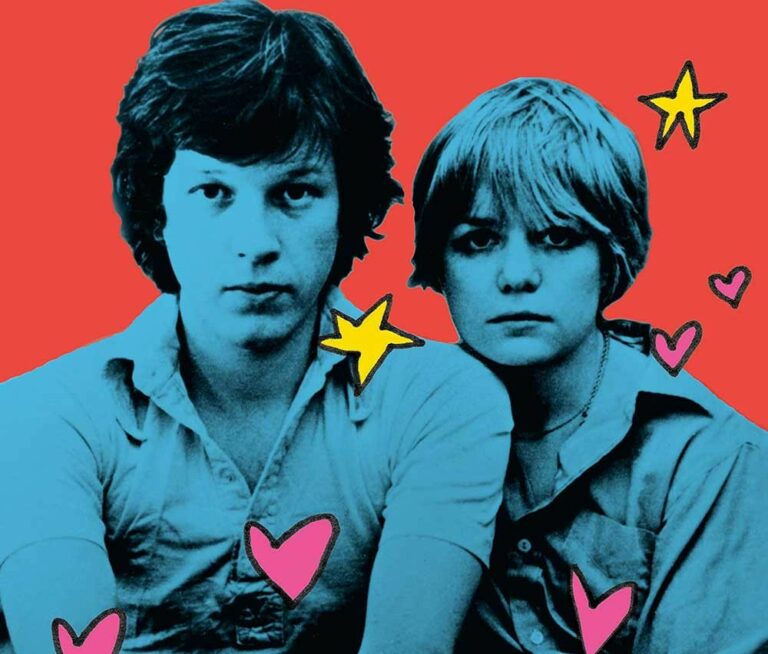
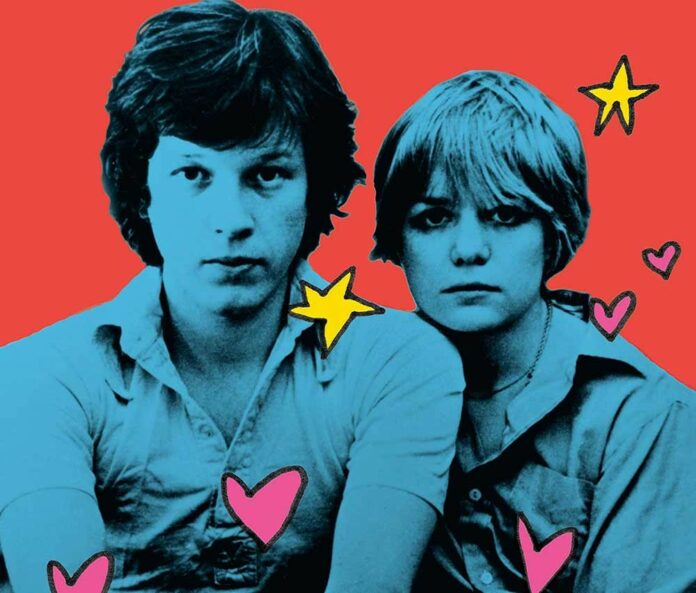
Openly gay country music stars have existed ever since Seattle singer-songwriter Patrick Haggerty formed Lavender Country in 1972. Yet in the traditionally conservative country scene, LGBTQ voices have largely remained on the fringe of the genre.

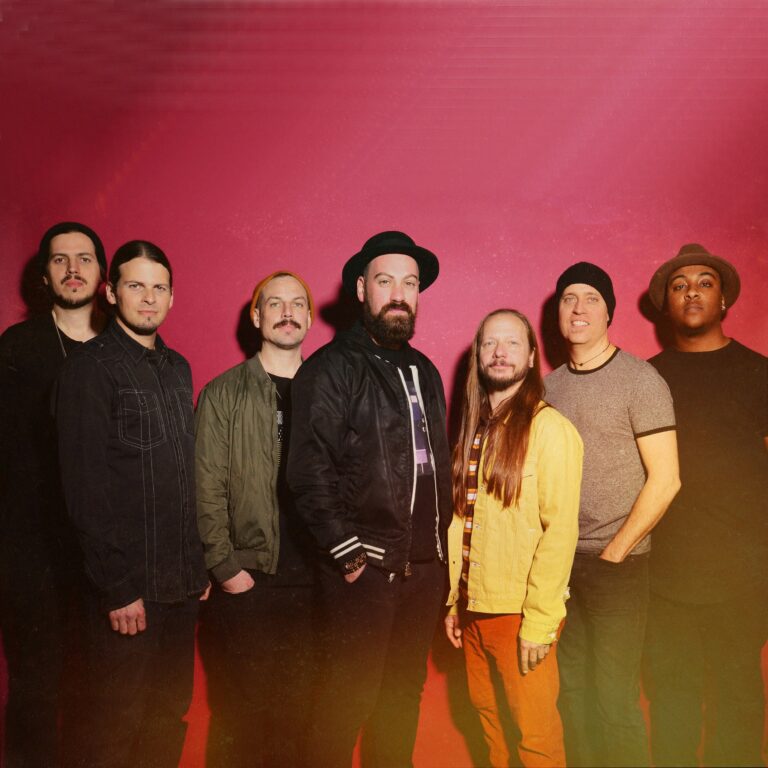
In the Bay Area, queer voices are gaining ground, and Sonoma County-based group Country Queer is taking the bull by the horns with an online magazine and lifestyle brand celebrating those voices. This month, Country Queer gets into the live music arena with a free concert on Nov. 15 featuring Lavender Country and others at the Starling Bar in Sonoma.

“We have a mission to change the culture of country music,” says Country Queer founder Dale Geist.

Five years ago Geist was working for music magazine No Depression and says he noticed the way artists could present themselves in the Americana world had limits. “I felt like that didn’t reflect the reality of queer people,” he says.

Earlier this year, Geist decided to do something about it, lending his journalism and website design skills towards the goal of increasing the visibility of queer people in country and Americana. He began with the online magazine Country Queer, and soon made and sold merchandise.

“I think the merch is an important part of the visibility because it’s a way for people to say, “I’m a real country fan and I’m queer,'” Geist says.

Geist knew live shows were the next step in lifting up LGBTQ voices; though he didn’t expect it to happen so soon. It just happened that Haggerty reached out to Geist about booking a Lavender Country gig in the North Bay, and Geist jumped at the chance to bring the iconic figure to town.

“As soon as you research the history of queer country music, you are slapped in the face with the album Lavender Country that came out in 1973, which was billed as the first gay country album and in some ways maybe still is the only one,” says Geist. “It certainly was the prototype; and it’s a very foundational record for anyone who is LGBTQ and is playing country music.”

For the Sonoma concert, Bay Area band Secret Emchy Society, fronted by Country Queer editorial director Cindy Emch, and transgender singer-songwriter Mya Byrne join Lavender Country for an eclectic night of roots-rock.

“This show is an important step for us,” says Geist. “We are looking to use this to start the momentum flowing.”

Country Queer presents Lavender Country on Friday, Nov. 15, at Starling Bar, 19380 Hwy 12, Sonoma. 8pm. Free. countryqueer.com.

Working World

0

RAISE UP Local group pushes for minimum wage increases across North Bay as fires cause uncertainty.

Two weeks ago, while thousands of Sonoma County residents fled south in the largest evacuation in the county’s history, hundreds of workers stayed behind harvesting grapes in smoky fields near Healdsburg.

Legally, the workers were not required to work, but, according to several news reports, the workers could not afford to take unpaid time off, especially during the grape harvest. A similar situation unfolded in Napa County during the October 2017 fires, according to a report in the Los Angeles Times.

The scene highlights an unfortunate reality in the North Bay. With a minimum wage of just $12 an hour in unincorporated Sonoma County coupled with soaring housing prices, many workers are too poor to skip work even if they’re working in an evacuation zone and the air is clogged with smoke.

Under state labor law, businesses are not required to pay nonexempt hourly workers for missed hours due to formal evacuation orders, a gas or electricity shut off, or any other “Act of God,” according to the California Chamber of Commerce.

The events of late October arguably fell into all three categories for large swaths of Sonoma County. PG&E shut off electricity to reduce wildfire risk and the Sonoma County Sheriff’s Office issued mandatory evacuation orders for tens of thousands of residents and businesses across large swaths of the county.

From one perspective, the current law makes sense. After all, employers cannot predict “Acts of God”—or acts of PG&E for that matter—so they should not be required to pay for missed work. Then again, workers are no better equipped to predict disasters or power shutoffs.

The state’s Employment Development Department does offer unemployment insurance in such cases but the check takes several weeks to come through even when the normal one-week wait period is waived during disasters.

As of Nov. 7, 1,233 people had applied for state unemployment benefits due to the impacts of the Kincade wildfire, according to Barry White, a spokesman for the state Employment Development Department. Statewide, only 88 individuals have applied for insurance due to PG&E’s widespread power shutoffs.

Immigrant workers without proper paperwork are not able to collect any unemployment insurance for lost wages at all.

“Individuals who are not U.S. Citizens or Nationals must be able to show that they have authorization to work in the United States both while earning the wages on which their claims are based, as well as while they are collecting benefits,” White told the Bohemian.

Stagnant Wages

Mara Ventura, executive director of North Bay Jobs with Justice, has witnessed the chaos that disasters can wreak on low-wage workers several times over the past two years, as Sonoma County becomes an epicenter of climate change–fueled natural disasters.

During the Kincade Fire and PG&E Public Safety Power Shutoffs, Ventura volunteered at a Marin County emergency shelter. Some of the recipients lived on such shoestring budgets before the fires that they needed gas money to get back to their homes, Ventura says.

This financial vulnerability is born out in a report published by the Federal Reserve this May. The report concludes that nearly 40 percent of Americans would have to skip bills or borrow money if they were faced with an unexpected $400 expense.

With the track record of natural disasters over the past few years and PG&E’s CEO Bill Johnson acknowledging last month that widespread Public Safety Power Shutoffs may persist for the next 10 years, temporary unemployment due to emergencies may become increasingly common. That’s bad news for low wage workers in the North Bay.

The current minimum wage in unincorporated Sonoma County, where many of the farming operations are located, is just $12 an hour. A 2017 publication by the California Budget and Policy Center estimated the living wage—what it would take to live comfortably—at approximately $21.70 an hour for two parents raising two children in Sonoma County. Of course, housing prices have increased since then.

For years, North Bay Jobs With Justice has pushed for an accelerated increase in the minimum wage across the North Bay to help workers cope with the conditions. Under state law, the minimum wage is set to increase to $15 by Jan. 1, 2023. In its current campaign, NBBJ is pushing for a $15 minimum rate at least two years sooner.

The proposal made some progress in the past year. Santa Rosa, the City of Sonoma and Petaluma have all passed laws speeding up the increase in the minimum wage.

Cotati and Sebastopol are expected to consider similar proposals in the coming months, according to Ventura. After that, the group may take the proposal to the Sonoma County Board of Supervisors.

Ventura says that, while Sebastopol and Cotati are smaller than other cities, the impacts of the minimum wage are generally the same as in the other North Bay cities that have considered the issue this year.

An October 2018 study of the possible impacts of a $15 minimum wage by the University of California, Berkeley, Labor Center found that small businesses would face slight impacts compared to the benefits to workers and their families.

After extensive outreach to the business community by city staff, the Santa Rosa City Council passed the increase unanimously on Oct. 1.

Several council members acknowledged that even a $15 wage is not enough to live on comfortably in a city where housing prices spiked in the wake of the October 2017 fires.

“I’m keenly aware that $15 doesn’t feel like enough,” Santa Rosa Council Member Julie Combs said before the vote.

Even John Sawyer, a longtime council member and business owner who opposed previous efforts to increase the minimum wage, supported the increase this time around.

“I can’t imagine what it would be like to be a teenager or someone in their early 20s trying to make a go of it in Santa Rosa given how expensive it is to live here,” Sawyer said.

I’m with the Brand

0

Whether it’s Crane melons, Lagunitas IPA or the North Bay Bohemian, it’s about branding a distinct product. Now, California cannabis farmers want to brand their marijuana. If all goes according to plan, a grower in Fresno will not be legally allowed to sell weed under the “Sonoma” label, but someone in Kenwood or Petaluma will. “Go local” will translate into money.

Former Bohemian editor, Gretchen Giles, jumped on the cannabis-branding bandwagon earlier this year by volunteering with the California Department of Food and Agriculture to develop guidelines for cannabis appellations. She helped move the process along at meetings of the Sonoma Valley Cannabis Enthusiasts, an organization that wants Sonoma Valley weed to be as well-known globally as Sonoma Valley wine.

Giles says appellations are legislatively mandated to be part of the cannabis picture as early as 2021, and that “the state of California is ‘looking forward to the day cannabis is legal nationally and sold internationally.'” She adds, “Italy protects Parmigiano Reggiano and France protects Champagne. California will do the same for Sonoma County and Emerald Triangle weed.”

The label “Grown in Sonoma” will greatly help farmers who cultivate weed in direct sun and good soil, without chemical herbicides and pesticides, and who allow crops to reach maturity.

The Sonoma label will also mean something to consumers such as Paul G. in New York who enjoy Sonoma weed and wine.

“When I smoke marijuana from Sonoma Valley, I think of the landscape, the climate and the farmers—the terroir, as the French call it,” he says. “It’s not from anywhere, but from a specific place I feel connected to.”

Governor Newsom helped overcome some hurdles last month when he signed SB 185, a bill drafted by Senator Mike McGuire who is looking out for some of his own constituents in the Emerald Triangle.

“Customers have come to expect truth in labeling in wine,” McGuire said in a press release. “This bill ensures that manufacturers market products that meet similar appellation requirements with cannabis.”

The California State Association of Counties, the Humboldt County Growers Alliance and the California Cannabis Industry Association have all endorsed McGuire’s bill. “Sonoma Weed” here we come.

Jonah Raskin is the author of “Dark Day, Dark Night: A Marijuana
Murder Mystery.”

California Dream

For 45 years, I've searched the California cannabis world for a fellow New Yorker. No luck until last week, when I finally found him. Ron Ferraro is the real deal. The quips about his Italian last name and his New York accent, which hit him soon after he arrived in Sonoma County, stopped when he rolled up his shirtsleeves, bought...

Turning the TIDE

People often don't want to talk about racism and discrimination, especially with kids. But some have to talk about it anyway, early and often, because it impacts them directly. Others think their kids might not notice color, that it will sort itself out or maybe racism isn't really happening here much anyway. Paige Green, who is white-identified, has long been...

Gastropub Grows

That cozy Kenwood eatery with the vintage red truck out front—better known as Palooza Brewery & Gastropub on Sonoma Highway 12—now has a second location at Cornerstone Sonoma. What's the Palooza recipe for success? Ping Pong? Comedy Nights? Those activities and events certainly help, but their commitment to quality ingredients, great hospitality and a supremely fun, appetizing menu are their...

Next Big Thing

Artists: they're out there, living among us. There may be hundreds, if not thousands, of them right here in the North Bay, many toiling in obscurity while they wait to be discovered. This month, Creative Sonoma and the Museum of Sonoma County collaborate to recognize 10 such artists in the new exhibition, "Discovered: Emerging Artists in Sonoma County," opening on...

Holiday Arts Guide

Winter Tradition No holiday season is complete without 'The Nutcracker,' which is performed by Napa Regional Dance Company and Santa Rosa Dance Theater among others. While the sun is setting earlier, the lights are coming out in the North Bay for the next two months, with holiday fun and cheer coming your way. To help navigate the season and keep...

Fire Fund

The 2017 fires displaced thousands of people from their homes. Many were undocumented immigrants who live and work here but unlike others, they could not apply for government aid. Needs as basic as finding the money for a deposit on a new apartment and restocking the refrigerator were imminent. "In the first week after...

Rainbow Regalia

Watching "Two-Spirit Powwow," one feels a switch from watching something interesting to seeing something you'd like to attend in person. Emmy-winning producer and SCU alumni Rick Bacigalupi profiles the Bay Area American Indian Two-Spirit (BAAIT) gathering at San Francisco's Fort Mason. People who read Thomas Berger's novel Little Big Man know the term "two-spirited"; it's a helpful word since many...

Queer as Folk

Openly gay country music stars have existed ever since Seattle singer-songwriter Patrick Haggerty formed Lavender Country in 1972. Yet in the traditionally conservative country scene, LGBTQ voices have largely remained on the fringe of the genre. In the Bay Area, queer voices are gaining ground, and Sonoma County-based group Country Queer is taking the bull by the horns with an...

Working World

RAISE UP Local group pushes for minimum wage increases across North Bay as fires cause uncertainty. Two weeks ago, while thousands of Sonoma County residents fled south in the largest evacuation in the county's history, hundreds of workers stayed behind harvesting grapes in smoky fields near Healdsburg. Legally, the workers were not required to work, but, according to several news reports,...

I’m with the Brand

Whether it's Crane melons, Lagunitas IPA or the North Bay Bohemian, it's about branding a distinct product. Now, California cannabis farmers want to brand their marijuana. If all goes according to plan, a grower in Fresno will not be legally allowed to sell weed under the "Sonoma" label, but someone in Kenwood or Petaluma will. "Go local" will translate...
11,084FansLike
4,446FollowersFollow
6,928FollowersFollow