Over in the Napa Valley, we’ve got some updates on the endlessly intriguing and mysterious federal investigation that’s been unfolding over the past few months. The first scandal of the week involves the beleaguered Clover Flat landfill in Calistoga, which was the target of one of three main subpoenas issued by the feds this past winter to local government entities and other power players across the valley. New documents being aired out by the Press Democrat, the result of a public records request, show that safety and environmental hazards reported at the landfill — including “incinerated infrastructure and severe damage to streambeds and waterways” — may have been much more extensive than we even knew. For example, the PD got its hands on “an email from a management consultant for the landfill sent Oct. 14, 2020to county staff and state regulators,” describing a “complete incineration of the entire erosion, sedimentation and storm water control measures” at the facility after the Glass Fire that summer — a situation that landfill managers had publicly downplayed. The reason all this is relevant is that the U.S. Department of Justice has been requesting a whole bunch more documents from the Upper Valley Waste Management Agency, which oversees the dump, as part of the feds’ ongoing mystery investigation. And there has been speculation, based on the specific docs requested, that the investigation has to do with why the county renewed the landfill operator’s contract, given all this apparent negligence. The second intrigue of the week involves Ryan Klobas, the former head of the Napa County Farm Bureau, an industry org representing local ag interests. Klobas killed himself on the side of the road in mid-January, according to police, after his bureau was subpoenaed as part of the larger probe. So there’s already reason to think he was freaked out about something. Now, the Napa Valley Register reports that Klobas’ briefcase may have gone missing during the Farm Bureau’s annual Christmas party last year, days before the subpoena was issued. To make the situation even more mystifying, he didn’t report it stolen until weeks later, according to the Register. “The revelation is the latest plot twist in an apparently still-active probe into wine industry leaders, the Napa County Airport, Upper Valley Waste Management Agency, and at least one elected official, county Supervisor Alfredo Pedroza,” the Register reports. The whole thing is truly straight out of a noir thriller. Which brings us to our final intrigue of the week: An NBC news station in Sacramento is reporting that California State Treasurer Fiona Ma — who was known to be very chummy with Klobas over at the Farm Bureau — was also just subpoenaed as part of a larger “federal grand jury subpoena on a case that is yet to be made public.” I’m not saying there’s a connection there, but for what it’s worth, the same Napa Valley activists who have been harping on potential local government and industry corruption in Napa County for years, long before the feds got involved, have always suspected the state treasurer was involved. Guess we’ll see… (Source: Press Democrat & Napa Valley Register & KCRA)
As it happens, the fivenewest inmates at the same county jail in Santa Rosa that hosted the classical music program are bouncers from one of Petaluma’s rowdiest bars, the decade-old Jamison’s Roaring Donkey bar on Kentucky Street, according to the Petaluma Police Department. City officials in Petaluma are considering shutting down the Roaring Donkey entirely after its security team was arrested last weekend for allegedly beating up a sober guy at the bar who argued with them. Police say they assaulted this guy, a 38-year-old Santa Rosa resident, both inside the bar and outside on the sidewalk, after he defended a woman who had entered the men’s restroom against security’s wishes. “An independent witness reported that while one member of security had the victim in a chokehold on the ground other members were punching and kicking the victim in and about his head,” police say. “The victim sustained significant injuries including swelling and bruising on the left side of his head and other lacerations and abrasions.” The five bouncers, residents of Santa Rosa and Rohnert Park in their 20s and early 30s, have since been arrested and jailed for battery. And two of them are facing extra charges, according to Petaluma police: one for allegedly carrying around brass knuckles in his pocket that night, and one for violating his DUI probation. Meanwhile, the assistant city attorney in Petaluma tells the local paper, the Argus-Courier, that he’s going to try and revoke the bar’s conditional use permit, which would prevent the Donkey from serving alcohol — effectively a death notice. This permit “requires them to have a security plan that has been approved by the city’s chief of police,” the city official says — and “despite several meetings and email correspondence between [Jamison’s Roaring Donkey] and city staff, they still have not submitted an approved comprehensive security plan, which would provide their staff the tools they need to effectively manage their business.” Ouch. For context, the Argus-Courier also reports that nearly a quarter of all crime reports filed from Petaluma drinking establishments come from the Donkey. A lawyer for the bar’s owners — who likewise took over the 8 Ball Tavern in Cotati circa 2018 — is calling some of the reports on what happened that night “erroneous.” He tells the Argus-Courier: “The management of Jamison’s Roaring Donkey is actively reviewing video, interviewing witnesses and bar staff. They do not feel they have gathered enough information to make a determinative statement regarding the incident as a whole.” Petaluma detectives, too, are looking for more witnesses and surveillance video; they’re encouraging anyone with leads to contact Officer Nathan Good at (707) 781-1262 or ng***@************ma.org. (Source: Petaluma Police Department via Facebook & Petaluma Argus-Courier & Sonoma County Sheriff)
Did you know that some Sonoma County jail inmates are now composing classical music, through a county program called “Music for the Future”? During the first two-month run of the program, which ended in late March, eight inmates of all ages from the county’s Main Adult Detention Facility in Santa Rosa learned about the works of Beethoven and how to compose their own, with guidance from students at the Juilliard School in New York City. They learned about “music composition, music theory, score-reading and how to play stringed instruments,” according to the county. And it all culminated on the morning of Monday, March 25, with a triumphant NYC concert that was streamed into the jail via Zoom. It was a profound and emotional affair: Musicians from Juilliard’s Edith String Quartet performed a series of 1- to 3-minute compositions written by each of the inmates, while the men who wrote them — and their jailmates — looked on. A video of one of the incarcerated composers listening to his work come to life, uploaded to TikTok by the Press Democrat, went semi-viral after the concert. As the PD wrote: “In the video, the composer can be seen smiling, playing along with his fingers, and clapping with the crowd. Throughout the video, he has a look of pride on his face.” In a recent interview about the program, the Sonoma County Sheriff’s official who oversees it said: “They never realized in their life that they were capable of actually composing a piece of classical music. It has given them hope fortheir future. It is so amazing to see the light in their eyes and just the transformation in their behavior.” And the PD reports that the Juilliard students were blown away by how quickly some of the inmates picked up the art of composing. From the story: “The students progressed rapidly. One moment that solidified this growth was when a student identified a specific type of chord immediately after the quartet played it. That same student had never been to a concert before that week. ‘It’s a challenging concept even for trained musicians and he just got it immediately,’ violinist Gabrielle Despres said. ‘I think it was just really beautiful.'” The music-in-jail theme has been big around here lately: Earlier this year, about 10 miles east, the county also opened a recording studio inside the juviedetention center along Highway 12, in the Sonoma Valley area — an “educational opportunity” for young inmates, as well as “an outlet for expression and emotions.” The studio, called Free Voices, is tricked out with top-of-the-line mics, recording software and instruments. The PD stopped by recently to see how that program is coming along; keep scrolling to watch some of the kids lay down hip-hop tracks. (Source: Press Democrat & Press Democrat & Sonoma County Government via ConstantContact & Sonoma County Government)
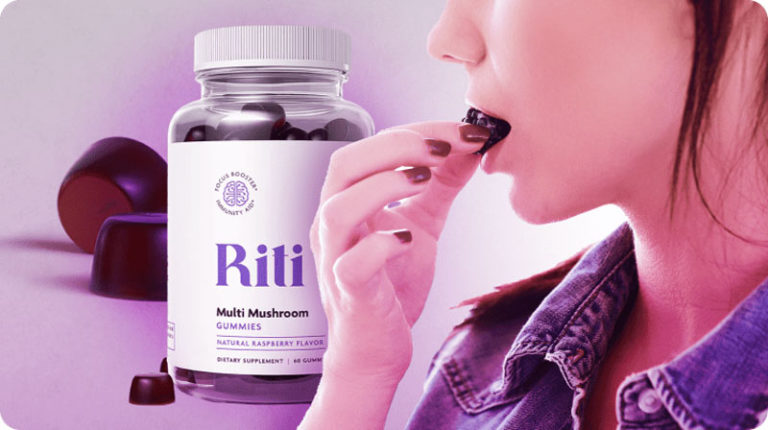
In recent years, enthusiasts have become interested in edible mushrooms. People are curious about new products, not just the usual cannabis stuff.
Magic mushrooms used to be known for making you see things, but now they’re being put into food. This means you can taste different flavors while getting some benefits. More and more people are looking for different therapeutic products.
For fans of cannabis, chocolate mushrooms are a big hit. You can get all sorts of mushroom edibles, like chocolate bars and gummies. This change from smoking to eating is a more significant trend toward changing your lifestyle.
These mushroom chocolates and gummies that might make you feel good. It’s a fun way for fans to try something new with mushrooms.
5 Best Mushroom Edibles to Buy Online
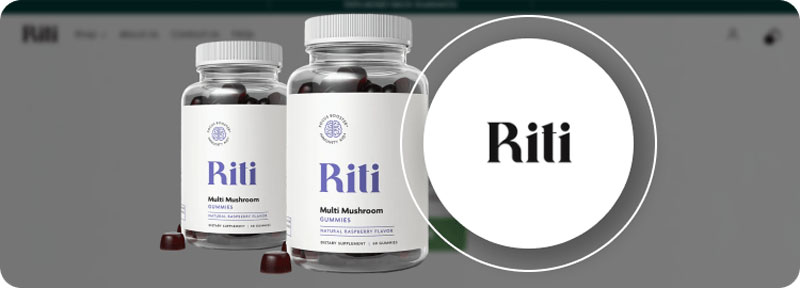
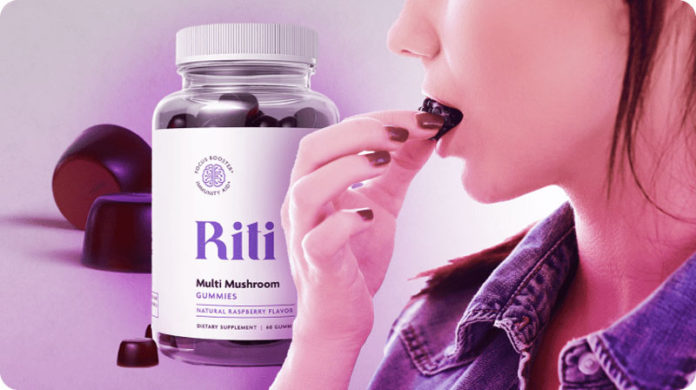
Riti Super Mushroom Gummies is a strongly recommended as our top choice, delivering a perfect blend of sweetness and earthy notes, introducing consumers to the world of mushroom-infused treats.
Also, Trehouse Magic Mushroom Chocolate Bar stands out for its rich, velvety texture and seamless integration of magic mushrooms, offering a harmonious fusion of flavor and potential therapeutic benefits.
Best Mushroom Edibles
Highlights
Get Deals
Riti Super Mushroom Gummies
Best Mushroom Edibles for Balanced Sweetness and Earthy Notes
Trehouse Magic Mushroom Chocolate Bar
Best Mushroom Edibles for Rich Texture and Harmonious Flavor Infusion
Elm & Rye Mushroom Complex
Best Mushroom Edibles for A Comprehensive Blend Of Medicinal Mushrooms
Diamond Shruumz Gummies
Best Mushroom Edibles for A Playful Twist On Traditional Gummies
Mushroom Maple Syrup
Best Mushroom Edibles for Adding Mushroom-Infused Sweetness To Breakfast
Riti Super Mushroom Gummies is your go-to choice for the best mushroom edibles. It is designed to revolutionize your health. Packed with a powerful blend of functional mushrooms, each gummy offers a delicious raspberry flavor and a host of wellness benefits.
These gummies’ diverse advantages, including immune support, enhanced cognitive function, improved mood, and increased energy, set them apart.
Things We Like:
Mushroom Variety: Riti Super Mushroom Gummies feature a unique blend of Lion’s Mane, Reishi, Chaga, and other renowned mushrooms, ensuring a comprehensive collection of benefits.
Convenient Alternative: These gummies provide a convenient and enjoyable option for those seeking the benefits of mushrooms.
Taste Without Compromise: Bypassing the typical earthy taste associated with mushroom supplements, Riti Super Mushroom Gummies deliver effectiveness without compromising on flavor.
Ingredients:
The active ingredients in Riti Super Mushroom Gummies include Lion’s Mane Mushrooms, Reishi Mushrooms, Chaga Mushrooms, Maitake Mushrooms, Shiitake Mushrooms, and Cordyceps Mushrooms.
These ethically sourced high-quality ingredients contribute to the gummies’ safety, transparency, and science-backed efficacy.
Customer Feedback:
Users rave about the multiple benefits experienced with Riti Super Mushroom Gummies, from improved mental clarity and focus (thanks to Lion’s Mane) to enhanced immune support (courtesy of Reishi) and the antioxidant power of Chaga. Always remember to look for professional advice before consumption.
Positive reviews highlight the gummies’ effectiveness and delicious natural raspberry flavor.
Third-Party Lab Tests:
Riti ensures safety and transparency by subjecting each batch to independent third-party testing, verifying the purity and potency of the edible mushroom gummies. This commitment to quality reassures consumers of the product’s reliability and adherence to the highest standards.
Riti Super Mushroom Gummies are the best mushroom edibles for supporting wellness. With a perfect blend of taste and functionality, these gummies offer an accessible approach to mushroom-infused wellness.
Trehouse Magic Mushroom Chocolate Bar is a tasty fusion of rich cocoa sweetness and a proprietary blend of mushroom extracts. Each shroom chocolate bar features 15 bite-size chocolate squares, offering an enjoyable flavor experience.
Created with all-natural ingredients and a focus on quality, these bars avoid artificial additives and deliver a delicious and decadent aroma.
The proprietary Blend includes nootropics, adaptogens, and tryptamines, promising benefits such as body buzz, euphoria, relaxation, cerebral effects, and mind-melting fun.
Things We Like:
Wide Mushroom Collection: Trehouse Magic Mushroom Chocolate Bar fuses renowned mushrooms to ensure a comprehensive variety of benefits.
Proper Replacement: The gummies have a convenient and enjoyable option for those seeking the benefits of mushrooms, offering a delightful experience compared to traditional supplements.
Delicious and Balanced: Bypassing the typical earthy taste associated with mushroom supplements, Trehouse Magic Mushroom is effective without compromising on flavor.
Ingredients:
Proprietary Mushroom Extracts Blend: A carefully created mix of nootropics, adaptogens, and tryptamines, including Lion’s Mane, 5-HTP, Rhodiola Rosea, Mimosa Hostilis Root, Phenylethylamine Hydrochloride, and Cyanocobalamin (B12).
All-Natural Ingredients: The bars contain natural components, with a focus on quality and maximum absorption. No artificial colors, flavors, or preservatives are used.
Customer Feedback:
Based on 424 customer ratings, these bars have received a stellar 5 out of 5 rating, indicating high customer satisfaction.
Positive reviews highlight the enjoyable taste, power effects, and the range of flavors available.
Third-Party Lab Tests:
Trehouse ensures product quality and safety by subjecting each batch to independent third-party testing. This process verifies the potency, purity, and adherence to quality standards.
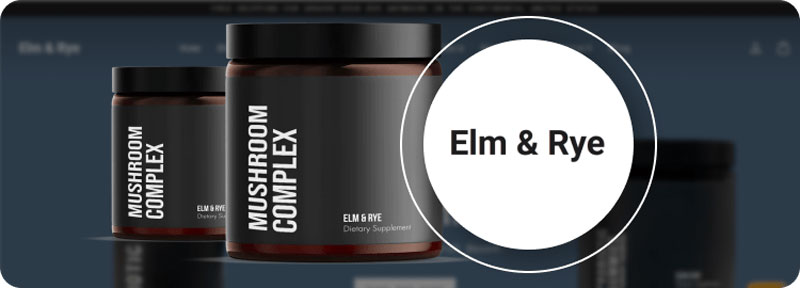
Elm & Rye’s Mushroom Complex is recognized as one of the best mushroom edibles due to its comprehensive blend of medicinal mushrooms.
These gummies or capsules present a carefully curated combination of Maitake, Lion’s Mane, Reishi, Cordyceps, and Chaga. This gives them a powerful combination of benefits inspired by centuries of global healing practices.
Things We Like:
Medicinal Mushroom Variety: Elm & Rye’s Mushroom Complex stands out for its inclusion of diverse mushrooms like Reishi, Chaga, Cordyceps, Lion’s Mane, and Turkey Tail, each bringing unique benefits rooted in traditional healing practices.
Ancient Healing Wisdom: Inspired by ancient Greek and First Nations medicinal uses, the supplement taps into mushrooms’ anti-inflammatory properties, aligning with Western research that confirms their specific chemical pathways for beneficial effects.
Comprehensive Blend: The gummies or capsules offer a harmonious blend of various mushrooms, aiming to combine the distinct advantages of each into a convenient and palatable form.
Ingredients:
Riti Super Mushroom Gummies feature a blend of key mushrooms such as Maitake, known for blood sugar and cholesterol support, Lion’s Mane for cognitive enhancement, Reishi for immune support, Cordyceps for energy, and Chaga for antioxidant benefits.
This comprehensive mix provides a range of health advantages in a convenient and palatable gummy form, bypassing the typical earthy taste associated with traditional mushroom supplements.
Customer Feedback:
Elm & Rye’s Mushroom Complex has garnered 17,690 reviews, reflecting a positive reception among users.
One satisfied user notes, “The combination of a world-class research team, premium ingredients, and quality testing puts Elm and Rye in a league of its own.”
Third-Party Lab Tests:
Elm & Rye is committed to quality through regular third-party lab testing, ensuring the supplements’ purity and effectiveness. Results are transparently shared to give customers confidence in the product’s integrity.
Elm & Rye’s Medical Advisory Board features Dr. Ariana Medizade and Dr. David Jockers. Dr. Medizade is a Pharmacist with a background in Neuroscience, and Dr. Jockers is a Doctor of Natural Medicine. They contribute their knowledge to ensure optimal medication treatment and enhance therapeutic outcomes.
Diamond Shruumz Gummies is celebrated as one of the best mushroom edibles for infusing a playful twist into the traditional gummy experience.
Created with a proprietary blend of natural ingredients, these gummies promise to stimulate your senses and offer a new dimension of flavor and experiences.
With six great flavors, you can start with the guidance to learn your experience with one gummy before adjusting your dosage.
Things We Like:
Proprietary Blend: Diamond Shruumz Gummies have a proprietary blend of natural ingredients, ensuring a unique and delightful experience with each gummy.
Diverse Flavor Options: With six different flavors available, these gummies provide a diverse range of taste experiences, catering to various preferences.
Targeted Effects: Tailored to deliver euphoria, relaxation, and flavor bursts, addressing a variety of desires for a personalized and enjoyable experience.
Ingredients:
Chaga Mushroom: It is known in Siberian and Asian traditions for its immune-boosting and health benefits, fighting inflammation, and lowering blood sugar.
Reishi Mushroom: A staple in Eastern medicine, potentially enhancing immune function through white blood cell activity and offering anxiety and depression alleviation.
Lion’s Mane Mushroom: Celebrated in East Asian medicine for its capacity to enhance nerve development and function, contributing to improved daily regimen and nerve functions.
Customer Feedback:
Diamond Shruumz Gummies highlights positive customer reviews, emphasizing their premium quality, ease of use, and portability.
The satisfaction guarantee and ease of return policies add to the positive customer experience, creating trust and confidence among users.
Third-Party Lab Tests:
While specific details about third-party lab testing are not provided, the emphasis on premium quality suggests a commitment to ensuring the purity and effectiveness of the product.
Diamond Shruumz Gummies is where premium quality meets a playful twist on traditional gummies, offering a delightful and satisfying journey for your taste buds and well-being.
Pros & Cons
Pros:
Playful Flavor Variety
Proprietary Blend
Targeted Effects
Positive Customer Feedback
Customer Satisfaction Guarantee
Cons:
Limited Lab Testing Information
Flavor Preferences
Mushroom Maple Syrup—Best Mushroom Edibles for Adding Mushroom-Infused Sweetness To Breakfast
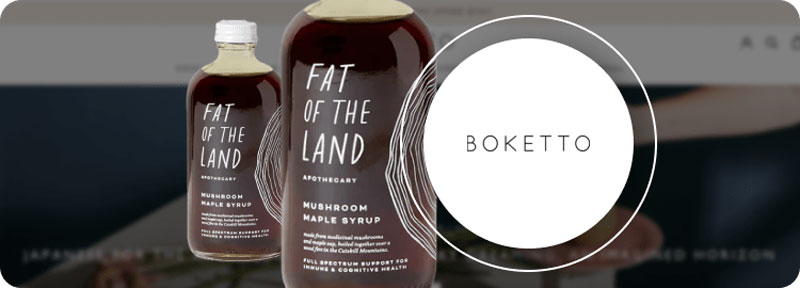
Fat of the Land Mushroom Maple Syrup is known as the best mushroom edible for infusing mushroom-infused sweetness into your breakfast. This not-too-sweet fungi creation serves as a mycelial reminder of our interconnectedness.
Things We Like:
Organic Ingredients: Fat of the Land Mushroom Maple Syrup is created with organic or wild ingredients, emphasizing a commitment to quality and environmental consciousness.
Mushroom Variety: The inclusion of six forest-grown mushrooms, each with its unique benefits, provides a holistic and flavorful addition to your breakfast routine.
Versatile Use: The suggested use spans beyond traditional breakfast applications, encouraging creative culinary exploration by pouring over foods or mixing them into drinks.
Ingredients:
Catskill Mountain Maple Syrup: This delightful blend is based on high-quality maple syrup sourced from Catskill Mountain.
Mushroom Extracts: Reishi, turkey tail, lion’s mane, maitake, Chaga, and birch polypore mushrooms contribute to the unique flavor profile and potential health benefits.
Customer Feedback:
Customer feedback about Fat of the Land Mushroom Maple Syrup is not provided. However, the emphasis on ecological intimacy and transformative power suggests a positive reception.
Third-Party Lab Tests:
Information regarding third-party lab tests is not explicitly mentioned. However, the brand’s dedication to quality and transparency implies a commitment to ensuring the purity and safety of the product.
Immerse your breakfast rituals in the delightful symphony of nature’s offerings with Fat of the Land Mushroom Maple Syrup, where sweetness meets the mycelial magic of forest-grown mushrooms.
Pros & Cons
Pros:
Innovative Flavor Fusion
Versatility
Potential Health Benefits
All-Natural Ingredients
Culinary Creativity
Cons:
Potential Allergies
Limited Information on Production Practices
What are Mushroom Edibles? What Are Its Benefits?
Mushroom edibles represent an interesting category of consumables created from various mushroom species. Each possesses distinct properties and flavors.
Common types include gummies, chocolate bars, syrups, and complex formulations, offering a palatable and convenient means of ingesting mushrooms.
Unlike the notorious reputation of poisonous mushrooms or toxic mushrooms, these edibles focus on varieties with potential health benefits.
Cannabis enthusiasts are increasingly drawn to mushroom edibles for their versatility and unique sensory experiences.
The diverse range of products, such as Riti Super Mushroom Gummies and Trehouse Magic Mushroom Chocolate Bars, caters to individual preferences, providing a flavorful and discreet alternative when consuming mushrooms.
The appeal lies not only in the potential psychoactive effects of dried mushrooms but also in the broader possibilities of mushrooms’ potential health benefits, making mushroom edibles a holistic choice for those seeking enhanced well-being.
The benefits of mushroom edibles extend beyond mere indulgence, offering a balanced approach compared to other edibles.
Additionally, the controlled dosages in mushroom edibles provide a more measured and predictable experience, enhancing user safety.
Use and Dosage Guide for Mushroom Edibles
Edible mushrooms require careful consideration and responsible usage. Here’s a guide on how to use mushroom edibles safely and effectively:
Riti Super Mushroom Gummies:
Recommended Dosage: Start with one gummy (2 if experienced).
Adjustment: Assess tolerance before increasing dosage.
Dosage and Potency: Each gummy contains a balanced blend of 10 mushroom types, ensuring a harmonious and controlled experience.
Trehouse Magic Mushroom Chocolate Bar:
Recommended Dosage: Begin with 1-3 squares based on experience.
Adjustment: Gradually increase as needed, waiting for effects to kick in.
Dosage and Potency: With 15 squares per bar, users can customize their experience, balancing flavor and psychoactive effects.
Elm & Rye Mushroom Complex:
Recommended Dosage: Take 1 gummy or capsule per serving.
Adjustment: Consult with a healthcare professional for personalized guidance.
Dosage and Potency: A comprehensive blend of medicinal mushrooms offers a holistic wellness approach in each serving.
Diamond Shruumz Gummies:
Recommended Dosage: Begin with one gummy; adjust based on desired effects.
Adjustment: Increase cautiously, allowing time for effects to manifest.
Dosage and Potency: Infused with a proprietary blend, users can savor a playful twist with controlled potency.
Mushroom Maple Syrup:
Recommended Dosage: Customize usage based on personal taste preferences.
Adjustment: Gradually explore quantities, ensuring a balanced flavor profile.
Dosage and Potency: The syrup allows for flexibility in dosage, enhancing culinary creations with a hint of mushroom sweetness.
General Tips for Mushroom Edibles:
Start Low, Go Slow: Initiate with the minimum recommended dosage.
Patience is Key: Allow sufficient time for effects before considering adjustments.
Understand Potency: Different products may have varying concentrations, necessitating awareness of individual potency.
This guide provides a structured approach to using mushroom edibles, emphasizing gradual adjustments to achieve a personalized and enjoyable experience.
Users are encouraged to prioritize safety, be mindful of individual tolerances, and consult healthcare professionals if needed.
Choosing the Best Edible Mushrooms for You
Brand Reputation
When selecting the perfect edible mushrooms, consider the brand’s reputation as a crucial factor. Reputable brands uphold stringent quality standards, ensuring that their products meet the expectations of discerning consumers.
Reviews and testimonials from other users can provide valuable insights into a brand’s commitment to excellence and customer satisfaction.
Potency
Potency plays a pivotal role in the effectiveness of mushroom edibles. The concentration of active ingredients in different products may vary, influencing the overall experience.
Assess your personal tolerance and desired effects when choosing a product. Opt for transparency in labeling and dosages. This allows you to tailor your consumption to achieve the desired outcome without unexpected surprises.
Ingredients
Look into the ingredients list to fully understand the composition of your chosen mushroom edibles. Some users may have specific dietary preferences or restrictions, so checking ingredient lists for allergens or substances that may not align with your lifestyle is essential.
Additionally, recognizing the specific mushrooms used and their associated benefits helps you to make choices that resonate with your wellness goals.
Taste and Texture
Mushroom edibles come in a variety of flavors and textures. From the earthy richness of chocolate bars to the fruity delight of gummies, the taste and texture of these treats contribute significantly to the overall experience.
Consider your flavor preferences and desired mouthfeel to ensure that your mushroom edibles offer therapeutic benefits and tantalize your taste buds in a way that suits your culinary preferences.
Effect Duration
Understanding the duration of the desired psychedelic effects is crucial when choosing mushroom edibles. Some products may offer a more extended experience, ideal for those seeking sustained effects, while others provide a quicker onset and shorter duration.
Consider your schedule and lifestyle to align your product choice with the duration of the desired therapeutic or recreational experience.
Convenience
Another vital aspect to consider when selecting mushroom edibles is the convenience of consumption. Some products offer precise dosages in easy-to-carry formats, making them suitable for on-the-go food use.
Assess the convenience factor based on your lifestyle, ensuring that your chosen product seamlessly integrates into your daily food routine without compromising efficacy or enjoyment.
FAQs: Mushroom Edibles Guide
What Are Mushroom Edibles?
Mushroom edibles are consumable products infused with various types of mushrooms, offering potential health benefits. They come in forms like gummies, chocolate bars, and syrups, providing a tasty and convenient way to incorporate mushrooms into your wellness routine.
Are Mushroom Edibles Legal?
The legality of mushroom edibles depends on your location. Must mushrooms are legal and widely used in culinary applications. Always check local regulations before purchasing.
Why Are Mushroom Edibles Popular Among Cannabis Enthusiasts?
Mushroom edibles are favored for their unique blend of flavors and potential therapeutic benefits. They offer an alternative to traditional cannabis-infused products and cater to individuals seeking a holistic approach to wellness.
How Do I Choose the Right Mushroom Edible Brand?
Consider brand reputation, product potency, ingredient transparency, taste preferences, and the duration of effects. Reading reviews and understanding a brand’s commitment to quality can help you make an informed choice.
What Are the Potential Benefits of Consuming Mushroom Edibles?
Mushroom edibles may offer various benefits, including immune support, cognitive enhancement, mood regulation, and overall well-being. The specific benefits depend on the types of mushrooms used in the product.
Can Mushroom Edibles Cause Hallucinations or Psychoactive Effects?
Some mushroom varieties in higher doses may have psychoactive effects. However, most mushroom edibles, especially those legally available, are formulated to provide health benefits without inducing hallucinations.
How Do I Determine the Right Dosage for Mushroom Edibles?
Start with a low dosage, monitor your body’s response, and gradually adjust as needed. Pay attention to the product’s potency and consult with a healthcare professional if uncertain to avoid mushroom poisoning.
Are There Any Side Effects of Consuming Mushroom Edibles?
Side effects are generally mild and can include digestive discomfort or allergic reactions. However, individual responses vary, so it’s essential to be mindful of your body’s reaction to new products.
Can Mushroom Edibles Be Used for Medicinal Purposes?
Some mushrooms in edible products have been traditionally used for their medicinal properties. However, it’s crucial to consult with a healthcare professional before using mushroom edibles as self-medication.
Wrapping Up Mushroom Edibles Online
The range of featured products provides insight into the diverse market of mushroom-infused edibles. Each product offers a unique combination of flavor, potency, and purpose, catering to individual preferences.
Whether you prefer the balanced sweetness and earthy undertones of wild mushroom gummies, the smooth richness of a fresh mushroom chocolate bar, or the comprehensive blend of medicinal mushrooms, there’s a treat to suit every taste.
Consider factors such as potency, ingredients, taste, and texture when selecting the right option for you to buy online.
Disclaimer: Depending on your location, Magic Mushroom Gummies may or may not be legal.
The year is 1917. In New York, AT&T has trained a workforce of “Hello Girls” telephone operators. In France, American Army Gen. Pershing (Mike Pavone) is frustrated by the inability of French phone operators and American men to communicate.
The solution to Pershing’s troubles is as obvious now as it was controversial then: Recruit experienced women. This is the background for the 2018 musical The Hello Girls (music and lyrics by Peter Mills, book by Cara Reichel and Peter Mills), now playing at Sonoma Arts Live through May 5.
Director Maeve Smith, musical director Aja Gianola-Norris and choreographer Jonathan Blue have assembled a talented cast.
Jenny Veilleux plays chief operator Grace Banker. Veilleux has a beautiful voice and great charisma, but it is her portrayal of Banker’s complexity as an empathetic yet firm leader that makes it clear she is also a talented actor.
Banker’s commanding officer, Lt. Joseph Riser, is an obnoxiously accurate representation of the predominant attitude toward women during this time. The desire to alternatively smack and pat him on the head is a testament to actor Drew Bolander. A recent addition to the community, Bolander’s clean vocals and strong stage presence will surely be a boon to the local theater scene.
The rest of the cast are no slouches, either. Of special note is Tina Traboulsi’s Louise Le Breton. Her energetically mischievous portrayal helps the long production maintain its pacing.
Also of note is Caroline Shen, who plays Bertha Hunt. Shen is a talented singer/actor, but she is also a trooper, doing the role despite the very real cast on her foot.
In fact, the caring ease that all the actors show while assisting Shen throughout the production is a testament to how well this cast meshes.
Despite everyone’s hard work, the show does run long. A few songs needlessly reprise and there is an odd interpretive dance midway through the second act that breaks the terse illusion that has been built. Also adding time, the play does not end with a curtain call. Instead, the cast comes out to do an armed forces call out which feels oddly out of place despite its good intentions.
In short, this is a well-researched and enjoyable piece of Americana that manages to keep the sugar coating thin enough to see through and the jaded reality close enough to the surface that it doesn’t insult its audience’s intelligence.
Sonoma Arts Live presents ‘The Hello Girls’ through May 5 on the Rotary Stage at Andrews Hall in the Sonoma Community Center, 276 E. Napa St., Sonoma. Thurs-Sat, 7:30pm; Sun, 2pm. $25 -$42. 707-484-4874. sonomaartslive.org.
Removing most types of native trees in unincorporated areas of Sonoma County now requires a permit after the county Board of Supervisors finalized a pair of tree protection ordinances that were in the planning stages for three years.
Fees for removing protected trees increased to a maximum of $3,500 per tree. New trees can also be planted to avoid the fees.
It was the first time the county’s tree protection law had been updated since 1989. The new law is meant to increase climate resiliency by enhancing carbon sequestration and bring fees up to date to mitigate losses.
Exemptions were included for property maintenance, safety and fire defense, and for certified foresters to perform routine work.
“Trees and woodlands are essential elements of Sonoma County’s rural and urban lands,” said Supervisor Lynda Hopkins. “They provide a range of fundamental services to the community, including clean air and water, wildlife habitat, natural cooling and climate moderation, cultural and historical value.”
Debates around the ordinance had centered on what types of trees would be included and how large, how the ordinance would be enforced and what types of activity by property owners would be exempt. The county conducted more than 30 meetings with residents and stakeholders to craft the ordinance.
Ultimately, the board crafted a tree protection ordinance that centered around a use permit application for building or construction because county staff maintained it would be the only way to enforce the restrictions.
One ordinance restricts tree removal from oak woodlands in the unincorporated areas of the county. The other protects native hardwood trees with a height of more than 36 inches and redwoods taller than 48 inches, or trees with a diameter of six inches at breast height.
There are 31 types of trees protected by the ordinance, including big leaf maple, black oak, blue oak, boxelder, California black walnut, California buckeye, canyon live oak, coast live oak, two cottonwood species, interior live oak, madrone, Oregon ash, Oregon oak, red and white alder, valley oak, two willow species, two cypress species, grand fir, six pine species, redwood and western hemlock.
Fees and fines will range from $500 to $3,500 per tree removed, depending on the size.
The ordinances take effect on May 30, which will be 30 days after the second reading of the ordinances on April 30.
The North Bay is about to host its 10th annual AVFilm Festival, with 10 days of local, thought-provoking, culturally enriching and entertaining cinematic celebrations all across Sonoma’s artistic and eclectic cities.
The AVFest spans from Friday, April 26 through Sunday, May 5 and features local and global films. In total, this year’s festival is set to encompass 21 feature films, 34 shorts, student work, Q&A panels, block parties galore and much more.
Oscar-winning sound designer Ben Burtt is set to attend as this year’s AVFest centerpiece. Burtt’s career spans half a century and includes the original Star Wars trilogy’s soundtrack, as well as E.T., Raiders of the Lost Ark and even WALL-E.
“We’re so excited to celebrate our 10th annual film festival,” said executive director of AVFilm, Kathryn Hecht. “We have so much excitement packed into 10 days—incredible independent films from all over the world, our signature dinners and events, and more than 70 filmmakers coming to visit Sonoma County and meet our community. It is shaping up to be a perfect milestone anniversary party.”
April 26, AVFest guests can flock to the Cloverdale Performing Arts Center to see Green Border by Agnieszka Holland at 1:30pm, followed by the opening night of Humanist Vampire Seeking Consenting Suicidal Person at 5pm. Afterward, the Cloverdale Block Party starts at 6pm, followed by some edgier late-night shorts showing from 8:30pm until midnight.
April 27 promises three screenings at Longboard: Chronicles of a Wandering Saint at 10:30am, followed by local filmmaker Austin Smagalski’s To Die Alone at 1pm and, at 3pm, Goodbye Julia.
Day three of the AVFest is April 28 at Longboard—the day kicks off with Possibilities at 10:30am, followed by the Shorter is Better collection at 1:30pm, Ariane Louis-Seize’s Humanist Vampire at 4pm and the World Shorts Showcase starting at 6:30pm.
April 29 promises some respite from all the cinematic action, with The Grab + Afterparty at Longboard starting at 5:30pm. Then, on April 30, Lo & Behold is hosting a Savor the Night with M.F.K Fisher—The Art of Eating at 5:30pm.
The highly-anticipated Tribute to Ben Burtt and WALL-E screening is set for 5pm on May 1 at Ellis Auditorium in Petaluma. Then, at 6pm on May 2, cinematic enthusiasts can attend Vatelli’s An Evening in Geyserville—Thelma.
May 3 starts at 10am at Longboard with a showing of Tuesday, followed at 12:30pm by A Normal Family and a 3pm showing of Pablo Berger’s Oscar-nominated Robot Dreams. At 5pm, The Raven Performing Arts Theatre is hosting the Student Film Competition, followed by the Healdsburg Block Party at 6pm and Blue Giant, a jazz anime, showing at 8pm.
May 4 screenings begin at 10am at Longboard with another shorts collection followed by a sneak preview of Riley at 12:30pm and Dandelion at 3:30pm, with the J.E.D.I. Award Ceremony set for 6pm. Last but not least is the 9:15pm screening of Werewolf Serenade from none other than Petaluma filmmaker, Bohemian editor and alleged lycanthrope Daedalus Howell.
Sunday, May 5 marks the last day of AVFest’s 10 cinematic celebrations, with three screenings at Longboard. First up is Green Border at 11am, followed by The Unredacted at 2pm and Ghostlight at 5pm, to close the festival and the night.
AVFilm is a 501(c)(3) non-profit organization that started in 2014 as a local film society for education and entertainment through cinema. To learn more about AVFilm or to purchase tickets, visit the website at avfilmpresents.org.
Every May 4th, a phenomenon sweeps the planet as Star Wars enthusiasts celebrate the iconic saga with the mantra, “May The Fourth Be With You.”
The pun-inspired observance takes many forms, but Petaluma’s festivities are perhaps the most risqué as local impresario Jake Ward Presents returns with North Bay Cabaret’s 6th annual Star Wars-themed burlesque and variety show. As with last year, “May the Fourth Be With You” takes place at Petaluma’s historic Mystic Theatre, offering an adults-only evening filled with over a dozen interstellar cabaret performers.
Ward, the visionary producer behind North Bay Cabaret and the evening’s emcee, guarantees an event transcending traditional fan gatherings with burlesque, drag, pole dancing, circus acts, and live music. The show promises an audacious night where favorite Star Wars characters come alive in unexpectedly tantalizing ways.
As described by the organizers: “Get ready for an unforgettable night of sci-fi sexiness, cosmic comedy, and intergalactic artistry featuring a world-class lineup. You don’t need to be a Star Wars fan to enjoy this wild and hilarious night of aliens and androids doing things you CAN’T unsee!”
The event also features a costume contest, encouraging attendees to don their most interesting Star Wars attire. A futuristic photo booth will be available to capture the night’s memories. Post-show activities include an interactive laser/lightsaber game and a dance party led by DJ Dyops.
Discussing the enduring appeal of Star Wars, Ward says, “I think Star Wars transcends the realm of mere sci-fi fandom and has established itself as a piece of beloved Americana.” He highlights the nostalgia and iconic status of the original films as key factors driving the cultural fascination.
“The ‘campiness’ factor of Star Wars is what makes it a perfect match for the low-brow tradition of vaudeville. The decision to mash up sci-fi with stripping feels natural for us,” he explains.
Reflecting on the evolution of North Bay Cabaret and its Star Wars show, Ward points out the significant growth from its humble beginnings. “The evolution of North Bay Cabaret, including its annual Star Wars show, is most evident to those loyal fans who have been coming to our events since the beginning: from increased production value to the caliber of regional and touring artists our show attracts, and certainly, to the setting—we’ve taken our show from the backyard of a whiskey bar to one of the most historic venues in the county,” he says.
Ward concludes, “At the end of the day, our fans want adult-oriented entertainment that’s outside the mold of what Wine Country typically offers. They want a space that celebrates creativity and self-expression. And in the case of May 4th, they want a place where they can ‘join the dark side,’ which we are more than happy to provide.”
Adjacent to the venue, McNear’s Restaurant will provide food, while the Mystic Theatre’s bar will offer themed cosmic cocktails—including a concoction called a “Yoda Soda.” (What, no blue milk?!)
The doors of the Mystic Theatre will open at 7pm on May 4th, with the show starting an hour later. Various ticket options are available, ranging from balcony seating at $29, reserve seating for $34, Gold Circle Seating for $44 and VIP table seating for two and four guests for $200 and $400, respectively. 21+ event. Tickets are available via northbayevents.com.
What has 30 films, 49 filmmakers and 26 premieres? That would be the DocLands Documentary Film Festival, running Thursday, May 2 to Sunday, May 5 at the Christopher B. Smith Rafael Film Center. Opening the fest is Skywalkers: A Love Story. Don’t confuse this with another famous Skywalker from around these parts (looking at you, Luke)—no, this is a literal spin on the concept that follows the adrenaline-fueled romance of Russian rooftoppers Angela Nikolau and Ivan Beerkus as they embark on a daring quest to climb the world’s latest super skyscraper. Talk about getting high. “With every perilous ascent, they push the boundaries of trust and love, capturing their vertigo-inducing feats on camera for the world to see,” reads the rather breathless summary. You had us at “adrenaline-fueled romance.” Directors Maria Bukhonina and Jeff Zimbalist will be present. For more information, including tickets, visit doclands.com. The film center is located at 1118 4th St., San Rafael.
Larkspur
The Saga Continues
Speaking of Skywalkers… Remember a long time ago, in a galaxy far, far away, you could only watch the original Star Wars saga on Disney+? Okay, maybe it wasn’t that long ago, but it’s probably been a while since you saw Luke, Han and Leia defeat the Empire on the big screen. Just in time for May 4 (as in “May the ‘fourth’ be with you”—see this week’s arts feature), Larkspur’s Lark Theatre will unspool all three of the original Star Wars movies (none of the greasy kid’s stuff like The Phantom Menace) in two slates beginning at 9:30am, Saturday, May 4. All in, the marathon screening sesh includes Star Wars, Episode 4: A New Hope, Episode 5: The Empire Strikes Back and finally Episode 6: Return of the Jedi. This all day Saturday matinee is one for the ages—literally in terms of actual time spent in a theater seat as well as the age range of prospective attendees—all are welcome to the PG-rated extravaganza. Tickets are $5 per film, per showing—so, $15 for the whole shebang. The Lark is located at 549 Magnolia Ave., Larkspur. larktheatrer.net. Emotional support Wookies allowed with permit. No droids allowed.
Santa Rosa
Piece Work
Perhaps author David Shields summed it up best when he observed that “Collage is not a kitchen sink; it’s not a refuge for the compositionally disabled.” Santa Rosa Arts Center is apt to concur. The organization’s present exhibit, “Small Works: Collages,” celebrates the enduring appeal and innovative spirit of collage art. This event, featuring works from local artists, is set to run from May 5 through June 30, at the center’s Small Works Gallery, 312 South A St., Santa Rosa. The artists utilize everyday materials like magazine photos, newspaper clippings, cardboard and even cereal boxes to create compelling visual narratives. An artists’ reception is scheduled for the opening day, Friday, May 5, from 5-8pm, providing an opportunity for guests to meet the creators behind the artworks. The exhibition is characterized by its focus on smaller-scale pieces, each no larger than 12 inches, highlighting the intricate and thoughtful use of materials typical of collage art. For additional information, visit santarosaartscenter.org.
Petaluma
‘A Better Trip’
Award-winning comedian Shane Mauss, known for his performances on platforms like Conan, Comedy Central and Netflix, brings his unique comedy and science show, “A Better Trip,” to the Mystic Theater in Petaluma on Sunday, April 28. This one-of-a-kind event combines Mauss’ sharp humor with his deep knowledge of science and psychedelics. The show features a blend of stand-up comedy enhanced by striking visuals and custom animations, creating an immersive psychedelic comedy experience. “A Better Trip” builds on Mauss’ previous successes, including his documentary, Psychonautics: A Comic’s Exploration of Psychedelics. This tour, spanning over 100 cities, showcases his dual expertise as a comedian and science communicator, offering audiences not only laughter but also insightful commentary on psychedelic culture through engaging storytelling. The show will start at 7:30pm, with doors opening at 6:30pm. Tickets and additional information are available online at shanemauss.com/petaluma. The venue is located at 23 Petaluma Blvd. N., Petaluma.
Over in the Napa Valley, we've got some updates on the endlessly intriguing and mysterious federal investigation that's been unfolding over the past few months. The first scandal of the week involves the beleaguered Clover Flat landfill in Calistoga, which was the target of one of three main subpoenas issued by the feds this past winter to local government...
As it happens, the five newest inmates at the same county jail in Santa Rosa that hosted the classical music program are bouncers from one of Petaluma's rowdiest bars, the decade-old Jamison's Roaring Donkey bar on Kentucky Street, according to the Petaluma Police Department. City officials in Petaluma are considering shutting down the Roaring Donkey entirely after its security...
Did you know that some Sonoma County jail inmates are now composing classical music, through a county program called "Music for the Future"? During the first two-month run of the program, which ended in late March, eight inmates of all ages from the county's Main Adult Detention Facility in Santa Rosa learned about the works of Beethoven and how...
Sponsored content Levitated Media
In recent years, enthusiasts have become interested in edible mushrooms. People are curious about new products, not just the usual cannabis stuff.
Magic mushrooms used to be known for making you see things, but now they're being put into food. This means you can taste different flavors while getting some benefits. More and...
The year is 1917. In New York, AT&T has trained a workforce of “Hello Girls” telephone operators. In France, American Army Gen. Pershing (Mike Pavone) is frustrated by the inability of French phone operators and American men to communicate.
The solution to Pershing’s troubles is as obvious now as it was controversial then: Recruit experienced women. This is the background...
Removing most types of native trees in unincorporated areas of Sonoma County now requires a permit after the county Board of Supervisors finalized a pair of tree protection ordinances that were in the planning stages for three years.
Fees for removing protected trees increased to a maximum of $3,500 per tree. New trees can also be planted to avoid the...
The North Bay is about to host its 10th annual AVFilm Festival, with 10 days of local, thought-provoking, culturally enriching and entertaining cinematic celebrations all across Sonoma’s artistic and eclectic cities.
The AVFest spans from Friday, April 26 through Sunday, May 5 and features local and global films. In total, this year’s festival is set to encompass 21 feature films,...
Every May 4th, a phenomenon sweeps the planet as Star Wars enthusiasts celebrate the iconic saga with the mantra, “May The Fourth Be With You.”
The pun-inspired observance takes many forms, but Petaluma’s festivities are perhaps the most risqué as local impresario Jake Ward Presents returns with North Bay Cabaret’s 6th annual Star Wars-themed burlesque and variety show. As with...
San Rafael
What’s Up, Doc?
What has 30 films, 49 filmmakers and 26 premieres? That would be the DocLands Documentary Film Festival, running Thursday, May 2 to Sunday, May 5 at the Christopher B. Smith Rafael Film Center. Opening the fest is Skywalkers: A Love Story. Don’t confuse this with another famous Skywalker from around these parts (looking at you, Luke)—no,...
To Edward Campagnola
there will be no snow in this poem
i grew up on the california coast
sunshine, smog and optimism
writers write what we know, they say
coin terms and make clichés,
turn clichés into new expressions…
tree leaves crackle in the wind
as my hand creates directly from my brain
inscribing visions from
inner thoughts and images
making metaphors evocative…
there will be no snow nor any ice...