Napa Valley Towns Cancel Fourth of July Fireworks

0

As smoke from the Toll Fire wafted across the wine country yesterday afternoon — and the National Weather Service kept expanding the coverage area for its “red flag warning” — some local government officials began to reconsider their Fourth of July plans.

So far, tomorrow’s fireworks shows in St. Helena and Yountville have been canceled. And other towns are watching conditions closely.

Here where I live in Healdsburg, some residents are pushing city officials to cancel the local fireworks show, even though we’re right outside the red-flag zone. Our city manager told me last night: “We will only move forward with fireworks if we are confident that we can do so safely. Our executive team is actively reviewing the situation and the guidance of the police and fire chiefs is a key part of that.”

The cities of Rohnert ParkPetalumaSonoma and Cloverdale all have fireworks shows planned tomorrow as well, with no word yet of any cancelations. There are also Third of July fireworks planned tonight in Windsor and Sebastopol. (Could be others, too — those are just the ones I know about.)

The sale of fireworks — which, I learned this year, is somehow still legal in the rough-and-tumble northern Sonoma County community of Cloverdale — was also paused by Cloverdale city leaders yesterday, along with local rules that allow people to set off any fireworks they buy there.

(To be clear, though, the official fireworks show at Cloverdale High School tomorrow night is still a go, as of Wednesday morning.)

The Press Democrat reports: “Sales and use of legal fireworks are being suspended in Cloverdale due to unsafe weather conditions that are raising concerns of wildfires, city officials announced Tuesday. The sudden announcement, which comes just two days before Independence Day, is a major about-face for the lone place in Sonoma County where sales and use of so-called ‘safe and sane’ fireworks are allowed. Those sales had just begun on Monday.”

Cloverdale Mayor Todd Lands wrote a long, heartfelt post on Facebook about the city’s decision. He called it “one of the hardest decisions I/we have had to make in a very long time.”

The mayor continued: “I love fireworks, I love our freedoms, and I love supporting the rights and choices of our voters. However, the National Weather Service is showing three major weather issues happening at once on July 4th. Extreme hot weather, low humidity, and most importantly, high wind gusts of 30+mph. Because of all three, we have made the decision to suspend the sale and use of Safe and Sane fireworks for this holiday. Only for this holiday! The risk is too high. This decision had nothing to do with the complaints on social media, the Chicken Littles that send me emails telling me I am going to destroy Cloverdale, or anything other than informed leadership that has to make the hard choices at times. … I am looking forward to finding a safe time to use the fireworks that were purchased, looking for more opportunities to sell and use fireworks, like New Years, and cannot wait to have them back next year for Independence Day 2025!”

(Image: Cloverdale Chamber of Commerce via Facebook)

St. Helena city leaders, for their part, say they’ll still try to set off their Fourth of July fireworks at a “later date in the year when conditions are more favorable.” (They’re also moving the other holiday events planned for tomorrow, like a community festival, to “areas at Crane Park that provide additional shade and [offer] convenient ways to refill water bottles.”)

So no local fireworks tonight for the people of the Napa Valley.

However! The City of Napa, which is having a bit of an I-told-you-so moment right now, is trying out something new in place of Fourth of July fireworks this year: a flying drone show.

City officials decided a few months ago to switch to this modern, non-flammable option — for precisely the same reason we’re now all worried about the traditional route. (Plus the toll it takes on war veterans and pets.)

From the City of Napa website: “Sky Elements is providing the largest Northern California display (400 drones) at Pearl and West Street parking lot. Recommended viewing areas include Oxbow Commons, 1st and 3rd Street Bridge sidewalks, Veteran’s Memorial Park, China Point and the Riverfront Promenade. Music for the Drone Show will be available at Oxbow Commons or via your smart phone by going to the following YouTube video (July 4th Drone Show Music) or look for the signs with QR code in the recommended viewing areas.”

Pretty fancy, right? There are also a bunch more Fourth of July events going on in the wine country this week and weekend that don’t involve fire, of course. Some of them even involve bodies of water; hallelujah. Here’s an event roundup I sent out yesterday with all the funnest-looking stuff on the schedule.

Big Month for Wildfire in Wine Country

0

It started in early June, when little grass fires started popping up in Sonoma and Napa counties — along with the not-so-little, 60-acre Crystal Fire near St. Helena. At that time, weather and fire officials were still predicting a mild-to-medium 2024 fire season.

But it soon became clear that all the grass and brush that had fattened up during the extra-wet winter were drying out fast, and combusting big. “The grass this year is just burning really well,” Chief Marshall Turbeville of the Northern Sonoma County Fire Protection District told me earlier this month. (And it’s not even “as dry as it’s going to be in July and August” yet.)

Then came two whoppers within Cal Fire’s Sonoma-Lake-Napa Unit, forebodingly early in the season: The 1,200-acre Point Fire in the Dry Creek Valley outside Healdsburg on June 16 (near where I live), and the 19,200-acre Sites Fire in Colusa County, northeast of Clear Lake, on June 17.

Within just a few days, thanks in large part to Point and Sites, more acres had burned within our local Cal Fire division — covering Sonoma, Napa, Lake, Colusa, Solano and Yolo counties — than in the previous three summers combined, unit leaders said.

Hundreds of rural Healdsburg residents had to evacuate, along with hundreds more staff and visitors at world-famous wineries. But thanks to strong, smart firefighting and some luck with the wind, the Point Fire ended up being much less destructive than we all feared. In the end, three houses and seven other structures burned down, according to Cal Fire’s incident map — plus one other home a mile-and-a-half from the burn zone, outside the evacuation line, which may have caught a high-flying ember. (The people who lived there are OK, by some miracle; crazy story.)

One winery boss, from Raymond Burr Vineyards, said in an interview with the Press Democrat: “Cal Fire was so impressive. They came here with an army. They came here with crew after crew.”

In the two weeks since then, it’s been a game of grass-fire whack-a-mole for Cal Fire and the smaller local fire agencies that dot the region.

There was the (confusingly named) 5-acre Wild Fire near Angwin in east Napa County, and the 6-acre Preston Fire near Cloverdale in northern Sonoma County — both nipped in the bud by firefighters. Small fires have been breaking out in more urban areas, too — like a barn fire at the Petaluma fairgrounds, and a compost fire at the beleaguered Upper Valley Disposal and Recycling center in St. Helena.

And, just this week, another potential catastrophe came in the form of the fast-growing Toll Fire just north of Calistoga. Rural residents evacuated after it broke out yesterday morning, preparing for the worst — but again, it looks like Cal Fire already managed to stop forward progress and lock it down between 40 and 50 acres.

Some retardant for the Toll Fire. (Image: Cal Fire via X)

“Thanks to a strong initial attack from both air and ground resources, we were able to keep this fire contained with no reported property damage,” Cal Fire officials tweeted last night.

Local photojournalist Kent Porter, always at the scene, took some wild pics yesterday of firefighting planes dropping neon-pink fire retardant on country homes along a ridge line threatened by the Toll Fire, in the Palisades area of Mount St. Helena. (The same substance that may have destroyed a bunch of wine grapes at Lago di Merlo Vineyards in the Point Fire, according to the PD.)

Anyway, it seems like there are two trends we’re seeing so far this season. 1) The combo of a super-wet winter and a super-hot, super-windy early summer is making for explosive fire conditions. 2) Local firefighters are more equipped than ever to handle these outbreaks, with loads more funding and personnel and knowledge and tech than 5 or 10 years ago.

After the Point Fire, one of our Sonoma County supervisors, Lynda Hopkins, went up in a helicopter and posted some pretty epic aerial footage from her trip. Lynda admired the “ridgetop fuel breaks” that helped halt the forward progress of the fire, and raved about the high-tech aircraft and cameras used in the fight: “We watched in real time as a CAL FIRE helicopter loaded water and completely extinguished a smoldering, smoking hot spot within the fire perimeter,” she wrote. “Henry-1’s infrared camera was able to both identify the hot spot and provide confirmation it was extinguished.”

The new burn scar at Lake Sonoma. (Photo: Lynda Hopkins via Facebook)

At the same time, the art of battling nature is still a total crapshoot sometimes, and when the wind is blowing hard enough, many of these tactics and gadgets go out the window. Especially when multiple fires are burning at once and firefighting resources get stretched thin. So, as Cal Fire keeps saying — pack your “go bag,” “know your zone” and all that jazz!

Firefighters also corralled a nearly 500-acre wildfire called the Denverton Fire down near the Travis Air Force Base in Solano County yesterday, FYI.

And another small grass fire the day before in Santa Rosa, near a local elementary school, may have been caused by illegal fireworks, according to the Press Democrat.

From the story: “A Santa Rosa man is suspected of lighting a firework that caused a vegetation fire near a local elementary school Monday afternoon, police said Tuesday. Salvador Castillo Lopez, 20, was arrested on suspicion of misdemeanor unlawfully causing a fire, according to the Santa Rosa Police Department. The fire was reported just before 2:30 p.m. in the 2000 block of Moraga Drive in southeast Santa Rosa. The scene is in a field bordered by Kawana Springs Elementary School, North Bay Children’s Center and homes on Tokay Street. Firefighters ‘quickly extinguished a fire that burned a 2,500-square-foot area of mowed grass,’ police said. Investigators believe the suspect ignited a firework inside PVC pipe and it launched in an opposite direction then was intended.”

Starving brown pelicans strain wildlife rescue centers

On Friday, June 14, media and volunteers gathered at the small inlet of Horseshoe Bay of Fort Baker to watch as 27 brown pelicans were released back into the wild.

The inlet, on that sunny day with only a bit of wind and the towering stanchions of the Golden Gate Bridge unclouded by fog in the background, seemed the idyllic place for the bird release.

“It’s an iconic spot,” said Russ Curtis, the communications director of International Bird Rescue, who put on the media event. “But there’s also enough space here, and it’s far away from the public. And the public can often get in the way.”

International Bird Rescue, the Bay Area-based bird rehabilitation center that focuses its efforts mainly on water birds, put on the event to showcase their efforts to help prevent a massive starvation event across the Bay Area and the greater California coast.

As the volunteers opened the cages in front of the water, each filled with two or three birds, the majestic pelicans took off, soaring into the sky, landing at the water in front of the dock.

JD Bergeron, executive director of IBR, said, “It never gets old for me. This is emotional.”

The release, also a means for the organization to ask for public donations to help the birds, was a small glimmer of hope in an otherwise alarming event for the brown pelicans in the area.

Since April, from Monterey to Sonoma County, brown pelicans have been found starving and malnourished along the coast and in places where they are rarely, if ever, seen. Hundreds of birds have been found and sent to bird and wildlife rescue centers across the region, and many more have died in the wild before caretakers could reach them.

This influx of starving birds has overwhelmed rescue center spaces and budgets. And while it seems that this starvation event is nearing its conclusion, researchers and conservationists are still uncertain as to why the birds were starving in the first place.

IBR, the area’s main caretaker of brown pelicans, said they first received calls about starving pelicans in late April. The situation started to increase, with many birds coming in so starved that they were nearly half their weight.

Reports of strangely acting birds appeared all over the Bay Area, but mainly around Santa Cruz, with one pelican walking into a bar. One viral video showed a brown pelican flying into the outfield at Oracle Park on a sunny day, disoriented and eventually flying out of the field. From April on, the starving birds were found, and the concern from rescue centers and researchers grew.

As of today, IBR has reported caring for 375 pelicans, with only 91 releases of healthy birds so far. What’s most significant, however, is that they are noticing many more adult birds. While these numbers seem high, important factors make this event significant beyond the numbers.

With many wild populations of birds, the young will often have a hard time learning to fish or fall ill from natural causes. However, a sign that there are greater issues around the population or the environment at large is that even adults are starting to suffer.

Since being inundated at their main facility in Fairfield, IBR began to mainly care for the birds.

“In this particular crisis, there’s a wide range of ages. So it’s not just baby pelicans or birds that are, you know, unfamiliar with fishing,” Curtis said. “The age of the birds is kind of all over the map. It’s a wide variety of first, second, third and fourth year birds.”

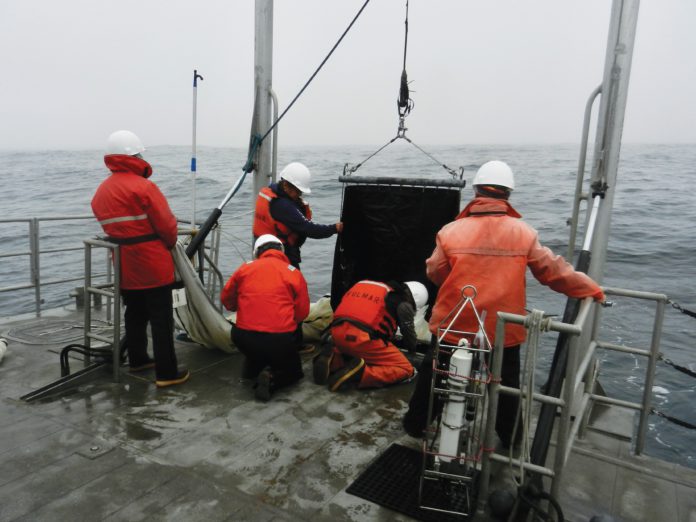
Notably, Kirsten Lindquist, a National Oceanographic and Atmospheric Administration scientist working at the Greater Farallones National Marine Sanctuary, which stretches to the Marin and Sonoma coast, said that they found 25 emaciated birds in May in the region. Of those birds, almost half of them were adults.

As the situation has grown to require IBR’s increasingly intensive care of these birds, both in their space and in the cost, this has meant that they have been financially strained. According to the Wetlands Wildcare Center in southern California, it costs $45 a day to feed these birds, some of whom will stay in their care for nearly five weeks. The cost is similar for IBR as well. Currently, they are taking care of nearly 200 pelicans. That’s nearly $9,000 every day.

Because of this strain, IBR hasn’t been able to help care for as many other species of birds as they otherwise would have. This has put additional strain on wildlife centers in the region.

The Sonoma Bird Rescue Center, based in Petaluma, is one such place. While only receiving two starving adult pelicans related to this event, both of whom sadly passed away the same day they were brought into care, the pelican starvation event has strained the center in other ways.

As one of the region’s main care facilities for birds, SBRC is comfortable providing care for any bird species. However, because IBR is so close, SBRC often receives hurt or sick water birds and gives them to IBR for better care. However, SBRC has had to care for more water birds because IBR facilities have been so full.

“With them [IBR] being inundated, we’ve actually had to kind of turn around ourselves and provide additional care and time for patients that normally would have been transferred,” said SBRC executive director Ashton Kluttz. “That includes, for us, receiving about 200 herons and egrets from West 9th Street rookery in downtown Santa Rosa.”

The 9th Street rookery is a line of trees in downtown Santa Rosa where many herons and egrets make their nests. While this event has strained the birds and the facilities that care for them, this seems to be slowing.

“We’re still getting a trickle of them in, but it’s slowed down,” Curtis said. “We’ll probably continue to see some birds in the next couple weeks, but not as frequently as April.”

Many are curious why this event happened in the first place. Some initially thought it was possibly related to disease or some chemical in the water, but that was quickly dismissed. Everyone the Bohemian spoke with pointed to climate-related events and access to their food.

As Mike Parker, executive director of the California Institute for Environmental Studies, explained, this could be due to several factors.

“It seems to be that there were these weather events, and maybe even water temperature or other variables in the water column are a factor,” Parker said.

The weather event Parker referred to was a long stretch of heavy rains across southern California in late March. Due to brown pelican nesting in that area, Parker supposed that must have been a part of what caused this event.

Parker noted that some cormorants, who also dive for fish, were showing signs of starvation, indicating a greater possibility that this was a weather and climate-related event. However, he and others pointed to the rising water temperatures brought on by climate change and how this might be affecting where pelicans’ food might be.

Northern anchovies, the main diet of brown pelicans, are supposedly doing fine, according to NOAA fisheries numbers.

Due to storm events, heavy winds at sea and warmer water temperatures, northern anchovies might be diving much deeper to seek cooler water and avoid roiling surface waters, making it harder for pelicans to find the fish out at sea. Once again, this points to climatic factors because adult and mature pelicans are having trouble finding food.

As Lindquist, the NOAA scientist, mentioned, “This is the second largest mortality event of brown pelicans in 30 years,” making it a great concern for researchers and rescue facilities going forward.

However, Curtis pointed out that it’s very soon to claim anything as the de facto reason for this event.

“It’s still too early to even make grand pronouncements because science just doesn’t work that quickly. There are lots of things that they need to study. And they also need to look at the number of birds that came out of some of their roosting areas, especially in the Channel Islands, and even further down to Mexico,” Curtis said.

Unfortunately, brown pelicans are familiar with these kinds of strains. As a part of both the IBR and the Wetlands Wildcare Center logos, brown pelicans have been the poster child of caring for the California coastline, mostly because of our own damage to the species.

Since the 1800s, human activities have threatened the birds. Originally caught and killed for their feathers, for down and for hats, they were eventually killed on the spot by fishermen. As they feared they were eating too many northern anchovies, the fishing vessels saw them as a threat.

Then, due to the notorious pesticide DDT, their eggs began to grow thin, killing off future generations of the bird. In 1970, three years before the Endangered Species Act passed, brown pelicans were federally protected. As DDT was banned in 1972, their populations slowly began to soar back, with the federal government eventually delisting the bird in 2009.

However, since then, they have faced many troubling events.

In fact, in 2022, a similar starvation event occurred. Parker pointed out that back then, there were many high wind events, and many of the birds going to rescue centers were juveniles, which to him and others seemed less of a concern, pointing to bird inexperience of fishing rather than some greater environmental event.

While there is still much for researchers to discover about this event, the determination of those involved, from researchers across the West Coast, means there will always be hope for the birds. As researchers look into this mysterious and worrying starvation event and rescue centers work almost tirelessly to help save the birds, there is always room for them to bounce back.

At the Horseshoe Bay pier, the 27 brown pelicans flapped their wings as small droplets shining in the sun burst from the water.

“They’re getting their sea wings back,” Curtis said as we watched them return to the bay.

Graton Town Square: Meet Matt Jorgenson

Perhaps the new and needed trend of downtown squares opened at Windsor, Santa Rosa and Rohnert Park can be linked with that of new regional parks at Mark West Springs, Monte Rio and the coast. Could these trends be a reaction against exclusionary pricing in ticketed and commercial spaces?

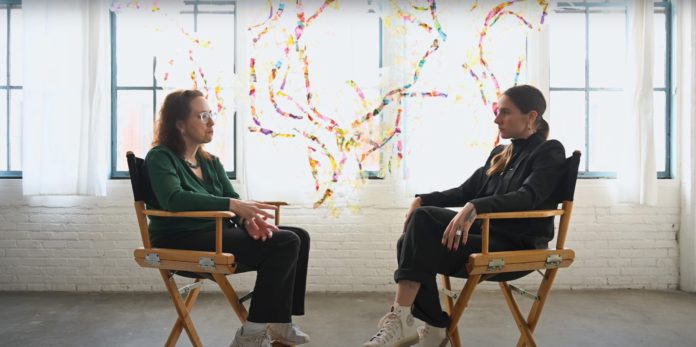
They certainly express a need for free space to meet in common. With such thoughts on my mind, I met with Matt Jorgenson, project coordinator working to give Graton its own town square. A prime half-acre parcel is being financed, but the effort is currently seeking donations for the initial activation of its open space.

CH: Matt, could you wax poetic about the importance of public space? What is your motivating philosophy?

MJ: I’m energized by “revillaging”—which, to me, begins with remembering our interdependence. Public spaces like the town square offer practical ground for coming back into relationship with each other and the place(s) we call home. 

CH: At present, the square is a cleared and graded lot with a few fine trees. What features and potentials do you envision?

MJ: Our co-design process has made priorities quite clear. We’ll create a terraced lawn amphitheater for music and performances. We’ll have beautiful plantings, shade structures, market space, a kid’s play and ecology learning area, and West County trail amenities, including a bathroom. 

CH: How have you brought the town of Graton into this visionary project?

MJ: The entire space is a co-creation for/by Graton and the wider West County community. About 10% of Graton has participated in our town hall meetings, survey or advisory groups. We have a design committee of architects, landscape designers, permaculturists and other professionals from town. And now that we’re activating, tons of people have shown up to volunteer and suggest programming. 

CH: Why should the wider region invest time and money in a town square for Graton?

MJ: The little villages of West County are really one big community, so common spaces are an investment in the whole region. We’ll begin community days with music and food this summer, reboot the Graton Day festival on Oct. 12 and be fully open in 2025. We hope you’ll join us! 

Click to learn more. See the plans for the square, email Jorgenson directly, join a work party or donate. There is also a link to listen to an interview I conducted with him about his efforts to create collective business models and make work spiritual.

Valley of the Moon Music Fest Celebrates a Decade

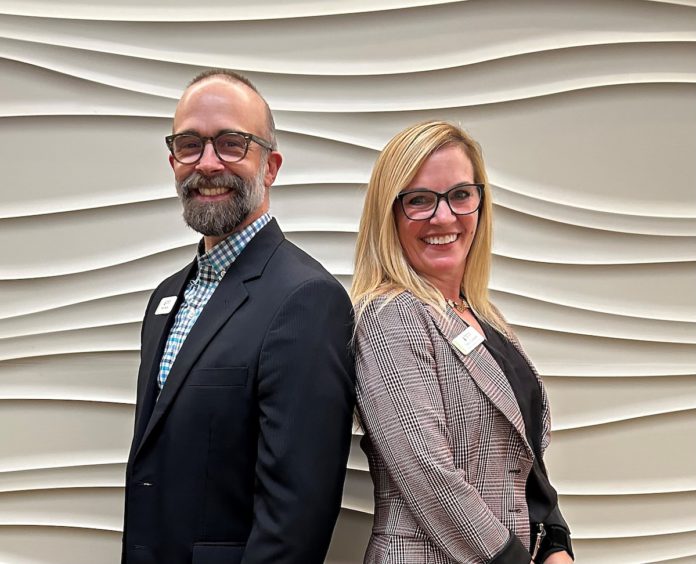
The Valley of the Moon Music Festival (VMMF) is set to celebrate its 10th anniversary with a season that promises to be as diverse and vibrant as the music it showcases.

This milestone season, themed “Music Across the Americas,” highlights the rich tapestry of 19th and 20th-century Latin American chamber music. Festival co-directors Tanya Tomkins and Eric Zivian have curated a program that promises to bring the flair and depth for which the Sonoma-based festival has been known for the past 10 years.

This year’s festival takes attendees through the cross-pollination of Latin American, North American and European chamber music from 1750 to 1945 and beyond. The program invites audiences to experience well-known repertoire pieces alongside seldom-heard gems, creating a unique blend of music from three continents. The VMMF continues its dedication to performing Classical and Romantic chamber music on historical instruments, ensuring an authentic listening experience.

The festival will feature music from composers across Latin America, including Mexico, Venezuela, Peru, Argentina, Brazil and Cuba, presented alongside European works from the same period. Attendees will hear pieces from luminaries such as Cuban virtuoso José White, Venezuelan multi-hyphenate Teresa Carreño, Brazilian favorite Heitor Villa-Lobos, guitarist-composer Sérgio Assad, tango master Astor Piazzola and Mexican composer Manuel Ponce, among others.

Likewise, the Blattner Lecture Series returns, offering audiences deeper insights into the season’s programming. This year, a new podcast will also feature discussions with festival artists and musicologists, adding another layer of engagement for attendees. The lectures, directed by Harvard musicology professor Dr. Kate van Orden, are designed to illuminate the historical context of the music performed, enhancing the overall concert experience (lectures are complimentary with the purchase of a concert ticket).

VMMF’s outdoor Alfresco concerts, a perennial favorite, return with new locations this season. Concerts will be held at Bartholomew Estate Winery, La Luz Center and Buena Vista Winery, blending the beauty of Sonoma Valley with exquisite chamber music. An intimate Artist Spotlight will also feature VMMF laureate and 2020 Avery Fisher Career Grant recipient violinist Rachell Ellen Wong.

The festival starts on Saturday, July 13, with a portrait of José Silvestre de los Dolores White Lafitte, known as José White. Born in Havana, Cuba, White studied at the Paris Conservatory and became the first person of African descent to solo with the New York Philharmonic in 1875. The program, “José White and his Circle,” explores the cultural milieu in which White lived and worked. A virtual pre-concert Blattner Lecture by Cuban-born violinist and White scholar Dr. Yavet Boyadjiev will delve into White’s musical, political and cultural significance.

The following Sunday, July 14, the program “Teresa Carreño: Pianist, Singer, Composer” will celebrate the Venezuelan pianist, composer and opera star known as the “Valkyrie of the piano.” Carreño’s life and influence will be explored through her works and those of her contemporaries.

To mark the festival’s 10th season, a new VMMF podcast offers a behind-the-scenes look at the festival. Hosts and festival directors Tanya Tomkins and Eric Zivian will discuss the upcoming season with musicians, academics and experts, providing a deeper understanding of “Music Across the Americas.”

For complete ticket, performance and location information, visit valleyofthemoonmusicfestival.org.

Marine Layer Wines redefines Healdsburg tasting experience

With all the hubbub that defines the Wine Country experience for some (tourism, bachelor or bachelorette parties, DUIs), occasionally, locals just want a good glass of wine—in a clean, well-lighted place (forgive me, Hemingway).

But why keep it so simple? While we’re dreaming, why not make it an excellent glass of wine in a clean, well-lighted place designed with aesthetic intention that serves to remind we once dreamt of a utopian future whilst drenched in natural light and surrounded by organic forms that recall the refined bohemianism of the best ’70s décor.

Perhaps this is just my own projection, a childhood fever dream writ large on the warm wood and gallery-white walls reaching for an impossibly high ceiling at Marine Layer Wines’ tasting room in Healdsburg. Regardless—this is the place—a haven that appeared like some Xanadu on the west side of the city square just when we needed to hide.

Why we needed to hide is another matter. But be it serendipity, providence or the dark thirst that impels wino writers to duck through tasting room doors—we discovered Marine Layer Wines. Readers should too.

A collaboration of beloved brand Banshee Wines co-founder Baron Ziegler and its alum winemaker Rob Fischer, Marine Layer Wines is a Sonoma Coast-focused initiative that frontlines sustainable farming, heritage clones and hand-harvesting. Its name is a hat tip to the thick blanket of fog that ushers in the cooler temperatures of the Pacific Ocean via the Sonoma Coast into the area’s various inland valleys.

A sampling of four seasonal selections from Marine Layer’s tasting menu can be had for $30, but I preferred to commit to full glasses immediately. The 2023 Carina rosé is redolent with hibiscus, white peach grounded with watermelon rind and a piquant kiss of sea-borne brine. Likewise, the 2021 Lyra pinot noir—ripe with red raspberries, a whisper of cardamom and undergirded by a delicate minerality.

But a full glass in a tasting room?

“Exactly,” says Tyler Hayes, who ran the room during this visit. “With our license, we’re able to serve and operate in a kind of a wine bar capacity—we’re able to let people enjoy the wines they like the most. Some people will choose to add on a glass after a tasting.” Or, like this writer, add a glass after a glass before a tasting.

And they never found us.

Marine Layer Wines is located at 308 B Center St., Healdsburg. For more information, call 707.395.0830 or visit marinelayerwines.com.

Your Letters, July 3

Cold Shower

Apropos of your excellent “Climactic Climate” piece by Alastair Bland (June 12, 2024), I have my own hack for reducing carbon, saving water and improving personal health all at the same time: I’ve stopped using hot water completely in my showering.

I walk straight into a bracing cold shower, giving myself a strong shot of dopamine, which charges me with energy, strength and a sense of well-being. After wetting all over, I turn off the water and soap down, then rinse off with more completely cold water and am out of the shower after about five-plus minutes.

The cold-water-dopamine high lasts me a few hours longer, giving me an excellent start to my day. Further, I have not started up the gas-burning, carbon-producing water heater.

Try it; you will learn to love it as I do! I could never go back to the enervating hot shower. Personal, direct action, controlling our behavior, is empowering and the only immediate way to help stop climate change.

Daniel Keller

San Rafael

Climate Change

Earth burns

in all four corners

melted polar caps cannot quench its thirst

we’ve replaced running rivers

with dumped sewage,

forests lay bare

the remains of chopped down trees

as we suffocate ourselves

animals wander lost

in search of food

that we’ve stolen from them

Earth burns

as we sit in its four corners

continuing to turn over the coals

Bianca May

Rohnert Park

Fair Thee Well

0

San Rafael

Marin County Fair

Taking place from July 3 to 7—this year’s Marin County Fair will have as its theme, “Make A Splash,” celebrating water, with events and exhibits focusing on ocean waves, conservation, sea level rise and marine life. A fine arts and photography exhibit, concerts, 28 free carnival rides, sheepdog trials, a petting zoo, pig races and nightly fireworks are all back. New attractions include the Butterfly Kingdom, a tractor pull at the pig racing arena, frisbee dogs, Latin Heritage Day and an expanded Fair Pride Day. Concerts include En Vogue at 7:30pm, Wednesday, July 3; the Splashback Music Fest from 3:30 to 9pm, Thursday, July 4, featuring tribute bands Tainted Love, Super Diamond, Petty Theft and Foreverland; Daya at 7:30pm, Friday, July 5 (Pride Day); Ziggy Marley at 7:30pm, Saturday, July 6; and Los Lonely Boys at 7:30pm, Sunday, July 7. Tickets are $25–$30 and available online. On July 3, special free admission is available for children 12 and under, seniors 65 and over, and veterans with ID. Marin Transit will offer free rides on all bus lines throughout the fair, and the SMART Train will provide late rides after the fireworks. Located at 10 Ave. of the Flags, San Rafael. Visit MarinFair.org.

Santa Rosa

Johnny Otis Art

Calabi Gallery invites one to experience the new music-inspired show featuring the visual art of Johnny Otis, the godfather of rhythm and blues. An opening reception is scheduled for 3 to 7pm, on Saturday, July 13. The exhibition runs from July 11 to Aug. 31. R&B and jazz musician Otis was also an accomplished painter, sculptor and cartoonist. The show also includes music-themed artwork by artists such as Pele de Lappe, Mike Henderson, Raymond Howell, Emmanuel Catarino Montoya, David Park and more, along with a selection of vintage rock ballroom posters. Calabi Gallery is located at 456 10th St., Santa Rosa. More information at bit.ly/otis-art.

Petaluma

The Heard Eye

North Bay funk/rock maestros The Heard Eye begin a monthly residency at The Big Easy beginning at 7:30pm, Thursday, July 11. The venue is located at 128 American Alley in Petaluma. The Heard Eye’s debut album, Funkalypse, continues to make waves nationally and internationally, with nearly 100 college and non-commercial radio stations across the U.S. having added the album to their rotations this past spring (not to mention over 200,000 streams on Spotify). This self-financed, self-produced and self-released album began as a remote recording project during the Covid lockdown and evolved into a glowing, growing star on the horizon. As German magazine Sonic Realms put it, “A storm is brewing in the world of music.” For more information, visit bigeasypetaluma.com.

Napa

Weber & Hill

Nationally known stand-up comedian Myles Weber returns to Napa’s Lucky Penny, teaming up with Jarrett Hill for a live show as they prepare to film a new special. Weber, a Vallejo native, who has racked up over 60 million views across online platforms, was featured on MTV’s Greatest Party Story Ever Told, and has two Top 10 Dry Bar Comedy specials. Hill is an artist, professor and award-winning journalist who has contributed to The New York Times, NPR, Variety, NBC News and CNN. He is also the co-author of the NAACP Image Award-winning book, Historically Black Phrases: From “I Ain’t One of Your Lil’ Friends” to “Who All Gon’ Be There?” The comedy begins at 7:30pm, Saturday, July 6, at the Lucky Penny, 1758 Industrial Way, Napa. Tickets are $32 and are available at luckypennynapa.com.

Born on the Faux Pas of July

When I met Ron Kovic

In one of my more embarrassing literary moments, Eugene Ruggles, a lauded local poet who haunted the halls of the then-single-occupancy-residence Petaluma Hotel, was behind the wheelchair of his mustachioed literary cohort, famed anti-Vietnam War activist and author Ron Kovic.

Kovic’s memoir, Born on the Fourth of July, had just been adapted into the Academy Award-winning film of the same title directed by Oliver Stone. It starred Tom Cruise as Kovic, who was costumed with an era-appropriate mustache, though unusual for the generally clean-shaven actor.

Suffice it to say, this was a lot of star wattage to unpack in front of Aram’s Cafe circa 1989.

I was familiar with Kovic thanks to Cruise’s film commercials, which I saw on cable TV. This is where I also became familiar with the work of Ernie Kovacs, the innovative 1950s counterculture television comedy pioneer whose shows were re-airing on cable’s Comedy Central. Like Kovic, Kovacs was similarly mustachioed.

One can see where this is going.

So, when I happened upon them near the cafe, Ruggles, always generous (and always, in my experience, a few sheets to the wind), introduced the Golden Globe award-winning Kovic to me in his staccato and slurred pronunciation.

I could make out the two syllables of the last name—opening with a percussive K and hinged on a V—but the vowels were lost on me. The man’s mustache, however, triggered something in my unconscious that bolstered my confidence (I was new to meeting celebrities then). So, I shook the man’s hand, looked him in the eye and sincerely thanked him for his contributions to comedy.

Kovic and Ruggles looked quizzically back at me before continuing down the street.

Moments later, a few paces along my merry way, I realized why.

Happy 4th of July.

(And happy birthday, Mr. Kovic—with belated apologies—and to my brother, who is getting treacherously close to 50!).

Daedalus Howell is editor of the ‘Bohemian,’ ‘Pacific Sun’ and a passel of magazines, as well as the writer-director, most recently, of ‘Werewolf Serenade’—more at dhowell.com.

Free Will Astrology: Week of July 3

0

ARIES (March 21-April 19): The “nirvana fallacy” is the belief that because something is less than utterly perfect, it is gravely defective or even irredeemably broken. Wikipedia says, “The nirvana fallacy compares actual things with unrealistic, idealized alternatives.” Most of us are susceptible to this flawed approach to dealing with the messiness of human existence. But it’s especially important that you avoid such thinking in the coming weeks. To inspire you to find excellence and value in the midst of untidy jumbles and rumpled complexities, I recommend you have fun with the Japanese concept of wabi-sabi. It prizes and praises the soulful beauty found in things that are irregular, incomplete and imperfect.

TAURUS (April 20-May 20): You are coming to a fork in the road—a crux where two paths diverge. What should you do? Author Marie Forleo says, “When it comes to forks in the road, your heart always knows the answer, not your mind.” Here’s my corollary: Choose the path that will best nourish your soul’s desires. Now here’s your homework, Taurus: Contact your Future Self in a dream or meditation and ask that beautiful genius to provide you with a message and a sign. Plus, invite them to give you a wink with either the left eye or right eye.

GEMINI (May 21-June 20): Last year, you sent out a clear message to life requesting help and support. It didn’t get the response you wished for. You felt sad. But now I have good news. One or both of the following may soon occur. 1. Your original message will finally lead to a response that buoys your soul. 2. You will send out a new message similar to the one in 2023, and this time you will get a response that makes you feel helped and supported. Maybe you didn’t want to have to be so patient, Gemini, but I’m glad you refused to give up hope.

CANCER (June 21-July 22): The Fates have authorized me to authorize you to be bold and spunky. You have permission to initiate gutsy experiments and to dare challenging feats. Luck and grace will be on your side as you consider adventures you’ve long wished you had the nerve to entertain. Don’t do anything risky or foolish, of course. Avoid acting like you’re entitled to grab rewards you have not yet earned. But don’t be self-consciously cautious or timid, either. Proceed as if help and resources will arrive through the magic of your audacity. Assume you will be able to summon more confidence than usual.

LEO (July 23-Aug. 22): All of us, including me, have aspects of our lives that are stale or unkempt, even decaying. What would you say is the most worn-out thing about you? Are there parts of your psyche or environment that would benefit from a surge of clean-up and revival? The coming weeks will be an excellent time to attend to these matters. You are likely to attract extra help and inspiration as you make your world brighter and livelier. The first rule of the purgation and rejuvenation process: Have fun!

VIRGO (Aug. 23-Sept. 22): On those rare occasions when I buy furniture from online stores, I try hard to find sources that will send me the stuff already assembled. I hate spending the time to put together jumbles of wood and metal. More importantly, I am inept at doing so. In alignment with astrological omens, I recommend you take my approach in regard to every situation in your life during the coming weeks. Your operative metaphor should be this: Whatever you want or need, get it already fully assembled.

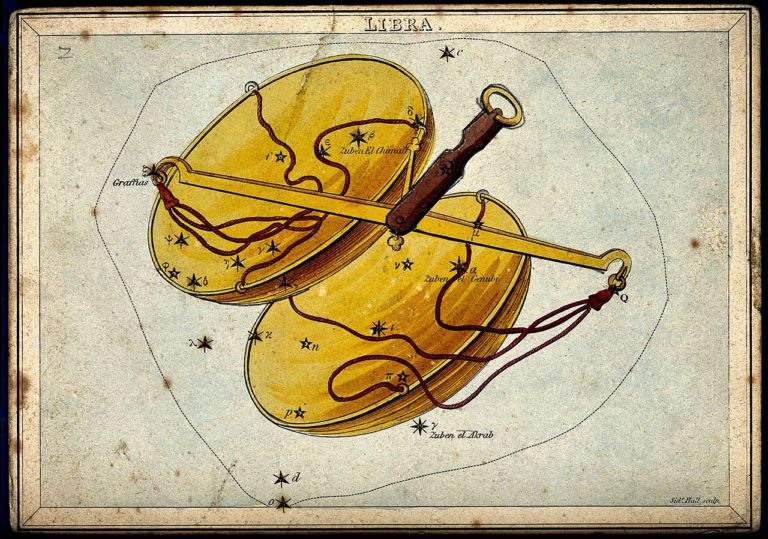
LIBRA (Sept. 23-Oct. 22): When Adragon De Mello was born under the sign of Libra in 1976, his father had big plans for him. Dad wanted him to get a PhD in physics by age 12, garner a Nobel Prize by 16, get elected President of the United States by 26 and then become head of a world government by 30. I’d love for you to fantasize about big, unruly dreams like that in the coming weeks—although with less egotism and more amusement and adventurousness. Give yourself a license to play with amazing scenarios that inspire you to enlarge your understanding of your own destiny. Provide your future with a dose of healing wildness.

SCORPIO (Oct. 23-Nov. 21): “Your horoscopes are too complicated,” a reader named Estelle wrote to me recently. “You give us too many ideas. Your language is too fancy. I just want simple advice in plain words.” I wrote back to tell her that if I did what she asked, I wouldn’t be myself. “Plenty of other astrologers out there can meet your needs,” I concluded. As for you, dear Scorpio, I think you will especially benefit from influences like me in the coming weeks—people who appreciate nuance and subtlety, who love the poetry of life, who eschew clichés and conventional wisdom, who can nurture your rich, spicy, complicated soul.

SAGITTARIUS (Nov. 22-Dec. 21): The coming weeks will be prime time for you to re-imagine the history of your destiny. How might you do that? In your imagination, revisit important events from the past and reinterpret them using the new wisdom you’ve gained since they happened. If possible, perform any atonement, adjustment or intervention that will transform the meaning of what happened once upon a time. Give the story of your life a fresh title. Rename the chapters. Look at old photos and videos and describe to yourself what you know now about those people and situations that you didn’t know back then. Are there key events from the old days that you have repressed or ignored? Raise them up into the light of consciousness.

CAPRICORN (Dec. 22-Jan. 19): In 1972, before the internet existed, Capricorn actor Anthony Hopkins spent a day visiting London bookstores in search of a certain tome: The Girl from Petrovka. Unable to locate a copy, he decided to head home. On the way, he sat on a random bench, where he found the original manuscript of The Girl from Petrovka. It had been stolen from the book’s author, George Feifer, and abandoned there by the thief. I predict an almost equally unlikely or roundabout discovery or revelation for you in the coming days. Prediction: You may not unearth what you’re looking for in an obvious place, but you will ultimately unearth it.

AQUARIUS (Jan. 20-Feb. 18): Aquarius-born Desmond Doss (1919–2006) joined the American army at the beginning of World War II. But because of his religious beliefs, he refused to use weapons. He became a medic who accompanied troops to Guam and the Philippines. During the next few years, he won three medals of honor, which are usually given solely to armed combatants. His bravest act came in 1944, when he saved the lives of 70 wounded soldiers during a battle. I propose we make him your inspirational role model for the coming weeks, Aquarius. In his spirit, I invite you to blend valor and peace-making. Synergize compassion and fierce courage. Mix a knack for poise and healing with a quest for adventure.

PISCES (Feb. 19-March 20): What types of people are you most attracted to, Pisces? Not just those you find most romantically and sexually appealing, but also those with whom a vibrant alliance is most gracefully created. And those you’re inclined to seek out for collaborative work and play. This knowledge is valuable information to have; it helps you gravitate toward relationships that are healthy for you. Now and then, though, it’s wise to experiment with connections and influences that aren’t obviously natural—to move outside your usual set of expectations and engage with characters you can’t immediately categorize. I suspect the coming weeks will be one of those times.

Homework: Who is the most important person or animal in your life? I invite you to give them a surprising gift. Newsletter.FreeWillAstrology.com

Napa Valley Towns Cancel Fourth of July Fireworks

As smoke from the Toll Fire wafted across the wine country yesterday afternoon — and the National Weather Service kept expanding the coverage area for its “red flag warning” — some local government officials began to reconsider their Fourth of July plans. So far, tomorrow’s fireworks shows in St. Helena and Yountville have been canceled. And other towns are watching conditions closely. Here where I live...

Big Month for Wildfire in Wine Country

It started in early June, when little grass fires started popping up in Sonoma and Napa counties — along with the not-so-little, 60-acre Crystal Fire near St. Helena. At that time, weather and fire officials were still predicting a mild-to-medium 2024 fire season. But it soon became clear that all the grass and brush that had fattened up during the extra-wet winter...

Starving brown pelicans strain wildlife rescue centers

On Friday, June 14, media and volunteers gathered at the small inlet of Horseshoe Bay of Fort Baker to watch as 27 brown pelicans were released back into the wild. The inlet, on that sunny day with only a bit of wind and the towering stanchions of the Golden Gate Bridge unclouded by fog in the background, seemed the idyllic...

Graton Town Square: Meet Matt Jorgenson

Perhaps the new and needed trend of downtown squares opened at Windsor, Santa Rosa and Rohnert Park can be linked with that of new regional parks at Mark West Springs, Monte Rio and the coast. Could these trends be a reaction against exclusionary pricing in ticketed and commercial spaces? They certainly express a need for free space to meet in...

Valley of the Moon Music Fest Celebrates a Decade

The Valley of the Moon Music Festival (VMMF) is set to celebrate its 10th anniversary with a season that promises to be as diverse and vibrant as the music it showcases. This milestone season, themed “Music Across the Americas,” highlights the rich tapestry of 19th and 20th-century Latin American chamber music. Festival co-directors Tanya Tomkins and Eric Zivian have curated...

Marine Layer Wines redefines Healdsburg tasting experience

With all the hubbub that defines the Wine Country experience for some (tourism, bachelor or bachelorette parties, DUIs), occasionally, locals just want a good glass of wine—in a clean, well-lighted place (forgive me, Hemingway). But why keep it so simple? While we’re dreaming, why not make it an excellent glass of wine in a clean, well-lighted place designed with aesthetic...

Your Letters, July 3

Cold Shower Apropos of your excellent “Climactic Climate” piece by Alastair Bland (June 12, 2024), I have my own hack for reducing carbon, saving water and improving personal health all at the same time: I’ve stopped using hot water completely in my showering. I walk straight into a bracing cold shower, giving myself a strong shot of dopamine, which charges me...

Fair Thee Well

San Rafael Marin County Fair Taking place from July 3 to 7—this year’s Marin County Fair will have as its theme, “Make A Splash,” celebrating water, with events and exhibits focusing on ocean waves, conservation, sea level rise and marine life. A fine arts and photography exhibit, concerts, 28 free carnival rides, sheepdog trials, a petting zoo, pig races and nightly...

Born on the Faux Pas of July

When I met Ron Kovic In one of my more embarrassing literary moments, Eugene Ruggles, a lauded local poet who haunted the halls of the then-single-occupancy-residence Petaluma Hotel, was behind the wheelchair of his mustachioed literary cohort, famed anti-Vietnam War activist and author Ron Kovic. Kovic’s memoir, Born on the Fourth of July, had just been adapted into the Academy Award-winning...

Free Will Astrology: Week of July 3

Free Will Astrology: Week of July 3
ARIES (March 21-April 19): The “nirvana fallacy” is the belief that because something is less than utterly perfect, it is gravely defective or even irredeemably broken. Wikipedia says, “The nirvana fallacy compares actual things with unrealistic, idealized alternatives.” Most of us are susceptible to this flawed approach to dealing with the messiness of human existence. But it’s especially important...
11,084FansLike
4,606FollowersFollow
6,928FollowersFollow