 I look back in weird ways, I guess. I have a compulsive need to chronicle the past, and assemble tidbits, and remind myself that it happened. To remind myself that bands existed. I collect flyers, set lists, broken drum sticks, drawings, strange notes between band members, letters, practice tapes, broken strings. I sometimes present these items to their originators years later, like a mom bringing out the third grade report card again. “See?” I implore, “You ripped this Paxton Quiggly sticker off your bass in the middle of your set at the Highway 12 house in 1995, and you threw it on the floor, and you thought you’d never see it again, but look, here it is! And look, you got an ‘S’ in reading, and your teacher wrote ‘Is attracted to the books of Judy Blume’!”
It’s fine and dandy to be reminded of third grade, but it’d be downright ridiculous to actually go to your third grade classroom again, and cram into the tiny wooden desk seats with all the others you went to school with, and attempt to re-create the magic of watching “Riki Tiki Tavi” for the first time on the 16mm projector. This is how I feel about band reunions. Know your past, and build on it, but don’t rehash old moves.
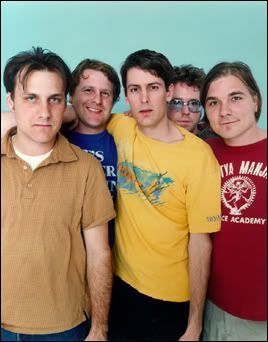
So. Pavement is reuniting for a tour in 2010. Pavement is one of the greatest bands of the last 20 years, and we should by rights be shitting our pants about this, but how excited can even a diehard fan be with dead weight of Malkmus’ mediocre solo career and Spiral Stairs’ failures in the 10-year interim? Does context not bog down the grandeur of “Stop Breathing”? If the band smiles while playing “Major Leagues,” is it because they love the song, or because they’re getting paid? Is it unfair to read too much into an ex-band’s good time?
There is no concerted band-reunion backlash. This is the summer of nostalgia. Michael Jackson, Woodstock. Pastel-colored T-shirts with white blazers. Reissues, repackages, reunions, retracing. Bands performing classic albums in their entirety. Everyone clawing back ceaselessly into the past, avoiding whatever it is they’re scared of facing. I can understand needing a warm familiar place to reside say, during the Bush administration, but why now? Look around. Now is when we have a smart president and we have these weird artistic opportunities because of the depression and we have this gung-ho spirit of change and hope and possibility, and the best we can do is help the Pixies sell out three shows of a no-surprises song-for-song set of Doolittle, a very good and very old album they recorded over 20 years ago.
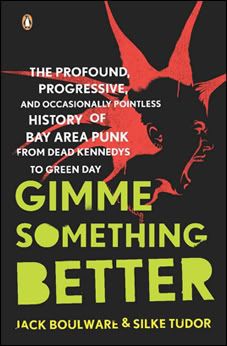 Next week’s Bohemian column is on a stellar book coming out on September 29, Gimme Something Better: The Profound, Progressive, and Occasionally Pointless History of Bay Area Punk from Dead Kennedys to Green Day. It’s a collected oral history of a very special time in many people’s lives, my own included, told by over a hundred band members, scenesters, zine editors, promoters, volunteers and old friends who save things like set lists and practice tapes. A mammoth work at 500 pages, it will have an impact on the Bay Area in ways we can only prognosticate, except for one. “Are you ready for the bickering to begin?” I asked authors Jack Boulware and Silke Tudor yesterday. “Oh, it’s already started,” Tudor said. “It started when we began interviewing people.”
I’m a champion of history, which shouldn’t be confused with nostalgia; history is telling stories about an old flyer, while nostalgia is trying to book the same show with the same bands at the same venue all over again. History can also be unsettling, and having events close to one’s life wrapped up neatly into book form sometimes gives the eerie feeling of mummification. I mentioned this to Boulware, and asked, “Why write about all this stuff now? Isn’t it a little too early?” He laughed.
“When you’re too young, you don’t really have a perspective on it, as much as when you’re older,” he explained of most of the book’s interview subjects. “When you’re in your 30s, you’re embarrassed of the stuff you did in your 20s, and you don’t wanna talk about it. But when you’re in your 40s, and you’re talking about something that happened in your 20s, you have a little bit of distance on it.”
In other words, if Boulware and Tudor hadn’t tracked these people down now, who knows what stories they’d have been unable to share? Lots of writers have tackled the Bay Area punk scene and failed; by handing the book’s voice over to the people involved, Gimme Something Better is like being homesick without leaving home, and an epic chronicle that people will be talking about for years to come. I can’t say as much for the average band’s sad-sack reunion tour, where the prevailing feeling is that of watching overgrown children dance for Grandma.
Bands Start Up Each and Every Day